• Home
  • About Us
  • Toolkit
  • Getting Finances Done
    • Hiring Advisors
    • Debt Management
    • Spending Plan
  • Insurance
    • Life Insurance
    • Health Insurance
    • Disability Insurance
    • Homeowners/Renters Insurance
  • Contact Us
  • Privacy Policy
  • Risk Tolerance Quiz

The Free Financial Advisor

You are here: Home / Archives for savings tips

The $1,000 Crisis: Why Most Families Can’t Handle a Simple Emergency Anymore

February 19, 2026 by Brandon Marcus Leave a Comment

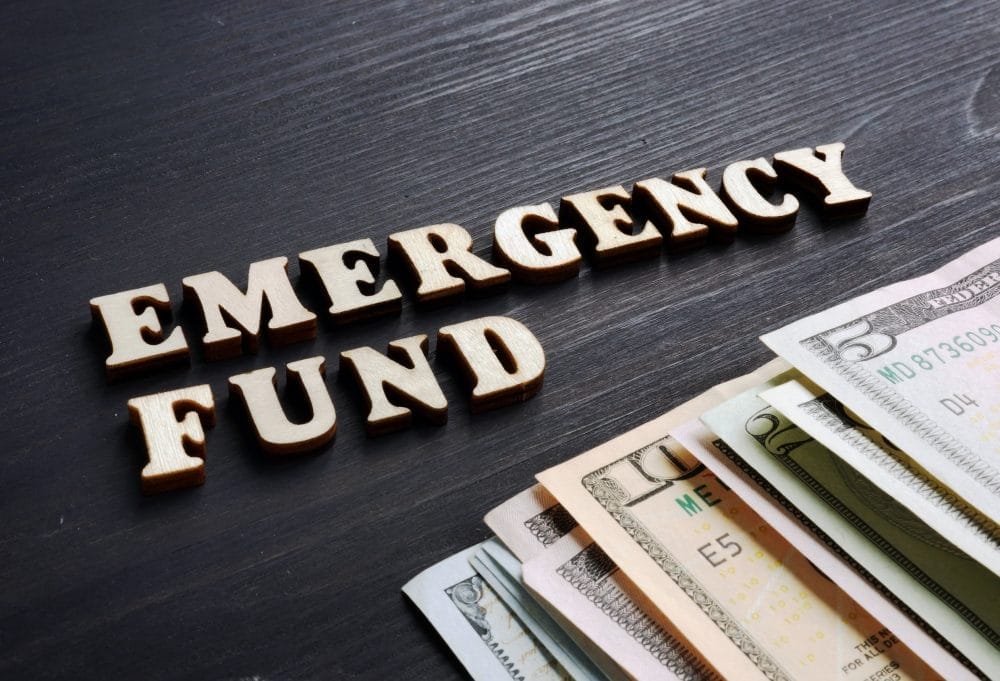
The $1,000 Crisis: Why Most Families Can’t Handle a Simple Emergency Anymore

Image Source: Pixabay.com

A thousand dollars should not feel like a financial earthquake. Yet for millions of households across the United States, it does. Recent surveys from sources such as the Federal Reserve and Bankrate consistently show that a large share of adults would struggle to cover a $400 or $1,000 unexpected expense with cash or savings. Many say they would rely on credit cards, loans, or help from friends and family. That reality reveals something deeper than poor planning. It exposes a fragile system where everyday life leaves almost no margin for error.

The $1,000 crisis does not start with irresponsibility. It starts with math that simply does not work anymore.

The Shrinking Cushion in the American Household

Families once relied on modest buffers—small savings accounts, manageable housing costs, stable job benefits. Over time, those cushions thinned out. Housing prices and rents have climbed sharply over the past decade, especially after 2020, while wage growth has struggled to keep pace with inflation in many sectors.

When fixed costs take up most of a paycheck, flexibility disappears. A car repair or medical bill does not arrive as an inconvenience; it arrives as a threat. Even families with steady employment find themselves one surprise away from high-interest debt.

Credit cards often step in to fill the gap. Credit card balances in the United States have reached record highs in recent years, and average interest rates on those cards hover above 20 percent. That means a $1,000 emergency can quietly turn into $1,200 or $1,300 if someone cannot pay it off quickly. Debt compounds stress, and stress fuels more financial mistakes. The cycle tightens.

Inflation Changed the Game—and It Hasn’t Fully Let Up

Inflation surged to levels not seen in four decades during 2022, and while the rate has slowed since then, prices have not returned to their previous levels. Groceries still cost more than they did before the pandemic. Car insurance premiums have jumped in many states. Childcare costs strain families across income brackets.

When prices rise quickly, savings lose ground. A family that built a small emergency fund before 2020 might have felt confident with $2,000 set aside. Today, that same amount covers fewer months of expenses. Inflation does not just shrink purchasing power; it shrinks peace of mind, especially for low-income households.

Wages have increased in many industries, but they often lag behind rapid cost spikes. Lower-income households feel that gap most sharply because essentials consume a larger share of their income. When every dollar already has a job, no spare cash exists for a rainy day.

The Disappearing Middle-Class Margin

For decades, the middle class relied on stable employment, employer-sponsored health insurance, and predictable career paths. That stability has eroded. Gig work, contract roles, and unpredictable schedules now define large parts of the labor market. While flexibility appeals to some workers, inconsistent income complicates financial planning.

Healthcare costs also create enormous uncertainty. Even insured families face high deductibles and surprise bills. A single emergency room visit can cost thousands of dollars before insurance covers the rest. Medical debt remains one of the leading causes of financial hardship in the United States.

Education expenses add another layer. Student loan balances still burden millions of borrowers, even after temporary payment pauses ended. Those monthly payments compete directly with savings goals. When families juggle rent, groceries, insurance, childcare, and loan payments, an emergency fund often falls to the bottom of the list.

The $1,000 Crisis: Why Most Families Can’t Handle a Simple Emergency Anymore

Image Source: Unsplash.com

Why Financial Literacy Alone Won’t Fix It

People often frame the $1,000 crisis as a knowledge problem. They argue that better budgeting apps or more financial education would solve everything. Education helps, but it does not override structural pressures like stagnant wages or rising housing costs.

Many families already budget carefully. They compare grocery prices, cook at home, delay vacations, and skip luxuries. Yet fixed expenses consume so much income that little remains to save. Blaming individuals ignores the economic context.

At the same time, agency still matters. Households can renegotiate bills, shop insurance rates annually, and challenge unnecessary fees. Many companies quietly reduce rates when customers ask. Negotiating rent, refinancing loans when rates drop, and consolidating high-interest debt can free up cash flow.

The Emotional Toll of Living One Bill Away from Trouble

Financial fragility affects more than bank accounts. It impacts mental health, relationships, and physical well-being. Constant worry about money increases stress levels, disrupts sleep, and strains marriages. The American Psychological Association frequently reports that money ranks as a top source of stress for adults.

Stress clouds judgment. When someone feels cornered, short-term relief often wins over long-term strategy. A high-interest loan promises quick cash, even if it creates deeper problems later. Breaking that pattern requires both financial tools and emotional support.

Families can reduce anxiety by setting clear, achievable milestones. Instead of aiming for six months of expenses immediately, target the first $500. Celebrate that win, and then push toward $1,000. Progress builds confidence, and confidence encourages consistency.

Practical Steps to Build a Real Buffer

A realistic plan beats vague intentions every time. Start by calculating essential monthly expenses: housing, utilities, food, insurance, transportation, minimum debt payments. Multiply that number by one. That figure becomes the first emergency fund goal.

Next, examine income streams. Could a side skill generate extra cash for a few months? Freelance projects, tutoring, pet sitting, or weekend shifts can accelerate savings. Short-term hustle for long-term security often makes sense.

Cutting expenses does not require extreme deprivation. Swapping brand-name groceries for store brands, preparing meals at home, and reviewing subscription services can produce meaningful savings without crushing morale. Direct every dollar saved into the emergency fund immediately, rather than letting it blend into general spending.

The Real Cost of Ignoring the $1,000 Problem

When families cannot handle small emergencies, the broader economy feels the impact. High consumer debt limits spending power. Financial stress reduces productivity and increases healthcare costs. Instability spreads outward.

Policymakers debate solutions such as higher minimum wages, expanded tax credits, affordable childcare programs, and healthcare reforms. Those discussions matter because structural change can strengthen household balance sheets. Yet individuals cannot wait for sweeping reform before taking action.

The $1,000 crisis reveals a fragile financial foundation. It shows how thin the line between stability and chaos has become for many families. But it also highlights an opportunity. Small, disciplined steps compound over time, and modest buffers grow into meaningful security.

A Thousand Dollars Should Not Decide Your Future

A $1,000 emergency should inconvenience a family, not destabilize it. Yet current economic realities have turned that sum into a breaking point for too many households. Rising costs, high-interest debt, unpredictable income, and limited savings create a perfect storm.

Financial resilience does not require perfection. It requires consistency and a refusal to accept permanent fragility as normal. The first $100 matters. The first $500 matters. Momentum matters.

What would it take for your household to feel truly secure against a $1,000 emergency? If you have any budgeting or financial ideas that could help others, feel free to share them below.

You May Also Like…

Why Your Emergency Fund Isn’t Protecting You the Way It Did Five Years Ago

The “Safe” Budget Rules That Quietly Stop Working After Age 60

Why Are Emergency Funds Harder to Rebuild Than People Expect

Why Does Budgeting Feel More Emotional Than Logical

7 Budget Foods Americans Rely On That Doctors Say Create Bigger Problems Later


Brandon Marcus
Brandon Marcus

Brandon Marcus is a writer who has been sharing the written word since a very young age. His interests include sports, history, pop culture, and so much more. When he isn’t writing, he spends his time jogging, drinking coffee, or attempting to read a long book he may never complete.


Filed Under: Personal Finance Tagged With: Cost of living, Debt, economic trends, emergency fund, family finances, financial stress, household budgeting, Inflation, middle class, money advice, Personal Finance, savings tips

Big Banks Are Still Collecting Billions in Overdraft and NSF Fees

February 11, 2026 by Brandon Marcus Leave a Comment

Big Banks Are Still Collecting Billions in Overdraft and NSF Fees

Image source: shutterstock.com

We live in an era where you can deposit a check by waving your phone at it, but big banks are still raking in billions from overdraft and NSF (non-sufficient funds) fees. It feels like a relic from another time, yet it remains one of the most profitable corners of consumer banking. And while many financial institutions have trimmed or restructured these fees in recent years, the overall haul is still massive.

This isn’t just a quirky footnote in the world of personal finance—it’s a reminder of how the banking system continues to shape the everyday lives of millions of people.

The Fee Machine That Just Won’t Quit

Overdraft and NSF fees have long been a dependable revenue stream for major banks, and despite public pressure and regulatory scrutiny, they haven’t disappeared. In fact, some of the largest U.S. banks still generate billions from these charges every year. Even as some institutions have reduced the cost of overdraft fees or eliminated NSF fees altogether, the overall system still leans heavily on customers who slip into the red.

These fees often hit people who are already financially stretched, turning a small miscalculation into a costly setback. What makes this even more striking is that the technology exists to prevent many of these situations, yet the incentives to maintain the status quo remain strong.

Why These Fees Stick Around

If you’ve ever wondered why overdraft and NSF fees are still so common, the answer is surprisingly simple: they’re incredibly profitable. Banks argue that these fees help cover the cost of managing accounts and processing transactions, but the revenue they generate far exceeds those operational expenses.

Overdraft programs are structured in ways that maximize the likelihood of triggering a fee, such as processing larger transactions first or approving debit purchases that push accounts negative. While some banks have shifted toward more consumer-friendly practices, the industry as a whole still relies heavily on these charges. The persistence of these fees isn’t about necessity—it’s about financial incentive.

The People Who Pay the Most

One of the most troubling aspects of overdraft and NSF fees is how unevenly they’re distributed. A relatively small percentage of account holders end up paying the majority of these charges, often because they’re living paycheck to paycheck. When every dollar matters, timing becomes everything, and a single delayed deposit or unexpected bill can trigger a cascade of fees.

This creates a cycle that’s hard to escape, especially when multiple fees hit in rapid succession. For many households, these charges aren’t just an inconvenience—they’re a genuine financial burden that can derail budgets and deepen stress.

The Push for Change Is Growing

The good news is that momentum for change is building. Regulators have increasingly scrutinized overdraft practices, and several major banks have voluntarily reduced or eliminated certain fees. Some have introduced grace periods, low-balance alerts, or no-fee overdraft cushions to help customers avoid penalties.

These shifts show that the industry is capable of evolving, even if progress feels slow. Still, the overall fee revenue remains enormous, and many institutions continue to rely on these charges. For consumers, staying informed is essential, because the landscape is changing—but not fast enough to assume your bank has your back.

What Consumers Can Do Right Now

While the system may not transform overnight, consumers have more power than they realize. One of the most effective steps is simply comparing banks and switching to one that offers more consumer-friendly policies. Many online banks and credit unions have eliminated overdraft fees entirely or offer far more forgiving programs.

Setting up account alerts, keeping a small buffer in checking, or linking to a savings account can also help reduce the risk of fees. And if a fee does hit, it’s always worth asking your bank to reverse it—many will, especially if it’s a rare occurrence. Taking a proactive approach can save real money over time and reduce the stress of managing day-to-day finances.

Big Banks Are Still Collecting Billions in Overdraft and NSF Fees

Image source: shutterstock.com

What This Means for the Future of Banking

The continued reliance on overdraft and NSF fees raises important questions about the future of consumer banking. As technology advances and competition increases, the pressure on traditional banks to modernize their fee structures will only grow. Consumers are becoming more aware of their options, and institutions that cling to outdated practices risk losing customers to more transparent, flexible alternatives.

The shift won’t happen overnight, but the trend is clear: people want banking that works for them, not against them. Staying informed and choosing institutions that align with your financial values can help push the industry in a better direction.

A Smarter Way Forward for Your Money

At the end of the day, overdraft and NSF fees aren’t going away just yet, but that doesn’t mean consumers are powerless. Knowing how these fees work, why they persist, and what alternatives exist can help you make choices that protect your wallet and reduce unnecessary stress. The banking world is slowly evolving, and your decisions play a part in shaping that future. Staying alert, comparing options, and advocating for yourself can make a meaningful difference in how much you pay—and how much control you feel over your financial life.

What do you think? Should banks be doing more to reduce or eliminate these fees? How have they gotten in your financial way? Tell us all your thoughts in the comments below.

You May Also Like…

Why More Americans Are Being Charged Fees They Never Explicitly Agreed To

Bankrate Projects Credit Card Rates Will Only Drop to 19.1% by End of 2026

5 Outrageous Fees Hidden in Everyday Banking Services

Breaking Up Without Breaking the Bank: A Guide to Affordable Divorce

What the Stars on Your 2026 Bank Statement Really Means for Your Privacy

Brandon Marcus
Brandon Marcus

Brandon Marcus is a writer who has been sharing the written word since a very young age. His interests include sports, history, pop culture, and so much more. When he isn’t writing, he spends his time jogging, drinking coffee, or attempting to read a long book he may never complete.

Filed Under: Banking Tagged With: bank policies, banking, big banks, budgeting, Consumer Protection, financial literacy, money management, NSF fees, overdraft fees, Personal Finance, savings tips

10 Steps People Wish They Took Sooner To Track Their Money Better

October 22, 2025 by Catherine Reed Leave a Comment

10 Steps People Wish They Took Sooner To Track Their Money Better

Image source: shutterstock.com

Everyone knows they should manage their finances, yet many don’t realize how much clarity and control they’re missing until years later. Tracking money isn’t just about budgeting—it’s about understanding where every dollar goes and how those choices shape the future. People who learn to monitor spending, automate savings, and plan intentionally often find peace of mind that others only discover after financial stress. The good news is that it’s never too late to start, and with a few smart steps, anyone can take charge of their finances before regret sets in.

1. Creating a Realistic Budget from the Start

One of the first things people wish they did to track their money better is to create a realistic budget early on. Too often, budgets are based on ideal scenarios instead of actual spending patterns. Taking time to analyze income, recurring bills, and discretionary expenses helps build a sustainable plan. A budget that reflects reality instead of perfection is easier to maintain and less discouraging. Over time, consistent budgeting builds the foundation for long-term financial confidence.

2. Separating Needs from Wants

Another essential step to track their money effectively is learning to distinguish between needs and wants. It sounds simple, but many people only master this after years of impulse purchases. By prioritizing necessities like housing, groceries, and transportation before nonessential spending, financial stability grows. This mindset helps identify leaks in a budget that often go unnoticed. People who adopt this discipline early typically save more and feel less financial pressure later in life.

3. Tracking Every Expense—No Matter How Small

A key strategy for anyone trying to track their money is to record every expense. Many underestimate how quickly small purchases add up—coffee runs, streaming subscriptions, or daily snacks. Using apps or spreadsheets makes it easy to log transactions and visualize spending habits. Once people start tracking everything, patterns emerge that reveal where adjustments are needed. This awareness can be eye-opening, turning casual spenders into mindful money managers.

4. Setting Up Automatic Savings Transfers

Automation is one of the most powerful ways to track their money without constant effort. By scheduling automatic transfers to savings or investment accounts, saving becomes consistent and stress-free. This removes the temptation to spend extra cash and ensures financial goals progress steadily. People often wish they had automated sooner because it builds momentum toward big milestones like emergencies or retirement. Once set up, automation makes smart financial behavior effortless.

5. Reviewing Bank and Credit Card Statements Regularly

Many people only review their statements when something goes wrong, but regular monitoring is essential to track their money accurately. Checking for errors, fraudulent charges, or forgotten subscriptions prevents unnecessary losses. It also helps people stay aware of spending categories that may have crept upward over time. Monthly reviews create accountability and awareness, two critical habits for maintaining financial health. Those who do it early often find fewer surprises and greater confidence in their accounts.

6. Using Financial Apps or Tools Wisely

Technology has made it easier than ever to track their money efficiently. Apps like YNAB or PocketGuard can categorize expenses, set savings goals, and provide real-time insights. However, the key is consistency—using the tools regularly, not just when motivated. These platforms transform vague financial goals into clear, measurable progress. People who embrace these tools early on tend to develop better habits and enjoy greater control over their finances.

7. Building an Emergency Fund Early

An emergency fund isn’t just a safety net—it’s a stress reliever that helps people track their money with purpose. Having three to six months of expenses set aside prevents reliance on credit cards or loans during crises. It also allows people to focus on long-term financial goals without the fear of unexpected setbacks. The earlier an emergency fund is built, the easier it becomes to manage life’s unpredictability. Many adults look back wishing they had started this step in their twenties.

8. Tracking Net Worth Alongside Income

Most people monitor their income but overlook their overall net worth. Keeping tabs on assets versus debts provides a clearer financial picture and helps track their money in a meaningful way. Watching debt decrease and savings grow can motivate smarter decisions. It also helps identify when lifestyle inflation might be offsetting progress. Those who measure net worth regularly tend to make more strategic choices about investing and spending.

9. Learning the Value of Saying “No”

Financial growth often depends as much on restraint as on strategy. Learning to say “no” to unnecessary purchases, events, or upgrades helps people track their money more effectively. It’s not about deprivation but about prioritizing goals over momentary satisfaction. Each “no” frees up cash for something that truly matters—like paying off debt or saving for a dream purchase. People who master this mindset early enjoy greater freedom and fewer regrets.

10. Reviewing Progress and Adjusting Often

Tracking money isn’t a one-time effort—it’s an evolving process. Life changes, incomes shift, and priorities evolve, so reviewing progress regularly is essential. Adjusting budgets, savings goals, and habits ensures financial plans stay relevant and effective. People who revisit their money management systems quarterly or annually maintain steady growth and awareness. This habit transforms short-term tracking into lifelong financial mastery.

Turning Awareness into Action

When people learn to track their money with intention, everything changes—from how they spend to how they dream. The earlier these steps become habits, the easier it is to stay ahead of financial stress and reach meaningful goals. Tracking isn’t about restriction; it’s about empowerment, clarity, and peace of mind. Even small improvements in awareness can lead to significant long-term rewards. It’s never too late to start making your money work for you instead of the other way around.

What’s one habit you wish you’d started earlier to track your money better? Share your insights and experiences in the comments below!

What to Read Next…

6 Surprising Reasons People Refuse to Create a Simple Budget

Why an Enormous Tax Refund Is Actually a Bad Sign for Your Finances

13 Vital Questions to Ask About Your Own Spending Triggers

Are These 6 “Helpful” Budget Tips Actually Ruining Your Finances?

Transform Your Spending Habits Using These Behavioral Psychology Tricks.

Catherine Reed
Catherine Reed

Catherine is a tech-savvy writer who has focused on the personal finance space for more than eight years. She has a Bachelor’s in Information Technology and enjoys showcasing how tech can simplify everyday personal finance tasks like budgeting, spending tracking, and planning for the future. Additionally, she’s explored the ins and outs of the world of side hustles and loves to share what she’s learned along the way. When she’s not working, you can find her relaxing at home in the Pacific Northwest with her two cats or enjoying a cup of coffee at her neighborhood cafe.

Filed Under: Personal Finance Tagged With: budgeting, debt reduction, financial habits, money management, Personal Finance, Planning, savings tips, Wealth Building

5 Bank Fees That Are Secretly Draining Hundreds From Your Account Annually

October 11, 2025 by Catherine Reed 2 Comments

5 Bank Fees That Are Secretly Draining Hundreds From Your Account Annually

Image source: shutterstock.com

You might think your money is safe sitting in a checking or savings account, but the truth is, many banks quietly chip away at your balance through small, recurring charges. These sneaky costs can add up to hundreds of dollars every year without you even noticing. From overdraft charges to maintenance fees, many customers pay more in unnecessary bank fees than they realize. The good news? Once you know where these hidden costs lurk, you can take steps to stop the drain and keep more of your hard-earned money.

1. Monthly Maintenance Fees Add Up Faster Than You Think

One of the most common and costly bank fees comes in the form of monthly maintenance charges. Many traditional banks charge $5 to $25 per month simply for holding your account—unless you meet specific conditions like maintaining a minimum balance or setting up direct deposit. While these amounts may seem small, they can cost you $60 to $300 per year for something that online banks often provide for free. Banks rely on customers overlooking these deductions because they blend in with normal activity. To avoid them, switch to a no-fee account or negotiate directly with your bank for a fee waiver.

2. Overdraft Fees Punish Simple Mistakes

Overdraft fees are some of the most frustrating bank fees, often triggered by small timing errors or forgetfulness. If your account dips below zero—even for a few hours—banks can charge you $30 or more per transaction. That means if multiple payments hit at once, you could face several fees in a single day. Some banks also charge “extended overdraft” penalties if you don’t bring your balance positive within a few days. Avoid this financial pitfall by linking your checking to a savings account for automatic transfers or signing up for overdraft protection alerts.

3. Out-of-Network ATM Fees Chip Away at Savings

When you’re on the go, using an ATM that isn’t part of your bank’s network might seem harmless—but those transactions can get expensive quickly. Most banks charge around $2.50 to $3.50 per withdrawal, while the ATM owner may tack on an additional $3 to $5. That means a single cash withdrawal could cost you up to $8. Over a year, even one or two out-of-network withdrawals per month can easily total $100 or more. The simplest fix is to plan ahead, withdraw cash from your bank’s ATMs, or use a bank that reimburses these fees.

4. Paper Statement Fees Penalize the Old-Fashioned

If you still receive printed bank statements by mail, there’s a good chance you’re paying for them. Many institutions now charge $2 to $5 per month to cover “printing and delivery costs.” While that might sound small, it can total up to $60 a year for a service that’s entirely avoidable. Banks push paper statement fees to encourage digital banking, but some customers simply haven’t realized they can opt out. Switching to e-statements is not only free but also more secure and environmentally friendly.

5. Account Inactivity Fees Hit When You Least Expect It

Account inactivity fees are among the sneakiest bank fees because they target customers who use their accounts infrequently. If your account sits dormant for six to twelve months, some banks charge $10 to $20 per month until activity resumes—or they close the account altogether. This can happen with old savings accounts, unused debit cards, or secondary checking accounts you forget about. Over time, inactivity charges can eat through your balance completely. Avoid them by setting up automatic transfers or small recurring deposits to keep your account active.

Hidden Fees Don’t Stop at the Obvious Ones

Beyond these major categories, banks have a long list of smaller fees that can quietly erode your finances. Foreign transaction charges, early account closure fees, wire transfer costs, and balance inquiry charges can all add up, especially for frequent travelers or small business owners. Even mobile deposit limits can lead to extra charges if you exceed them. The key to minimizing these losses is awareness—read your bank’s fee schedule carefully and check statements regularly for anything unexpected. If something looks off, contact your bank immediately to dispute or clarify the charge.

How to Protect Yourself from Costly Bank Fees

Staying vigilant is your best defense against unnecessary bank fees. Start by reviewing your account’s terms and switching to fee-free or online-only banks that offer better transparency. Setting up alerts for low balances or large withdrawals helps you stay in control and avoid penalties. You can also link accounts strategically to cover shortfalls or maintain required balances. Taking a few minutes each month to review your transactions can save you hundreds by year’s end.

Knowledge Is Your Best Financial Shield

Banks count on customer inattention to keep their fee revenue flowing. But once you understand how these hidden costs work, you can make smarter choices that keep your money where it belongs—earning interest, not paying penalties. By choosing low-fee institutions, automating smart alerts, and monitoring your statements, you can stop the slow leak of bank fees once and for all. A little awareness can go a long way toward building financial peace of mind—and that’s worth far more than any convenience a fee-based account might offer.

Have you ever caught your bank charging hidden fees? How did you handle it? Share your experience and advice in the comments below!

What to Read Next…

  • How Can Small Banking Errors Snowball Into Huge Losses
  • 6 Banking Terms That Invalidate Joint Ownership Intentions
  • What Are the Hidden Dangers of Digital-Only Banking?
  • Privacy Settings You Should Never Ignore on Banking Apps
  • Could Social Media Habits Be Hurting Bank Accounts
Catherine Reed
Catherine Reed

Catherine is a tech-savvy writer who has focused on the personal finance space for more than eight years. She has a Bachelor’s in Information Technology and enjoys showcasing how tech can simplify everyday personal finance tasks like budgeting, spending tracking, and planning for the future. Additionally, she’s explored the ins and outs of the world of side hustles and loves to share what she’s learned along the way. When she’s not working, you can find her relaxing at home in the Pacific Northwest with her two cats or enjoying a cup of coffee at her neighborhood cafe.

Filed Under: Banking Tagged With: bank fees, budgeting, checking accounts, financial advice, Hidden Fees, money management, Personal Finance, savings tips

11 Essential Items to Include In Your Emergency Fund Check

October 8, 2025 by Catherine Reed Leave a Comment

11 Essential Items to Include In Your Emergency Fund Check

Image source: 123rf.com

An emergency fund isn’t just about having money saved—it’s about knowing exactly what that money should cover. Too often, people underestimate what emergencies really look like until one strikes. Building a strong financial safety net means reviewing your expenses regularly and ensuring your savings reflect real-world needs. Doing a detailed emergency fund check can help you spot gaps, prepare for unexpected costs, and keep your finances stable even during life’s toughest moments. Here are 11 items you should always include when reviewing your emergency fund check.

1. Rent or Mortgage Payments

Housing is non-negotiable, and it’s usually your largest monthly expense. Make sure your emergency fund check includes at least three to six months of rent or mortgage payments. Losing your home during a financial crisis can make recovery much harder. Whether you’re a renter or homeowner, having this cushion ensures you can stay secure while you get back on your feet. Think of it as the foundation your entire safety net rests on.

2. Utilities and Basic Services

When planning your emergency fund check, don’t overlook essentials like electricity, water, gas, and internet. These services keep your home functional and connected, especially if you’re job hunting or managing family responsibilities. Even during tough times, utilities are rarely optional. Calculate your average monthly costs and multiply by the number of months your fund covers. Including these ensures you can maintain stability and comfort during a financial disruption.

3. Groceries and Household Essentials

Food is another necessity that needs to be part of every emergency fund check. While you can trim dining-out costs during hard times, grocery bills won’t disappear. Budget realistically for basic meals, cleaning supplies, and toiletries your household uses regularly. Planning ahead prevents panic spending when funds are tight. Having this category covered helps you focus on solutions, not survival.

4. Transportation Costs

Getting to work—or looking for one—depends on reliable transportation. Whether it’s gas, public transit fares, car insurance, or maintenance, include these in your emergency fund check. Even small repairs can derail your budget if you’re unprepared. Factor in what it takes to keep your vehicle or commute running smoothly. Reliable transportation keeps your income opportunities within reach.

5. Health Care and Prescriptions

Medical costs often strike unexpectedly, which makes this category crucial in your emergency fund check. Even if you have insurance, deductibles, copays, and prescription costs can add up quickly. Budget enough to cover a few medical visits or essential medications. Good health directly impacts your ability to work and manage finances effectively. Setting aside funds for this category offers both financial and physical peace of mind.

6. Debt Payments

Debt doesn’t pause just because life gets difficult. Make sure your emergency fund check includes minimum payments for credit cards, student loans, or personal loans. Staying current protects your credit score and avoids additional fees or penalties. If things worsen, you can negotiate with lenders, but having enough set aside buys you time. Prioritizing these obligations keeps your financial reputation intact.

7. Insurance Premiums

Missing insurance payments can leave you exposed to bigger risks later. Add health, auto, and home or renters’ insurance premiums to your emergency fund check. These policies are your backup during unexpected loss or damage, so keeping them active is vital. Even a short lapse in coverage can create huge liabilities. By budgeting for premiums, you ensure your safety nets stay intact during any crisis.

8. Childcare and Education Costs

If you have children, this is one expense you can’t afford to skip. Include daycare, school fees, or after-school program costs in your emergency fund check. Kids still need care, learning materials, and stability even when your finances take a hit. These expenses can also free you up to search for new work or focus on recovery. Covering childcare ensures your family’s routines remain consistent, even during uncertainty.

9. Pet Care Expenses

For pet owners, veterinary emergencies or even basic supplies can add up. Don’t forget to include pet food, medications, and occasional vet visits in your emergency fund check. Pets are part of the family, and caring for them shouldn’t become an added stress during a financial crisis. Even setting aside a small amount helps manage surprise expenses. Planning for them now prevents difficult choices later.

10. Unexpected Repairs and Maintenance

Life happens—appliances break, cars stall, and roofs leak. An effective emergency fund check should account for these unpredictable yet inevitable costs. Even a small buffer for home or vehicle repairs can prevent you from dipping into savings meant for bigger emergencies. Think of this as your “problem-solving” category. Having this covered ensures a broken refrigerator doesn’t spiral into a financial setback.

11. Emergency Communication and Technology

If a crisis hits, staying connected becomes essential. Add phone, data, or minimal tech replacement costs to your emergency fund check. A working phone or internet connection is critical for job searches, virtual meetings, or contacting emergency services. It may seem minor, but losing connectivity can isolate you quickly. Keeping this category in your fund ensures you can respond efficiently to any situation.

Building Confidence Through a Complete Emergency Fund Check

A well-rounded emergency fund check isn’t just about numbers—it’s about security, confidence, and preparedness. Covering these essential items means you’re not just reacting to crises but actively planning for them. Regularly reviewing and adjusting your fund ensures it stays aligned with your current lifestyle and expenses. When life throws surprises your way, your emergency fund becomes your financial safety harness. Preparing now gives you peace of mind that no matter what happens, you can stay steady and secure.

What’s one category you think people often forget in their emergency fund check? Have you updated yours recently? Share your insights in the comments below!

What to Read Next…

What Happens When You Live Without Emergency Savings

5 Emergency Repairs That Could Force You Into Debt Overnight

Why Do Families Rely on Payday Loans in Emergencies

10 Financial Dangers of Skipping Emergency Funds

Why Do High Earners Still Struggle With Emergency Savings

Catherine Reed
Catherine Reed

Catherine is a tech-savvy writer who has focused on the personal finance space for more than eight years. She has a Bachelor’s in Information Technology and enjoys showcasing how tech can simplify everyday personal finance tasks like budgeting, spending tracking, and planning for the future. Additionally, she’s explored the ins and outs of the world of side hustles and loves to share what she’s learned along the way. When she’s not working, you can find her relaxing at home in the Pacific Northwest with her two cats or enjoying a cup of coffee at her neighborhood cafe.

Filed Under: Personal Finance Tagged With: budgeting, Debt Management, emergency fund, financial preparedness, money management, Personal Finance, Planning, saving money, savings tips

7 Hidden Dangers of Stashing Cash at Home—And What to Do Instead

September 12, 2025 by Travis Campbell Leave a Comment

cash

Image source: pexels.com

Many people like the idea of keeping emergency money close by. Stashing cash at home feels simple and gives you quick access if something goes wrong. But while this approach seems safe, it carries real risks that many overlook. The hidden dangers of stashing cash at home can have long-term impacts on your finances and peace of mind. Understanding these risks is key to protecting your money and your future. Let’s look at the seven biggest dangers—and what you should do instead.

1. Burglary Risks

Keeping large amounts of cash hidden in your home makes you a target for theft. Criminals know that people often keep money in obvious places like under mattresses or inside drawers. If someone breaks in, your hard-earned savings could vanish in seconds. Even safes aren’t foolproof—thieves can take them or force you to open them.

The loss isn’t just financial. Dealing with a burglary can also bring stress and a sense of violation that’s hard to shake. Relying on home cash storage for security is a gamble most people can’t afford to take.

2. Fire and Natural Disasters

Fire, floods, and other disasters can destroy your home—and any cash inside it. Unlike digital money, cash lost to disaster is gone forever. Insurance policies rarely cover lost cash, leaving you with no way to recover your emergency fund or savings. Even if you use a fireproof safe, no container is completely immune to nature’s extremes.

Stashing cash at home exposes your money to unpredictable risks. One accident could wipe out years of careful saving in an instant.

3. Lack of Interest and Growth

One of the most overlooked dangers of stashing cash at home is missed opportunity. Money hidden in your house isn’t earning interest. Over time, this means your savings lose value compared to money kept in a high-yield savings account or similar option. Even a modest interest rate can add up over the years.

By keeping your money out of the financial system, you miss out on the power of compound growth. It’s not just about safety—it’s about making your money work for you.

4. Inflation Eats Away at Value

Inflation is another silent threat to cash stored at home. Each year, the cost of goods and services goes up. If your cash isn’t growing, its buying power shrinks. What feels like a healthy emergency fund today may not cover the same expenses a few years from now.

While stashing cash at home may seem like a way to protect yourself, it leaves your money vulnerable to the slow drain of inflation. Over time, this can have a big effect on your financial security.

5. No Protection Against Loss or Forgetfulness

It’s easy to misplace or forget about hidden cash, especially over time. People have found stacks of money tucked away in old books, boxes, or other hiding spots—sometimes long after the original owner has passed away. If you move or declutter, you might accidentally throw away your savings.

Unlike funds in a bank account, there’s no recovery process for lost or forgotten home cash. Once it’s gone, it’s gone for good. This is one of the most practical dangers of stashing cash at home.

6. Legal and Tax Complications

Large sums of cash at home can raise eyebrows if you ever need to prove your income or assets. For example, if you want to buy a home, apply for a loan, or deal with legal matters, you may be asked where your money came from. Banks and government agencies may view large, unexplained cash deposits as suspicious.

Documenting your finances is much easier when your money is in a regulated account. Keeping cash at home can complicate your financial life and even put you under unwanted scrutiny.

7. Temptation to Spend

When cash is close at hand, it’s easier to dip into your stash for non-emergencies. Maybe you’re tempted by a big sale or an impulse purchase. Over time, these small withdrawals add up, leaving you with less in your emergency fund when you truly need it.

Out of sight, out of mind works both ways. Keeping your money in a secure account helps you resist the urge to spend it on things that aren’t truly necessary.

Smarter Alternatives to Stashing Cash at Home

Instead of facing the dangers of stashing cash at home, consider safer and smarter alternatives. A high-yield savings account offers security, earns interest, and is protected by the FDIC up to $250,000. This means your money is safe from theft, fire, or loss—and it grows over time.

For extra peace of mind, you can also explore a money market account or a certificate of deposit. These options keep your emergency fund accessible but protected. If you’re worried about digital banking, choose a local credit union or reputable bank with strong customer service. If you need quick access to small amounts, keep a modest sum at home for true emergencies, but put the rest somewhere safer.

The dangers of stashing cash at home simply outweigh the perceived benefits. By using secure, interest-bearing accounts, you protect your money and set yourself up for long-term success.

Have you ever kept cash at home? What’s your strategy for keeping your emergency fund safe? Share your thoughts in the comments below!

What to Read Next…

  • 8 Things You’re Doing That Make Criminals Think You’re An Easy Target
  • 7 Places Criminals Watch Before Picking A Home To Rob
  • 7 ATM Withdrawal Behaviors That Raise Government Surveillance Flags
  • Could A Bank Freeze Your Account Without Telling You?
  • 7 Legal Loopholes That Let Authorities Freeze Assets Without Warning
Travis Campbell
Travis Campbell

Travis Campbell is a digital marketer/developer with over 10 years of experience and a writer for over 6 years. He holds a degree in E-commerce and likes to share life advice he’s learned over the years. Travis loves spending time on the golf course or at the gym when he’s not working.

Filed Under: Cash Reserve Tagged With: cash safety, emergency fund, home security, Personal Finance, Planning, savings tips

Could Relying on Social Security Alone Lead to Poverty

September 11, 2025 by Catherine Reed Leave a Comment

Could Relying on Social Security Alone Lead to Poverty

Image source: 123rf.com

Many people assume that Social Security benefits will be enough to carry them comfortably through retirement. After all, they’ve paid into the system for decades, so it feels natural to expect financial security in return. Unfortunately, relying on Social Security alone often paints a misleading picture of retirement readiness. The reality is that benefits typically cover only a fraction of living expenses, leaving many retirees vulnerable to financial stress. Let’s break down why relying on Social Security alone could lead to poverty and what steps can help avoid this outcome.

1. Benefits Rarely Cover Basic Living Costs

One of the biggest reasons relying on Social Security falls short is that average monthly payments are modest. For many retirees, benefits are less than $2,000 a month, which doesn’t stretch far when housing, food, and healthcare are factored in. Rising costs of everyday essentials outpace benefit increases, leaving seniors with gaps to fill. Those who rely solely on these checks often find themselves cutting corners on necessities. Without supplemental savings, financial strain becomes unavoidable.

2. Healthcare Expenses Continue to Climb

Another reason relying on Social Security is risky is the cost of healthcare. Medicare helps, but it doesn’t cover everything, leaving retirees to pay for premiums, prescriptions, and out-of-pocket expenses. As people age, medical needs often grow, and costs can skyrocket. Social Security alone rarely provides enough cushion to manage these bills comfortably. Without additional resources, healthcare expenses alone can push retirees closer to poverty.

3. Inflation Erodes Buying Power

While Social Security includes cost-of-living adjustments, they often don’t fully keep pace with inflation. Over time, the purchasing power of benefits declines, leaving retirees able to afford less with the same check. This is especially true during periods of rapid inflation, when prices for essentials rise faster than adjustments. Relying on Social Security alone means your income loses strength every year. Without other sources of growth, retirees are left behind.

4. Housing Costs Can Overwhelm Budgets

For many retirees, housing remains the single largest expense. Whether paying rent, property taxes, or upkeep on a home, these costs add up quickly. Relying on Social Security alone often forces people to downsize or sacrifice other essentials just to keep a roof overhead. Unexpected repairs or rising rental prices can devastate fixed incomes. Without savings or additional income, housing insecurity becomes a very real threat.

5. Longer Lifespans Require More Money

People are living longer than ever, which means retirement savings must stretch further. Relying on Social Security alone doesn’t account for the fact that many retirees may spend 20 to 30 years in retirement. Over such long periods, unexpected expenses are bound to arise. Without backup funds, seniors risk outliving their benefits and facing poverty in later years. Longevity is a blessing but also a financial challenge.

6. Unexpected Emergencies Derail Budgets

Even in retirement, life throws curveballs. Car repairs, home maintenance, or family emergencies can create costs far beyond what Social Security provides. With no other financial cushion, retirees may turn to credit cards or loans, creating new debt burdens. These emergencies highlight the limitations of relying on Social Security alone. Financial flexibility is crucial, and benefits alone rarely provide it.

7. Lifestyle Sacrifices Become the Norm

Finally, relying on Social Security often means living with constant restrictions. Vacations, hobbies, and even simple leisure activities may feel out of reach. Many retirees expect freedom in retirement but instead face disappointment. Constantly saying no to enjoyable experiences takes an emotional toll in addition to the financial one. A well-rounded retirement requires more than just covering the basics.

Building Security Beyond Social Security

Relying on Social Security alone creates a retirement filled with limitations, stress, and potential poverty. While the program provides an important safety net, it was never designed to be the sole source of income. Planning ahead with savings, investments, or even part-time work helps create the financial security most people truly need. By taking action early, retirees can build a future that balances comfort with peace of mind. The key is to view Social Security as a foundation, not the whole structure, of your financial plan.

Do you think relying on Social Security alone is realistic for retirees today? Share your perspective in the comments below.

What to Read Next…

6 Dangerous Assumptions People Make About Social Security

Why Do Some Retirees Keep Working Even When They Don’t Need To

Teachers, Firefighters, and Other Public Servants: This New Law Could Add Over $300 Month to Your Benefit

6 Retirement Planning Shifts to Expect by 2035

Why Do Some Retirees End Up Paying Taxes Twice on the Same Money

Catherine Reed
Catherine Reed

Catherine is a tech-savvy writer who has focused on the personal finance space for more than eight years. She has a Bachelor’s in Information Technology and enjoys showcasing how tech can simplify everyday personal finance tasks like budgeting, spending tracking, and planning for the future. Additionally, she’s explored the ins and outs of the world of side hustles and loves to share what she’s learned along the way. When she’s not working, you can find her relaxing at home in the Pacific Northwest with her two cats or enjoying a cup of coffee at her neighborhood cafe.

Filed Under: social security Tagged With: Financial Security, Personal Finance, poverty risk, relying on Social Security, retirement income, retirement planning, savings tips

Why Do People Keep Old Accounts That Drain Their Savings

September 11, 2025 by Catherine Reed Leave a Comment

Why Do People Keep Old Accounts That Drain Their Savings

Image source: 123rf.com

Many people are unknowingly losing money every month because of old accounts they no longer use but continue to maintain. Whether it’s forgotten bank accounts, outdated subscriptions, or legacy investment products, these accounts quietly chip away at savings. Instead of simplifying finances, they create unnecessary fees, missed opportunities, and confusion. The strange thing is that people know these accounts exist but often hesitate to close them. Let’s explore the most common reasons why people keep old accounts that drain their savings and how to avoid falling into the same trap.

1. Fear of Hurting Credit Scores

One reason people keep old accounts is the fear of damaging their credit score. Credit history length plays a role in scoring, and many believe closing old credit cards will hurt them financially. While it’s true that canceling certain accounts can affect credit, leaving them open may come with annual fees or maintenance costs. Paying for something just to preserve a few points on a credit score often doesn’t make sense. Understanding how credit scoring works helps people make better decisions about which accounts to keep and which to let go.

2. Sentimental Attachment to Long-Standing Accounts

Old accounts sometimes carry emotional value, especially if they were the first bank account, credit card, or investment product someone ever owned. People may view them as milestones or reminders of important life stages. Unfortunately, sentiment doesn’t justify ongoing fees or poor interest rates. Holding onto financial products for nostalgia is like keeping an old car that no longer runs but still costs money to maintain. Recognizing the difference between emotional value and financial benefit is key to avoiding unnecessary losses.

3. Confusion About Account Rules

Another reason people keep old accounts is simple confusion. They may not fully understand the terms, potential penalties, or how closing the account might impact their finances. This uncertainty often leads to inaction, which results in money slowly draining away through fees. Companies count on this hesitation to keep customers locked in. Taking the time to review account terms can eliminate doubt and lead to smarter choices.

4. Avoiding the Hassle of Closing Accounts

Closing old accounts often requires paperwork, phone calls, or in-person visits. People may keep old accounts simply because it feels easier than dealing with the process. This avoidance, however, allows companies to continue charging fees or underpaying on interest. The longer the delay, the more the savings shrink. What feels like avoiding a headache often creates a much bigger financial problem over time.

5. Unawareness of Better Options

Sometimes people keep old accounts because they don’t realize there are better alternatives available. A bank account opened years ago may have had competitive rates at the time, but newer products may now offer far higher returns with fewer fees. Investment accounts, too, may be locked into outdated structures that no longer serve the customer well. Staying with what feels familiar prevents people from exploring better financial opportunities. Doing research can uncover options that save money and grow wealth more effectively.

6. Overlapping Accounts from Life Changes

Life transitions often leave people with multiple old accounts. Job changes can result in old retirement accounts being left behind and forgotten, while moving may lead to keeping accounts with banks no longer convenient. These accounts sit unused, costing maintenance fees or missing out on better growth opportunities. Consolidating accounts after major life changes prevents financial waste. Regular checkups help people align their finances with their current needs instead of clinging to the past.

7. Subscription and Service Accounts That Sneak By

Not all old accounts are traditional bank or credit accounts. Subscription services, streaming platforms, and memberships can also quietly drain savings when forgotten. People often sign up for free trials or temporary services and then forget to cancel them. These recurring charges add up over time, becoming hidden financial leaks. Reviewing monthly statements carefully can reveal which services are no longer worth keeping.

A Financial Spring Cleaning Can Save You More Than You Think

The reality is that old accounts rarely benefit you as much as they cost you. Whether kept out of fear, habit, or convenience, they can slowly drain your savings without offering much in return. Taking time to review and consolidate accounts not only saves money but also brings clarity and control to your financial picture. Just like spring cleaning clears space in your home, trimming down unnecessary accounts frees up resources for the things that truly matter. By addressing these hidden drains, you can take an important step toward financial health.

Have you ever discovered old accounts quietly draining your savings? Share your story in the comments below.

What to Read Next…

Could Having Too Many Bank Accounts Complicate Wealth Instead of Protect It

5 Financial Dangers That Hide in Credit Union Accounts

Why Do Some People Treat Retirement Accounts Like Emergency Funds

10 Financial Risks of Starting a Side Hustle Too Quickly

8 Secrets Behind Fee Structures—Do You Know What You Really Pay?

Catherine Reed
Catherine Reed

Catherine is a tech-savvy writer who has focused on the personal finance space for more than eight years. She has a Bachelor’s in Information Technology and enjoys showcasing how tech can simplify everyday personal finance tasks like budgeting, spending tracking, and planning for the future. Additionally, she’s explored the ins and outs of the world of side hustles and loves to share what she’s learned along the way. When she’s not working, you can find her relaxing at home in the Pacific Northwest with her two cats or enjoying a cup of coffee at her neighborhood cafe.

Filed Under: Personal Finance Tagged With: account consolidation, budgeting advice, money management, old accounts, personal finance mistakes, Planning, savings tips

Could Too Much Cash in the Bank Actually Hurt Your Financial Future

August 27, 2025 by Catherine Reed Leave a Comment

Could Too Much Cash in the Bank Actually Hurt Your Financial Future

Image source: 123rf.com

It feels safe to stash money in a savings account, watching the balance grow month after month. Many families equate bigger cash reserves with greater financial security, but there’s a hidden downside. Having too much cash in the bank may actually stall your long-term financial progress and limit opportunities for building wealth. While a strong emergency fund is essential, money that just sits loses potential value over time. Understanding how to balance security with growth is key to protecting your financial future.

1. Inflation Eats Away at Your Savings

One of the biggest risks of keeping too much cash in the bank is inflation. While your savings account balance looks steady, the purchasing power of that money shrinks each year as prices rise. Over a decade, this can add up to thousands of dollars in lost value. A gallon of milk, a family vacation, or even college tuition will all cost more down the road. Putting a portion of savings into investments that grow with inflation helps keep wealth protected.

2. Missed Investment Growth Opportunities

Cash sitting in the bank doesn’t benefit from the growth potential of the stock market, bonds, or real estate. By keeping too much cash in the bank, families may miss out on compound interest that builds wealth over time. Even modest investments grow significantly with consistency. While there are risks, balancing safety with smart investing allows money to work harder. Families who start small can still build a habit of wealth-building that pays off long-term.

3. Low Bank Interest Rates Don’t Keep Up

Most traditional savings accounts offer interest rates that barely (or don’t) cover inflation. This makes too much cash in the bank less effective for wealth building. While high-yield accounts offer better rates, they still fall short compared to diversified investments. Relying only on savings accounts may provide peace of mind but not financial growth. A balanced mix of accounts, from retirement funds to brokerage accounts, ensures money doesn’t stagnate.

4. Increased Risk of Overspending

Oddly enough, too much cash in the bank can lead to overspending. Seeing a large balance often makes families feel wealthier than they are, leading to more frequent splurges. This behavior drains potential savings that could have been invested. Cash can be comforting but also misleading when it isn’t assigned to clear goals. Separating funds into emergency savings, investments, and future needs helps avoid temptation.

5. Poor Retirement Preparation

Another drawback of keeping too much cash in the bank is the lost opportunity to build retirement accounts. 401(k)s and IRAs offer tax advantages and long-term growth that simple savings accounts cannot match. Families who delay investing in retirement may struggle to catch up later. Since retirement expenses are often higher than expected, planning ahead is critical. Prioritizing retirement contributions ensures money is working toward future security.

6. Money Isn’t Fully Protected from Risk

It might seem safer to hold too much cash in the bank, but even this strategy carries risks. FDIC insurance only covers deposits up to certain limits, meaning very large balances may not be fully insured. Additionally, keeping everything in cash leaves families vulnerable to rising living costs without growth to offset the impact. Diversification provides a stronger safety net than relying on savings alone. Protecting wealth means spreading it wisely.

7. Kids Miss Out on Financial Lessons

When children see parents keeping too much cash in the bank, they may learn to fear investing. This mindset can carry into adulthood, leaving them hesitant to build wealth through diverse financial tools. Teaching kids about responsible investing, risk management, and long-term planning gives them confidence. Families that model smart financial habits pass down more than money—they pass down knowledge. Cash has its place, but kids benefit from seeing money used in balanced ways.

Balancing Security with Smart Growth

Saving is an important first step, but keeping too much cash in the bank can limit long-term financial health. Inflation, low interest rates, and missed investment opportunities all reduce the true value of stagnant savings. Families can protect themselves by keeping enough for emergencies while channeling the rest into growth strategies. By balancing security with smarter money moves, parents can set the stage for a more stable financial future. The right mix of savings and investments provides both comfort today and prosperity tomorrow.

How do you balance savings with long-term investing for your family? Share your strategies and thoughts in the comments below.

What to Read Next…

10 Tactics for Building an Emergency Fund from Scratch

5 Everyday Habits That Financial Advisors Secretly Call “Wealth Killers”

7 Things the Wealthy Buy That Advisors Say Are Financial Disasters

Financial Planning Basics: The Financial Pyramid

7 Money Coach Claims That Aren’t Backed by Credentials

Catherine Reed
Catherine Reed

Catherine is a tech-savvy writer who has focused on the personal finance space for more than eight years. She has a Bachelor’s in Information Technology and enjoys showcasing how tech can simplify everyday personal finance tasks like budgeting, spending tracking, and planning for the future. Additionally, she’s explored the ins and outs of the world of side hustles and loves to share what she’s learned along the way. When she’s not working, you can find her relaxing at home in the Pacific Northwest with her two cats or enjoying a cup of coffee at her neighborhood cafe.

Filed Under: money management Tagged With: family finance, investing for families, money management, Planning, savings tips, too much cash in the bank

Here Are The 8 Worst Mistakes Shoppers Make During Costco’s Biggest Sales

February 11, 2025 by Latrice Perez Leave a Comment

Costco

Image Source: 123rf.com

Costco is known for its insane discounts, jaw-dropping sales, and warehouse-style shopping experience. It’s easy to get caught up in the excitement of snagging a bargain, but even the savviest shoppers can make costly mistakes during Costco’s biggest sales events. From oversized packages to obscure pricing quirks, there are plenty of ways to end up spending more than you intended. Here are 8 lesser-known—but major—mistakes that even seasoned Costco shoppers are still making. Avoid these pitfalls, and you’ll shop smarter during your next Costco sale.

1. Assuming All “Sale” Items Are Actually Discounted

It’s easy to assume that a sale tag always means a real bargain, but that’s not always the case. Costco is notorious for offering “discounts” on items that are actually priced the same as regular retail, or worse, slightly higher. Just because a tag says “discount” doesn’t automatically mean you’re getting a better price.

One sneaky trick some savvy Costco shoppers use is to take a photo of the product’s price tag and cross-check it against online competitors or even other local stores. That way, you can confirm if the “deal” is truly worth it or just clever marketing designed to get you to swipe your card faster.

2. Not Factor in the Hidden “Convenience Costs”

While Costco offers bulk products at great prices, sometimes those bulk quantities are a trap. Shoppers may think they’re getting an excellent deal, but buying in large quantities isn’t always the most cost-effective solution. In many cases, you’re paying for the convenience of not having to restock frequently, but that doesn’t always equate to a better deal.

A huge pack of paper towels or a 10-gallon jar of peanut butter might seem like a bargain, but if you don’t have the storage space or you’ll never finish the product, the money you save might not be worth it. Factor in whether the product is practical for your lifestyle or if it’ll just take up space in your house until it expires.

3. Buying Electronics Without Doing a Full Price Check

Electronics are one of Costco’s top-selling categories, but they don’t always offer the best prices. While Costco is known for carrying top brands at competitive prices, it’s easy to assume that the “sale” prices on gadgets are unbeatable. However, the truth is that major tech retailers often have their own flash sales that can offer similar or even better deals on electronics.

Before pulling the trigger on that shiny new TV or laptop, compare the price on Costco’s website with the price on sites like Amazon, Best Buy, or even Walmart. You might just find that you’re paying for the membership, only to realize that a competitor has it for less.

4. Missing Out on Costco’s Clearance Section

Here’s a pro tip: Costco’s clearance section is often overlooked by casual shoppers, but it’s a treasure trove for those in the know. The real gems are sometimes tucked away in these less-glamorous aisles. However, you have to be quick—clearance items fly off the shelves fast, and once they’re gone, they’re gone.

Next time you’re at Costco, take a detour to the clearance section before grabbing your bulk-sized cereal boxes. You might just stumble upon a high-quality item at an incredible price, but if you don’t know where to look, it’s easy to miss.

5. Overlooking the Costs of “Premium” Products

Costco is often praised for its private-label products under the Kirkland brand, but the “premium” items on the shelves can sometimes pack a hidden punch to your wallet. From gourmet chocolates to fancy wine, many premium items may look irresistible during a sale. But you need to ask yourself: is the upgrade worth it?

The more upscale items, while high quality, often come at a significantly higher price point than their non-premium alternatives. So, next time you see a limited-edition wine or artisanal olive oil, stop and evaluate whether it’s really worth the extra splurge or if a basic version will do just fine.

6. Buying Without Checking the Return Policy Fine Print

Costco has one of the most generous return policies in the retail world, but it’s not a free-for-all. While most items are returnable with no time limit, certain products—such as electronics, jewelry, and seasonal items—come with stricter return guidelines. If you’re buying something that’s meant to last for years, like a high-end mattress or an expensive appliance, make sure you double-check the return policy.

There’s nothing worse than buying something on impulse during a big sale, only to realize later that the return window is closing or that certain conditions apply. Protect yourself from buyer’s remorse by reading the fine print before committing.

7. Falling for “Limited Time” Promotions You Don’t Need

During Costco’s biggest sales, there’s always a sense of urgency with “limited time” deals. These promotions create a sense of pressure, making shoppers feel like they must act fast or lose out on the opportunity. But just because something is marked as a limited-time offer doesn’t mean you need it.

Before rushing to buy an item just because it’s part of a “deal of the day,” ask yourself whether you truly need it. Many shoppers end up with unnecessary items they weren’t planning on buying, and those so-called “great deals” become wasted purchases that add up over time.

8. Buying Without a Shopping List (or an Exit Strategy)

Costco is a warehouse of temptation. You go in with a list but somehow leave with a cart full of random items. From bulk snacks to fancy kitchen gadgets, Costco’s aisles are packed with things you didn’t even know you needed.

One of the biggest mistakes you can make is not sticking to your shopping list or failing to have an exit strategy. Going in without a clear plan means you’ll be swayed by the massive displays and promotions scattered throughout the store. Set a budget, make a list, and stay disciplined. Otherwise, you may leave feeling regretful of those impulse buys once you get home.

Don’t Get Caught Up in the Hype

Costco’s sales events are a great opportunity to score incredible deals, but it’s easy to get caught up in the hype and make costly mistakes. By being aware of these hidden traps, you can shop smarter and avoid regret. Do your research, check prices, stick to your shopping list, and don’t let those “limited time” deals pressure you into buying something you don’t really need. The more prepared you are, the more you’ll truly save and get the most out of your Costco shopping experience.

What are the best purchases you’ve made during a Costco sales event? What mistakes have you made? Let’s talk about it in the comments below.

Read More:

8 Costco Products That Are Surprisingly Overpriced

How To Cut Your Spending

Latrice Perez

Latrice is a dedicated professional with a rich background in social work, complemented by an Associate Degree in the field. Her journey has been uniquely shaped by the rewarding experience of being a stay-at-home mom to her two children, aged 13 and 5. This role has not only been a testament to her commitment to family but has also provided her with invaluable life lessons and insights.

As a mother, Latrice has embraced the opportunity to educate her children on essential life skills, with a special focus on financial literacy, the nuances of life, and the importance of inner peace.

Filed Under: Personal Finance Tagged With: buying smarter, Costco, Costco sales, Costco shopping hacks, discount shopping, impulse buying, membership deals, savings tips, shopping tips, smart shopping

  • 1
  • 2
  • Next Page »

FOLLOW US

Search this site:

Recent Posts

  • Can My Savings Account Affect My Financial Aid? by Tamila McDonald
  • 12 Ways Gen X’s Views Clash with Millennials… by Tamila McDonald
  • What Advantages and Disadvantages Are There To… by Jacob Sensiba
  • 10 Tactics for Building an Emergency Fund from Scratch by Vanessa Bermudez
  • Call 911: Go To the Emergency Room Immediately If… by Stephen Kanaval
  • 7 Weird Things You Can Sell Online by Tamila McDonald
  • 10 Scary Facts About DriveTime by Tamila McDonald

Copyright © 2026 · News Pro Theme on Genesis Framework