• Home
  • About Us
  • Toolkit
  • Getting Finances Done
    • Hiring Advisors
    • Debt Management
    • Spending Plan
  • Insurance
    • Life Insurance
    • Health Insurance
    • Disability Insurance
    • Homeowners/Renters Insurance
  • Contact Us
  • Privacy Policy
  • Risk Tolerance Quiz

The Free Financial Advisor

You are here: Home / Archives for impulse buying

Is Your “Little Treat” Habit Costing You $2,500 a Year? The Real Spending Math

March 3, 2026 by Brandon Marcus Leave a Comment

Is Your “Little Treat” Habit Costing You $2,500 a Year? The Real Spending Math

Image Source: Unsplash.com

A five-dollar habit does not feel like a financial turning point. It feels like a reward. It feels earned. And it feels small enough to ignore.

Yet run that same five dollars through a full year, and the numbers tell a different story. Add a few more “little” extras each week, and the total climbs fast enough to compete with a vacation, a credit card balance, or a serious dent in an emergency fund. The question is not whether small treats matter. The real question asks how much they actually cost when they show up every single day.

The $5 Illusion: Why Small Numbers Trick the Brain

A five-dollar coffee, a seven-dollar sandwich, a quick ten-dollar online order—none of these purchases trigger alarm bells on their own. Most people do not think in annual totals while standing in line or tapping a checkout button. The brain loves small numbers because they feel manageable and low risk.

Behavioral economists often talk about “mental accounting,” a concept popularized by Nobel Prize–winning economist Richard Thaler. People mentally sort money into different buckets, and they treat each bucket differently. A small daily expense slides into a harmless category labeled “treat” or “self-care.” That label lowers defenses.

The math does not care about labels. Spend $7 a day on coffee and snacks, and that equals $49 a week. Multiply that by 52 weeks, and the total hits $2,548 in a year. That figure does not include interest or potential investment growth. It simply reflects routine spending that felt minor in the moment.

Once numbers move from daily to annual, they suddenly demand attention. Two thousand five hundred dollars does not feel like a throwaway amount. It feels like tuition, rent, a plane ticket, or several months of groceries.

The Real Annual Breakdown: Let’s Do the Math

Start with a simple scenario. Imagine a $6 latte purchased five days a week. That equals $30 a week. Over a month, that reaches about $130. Over a year, that totals roughly $1,560.

Now add a $12 takeout lunch twice a week. That adds $24 weekly, or about $1,248 annually. Combine that with the latte habit, and the yearly total jumps to $2,808. No exaggeration. No dramatic rounding. Just straightforward multiplication.

Recent surveys show that households spend thousands of dollars annually on food away from home. That category includes coffee runs, fast-casual lunches, and last-minute takeout dinners. For many households, food away from home represents one of the largest flexible expenses in the budget.

Flexibility matters because flexible expenses offer room for change. Rent and insurance demand fixed payments. Daily treats leave room for choice. That does not mean cutting every joy. It means recognizing the scale of those joys over time.

The Comfort Trap: When Treats Turn Into Routine

A treat should feel occasional. When it turns into a daily ritual, it shifts from luxury to routine expense. Lifestyle inflation plays a role here. As income rises, spending often rises right along with it. That new job, that raise, that bonus—each milestone invites a small upgrade. A nicer coffee. A better lunch. Faster shipping. None of these changes feel reckless. Together, they reshape a budget.

Habits build quickly because repetition removes friction. The first $8 smoothie feels indulgent. The twentieth feels normal. Normal spending rarely sparks scrutiny.

That normalization explains why “little treat culture” gained traction online. Social media platforms like TikTok amplify the idea that small daily rewards protect mental health and boost motivation. While occasional rewards support well-being, daily spending without limits can quietly crowd out bigger goals.

What $2,500 Could Actually Do Instead

Two thousand five hundred dollars holds real power when redirected with purpose. Place $2,500 into a high-yield savings account earning 4 percent annual interest, and that money generates about $100 in interest over a year without additional contributions. Invest $2,500 in a diversified index fund averaging a historical annual return of around 7 percent after inflation, and that amount could grow to roughly $4,900 in ten years, assuming no additional deposits and steady returns. Markets fluctuate, and returns never come guaranteed, but long-term growth historically rewards consistency.

That same $2,500 could wipe out high-interest credit card debt. Many credit cards charge interest rates above 20 percent. Paying down a $2,500 balance at 20 percent interest saves hundreds of dollars in future interest payments.

The number also covers a solid emergency fund starter. Many financial planners recommend saving three to six months of essential expenses. A $2,500 cushion can prevent a job loss or medical bill from turning into long-term debt.

Is Your “Little Treat” Habit Costing You $2,500 a Year? The Real Spending Math

Image Source: Unsplash.com

How to Keep the Joy Without Losing the Cash

Eliminating every small pleasure often backfires. Extreme restriction leads to burnout, and burnout leads to splurges that undo progress. Balance works better than deprivation.

Start by tracking spending for one month. Use a budgeting app or a simple spreadsheet. Write down every coffee, snack, and impulse purchase. Awareness alone often reduces spending because it removes the illusion of smallness. Next, set a monthly “treat fund.” Allocate a fixed amount—maybe $100 or $150—and spend it guilt-free. Once that fund runs out, pause until the next month. This strategy keeps joy in the budget while protecting long-term goals.

Experiment with swaps. Brew coffee at home four days a week and buy one café drink as a weekly ritual. Pack lunch three days a week and enjoy one intentional takeout meal. Small adjustments maintain pleasure without draining thousands annually.

A Quick Reality Check on “It’s Just $5”

Five dollars feels harmless because it does not threaten immediate survival. Yet scale changes meaning. Five dollars a day equals $35 a week, $182 a month, and $1,825 a year. Increase that daily amount to $8, and the annual total climbs to $2,920. This math does not argue against comfort. It argues for conscious choice.

Every dollar spent daily locks in a pattern. Every dollar redirected reshapes a future balance sheet. Personal finance rarely hinges on one dramatic decision. It builds on repeated behavior.

Financial experts consistently emphasize that small, consistent actions drive long-term results. Regular investing, steady saving, and controlled spending outperform sporadic grand gestures. The same principle applies in reverse. Small, consistent overspending erodes progress more effectively than one big splurge.

Tiny Choices, Big Totals

Small purchases carry big consequences when they repeat daily. A few dollars here and there can quietly total thousands over twelve months, enough to fund savings, reduce debt, or build real security. No one needs to abandon joy or live on strict austerity. Thoughtful limits and clear goals create room for both pleasure and progress.

Take a close look at the last 30 days of spending. Add up every “small” indulgence. Does that total surprise you, or does it confirm what you suspected all along? Let’s share our financial findings in the comments below.

You May Also Like…

6 Reasons Middle-Class Budgets Are Breaking Under “Slow Inflation”

7 Budget Foods Americans Rely On That Doctors Say Create Bigger Problems Later

Modern Taxation Explained: Filing, Records, and Savings

The “Safe” Budget Rules That Quietly Stop Working After Age 60

5 Budgeting Tools That Trick You Into Higher Spending

Brandon Marcus
Brandon Marcus

Brandon Marcus is a writer who has been sharing the written word since a very young age. His interests include sports, history, pop culture, and so much more. When he isn’t writing, he spends his time jogging, drinking coffee, or attempting to read a long book he may never complete.

Filed Under: Spending Habits Tagged With: Budgeting Tips, coffee spending, financial goals, Financial Wellness, frugal living, impulse buying, Lifestyle Inflation, money management, Personal Finance, saving money, smart shopping, Spending Habits

6 Clear Signs Your Spending Is Controlled By Outside Forces

October 8, 2025 by Travis Campbell Leave a Comment

spending

Image source: shutterstock.com

Personal finance advice consistently emphasizes the importance of managing your spending. But what if your spending isn’t entirely up to you? More people than ever feel like they’re not in the driver’s seat when it comes to their money. Outside forces—like advertising, social pressure, and even technology—can nudge us to spend in ways we don’t expect. Recognizing the signs that outside forces control your spending is the first step to regaining your financial independence. If you’ve ever wondered why your budget keeps slipping or why you regret purchases, it’s time to look closer. Here are six clear signs your spending might not be as self-directed as you think.

1. You Frequently Buy Things You Didn’t Plan For

Impulse buying is one of the most obvious signs that outside forces control your spending. If you often leave stores or shopping websites with items you never intended to purchase, it’s likely you’re responding to external triggers. Flashy displays, limited-time offers, or “recommended for you” sections are designed to make you act fast and think later.

This isn’t just about lack of willpower. Retailers and e-commerce sites invest heavily in strategies that make you feel you need something right now. The next time you find yourself adding something to your cart on a whim, pause and ask yourself: Would I buy this if it wasn’t in front of me?

2. Your Spending Increases When You’re With Certain People

Social influence is powerful. Maybe you have friends who love to dine at expensive restaurants or shop for the latest gadgets. If you notice your spending spikes when you’re with them, it’s a sign your spending is controlled by outside forces—specifically, the desire to fit in or avoid feeling left out.

It’s natural to want to share experiences, but it’s important to recognize when your spending is about keeping up appearances rather than meeting your own needs. If your purchases often leave you feeling pressured or resentful, it’s time to reflect on who’s really making those decisions.

3. You Feel Anxious or Guilty After Shopping

Emotional spending often follows a pattern: you buy something, then feel regret or anxiety afterward. This cycle can be triggered by clever marketing, social media “hauls,” or influencer recommendations. These outside forces can make you believe that buying will solve a problem or make you happier.

If you consistently feel uneasy after shopping, it’s a sign that your spending isn’t aligned with your values or goals. Recognizing this emotional feedback is key to understanding who—or what—is motivating your purchases.

4. You’re Easily Swayed by Advertising and Social Media

Modern advertising is everywhere, and it’s more targeted than ever. If you notice that seeing ads on Instagram, Facebook, or YouTube leads you to buy things you hadn’t considered before, your spending is controlled by outside forces. Algorithms know your habits and preferences, and they use that information to show you products at just the right moment.

Social media influencers, in particular, can create a sense of trust and urgency. If you find yourself thinking, “If they have it, maybe I need it too,” take a step back. Try unfollowing accounts that trigger these feelings or use browser extensions to limit ad exposure.

5. You Rely on Buy Now, Pay Later or Easy Credit Options

Buy-now, pay-later services and easy credit are convenient, but they can also be signs that outside forces are controlling your spending. These payment options are designed to lower your resistance to buying, making it feel like you’re not really spending money at all.

If you find yourself using these services regularly, it’s worth asking why. Are you making purchases you wouldn’t if you had to pay in full up front? These tools can quickly lead to debt and financial stress. Understanding how these services influence your decisions is crucial for regaining control.

6. You Struggle to Stick to a Budget Despite Good Intentions

Many people set budgets with the best intentions, but find themselves overspending month after month. If you’re not sure where your money goes, or if your budget always gets blown by “unexpected” expenses, outside forces may be at play. Retailers, advertisers, and even friends can undermine your plans without you realizing it.

Taking Back Control of Your Spending

Recognizing that outside forces control your spending isn’t about blaming yourself. It’s about understanding the environment you’re in so you can make more intentional choices. Small changes—like pausing before purchases, setting clear priorities, and limiting exposure to ads—can make a big difference.

When you notice the signs, take it as an opportunity to reflect. What’s driving your spending, and what would you like to change? By being honest about these influences, you can develop habits that truly serve your goals, rather than someone else’s.

Have you noticed any of these signs in your own life? What strategies have helped you take back control of your spending? Share your experiences in the comments below!

What to Read Next…

  • Are Financial Apps Sharing Your Spending Data More Than You Realize?
  • What Are Banks Really Doing With Your Personal Spending Data?
  • Are These 7 Little Expenses Quietly Costing You Thousands a Year?
  • Are These 8 Money Saving Tricks Actually Keeping You Broke?
  • 5 Budgeting Tools That Trick You Into Higher Spending
Travis Campbell
Travis Campbell

Travis Campbell is a digital marketer/developer with over 10 years of experience and a writer for over 6 years. He holds a degree in E-commerce and likes to share life advice he’s learned over the years. Travis loves spending time on the golf course or at the gym when he’s not working.

Filed Under: Spending Habits Tagged With: budgeting, financial control, impulse buying, Personal Finance, Spending Habits

11 Psychological Triggers That Make You Overspend

June 5, 2025 by Travis Campbell Leave a Comment

woman getting triggered

Image Source: pexels.com

Overspending is a challenge that almost everyone faces at some point, no matter how disciplined you try to be. You might set a budget, make a plan, and still find yourself wondering where your money went at the end of the month. The truth is, there are powerful psychological triggers at play that can make you overspend without even realizing it. Understanding these triggers is the first step to regaining control over your finances. If you’ve ever felt guilty after a shopping spree or puzzled by your own spending habits, you’re definitely not alone. Let’s break down the most common psychological triggers that make you overspend—and how you can outsmart them.

1. Instant Gratification

The desire for instant gratification is one of the strongest psychological triggers behind overspending. When you see something you want, your brain lights up with excitement, and it feels good to get it right away. This is especially true with online shopping, where a few clicks can bring a package to your door in days. To combat this, try implementing a 24-hour rule: wait a day before making non-essential purchases. This pause gives your rational mind time to catch up with your impulses.

2. Social Proof

Seeing others buy or recommend products can make you feel like you need them too. Social proof is everywhere—think of influencer posts, online reviews, or even friends showing off their latest finds. This psychological trigger can make you overspend just to fit in or keep up. To avoid falling into this trap, remind yourself that your financial goals are unique. Unfollow accounts that tempt you to spend and focus on what truly adds value to your life.

3. Emotional Spending

Many people turn to shopping as a way to cope with stress, sadness, or boredom. Emotional spending is a classic psychological trigger that can quickly derail your budget. Instead of reaching for your wallet when you’re feeling down, try healthier coping mechanisms like going for a walk, calling a friend, or journaling. Recognizing your emotional triggers is key to breaking the cycle of overspending.

4. Scarcity and FOMO

Limited time offers and “only a few left” messages are designed to trigger your fear of missing out (FOMO). Retailers know that scarcity makes products seem more valuable, pushing you to buy now rather than later. Before you give in, ask yourself if you’d still want the item if it were always available. Most of the time, the urgency is artificial and not worth the hit to your budget.

5. Anchoring

Anchoring is a psychological trigger where your mind fixates on the first price you see, making everything else seem like a bargain by comparison. For example, if a jacket is “marked down” from $200 to $80, you might feel like you’re saving money—even if $80 is still more than you’d usually spend. To avoid anchoring, set your own price limits before shopping and stick to them, regardless of the “original” price.

6. Rewarding Yourself

It’s natural to want to reward yourself after a tough week or a big accomplishment. However, using shopping as a reward can quickly become a habit that leads to overspending. Instead, find non-monetary ways to celebrate, like spending time with loved ones or enjoying a favorite hobby. If you do want to treat yourself, set a specific budget for it in advance.

7. The Power of Free

“Buy one, get one free” or “free shipping” offers can make you spend more than you planned. The word “free” is a powerful psychological trigger that can override your logical thinking. Before jumping on these deals, ask yourself if you actually need the extra item or if you’re just being lured by the promise of something for nothing. Behavioral economics research shows that the allure of “free” can lead to irrational decisions.

8. Sunk Cost Fallacy

Once you’ve invested time or money into something, it’s hard to walk away—even if it means spending more. This is known as the sunk cost fallacy, and it’s a psychological trigger that can keep you pouring money into things you don’t need. Remind yourself that past spending is gone, and making a new purchase won’t get that money back. Focus on future value, not past costs.

9. Overconfidence

Sometimes, we overestimate our ability to control spending or pay off debt later. This overconfidence can lead to risky financial decisions and overspending. To keep yourself in check, track your expenses regularly and set realistic limits. Accountability is a powerful antidote to overconfidence.

10. Clever Marketing

Retailers use sophisticated marketing tactics to trigger your desire to spend. From personalized ads to strategic store layouts, these techniques are designed to make you buy more. Being aware of these psychological triggers can help you resist them. Next time a flashy ad tempts you, pause and ask yourself if you really need what’s being sold.

11. The “It’s Only” Mentality

“It’s only $5” or “It’s just a coffee” might not seem like a big deal, but these small purchases add up over time. This psychological trigger makes it easy to justify frequent, minor expenses that can quietly drain your bank account. Try tracking every “small” purchase for a month—you might be surprised at how much you’re actually spending.

Building Awareness: Your Best Defense Against Overspending

Understanding the psychological triggers that make you overspend is the first step toward healthier financial habits. By recognizing these patterns, you can pause, reflect, and make more intentional choices with your money. Remember, it’s not about depriving yourself—it’s about making your spending align with your values and goals. The more aware you are of these triggers, the easier it becomes to resist them and take control of your financial future.

What psychological triggers have you noticed in your own spending habits? Share your stories or tips in the comments below!

Read More

The Invisible Drain: How 6 Hidden Fees Are Silently Eroding Your Savings

Credit Card Catastrophes: 12 Debt Traps Smart People Fall Into Without Realizing

Travis Campbell
Travis Campbell

Travis Campbell is a digital marketer/developer with over 10 years of experience and a writer for over 6 years. He holds a degree in E-commerce and likes to share life advice he’s learned over the years. Travis loves spending time on the golf course or at the gym when he’s not working.

Filed Under: Mental Health Tagged With: budgeting, financial advice, Financial Wellness, impulse buying, money habits, overspending, Personal Finance, psychology

5 Ways Gas Stations Get You to Spend More Money Once You Walk In The Door

May 6, 2025 by Travis Campbell Leave a Comment

pumping gas

Image Source: pexels.com

Gas stations have mastered the art of separating you from your money long after you’ve finished pumping fuel. What seems like a quick stop for gas often turns into an unexpected shopping spree. These convenience stores are strategically designed marketing machines that capitalize on impulse purchases and psychological triggers. Understanding these tactics can help protect your wallet during your next fill-up and prevent those small purchases that add up significantly over time.

1. Strategic Store Layout and Product Placement

Gas station convenience stores are meticulously designed to maximize sales. When you walk in, you’re guided through a carefully planned journey. Essential items like milk and bread are typically placed at the back of the store, forcing you to walk past tempting displays of snacks, drinks, and other impulse items.

High-margin products are positioned at eye level, while lower-margin necessities are often placed on bottom shelves. According to a study by the National Association of Convenience Stores, the average customer spends just 3-4 minutes inside a convenience store, making these strategic placements crucial for capturing quick purchase decisions.

The checkout area is particularly designed as a profit zone, lined with candy bars, energy drinks, and small impulse items that are easy to grab while waiting to pay. This “grab zone” capitalizes on last-minute purchase decisions when your guard is down.

2. Pricing Psychology and Bundle Deals

Gas stations employ sophisticated pricing strategies to make purchases seem more appealing. One common tactic is using prices ending in .99 or .95, which creates the illusion that items cost significantly less than they actually do.

Bundle deals are another effective strategy. “Two for $4” offers make you feel like you’re getting a bargain, even when you only needed one item. According to consumer behavior research, these quantity discounts can increase purchase volume by 30-40% even when the per-unit discount is minimal.

Many stations also use digital displays at the pump to advertise in-store specials, priming customers to consider purchases before they even enter the store. These promotions create a sense of urgency and exclusivity that’s hard to resist.

3. Sensory Marketing Tactics

Gas stations have become experts at using sensory cues to drive purchases. The smell of fresh coffee or baked goods wafting through the store triggers both hunger and positive emotions. Some stations even use scent machines to distribute these appetizing aromas.

Bright lighting and colorful displays create visual stimulation that draws attention to featured products. Digital screens playing advertisements or promotions engage multiple senses simultaneously, making it harder to maintain shopping discipline.

Temperature control is another subtle tactic. The cool air-conditioned environment encourages you to linger and browse on hot days. During winter, the warm interior invites you to stay longer than planned, increasing the likelihood of additional purchases.

Music selection is carefully curated to influence shopping behavior, with upbeat tempos encouraging quicker movement and more spontaneous purchases. These sensory elements work together to create an environment that weakens resolve and encourages spending.

4. Loyalty Programs and Mobile Apps

Modern gas stations have embraced technology to keep customers spending. Loyalty programs offer valuable points or discounts but often require significant spending to realize meaningful benefits. These programs collect valuable data on your purchasing habits, allowing for even more targeted marketing.

Mobile apps with exclusive deals and personalized offers create the impression of savings while encouraging additional purchases. Push notifications alert you to “limited-time offers” that trigger fear of missing out.

Some programs offer fuel discounts based on in-store purchases, effectively using gas as a loss leader to drive higher-margin convenience store sales. A 10-cent-per-gallon discount sounds appealing, but spending $50 or more on overpriced convenience items is often required.

These digital tools create a cycle of engagement that keeps you returning to the same chain and spending more with each visit, all while providing the illusion of savings.

5. Seasonal and Targeted Merchandising

Gas stations constantly refresh their merchandise based on seasons, local events, and consumer trends. During summer road trip season, coolers near the entrance are stocked with cold beverages. Winter brings displays of ice scrapers and hand warmers near the register.

Local sporting events trigger themed merchandise and snack displays. Holiday-specific items appear weeks before the actual holiday, capitalizing on early shoppers and creating artificial urgency.

These rotating displays make each visit feel different and exciting, encouraging exploration and discovery of new products. The merchandise mix is carefully calibrated to match the demographics of each station’s location, ensuring maximum relevance to the customer base.

Protecting Your Wallet at the Pump and Beyond

Armed with knowledge of these marketing tactics, you can develop strategies to avoid unnecessary spending. Consider paying at the pump when possible, bringing snacks and drinks from home for road trips, and setting a strict budget for convenience store purchases.

When you do enter the store, stick to a mental shopping list and avoid browsing additional aisles. Be particularly wary of checkout displays and “special” pricing that may not be as special as they appear.

Remember that convenience comes at a premium price – items at gas stations typically cost 30-60% more than the same products at grocery stores. That quick stop for a drink and snack could easily cost three times what you’d pay with a bit of planning.

Have you noticed yourself falling for any of these tactics during your gas station visits? What’s your biggest impulse purchase weakness when you stop for fuel?

Read More

5 Fees I Hate More Than the New Spirit Airlines B.S. Bag Fee

The Worst of the Free Financial Advisor Episode 12: Top 5 Ways to Save Money at the Gas Pump

Travis Campbell
Travis Campbell

Travis Campbell is a digital marketer/developer with over 10 years of experience and a writer for over 6 years. He holds a degree in E-commerce and likes to share life advice he’s learned over the years. Travis loves spending time on the golf course or at the gym when he’s not working.

Filed Under: Smart Spending Tagged With: budget tips, consumer psychology, convenience store tactics, gas station marketing, impulse buying, retail tricks, saving money

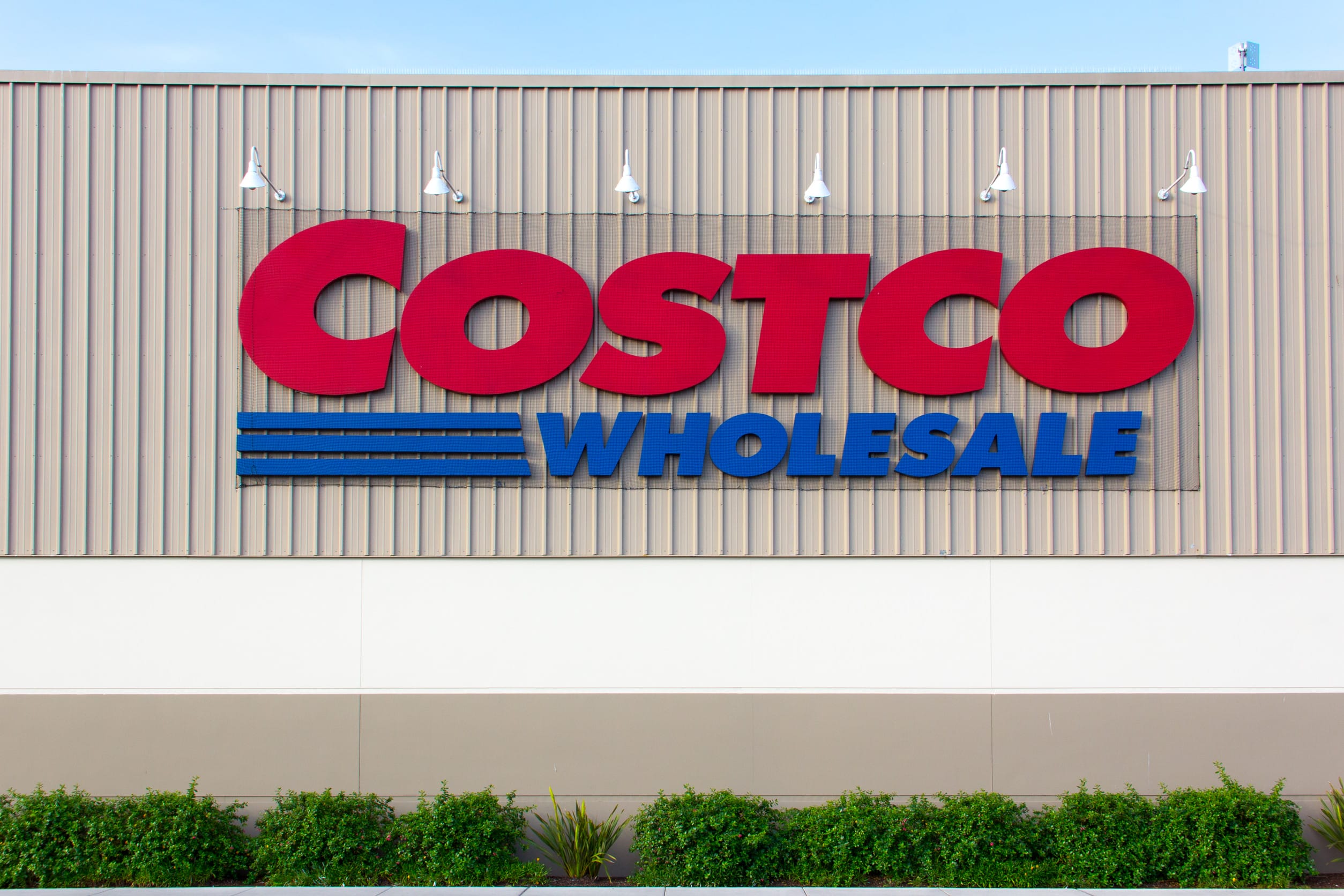
Here Are The 8 Worst Mistakes Shoppers Make During Costco’s Biggest Sales

February 11, 2025 by Latrice Perez Leave a Comment

Costco

Image Source: 123rf.com

Costco is known for its insane discounts, jaw-dropping sales, and warehouse-style shopping experience. It’s easy to get caught up in the excitement of snagging a bargain, but even the savviest shoppers can make costly mistakes during Costco’s biggest sales events. From oversized packages to obscure pricing quirks, there are plenty of ways to end up spending more than you intended. Here are 8 lesser-known—but major—mistakes that even seasoned Costco shoppers are still making. Avoid these pitfalls, and you’ll shop smarter during your next Costco sale.

1. Assuming All “Sale” Items Are Actually Discounted

It’s easy to assume that a sale tag always means a real bargain, but that’s not always the case. Costco is notorious for offering “discounts” on items that are actually priced the same as regular retail, or worse, slightly higher. Just because a tag says “discount” doesn’t automatically mean you’re getting a better price.

One sneaky trick some savvy Costco shoppers use is to take a photo of the product’s price tag and cross-check it against online competitors or even other local stores. That way, you can confirm if the “deal” is truly worth it or just clever marketing designed to get you to swipe your card faster.

2. Not Factor in the Hidden “Convenience Costs”

While Costco offers bulk products at great prices, sometimes those bulk quantities are a trap. Shoppers may think they’re getting an excellent deal, but buying in large quantities isn’t always the most cost-effective solution. In many cases, you’re paying for the convenience of not having to restock frequently, but that doesn’t always equate to a better deal.

A huge pack of paper towels or a 10-gallon jar of peanut butter might seem like a bargain, but if you don’t have the storage space or you’ll never finish the product, the money you save might not be worth it. Factor in whether the product is practical for your lifestyle or if it’ll just take up space in your house until it expires.

3. Buying Electronics Without Doing a Full Price Check

Electronics are one of Costco’s top-selling categories, but they don’t always offer the best prices. While Costco is known for carrying top brands at competitive prices, it’s easy to assume that the “sale” prices on gadgets are unbeatable. However, the truth is that major tech retailers often have their own flash sales that can offer similar or even better deals on electronics.

Before pulling the trigger on that shiny new TV or laptop, compare the price on Costco’s website with the price on sites like Amazon, Best Buy, or even Walmart. You might just find that you’re paying for the membership, only to realize that a competitor has it for less.

4. Missing Out on Costco’s Clearance Section

Here’s a pro tip: Costco’s clearance section is often overlooked by casual shoppers, but it’s a treasure trove for those in the know. The real gems are sometimes tucked away in these less-glamorous aisles. However, you have to be quick—clearance items fly off the shelves fast, and once they’re gone, they’re gone.

Next time you’re at Costco, take a detour to the clearance section before grabbing your bulk-sized cereal boxes. You might just stumble upon a high-quality item at an incredible price, but if you don’t know where to look, it’s easy to miss.

5. Overlooking the Costs of “Premium” Products

Costco is often praised for its private-label products under the Kirkland brand, but the “premium” items on the shelves can sometimes pack a hidden punch to your wallet. From gourmet chocolates to fancy wine, many premium items may look irresistible during a sale. But you need to ask yourself: is the upgrade worth it?

The more upscale items, while high quality, often come at a significantly higher price point than their non-premium alternatives. So, next time you see a limited-edition wine or artisanal olive oil, stop and evaluate whether it’s really worth the extra splurge or if a basic version will do just fine.

6. Buying Without Checking the Return Policy Fine Print

Costco has one of the most generous return policies in the retail world, but it’s not a free-for-all. While most items are returnable with no time limit, certain products—such as electronics, jewelry, and seasonal items—come with stricter return guidelines. If you’re buying something that’s meant to last for years, like a high-end mattress or an expensive appliance, make sure you double-check the return policy.

There’s nothing worse than buying something on impulse during a big sale, only to realize later that the return window is closing or that certain conditions apply. Protect yourself from buyer’s remorse by reading the fine print before committing.

7. Falling for “Limited Time” Promotions You Don’t Need

During Costco’s biggest sales, there’s always a sense of urgency with “limited time” deals. These promotions create a sense of pressure, making shoppers feel like they must act fast or lose out on the opportunity. But just because something is marked as a limited-time offer doesn’t mean you need it.

Before rushing to buy an item just because it’s part of a “deal of the day,” ask yourself whether you truly need it. Many shoppers end up with unnecessary items they weren’t planning on buying, and those so-called “great deals” become wasted purchases that add up over time.

8. Buying Without a Shopping List (or an Exit Strategy)

Costco is a warehouse of temptation. You go in with a list but somehow leave with a cart full of random items. From bulk snacks to fancy kitchen gadgets, Costco’s aisles are packed with things you didn’t even know you needed.

One of the biggest mistakes you can make is not sticking to your shopping list or failing to have an exit strategy. Going in without a clear plan means you’ll be swayed by the massive displays and promotions scattered throughout the store. Set a budget, make a list, and stay disciplined. Otherwise, you may leave feeling regretful of those impulse buys once you get home.

Don’t Get Caught Up in the Hype

Costco’s sales events are a great opportunity to score incredible deals, but it’s easy to get caught up in the hype and make costly mistakes. By being aware of these hidden traps, you can shop smarter and avoid regret. Do your research, check prices, stick to your shopping list, and don’t let those “limited time” deals pressure you into buying something you don’t really need. The more prepared you are, the more you’ll truly save and get the most out of your Costco shopping experience.

What are the best purchases you’ve made during a Costco sales event? What mistakes have you made? Let’s talk about it in the comments below.

Read More:

8 Costco Products That Are Surprisingly Overpriced

How To Cut Your Spending

Latrice Perez

Latrice is a dedicated professional with a rich background in social work, complemented by an Associate Degree in the field. Her journey has been uniquely shaped by the rewarding experience of being a stay-at-home mom to her two children, aged 13 and 5. This role has not only been a testament to her commitment to family but has also provided her with invaluable life lessons and insights.

As a mother, Latrice has embraced the opportunity to educate her children on essential life skills, with a special focus on financial literacy, the nuances of life, and the importance of inner peace.

Filed Under: Personal Finance Tagged With: buying smarter, Costco, Costco sales, Costco shopping hacks, discount shopping, impulse buying, membership deals, savings tips, shopping tips, smart shopping

FOLLOW US

Search this site:

Recent Posts

  • Can My Savings Account Affect My Financial Aid? by Tamila McDonald
  • 12 Ways Gen X’s Views Clash with Millennials… by Tamila McDonald
  • What Advantages and Disadvantages Are There To… by Jacob Sensiba
  • Call 911: Go To the Emergency Room Immediately If… by Stephen Kanaval
  • 10 Tactics for Building an Emergency Fund from Scratch by Vanessa Bermudez
  • 7 Weird Things You Can Sell Online by Tamila McDonald
  • 10 Scary Facts About DriveTime by Tamila McDonald

Copyright © 2026 · News Pro Theme on Genesis Framework