• Home
  • About Us
  • Toolkit
  • Getting Finances Done
    • Hiring Advisors
    • Debt Management
    • Spending Plan
  • Insurance
    • Life Insurance
    • Health Insurance
    • Disability Insurance
    • Homeowners/Renters Insurance
  • Contact Us
  • Privacy Policy
  • Risk Tolerance Quiz

The Free Financial Advisor

You are here: Home / Archives for vehicle costs

The $49,000+ New Car Reality — Why Entry-Level Vehicles Cost More

March 14, 2026 by Brandon Marcus Leave a Comment

The $49,000+ New Car Reality — Why Entry-Level Vehicles Cost More

Image Source: Pexels.com

A brand-new car once symbolized a practical step forward. Today it often feels like a luxury purchase wrapped in monthly payments that stretch farther than a highway in Nevada. The average price of a new vehicle in the United States now hovers above $49,000, according to industry tracking from Kelley Blue Book, and that number carries serious weight. Entry-level cars once provided a comfortable gateway into ownership, yet those so-called starter vehicles now carry price tags that rival older luxury models. Something dramatic shifted inside the auto industry, and the sticker shock tells a much bigger story than simple inflation.

A tangle of technology upgrades, supply chain chaos, shifting consumer tastes, and manufacturing economics reshaped the entire market. Anyone curious about modern car prices needs to look beneath the shiny paint and chrome. The reality behind today’s entry-level vehicles reveals a fascinating collision of economics, innovation, and strategy.

The Disappearing Cheap Car

Affordable cars once filled dealership lots like popcorn in a movie theater. Compact sedans and tiny hatchbacks delivered dependable transportation without draining savings accounts. Over the past decade, automakers quietly erased many of those budget models from their lineups. Vehicles like the Ford Fiesta, Chevrolet Spark, and Toyota Yaris once carried entry-level price tags that hovered well under $20,000. Those models now sit in the automotive history books because manufacturers pulled them from production.

Profit margins explain much of that disappearance. Small cars require enormous investment in engineering, safety testing, emissions compliance, and factory tooling. Automakers discovered that larger vehicles such as crossovers and SUVs delivered much higher profits per unit. A manufacturer might earn only a few hundred dollars on a compact car but several thousand on a mid-size SUV. That math changes corporate priorities quickly. Companies now devote massive development budgets toward larger vehicles because those models generate stronger returns.

Consumer demand also shifted dramatically. Drivers embraced crossovers with enthusiasm because those vehicles combine SUV styling, higher seating positions, and family-friendly cargo space. Sales numbers reflected that trend with brutal clarity. Compact sedans once ruled American roads, yet crossovers now dominate new vehicle sales charts. Automakers responded to those signals with ruthless efficiency. Production lines pivoted toward profitable crossovers, leaving entry-level cars behind like forgotten luggage at the airport.

Technology Turned Every Car Into a Rolling Computer

Step inside even the most basic modern vehicle and a small technology festival appears immediately. Digital dashboards glow across instrument panels, touchscreen displays manage navigation and music, and driver-assistance systems monitor the road with radar and cameras. These features improve safety and convenience, yet they also raise manufacturing costs significantly. Advanced technology no longer lives exclusively inside luxury vehicles.

Safety regulations play a huge role in this transformation. Automakers must equip modern vehicles with sophisticated crash structures, multiple airbags, stability control systems, and complex electronic monitoring tools. Many vehicles also include automatic emergency braking, lane-keeping assistance, and adaptive cruise control. Each of those systems requires sensors, processors, software development, and extensive testing. Those components add real cost long before a car ever reaches a dealership lot.

Technology expectations from buyers also push manufacturers toward feature-packed vehicles. Many shoppers now expect smartphone integration, wireless charging, large infotainment screens, and advanced driver assistance even in entry-level models. Automakers rarely strip those features away because technology helps attract buyers in an intensely competitive market. The result resembles a technology arms race where each new model arrives with more digital muscle than the last. All that electronic sophistication raises the baseline cost of building a car.

Supply Chains, Chips, and the Price Ripple Effect

The global supply chain crisis delivered one of the biggest punches to vehicle pricing in recent memory. When the COVID-19 pandemic disrupted factories and transportation networks across the world, automakers suddenly struggled to secure critical components. Semiconductor chips created one of the most painful bottlenecks because modern vehicles rely on dozens of those tiny processors. A typical new car may use anywhere from 50 to over 100 chips depending on its technology features.

Limited chip supplies forced manufacturers to slow production dramatically. Fewer cars rolled off assembly lines, which shrank dealership inventory across the country. Simple economics stepped in at that moment. Lower supply combined with strong demand pushed prices upward quickly. Buyers who once negotiated thousands of dollars off a sticker price suddenly faced markups instead.

Even after supply chains stabilized, higher costs lingered across the industry. Raw materials such as aluminum, steel, and lithium rose sharply in price during the past several years. Automakers absorbed some of those increases, yet many of those expenses eventually appeared in vehicle pricing. Shipping costs, labor wages, and factory upgrades also added pressure. Every stage of production now carries heavier price tags than it did just a decade ago.

Bigger Vehicles, Bigger Price Tags

Walk through any dealership lot and one trend leaps out immediately: vehicles look enormous compared with models from the early 2000s. Crossovers and SUVs dominate the landscape, and those larger vehicles naturally cost more to produce. They require bigger engines, stronger frames, larger tires, and heavier-duty suspensions. Every additional pound of steel, aluminum, or composite material adds to the final price.

Marketing strategies also encourage buyers to move up the price ladder. Automakers design trim levels that stack features in tempting layers. A base model might appear affordable at first glance, yet a slightly upgraded trim offers larger screens, premium audio, heated seats, and advanced safety features. That upgrade often adds several thousand dollars to the price. Buyers frequently stretch their budgets to capture those extra comforts.

Financing plays a powerful role in this upward shift. Longer auto loans allow buyers to spread payments across six or even seven years. Those extended loan terms make expensive vehicles feel more manageable each month. Dealerships understand this psychology extremely well. When monthly payments drive purchasing decisions, vehicle prices climb steadily upward without triggering immediate resistance. That pattern helped push average new car prices beyond the $49,000 mark.

What Smart Buyers Can Do Right Now

Sticker shock does not eliminate every opportunity in the car market. Smart shoppers can still find value with careful planning and flexible expectations. Certified pre-owned vehicles often deliver one of the best deals available today. These cars typically include manufacturer inspections and warranties, yet they cost significantly less than brand-new models. A vehicle that sits two or three years old may offer nearly identical technology and safety features at a much lower price.

Timing also matters when purchasing a vehicle. Dealerships often offer stronger discounts at the end of a model year when new inventory arrives. Shopping during slower sales periods can improve negotiating leverage as well. Buyers who research vehicle incentives and financing offers gain a strong advantage before stepping onto a dealership lot.

Compact vehicles still exist for those willing to search carefully. Models such as the Toyota Corolla, Honda Civic, and Hyundai Elantra remain among the most affordable new cars on the market. Those vehicles deliver impressive reliability, excellent fuel economy, and lower starting prices than most crossovers. Choosing practicality over size can save thousands of dollars while still providing modern safety technology and comfort.

The $49,000+ New Car Reality — Why Entry-Level Vehicles Cost More

Image Source: Pexels.com

The Road Ahead for Car Prices

The automotive industry stands in the middle of another major transition. Electric vehicles, battery technology, and software development now dominate corporate investment plans across the globe. Those innovations promise cleaner transportation and exciting performance improvements. They also demand enormous research budgets and factory upgrades.

Automakers must recover those investments somewhere, which means vehicle pricing will remain a hot topic for years ahead. Competition among manufacturers may eventually slow the upward price march, yet few analysts expect a return to the ultra-cheap car era. Market forces, consumer expectations, and technological progress reshaped the industry permanently.

Car buyers now face a new reality where careful planning matters more than ever. Exploring used vehicles, comparing financing options, and choosing practical models can soften the impact of rising prices. The era of the simple bargain car may have faded, but smart decisions still open doors to reliable transportation without crushing budgets.

With the average new vehicle price now exceeding $49,000, what strategies make the most sense when shopping for a car today? Give us any and all insight you might have in our comments section below.

You May Also Like…

How to Choose the Right Automotive Insurance Company

The Rental Car Insurance Mistake That Can Cost You a Fortune

6 Reasons Your Car Insurance Company Can Legally Drop You After One Claim

The 2026 Medicare Premium Shock: Why Your Part B Bill Just Jumped by 9.7%

7 Hidden Costs of Owning “Cheap” Cars

Brandon Marcus
Brandon Marcus

Brandon Marcus is a writer who has been sharing the written word since a very young age. His interests include sports, history, pop culture, and so much more. When he isn’t writing, he spends his time jogging, drinking coffee, or attempting to read a long book he may never complete.


Filed Under: Car Tagged With: auto industry, automotive economics, automotive trends, buying a car, car market trends, car ownership, car prices, car technology, Inflation, new car prices, supply chain, vehicle costs

7 Car Features That Are Totally Overpriced (and Still Sell Out)

November 12, 2025 by Travis Campbell Leave a Comment

car features

Image source: shutterstock.com

People who purchase cars tend to choose vehicles with modern technology features, attractive designs, and user-friendly systems. But some of the most talked-about upgrades deliver less value than their price tags suggest. The additional features in these vehicles tend to increase the purchase price without delivering substantial improvements in performance or comfort. People continue to wait in line for these products because they want to show off their status, follow their daily routines, or respond to effective advertising campaigns. Understanding the unnecessary expenses of car features enables you to save money while enjoying an excellent driving experience.

1. Built-In Navigation Systems

Automakers charge a premium for integrated navigation units, often adding $1,000 or more to the sticker price. The problem? Most drivers already carry a smartphone with free, constantly updated maps. Built-in systems can’t compete with the speed and accuracy of apps like Google Maps or Waze. Updates for factory systems typically require a dealer visit or paid software, adding additional costs over time.

Despite this, many buyers still want the clean look of a dashboard screen. They feel it completes the car’s aesthetic. However, if you’re being practical, pairing your phone through Apple CarPlay or Android Auto provides the same functionality for free. It’s one of the clearest examples of overpriced car features that persist because they look high-end.

2. Premium Paint Colors

That shimmering pearl white or metallic red might look stunning under the showroom lights, but it can cost up to $2,000 extra. Specialty paints require multiple coats and finishing steps, which manufacturers happily charge for. Yet, these finishes don’t improve performance or durability in any noticeable way. In some cases, they’re even harder to match if you need touch-ups after a scratch.

Buyers often justify the cost by saying it boosts resale value. In reality, color choice rarely adds much to trade-in offers unless it’s a limited-edition model. If you’re trying to keep costs down, stick with standard shades. You’ll get the same protection and longevity without paying for a color fad that might fade in popularity.

3. Upgraded Sound Systems

Luxury audio brands like Bose, Bang & Olufsen, or Mark Levinson sound impressive on paper. But in a car cabin, the benefit over a mid-tier system is often minimal. You might get slightly richer bass or clearer highs, but few drivers can tell the difference once road noise kicks in. Yet, these packages can add thousands to the total price.

Car companies market these systems as part of a “premium experience.” What you’re really paying for is the badge. If you truly care about sound quality, you can install aftermarket speakers or amplifiers for a fraction of the cost. For most drivers, this is another example of overpriced car features that offer more prestige than performance.

4. Panoramic Sunroofs

Panoramic glass roofs make cabins feel airy and upscale, but they come with trade-offs. They add weight, reduce headroom, and can raise the car’s center of gravity. Replacement costs after a crack or leak are steep, sometimes exceeding $2,000. They also increase cabin heat in summer, forcing your air conditioning to work harder.

Still, automakers continue to push them because buyers love the look. It’s a feature that photographs well and helps cars stand out in listings. If you rarely open the roof or live in a hot climate, you’re paying extra for something you won’t use much. A standard sunroof provides the same open-air experience at a lower cost.

5. Automatic Running Boards

Retractable running boards are popular on large SUVs and trucks. They extend when you open the door and hide away when you close it. The convenience is nice, but the mechanism adds weight and complexity. Repairs can be expensive, and replacement motors are not inexpensive. Plus, they can freeze or jam in winter conditions.

Fixed running boards or simple step rails cost far less and work just as well. Automatic versions are one of those overpriced car features that appeal to the tech-minded but don’t add lasting value. They’re neat for a demo, but not for your wallet.

6. Wireless Charging Pads

Wireless phone charging sounds futuristic, yet it’s surprisingly inefficient. It generates heat, charges slower than a cable, and often stops working if your phone shifts slightly. Automakers charge hundreds for this “convenience,” even though a $20 plug-in charger does the job faster. The pad also occupies storage space that could be used for other items.

It’s a small feature, but it reflects a larger trend: people are willing to pay more for convenience, even when it’s less effective. Until wireless charging becomes faster and more reliable, it remains an unnecessary luxury for most drivers.

7. Gesture Control Systems

Some high-end vehicles now allow you to change the radio station or adjust the volume with a hand gesture. It’s fun for a few days, then quickly becomes awkward. The system often misreads motions, forcing you to repeat gestures or use the manual controls anyway. Meanwhile, that technology can add $500 to $1,000 to the car’s price.

This feature exists mainly to differentiate models in the luxury market. But for daily driving, buttons and voice commands work better. Gesture controls are among the most overpriced car features because they add complexity without solving a real problem.

Why We Still Pay for Them

The buying decisions are influenced by marketing strategies, consumer habits, and their perception of products. Automakers achieve vehicle individuality through small design elements, which include glowing logos and panoramic roofs. Customers who understand price inflation for particular features still choose to buy them because these features are essential to their overall product experience. It’s emotional, not logical.

The best way to avoid paying extra for overpriced car features is to research what’s standard across models. The process of skipping unnecessary add-ons becomes simpler when you understand their minimal worth. Which features do you think are worth the splurge, and which would you leave off your next car?

What to Read Next…

  • What That New Car Smell Might Be Hiding Legally
  • 9 Cities Where Car Theft Is Becoming a Daily Occurrence
  • 7 Credit Card Features Disappearing Without Any Notice
  • 7 Tactics Grocery Stores Use to Keep You From Thinking About Price
  • 8 Common Home Security Features That Aren’t as Safe as You Think
Travis Campbell
Travis Campbell

Travis Campbell is a digital marketer/developer with over 10 years of experience and a writer for over 6 years. He holds a degree in E-commerce and likes to share life advice he’s learned over the years. Travis loves spending time on the golf course or at the gym when he’s not working.

Filed Under: Car Tagged With: auto buying, car features, car value, cars, vehicle costs

8 Lesser-Known Costs of Skipping Car Maintenance

September 30, 2025 by Travis Campbell Leave a Comment

mechanic

Image source: pexels.com

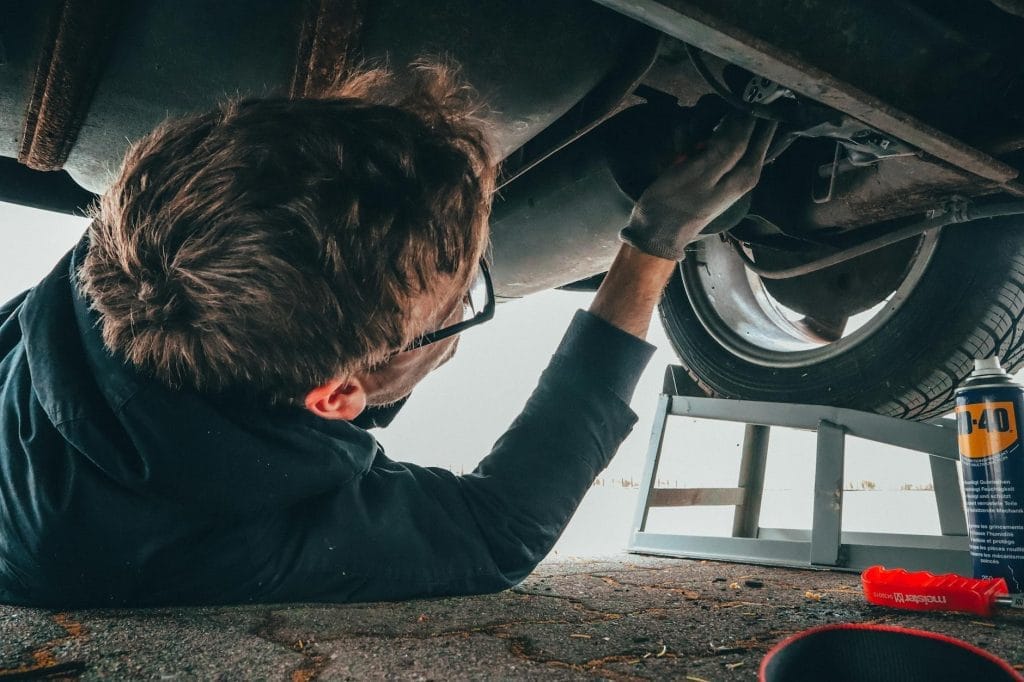
Most drivers understand that skipping car maintenance isn’t a good idea, but it’s easy to let oil changes and inspections slip when life gets busy. It might seem like you’re saving money by putting off that tune-up or tire rotation. However, the reality is that the hidden costs of skipping car maintenance often outweigh any short-term savings. Small problems can snowball into expensive repairs, and your car’s safety and reliability can suffer. If you rely on your vehicle for work, errands, or family trips, these risks become even more important to consider.

Understanding the lesser-known costs of skipping car maintenance can help you make smarter decisions about your vehicle. This isn’t just about avoiding breakdowns or failed inspections. There are financial, legal, and even environmental consequences that many drivers overlook. Here are eight hidden ways that skipping regular maintenance can hit your wallet—and your peace of mind.

1. Reduced Fuel Efficiency

One of the most overlooked costs of skipping car maintenance is reduced fuel efficiency. When you neglect things like oil changes, air filter replacements, or spark plug checks, your engine has to work harder. This means it burns more fuel to accomplish the same task, and you end up refueling the tank more frequently. Even a small drop in fuel efficiency can add up to hundreds of dollars over a year, especially if you commute regularly.

Keeping your car well-maintained ensures it runs smoothly and uses fuel as efficiently as possible. Regular car maintenance doesn’t just protect your engine; it protects your budget, too.

2. Shortened Vehicle Lifespan

Cars are built to last, but only if you take care of them. Skipping essential car maintenance like fluid checks, belt replacements, or brake inspections can wear out major components faster. Over time, these small oversights can lead to expensive failures such as a blown engine or transmission problems. Instead of getting 200,000 miles out of your car, you might need to replace it much sooner.

By following the recommended maintenance schedule, you can extend your vehicle’s life and maximize your investment. A well-maintained car often commands a higher resale value, too.

3. Higher Repair Bills Down the Road

It’s tempting to skip that $40 oil change, but ignoring regular car maintenance often leads to much higher repair bills later. A neglected oil change can cause engine sludge, which may result in engine failure—a repair that can cost thousands. Similarly, ignoring brake pad wear can lead to damage to the rotors, which are much more expensive to replace.

Think of maintenance as an insurance policy against bigger problems. Spending a little now can save you a lot in the future.

4. Increased Risk of Accidents

Worn-out brakes, bald tires, or faulty lights are all common results of skipped car maintenance. Each of these can increase your risk of an accident, putting you and others in danger. For example, brakes that aren’t working properly could mean the difference between stopping in time or being involved in a collision.

Routine maintenance checks help keep your car safe to drive. They also protect you from potential liability if an accident occurs due to neglected repairs.

5. Voided Warranty Coverage

Most new cars come with a manufacturer’s warranty that covers expensive repairs. But did you know that skipping car maintenance can void your warranty? If you don’t follow the recommended service schedule, the manufacturer may refuse to cover the cost of repairs, leaving you with the full bill.

Always keep records of your maintenance visits and adhere to your vehicle’s scheduled service. This way, you’ll keep your warranty valid and avoid costly surprises.

6. Decreased Resale Value

If you plan to sell or trade in your car one day, skipping car maintenance can significantly decrease its value. Prospective buyers and dealerships often check maintenance records and look for signs of neglect. A poorly maintained car can be worth thousands less than one with a documented service history.

Investing in regular car maintenance helps keep your vehicle running smoothly and protects its resale value. It’s one of the easiest ways to get more money back when it’s time for a new ride.

7. More Frequent Breakdowns

Few things are more frustrating than being stranded on the side of the road. Skipping car maintenance increases the chances of sudden breakdowns, whether it’s a dead battery, overheating engine, or blown tire. Towing fees, emergency repairs, and lost time can quickly add up.

Preventive maintenance reduces the likelihood of unexpected failures and the associated inconvenience. It also helps you avoid the stress and potential danger of roadside emergencies.

8. Environmental Impact

Neglecting regular car maintenance can also harm the environment. Dirty air filters, worn spark plugs, and old oil can increase your car’s emissions, contributing to air pollution. Leaking fluids can contaminate soil and water sources. Over time, poorly maintained vehicles have a much bigger environmental footprint.

Taking care of your car isn’t just good for your wallet—it’s better for the planet. Many local governments encourage regular car maintenance to help reduce emissions and improve air quality.

Making Car Maintenance a Priority

Skipping car maintenance might seem harmless in the moment, but as you’ve seen, the hidden costs can be significant. From higher fuel bills to reduced safety and even legal risks, the consequences go beyond a simple breakdown. Prioritizing regular car maintenance helps you avoid these expenses, keeps your vehicle running smoothly, and protects your investment for the long haul.

Ready to take better care of your car? Start by reviewing your owner’s manual and setting reminders for key services.

What’s the most surprising cost you’ve faced from skipping car maintenance? Share your story in the comments below!

What to Read Next…

  • What That New Car Smell Might Be Hiding Legally
  • 9 Cities Where Car Theft Is Becoming a Daily Occurrence
  • 5 Emergency Repairs That Could Force You Into Debt Overnight
  • Are These 7 Little Expenses Quietly Costing You Thousands a Year?
  • 7 Ways Your Neighbor Could Be Spying on You Without Breaking the Law
Travis Campbell
Travis Campbell

Travis Campbell is a digital marketer/developer with over 10 years of experience and a writer for over 6 years. He holds a degree in E-commerce and likes to share life advice he’s learned over the years. Travis loves spending time on the golf course or at the gym when he’s not working.

Filed Under: Car Tagged With: auto repair, car maintenance, car ownership, Car Safety, vehicle costs, vehicle lifespan

FOLLOW US

Search this site:

Recent Posts

  • Can My Savings Account Affect My Financial Aid? by Tamila McDonald
  • 12 Ways Gen X’s Views Clash with Millennials… by Tamila McDonald
  • What Advantages and Disadvantages Are There To… by Jacob Sensiba
  • 10 Tactics for Building an Emergency Fund from Scratch by Vanessa Bermudez
  • Call 911: Go To the Emergency Room Immediately If… by Stephen Kanaval
  • 7 Weird Things You Can Sell Online by Tamila McDonald
  • 10 Scary Facts About DriveTime by Tamila McDonald

Copyright © 2026 · News Pro Theme on Genesis Framework