• Home
  • About Us
  • Toolkit
  • Getting Finances Done
    • Hiring Advisors
    • Debt Management
    • Spending Plan
  • Insurance
    • Life Insurance
    • Health Insurance
    • Disability Insurance
    • Homeowners/Renters Insurance
  • Contact Us
  • Privacy Policy
  • Risk Tolerance Quiz

The Free Financial Advisor

You are here: Home / Archives for Inflation

Millions Of Americans Report High Stress And Loneliness Despite Market Gains

March 5, 2026 by Brandon Marcus Leave a Comment

Millions Of Americans Report High Stress And Loneliness Despite Market Gains

Image Source: Shutterstock.com

The stock market keeps pushing higher, but the country doesn’t feel any lighter. A recent national survey found that 54% of adults say they feel isolated, 50% lack companionship, and 50% feel left out. The numbers paint a startling and sad picture of America.

This is happening even as major indexes like the S&P 500 delivered another stretch of strong performance. That contrast reveals something important about the way people experience the economy. Wall Street celebrates momentum, but citizens still wrestle with grocery bills, rent spikes, loneliness, and the constant pressure of society. Market gains don’t erase the emotional weight of daily life, and the gap between economic headlines and lived reality keeps widening.

Market Momentum Doesn’t Always Reach Household Budgets

The S&P 500 climbed on the back of strong earnings, steady consumer spending, and a wave of optimism about long‑term growth. Retirement accounts tied to equities likely saw healthy gains, and financial commentators spent months pointing to rising charts as proof that the economy stands on solid ground. Yet many Americans don’t feel any richer. Stock ownership remains concentrated among higher‑income households, and millions of people hold only modest balances in retirement accounts. When the market rises, the benefits reach some families far more than others.

At the same time, the cost of everyday life still sits well above pre‑pandemic levels. Even though inflation cooled from its peak, prices didn’t fall back to where they once were. Groceries, rent, insurance, and utilities continue to strain budgets. A strong market doesn’t help someone who feels squeezed every time they check out at the store. People can’t pay for dinner with a chart showing the Dow hitting another milestone. And as budgets continue to strain, the stress adds up, leading to people retreating from friends, family, and society as a whole.

Inflation Leaves a Long Shadow

Inflation may no longer dominate headlines, but its impact lingers in every aisle and every bill. The rapid price increases of 2021 and 2022 reshaped household budgets, and those higher costs didn’t disappear just because inflation slowed. Wages rose in many industries, but not always enough to restore the breathing room families lost. That mismatch fuels stress, because people feel like they work harder just to stay in place.

Even with unemployment near historic lows, stories about layoffs in tech, media, and retail create a sense of instability and fear that eats into every part of daily life. The human brain reacts more strongly to uncertainty than to progress, and that instinct keeps people on edge even when economic indicators look healthy.

The Emotional Gap Between Headlines and Reality

Financial markets move on expectations and forecasts, but people live in the present. Corporate profits can soar while a family struggles to cover rising insurance premiums. Investors celebrate long‑term growth while workers worry about unpredictable hours or shrinking savings. That disconnect shapes how people interpret the economy. Surveys consistently show that individuals judge economic health through their own finances, not through national statistics.

Social media and nonstop news coverage amplify the tension. Every headline about market volatility, political conflict, or economic uncertainty adds another layer of stress. Even positive news arrives with speculation about what could go wrong next. The constant noise keeps people on edge, even when their own finances remain stable.

Practical Ways to Reduce Stress When Markets Rise but Anxiety Follows

A strong market doesn’t automatically create peace of mind, but individuals can take steps to regain control and live a fulfilling life with friends and family. Building an emergency fund offers a buffer against unexpected expenses and reduces the fear of sudden income changes. Tracking monthly spending helps identify areas where small adjustments can free up meaningful cash flow. Reducing high‑interest debt delivers immediate relief because every dollar saved on interest strengthens long‑term stability.

Diversifying investments and sticking to long‑term goals also helps. Market gains can tempt people to chase trends or take unnecessary risks, but a balanced portfolio supports steadier progress. Limiting exposure to constant financial news can also make a noticeable difference. Staying informed matters, but checking updates all day long often increases anxiety without improving decision‑making.

Millions Of Americans Report High Stress And Loneliness Despite Market Gains

Image Source: Shutterstock.com

Stress Extends Beyond Finances

Money plays a major role in stress, but it rarely acts alone. Work demands, family responsibilities, health concerns, and social pressures all contribute to rising anxiety levels. When finances feel uncertain, all of those other stressors intensify. Employers increasingly recognize the connection between financial wellness and overall well‑being, and many now offer tools and programs to help employees build confidence around money. Individuals can also seek guidance from nonprofit organizations or certified financial planners to strengthen their financial foundation.

Healthy habits support emotional resilience, too. Regular exercise, consistent sleep, and strong social connections help people manage stress more effectively. These habits don’t change market conditions, but they improve the ability to respond calmly and make thoughtful decisions.

What True Economic Confidence Looks Like

A rising stock market signals strength, but it doesn’t guarantee that people feel happy, connected, and secure. Real confidence grows when households trust their income, feel comfortable with their expenses, and believe they can handle the unexpected. That sense of stability takes time to rebuild after years of rapid price increases and shifting economic conditions.

Market gains don’t automatically translate into emotional relief. More than half of the country reporting stress, loneliness, and worry shows that financial headlines don’t tell the full story. People measure economic health through their own experiences, not through index performance.

If the market keeps climbing while stress keeps rising, what changes would make the economy feel strong in everyday life rather than just on paper? If you have been battling to stay happy and healthy despite the economy’s state, talk about it in the comments below.

You May Also Like…

Why Do Couples Keep Financial Secrets Even in Happy Marriages

9 Money Assumptions That No Longer Work in Today’s Economy

The Gig Economy Tax Nightmare: Why So Many Freelancers End Up Owing the IRS

The Credit Card Balance Growth Slowdown That Signals Financial Stress in 2026

What Does Financial Stress Do To Your Body?

Brandon Marcus
Brandon Marcus

Brandon Marcus is a writer who has been sharing the written word since a very young age. His interests include sports, history, pop culture, and so much more. When he isn’t writing, he spends his time jogging, drinking coffee, or attempting to read a long book he may never complete.


Filed Under: Investing Tagged With: economic trends, economy, household budgets, Inflation, investing, mental health, money management, Personal Finance, Planning, Retirement, stock market, stress

The Hidden Cost of Keeping Money in Savings at 2.4% Inflation

March 4, 2026 by Brandon Marcus Leave a Comment

The Hidden Cost of Keeping Money in Savings at 2.4% Inflation

Image Source: Shutterstock.com

Money sitting in a savings account feels safe, responsible, even wise. But when inflation runs at 2.4%, that calm sense of security starts to crack. The numbers may look steady on a bank statement, yet the true value of that cash slowly erodes in the background. What looks like stability often hides a quiet loss of purchasing power, and that loss deserves serious attention.

Inflation at 2.4% might not spark headlines like the surges seen in 2022, when U.S. inflation climbed above 9% at its peak, but even modest inflation steadily chips away at cash reserves. The math never takes a day off. If a savings account earns less than the inflation rate, the real return turns negative. That gap between interest earned and prices rising creates a hidden cost that many people underestimate.

The Math That Changes Everything

Start with a simple example. A savings account offers 1% annual interest, while inflation holds at 2.4%. On paper, that account grows by 1%. In reality, purchasing power falls by roughly 1.4% over the same period. After one year, $10,000 grows to $10,100, but goods, services, and everyday groceries that cost $10,000 now cost $10,240. That difference may look small in year one, yet it compounds over time. That hidden cost can make all the difference for a struggling household.

Extend that scenario over five years, and the impact grows more noticeable. Inflation compounds just like interest does. A steady 2.4% annual inflation rate reduces the real value of money by more than 11% over five years. Without higher returns, savings lose ground every single year. This dynamic often surprises people because nominal balances increase. Bank statements show higher numbers, which creates a sense of progress. But real wealth depends on what money can buy, not what the account displays. When returns trail inflation, savers move backward even while numbers climb upward.

The Hidden Cost of Keeping Money in Savings at 2.4% Inflation

Image Source: Shutterstock.com

Safety Feels Good, But It Comes at a Price

Savings accounts serve an important role. They provide liquidity, stability, and peace of mind. Federal deposit insurance protects balances up to legal limits, which removes the fear of losing principal due to bank failure. That security matters, especially for emergency funds. However, safety carries a trade-off. Banks typically invest deposits in loans or securities and pay savers a portion of what they earn. When central banks set lower interest rates, savings yields often fall as well. Even when rates rise, many traditional savings accounts lag behind.

High-yield savings accounts sometimes offer rates closer to prevailing market levels, and in certain periods they even exceed inflation. But not all savers take advantage of those options. Many leave money in legacy accounts earning fractions of a percent. At a 2.4% inflation rate, any account earning less than that threshold guarantees a loss in real terms.

Inflation Does Not Ask for Permission

Inflation reflects the broad increase in prices across the economy. The U.S. Bureau of Labor Statistics tracks this through the Consumer Price Index, which measures changes in the cost of goods and services such as housing, food, transportation, and medical care. When that index rises 2.4% year over year, it signals that everyday expenses cost more than they did twelve months earlier.

Even modest inflation affects long-term goals. Consider someone planning to spend $40,000 per year in retirement. At 2.4% inflation, that spending level rises to roughly $51,000 in ten years. Anyone who ignores inflation when planning risks underestimating future needs.

Cash loses value because it does not grow on its own. It requires interest or investment returns to maintain purchasing power. Inflation never pauses simply because money sits in a bank account. It continues reshaping the economy, pushing prices upward in housing markets, grocery stores, and service industries.

The Opportunity Cost That Hurts Even More

Beyond the direct impact of inflation, another cost emerges: opportunity cost. Money sitting in low-yield savings does not participate in potential growth elsewhere. Over long periods, diversified stock market investments have historically delivered average annual returns above inflation, although they fluctuate and carry risk. Bonds, certificates of deposit, and Treasury securities can also offer higher yields than standard savings accounts, depending on the rate environment.

That does not mean every dollar should move into the stock market. Risk tolerance, time horizon, and financial goals all matter. However, parking large sums in cash for years without a clear purpose can stunt wealth building. For example, someone who keeps $50,000 in a savings account earning 1% while inflation runs at 2.4% effectively loses purchasing power every year. If that person invests a portion in a diversified portfolio aligned with long-term goals, the potential for growth increases. Over decades, the difference between earning 1% and earning 6% or 7% compounds dramatically.

Inflation Awareness Creates Financial Power

Understanding inflation shifts financial decision-making from reactive to proactive. Instead of focusing solely on nominal returns, attention shifts toward real returns, which subtract inflation from interest or investment gains. That mindset change transforms how savings strategies evolve. Inflation does not always remain at 2.4%. It can rise higher or fall lower depending on economic conditions, supply chains, labor markets, and monetary policy. Staying informed about trends helps shape better choices. When inflation rises, protecting purchasing power becomes even more urgent.

Tracking expenses also matters. If personal costs rise faster than the official inflation rate, the pressure intensifies. Housing, insurance, and healthcare often increase at different rates than the overall index. A realistic financial plan accounts for those variations.

What Should Your Money Be Doing Right Now?

Money should serve a purpose. Some dollars guard against emergencies. Some dollars wait patiently for near-term goals. Others need to grow aggressively to support decades of future spending. Allowing large balances to sit in low-yield savings while inflation runs at 2.4% means accepting a guaranteed loss in purchasing power. That choice may feel comfortable, yet comfort does not build wealth. Thoughtful allocation, periodic review, and alignment with clear goals create a stronger foundation.

Inflation will continue to influence every financial plan, whether acknowledged or ignored. Taking control starts with a simple step: compare current savings rates to the inflation rate and calculate the real return. If the result falls below zero, it may signal time for a strategic shift.

Does every one of your dollars currently sit where it can truly keep up with the rising cost of living, or do some of them deserve a better assignment? Give us all of your financial thoughts in the comments below.

You May Also Like…

6 Reasons Middle-Class Budgets Are Breaking Under “Slow Inflation”

Insurance Premium Increases Continue Outpacing Inflation

Why Is Saving Money Harder Now Than It Was Ten Years Ago

Modern Taxation Explained: Filing, Records, and Savings

8 Bold Strategies for Investing During Periods of High Inflation

Brandon Marcus
Brandon Marcus

Brandon Marcus is a writer who has been sharing the written word since a very young age. His interests include sports, history, pop culture, and so much more. When he isn’t writing, he spends his time jogging, drinking coffee, or attempting to read a long book he may never complete.
Filed Under: saving money Tagged With: emergency fund, high-yield savings, Inflation, interest rates, investing basics, money management, Personal Finance, Planning, purchasing power, savings accounts, Wealth Building

5 Moves to Make Before the Federal Reserve Cuts Rates Again in 2026

March 2, 2026 by Brandon Marcus Leave a Comment

These Are 5 Moves to Make Before the Federal Reserve Cuts Rates Again in 2026

Image Source: Pexels.com

The next rate cut may not arrive quietly. When the Federal Reserve shifts direction, markets react fast, banks adjust even faster, and money starts flowing in new directions. Anyone who waits for the announcement before taking action will likely miss the best opportunities.

The Federal Reserve has already cut rates in past cycles when inflation cooled and growth slowed, and 2026 could bring another turning point if economic data supports it. That possibility alone demands preparation now, not later. Get ready, because the rest of 2026 could bring some serious changes to America’s economy.

1. Lock In High Yields While They Still Exist

High interest rates reward savers, but those rewards shrink quickly once the Federal Reserve lowers its benchmark rate. Banks tend to reduce yields on savings accounts, money market accounts, and certificates of deposit soon after a cut. Anyone holding large cash reserves should evaluate whether locking in today’s higher rates makes sense before that shift happens.

Certificates of deposit offer one straightforward way to preserve a strong yield. A CD with a one- or two-year term can secure a fixed rate that won’t fall if the Federal Reserve eases policy. Online banks often offer more competitive rates than traditional brick-and-mortar institutions, so comparing options pays off. High-yield savings accounts also deserve a close look, but those rates move quickly when policy changes.

Cash still plays an essential role in any financial plan, especially for emergency funds. However, letting large sums sit in low-yield accounts during a rate-cut cycle wastes earning potential. Locking in attractive yields now provides predictability and cushions against declining returns in 2026.

2. Refinance Strategically, Not Emotionally

Lower rates usually spark a refinancing frenzy, particularly in the mortgage market. When the Federal Reserve cuts its federal funds rate, longer-term rates such as mortgage rates do not always move in perfect sync, but they often trend downward when investors expect looser policy and slower growth. Anyone carrying high-interest debt should monitor those trends closely.

Homeowners with adjustable-rate mortgages may benefit significantly from refinancing into a fixed-rate loan if rates fall meaningfully. Those with fixed-rate mortgages locked in at historically low levels during 2020 and 2021 should not rush into a refinance without clear math supporting the move. Closing costs, loan terms, and long-term interest savings all deserve careful analysis.

Credit card balances and personal loans also demand attention. Variable-rate credit cards usually follow the direction of short-term rates. Paying down those balances before or during a rate-cut cycle can reduce overall interest costs and improve financial flexibility. A strategic refinance plan focuses on numbers and long-term benefit, not on headlines or hype.

3. Position Investments for a Shifting Cycle

Rate cuts often signal concern about economic growth. The Federal Reserve lowers rates to support borrowing, spending, and investment when inflation cools or growth slows. Markets tend to anticipate those moves, which means stock and bond prices can shift well before the official announcement.

Bond prices typically rise when rates fall because existing bonds with higher yields become more attractive. Investors who expect rate cuts may consider increasing exposure to high-quality bonds or bond funds before the cycle turns. U.S. Treasury securities often gain appeal during easing cycles, especially when investors seek safety.

Equities can also respond positively to rate cuts, particularly growth-oriented sectors that rely on borrowing and future earnings. However, not every stock benefits equally. Companies with strong balance sheets, consistent cash flow, and durable demand often hold up better if economic growth slows. Diversification remains critical. No single rate decision guarantees a smooth market rally, and volatility often increases around policy shifts.

4. Rethink Big Purchases and Timing

Lower interest rates reduce borrowing costs, which can make large purchases more attractive. Auto loans, home equity loans, and business financing often become more affordable when rates decline. However, timing matters. If a major purchase looms on the horizon, tracking interest rate trends could lead to meaningful savings.

For example, someone planning to buy a home in late 2026 might evaluate whether waiting for clearer signs of easing makes sense. On the other hand, housing prices sometimes rise when lower rates stimulate demand. A cheaper mortgage rate does not always offset a higher purchase price. Careful planning requires attention to both borrowing costs and market conditions.

Business owners should also prepare. Lower rates can create opportunities to expand, invest in equipment, or hire additional staff. Securing financing before demand surges can provide an edge. Anyone considering a large financial commitment should build flexibility into the plan, including room for unexpected economic shifts.

These Are 5 Moves to Make Before the Federal Reserve Cuts Rates Again in 2026

Image Source: Pexels.com

5. Strengthen the Foundation Before the Shift

Rate cuts often reflect broader economic pressures. The Federal Reserve does not lower rates simply to make borrowing cheaper; it responds to inflation trends, employment data, and overall economic momentum. Strengthening personal finances before a potential slowdown creates resilience no matter what 2026 brings.

Building a robust emergency fund stands at the top of that list. Three to six months of essential expenses in accessible accounts can protect against job disruptions or income changes. Reducing high-interest debt improves monthly cash flow and lowers financial stress. Reviewing insurance coverage, retirement contributions, and long-term goals also ensures that no blind spots remain.

Retirement savers should revisit asset allocation. A diversified portfolio aligned with risk tolerance and time horizon provides stability during policy changes. Automatic contributions to retirement accounts maintain discipline even when markets swing. Preparation beats reaction every time.

The Real Opportunity Lies in Preparation

The next move from the Federal Reserve will not exist in isolation. It will reflect inflation trends, employment data, and economic momentum leading into 2026. Those who prepare now can turn that policy shift into an advantage rather than a scramble.

Locking in strong yields, managing debt intelligently, positioning investments thoughtfully, timing major purchases carefully, and reinforcing financial fundamentals all create a powerful head start. Economic cycles never last forever, and each turn opens a new set of possibilities. Taking action before the headlines explode offers control in a moment when many people feel uncertain.

What step feels most urgent right now, and how will that decision shape financial goals heading into 2026? Share thoughts and strategies in the comments and start the conversation.

You May Also Like…

The Federal Reserve Rate Cut That Did Nothing for Credit Card Holders

The Interest Rate Cliff Explained: One Day You’re Fine, the Next Day You’re Broke

Why Smart Drivers Are Refinancing Their Auto Loans Before Rates Shift Again

9 Money Assumptions That No Longer Work in Today’s Economy

Boomers in Denial: What They Refuse to Accept About Today’s Economy

Brandon Marcus
Brandon Marcus

Brandon Marcus is a writer who has been sharing the written word since a very young age. His interests include sports, history, pop culture, and so much more. When he isn’t writing, he spends his time jogging, drinking coffee, or attempting to read a long book he may never complete.

Filed Under: Finance Tagged With: 2026 economy, bonds, federal reserve, Inflation, interest rates, investing strategy, Personal Finance, Planning, rate cuts, refinancing, savings accounts, stock market

How Trump’s New Fed Pick Could Change Your Interest Income Forever

March 1, 2026 by Brandon Marcus Leave a Comment

How Trump’s New Fed Pick Could Change Your Interest Income Forever

Image Source: Unsplash.com

Tighten your seatbelt for this one. Interest income, the kind that grows quietly inside savings accounts and money market funds, might feel the wind changing soon. Discussions around influence on the U.S. central bank and potential leadership direction keep surfacing whenever Donald Trump stays politically active. People care because central bank policy shapes how much money sits safely in a bank account and how fast it grows without touching risky investments.

The big question sits right in the middle of the financial world like a slow ticking clock: what happens to interest income if political pressure or new appointments tilt policy inside the Federal Reserve? The answer is not simple, but understanding the direction helps anyone who keeps cash parked in interest-bearing accounts sleep a little better at night.

The Political Chessboard Behind Central Bank Choices

Central banks live in a strange world where independence matters more than popularity. The United States built the Federal Reserve system partly to prevent political cycles from pushing interest rates around too wildly. Still, presidents nominate Fed governors, and the Senate confirms them, which keeps political influence sitting quietly in the background.

During previous administrations, including the time when Trump appointed several Federal Reserve officials, debates grew about whether the bank should move more aggressively on economic growth or focus harder on controlling inflation. Jerome Powell became a central figure during this discussion, especially when markets reacted to rate decisions and forward guidance.

If a new Fed pick reflects a preference for lower interest rates, then borrowing becomes cheaper while savings accounts may earn less. If the pick supports tighter monetary policy to fight inflation, then savings yields might climb, but mortgages and credit card interest could also rise. That balancing act sits at the heart of modern monetary policy, and it touches almost every household indirectly.

How Interest Income Moves When Policy Shifts

Interest income depends heavily on benchmark rates set or influenced by the Federal Reserve. When the central bank raises rates, commercial banks often follow by offering better returns on savings products. People holding certificates of deposit or high-yield savings accounts notice their balances growing slightly faster.

However, higher rates also slow economic activity sometimes because businesses borrow less. That slowdown can reduce stock market momentum, which matters for retirement accounts tied to equities. The relationship between interest income and overall economic health behaves like a swinging pendulum rather than a straight line.

If Trump’s influence helps push the Fed toward a growth-friendly stance, markets may expect lower borrowing costs. That situation usually favors housing markets and corporate expansion but may pressure fixed income savers. On the other hand, if inflation control becomes the priority, interest rates can stay elevated longer, which benefits people who hold cash but challenges borrowers.

What Savers Should Watch Over the Next Few Years

Smart money habits do not depend on guessing political outcomes, but they do benefit from watching macroeconomic trends. Anyone holding cash reserves should monitor Fed meeting announcements, inflation data, and labor market reports.

Diversification remains the best defense against uncertainty. Keeping some money in high-liquidity accounts while investing part of savings in long-term assets helps balance stability and growth. Some financial advisors suggest maintaining an emergency fund covering three to six months of expenses before chasing higher-yield investments. Bond markets often react faster than banks when expectations change. When traders believe future rates will fall, bond prices usually rise. When traders expect tighter policy, bond yields tend to move upward. Watching the 10-year Treasury yield sometimes gives a hint about where mortgage and savings trends head next.

How Trump’s New Fed Pick Could Change Your Interest Income Forever

Image Source: Unsplash.com

The Human Side of Monetary Policy

Economic headlines can sound cold and technical, but policy decisions eventually touch real life. Higher interest income helps retirees living on fixed investments feel more comfortable. Lower borrowing costs help young families buy homes or start businesses.

Markets react emotionally sometimes, even when data changes slowly. Traders sometimes move money based on expectations rather than reality. That behavior creates waves that ripple across global financial systems. The Federal Reserve’s communication style matters almost as much as its actual decisions. Clear guidance tends to calm markets. Mixed messages sometimes increase volatility. Political influence discussions surrounding Trump’s economic vision keep analysts watching policy language closely.

Suggestions for Staying Financially Prepared

Start reviewing savings product interest rates at least twice each year. Online banks often adjust yields faster than traditional brick-and-mortar institutions. Consider spreading savings across multiple financial institutions if balances grow large enough.

Track inflation reports and employment numbers because they often shape future rate moves. If wage growth stays strong while inflation stays controlled, the Fed may have flexibility in setting policy. Avoid chasing interest rates blindly. A slightly higher yield rarely compensates for high risk unless investment goals support that strategy. Think about money as a long-term companion rather than a sprinting competitor.

The Big Picture Moving Forward

The debate surrounding Trump’s Fed influence ultimately reflects a larger conversation about how politics and economics intersect. Monetary policy tries to keep growth steady while protecting purchasing power. Any new Fed nomination discussion signals potential direction shifts in that balancing effort.

Interest income may not explode overnight, but even small percentage changes compound over years. Someone saving consistently may notice meaningful differences if policy direction shifts toward either tighter or looser monetary conditions.

What do you think will matter more in the coming years — higher savings returns or cheaper borrowing costs? Give us your opinions in the comments below.

You May Also Like…

Public Service Loan Forgiveness Changes: The July 1, 2026 Rule Affecting Government Workers

Ground Ambulance Bills Still Fall Outside Federal Surprise Billing Protections

Why Credit Card APRs Only Dropped 0.35% Even After Three Fed Rate Cuts in 2025

The Drone Inspection Finding That’s Triggering Homeowner Policy Cancellations

6 Effective Principles for Investing During Extreme Political Uncertainty

Brandon Marcus
Brandon Marcus

Brandon Marcus is a writer who has been sharing the written word since a very young age. His interests include sports, history, pop culture, and so much more. When he isn’t writing, he spends his time jogging, drinking coffee, or attempting to read a long book he may never complete.

Filed Under: Finance Tagged With: bond yields, federal reserve, financial news, Inflation, interest rates, market impact, monetary policy, savings income, Trump Fed pick, US economy

The Tariff Truth No One Wants to Say Out Loud: You Pay the Price, Not the Companies

February 28, 2026 by Brandon Marcus Leave a Comment

The Tariff Truth No One Wants to Say Out Loud: You Pay the Price, Not the Companies

Image Source: Unsplash.com

A tariff does not punish a foreign company. A tariff raises your bill. That statement makes people uncomfortable because it clashes with the political sales pitch. Leaders across the spectrum frame tariffs as a way to make other countries or overseas corporations “pay their fair share.” The image feels satisfying. A tough policy, a firm handshake, a promise that someone else will foot the bill. Yet the mechanics of tariffs tell a different story, and the numbers back it up.

Tariffs act as taxes on imported goods. Governments collect them at the border when companies bring products into the country. Businesses then face a simple choice: absorb the cost and shrink profits, or pass the cost along through higher prices. In competitive markets with tight margins, companies almost always pass along at least part of that cost. That means shoppers feel the impact at the checkout line, not some distant executive in another country.

The Border Tax That Doesn’t Stay at the Border

A tariff works like this: a government sets a percentage tax on a specific imported product, such as steel, electronics, clothing, or machinery. When an importer brings that product into the country, the government charges the tariff based on the product’s value. The importer writes the check. That part fuels the popular narrative that “foreigners pay.”

But the importer rarely stops the cost there. Retailers buy from importers. Manufacturers buy imported components. Those businesses calculate their new costs and adjust prices accordingly. When costs rise, companies that want to stay profitable raise prices or cut expenses elsewhere, often through smaller product sizes or reduced services.

Research from respected institutions has shown that tariffs imposed in recent years led to higher prices for many imported goods and even for some domestic goods that rely on imported inputs. The cost did not remain trapped at the port. It traveled through supply chains and settled into everyday products.

Tariffs on steel and aluminum, for example, increased costs for domestic manufacturers that use those materials to produce cars, appliances, and construction materials. Those manufacturers did not enjoy a magical shield from higher input costs. They faced them head-on and passed them forward. That dynamic explains why tariffs often ripple through the broader economy instead of staying neatly confined to one industry.

Why Companies Rarely “Eat the Cost”

Some argue that giant corporations can afford to absorb tariffs without raising prices. That idea sounds appealing, especially in an era of public frustration with corporate profits. However, markets reward efficiency and punish shrinking margins. Publicly traded companies answer to shareholders. Privately held firms answer to lenders and owners who expect returns.

When a tariff raises the cost of a product by 10 or 25 percent, that jump rarely fits within existing profit margins. Retailers often operate on thin margins, sometimes just a few percentage points. A sudden cost increase can wipe out profit entirely. Businesses respond by adjusting prices, seeking alternative suppliers, or redesigning products. None of those options magically erase the cost.

Even when companies attempt to hold prices steady, they often shrink product sizes, reduce features, or delay investments. That strategy still affects buyers. A smaller cereal box at the same price reflects a hidden price increase. A delayed factory expansion can slow hiring and wage growth. Tariffs create pressure points that businesses cannot simply wish away.

The Political Appeal of a Simple Story

Tariffs carry strong political appeal because they offer a clear villain and a simple solution. Leaders can stand in front of factories and promise to protect domestic jobs. They can claim that foreign competitors engage in unfair practices and that tariffs level the playing field. That narrative resonates with communities that have lost manufacturing jobs or seen industries decline.

Trade policy, however, involves trade-offs. Economists across many administrations, both Republican and Democrat, have long argued that broad tariffs often raise consumer prices and invite retaliation. When one country imposes tariffs, others often respond with their own. That cycle can hurt exporters such as farmers and manufacturers who rely on foreign markets.

The Congressional Budget Office has analyzed trade policies and found that tariffs can reduce overall economic output when trading partners retaliate. Farmers experienced this firsthand when other countries imposed tariffs on agricultural products in response to U.S. tariffs. Governments then stepped in with aid packages to offset losses, which taxpayers ultimately funded.

None of this means that trade policy lacks complexity or that every tariff lacks purpose. Governments sometimes use targeted tariffs to address national security concerns or specific unfair trade practices. Yet broad claims that tariffs make foreign companies pay without domestic consequences simply do not match economic reality.

The Hidden Impact on Everyday Budgets

Tariffs do not announce themselves on receipts. They blend into higher prices for washing machines, electronics, clothing, and groceries. A 20 percent tariff on an imported component can nudge up the price of a finished product in ways that feel gradual but persistent.

Studies examining tariffs on washing machines in recent years found that prices rose not only for imported machines but also for domestically produced ones. Domestic manufacturers raised prices as well because the competitive pressure from cheaper imports weakened. That pattern illustrates a key point: tariffs can lift prices across the board, not just for foreign brands.

Anyone tracking monthly expenses should pay attention to trade headlines. Policy decisions in distant capitals can influence grocery bills and back-to-school shopping costs. That connection deserves far more attention than it usually receives in campaign speeches.

The Tariff Truth No One Wants to Say Out Loud: You Pay the Price, Not the Companies

Image Source: Unsplash.com

How to Think Clearly About Tariffs

Trade policy deserves serious debate, not bumper-sticker slogans. Anyone trying to make sense of tariffs should start by asking a few grounded questions. Who pays the tariff at the border? How do companies typically respond to higher input costs? What evidence exists from previous rounds of tariffs?

Consumers can also take practical steps. Comparing prices across brands, watching for product size changes, and paying attention to country-of-origin labels can provide clues about how tariffs affect specific items. Supporting transparent discussions about trade policy at the local and national level can also push leaders to explain costs honestly rather than relying on applause lines.

The Price Tag No One Prints on the Sign

Tariffs promise strength. They deliver complexity. When leaders claim that foreign companies will absorb the cost, the claim ignores how markets function. Importers pay tariffs first, businesses adjust next, and households often settle the final bill. Research from respected institutions and real-world price data confirm that pattern again and again.

That does not mean every tariff fails or that trade should flow without rules. It means voters deserve clarity. Honest conversations about trade policy should include both potential benefits and the likely price increases that follow. Ignoring that reality leaves families unprepared for the financial impact.

The next time a speech celebrates a new round of tariffs as a win that makes someone else pay, consider the path that cost will travel from the port to the store shelf. When prices climb quietly and steadily, will the applause still feel worth it?

How are you and your family dealing with tariffs? Tell us your thoughts and strategy in the comments section.

You May Also Like…

What Would Happen to Your Plan in a Trade-Tariff Spiral

5 Reasons People Pause Financial Plans During Tariff-Driven Volatility

Why Your Emergency Fund Isn’t Protecting You the Way It Did Five Years Ago

Family Homes Done Right: Kid-Friendly Interior Design on a Budget

6 Blended-Family Will Mistakes That Can Tear Families Apart

Brandon Marcus
Brandon Marcus

Brandon Marcus is a writer who has been sharing the written word since a very young age. His interests include sports, history, pop culture, and so much more. When he isn’t writing, he spends his time jogging, drinking coffee, or attempting to read a long book he may never complete.

Filed Under: Lifestyle Tagged With: consumer prices, Cost of living, economics, global trade, government policy, import taxes, Inflation, manufacturing, retail prices, supply chains, tariffs, trade policy

The 2026 Medicare Premium Shock: Why Your Part B Bill Just Jumped by 9.7%

February 27, 2026 by Brandon Marcus Leave a Comment

The 2026 Medicare Premium Shock: Why Your Part B Bill Just Jumped by 9.7%

Image Source: Pexels.com

A 9.7% jump in a bill that already strains fixed incomes does not qualify as a small adjustment. It qualifies as a wake-up call for millions who need Medicare for their daily lives.

The 2026 increase in Medicare Part B premiums forces millions of Americans to take a harder look at their healthcare budgets, their Social Security checks, and the uncomfortable math of retirement. This change does not sit quietly in the background. It lands right in the middle of monthly cash flow, and it demands attention.

What Exactly Is Changing in 2026?

Medicare Part B covers doctor visits, outpatient care, preventive services, durable medical equipment, and many of the routine healthcare needs that keep older Americans stable and independent. Unlike Part A, which most people receive without a premium because they paid Medicare taxes during their working years, Part B requires a monthly premium. In 2026, that standard premium will rise by 9.7%, marking one of the more noticeable increases in recent years.

The Centers for Medicare & Medicaid Services sets these premiums each year based on projected healthcare spending and other financial factors within the Medicare program. When healthcare costs climb, Part B premiums usually follow. Medicare law requires beneficiaries to cover roughly 25% of Part B costs through premiums, with the federal government covering the rest. When spending projections rise, that 25% share rises too.

Higher-income beneficiaries will continue to pay more through Income-Related Monthly Adjustment Amounts, commonly called IRMAA. Those surcharges sit on top of the standard premium and can push monthly costs significantly higher for retirees with larger incomes. That structure has not changed, but the higher base premium means IRMAA brackets now start from a bigger number.

The Real Reasons Behind the 9.7% Increase

Healthcare inflation drives much of this story. Hospitals, physician groups, outpatient centers, and pharmaceutical companies all face higher labor costs, supply expenses, and administrative demands. Those higher costs ripple outward into Medicare’s projections. When Medicare anticipates higher spending for outpatient services, it adjusts Part B premiums accordingly.

New and expensive treatments also play a role. Advanced biologic drugs, specialty medications, and cutting-edge outpatient therapies come with high price tags. Medicare Part B covers certain physician-administered drugs, and when those costs rise, the program’s overall spending rises as well. Lawmakers and policymakers continue to debate drug pricing reform, but until structural changes lower those costs, beneficiaries feel the impact.

Policy decisions can also influence premiums. When lawmakers expand coverage, adjust payment formulas, or add benefits, Medicare must fund those changes. Even when those updates improve care or access, they can raise short-term costs. The 2026 increase reflects a mix of healthcare inflation, projected service use, and ongoing shifts in how providers deliver care.

The 2026 Medicare Premium Shock: Why Your Part B Bill Just Jumped by 9.7%

Image Source: Pexels.com

How This Hits Social Security Checks

Most people enrolled in Medicare Part B have their premiums deducted directly from their Social Security payments. That arrangement simplifies billing, but it also makes every increase feel immediate. When Part B premiums climb by 9.7%, that deduction grows before the remaining benefit reaches a bank account.

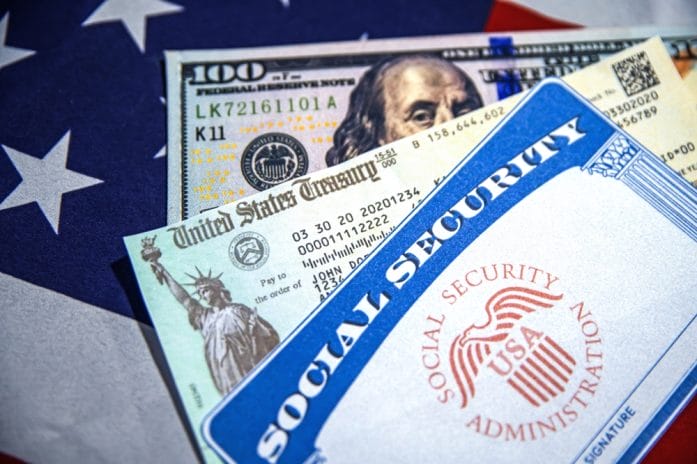
The Social Security Administration coordinates with Medicare to manage those deductions. If a cost-of-living adjustment for Social Security benefits does not outpace the premium increase, retirees can feel as though they stand still or even slide backward. Even when Social Security announces a COLA, healthcare costs often eat up a large share of that raise.

The “hold harmless” provision protects many beneficiaries from seeing their Social Security checks shrink from one year to the next due to Part B premium increases. However, that rule does not protect everyone. Higher-income beneficiaries subject to IRMAA, new enrollees, and those who do not receive Social Security benefits can still feel the full impact of the increase without that buffer.

What You Can Do Right Now to Protect Your Budget

No one can wave away a 9.7% increase, but proactive planning can soften the blow. Start with a detailed review of monthly expenses. Identify fixed costs, variable spending, and areas where adjustments can create breathing room. Healthcare premiums often rise gradually over time, so building flexibility into a budget now can prevent future stress.

Consider working with a fee-only financial planner who understands retirement income strategies. A thoughtful withdrawal plan from retirement accounts can help manage taxable income and potentially reduce exposure in future years. Tax-efficient strategies such as spreading out large distributions or coordinating Roth conversions over multiple years can keep income below surcharge thresholds.

Explore programs that offer assistance. Individuals with limited income and assets may qualify for Medicare Savings Programs or Extra Help for prescription drug costs. State Health Insurance Assistance Programs provide free counseling to help beneficiaries understand options and make informed decisions.

Medicare’s Long-Term Pressure

The 2026 increase does not stand alone. Medicare faces long-term financial pressure as the population ages and healthcare costs continue to rise. More than 65 million people rely on Medicare today, and that number will grow as more baby boomers reach eligibility.

Policymakers continue to debate reforms that address drug pricing, payment models, and program financing. Some proposals aim to cap out-of-pocket costs or expand benefits, while others focus on sustainability and cost control. Each policy choice carries trade-offs, and premium levels often reflect those broader decisions.

For retirees, the lesson remains clear: healthcare costs will likely keep rising over time. Planning for those increases must become a core part of retirement strategy rather than an afterthought. Ignoring the trend invites unnecessary stress later.

A 9.7% Reminder That Planning Matters More Than Ever

A nearly 10% increase in Medicare Part B premiums sends a clear message about the cost of healthcare in retirement. This change may feel frustrating, but it also offers an opportunity to reassess budgets, tax strategies, and long-term plans. Careful review of income levels, plan options, and spending habits can turn a surprise increase into a manageable adjustment.

Healthcare will always command a significant share of retirement dollars. Those who stay informed, revisit their choices each year, and adjust strategies as needed will navigate these shifts with more confidence and less disruption.

How will this 9.7% jump influence the way retirement planning unfolds in the years ahead? How is it changing your life? Let’s talk about it in our comments.

You May Also Like…

Social Security 2026 COLA: Why Your 2.8% Raise Disappeared After Medicare Deductions

The Medicare Part B Increase That’s Reducing Social Security Checks By About $185/Month in 2026

The Sunshine State Squeeze: Why Florida Retirees are Seeing Smaller Social Security Checks This Week

The COLA Theft: Why Half of Your Social Security Raise Just Vanished into Medicare This Morning

Medicare Now Covers Mental Health Sessions Without Cost-Sharing—Are You Using It Yet?

Brandon Marcus
Brandon Marcus

Brandon Marcus is a writer who has been sharing the written word since a very young age. His interests include sports, history, pop culture, and so much more. When he isn’t writing, he spends his time jogging, drinking coffee, or attempting to read a long book he may never complete.
Filed Under: Lifestyle Tagged With: 2026 Medicare premiums, budgeting, government policy, health insurance, healthcare costs, Inflation, IRMAA, Medicare, Medicare Part B, retirement planning, senior finances, Social Security

The Interest Rate Cliff Explained: One Day You’re Fine, the Next Day You’re Broke

February 26, 2026 by Brandon Marcus Leave a Comment

The Interest Rate Cliff Explained: One Day You’re Fine, the Next Day You’re Broke

Image Source: Pixabay.com

Everything looks stable—until it doesn’t. A budget that balanced perfectly last month suddenly collapses under the weight of a higher mortgage payment, a pricier credit card bill, or a business loan that now costs far more than expected. That sharp, jarring shift has a name: the interest rate cliff.

The interest rate cliff describes the moment when rising interest rates push borrowers from manageable payments into financial strain. No gradual squeeze, no slow drift. Just a hard edge. And once someone tumbles over it, climbing back up demands strategy, discipline, and sometimes painful trade-offs.

When the Ground Shifts: What an Interest Rate Cliff Really Means

Interest rates influence nearly every corner of the economy, from home loans to car payments to credit cards. When central banks such as the Federal Reserve raise benchmark rates to fight inflation, lenders respond quickly. Banks adjust variable-rate loans, credit card APRs climb, and new borrowing costs more.

An interest rate cliff usually hits borrowers with adjustable-rate products the hardest. Adjustable-rate mortgages, home equity lines of credit, and many business loans tie directly to benchmark rates. Once those benchmarks rise past a certain threshold, monthly payments can jump dramatically. That jump often feels sudden because teaser rates or introductory terms may have kept payments artificially low.

This shift does not require a massive rate hike. Even a few percentage points can add hundreds or thousands of dollars to annual borrowing costs. A homeowner with a large adjustable-rate mortgage might see a monthly payment increase by several hundred dollars after a reset. A small business operating on thin margins might face higher loan costs that wipe out profits overnight.

The Adjustable-Rate Trap: Why Variable Loans Cut Deep

Adjustable-rate mortgages, often called ARMs, tempt borrowers with lower initial rates compared to fixed-rate loans. That lower entry point makes expensive homes appear more affordable, and in stable rate environments, the gamble can work. But ARMs include reset periods, and those resets follow market interest rates closely.

Once a reset date arrives, the lender recalculates the interest rate based on a benchmark plus a margin. If rates have climbed sharply since the borrower signed the loan, the new rate can shock the household budget. Even with caps that limit how much a rate can rise at one time, payments can still increase significantly over a few adjustment cycles.

Credit cards create a similar vulnerability. Most credit cards carry variable rates that track benchmark changes. When central banks raise rates multiple times, credit card APRs rise in tandem. Anyone carrying a balance feels that impact immediately. Interest charges accumulate faster, minimum payments increase, and progress toward paying off debt slows to a crawl.

This dynamic explains why some households feel financially stable one month and overwhelmed the next. They did not overspend overnight. The cost of borrowing simply surged.

The Interest Rate Cliff Explained: One Day You’re Fine, the Next Day You’re Broke

Image Source: Pixabay.com

The Inflation Connection: Why Rates Rise in the First Place

Interest rate cliffs do not appear out of nowhere. Policymakers raise rates primarily to combat inflation. When prices for goods and services climb too quickly, central banks step in and increase benchmark rates to cool demand. Higher rates make borrowing more expensive, which encourages consumers and businesses to slow spending.

During inflationary periods, the Federal Reserve often signals a series of rate hikes. Financial markets react quickly, and lenders reprice loans almost immediately. Mortgage rates can shift within days. Auto loan rates and business lending rates follow suit.

That chain reaction ripples outward. Homebuyers qualify for smaller loans because higher rates increase monthly payments. Home prices may soften as demand cools. Stock markets often experience volatility because higher rates reduce corporate profits and make safer investments more attractive.

All of these changes aim to stabilize prices over time. Yet for borrowers with variable debt, the stabilization effort can feel like collateral damage. They stand directly in the path of those rate hikes.

Households on the Edge: Warning Signs Before the Drop

An interest rate cliff will give a warning. Financial stress signals often flash months in advance. Rising credit card balances, shrinking emergency savings, and increasing reliance on minimum payments all suggest vulnerability.

Debt-to-income ratio plays a critical role. When monthly debt payments consume a large share of income, even a modest rate increase can tip the balance. Financial planners often recommend keeping total debt payments below 36 percent of gross income, though lower ratios provide greater safety.

Another warning sign emerges when a household relies on variable-rate debt for long-term financing. A five-year adjustable-rate mortgage may look attractive during a low-rate period, but that loan structure demands a plan for the reset. Without savings or refinancing options, a rate hike can create immediate pressure.

Smart Moves Before the Cliff Appears

Preparation beats panic every time. Anyone carrying adjustable-rate debt should review loan documents and identify reset dates, rate caps, and current margins. Knowledge removes uncertainty and creates room for strategy.

Refinancing into a fixed-rate loan can offer stability, especially when rates remain relatively low. Although refinancing involves closing costs, long-term savings and predictability often justify the expense. Homeowners must compare total costs carefully and ensure the math supports the switch.

Aggressive debt repayment provides another powerful defense. Paying down principal reduces the impact of future rate increases because interest applies to a smaller balance. Even modest extra payments can shorten loan terms and reduce total interest paid.

Investors and Businesses: The Broader Economic Shockwave

The interest rate cliff does not stop at household budgets. Businesses that rely on short-term financing face higher borrowing costs as rates climb. Companies with floating-rate debt may see interest expenses surge, cutting into profits and reducing hiring or expansion plans.

Investors also adjust behavior. Higher interest rates often pressure growth stocks because future earnings lose value when discounted at higher rates. Bond markets shift as well, since new bonds offer higher yields, which can push down the price of older, lower-yield bonds.

Real estate markets feel the strain quickly. As mortgage rates rise, affordability declines, and demand may cool. Sellers may need to lower prices or offer concessions to attract buyers who now qualify for smaller loans.

The Edge of the Cliff: Stability Requires Vigilance

The interest rate cliff represents a sharp reminder that cheap money does not last forever. Low rates encourage borrowing, expansion, and optimism, but rising rates demand restraint and strategy. Adjustable loans, credit cards, and business financing all carry risk when tied to market benchmarks.

Stability depends on foresight. Fixed-rate options, lower debt loads, strong savings, and clear awareness of loan terms create resilience. Financial health does not hinge on guessing the next rate move; it hinges on building a structure that can withstand it.

When the next rate hike arrives, will your budget bend—or break? Let’s talk finances in our comments.

You May Also Like…

The 2026 Interest Rate Forecast Could Change Borrowing Costs for Millions

Credit Card Interest Rates Average 23.79% in January 2026 Despite Fed Rate Cuts

Why Does Interest Rate Talk Suddenly Affect Everyday Spending

Could Rising Interest Rates Force You To Delay Retirement Longer Than Planned?

The Credit Score Range That Gets You 17%–21% APR on Credit Cards Right Now

Brandon Marcus
Brandon Marcus

Brandon Marcus is a writer who has been sharing the written word since a very young age. His interests include sports, history, pop culture, and so much more. When he isn’t writing, he spends his time jogging, drinking coffee, or attempting to read a long book he may never complete.

Filed Under: Finance Tagged With: adjustable-rate mortgage, credit cards, Debt Management, federal reserve, household budget, Inflation, interest rates, investing, mortgages, Personal Finance, Planning, recession risk

Why Retirees Are Running Out of Money Faster Than Expected

February 22, 2026 by Brandon Marcus Leave a Comment

Why Retirees Are Running Out of Money Faster Than Expected

Image Source: Pexels.com

Plenty of retirees enter their golden years with what looks like a solid nest egg. They have a paid-off house, a monthly Social Security check, maybe a pension, and savings from decades of work. On paper, the numbers look comforting.

Yet many discover, sometimes within just a few years, that their money drains faster than expected. That shock doesn’t come from one dramatic mistake. It grows from a mix of economic realities, shifting assumptions, and simple human behavior.

The Cost of Living Didn’t Get the Memo

Inflation doesn’t ask for permission, and it doesn’t retire when someone does. Over the past few years, everyday costs have jumped in ways that caught even seasoned planners off guard. Groceries, utilities, insurance premiums, and property taxes have climbed steadily. Even when inflation cools, prices rarely roll back to where they started.

Social Security provides annual cost-of-living adjustments, but those increases often lag behind real-world expenses. Healthcare costs in particular rise faster than general inflation. According to projections, many retirees will spend hundreds of thousands of dollars on medical expenses over the course of retirement, and that figure excludes long-term care in many cases.

Retirees who built their plans around a steady 2% inflation rate now face a tougher landscape. A portfolio that once looked generous starts to feel tight when the grocery bill rises by double digits and homeowners insurance spikes. The solution requires more than frustration. Retirees need to revisit spending plans annually, not once every five years, and adjust withdrawals with discipline rather than optimism.

Longer Lives, Longer Bills

Longevity sounds like a blessing, and it is. It also stretches savings in ways that surprise people. A 65-year-old today has a strong chance of living into their 80s, and many will reach their 90s. That means retirement can last 25 to 30 years or more. Decades ago, pensions and Social Security carried much of that burden. Today, defined contribution plans like 401(k)s and IRAs shoulder the weight.

The so-called 4% rule, which suggests retirees can withdraw 4% of their portfolio annually with a reasonable chance of lasting 30 years, assumes certain market conditions and spending patterns. Market volatility, especially early in retirement, can disrupt that math. A downturn in the first few years, combined with regular withdrawals, can shrink a portfolio dramatically. Financial planners call this sequence-of-returns risk, and it plays a powerful role in why money runs out faster than expected.

Retirees can respond by building flexibility into their withdrawal strategy. Cutting back in years when markets fall, delaying big purchases, or picking up part-time work for a few years can dramatically improve long-term sustainability. Small adjustments early often prevent major stress later.

Healthcare: The Expense That Refuses to Stay Quiet

Healthcare costs deserve their own spotlight because they carry unique unpredictability. Medicare covers a lot, but it does not cover everything. Premiums, deductibles, copays, dental care, vision services, and prescription drugs add up quickly. Long-term care poses an even bigger risk. A prolonged stay in a nursing facility or the need for in-home assistance can cost tens of thousands of dollars annually.

Many retirees underestimate this category because they feel healthy when they leave the workforce. Health, however, can change quickly with age. A single diagnosis can shift financial priorities overnight.

Planning ahead matters. Retirees should review Medicare options carefully, compare supplemental policies, and consider whether long-term care insurance fits their situation. Setting aside a dedicated healthcare reserve inside a broader portfolio can also create psychological clarity. When medical bills rise, that reserve cushions the blow instead of forcing withdrawals from growth investments at the wrong time.

Lifestyle Creep Doesn’t Retire Either

Income may stop, but spending habits rarely shrink automatically. Some retirees finally enjoy the freedom they postponed for decades. Travel, dining out, home renovations, and helping adult children all feel justified after years of hard work. That enthusiasm makes sense. Retirement should feel rewarding.

Problems arise when spending rises early in retirement and sets a new baseline. A couple who spends $70,000 annually in the first five years may find it painful to scale back later, even if market returns disappoint. Emotional expectations collide with financial reality.

A smart move involves separating “core expenses” from “lifestyle extras.” Core expenses include housing, food, insurance, and utilities. Lifestyle extras include vacations, gifts, and major upgrades. When markets perform well, retirees can enjoy more extras. When markets struggle, they can trim the flexible category without jeopardizing essentials. That structure protects dignity while preserving flexibility.

Why Retirees Are Running Out of Money Faster Than Expected

Image Source: Pexels.com

Helping Family Without Hurting the Future

Many retirees support adult children or grandchildren, whether through tuition payments, housing help, or emergency bailouts. Generosity runs deep in families, and nobody wants to say no to loved ones.

Yet financial planners consistently warn that over-giving ranks among the top reasons retirement savings shrink too quickly. Unlike working adults, retirees cannot replace lost capital with future income. Once they distribute funds, those dollars rarely return.

A healthy boundary protects everyone involved. Retirees should define a clear annual amount they feel comfortable gifting without harming their long-term plan. They should also communicate openly about limits. Supporting family feels noble, but sacrificing personal financial stability often creates more stress for everyone down the line.

The Market Doesn’t Follow a Script

Investment returns rarely move in a straight line. Retirees who depend on portfolios for income feel every dip more intensely than younger workers.

When markets fall sharply, fear often drives poor decisions. Selling investments at a loss locks in damage and reduces the portfolio’s ability to recover. On the other hand, chasing high returns in risky assets can backfire just as quickly.

A diversified portfolio that balances stocks, bonds, and cash helps manage volatility. Many advisors suggest keeping one to three years of living expenses in relatively stable assets, such as high-quality bonds or cash equivalents. That buffer allows retirees to avoid selling stocks during downturns.

Regular rebalancing also plays a key role. It forces investors to trim assets that have grown disproportionately and add to those that have lagged. That discipline sounds simple, yet it requires emotional strength. Retirees who stick to a clear allocation strategy usually fare better than those who react to headlines.

Taxes Still Take a Bite

Retirement does not erase taxes. Withdrawals from traditional 401(k)s and IRAs count as taxable income. Social Security benefits may become partially taxable depending on overall income. Required minimum distributions, which begin at age 73 for many retirees, can push people into higher tax brackets if they fail to plan ahead.

A lack of tax strategy accelerates portfolio depletion. Large withdrawals in a single year can create unnecessary tax burdens. Coordinating withdrawals from taxable accounts, tax-deferred accounts, and Roth accounts can smooth income and reduce long-term taxes.

Retirees should consider consulting a qualified tax professional or financial planner to map out a withdrawal sequence. Even small adjustments in timing can preserve thousands of dollars over a decade or more.

A New Mindset for a New Chapter

Retirement demands more active management than many anticipated. The old model of collecting a pension and relaxing without financial concern no longer fits most households. Today’s retirees act as their own chief financial officers.

The key lies in flexibility. Retirees who adapt to changing conditions, rather than clinging to a fixed spending number or rigid plan, tend to stretch their savings further. They monitor, adjust, and stay engaged.

What changes, if any, have already reshaped the way retirement looks in your own life? It’s time to share your tale in the comments below.

You May Also Like…

Social Security, 401(k)s, and Market Swings: Why Retirement Feels Riskier Than Ever

Hidden 401(k) Fees Are Still Shrinking Retirement Balances

7 Medical Costs That Can Wreck Retirement Even With Solid Savings

Why Fixed Income Doesn’t Feel Fixed Anymore for Retirees in 2026

Why More Retirees Are Being Flagged for “Excess Assets” by Benefit Programs

Brandon Marcus
Brandon Marcus

Brandon Marcus is a writer who has been sharing the written word since a very young age. His interests include sports, history, pop culture, and so much more. When he isn’t writing, he spends his time jogging, drinking coffee, or attempting to read a long book he may never complete.
Filed Under: Retirement Tagged With: 401(k), budgeting, financial advice, fixed income, healthcare costs, Inflation, investing in retirement, IRAs, longevity risk, Personal Finance, retirement planning, Social Security

The New Career Anxiety Crushing Middle-Class Workers

February 20, 2026 by Brandon Marcus Leave a Comment

The New Career Anxiety Crushing Middle-Class Workers

Image Source: Unsplash.com

You can earn a solid paycheck, hold a respectable title, and still lie awake at 2 AM wondering if your job will exist in three years. That tension hums beneath the surface of middle-class life right now.

People who once felt stable now scroll job postings “just in case.” They polish résumés they hope they never have to send. They watch headlines about artificial intelligence, corporate restructuring, and mass layoffs and quietly ask themselves whether they still belong in the future of work.

This anxiety doesn’t erupt from thin air. Real economic shifts, technological disruption, and rising costs have squeezed the middle class from multiple sides at once, and that pressure has started to shape how people think about their careers, their value, and their sense of control.

The Middle-Class Squeeze Feels Personal Now

For decades, a steady professional job offered a predictable ladder. You worked hard, stayed loyal, gained experience, and climbed. That script no longer feels reliable. Large companies in tech, finance, and media have reduced headcount, even while reporting profits. When headlines announce thousands of layoffs at once, middle-class professionals absorb a message that loyalty does not guarantee safety.

At the same time, inflation has strained household budgets. Although inflation has cooled from its 2022 peak, prices for housing, food, and insurance remain elevated compared to pre-pandemic levels. Wages have risen in many sectors, but not always fast enough to restore purchasing power. That gap fuels anxiety. When expenses rise and job security weakens, people don’t just worry about the next paycheck; they worry about the next decade.

Artificial Intelligence: Opportunity and Threat in the Same Breath

Artificial intelligence has moved from abstract concept to daily tool at lightning speed. Platforms powered by generative AI can draft reports, analyze data, create marketing copy, and even write software code in seconds. Companies have embraced these tools to boost productivity and cut costs. That reality excites executives and unsettles employees.

Debate remains. Research from organizations suggests that automation and AI will both eliminate and create jobs over the next several years. Roles that rely heavily on routine tasks face higher risk, while jobs that demand complex problem-solving, human interaction, and creative judgment may expand. Yet that nuance often gets lost in the noise. Workers hear about AI replacing tasks and assume that replacement will eventually reach them.

Here’s the grounded truth. Technology historically changes work more often than it erases it. When spreadsheets arrived, accountants did not disappear; they adapted and expanded their advisory roles. When email replaced fax machines, office workers did not vanish; they accelerated communication. AI will reshape tasks, and some roles will fade, but new specialties will grow around implementation, oversight, ethics, and strategy. People who lean into learning rather than freezing in fear stand a far better chance of staying relevant.

The Illusion of Stability Has Cracked

Middle-class identity often centers on stability. A mortgage. A reliable car. Health insurance tied to employment. A retirement plan that grows quietly in the background. When layoffs hit or companies restructure without warning, that entire identity shakes.

The pandemic accelerated this shift. Millions of workers left jobs during the Great Resignation, seeking better pay or flexibility. Employers responded with raises, remote work options, and signing bonuses. For a brief moment, workers felt empowered. Then hiring slowed in certain sectors, interest rates climbed, and companies began trimming payroll. The pendulum swung again.

This whiplash creates psychological strain. People struggle to plan when the rules keep changing. A promotion no longer feels permanent. A thriving company can announce layoffs within months. Even high performers watch colleagues lose roles and realize performance does not shield anyone completely.

Burnout Doesn’t Disappear When You Earn a Decent Salary

Middle-class workers often hesitate to voice career anxiety because they recognize their relative privilege. They have jobs. They earn salaries above the national median. They may have benefits and paid time off. Yet burnout and anxiety do not vanish just because someone clears a certain income threshold.

In fact, higher-paying roles frequently demand constant availability. Smartphones blur the line between office and home. Remote work, while convenient, can stretch the workday into evenings and weekends. Many professionals feel pressure to prove their value in uncertain times, so they accept more projects and fewer boundaries.

Burnout feeds career anxiety. Exhausted people struggle to upskill or explore new paths. They feel trapped in roles that drain them because they lack the energy to change. That cycle deepens fear. When someone feels both tired and insecure, even minor workplace shifts can trigger outsized stress.

The New Career Anxiety Crushing Middle-Class Workers

Image Source: Unsplash.com

Smart Moves in an Unsteady Market

Career anxiety often shrinks perspective. It whispers that disaster looms and that no preparation will matter. That narrative feels powerful, but it does not hold up under scrutiny. Practical steps can reduce risk and restore a sense of agency.

First, build a financial buffer. Financial advisors commonly recommend an emergency fund that covers three to six months of essential expenses. That cushion transforms a layoff from a crisis into a challenge. It buys time to search thoughtfully instead of scrambling.

Second, invest in skills that travel well across industries. Data literacy, project management, communication, and digital fluency apply in countless settings. Online platforms, community colleges, and professional associations offer affordable courses that strengthen these areas. Even dedicating a few hours each week to learning can shift long-term prospects.

Finally, evaluate your role with clear eyes. Ask whether your daily tasks align with growing or shrinking parts of your industry. If your field shows signs of long-term decline, consider gradual transitions rather than waiting for a pink slip. Small pivots feel less overwhelming than emergency leaps.

A Future That Demands Courage, Not Panic

Career anxiety among middle-class workers reflects real pressures: layoffs, inflation, AI disruption, and shifting corporate norms. Ignoring those forces would feel naive. Panicking about them would feel paralyzing. A smarter approach blends realism with action.

Control what you can. Strengthen your skills. Build savings. Protect your energy. Stay curious about where your industry moves. None of these steps guarantee immunity from change, but they dramatically increase your adaptability.

How has career anxiety shown up in your life, and what steps have you taken to manage it? This is a discussion worth having, so let’s do so in the comments below.

You May Also Like…

Can You Trust AI With Your Taxes and Investments? 8 Risks No One Explains

Why Medical Billing Disputes Can Raise Final Charges Instead of Lowering Them

7 Dead End Jobs That People Believe Make a Great Career

11 Careers With Big Money But Zero Appeal

7 Hidden Costs of Switching Careers in Midlife


Brandon Marcus
Brandon Marcus

Brandon Marcus is a writer who has been sharing the written word since a very young age. His interests include sports, history, pop culture, and so much more. When he isn’t writing, he spends his time jogging, drinking coffee, or attempting to read a long book he may never complete.
Filed Under: Career Tagged With: artificial intelligence, career anxiety, career change, economic pressure, Inflation, job market, job security, layoffs, middle class, professional burnout, wage growth, workplace trends

6 Reasons Middle-Class Budgets Are Breaking Under “Slow Inflation”

February 20, 2026 by Brandon Marcus Leave a Comment

6 Reasons Middle-Class Budgets Are Breaking Under “Slow Inflation"

Image Source: Unsplash.com

“Slow inflation” sounds harmless, almost polite. Headlines talk about price growth easing compared to the spikes of 2022. The Consumer Price Index no longer surges at the pace it once did. Yet plenty of middle-class households feel like they’re running on a treadmill that keeps inching faster.

The truth sits right in front of us: even when inflation slows, prices rarely go backward. They keep rising, just at a gentler slope. And that steady climb, layered on top of already high costs, puts enormous strain on families who once felt stable.

1. Prices Rarely Fall Back Down

When inflation drops from, say, 9 percent to 3 percent, that does not mean prices return to where they started. It means they continue rising, just more slowly. Groceries that jumped sharply in 2022 did not magically reset in 2024 or 2025. They simply stopped accelerating at the same pace.

The Bureau of Labor Statistics tracks price changes across categories like food, housing, transportation, and medical care. Many of those categories experienced sharp increases during the inflation surge. Even as overall inflation cooled, food prices remained well above their pre-pandemic levels. Rent climbed significantly in many regions and then plateaued at those higher levels rather than falling.

If you want to protect your own budget from this effect, treat high prices as permanent until proven otherwise. Build your spending plan around today’s costs instead of hoping they retreat. That mindset shift alone can prevent a lot of frustration.

2. Wages Trail Behind Essential Costs

Wage growth picked up during the tight labor market of 2021 and 2022. However, not all workers benefited equally, and pay increases did not always match the spike in essential costs. Even when wages rose at a healthy clip, families often saw housing, food, and insurance expenses climb just as fast or faster.

Housing stands out in particular. In many metropolitan areas, rent and home prices surged during the pandemic-era housing boom. Mortgage rates later climbed sharply as the Federal Reserve raised interest rates to fight inflation. Higher rates pushed monthly payments up for new buyers, which locked many middle-class families out of homeownership or forced them to stretch their budgets.

To counter this squeeze, workers need to think strategically about income growth. That might mean negotiating pay more assertively, switching employers when the market allows, adding certifications, or building a side income stream. Relying on annual cost-of-living adjustments alone rarely keeps pace with structural cost increases.

3. Interest Rates Punish Borrowers

Inflation does not operate in isolation. The Federal Reserve raised interest rates aggressively to bring price growth down. Those higher rates helped cool inflation, but they also made borrowing more expensive across the board.

Credit card rates climbed above 20 percent on average in recent years. Auto loans and personal loans grew more expensive. Mortgage rates more than doubled from their pandemic-era lows. Families who carry balances on credit cards or who finance big purchases now devote more of their income to interest payments.

Middle-class households often rely on credit to bridge gaps, manage emergencies, or fund major milestones like buying a car. When rates spike, those same tools become heavy burdens. A balance that once felt manageable can start to snowball quickly.

4. The “Shrinkflation” and Quality Problem

Even when sticker prices do not rise dramatically, households encounter a different issue: shrinkflation. Companies reduce package sizes or product quality while keeping prices similar. You pay the same amount for fewer ounces of cereal or a smaller bottle of detergent.

This tactic does not always show up clearly in headline inflation numbers. The official data captures price changes, but subtle reductions in size or quality often slip under the radar. The result? Families feel like they spend more while getting less.

Middle-class consumers often shop across multiple stores to chase value. They compare unit prices, switch brands, and buy in bulk when possible. That extra effort demands time and energy, which also carry a cost. Budget management starts to resemble a second job.

5. Lifestyle Creep Meets a Higher Baseline

Inflation collided with another powerful force: lifestyle creep. During the years when incomes rose and asset values surged, many households upgraded their expectations. They moved into larger homes, financed newer cars, subscribed to more streaming services, and dined out more frequently.

Once inflation raised the baseline cost of essentials, those upgraded lifestyles started to strain budgets. A household that once felt comfortably middle class now juggles higher mortgage payments, elevated grocery bills, expensive childcare, and recurring subscriptions that quietly drain cash.

None of these expenses feel outrageous in isolation. Together, they can overwhelm even a solid income. The middle class often sits in a tough spot: earning too much to qualify for many assistance programs, yet not enough to absorb constant price increases without trade-offs.

6. Savings and Safety Nets Feel Thinner

Higher prices and higher interest payments leave less room for saving. Many households dipped into emergency funds during the pandemic and the inflation spike. Others redirected money toward daily expenses instead of long-term goals like retirement or college savings.

At the same time, volatility in financial markets made some people uneasy about investing. When portfolios swing wildly, families sometimes pull back contributions out of fear. That hesitation can slow long-term wealth building.

Start with automation. Set up automatic transfers to an emergency fund and retirement accounts, even if the amounts seem modest. Gradually increase contributions when income rises. Consistency often matters more than dramatic gestures.

6 Reasons Middle-Class Budgets Are Breaking Under “Slow Inflation"

Image Source: Unsplash.com

Slow Inflation Still Demands Fast Action

“Slow inflation” does not equal comfort. It simply means prices climb at a slower pace than before. For middle-class households, the cumulative effect of higher essentials, elevated interest rates, sticky housing costs, and thinner savings creates real financial stress.

You cannot control national inflation trends or Federal Reserve policy. You can control your response. Audit spending with clear eyes. Aggressively manage high-interest debt. Push for income growth instead of waiting for it. Build a leaner, more resilient budget that reflects today’s reality rather than yesterday’s.

The question now becomes simple but powerful: what one change could you make this month that would give your budget a little more breathing room? We want to hear your thoughts below.

You May Also Like…

7 Budget Foods Americans Rely On That Doctors Say Create Bigger Problems Later

The “Safe” Budget Rules That Quietly Stop Working After Age 60

The Retirement Budget Trap: Why Expenses Spike Between Ages 62 and 70

Your Attorney Isn’t the Only One Who Needs Your Will Details: 5 Conversations That Prevent Family Disputes

6 Outrageous Truths About Middle-Class Debt

Brandon Marcus
Brandon Marcus

Brandon Marcus is a writer who has been sharing the written word since a very young age. His interests include sports, history, pop culture, and so much more. When he isn’t writing, he spends his time jogging, drinking coffee, or attempting to read a long book he may never complete.

Filed Under: Budgeting Tagged With: Cost of living, economy, family finances, grocery prices, household budgets, Housing Costs, Inflation, interest rates, middle class, Personal Finance, Planning, wages

  • « Previous Page
  • 1
  • 2
  • 3
  • 4
  • …
  • 11
  • Next Page »

FOLLOW US

Search this site:

Recent Posts

  • Can My Savings Account Affect My Financial Aid? by Tamila McDonald
  • 12 Ways Gen X’s Views Clash with Millennials… by Tamila McDonald
  • What Advantages and Disadvantages Are There To… by Jacob Sensiba
  • Call 911: Go To the Emergency Room Immediately If… by Stephen Kanaval
  • 10 Tactics for Building an Emergency Fund from Scratch by Vanessa Bermudez
  • 7 Weird Things You Can Sell Online by Tamila McDonald
  • 10 Scary Facts About DriveTime by Tamila McDonald

Copyright © 2026 · News Pro Theme on Genesis Framework