• Home
  • About Us
  • Getting Finances Done
    • Hiring Advisors
    • Debt Management
    • Spending Plan
  • Insurance
    • Life Insurance
    • Health Insurance
    • Disability Insurance
    • Homeowners/Renters Insurance
  • Contact Us
  • Our Editorial Commitment

The Free Financial Advisor

You are here: Home / Archives for financial news

Math Error Notices Are Spiking — Here’s What’s Actually Causing Them This Summer

June 3, 2026 by Brandon Marcus Leave a Comment

Math Error Notices Are Spiking — Here's What's Actually Causing Them This Summer
IRS math error notices are increasing this summer due to automated system checks, income mismatches, and delayed return reviews. Careful recordkeeping and quick responses can help taxpayers avoid penalties and refund delays – Shutterstock

Tax season may feel like it ends in April, but the IRS keeps working long after the deadlines pass. This summer, more taxpayers are receiving “math error notices,” and many of them are opening mail with a sinking feeling. These notices don’t always mean something dramatic, but they do signal that something on a return didn’t match IRS records. Small mistakes, mismatched numbers, or missing information often trigger them. The real surprise comes from how quickly these notices are now showing up compared to previous years.

The IRS relies heavily on automated systems to scan millions of tax returns in a short period of time. That automation has made processing faster, but it has also made error detection more aggressive. Even minor discrepancies can now trigger a formal notice without human review. As summer unfolds, the IRS continues reconciling returns, employer reports, and benefit statements. That ongoing reconciliation process explains why so many notices land in mailboxes well after filing season ends.

Why IRS Systems Are Flagging More Math Errors Than Before

IRS systems now cross-check tax returns against employer and financial institution reports almost instantly. That process creates a tighter net that catches even small inconsistencies. A single transposed digit or a slightly off deduction can trigger a math error notice. The agency does not treat these as audits, but they still require taxpayer attention. The surge this summer reflects how aggressively automated matching systems now operate.

Seasonal processing also plays a role in the timing of these notices. The IRS clears backlogs from peak filing months during late spring and early summer. As the system reviews older returns, it identifies inconsistencies that did not trigger immediate alerts. That delayed review process makes summer a hotspot for corrections. Many taxpayers only realize issues months after filing, which adds to the perception of a sudden spike.

The Most Common Triggers Behind IRS Math Error Notices

Simple calculation mistakes still rank high among the causes of math error notices. These include misreported income totals, incorrect subtraction of credits, or rounding errors that don’t match IRS expectations. Tax software helps reduce these mistakes, but manual entries still create risk. Even experienced filers can overlook small inconsistencies when combining multiple income sources. The IRS flags these issues automatically when numbers fail to align across documents.

Tax credits also create frequent mismatches, especially with programs tied to income thresholds. Credits like the Child Tax Credit or Earned Income Tax Credit often depend on precise income reporting from employers and financial institutions. If one form arrives late or contains a different figure, the IRS system flags the return. Mismatches between W-2 forms and reported wages also trigger notices quickly. These issues often lead to small adjustments rather than major penalties, but they still require action.

Why These Notices Feel More Frequent This Year

IRS modernization efforts have expanded the use of automated compliance tools across all tax filings. That shift has increased detection speed and reduced manual review time. As a result, taxpayers now receive notices more consistently when discrepancies appear. The agency also prioritizes faster correction cycles, which pushes notifications out sooner than in past years. That combination makes the volume of notices feel heavier even if total errors remain steady.

Economic changes also contribute to reporting mismatches across multiple income streams. More people now work gig jobs, freelance contracts, or hybrid employment setups. Each income source generates separate reporting forms, which increases the chance of mismatched totals. Inflation and shifting tax credits also add complexity to filings. These factors create a wider range of data points for the IRS to compare, which naturally produces more flagged returns.

How Taxpayers Can Respond Fast and Avoid Costly Delays

IRS math error notices always include instructions that outline the exact issue found in the return. Responding quickly helps prevent additional penalties or delayed refunds. Taxpayers should review each line carefully and compare it with original documents such as W-2s, 1099s, and credit worksheets. If the IRS made the error, correction requires clear documentation and prompt submission. If the taxpayer made the mistake, adjusting the return early keeps the issue from escalating.

Accuracy during the next filing cycle also reduces future risk. Organizing income documents throughout the year helps prevent last-minute errors during tax season. Double-checking figures before submission catches many issues before the IRS does. Many tax professionals now recommend reviewing returns twice before filing due to increased system sensitivity. Small improvements in recordkeeping often eliminate the conditions that trigger these notices in the first place.

What’s Driving the Surge in Notices?

IRS math error notices continue rising this summer because automation, timing delays, and complex income reporting all intersect at once. The system now detects discrepancies faster and more frequently than ever before. Taxpayers who respond quickly and stay organized reduce stress and avoid unnecessary complications. Staying alert to small details creates the strongest defense against future notices.

What’s your take on the rising number of IRS notices this year—do you think automation helps or makes taxes more stressful?

You May Also Like…

9 Everyday Money Mistakes That Quietly Lead to IRS Penalties

HSA & FSA Increases Mean Tax-Free Savings—But You Must Plan Ahead

Tax Strategies for Creative Professionals: Maximizing Returns and Minimizing Liabilities

IRS Will Freeze Your Refund Without Correct Bank Info—And Won’t Send a Paper Check Until You Fix It

IRS Audit Rates Are Increasing for Middle-Income Earners—Here’s Why


Brandon Marcus
Brandon Marcus

Brandon Marcus is a writer who has been sharing the written word since a very young age. His interests include sports, history, pop culture, and so much more. When he isn’t writing, he spends his time jogging, drinking coffee, or attempting to read a long book he may never complete.

Filed Under: tax tips Tagged With: budgeting, financial news, IRS, refunds, tax credits, tax errors, tax notices, tax season, taxes

The New Remittance Transfer Tax Begins January 1—Here’s How It Works

May 13, 2026 by Brandon Marcus Leave a Comment

The New Remittance Transfer Tax Begins January 1—Here’s How It Works
A money transfer on a smartphone, surrounded by cash – Pexels

Money moves fast these days. A few taps on a phone can send cash across borders in seconds, whether someone helps family overseas, pays international workers, or covers expenses abroad. Starting January 1, though, those transfers could come with a brand-new cost that many Americans never saw coming.

The new remittance transfer tax has sparked major conversation among financial experts, immigrant communities, banks, and everyday consumers who regularly send money internationally. Some people worry about higher fees eating into already-tight budgets, while others question how companies will track and collect the tax in real time. One thing already feels clear: millions of Americans who use money transfer apps, banks, and wire services need to know how this rule works before it officially kicks in.

What the New Remittance Transfer Tax Actually Does

The remittance transfer tax adds an extra charge to certain international money transfers sent from the United States beginning January 1. Lawmakers designed the tax to apply to cross-border remittance payments, which typically include wire transfers, app-based transfers, and some cash-to-cash services. Financial institutions and transfer companies will generally collect the tax during the transaction process instead of forcing taxpayers to handle it later during tax season. That means consumers may notice the added cost immediately when they hit the “send” button. The biggest impact will likely fall on households that send money abroad regularly to support relatives, pay tuition, or cover medical expenses.

Many Americans already pay transfer fees that range from a few dollars to much higher percentages depending on the service provider. The new tax stacks on top of those existing costs, which could make small transfers much more expensive than they appear at first glance. For example, someone sending $300 each month to family members overseas could suddenly face noticeably larger transaction totals throughout the year. Financial analysts expect some consumers to shop aggressively for cheaper transfer platforms once the rule begins. Banks and fintech companies also may roll out promotions or pricing changes as competition heats up.

Who Will Likely Pay the Most

Families who send money internationally every month may feel the biggest financial squeeze under the new system. Many workers in the United States routinely send portions of their income abroad to help parents, children, or relatives pay rent, buy groceries, or afford healthcare. Even a relatively small tax can pile up quickly when transfers happen every week or every month. Households already balancing inflation, housing costs, and rising utility bills could feel especially frustrated by the added expense. Some advocacy groups already warn that the tax may reduce the amount of money families receive overseas.

Small business owners could also run into complications if they rely on frequent international payments. Companies that pay contractors abroad or handle overseas supply costs may suddenly need to account for extra transaction expenses throughout the year. A business sending multiple international transfers each week could see operating costs rise fast, especially in industries with tight profit margins. Financial planners recommend reviewing payment structures now instead of waiting until January arrives. Businesses that prepare early may avoid nasty budgeting surprises during the first quarter of the year.

Banks and Payment Apps Face Big Changes Too

The companies handling international transfers will carry major responsibility once the new tax takes effect. Banks, wire services, and digital payment apps must build systems that calculate, collect, track, and report the tax accurately during each eligible transaction. That process sounds simple on paper, but technology experts say implementation could become messy during the first few months. Some smaller financial platforms may struggle to update systems quickly enough before the deadline arrives. Consumers may also notice delays, policy changes, or updated user agreements as companies adjust.

Major transfer services already compete fiercely on convenience, speed, and low fees. The new tax could intensify that battle because customers will likely compare total transfer costs more carefully than ever before. A difference of only a few dollars per transaction suddenly matters much more when taxes enter the picture. Some companies may absorb small portions of the cost temporarily to attract new users, while others may pass every penny directly onto consumers. Industry watchers expect a flood of marketing campaigns promising “lower-cost international transfers” once January hits.

The New Remittance Transfer Tax Begins January 1—Here’s How It Works
Someone initiating a money transfer online – Shutterstock

Could People Try to Avoid the Tax?

Whenever new taxes appear, people immediately start looking for loopholes. Financial experts expect some consumers to explore unofficial transfer methods, including peer-to-peer cash exchanges or cryptocurrency alternatives. That trend worries regulators because informal money movement systems can create fraud risks and reduce financial transparency. Consumers who attempt workarounds could expose themselves to scams, lost funds, or legal trouble if transactions violate financial reporting laws. Saving a few dollars rarely feels worth the headache of disappearing money or frozen accounts.

Cryptocurrency discussions have exploded alongside news of the remittance tax. Some digital currency advocates argue that blockchain-based transfers may provide faster and cheaper international payments outside traditional banking systems. Critics, however, point to crypto volatility, security risks, and inconsistent regulations that still make many consumers nervous. Sending money through unstable digital assets can become risky if values swing dramatically overnight. Most financial advisors still encourage consumers to prioritize secure, regulated transfer methods instead of chasing questionable shortcuts.

What Americans Should Do Before January 1

Consumers who regularly send money abroad should start reviewing transfer habits now instead of waiting for the deadline to arrive. Looking at monthly transfer totals can help households estimate how much additional cost the tax may create over a full year. Comparing banks, transfer apps, and wire services may also reveal cheaper options before pricing changes spread across the industry. Even small differences in fees can add up significantly after twelve months of repeated transactions. Preparation now could prevent financial stress later.

Financial experts also encourage consumers to watch for scams tied to the new tax rollout. Fraudsters often exploit confusion surrounding new laws, taxes, and government policies by creating fake payment requests or phishing schemes. Nobody should trust text messages, emails, or social media posts demanding immediate “tax verification” payments related to remittance transfers. Legitimate banks and transfer companies communicate policy updates directly through official channels and account notices. A little skepticism can save consumers from major financial damage.

The Bigger Money Story Behind the Tax

The remittance transfer tax represents more than just another banking fee because it highlights how deeply connected global money movement has become. Millions of households rely on international transfers as part of everyday life, not luxury spending. A policy change in Washington can instantly affect grocery budgets, school tuition payments, and family support systems thousands of miles away. That reality explains why the tax already generates heated debate across financial, political, and community circles. January 1 may arrive quickly, but the conversation surrounding this policy probably will not disappear anytime soon.

What do you think about the new remittance transfer tax: is it fair policy or another financial burden for working families? Let’s hear your opinions below in our comments.

You May Also Like…

Pennsylvania’s Inheritance Tax Applies to Most Estate Transfers

Banks Are Moving Toward All-Digital Payments—What That Means for Your Money

High-Tax States vs Low-Tax States — Where Retirees Keep More Money

The 2027 COLA May Radically Change American Households

8 Financial Mistakes That Quietly Cost Americans Thousands Every Year

Brandon Marcus
Brandon Marcus

Brandon Marcus is a writer who has been sharing the written word since a very young age. His interests include sports, history, pop culture, and so much more. When he isn’t writing, he spends his time jogging, drinking coffee, or attempting to read a long book he may never complete.

Filed Under: Finance Tagged With: America, banking, finance tips, financial news, international transfers, IRS, money transfers, Personal Finance, remittance rules, remittance tax, tax changes, taxes 2026, wire transfers

Waiting on a Refund? New IRS Identity Flags Are Pulling More Returns

May 10, 2026 by Brandon Marcus Leave a Comment

Waiting on a Refund? New IRS Identity Flags Are Pulling More Returns
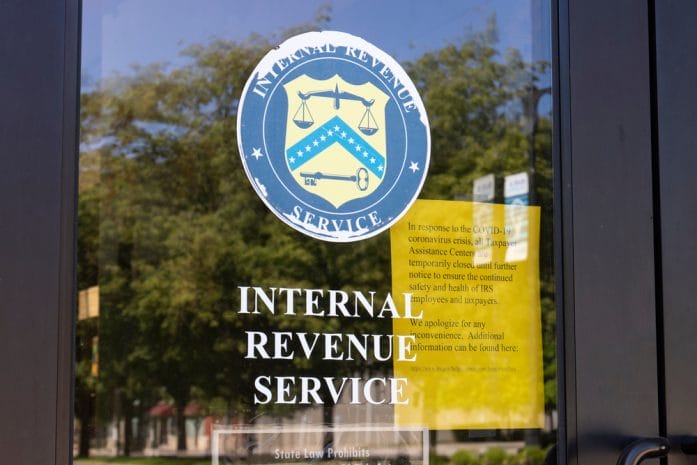
Front door to an IRS office – Shutterstock

Tax season already comes with enough stress to power an entire coffee industry, but this year many taxpayers hit an extra speed bump after filing their returns. Refunds that normally show up within a couple of weeks suddenly stalled out, and confusion spread fast when IRS notices started landing in mailboxes. Some people discovered the agency flagged their returns for identity verification, while others watched their refund status sit frozen with little explanation.

The delays left plenty of households frustrated, especially families counting on refunds to cover bills, pay down debt, or finally tackle that home repair hanging over their heads since last summer. The IRS says the tougher screening process helps stop tax fraud, but for honest taxpayers the experience often feels like getting stuck in airport security because someone else tried to sneak something suspicious onto the plane.

Why the IRS Suddenly Tightened Identity Checks

Tax scams exploded over the last several years, and criminals keep getting smarter about stealing personal information. Fraudsters use stolen Social Security numbers, fake W-2 forms, and even artificial intelligence-generated documents to file bogus returns before real taxpayers submit theirs. The IRS responded by adding stronger identity filters that automatically flag returns showing unusual activity or inconsistencies. A return might trigger extra review because it came from a new bank account, included a different address, or showed income patterns that sharply changed from previous years. Those filters catch millions of fraudulent attempts annually, but they also snag legitimate taxpayers who simply changed jobs, moved, or updated financial information.

The crackdown intensified after the IRS reported billions of dollars in attempted refund fraud in recent filing seasons. Identity thieves target refunds because direct deposits move fast, and stolen money often disappears before authorities can react. IRS systems now compare current filings against historical tax records, employer data, and fraud risk models in real time. That means even small discrepancies can send a return into manual review territory. While the agency insists the additional checks protect taxpayers overall, the growing number of flagged returns created a frustrating bottleneck during peak filing months.

The Most Common Reasons Refunds Get Flagged

One of the biggest triggers involves mismatched personal information. A typo in a Social Security number, a name that does not exactly match Social Security Administration records, or a birthdate entered incorrectly can stop processing cold. Taxpayers who recently married, divorced, or legally changed their names often encounter this issue because databases do not always update instantly. Even something as simple as switching from direct deposit to a paper check may raise a temporary red flag if the IRS notices a sudden pattern change. The system looks for anything that appears unusual compared to previous returns.

Gig workers and side hustlers also land under extra scrutiny more often now. Freelance income, online selling, and app-based work create complicated reporting situations because third-party forms sometimes arrive late or contain errors. The IRS increasingly cross-checks reported income against 1099 forms and employer submissions before releasing refunds. If information does not line up perfectly, the agency may pause the refund until someone verifies the details manually. Taxpayers claiming certain credits, including the Earned Income Tax Credit or Additional Child Tax Credit, may also face additional review because those programs historically attract fraud attempts.

What Happens After the IRS Flags a Return

Most taxpayers first notice trouble when the “Where’s My Refund?” tracker stops updating normally. Instead of showing a refund approval date, the tool may display a message saying the return requires further review. Shortly afterward, the IRS often sends a letter requesting identity verification through the agency’s online system or over the phone. Some taxpayers must confirm prior-year filing details, while others need photo identification and financial account information ready before proceeding. The process sounds simple on paper, but delays often pile up because millions of people receive similar notices during busy filing periods.

The timeline varies wildly depending on the issue involved. Some taxpayers complete verification and receive refunds within a couple of weeks, while others wait several months for processing to finish. IRS staffing shortages and outdated technology still create major slowdowns despite modernization efforts. Phone lines regularly back up during tax season, and many taxpayers struggle to reach a live representative for clarification. That communication gap fuels anxiety because people often worry the delay signals an audit or larger financial problem when the issue simply involves identity confirmation.

Waiting on a Refund? New IRS Identity Flags Are Pulling More Returns
The IRS website on a smartphone – Shutterstock

How Taxpayers Can Avoid Refund Delays

Accuracy matters more than ever when filing a return this year. Double-checking Social Security numbers, banking information, and employer data before hitting submit can dramatically reduce the chances of triggering a review. Filing electronically instead of mailing paper returns also helps because digital systems catch certain errors immediately. Tax professionals recommend gathering all tax forms before filing rather than rushing to submit early with incomplete information. An amended return often creates far bigger headaches than waiting an extra week for missing paperwork.

Taxpayers can also strengthen account security to reduce fraud risks tied to identity theft. Creating an IRS online account allows users to monitor filings and notices more closely throughout the year. The IRS Identity Protection PIN program adds another layer of security by requiring a unique six-digit code before a return can process. Criminals cannot easily file fake returns without that PIN, even if they steal someone’s Social Security number. Experts also encourage people to freeze credit reports and watch financial accounts carefully because tax fraud frequently overlaps with broader identity theft activity.

What’s Behind Longer Refund Waits?

The growing number of identity checks reflects a larger shift in how tax enforcement works in the digital age. Financial systems move faster than ever, but criminals exploit that speed just as aggressively as legitimate consumers do. The IRS faces enormous pressure to release refunds quickly while also stopping fraudulent claims before money disappears permanently. That balancing act creates tension because taxpayers understandably expect timely refunds after filing correctly. Nobody enjoys waiting weeks longer for money that already belongs to them.

What has your experience with IRS refund delays been this year, and do tougher identity checks feel worth the extra wait? Please give your advice and guidance below in our comments.

You May Also Like…

Tennessee Residents Still Pay Federal Taxes on Investment Income Despite State Changes

Why Wills Need Updating Before the 2026 Tax Sunset

Selling a Long-Term Home Can Lead to Capital Gains Taxes—Even for Retirees

Texas Has No Income Tax — But Property Taxes Can Get Close To 2% in Some Areas

Missing This IRS Filing Deadline Leads to Automatic Penalties—No Exceptions

Brandon Marcus
Brandon Marcus

Brandon Marcus is a writer who has been sharing the written word since a very young age. His interests include sports, history, pop culture, and so much more. When he isn’t writing, he spends his time jogging, drinking coffee, or attempting to read a long book he may never complete.

Filed Under: tax tips Tagged With: financial news, identity protection, identity theft, IRS, IRS verification, Personal Finance, refund processing, refund status, tax filing tips, tax fraud, tax refunds, tax return delays, taxes 2026

7 New IRS Changes That Could Delay Your 2026 Tax Refund

May 9, 2026 by Brandon Marcus Leave a Comment

7 New IRS Changes That Could Delay Your 2026 Tax Refund
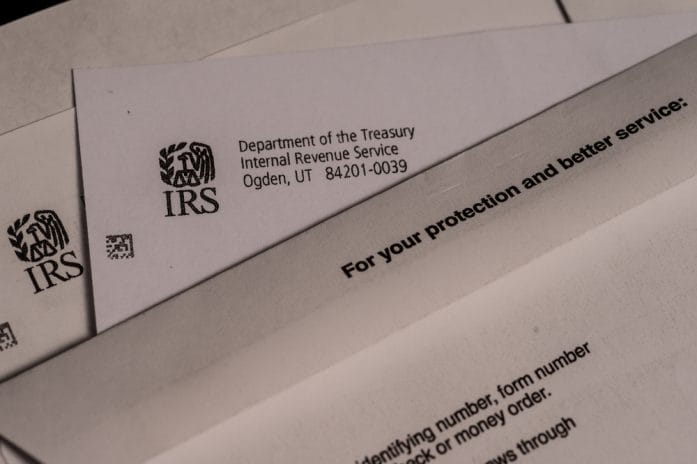
Paperwork mailed from the IRS – Shutterstock

Tax season rarely brings calm, but 2026 may crank up the tension even more for millions of filers expecting a fast refund. The IRS continues to upgrade its systems, tighten security, and expand reporting rules, all in the name of fraud prevention and accuracy. Those improvements sound helpful on paper, yet they often create real-world delays that hit bank accounts hard. Refund timelines may stretch longer as new verification layers kick in across the filing system.

Many taxpayers rely on refunds for bills, rent, savings goals, or catching up after the holidays. Even a one- or two-week delay can disrupt budgets in a big way. The IRS insists these changes protect taxpayers from identity theft and improper payments. Still, the 2026 filing season introduces several shifts that could slow things down more than expected.

1. Stronger Identity Verification Steps Slow Early Refunds

The IRS continues tightening identity verification rules to reduce fraud and stolen refunds. New digital ID checks now compare more data points across banking, employment, and prior tax filings. Filers may need to confirm identity through extra verification prompts before refund approval moves forward. These added steps often create bottlenecks during the first weeks of tax season when volume peaks.

Taxpayers who change addresses, switch banks, or file under new names may feel the slowdown the most. The system flags mismatches more aggressively than in prior years, which triggers manual review. Even honest returns may sit longer in processing queues while verification completes. This shift aims to protect taxpayers, but it also stretches refund timelines across the board.

2. AI Fraud Detection Tools Expand Across All Returns

The IRS now uses more advanced AI systems to scan tax returns for suspicious activity. These tools compare filings against massive data sets to detect inconsistencies or unusual patterns. When the system flags a return, it places it into a review queue before releasing any refund. That extra step can add days or even weeks to processing times during peak season.

False positives create the biggest frustration for everyday filers. A simple typo or mismatched form can trigger a hold that requires human review. The IRS continues refining the system, but early-season delays often spike as algorithms adjust. This technology improves long-term accuracy, but short-term refund speed may take a hit.

3. Refundable Credit Claims Face Longer Review Times

Refundable credits like the Earned Income Tax Credit and Child Tax Credit often receive additional scrutiny under IRS rules. These credits attract higher fraud risk, so the agency verifies eligibility more aggressively before issuing refunds. In 2026, enhanced checks will extend review timelines even further for these claims. That means families relying on early refunds may experience longer waits than expected.

The PATH Act already delays many of these refunds until mid-February, and new rules add another layer of verification. Even fully accurate filings may sit in review status longer due to expanded documentation checks. The IRS focuses on accuracy and fraud prevention, but that focus often slows refund release schedules. Families depending on these credits should prepare for extended processing windows.

4. 1099-K Reporting Changes Increase Cross-Checking

New reporting thresholds for Form 1099-K continue reshaping how the IRS tracks income from online platforms. More taxpayers now receive these forms for side gigs, resale activity, and digital payments. The IRS cross-checks these forms against tax returns more aggressively than before. That process can trigger delays when reported income doesn’t match return entries.

Many filers underestimate how these forms affect refund timing. Even small inconsistencies can place a return under review while the IRS verifies payment records. Platforms like payment apps and online marketplaces now feed more data directly into IRS systems. This expanded visibility helps reduce underreporting but increases processing time for millions of returns.

5. Direct File Expansion Changes Early Filing Flow

The IRS Direct File program continues expanding into more states and taxpayer groups. This system allows eligible filers to submit returns directly through IRS platforms instead of third-party software. While convenient, the rollout shifts processing patterns during the early filing window. More direct submissions create higher initial system load and longer review times.

The IRS also tests new integration tools behind the scenes during expansion phases. These updates sometimes slow internal processing while the agency fine-tunes performance. Early adopters may notice faster submission but not necessarily faster refunds. The system still balances accuracy, security, and scaling challenges at the same time.

7 New IRS Changes That Could Delay Your 2026 Tax Refund
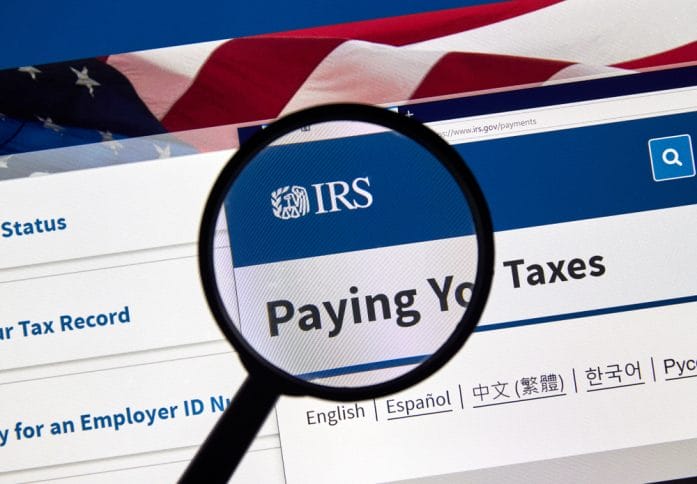
A magnifying glass examining the IRS website – Shutterstock

6. System Upgrades and Staffing Gaps Affect Processing Speed

The IRS continues upgrading its digital infrastructure to handle increasing tax complexity. These upgrades improve long-term performance but often introduce short-term disruptions during filing season. System maintenance windows and backend migrations can temporarily slow refund approvals. Taxpayers feel the impact most during peak filing weeks.

Staffing shortages also play a role in processing delays. Manual reviews still require human agents, especially for flagged returns. High filing volume combined with limited staff creates longer queues for verification. The agency continues hiring and training, but demand still outpaces capacity during busy periods.

7. Bank Account Verification Rules Create Refund Holds

The IRS now places stronger emphasis on verifying direct deposit information before releasing refunds. Mismatched routing numbers, account name differences, or closed accounts trigger automatic holds. These safeguards aim to reduce fraud and misdirected payments. However, they also increase refund delays for taxpayers with minor banking errors.

Even small input mistakes can send a return back for correction and reprocessing. That restart process adds days or weeks to the timeline depending on when the issue gets resolved. Taxpayers who recently switched banks face the highest risk of delays. Careful entry of banking details now matters more than ever.

What These IRS Changes Mean for 2026 Refund Timelines

The 2026 tax season introduces more security layers, data matching, and digital verification across the IRS system. These upgrades strengthen fraud protection and improve long-term accuracy, but they also slow down refund distribution in many cases. Filers with credits, mismatched records, or banking changes may experience the longest waits.

Planning ahead becomes more important than ever during this filing season. Early filing, accurate documentation, and careful review of forms can help reduce delays. Even then, new IRS systems may still add extra processing time compared to previous years. Patience and preparation now play a bigger role in refund timing than ever before.

What part of these IRS changes feels like it could impact tax season the most for everyday filers? If you have opinions about this, share them below in our comments.

You May Also Like…

California Prop 19 Alert: Why Heirs Are Receiving Supplemental Property Tax Bills

Garage Sale Trap: Why Casual Sales May Now Be Reported to the IRS

Michigan Pension Withdrawals Are Still Flagged for Federal Review Under IRS Rules

Tennessee Residents Still Pay Federal Taxes on Investment Income Despite State Changes

Texas Has No Income Tax — But Property Taxes Can Get Close To 2% in Some Areas

Brandon Marcus
Brandon Marcus

Brandon Marcus is a writer who has been sharing the written word since a very young age. His interests include sports, history, pop culture, and so much more. When he isn’t writing, he spends his time jogging, drinking coffee, or attempting to read a long book he may never complete.

Filed Under: tax tips Tagged With: 1099-K, 2026 taxes, Child Tax Credit, Earned Income Tax Credit, financial news, IRS, IRS changes, IRS updates, refund delays, tax filing, tax refunds, tax rules, tax season

How “No Tax on Tips” Can Save Service Workers Thousands

March 6, 2026 by Brandon Marcus Leave a Comment

How “No Tax on Tips” Can Save Service Workers Thousands
Image Source: Unsplash.com

Talk about taxes, and people often picture long forms, complicated math, and paperwork headaches that arrive every spring like clockwork. New law includes a provision known as “no tax on tips,” which brings a promise that catches attention quickly because it focuses on everyday workers who rely on gratuities for income. Service workers across the United States sometimes earn a large portion of their earnings from customer tips rather than hourly wages. Supporters of this new “no tax on tips” provision argue that keeping tip income untaxed helps workers keep more of the money they personally earn during busy shifts.

As the new law takes hold and service workers adjust to a new reality, it is important to know that no taxes on tips can save you a great deal of money, but it isn’t without its own set of rules and regulations.

How Much Money Workers May Actually Keep in Their Hands

Service workers sometimes earn hundreds or even thousands of dollars from tips each month, depending on location, customer volume, and job type. When taxes apply to tip income, the amount deducted depends on total yearly earnings and filing status. Removing tax liability from tips means workers keep every dollar customers leave on tables, cards, or digital payment systems. Some calculations suggest that high-performing service professionals may save several thousand dollars annually if tip income remains untaxed.

The law passed last summer allows for $25,000 in tipped income to be free from federal income tax if certain qualifications are met. You have to work in an eligible occupation and receive voluntary tips, meaning that they are not automatically added to the bill.

Supporters say people who earn money directly from customers deserve to keep more of it. Critics argue that untaxed tip income may create inequality between tipped and non-tipped workers. With the debate still raging after the bill has been signed, this is surely a topic that will stay heated.

The Restaurant Floor Reality: Who Feels the Change First

Restaurant employees usually stand closest to the effects of any tip tax reform. Bartenders, servers, delivery drivers, and salon professionals depend heavily on customer generosity. When customers leave larger tips, workers immediately feel the financial improvement in weekly earnings. Removing tax deductions from tips may encourage more energetic service because workers see a stronger connection between effort and reward.

Small business owners also pay attention because labor satisfaction often influences employee retention. Training new staff members costs money and time. When experienced workers stay longer because income feels fair, businesses save hiring and onboarding expenses. Restaurants sometimes report smoother operations when staff turnover drops and service quality rises.

Customers might notice subtle changes if workers feel financially secure. Happier service employees sometimes show more patience during busy dining hours. While customer behavior does not change overnight, workplace morale often shapes service culture. Supporting service workers financially creates positive feedback between customers and employees.

People interested in personal finance should consider building stronger savings habits now that some tip income is untaxed. Spending all additional earnings quickly removes the long-term advantage of tax relief. Setting aside part of every busy shift’s earnings helps create financial safety. Experts often suggest saving at least a small percentage of unexpected income increases.

The Economic Ripple Effect Across Cities and Communities

Tax policy changes rarely stay inside one industry. When service workers keep more tip income, local spending sometimes rises because workers use extra money for groceries, transportation, and housing. Community businesses may see higher sales when service workers carry stronger purchasing power. The government collects less tax revenue when tip income is untaxed. Some economists argue that keeping money in workers’ hands stimulates local economies faster than government redistribution programs. Others believe public programs funded by taxes provide long-term social stability.

Cities with strong tourism and dining sectors may feel policy effects more quickly. Hotels, entertainment venues, and nightlife districts employ large numbers of tipped workers. Economic changes inside those industries spread outward to suppliers, transportation services, and retail stores. Watching regional economic performance helps analysts measure real policy outcomes.

Service workers should keep learning about financial literacy because policy shifts do not guarantee financial security by themselves. Understanding savings, investment basics, and emergency funds gives workers more control over their futures. Government policy can support income growth, but personal financial strategy keeps that growth working long term.

How “No Tax on Tips” Can Save Service Workers Thousands
Image Source: Unsplash.com

Keep More of What Customers Leave Behind

The discussion around no tax on tips centers on fairness, economic growth, and worker dignity. Service workers who depend on customer generosity often welcome policies that strengthen their earnings power. Governments must balance worker benefits with national budget needs while maintaining economic stability.

People watching this policy debate should track legislative developments, study how local businesses respond, and think about personal financial goals. Although the bill has already been passed, the conversation about it continues. Anyone not paying attention runs the risk of missing out on thousands if policies change.

What about you? Do you get tipped at your job? If so, do you welcome this new rule change or think it won’t help you? Let’s discuss in the comments.

You May Also Like…

Handling Your First Car Accident Like a Pro: Tips Every Adult Needs

Kids Eat Free At These 14 Restaurants: A Guide for Family Dining on a Budget

How Much Cash You Really Need to Survive a 48-Hour Digital Blackout

IRS 1099-K Rules in 2026: Who Must Report Payments This Year

The Student Loan Servicer Transfer That “Lost” Payments and Triggered Defaults

Brandon Marcus
Brandon Marcus

Brandon Marcus is a writer who has been sharing the written word since a very young age. His interests include sports, history, pop culture, and so much more. When he isn’t writing, he spends his time jogging, drinking coffee, or attempting to read a long book he may never complete.

Filed Under: tax tips Tagged With: financial news, Income tax, IRS rules, labor policy, no tax on tips, service workers, tax policy, tip earnings, US tax proposal, wage reform

How Trump’s New Fed Pick Could Change Your Interest Income Forever

March 1, 2026 by Brandon Marcus Leave a Comment

How Trump’s New Fed Pick Could Change Your Interest Income Forever
Image Source: Unsplash.com

Tighten your seatbelt for this one. Interest income, the kind that grows quietly inside savings accounts and money market funds, might feel the wind changing soon. Discussions around influence on the U.S. central bank and potential leadership direction keep surfacing whenever Donald Trump stays politically active. People care because central bank policy shapes how much money sits safely in a bank account and how fast it grows without touching risky investments.

The big question sits right in the middle of the financial world like a slow ticking clock: what happens to interest income if political pressure or new appointments tilt policy inside the Federal Reserve? The answer is not simple, but understanding the direction helps anyone who keeps cash parked in interest-bearing accounts sleep a little better at night.

The Political Chessboard Behind Central Bank Choices

Central banks live in a strange world where independence matters more than popularity. The United States built the Federal Reserve system partly to prevent political cycles from pushing interest rates around too wildly. Still, presidents nominate Fed governors, and the Senate confirms them, which keeps political influence sitting quietly in the background.

During previous administrations, including the time when Trump appointed several Federal Reserve officials, debates grew about whether the bank should move more aggressively on economic growth or focus harder on controlling inflation. Jerome Powell became a central figure during this discussion, especially when markets reacted to rate decisions and forward guidance.

If a new Fed pick reflects a preference for lower interest rates, then borrowing becomes cheaper while savings accounts may earn less. If the pick supports tighter monetary policy to fight inflation, then savings yields might climb, but mortgages and credit card interest could also rise. That balancing act sits at the heart of modern monetary policy, and it touches almost every household indirectly.

How Interest Income Moves When Policy Shifts

Interest income depends heavily on benchmark rates set or influenced by the Federal Reserve. When the central bank raises rates, commercial banks often follow by offering better returns on savings products. People holding certificates of deposit or high-yield savings accounts notice their balances growing slightly faster.

However, higher rates also slow economic activity sometimes because businesses borrow less. That slowdown can reduce stock market momentum, which matters for retirement accounts tied to equities. The relationship between interest income and overall economic health behaves like a swinging pendulum rather than a straight line.

If Trump’s influence helps push the Fed toward a growth-friendly stance, markets may expect lower borrowing costs. That situation usually favors housing markets and corporate expansion but may pressure fixed income savers. On the other hand, if inflation control becomes the priority, interest rates can stay elevated longer, which benefits people who hold cash but challenges borrowers.

What Savers Should Watch Over the Next Few Years

Smart money habits do not depend on guessing political outcomes, but they do benefit from watching macroeconomic trends. Anyone holding cash reserves should monitor Fed meeting announcements, inflation data, and labor market reports.

Diversification remains the best defense against uncertainty. Keeping some money in high-liquidity accounts while investing part of savings in long-term assets helps balance stability and growth. Some financial advisors suggest maintaining an emergency fund covering three to six months of expenses before chasing higher-yield investments. Bond markets often react faster than banks when expectations change. When traders believe future rates will fall, bond prices usually rise. When traders expect tighter policy, bond yields tend to move upward. Watching the 10-year Treasury yield sometimes gives a hint about where mortgage and savings trends head next.

How Trump’s New Fed Pick Could Change Your Interest Income Forever
Image Source: Unsplash.com

The Human Side of Monetary Policy

Economic headlines can sound cold and technical, but policy decisions eventually touch real life. Higher interest income helps retirees living on fixed investments feel more comfortable. Lower borrowing costs help young families buy homes or start businesses.

Markets react emotionally sometimes, even when data changes slowly. Traders sometimes move money based on expectations rather than reality. That behavior creates waves that ripple across global financial systems. The Federal Reserve’s communication style matters almost as much as its actual decisions. Clear guidance tends to calm markets. Mixed messages sometimes increase volatility. Political influence discussions surrounding Trump’s economic vision keep analysts watching policy language closely.

Suggestions for Staying Financially Prepared

Start reviewing savings product interest rates at least twice each year. Online banks often adjust yields faster than traditional brick-and-mortar institutions. Consider spreading savings across multiple financial institutions if balances grow large enough.

Track inflation reports and employment numbers because they often shape future rate moves. If wage growth stays strong while inflation stays controlled, the Fed may have flexibility in setting policy. Avoid chasing interest rates blindly. A slightly higher yield rarely compensates for high risk unless investment goals support that strategy. Think about money as a long-term companion rather than a sprinting competitor.

The Big Picture Moving Forward

The debate surrounding Trump’s Fed influence ultimately reflects a larger conversation about how politics and economics intersect. Monetary policy tries to keep growth steady while protecting purchasing power. Any new Fed nomination discussion signals potential direction shifts in that balancing effort.

Interest income may not explode overnight, but even small percentage changes compound over years. Someone saving consistently may notice meaningful differences if policy direction shifts toward either tighter or looser monetary conditions.

What do you think will matter more in the coming years — higher savings returns or cheaper borrowing costs? Give us your opinions in the comments below.

You May Also Like…

Public Service Loan Forgiveness Changes: The July 1, 2026 Rule Affecting Government Workers

Ground Ambulance Bills Still Fall Outside Federal Surprise Billing Protections

Why Credit Card APRs Only Dropped 0.35% Even After Three Fed Rate Cuts in 2025

The Drone Inspection Finding That’s Triggering Homeowner Policy Cancellations

6 Effective Principles for Investing During Extreme Political Uncertainty

Brandon Marcus
Brandon Marcus

Brandon Marcus is a writer who has been sharing the written word since a very young age. His interests include sports, history, pop culture, and so much more. When he isn’t writing, he spends his time jogging, drinking coffee, or attempting to read a long book he may never complete.

Filed Under: Finance Tagged With: bond yields, federal reserve, financial news, Inflation, interest rates, market impact, monetary policy, savings income, Trump Fed pick, US economy

The Student Loan Servicer Transfer That “Lost” Payments and Triggered Defaults

February 8, 2026 by Brandon Marcus Leave a Comment

The Student Loan Servicer Transfer That “Lost” Payments and Triggered Defaults
Image source: shutterstock.com

Imagine checking your student loan account one morning and seeing a giant red alert that says “default”—even though you’ve been paying on time for years. You frantically refresh the page, hoping it’s a glitch. But it’s not. And the worst part? The mistake isn’t yours. It’s the result of a messy student loan servicer transfer that scrambled payment histories, delayed processing, and left thousands of borrowers dealing with errors they never caused.

This isn’t a hypothetical horror story. It’s something that has actually happened during real‑world servicer transitions in the federal student loan system. When loans move from one company to another, the process is supposed to be seamless. But sometimes, it’s anything but. Payments get misapplied. Records get delayed. Borrowers get incorrect delinquency notices. And in the most extreme cases, people are marked as in default even though they did everything right.

The Servicer Shuffle: How a Routine Transfer Became a Borrower Meltdown

Loan servicer transfers happen more often than most borrowers realize. The Department of Education periodically shifts accounts between companies for contract changes, performance issues, or system upgrades. In theory, your payment history, enrollment status, and repayment plan should move over cleanly. But during some transitions, borrowers experienced delays in payment posting, missing records, and incorrect delinquency statuses.

When a servicer receives millions of accounts at once, even small data mismatches can snowball. Payments that were made on time at the old servicer sometimes didn’t show up immediately at the new one. Auto‑pay setups didn’t always transfer correctly. Some borrowers logged in to find their balances wrong, their payment counts missing, or their accounts showing months of “missed” payments that never actually happened.

When Payments Go Missing, Borrowers Pay the Price

One of the most alarming issues during problematic transfers was the appearance of “lost” payments. Borrowers would see payments deducted from their bank accounts, but the new servicer wouldn’t show them as received. In some cases, payments were delayed for weeks. In others, they were temporarily missing altogether.

This created a domino effect. A missing payment could trigger a delinquency notice. Multiple missing payments could trigger a default designation. And once a default hits, the consequences escalate quickly: damaged credit, collection fees, wage garnishment, and loss of eligibility for certain repayment plans.

The irony? Borrowers who were doing everything right were suddenly treated as if they had done everything wrong.

The Student Loan Servicer Transfer That “Lost” Payments and Triggered Defaults
Image source: shutterstock.com

Why These Errors Happen—and Why They’re So Hard to Fix

Servicer transfers involve massive amounts of data: payment histories, interest calculations, repayment plan details, income‑driven recertification dates, and more. When millions of accounts move at once, even a small technical issue can create widespread problems.

Once an error appears in a borrower’s account, fixing it isn’t always simple. Servicers must verify records, reconcile data from the previous servicer, and sometimes escalate cases to the Department of Education. Meanwhile, borrowers are left refreshing their accounts daily, hoping to see their status corrected.

What Borrowers Can Do to Protect Themselves During a Servicer Transfer

While you can’t control when your loans get transferred, you can take steps to protect yourself from the fallout.

Start by locating and downloading your complete payment history before the transfer occurs. Save copies of your monthly statements, auto‑pay confirmations, and any correspondence from your servicer. If you’re on an income‑driven plan, keep proof of your recertification dates.

After the transfer, log in to your new account as soon as it’s available. Check your balance, payment history, and repayment plan details. If anything looks off, contact the servicer immediately and keep a written record of the conversation. If you made a payment during the transition window, verify that it posted correctly.

Borrowers Deserve Better Than Administrative Chaos

Servicer transfers are supposed to make the system more efficient, not more stressful. But when errors happen, borrowers are the ones who feel the impact—financially, emotionally, and sometimes for years afterward. The good news is that these issues can be corrected, and regulators have taken steps in recent years to hold servicers accountable for inaccurate reporting and poor transfer practices.

Have you ever dealt with a servicer transfer that caused chaos, or are you bracing for one now? Share any student loan horror stories in the comments section below.

You May Also Like…

Student Loan Interest Resumed August 2025 — Costing SAVE Borrowers $300/Month

7 Million Student Loan Borrowers Must Switch Plans as SAVE Program Ends

Student Loan Default Crisis: Millions Of Borrowers Are Now Delinquent or in Default

Public Service Loan Forgiveness Changes: The July 1, 2026 Rule Affecting Government Workers

Student Loan Wage Garnishment Could Return After 5-Year Pause — 15% of Paychecks at Risk

Brandon Marcus
Brandon Marcus

Brandon Marcus is a writer who has been sharing the written word since a very young age. His interests include sports, history, pop culture, and so much more. When he isn’t writing, he spends his time jogging, drinking coffee, or attempting to read a long book he may never complete.

Filed Under: Lifestyle Tagged With: borrower rights, Consumer Protection, credit reporting, financial news, Higher education, loan defaults, loan servicers, loan transfers, payment errors, repayment issues, student loans

Florida Homeowners Are Seeing Insurance Rates Decreasing In 2026

February 7, 2026 by Brandon Marcus Leave a Comment

Florida Homeowners Are Seeing Insurance Rates Decreasing In 2026
Image source: shutterstock.com

If you’re a Florida homeowner, you’ve probably spent the last few years opening your insurance renewal notices with the same energy you’d reserve for a horror movie. Premium hikes became so routine that many people stopped asking “if” rates would rise and started asking “by how much.”

But as 2026 begins, something genuinely surprising is happening: multiple insurers have filed for rate decreases with the Florida Office of Insurance Regulation (OIR). After years of market instability, litigation costs, and reinsurance spikes, the tide is finally shifting — and homeowners are more than ready for the relief. These filings aren’t rumors or wishful thinking; they’re part of a real, documented trend showing that Florida’s insurance market is stabilizing in ways many thought impossible just a few years ago.

Several Private Insurers Have Filed for Rate Decreases With the Florida OIR

Florida’s OIR has confirmed that multiple private insurers have submitted filings requesting rate decreases for 2026. These filings reflect improved financial performance, better loss ratios, and a more predictable claims environment.

While each company’s filing varies, the overall direction is unmistakable. Insurers are confident enough in the market to reduce rates rather than raise them, something that hasn’t been common in Florida for quite some time. For homeowners, this means 2026 is shaping up to be one of the most promising years in recent memory for potential savings.

Some Insurers Are Lowering Rates in Counties With Improved Loss Histories

Not all rate decreases apply statewide. Several insurers have filed for reductions in counties where claims have been lower or where storm activity has been less severe in recent years. This targeted approach allows insurers to pass savings on to homeowners in areas where risk has genuinely declined. It also reflects a more nuanced understanding of Florida’s diverse risk landscape, where one county may experience repeated storm losses while another remains relatively stable.

If you live in a region that hasn’t seen major storm damage recently, you may be among the homeowners who benefit the most from these filings.

Legislative Reforms Are Finally Producing Measurable Results

Florida’s insurance reforms are beginning to show tangible effects. Insurers have publicly stated that these reforms have reduced legal expenses and improved predictability in the claims process. Lower operating costs mean some companies can now justify rate decreases, something that would have been nearly impossible just a few years ago.

For homeowners, this is proof that policy changes can eventually translate into real‑world financial relief, even if the improvements take time to materialize.

Reinsurance Stabilization Is Helping Insurers Lower Premiums

Reinsurance — the insurance that insurance companies buy — has been one of the biggest drivers of Florida’s premium increases. When reinsurance prices spike, insurers have little choice but to pass those costs on to policyholders. But as the reinsurance market stabilizes and pricing becomes more predictable, insurers are gaining breathing room. Several companies have cited improved reinsurance conditions as a key reason they can file for rate decreases heading into 2026.

This is a promising sign for long‑term market health and a major factor behind the shift toward lower premiums.

Some Insurers Are Offering Decreases for Homes With Strong Mitigation Features

Homes with hurricane‑resistant features are becoming increasingly attractive to insurers. As a result, some companies have filed for rate decreases specifically for homeowners who meet certain mitigation standards. These reductions reward homeowners who invest in strengthening their properties and help reduce overall risk in the market.

If you’ve made improvements to your home, it’s worth checking whether you qualify for additional savings in 2026.

Florida Homeowners Are Seeing Insurance Rates Decreasing In 2026
Image source: shutterstock.com

Competitive Pressure Is Encouraging More Insurers to Adjust Rates

As more insurers file for decreases, others may follow suit to remain competitive. Florida’s insurance market has been gradually attracting new companies and encouraging existing ones to expand their offerings.

When one insurer lowers rates, others often respond to avoid losing customers — especially in regions where homeowners finally have multiple options again. This competitive environment is one of the reasons 2026 is shaping up to be a turning point for Florida homeowners.

Citizens’ Market Changes Are Influencing Private Insurer Pricing

Citizens Property Insurance, the state‑backed insurer, plays a major role in Florida’s insurance landscape. As Citizens adjusts its own rates and continues efforts to shift homeowners back into the private market, private insurers are responding with more competitive pricing.

While Citizens’ rates are regulated differently, its market influence is significant — and its actions often encourage private insurers to adjust their filings accordingly. For homeowners, this means more opportunities to compare quotes and potentially save money.

Florida Homeowners Finally Have a Reason to Feel Hopeful

After years of skyrocketing premiums and shrinking options, Florida’s homeowners insurance market is showing real signs of recovery. Rate decrease filings from multiple insurers — combined with legislative reforms, improved reinsurance conditions, and increased competition — are creating a more stable environment for 2026.

While not every homeowner will see a decrease, the overall trend is undeniably positive. This year, take the time to review your policy, compare quotes, and ask your insurer whether you qualify for any new reductions. Even a small decrease can make a meaningful difference.

Are you a Florida homeowner? Has your insurer mentioned any rate changes for 2026? Give us your stories in the comments section.

You May Also Like…

The Roof Age That Automatically Disqualifies Florida Homes From Coverage

Florida Homeowners See First Rate Decrease in 10 Years — Citizens Property Insurance Dropping Premiums 2.6%

6 States Where Homeownership Is Getting More Expensive in 2026 — Here’s Why

The Credit Score That Adds $2,000/Year to Florida Homeowner’s Insurance Premiums

The Sunshine State Squeeze: Why Florida Retirees are Seeing Smaller Social Security Checks This Week


Brandon Marcus
Brandon Marcus

Brandon Marcus is a writer who has been sharing the written word since a very young age. His interests include sports, history, pop culture, and so much more. When he isn’t writing, he spends his time jogging, drinking coffee, or attempting to read a long book he may never complete.

Filed Under: Insurance Tagged With: 2026 trends, Citizens Property Insurance, Consumer Protection, financial news, Florida homeowners, Florida insurance, homeowners insurance, insurance rates, insurance reforms, property insurance, State Farm

Follow Us

Search this site:

Recent Posts

  • Can My Savings Account Affect My Financial Aid? by Tamila McDonald
  • 12 Ways Gen X’s Views Clash with Millennials… by Tamila McDonald
  • What Advantages and Disadvantages Are There To… by Jacob Sensiba
  • 10 Tactics for Building an Emergency Fund from Scratch by Vanessa Bermudez
  • Call 911: Go To the Emergency Room Immediately If… by Stephen Kanaval
  • 7 Weird Things You Can Sell Online by Tamila McDonald
  • 10 Scary Facts About DriveTime by Tamila McDonald

Copyright © 2026 · News Pro Theme on Genesis Framework