• Home
  • About Us
  • Toolkit
  • Getting Finances Done
    • Hiring Advisors
    • Debt Management
    • Spending Plan
  • Insurance
    • Life Insurance
    • Health Insurance
    • Disability Insurance
    • Homeowners/Renters Insurance
  • Contact Us
  • Privacy Policy
  • Risk Tolerance Quiz

The Free Financial Advisor

You are here: Home / Archives for Alternative Assets

6 Alternative Assets to Hedge Against Inflation

March 18, 2026 by Brandon Marcus Leave a Comment

6 Alternative Assets to Hedge Against Inflation

Image Source: Shutterstock.com

Inflation can sneak into your finances like an uninvited guest, quietly shrinking purchasing power while your savings struggle to keep up. The usual bank accounts and bonds often feel like shields against nothing when prices climb, leaving people scrambling for smarter ways to protect wealth. Alternative assets offer a compelling solution because they operate outside traditional markets, providing both potential growth and a buffer against rising costs. These unconventional options aren’t just for Wall Street pros—they can become valuable tools in anyone’s financial toolkit.

Exploring alternative assets requires more than just curiosity; it demands strategy, research, and a willingness to consider options that might seem unusual at first. While stocks and bonds dominate most portfolios, diversifying with tangible and non-traditional assets creates resilience when inflation spikes. Each type of asset carries its own advantages, risks, and liquidity considerations, making understanding the landscape crucial.

1. Glittering Gold and Precious Metals

Gold has earned its reputation as the ultimate inflation hedge for centuries, and that status isn’t just historical mythology. When the value of paper money declines, tangible precious metals like gold, silver, and platinum often retain or even grow in value. These metals are universally recognized, highly liquid, and portable, which makes them incredibly versatile for hedging purposes. Collecting coins or bars adds a tactile element to investing, turning a financial strategy into a physical asset that can be stored safely or even gifted.

Silver, while often overshadowed by gold, provides another interesting layer of diversification. Unlike gold, silver tends to have industrial demand, linking it to economic cycles in ways that balance portfolio risk differently. Platinum and palladium, rarer than gold, can add extra upside for investors willing to handle volatility. Investing in metals doesn’t require a full vault at home—ETFs and precious metal funds offer exposure without the storage challenges. Whether acquired physically or digitally, metals remain a steadfast shield against inflation, grounding portfolios when markets wobble.

2. Real Estate That Stands the Test of Time

Property continues to offer an effective hedge against rising prices, but it’s not just about buying a home. Real estate investment trusts (REITs), rental properties, and even vacation homes can generate income while appreciating in value. Inflation often drives up both rent and property prices, meaning owning real estate can counteract the eroding effect of rising costs. Physical property also provides a tangible sense of security that paper assets cannot replicate.

Beyond traditional residential spaces, commercial real estate offers compelling alternatives, from storage units to office spaces repurposed for co-working. Investors benefit from rental income that often escalates alongside inflation, creating a natural buffer. Location matters more than ever—growing markets with strong demand typically deliver both income and appreciation, while stagnant areas carry risk. Real estate remains a long-term play, requiring patience and management, but its dual ability to produce cash flow and hedge against inflation makes it a central alternative asset.

3. Collectibles: From Art to Action Figures

High-quality collectibles have skyrocketed in value over the past decades, turning rare items into a surprisingly reliable inflation shield. Classic paintings, limited-edition sneakers, vintage toys, and rare comic books all represent markets that often move independently of stock and bond fluctuations. Scarcity drives value, and in many cases, demand continues to grow even during economic downturns. Collectibles combine enjoyment and investment, allowing for personal passion to meet financial strategy.

The key to success in this area lies in expertise and authenticity. Provenance, condition, and rarity can make or break an item’s investment potential. Unlike traditional assets, collectibles require active research and careful curation, but the payoff can be impressive. Modern platforms also facilitate buying, selling, and verifying collectibles, reducing some of the friction in these markets. While not every collectible will explode in value, a well-chosen piece can preserve purchasing power while adding a layer of fun to a portfolio.

4. Cryptocurrencies: Digital Gold?

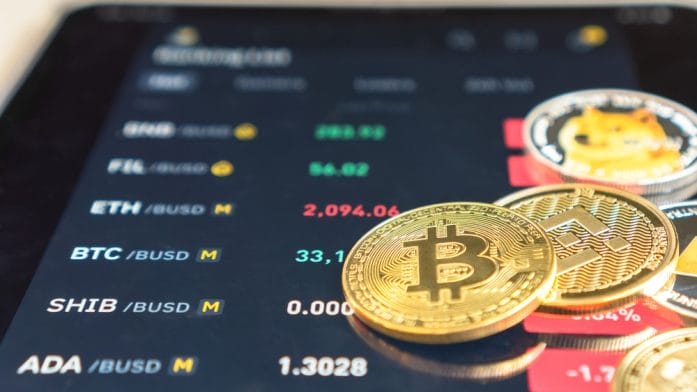
Digital currencies have become a heated topic in wealth protection discussions, offering high volatility but strong inflation hedging potential. Bitcoin and other major cryptocurrencies are often framed as digital gold due to their limited supply and independence from government-controlled currencies. This makes them attractive during periods when fiat money loses value. Cryptocurrency also provides global accessibility, with the ability to transfer and store value digitally across borders.

That said, crypto carries risk unlike traditional assets. Extreme price swings demand careful strategy, diversification, and risk tolerance. Many investors use small allocations to gain exposure without jeopardizing stability. Other blockchain-based assets, such as Ethereum or stablecoins pegged to tangible value, diversify the digital component of a portfolio. While adoption and regulation evolve, cryptocurrencies remain a modern, exciting alternative for those looking to hedge against inflation while exploring the frontier of finance.

6 Alternative Assets to Hedge Against Inflation

Image Source: Shutterstock.com

5. Farmland and Agriculture

Owning farmland might feel old-school, but it’s one of the most direct ways to hedge against inflation because land and food production inherently retain value. Crops, livestock, and timber generate income that often rises with commodity prices, creating both cash flow and long-term appreciation. Farmland has historically delivered steady returns and resilience, especially during periods of economic uncertainty.

Investing doesn’t always require boots in the dirt. Farmland investment platforms and REITs focused on agricultural land allow participation without daily hands-on management. Beyond direct returns, farmland provides tangible security—people need food regardless of inflation rates, and owning productive land creates a natural hedge. Strategic selection, soil quality, and crop types matter for maximizing returns, but agriculture remains a surprisingly powerful alternative asset for forward-thinking investors.

6. Hedge Funds and Private Equity

While traditional portfolios rely on public stocks and bonds, hedge funds and private equity offer access to alternative strategies that aren’t tied to inflation in the same ways. Hedge funds use tactics like short selling, derivatives, and global diversification to generate returns even in uncertain markets. Private equity invests directly in private companies, capturing growth opportunities inaccessible through public trading. Both can act as insulation from inflationary pressures, although they require higher entry thresholds and professional guidance.

These vehicles excel at creating tailored risk-return profiles, with managers adjusting strategies to respond to market fluctuations. Investors benefit from expertise and active management that anticipate inflationary trends before they hit mainstream markets. Diversification across sectors and geographies reduces dependency on any single economy, adding a layer of protection. While access may be limited, incorporating hedge funds or private equity into a portfolio can significantly enhance resilience against inflation.

Inflation Defense Starts Before Prices Spike

Alternative assets aren’t just about novelty—they form a strategic shield for wealth that stretches beyond traditional investments. Combining metals, real estate, collectibles, cryptocurrencies, farmland, and specialized investment vehicles creates a portfolio that can withstand inflation while offering growth opportunities. Timing and research remain essential, but the payoff lies in protection, flexibility, and long-term resilience. A diversified approach ensures that rising costs don’t automatically erode financial security, making wealth preservation both practical and exciting.

Which alternative assets do you think hold the strongest potential to beat inflation, and have you tried any unconventional investments yourself? Share strategies, experiences, or surprising success stories in the comments and start a conversation about creative ways to protect wealth.

You May Also Like…

The Hidden Cost of Keeping Money in Savings at 2.4% Inflation

6 Reasons Middle-Class Budgets Are Breaking Under “Slow Inflation”

Insurance Premium Increases Continue Outpacing Inflation

6 Financial Dangers of Ignoring Inflation

8 Bold Strategies for Investing During Periods of High Inflation

Brandon Marcus
Brandon Marcus

Brandon Marcus is a writer who has been sharing the written word since a very young age. His interests include sports, history, pop culture, and so much more. When he isn’t writing, he spends his time jogging, drinking coffee, or attempting to read a long book he may never complete.

Filed Under: Investing Tagged With: Alternative Assets, collectibles, cryptocurrencies, diversification, gold, hedge funds, Inflation, investing, Personal Finance, Planning, Real estate, wealth protection

10 Strange Investments That Wealthy People Keep Secret

September 4, 2025 by Catherine Reed Leave a Comment

10 Strange Investments That Wealthy People Keep Secret

Image source: 123rf.com

The wealthy often have access to opportunities that most people never hear about. While everyday investors focus on stocks, bonds, or real estate, the rich explore unusual markets that seem bizarre at first glance. These choices can yield impressive returns while also diversifying portfolios in ways that feel out of reach for the average person. Understanding strange investments that wealthy people keep secret gives insight into how unconventional strategies can build long-term wealth.

1. Rare Whiskey Collections

High-end whiskey has become one of the most profitable collectibles in the world. Wealthy investors buy rare bottles or even entire casks, betting on their increasing value over time. Auctions frequently set records for single bottles, showing how demand continues to grow. Unlike traditional assets, whiskey combines scarcity with cultural prestige. It is one of the strange investments that wealthy people keep secret because it blends passion with profit.

2. Fine Art Storage Facilities

While art collecting is well known, many wealthy investors profit from the storage process itself. They invest in climate-controlled vaults where art is kept before being sold or moved across countries. These facilities generate steady income as collectors pay premium fees to protect valuable pieces. It’s a niche market, but one with high demand among art enthusiasts. This makes storage facilities one of the strange investments that wealthy people keep secret.

3. Rare Book Libraries

Collecting rare first editions or manuscripts may sound more like a hobby than an investment. However, values of rare books have skyrocketed in recent decades. Wealthy investors quietly build private libraries that appreciate in value while also reflecting cultural prestige. Limited supply makes these assets highly desirable among niche buyers. Rare books are another example of strange investments that wealthy people keep secret for both financial and personal satisfaction.

4. Farmland in Remote Locations

Buying farmland in distant countries might not seem glamorous, but it is profitable. Food production is always in demand, and farmland often increases in value regardless of market cycles. Some wealthy individuals focus on land in emerging economies where prices are still low. These investments can also provide tax advantages and long-term stability. Remote farmland has quietly become one of the strange investments that wealthy people keep secret.

5. Exotic Car Fleets

Luxury cars are often seen as status symbols, but they can also be lucrative investments. Wealthy collectors buy rare models, sometimes storing them for years before reselling at much higher prices. Limited editions from top brands often appreciate faster than traditional assets. Some investors even rent out their collections to film studios or high-end clients. That potential for profit explains why car fleets are among the strange investments that wealthy people keep secret.

6. Vineyard Ownership

Wine has long been associated with sophistication, and owning a vineyard takes it further. Some wealthy individuals purchase land solely for producing boutique wines that increase in value as brands grow. Beyond the financial returns, vineyards provide tax benefits and personal enjoyment. However, they require significant upfront investment and management expertise. This combination of lifestyle and profit makes vineyards one of the strange investments that wealthy people keep secret.

7. High-End Domain Names

The digital economy has turned certain domain names into prized real estate. Wealthy investors buy short, catchy, or industry-specific domains and hold them until buyers offer huge sums. The resale market for these names can be more profitable than traditional land or buildings. Some names have sold for millions, proving the value of owning the right digital address. Domain speculation stands out as one of the strange investments that wealthy people keep secret in today’s online world.

8. Collectible Sneakers

Sneakers might seem like casual fashion, but limited releases from brands like Nike and Adidas command massive resale prices. Wealthy investors buy rare pairs and treat them as alternative assets, often storing them like fine art. The sneaker resale market has grown into a billion-dollar industry. While it started as a niche hobby, it’s now a serious investment opportunity. This market has become one of the strange investments that wealthy people keep secret while profiting quietly.

9. Urban Parking Lots

City parking spaces don’t attract much attention, yet they can generate steady income. Wealthy investors purchase lots in busy urban centers where demand is always high. As cities grow and driving remains essential, parking becomes more valuable. Low maintenance costs make this efficient cash-flow investment. It’s one of the strange investments that wealthy people keep secret because of its reliability and profitability.

10. Rare Musical Instruments

Violins crafted by Stradivari or rare guitars owned by legendary musicians are worth millions. Wealthy collectors buy these instruments not only for appreciation but also for rental to professional performers. The combination of cultural significance and scarcity drives value higher each year. These assets also offer diversification compared to traditional markets. Musical instruments round out the list of strange investments that wealthy people keep secret for both prestige and financial return.

Hidden Wealth in Unlikely Places

The most successful investors often look beyond the obvious, seeking opportunities where others see hobbies or oddities. From whiskey to parking lots, these unusual assets provide stability, profit, and status. Strange investments that wealthy people keep secret reveal how creativity and risk-taking can lead to surprising success. For those willing to think differently, hidden wealth might be waiting in unexpected places.

Which of these unusual investments surprised you most? Share your thoughts and ideas in the comments below.

What to Read Next…

8 Smart Investing Rules the Wealthy Actually Follow

7 Strange Things That End Up in High-Net-Worth Portfolios

8 Hidden Investment Exit Fees Many Don’t Expect

Financial Planning Basics: The Financial Pyramid

8 Signs Your Portfolio Strategy May Be Outdated in This Economy

Catherine Reed
Catherine Reed

Catherine is a tech-savvy writer who has focused on the personal finance space for more than eight years. She has a Bachelor’s in Information Technology and enjoys showcasing how tech can simplify everyday personal finance tasks like budgeting, spending tracking, and planning for the future. Additionally, she’s explored the ins and outs of the world of side hustles and loves to share what she’s learned along the way. When she’s not working, you can find her relaxing at home in the Pacific Northwest with her two cats or enjoying a cup of coffee at her neighborhood cafe.

Filed Under: Investing Tagged With: Alternative Assets, hidden wealth, investing strategies, Personal Finance, strange investments, unusual investments, wealthy secrets

How Financial Planners Are Recommending Riskier Portfolios in 2025

August 9, 2025 by Travis Campbell Leave a Comment

portfolio

Image source: unsplash.com

The world of investing is changing fast. In 2025, financial planners are telling more people to take on riskier portfolios. This shift isn’t just for thrill-seekers or the ultra-wealthy. Every day, investors are hearing new advice about how to grow their money. Why? The old rules aren’t working as well. Low interest rates, inflation, and a shaky global economy are forcing a rethink. If you want your money to work harder, you need to know what’s behind this trend and how it could affect your future.

1. Chasing Higher Returns in a Low-Yield World

Interest rates are still low. Savings accounts and bonds don’t pay much. If you want your money to grow, you have to look elsewhere. That’s why financial planners are recommending riskier portfolios. Stocks, real estate, and even alternative assets are getting more attention. The goal is simple: beat inflation and grow wealth. But with higher returns comes more risk. You might see bigger gains, but you could also face bigger losses. It’s a trade-off that more people are willing to make in 2025.

2. Longer Life Expectancy Means Longer Investment Horizons

People are living longer. Retirement can last 30 years or more. That means your money needs to last, too. Planners are telling clients to think long-term. A riskier portfolio can help your savings keep up with a longer life. If you play it too safe, you might run out of money. By taking on more risk early, you give your investments more time to recover from downturns. This approach isn’t just for young people. Even retirees are being told to keep some risk in their portfolios.

3. Inflation Is Eating Away at Safe Investments

Inflation is back in the headlines. Prices for everything from groceries to gas are rising. If your money sits in cash or low-yield bonds, it loses value over time. Financial planners are pushing clients to invest in assets that can outpace inflation. Stocks, real estate, and commodities are all on the table. These assets can be volatile, but they offer a better chance of keeping up with rising costs. The message is clear: playing it safe can actually be risky when inflation is high.

4. Technology Is Making Risk Management Easier

It’s easier than ever to manage risk. New tools and apps let you track your portfolio in real time. You can set alerts, automate trades, and rebalance with a few clicks. Financial planners use these tools to help clients take on more risk without losing sleep. If a stock drops, you can set a stop-loss order. If your portfolio drifts from your target, you can rebalance automatically. Technology doesn’t remove risk, but it makes it easier to handle. This gives planners more confidence to recommend riskier portfolios.

5. Younger Investors Are Comfortable With Volatility

A new generation of investors is changing the game. Millennials and Gen Z grew up with market swings and digital investing. They’re used to seeing their portfolios go up and down. For them, volatility isn’t scary—it’s normal. Financial planners are adjusting their advice to match this mindset. They’re recommending riskier portfolios because younger clients are willing to ride out the bumps. This shift is spreading to older investors, too. People see their kids taking risks and want to keep up.

6. Diversification Now Includes Alternative Assets

Diversification used to mean stocks and bonds. Now, it means much more. Financial planners are adding alternative assets to the mix. Think real estate, private equity, cryptocurrencies, and even collectibles. These assets can be risky, but they don’t always move with the stock market. By mixing in alternatives, planners hope to boost returns and reduce overall risk. This approach isn’t just for the rich. New platforms make it easy for anyone to invest in alternatives with small amounts of money.

7. Global Markets Offer New Opportunities—and Risks

The world is more connected than ever. Financial planners are looking beyond the U.S. for growth. Emerging markets, international stocks, and global funds are all part of riskier portfolios in 2025. These markets can offer big rewards, but they also come with unique risks. Currency swings, political changes, and economic shocks can hit hard. Planners help clients understand these risks and decide how much global exposure makes sense. The key is balance—don’t put all your eggs in one basket, but don’t ignore the rest of the world, either.

8. Personalized Risk Profiles Are the New Standard

One-size-fits-all advice is out. Financial planners now use detailed risk profiles for each client. They look at your age, goals, income, and comfort with risk. Then they build a portfolio that matches your needs. In 2025, this often means more risk than in the past. But it’s not reckless. Planners use data and technology to fine-tune their investments. If your situation changes, your portfolio can change, too. This personalized approach helps you take on the right amount of risk for your life.

Why Riskier Portfolios Are Here to Stay

The world isn’t getting any simpler. Markets move fast, and the old ways of investing don’t always work. Financial planners are recommending riskier portfolios in 2025 because they believe it’s the best way to grow wealth and keep up with change. This doesn’t mean you should throw caution to the wind. It means you need to understand your options, know your risk tolerance, and work with a planner who gets your goals. Risk is part of the journey, but with the right plan, it can work for you.

How do you feel about taking on more risk in your portfolio? Share your thoughts or experiences in the comments below.

Read More

What Happens to Retirement Payouts When the Market Drops Mid-Inheritance

The Rise of Corporate Bonds in India: A Shift from Traditional Bank Financing

Travis Campbell
Travis Campbell

Travis Campbell is a digital marketer/developer with over 10 years of experience and a writer for over 6 years. He holds a degree in E-commerce and likes to share life advice he’s learned over the years. Travis loves spending time on the golf course or at the gym when he’s not working.

Filed Under: Financial Advisor Tagged With: 2025, Alternative Assets, diversification, global markets, Inflation, investing, Planning, Retirement, riskier portfolios, technology

10 Portfolio Diversification Moves That Feel Like Cheating

June 1, 2025 by Travis Campbell Leave a Comment

diversification

Image Source: pexels.com

Building a strong investment portfolio can feel overwhelming, especially when you’re bombarded with advice about diversification. But what if there were ways to diversify that almost feel like you’re bending the rules—in a good way? The truth is, smart diversification isn’t about making things complicated. It’s about using clever, sometimes overlooked strategies that can boost your returns and lower your risk. Whether you’re a seasoned investor or just starting out, these portfolio diversification moves can make your financial life easier and more rewarding. Let’s dive into ten diversification tactics that might feel like cheating, but are actually just smart investing.

1. Target-Date Funds: Set It and (Almost) Forget It

Target-date funds are the ultimate “easy button” for portfolio diversification. These funds automatically adjust their asset allocation based on your expected retirement date, blending stocks, bonds, and sometimes alternative assets. You get instant diversification without having to rebalance or research individual investments. This feels almost too simple for busy investors, but it’s a proven way to keep your portfolio balanced over time.

2. Total Market Index Funds: One Fund, Hundreds of Stocks

Why pick individual stocks when you can own the whole market? Total market index funds give you exposure to hundreds or even thousands of companies in a single fund. This move instantly diversifies your portfolio across sectors, company sizes, and geographies. It’s a favorite among passive investors and is often recommended by financial experts for its simplicity and effectiveness. Vanguard’s research shows that broad diversification can help smooth out the bumps in your investment journey.

3. International ETFs: Go Global Without the Guesswork

Sticking to U.S. stocks is comfortable, but it leaves you exposed to domestic risks. International ETFs let you tap into growth in Europe, Asia, and emerging markets—all with a single purchase. This move can help protect your portfolio from U.S.-specific downturns and open the door to new opportunities. It’s a simple way to diversify globally without having to research foreign companies individually.

4. REITs: Real Estate Exposure Without the Headaches

Real Estate Investment Trusts (REITs) allow you to invest in real estate without becoming a landlord. REITs trade like stocks but own income-producing properties such as apartments, offices, and shopping centers. Adding REITs to your portfolio can provide steady income and diversification, since real estate often moves differently than stocks and bonds. It’s a hands-off way to get real estate exposure that feels almost too easy.

5. Bond Ladders: Smoothing Out Interest Rate Surprises

Bonds are a classic diversification tool, but building a bond ladder takes it up a notch. By buying bonds with different maturity dates, you can reduce the risk of interest rate swings and ensure a steady stream of income. This strategy can help you avoid the pitfalls of putting all your eggs in one bond basket, and it’s surprisingly simple to set up.

6. Sector ETFs: Bet on Trends Without Picking Winners

Want to invest in technology, healthcare, or clean energy but don’t want to pick individual stocks? Sector ETFs let you invest in entire industries with a single fund. This move gives you targeted exposure while still spreading your risk across multiple companies. It’s a great way to ride industry trends without the stress of choosing the next big winner.

7. Fractional Shares: Diversify on Any Budget

In the past, high share prices kept many investors from owning certain stocks. Now, fractional shares let you buy a piece of any company, no matter the price. This means you can diversify across more companies, even with a small investment. It’s a game-changer for new investors and anyone looking to spread their money further.

8. Robo-Advisors: Automated, Algorithm-Driven Diversification

Robo-advisors use algorithms to build and manage a diversified portfolio for you. They automatically rebalance your investments and adjust your asset allocation based on your goals and risk tolerance. This hands-off approach can feel like cheating, but it’s backed by solid financial theory and can help you avoid emotional investing mistakes. Morningstar’s analysis highlights how robo-advisors can deliver effective diversification at a low cost.

9. Alternative Assets: Spice Up Your Portfolio

Alternative assets like commodities, private equity, or even cryptocurrency can add a new layer of diversification. These assets often move independently of traditional stocks and bonds, helping to reduce overall portfolio risk. While they’re not for everyone, adding a small slice of alternatives can make your portfolio more resilient to market swings.

10. Dividend Growth Funds: Income and Stability in One

Dividend growth funds focus on companies with a history of increasing their dividends. These funds offer a blend of income and growth, and the companies they invest in tend to be stable and well-established. This move can add a layer of stability to your portfolio while providing long-term growth potential.

Diversification: The Secret Sauce to Smarter Investing

Portfolio diversification isn’t about making things complicated—it’s about making smart, strategic moves that protect your investments and help you grow wealth over time. By using these ten diversification strategies, you can build a portfolio that feels almost effortless but is actually working hard behind the scenes. Remember, the best portfolios aren’t built on luck but on smart diversification.

What’s your favorite diversification move? Share your thoughts or experiences in the comments below!

Read More

How to Slash Your Tax Bill – 2 Guys & Your Money

5 Ways to Improve Your Industrial Business Security

Travis Campbell
Travis Campbell

Travis Campbell is a digital marketer/developer with over 10 years of experience and a writer for over 6 years. He holds a degree in E-commerce and likes to share life advice he’s learned over the years. Travis loves spending time on the golf course or at the gym when he’s not working.

Filed Under: Investing Tagged With: Alternative Assets, bonds, etfs, Index Funds, investing, Personal Finance, Planning, portfolio diversification, REITs, robo-advisors

10 Investments That Could Make You a Fortune

February 24, 2025 by Latrice Perez Leave a Comment

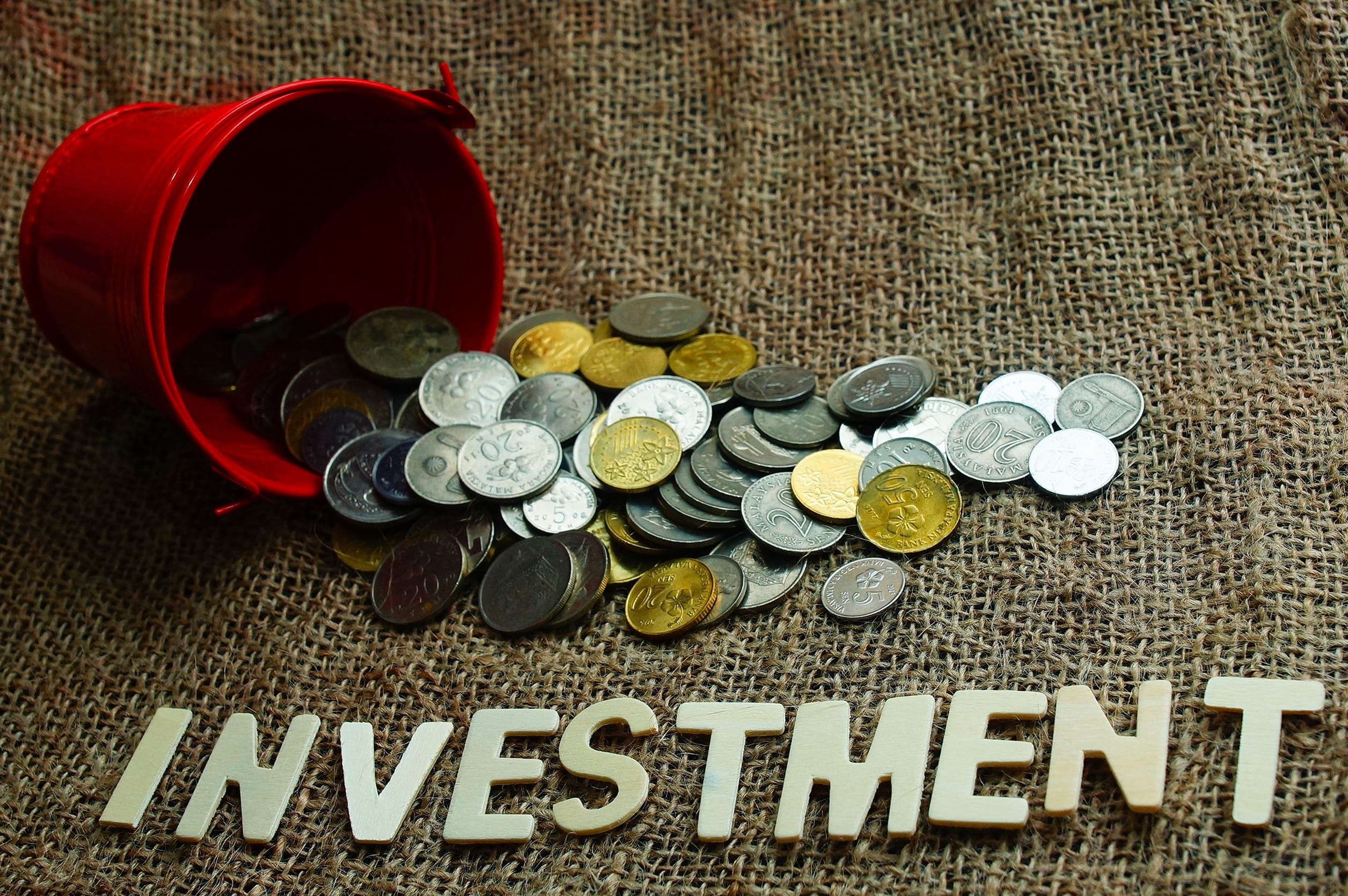
Investment

Image Source: 123rf.com

In today’s rapidly evolving financial landscape, traditional investment avenues like stocks and bonds are no longer the only paths to wealth. Many individuals are exploring unconventional opportunities that offer significant returns. Let’s look into ten surprising investments that could potentially double your money.

1. Artificial Intelligence Startups

The AI sector is experiencing unprecedented growth, with applications spanning from healthcare to finance. Investing in early-stage AI companies can be lucrative, as these startups often pioneer groundbreaking technologies. However, it’s essential to conduct thorough research to identify ventures with robust business models and experienced teams. Engaging with industry experts and attending tech conferences can provide insights into promising opportunities. Remember, while the potential returns are high, so are the risks.

2. Renewable Energy Projects

As the world shifts towards sustainable energy, investments in renewable projects like wind farms and solar installations are gaining traction. Governments worldwide are offering incentives to promote green energy, enhancing the profitability of these ventures. Participating in community-funded renewable projects allows investors to support environmental initiatives while earning returns. It’s advisable to assess the project’s feasibility and the credibility of the managing entities before committing funds.

3. Vintage Wine Collections

Fine wine has historically appreciated in value, making it an attractive alternative investment. Rare vintages from renowned vineyards can yield substantial profits over time. Investors should consider factors like provenance, storage conditions, and market demand. Engaging with reputable wine merchants and utilizing specialized storage facilities can safeguard your investment. Patience is key, as wine investments typically require a long-term horizon.

4. Cryptocurrency Staking

Beyond traditional trading, cryptocurrency staking offers a way to earn passive income. By holding and “staking” certain digital currencies, investors can receive rewards over time. This process supports the blockchain network’s operations and, in return, provides holders with additional tokens. It’s crucial to understand the specific staking requirements and potential risks associated with each cryptocurrency. Diversifying your crypto portfolio can mitigate potential losses.

5. Farmland Investments

Farmland

Image Source: 123rf.com

Agricultural land has become a sought-after asset, especially as global food demand rises. Investing in farmland can provide steady income through leasing and potential appreciation. Consider regions with fertile soil, favorable climates, and access to water resources. Engaging with local agricultural experts can offer insights into crop selection and land management. This investment often requires a hands-on approach or partnership with experienced farmers.

6. Music Royalties

Purchasing rights to popular songs allows investors to earn royalties whenever the music is played. Platforms now enable individuals to buy shares in songs, diversifying their income streams. Analyzing streaming statistics and the artist’s popularity can guide investment decisions. It’s essential to understand the terms of royalty agreements and potential fluctuations in income. This niche market combines passion for music with financial gain.

7. Peer-to-Peer Lending

This platform enables individuals to lend money directly to borrowers, often at higher interest rates than traditional banks offer. While it can be profitable, it’s vital to assess the creditworthiness of borrowers. Diversifying loans across multiple borrowers can spread risk. Utilizing reputable P2P platforms with robust vetting processes enhances security. Be prepared for potential defaults and ensure you understand the platform’s fee structure.

8. Collectible Sneakers

The sneaker resale market has exploded, with limited-edition releases fetching high prices. Investors should stay informed about upcoming releases and market trends. Authenticity is paramount; purchasing from reputable sources and keeping the sneakers in pristine condition can enhance value. Engaging with sneaker communities can provide insights into desirable models. This investment requires a keen eye for trends and potential appreciation.

9. E-Sports Teams

The e-sports industry is booming, with revenues and audiences growing annually. Investing in e-sports teams or related enterprises can be lucrative. Understanding the gaming landscape and the popularity of specific games is crucial. Sponsorship deals, merchandise sales, and tournament winnings contribute to revenue streams. This sector combines entertainment with investment opportunities.

10. Urban Real Estate in Emerging Markets

Cities in developing countries are expanding rapidly, presenting opportunities in real estate. Investing in commercial or residential properties in these urban centers can yield high returns. It’s essential to research local property laws, economic stability, and demand trends. Partnering with local real estate professionals can navigate potential challenges. This investment often requires a long-term commitment and risk assessment.

Diversification Is Key

Exploring unconventional investments can diversify your portfolio and potentially lead to significant financial gains. However, thorough research and risk assessment are paramount before venturing into these areas. Only invest what you are willing to lose, but always play to win.

Have you tried out any of the investments we talked about? What has worked for you so far? Let’s talk about it in the comments.

Read More:

Here’s What Your Financial Advisor Won’t Tell You About Income Investing

Collections Worth Investing In: Making Hobbies And Interests Pay For Themselves

Latrice Perez

Latrice is a dedicated professional with a rich background in social work, complemented by an Associate Degree in the field. Her journey has been uniquely shaped by the rewarding experience of being a stay-at-home mom to her two children, aged 13 and 5. This role has not only been a testament to her commitment to family but has also provided her with invaluable life lessons and insights.

As a mother, Latrice has embraced the opportunity to educate her children on essential life skills, with a special focus on financial literacy, the nuances of life, and the importance of inner peace.

Filed Under: Investing Tagged With: Alternative Assets, Emerging markets, Financial Growth, investments, Wealth Building

FOLLOW US

Search this site:

Recent Posts

  • Can My Savings Account Affect My Financial Aid? by Tamila McDonald
  • 12 Ways Gen X’s Views Clash with Millennials… by Tamila McDonald
  • What Advantages and Disadvantages Are There To… by Jacob Sensiba
  • 10 Tactics for Building an Emergency Fund from Scratch by Vanessa Bermudez
  • Call 911: Go To the Emergency Room Immediately If… by Stephen Kanaval
  • 7 Weird Things You Can Sell Online by Tamila McDonald
  • 10 Scary Facts About DriveTime by Tamila McDonald

Copyright © 2026 · News Pro Theme on Genesis Framework