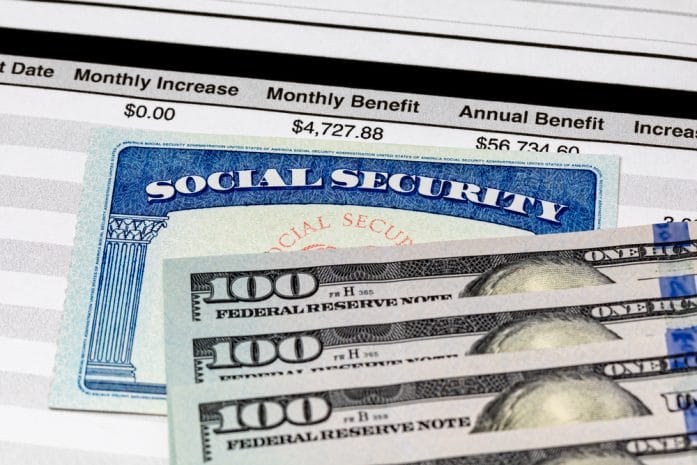
The upcoming 2027 COLA (cost-of-living adjustment) increase has started drawing serious attention because it could reshape how millions of households manage rising expenses, fixed incomes, and long-term financial planning. Social Security adjustments rarely spark excitement at first glance, but this one carries the potential to influence grocery budgets, rent decisions, and even retirement timelines in ways many families do not expect. Analysts already track inflation patterns, wage pressures, and economic slowdowns to estimate how the adjustment might land, and those projections suggest significant changes ahead.
Financial planners now highlight how even a small percentage shift in the 2027 COLA increase can ripple through household spending power. Seniors living on fixed incomes often feel these changes first, but working families also feel pressure when wages fail to keep pace with inflation-driven adjustments.
Why the 2027 COLA Increase Could Feel Different Than Recent Years
Some estimates predict the COLA change to be around 2 to 4 percent in 2027. One of the reasons why this increase in particular stands out is that inflation patterns no longer follow predictable cycles like they did in earlier decades. Energy prices, healthcare costs, and housing expenses now shift at different speeds, which creates uneven pressure on household budgets. Social Security adjustments rely on inflation data, but those numbers do not always reflect the true cost of daily living for retirees or fixed-income households. This mismatch means the 2027 COLA increase could feel either too small or temporarily helpful depending on which expenses dominate a household’s budget.
Analysts also point out that wage growth in certain sectors may outpace inflation while others lag behind, which further complicates how the 2027 COLA increase impacts real purchasing power. A retiree paying higher rent in an urban area may feel squeezed even with a larger adjustment, while someone in a lower-cost region may stretch benefits further. The 2027 COLA increase also interacts with policy decisions, tax brackets, and Medicare premiums, which can quietly reduce the net benefit. Even a strong adjustment can lose impact if healthcare costs absorb much of the gain. That combination makes this COLA cycle one of the most closely watched in recent memory.
How Inflation Trends Shape Household Budgets Before 2027 Arrives
Inflation trends play a direct role in shaping expectations around the 2027 COLA increase, especially since Social Security calculations depend heavily on consumer price data. When grocery prices rise steadily over multiple years, households start adjusting spending habits long before the official COLA announcement arrives. That behavior creates a lag where budgets already feel strained even before adjustments take effect. The 2027 COLA increase will likely reflect those inflation patterns, but timing always creates friction between rising costs and benefit updates.
Energy costs and housing remain two of the strongest drivers influencing the 2027 COLA increase, and both categories tend to move unpredictably. A spike in heating bills or rent increases can wipe out the perceived benefit of a stronger adjustment in a matter of months. Families that track monthly expenses closely often notice that inflation does not rise evenly, which complicates how far the 2027 COLA increase actually goes. Some months feel manageable while others create sudden financial pressure. That inconsistency forces households to rethink budgeting strategies rather than rely on annual adjustments alone.
Which Households Feel the Biggest Shock From the 2027 COLA Increase
Lower-income retirees often feel the strongest impact from the 2027 COLA increase, since a larger portion of their income goes toward essentials like food, housing, and healthcare. Even small inflation shifts can disrupt their financial stability because they have less flexibility in discretionary spending. The 2027 COLA increase may provide relief on paper, but real-world expenses often consume that relief quickly. That creates a situation where nominal gains do not always translate into improved financial comfort.
Middle-income households also feel pressure, especially when they support both retirees and working-age dependents. These households often juggle rising insurance premiums, mortgage costs, and education expenses at the same time. The 2027 COLA increase may help offset some costs, but competing financial obligations reduce its overall impact. Unexpected expenses like medical bills or home repairs can erase the benefit entirely within a single month. That financial balancing act makes planning ahead more important than reacting after the fact.

Here Are The Right Moves to Prepare Before the 2027 COLA
Households that prepare early for the 2027 COLA increase often gain more financial stability than those who wait for official announcements. Tracking monthly spending patterns helps identify which expenses rise fastest and which remain stable over time. That awareness allows families to adjust budgets proactively rather than react under pressure. The 2027 COLA increase becomes more effective when households already operate with flexible financial habits instead of rigid spending plans.
Building even a small emergency buffer can reduce stress when inflation spikes or when the 2027 COLA increase fails to match expectations. Financial advisors often recommend prioritizing high-impact expenses like housing and healthcare when planning ahead for uncertain adjustments. The 2027 COLA increase will likely bring relief in some areas, but strategic budgeting ensures that relief actually improves quality of life. Households that review subscriptions, insurance plans, and recurring costs often find hidden savings that matter more than annual adjustments. That proactive approach turns uncertainty into control rather than financial strain.
What the 2027 COLA Increase Really Signals for Household Stability
The 2027 COLA increase signals more than just a yearly adjustment; it reflects broader economic pressures that shape how households survive rising costs. Inflation, policy decisions, and shifting consumer behavior all influence how meaningful that adjustment feels in everyday life. Some families will experience noticeable relief, while others may see only a brief financial cushion before expenses rise again. The 2027 COLA increase highlights how important it becomes to plan beyond annual adjustments and focus on long-term financial resilience.
What do you think the 2027 COLA increase will mean for everyday budgets and retirement planning? Share your thoughts in the comments below.
You May Also Like…
Social Security COLA Gains Are Being Offset by Rising Medicare Costs
Georgia Seniors Are Paying More Due to Ad Valorem Rules on Vehicle Purchases
Social Security 2026 COLA: Why Your 2.8% Raise Disappeared After Medicare Deductions
How Seniors Jeopardize Their Social Security Right After Retirement
Arizona’s Rising Cost of Living — What $100K Buys in Phoenix Today

Brandon Marcus is a writer who has been sharing the written word since a very young age. His interests include sports, history, pop culture, and so much more. When he isn’t writing, he spends his time jogging, drinking coffee, or attempting to read a long book he may never complete.