• Home
  • About Us
  • Toolkit
  • Getting Finances Done
    • Hiring Advisors
    • Debt Management
    • Spending Plan
  • Insurance
    • Life Insurance
    • Health Insurance
    • Disability Insurance
    • Homeowners/Renters Insurance
  • Contact Us
  • Privacy Policy
  • Risk Tolerance Quiz

The Free Financial Advisor

You are here: Home / Archives for aerial imagery

The 60-Day Window to Contest Homeowner Cancellation Based on Satellite Images

February 9, 2026 by Brandon Marcus Leave a Comment

The 60-Day Window to Contest Homeowner Cancellation Based on Satellite Images

Image source: shutterstock.com

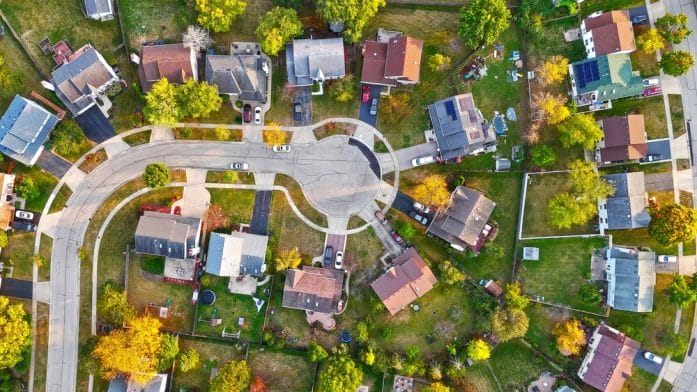
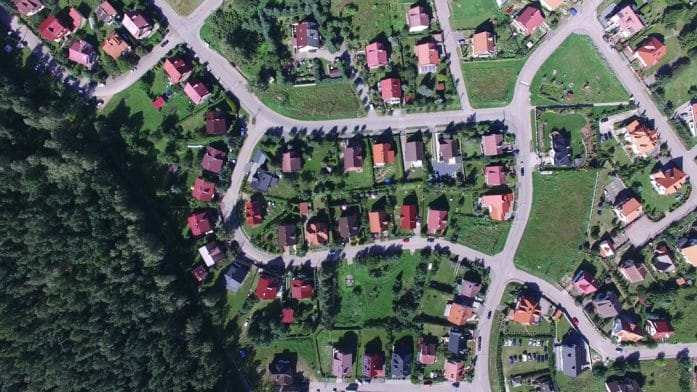
Homeowners insurance has always been a world of fine print, renewal notices, and the occasional surprise premium increase. But in recent years, a new twist has entered the picture — literally. Insurers are increasingly using satellite and aerial imagery to evaluate properties, sometimes without ever stepping foot on the ground.

These images can reveal roof wear, overgrown vegetation, debris, or structural concerns, and insurers are acting on them quickly. For many homeowners, the first sign of trouble is a cancellation or nonrenewal notice that seems to come out of nowhere. What most people don’t realize is that they have a powerful but time‑sensitive tool at their disposal: a 60‑day window to contest the decision. This is your tool, and weapon, to fight back.

When the Sky Becomes the Inspector

Satellite imagery has become one of the insurance industry’s favorite tools because it’s fast, inexpensive, and incredibly detailed. Instead of scheduling an in‑person inspection, insurers can review a property from above and flag anything that looks like a potential risk. This includes roof discoloration, missing shingles, moss growth, tree limbs hanging over the house, or even debris that suggests poor maintenance.

While the technology is impressive, it’s far from perfect. Shadows, seasonal changes, and image quality can all distort what’s actually happening on the ground. That’s why cancellation notices based on aerial photos often feel so shocking — homeowners may have no idea that something on their roof or property was flagged as a hazard. The good news is that insurers are required to give advance notice, and that notice triggers your opportunity to push back.

The 60-Day Countdown Starts With the Notice

There are many reasons why insurers may cancel a plan, but whenever they do so based on property condition, they must send a written notice explaining the reason. This notice typically arrives 30 to 60 days before the policy ends, depending on state regulations. The moment you receive it, the clock starts ticking.

Most states give homeowners a 60‑day window to contest the decision, provide evidence, or complete repairs that address the insurer’s concerns. This window is crucial because once it closes, the cancellation becomes final, and reinstating coverage becomes significantly harder. Acting quickly is essential. The sooner you gather information, schedule inspections, or document the true condition of your property, the stronger your case will be. Waiting until the last week rarely ends well, especially if repairs or professional evaluations are needed.

Understanding What the Insurer Saw

Before contesting a cancellation, you need to know exactly what triggered it. Insurers must provide a reason, but the explanation is often vague — something like “roof condition” or “vegetation hazard.”

You have the right to request the specific images or reports used to make the decision. This step is important because aerial photos can be misleading. Moss may look like structural damage, shadows may resemble missing shingles, and tree branches may appear closer to the roof than they actually are.

Once you have the images, compare them to the real‑world condition of your property. If the photos are outdated, unclear, or simply inaccurate, you have a strong basis for contesting the cancellation. Even if the issue is legitimate, understanding the insurer’s perspective helps you address it effectively.
The 60-Day Window to Contest Homeowner Cancellation Based on Satellite Images

Image source: shutterstock.com

How to Build a Strong Case Within the Window

Contesting a cancellation isn’t just about disagreeing with the insurer — it’s about presenting clear, credible evidence. Start by taking your own photos from multiple angles, including close‑ups of the areas in question. If the issue involves the roof, consider hiring a licensed roofer to perform an inspection and provide a written report. Professional documentation carries significant weight and can counteract assumptions made from aerial images.

If repairs are needed, schedule them immediately and keep receipts, invoices, and before‑and‑after photos. Many insurers will reinstate coverage if the homeowner demonstrates prompt action and provides proof that the issue has been resolved. The key is to communicate clearly, respond quickly, and provide organized documentation. Insurers are far more likely to reconsider when homeowners show initiative and evidence.

When the Insurer Won’t Budge

Even with strong evidence, some insurers may refuse to reverse a cancellation. In these cases, homeowners still have options. Many states allow consumers to file complaints with their insurance department, which can trigger a review of the insurer’s decision. Regulators may request additional information, evaluate whether the cancellation was justified, or require the insurer to reconsider if the decision violated state rules.

While this process doesn’t guarantee reinstatement, it can slow down the cancellation timeline and give homeowners more time to secure alternative coverage. If you must switch insurers, acting early gives you a better chance of finding a standard policy rather than relying on a last‑resort plan.

Staying Ahead of Future Aerial Reviews

The rise of satellite‑based inspections means homeowners need to think differently about property maintenance. Issues that once went unnoticed until an in‑person inspection may now be flagged months earlier from the sky. Regular roof cleaning, trimming overhanging branches, clearing debris, and documenting repairs can help you stay ahead of potential problems.

It’s also wise to keep records of any professional work done on your home, as this documentation can be invaluable if an insurer questions your property’s condition. While you can’t control when or how insurers use aerial imagery, you can control how prepared you are when they do.

Your Window of Opportunity Matters More Than Ever

The 60‑day window to contest a cancellation isn’t just a bureaucratic formality — it’s your chance to correct errors, provide evidence, and keep your insurance intact. As insurers rely more heavily on satellite images, misunderstandings and misinterpretations are becoming more common. Acting quickly, gathering documentation, and understanding your rights can make all the difference. Homeowners who respond promptly often succeed in reversing cancellations or securing better coverage. Those who wait risk losing their policy and facing higher costs or limited options.

What steps would you take if your insurer tried to cancel your policy based on aerial photos? Make sure that you share your tales and successes in the comments below.

You May Also Like…

Heritage Insurance Approved: 9.6% Premium Drop for Seminole County Homeowners

Top 3 Water Damage Claims Home Insurance Actually Covers

Florida Homeowners Are Seeing Insurance Rates Decreasing In 2026

The $2,000 Average National Homeowner Premium — Highest Share of Mortgage Payment Ever

Citizens Property Insurance Sees Sharp Drop in Policies — What It Means for Homeowners in 2026

Brandon Marcus
Brandon Marcus

Brandon Marcus is a writer who has been sharing the written word since a very young age. His interests include sports, history, pop culture, and so much more. When he isn’t writing, he spends his time jogging, drinking coffee, or attempting to read a long book he may never complete.
Filed Under: Insurance Tagged With: aerial imagery, Consumer Protection, home maintenance, homeowners insurance, insurance appeals, insurance cancellation, insurance rights, policy nonrenewal, property inspections, Real estate, satellite photos

8 Homeowner Insurance Denials Based on Aerial Photos

February 9, 2026 by Brandon Marcus Leave a Comment

These Are 8 Homeowner Insurance Denials Based on Aerial Photos

Image source: shutterstock.com

Homeowners have always known that insurance companies keep a close eye on risk, but the definition of “close” has changed dramatically in recent years. Instead of sending inspectors to climb ladders or walk roofs, many insurers now rely on aerial imagery to evaluate properties — sometimes without the homeowner ever knowing their house was being examined.

These high‑resolution photos can spot everything from missing shingles to overgrown trees, but they’ve also led to a wave of surprising coverage denials. One of the most common culprits? Moss. Yes, the green fuzz that grows on damp shingles has become a trigger for non‑renewals and policy cancellations across the country. But there are far more, and it’s becoming clear that aerial photos may be homeowners’ new worst enemy.

1. Moss Has Launched a Thousand Letters

Moss may look harmless, but insurers see it as a sign of moisture retention, shingle deterioration, and potential roof failure. Aerial photos can easily detect patches of moss, especially on north‑facing slopes where sunlight is limited. When insurers spot it, they often flag the roof as “poor condition,” even if the homeowner hasn’t noticed any issues.

This can lead to a warning letter, a demand for roof-cleaning, or a flat‑out non‑renewal. The frustrating part for homeowners is that moss doesn’t always indicate structural damage — sometimes it’s just cosmetic. But insurers aren’t taking chances, and aerial imagery gives them a fast, inexpensive way to identify anything that might increase risk. If you live in a damp or shaded area, regular roof cleaning can help you avoid being caught off guard by a photo you never knew was taken.

2. The “Dark Streaks” That Look Worse From Above

Many homeowners are surprised to learn that dark streaks on shingles — often caused by algae — can be mistaken for roof deterioration in aerial images. From the ground, these streaks may look minor, but from above, they can appear as large discolored patches that insurers interpret as aging or damaged roofing. This can trigger a demand for replacement even when the roof is structurally sound.

The challenge is that aerial photos don’t always capture texture or depth, so insurers rely on color patterns to make decisions. If your roof has algae streaks, a professional cleaning can make a big difference in how it appears in aerial assessments. It’s a small step that can prevent a big headache.

3. The Overhanging Tree Limbs That Signal Risk

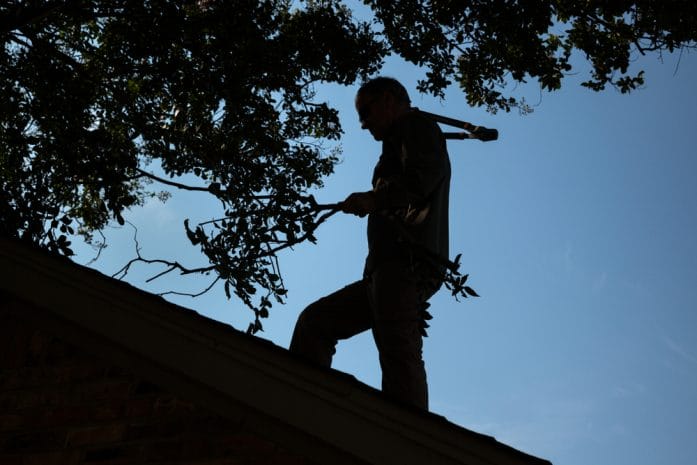
Aerial imagery makes it easy for insurers to spot tree limbs hanging over roofs, and this has become a major reason for coverage denials. Overhanging branches increase the risk of roof damage, clogged gutters, and debris buildup, all of which can lead to costly claims.

Even if the trees are healthy and well‑maintained, insurers may still classify them as hazards. Homeowners often don’t realize how dramatic these branches look from above, where shadows and angles can exaggerate their reach. Trimming trees regularly is one of the simplest ways to avoid being flagged by aerial inspections.

These Are 8 Homeowner Insurance Denials Based on Aerial Photos

Image source: shutterstock.com

4. The Patchwork Roof Repairs That Raise Red Flags

Aerial photos can reveal mismatched shingles or patchwork repairs that aren’t visible from the street. Insurers sometimes interpret these repairs as signs of underlying structural issues or past damage that wasn’t fully addressed.

It often doesn’t matter if the repairs were done professionally; the visual inconsistency can trigger concerns about the roof’s overall condition. This is especially common with older homes where repairs have been made over time. If you’ve had roof work done, keeping documentation and photos can help you dispute any inaccurate assumptions made by insurers.

5. The Debris That Suggests Neglect

Leaves, branches, and other debris may seem harmless, but insurers often view them as indicators of poor maintenance. Aerial images can capture debris accumulation on roofs, in gutters, or around chimneys, and insurers may interpret this as a sign that the homeowner isn’t keeping up with necessary upkeep.

This can lead to warnings or non‑renewals, even if the debris is seasonal or temporary. Regular cleaning — especially after storms — can help ensure your home looks well‑maintained from every angle, including the sky.

6. The Ponding Water That Signals Roof Trouble

Flat or low‑slope roofs are particularly vulnerable to ponding water, which aerial photos can detect with surprising accuracy. Standing water is a major red flag for insurers because it can lead to leaks, mold, and structural damage.

Even small puddles can trigger concerns if they appear consistently in aerial images. Homeowners with flat roofs should ensure proper drainage and consider periodic inspections to prevent water accumulation. Addressing ponding early can save you from both roof damage and insurance complications.

7. The Missing Shingles You Didn’t Know Were Missing

Aerial imagery can reveal missing or lifted shingles that homeowners may not notice from the ground. These small issues can be interpreted as signs of wind damage or aging, prompting insurers to demand repairs or deny coverage.

Sometimes the shingles aren’t actually missing — they may simply appear that way due to shadows or lighting in the photo. Still, insurers often err on the side of caution. Regular roof inspections can help you catch and document these issues before they become grounds for denial.

8. The Chimney and Flashing Issues That Stand Out From Above

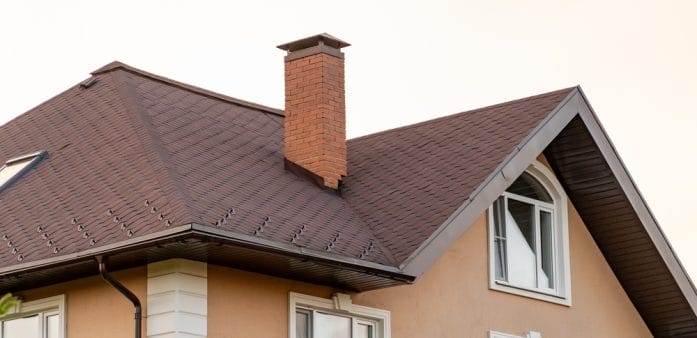
Aerial photos can highlight gaps, cracks, or discoloration around chimneys and flashing, which insurers may interpret as potential leak points. Even minor wear can look significant from above, especially if the photo captures shadows or debris.

Insurers often flag these areas as high‑risk, leading to repair demands or non‑renewals. Having a professional inspect and maintain your chimney and flashing can help prevent misunderstandings and ensure your home passes aerial scrutiny.

The Sky Isn’t Falling — But Your Coverage Might Be

Aerial imagery has transformed the way insurers evaluate homes, and while it offers efficiency and accuracy, it also introduces new challenges for homeowners. Moss on shingles, overhanging branches, algae streaks, and other seemingly minor issues can now be detected instantly and used as grounds for denial. The key to staying protected is staying proactive. Regular maintenance, documentation, and awareness of how your home appears from above can help you avoid unpleasant surprises. Insurance companies may be watching from the sky, but with the right preparation, you can stay one step ahead.

What surprising issues have you encountered with homeowners’ insurance inspections? Have you seen drones flying around your home and reporting on you? Tell us everything you know about this new insurance phenomenon in the comments section.

You May Also Like…

The Drone Inspection Finding That’s Triggering Homeowner Policy Cancellations

The Roof Age That Automatically Disqualifies Florida Homes From Coverage

Crisis Proof: 10 Buffer Strategies Advisors Use to Protect Clients From Market Shock

The $2,000 Average National Homeowner Premium — Highest Share of Mortgage Payment Ever

Heritage Insurance Approved: 9.6% Premium Drop for Seminole County Homeowners

Brandon Marcus
Brandon Marcus

Brandon Marcus is a writer who has been sharing the written word since a very young age. His interests include sports, history, pop culture, and so much more. When he isn’t writing, he spends his time jogging, drinking coffee, or attempting to read a long book he may never complete.
Filed Under: Insurance Tagged With: aerial imagery, home maintenance, homeowners insurance, homeownership, insurance denials, insurance industry, moss on shingles, property insurance, Real estate, risk assessment, roof inspections

Why Major Insurers Are Quietly Canceling 2026 Policies Using Satellite Photos

February 1, 2026 by Brandon Marcus Leave a Comment

Why Major Insurers Are Quietly Canceling 2026 Policies Using Satellite Photos

Image source: shutterstock.com

One day, you may open your mailbox expecting junk mail and maybe a coupon for pizza, and instead find a crisp, official letter from your insurance company saying they’re ending your policy. No claim. No accident. Just a snapshot taken from space—or so they say.

It sounds like the setup to a pulp thriller where Big Brother has upgraded from street cameras to satellites, but this is the real world of home insurance in 2026. Nobody wants their roof to be judged by a fly‑over photo, yet that’s exactly the high‑tech twist unfolding in the market right now.

When Underwriting Goes Up… Literally

You might have heard insurance companies send inspectors for a property visit back in the day—someone with a clipboard driving up your driveway, taking pictures of the roof, the siding, and maybe complimenting your landscaping.

Well, those days are fading fast. Today, insurers are tapping aerial imagery sourced from satellites, drones, and AI‑analyzed photos to evaluate risk and make decisions about your policy without ever stepping foot on your lawn. It’s faster, cheaper, and increasingly common—but also controversial.

Instead of a local adjuster inspecting one house at a time, companies can scan thousands of rooftops in minutes. But like any technology, it has limitations—and that’s where things get messy for homeowners.

The “Satellite Snapshot” That Can Sink Your Policy

Companies are sometimes basing non‑renewals, cancellations, or rate hikes on what they see from above. If a roof looks discolored, shadows make it appear damaged, or nearby trees cast ominous silhouettes, algorithms might flag those as risk factors. In some cases, insurers have even issued letters demanding repairs based on these aerial images—or sent non‑renewal notices without any physical inspection.

To be clear, aerial imagery can be a valid tool for assessing property condition, and many insurers pair it with additional checks before making a final call. But rapid data processing and AI scoring systems have, in some instances, triggered policy actions before a human reviews the case—which leaves homeowners scrambling for answers.

Why Major Insurers Are Quietly Canceling 2026 Policies Using Satellite Photos

Image source: shutterstock.com

The Invisible Premium Pressure Pump

It’s not just about cancellations. Insurance costs have been climbing for years, and the trend is continuing into 2026. Some data suggests average policies are still rising significantly, putting pressure on homeowners’ wallets. While not every insurer is dropping policies en masse, this combination of rising costs and tighter underwriting can feel like a “trap” when you get hit with a surprise non‑renewal or hefty price jump at renewal time.

This pressure is partly driven by higher claim costs nationwide and the need for insurers to rebalance their portfolios. By focusing on micro‑risks at the ZIP‑code or even property level, companies are making decisions in what feels like hyper‑local detail—sometimes with minimal explanation.

What Rights You Have (And What You Don’t)

So what happens when you get one of these letters? First, it’s important to know that insurers can non‑renew policies at the end of a term for many reasons, but they usually give notice.

Some states and regulators have issued guidelines urging carriers to use aerial photos responsibly and to share them with policyholders, allowing homeowners to contest inaccuracies. These measures stem from documented cases where outdated or misleading images led to erroneous policy actions.

But for now, your rights vary depending on where you live, and many homeowners find themselves in unfamiliar territory when contesting a non‑renewal. That makes being proactive—and informed—all the more important.

How You Can Fight Back (And Stay Insured)

Don’t panic, but do pay attention. If you receive a non‑renewal or an unexpected rate hike, there’s a strategy that can help.

If your insurer used an aerial photo to make a decision, request to see it. Knowing the exact image and timestamp gives you a fighting chance to correct errors or explain changes. Many insurers will comply if asked—even if they aren’t required to.

Keep up‑to‑date photographs, repair receipts, and professional inspection reports. If an aerial image looks misleading, your own documentation can counter it. It’s like having your own high‑def rebuttal ready.

If you can’t convince one insurer to renew, start shopping for others before your policy expires. A gap in coverage can be costly and make future coverage harder to find.

Understanding the New High‑Tech Insurance Reality

Home insurance in 2026 isn’t your parents’ old policy anymore. With satellites, drones, and AI tightening the underwriting microscope, the industry has entered a new era where a pixel in the sky can influence your financial security. But armed with knowledge, documentation, and a proactive mindset, you don’t have to be at the mercy of unseen eyes.

What’s the craziest insurance letter you’ve ever received? Have you ever been hit with a non‑renewal or rate hike based on imagery you thought was unfair? Share your story below.

You May Also Like…

The Tax Document Most Homeowners Fail to Update That Triggers Surprise Liens

How to File an Insurance Claim After a Car Accident (Step-by-Step Guide to Maximizing Your Payout)

The Home Insurance Review Clause That’s Triggering Surprise Policy Cancellations in 2026

7 Fine-Print Exclusions in Your Homeowner’s Policy That Could Cost You Everything

The Florida Insurance Trap: Why “Safe” Neighborhoods Are Facing a $500 Monthly Payment Hike This Week

Brandon Marcus
Brandon Marcus

Brandon Marcus is a writer who has been sharing the written word since a very young age. His interests include sports, history, pop culture, and so much more. When he isn’t writing, he spends his time jogging, drinking coffee, or attempting to read a long book he may never complete.

Filed Under: Lifestyle Tagged With: 2026 insurance trends, aerial imagery, Consumer Protection, drone inspections, Home, homeowner, homeowners, homeowners insurance, homeownership, homeownership tips, insurance premiums, Life, Lifestyle, policy cancellation, satellite photos, underwriting technology

FOLLOW US

Search this site:

Recent Posts

  • Can My Savings Account Affect My Financial Aid? by Tamila McDonald
  • 12 Ways Gen X’s Views Clash with Millennials… by Tamila McDonald
  • What Advantages and Disadvantages Are There To… by Jacob Sensiba
  • Call 911: Go To the Emergency Room Immediately If… by Stephen Kanaval
  • 10 Tactics for Building an Emergency Fund from Scratch by Vanessa Bermudez
  • 7 Weird Things You Can Sell Online by Tamila McDonald
  • 10 Scary Facts About DriveTime by Tamila McDonald

Copyright © 2026 · News Pro Theme on Genesis Framework