
• Home
  • About Us
  • Toolkit
  • Getting Finances Done
    • Hiring Advisors
    • Debt Management
    • Spending Plan
  • Insurance
    • Life Insurance
    • Health Insurance
    • Disability Insurance
    • Homeowners/Renters Insurance
  • Contact Us
  • Privacy Policy
  • Risk Tolerance Quiz

The Free Financial Advisor

You are here: Home / Archives for organization

7 Essential Things Everyone Forgets When Moving

November 22, 2025 by Travis Campbell Leave a Comment

moving

Image source: shutterstock.com

People prepare for moving by using spreadsheets and organizing their belongings in colored storage bins while making optimistic estimates of the process’s duration. The entire planning process fails to prevent unexpected problems. A moving checklist helps people complete their essential responsibilities, but it does not provide critical information, which can lead to increased stress levels. Unanticipated items people overlook can cause major delays, financial losses, and frustration during the most critical time. The process of moving shows how much we need our daily routines, which we usually ignore. The loss of regular routines reveals all remaining work responsibilities.

1. Updating Critical Addresses

People remember to change their postal address, but the rest often fall through the cracks. Banks, insurers, and medical providers don’t update themselves, and a missing notice can trigger fees or missed appointments. A moving checklist cuts the risk, but only if it includes every place that needs your contact information. The list grows fast, then grows again when you think it’s finished.

Some organizations require address changes through specific forms, not verbal requests. Others need in-person verification. And if you move across state lines, your driver’s license and vehicle registration land on the calendar, too. These details don’t feel urgent until paperwork bounces back or a bill arrives late at the old address.

2. Transferring Utilities on the Right Day

Utility timing looks simple until the dates line up badly. Power cut off a day early leaves you loading boxes in the dark. The Internet installed too late derails work commitments. A moving checklist helps track providers, but it doesn’t solve the scheduling windows that stretch for hours.

Many companies schedule weeks out. Some require deposits for new service or charge fees to expedite. Others need equipment returns, and those returns take time when locations have limited hours. A single oversight can turn a move into a weekend of waiting and improvising.

3. Photographing Valuables and Fragile Items

Insurance claims rely on evidence. Movers misplace boxes. Items break quietly in the back of a truck. But people rush during move week and box valuables without documenting them. A moving checklist usually includes packing tasks, but not the extra step of photographing everything fragile before it leaves the house.

Images protect you later. They show condition, quantity, and distinguishing marks. They also serve as a reminder of what you even packed. In the chaos of relocating, memory turns unreliable fast.

4. Backing Up Digital Devices Before the Move

Laptops fall off seats. Tablets get lost between locations. Hard drives don’t survive temperature swings. Most people mean to back up their devices, but the move pushes it aside. A moving checklist rarely includes digital prep, even though data loss hits harder than a broken lamp.

Cloud backups help, but large files take time. External drives protect you, but only if you pack them in a place you can find. Data is fragile, and moves create the perfect conditions for something to go wrong.

5. Measuring Doors, Hallways, and Stairwells

Furniture often fits in the old home but not the new one. People assume doorways match, and many don’t. A moving checklist might mention measuring, but few follow through until they’re staring at a sofa stuck halfway up a narrow stairwell.

Proper measurements prevent last-minute disassembly, returns, or the awkward scramble to find temporary storage. They also reveal whether you need a different moving crew or specialized equipment. Buildings built decades apart have wildly different layouts. Measurements control the surprises.

6. Setting Aside a “First 48 Hours” Box

The first two days in a new place feel disorienting. Essentials disappear into boxes labeled too vaguely or stacked too deeply. A moving checklist makes packing systematic, but it doesn’t always emphasize the importance of one clearly marked box that stays with you.

This box should carry medication, chargers, toiletries, bedding, and anything that supports basic functioning. Without it, the first night becomes a scavenger hunt. And exhaustion makes every missing item feel twice as urgent.

7. Cleaning the Old Place After the Truck Leaves

Once the last box rolls out, the real mess appears. Dust, scattered hardware, and forgotten items hide behind furniture until the room empties. A moving checklist often focuses on the new address rather than the old one you’re leaving behind.

Landlords expect full cleanup. Buyers notice details during final walkthroughs. And if you skip this step, you risk charges, delays, or tense conversations at the finish line. Cleaning work expands the moment you think you’re done.

The Overlooked Costs of Transition

The process of moving disrupts your daily schedule, revealing the unplanned aspects you failed to consider.

Your ability to predict these forgotten tasks will reduce the amount of disorganization that moves between your two residences. Your experience in the first days of your new home depends on these minor details, which also determine the level of stress you will face in your last days in your current residence. A moving checklist provides useful guidance, yet the most challenging tasks tend to be the ones that require minimal attention. What particular details would you like to include in the list of items that people commonly overlook?

What to Read Next…

  • What Happens If You Forget To Update Your Will Before Moving States
  • Forgetting To Update What Documents That Break Estate Distribution
  • What Happens If You Forget To Update A Power Of Attorney Before Moving States
  • How Many Of These 8 Middle Class Habits Are Keeping You Poor
  • 6 Household Services You Can Eliminate Without Losing Quality Of Life
Travis Campbell
Travis Campbell

Travis Campbell is a digital marketer/developer with over 10 years of experience and a writer for over 6 years. He holds a degree in E-commerce and likes to share life advice he’s learned over the years. Travis loves spending time on the golf course or at the gym when he’s not working.
Filed Under: Relocation Tagged With: checklist, Home, moving, organization, Planning

11 Things You Should Have in a “Grab-and-Go” Financial Binder for Emergencies

October 30, 2025 by Travis Campbell Leave a Comment

Binder

Image source: shutterstock.com

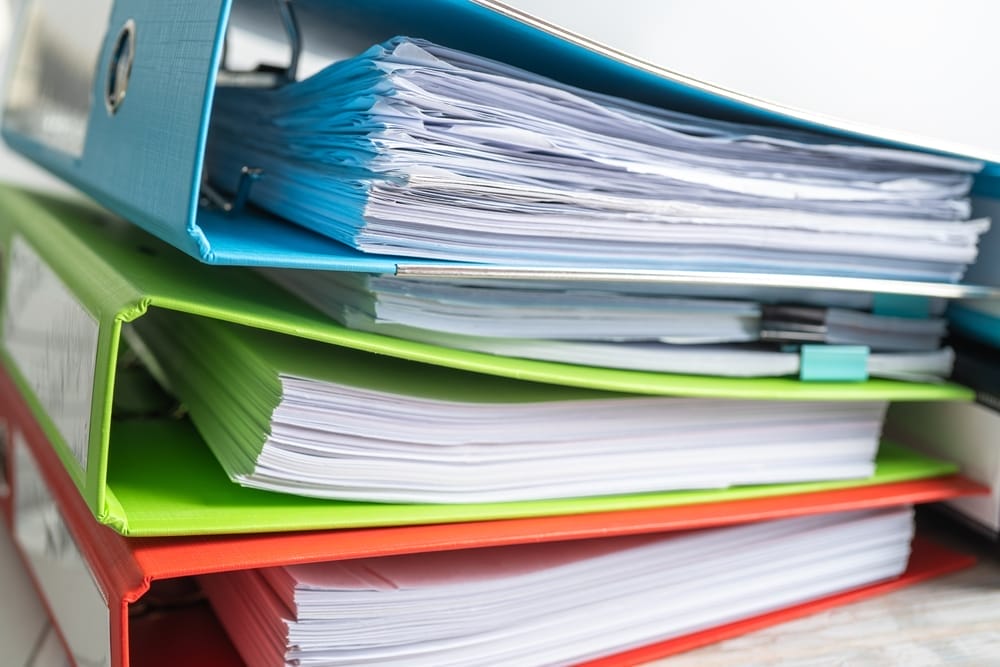
Emergencies usually provide no warning before they occur. A grab-and-go financial binder provides you with peace of mind while enabling you to take immediate action during emergencies such as natural disasters, hospitalizations, or evacuations. The binder holds vital financial papers that serve as security while keeping your money accessible during crises. During a crisis, avoid spending precious time searching for account numbers, insurance documents, and legal papers. Creating a complete financial binder at present will help you handle difficult financial situations better in the future. Let’s break down the 11 things you should include to ensure your financial emergency binder is ready to go.

1. Personal Identification Documents

Start with the basics. Include copies of driver’s licenses, passports, Social Security cards, birth certificates, and marriage certificates for everyone in your household. These documents prove your identity and are often needed to access services, file claims, or travel during emergencies. Store copies, not originals, to reduce the risk of loss.

2. Emergency Contact Information

List out phone numbers and addresses for family, close friends, doctors, and key professionals like your lawyer or accountant. Also include your employer’s contact details and those of your local emergency services. This ensures that, even if your phone dies or you lose access to digital records, you can still reach the people who matter most.

3. Medical Records and Health Insurance Details

Keep copies of your health insurance cards, a summary of each family member’s medical history, lists of medications, allergies, and immunization records for each family member. In an emergency, having this information readily available can speed medical care and help providers make informed decisions.

4. Financial Account Information

Your grab-and-go financial binder should have a section for all key bank accounts, credit cards, investment accounts, and retirement plans. List institution names, account numbers, and contact info for customer service. Do not include your online passwords but note where your password manager or secure login information is stored. This will help you or a trusted person manage your financial accounts if you’re unable to do it yourself.

5. Insurance Policies

Keep copies of all insurance policies, including home, auto, renters, life, and disability insurance. Include policy numbers, agent contact information, and a summary of coverage for each policy. If you need to file a claim after a disaster or accident, this information will be invaluable.

6. Estate Planning Documents

Include copies of your will, power of attorney, advance directives, and any trusts you’ve set up. These documents are essential if someone needs to make decisions on your behalf or settle your affairs. The grab-and-go financial binder should make it clear where the originals are stored and who is authorized to access them.

7. List of Recurring Bills and Obligations

Make a list of all regular bills—mortgage or rent, utilities, subscriptions, loan payments, and more. Note the due dates, amounts, and how each is paid (online, by mail, or auto-pay). This helps ensure nothing slips through the cracks if you’re away from home or unable to manage your finances for a time.

8. Property and Asset Documentation

Include copies of deeds, titles, and registration papers for your home, vehicles, and other valuable property. Add photos or a video inventory of your belongings for insurance purposes. If you have valuable collectibles or jewelry, document them here as well. This section of your financial emergency binder will help you prove ownership and file accurate claims if needed.

9. Tax Returns and Key Financial Statements

Store copies of your most recent federal and state tax returns, as well as important financial statements. If you need to apply for relief or loans or to prove income, these documents can be critical. You don’t need every year—usually the past two or three years are sufficient for your grab-and-go financial binder.

10. Important Legal Agreements

If you have prenuptial agreements, divorce decrees, custody papers, or business contracts, include copies in your binder. Legal documents can clarify your rights and obligations during stressful situations and help avoid confusion or disputes.

11. Digital Access and Password Guide

While you should never write down passwords in plain text, your financial emergency binder should have instructions for accessing your password manager or digital vault. Include master password hints or the location of a secure backup. This way, if you’re incapacitated, a trusted person can access your online accounts without compromising your security.

Making Your Financial Emergency Binder Work for You

A grab-and-go financial binder represents an excellent method to prepare for unexpected situations. You need to organize and verify all your required documents during this step. Review and update your binder at least once a year and after major life events, including marriage and divorce, and starting a new job.

Store your binder in a protected location that is both accessible and secure, such as a fireproof safe or a locked drawer. Tell a trusted friend or family member where it is. You should protect data by storing it in an encrypted cloud storage service that offers digital backup.

What financial documents do you store in your grab-and-go financial binder for emergencies? Have you located any important items we missed? Share your thoughts and tips in the comments below!

What to Read Next…

  • What Happens When a Medical Emergency Outpaces Your Emergency Fund
  • 5 Emergency Repairs That Could Force You Into Debt Overnight
  • Why Some People Feel Rich But Can’t Afford a $400 Emergency
  • 6 Monthly Bills You Should Cancel Immediately Even If You Can Afford Them
  • 8 Things You’re Doing That Make Criminals Think You’re an Easy Target
Travis Campbell
Travis Campbell

Travis Campbell is a digital marketer/developer with over 10 years of experience and a writer for over 6 years. He holds a degree in E-commerce and likes to share life advice he’s learned over the years. Travis loves spending time on the golf course or at the gym when he’s not working.

Filed Under: Budgeting Tagged With: documents, emergency preparedness, Estate planning, Insurance, organization, Personal Finance, Planning

9 Things In Your Wallet You Need To Remove Today

October 9, 2025 by Travis Campbell Leave a Comment

wallet

Image source: shutterstock.com

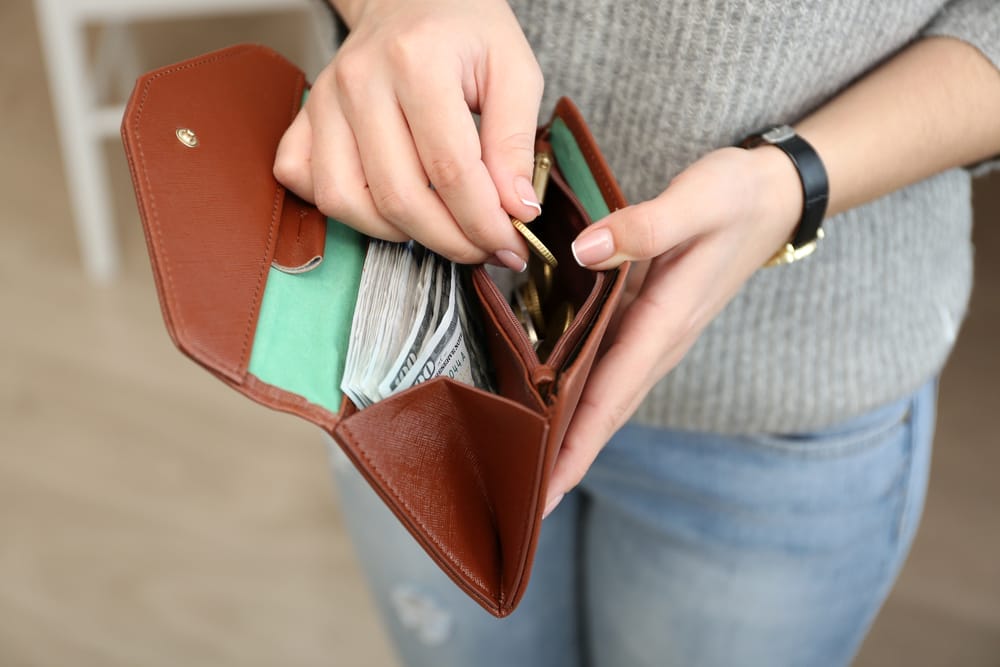
Most of us carry more than we need in our wallets. Over time, receipts, cards, and even sensitive documents pile up, turning something simple into a cluttered mess. But beyond the annoyance, there’s a bigger risk: carrying unnecessary items can jeopardize your financial security. If your wallet is lost or stolen, the more you have inside, the more you stand to lose. That’s why knowing what things to remove from your wallet is essential for protecting your money and identity. Let’s look at nine items you should clear out today for a safer, lighter wallet.

1. Social Security Card

Your Social Security card is one of the most sensitive pieces of identification you own. If it falls into the wrong hands, it can be used to steal your identity or open accounts in your name. There’s rarely a situation where you’ll need this card during your daily routine. Instead, keep it locked away at home in a secure place. Removing it is one of the smartest things to do to prevent identity theft from your wallet.

2. Excess Credit Cards

Carrying every credit card you own is unnecessary and risky. If your wallet is stolen, thieves have more opportunities to rack up charges. Stick to one or two cards that you use most often. Leave the rest at home in a safe spot. This not only reduces your risk but also makes it easier to report losses and limit fraud if your wallet goes missing.

3. Blank Checks

Blank checks are tempting targets for thieves. If someone obtains a blank check, they have access to your bank account information and your signature. You rarely need to write a check on the go these days. Remove them from your wallet and store them securely at home.

4. Spare Keys

It might seem convenient to keep a spare house or car key in your wallet, but it’s risky. If your wallet is lost or stolen along with your ID, a thief now knows where you live and has a way in. Instead, leave spare keys with a trusted friend or family member or use a secure lockbox.

5. Password Lists

Some people jot down passwords and tuck them into their wallets for easy access. But if your wallet is compromised, so are all your accounts. Instead, use a password manager or a secure digital method to store this information. Removing written passwords is one of those things to remove from your wallet that instantly boosts your security.

6. Old Receipts

Receipts seem harmless, but they can contain partial credit card numbers and other personal information. Plus, they add unnecessary bulk. Go through your wallet and toss out receipts you no longer need for returns or record-keeping. Shred them if possible, especially if they have sensitive info.

7. Gift Cards You Don’t Plan to Use Soon

It’s easy to forget about gift cards in your wallet until they’re lost or expire. If you don’t plan on using a gift card soon, leave it at home. This way, you avoid losing their value if your wallet disappears, and you keep your wallet slimmer.

8. Outdated Insurance Cards

Many people hang onto old health, dental, or auto insurance cards just in case. But carrying expired cards is unnecessary and can cause confusion. Keep only your current insurance cards in your wallet, and shred the rest. This helps prevent mix-ups and keeps your wallet organized.

9. Unnecessary Membership or Loyalty Cards

From grocery stores to gyms, membership cards can quickly fill up your wallet. If you don’t use a card regularly, consider storing it at home or using a digital version if available. Many stores now accept phone numbers or apps instead of physical cards. Prioritizing what you really need is key when deciding which things to remove from your wallet.

Protecting Your Wallet, Protecting Yourself

Clearing out unnecessary items is about more than convenience. It’s about reducing your risk and simplifying your life. By focusing on things to remove from your wallet, you make it easier to spot what’s missing if your wallet is lost and limit the fallout from theft.

What’s the most surprising thing you found in your wallet? What else would you add to this list? Share your thoughts in the comments!

What to Read Next…

  • 5 Things That Instantly Decrease Your Credit Score By 50 Points
  • 7 Credit Card Features Disappearing Without Any Notice
  • 6 Online Freebies That End In Identity Theft
  • 8 Things You’re Doing That Make Criminals Think You’re An Easy Target
  • Can Your Grocery Store Loyalty Card Be Used To Track You?
Travis Campbell
Travis Campbell

Travis Campbell is a digital marketer/developer with over 10 years of experience and a writer for over 6 years. He holds a degree in E-commerce and likes to share life advice he’s learned over the years. Travis loves spending time on the golf course or at the gym when he’s not working.

Filed Under: Smart Spending Tagged With: financial safety, identity theft, organization, Personal Finance, wallet security

8 Essential Pieces of Paperwork to Keep Safe Forever

October 7, 2025 by Travis Campbell Leave a Comment

documents

Image source: pexels.com

We all have stacks of documents at home, but some paperwork is simply too important to lose. Whether it’s for legal reasons, financial security, or family peace of mind, knowing which documents to safeguard can save you hours of stress later. Losing essential paperwork can create headaches during emergencies or life changes, from applying for a passport to managing a loved one’s estate. The right paperwork also helps protect your identity and assets. In this guide, we’ll break down the eight essential pieces of paperwork to keep safe forever, so you can stay organized and prepared.

1. Birth Certificates

Birth certificates are the foundation of your identity. You’ll need this paperwork to apply for a passport, enroll in school, or prove citizenship. If you ever lose your birth certificate, replacing it can be a hassle and may delay important processes. Store your original in a fireproof safe or a secure safety deposit box. Keeping a copy handy is smart, but never discard the original.

2. Social Security Cards

Your Social Security card is another important document to keep safe for the rest of your life. It’s essential for everything from getting a job to filing taxes and applying for government benefits. If someone gains access to your Social Security number, you could be at risk for identity theft. Store your card in a secure place and avoid carrying it with you unless absolutely necessary.

3. Marriage and Divorce Certificates

If you’re married or have been divorced, these documents are critical. Marriage certificates are required for name changes, insurance benefits, and some tax filings. Divorce decrees are often needed for legal proceedings or when applying for a new marriage license. Keep these pieces of paperwork organized and accessible, as you may need them even decades after the events.

4. Property Deeds and Titles

Owning property means holding onto the paperwork that proves your ownership. Property deeds, mortgage agreements, and vehicle titles are among the documents to keep safe forever. Losing these can make selling or transferring ownership difficult. Original copies should be stored securely, and it’s a good idea to keep digital backups in a secure cloud storage service for extra peace of mind.

5. Wills and Estate Planning Documents

Wills, trusts, and powers of attorney are essential paperwork for your financial and legal legacy. These documents ensure your wishes are honored after your death or if you become incapacitated. Family members and legal representatives will need the originals to execute your estate properly. Keep them in a fireproof safe or with your attorney, and let a trusted loved one know where they are.

6. Military Records

If you or a family member served in the military, keep all discharge papers and service records safe forever. These documents are necessary for VA benefits, military funerals, and some government jobs. Replacing military paperwork can be time-consuming, so it’s best to keep originals in a secure location.

7. Adoption Papers

Adoption papers are vital for proving legal relationships, inheritance rights, and citizenship status. They are often needed for school enrollment, passports, or medical histories. Because adoption paperwork can be hard to replace, always keep the originals safe. Consider making certified copies for use when necessary, but never part with the originals unless legally required.

8. Death Certificates

Death certificates are paperwork you should keep safe forever, especially for immediate family members. You’ll need multiple copies to handle estate matters, close accounts, and claim life insurance. Request extra certified copies when a loved one passes, and store them securely.

Tips for Storing Essential Paperwork

Now that you know which paperwork to keep safe forever, it’s time to focus on storage. Use a fireproof safe at home for documents you might need quickly. For extra security, consider a safety deposit box at your bank. Make digital copies of all essential paperwork and store them in an encrypted cloud service or on a password-protected drive. Don’t forget to update your storage system as life changes—add new paperwork and remove outdated copies as needed.

Staying organized with your essential paperwork isn’t just about avoiding headaches. It’s a way to protect your identity, your assets, and your family’s future. What strategies do you use to keep your critical paperwork safe? Share your thoughts in the comments!

What to Read Next…

  • 5 Documents That Prevent Adult Children From Claiming Benefits
  • 10 Things You Should Never Say When Writing a Will
  • Is Your Estate Plan Missing This One Crucial Document?
  • What Are Estate Lawyers Warning Clients About in 2025?
  • 8 Documents That Can Help Heirs Avoid Court Battles
Travis Campbell
Travis Campbell

Travis Campbell is a digital marketer/developer with over 10 years of experience and a writer for over 6 years. He holds a degree in E-commerce and likes to share life advice he’s learned over the years. Travis loves spending time on the golf course or at the gym when he’s not working.
Filed Under: Personal Finance Tagged With: document storage, Estate planning, identity protection, organization, paperwork, Personal Finance

10 Secrets of People Who Always Have It Together (And How You Can Too)

February 13, 2025 by Latrice Perez Leave a Comment

A group of business people

Image Source: 123rf.com

We all know those people—whether it’s a coworker, friend, or family member—who seem to have it all figured out. They’re calm under pressure, organized, and always seem to have the right answer when challenges arise. It can feel like they have some secret formula for success that the rest of us are missing. But the truth is, these people aren’t born with special abilities—they’ve simply mastered habits that keep them grounded, productive, and in control. If you want to join the ranks of those who always seem to have it together, here are 10 secrets you can start using today.

1. They Prioritize Their Mental Health

People who have it together don’t just focus on physical health—they prioritize their mental well-being as well. They make time for activities that calm their minds, whether it’s meditation, journaling, or simply taking quiet time to reflect. Managing stress is a huge part of staying organized and collected.

How You Can Do It: Start with small practices like deep breathing exercises, setting aside 10 minutes a day for meditation, or talking to a counselor. Taking care of your mind is just as important as taking care of your body.

2. They Plan Ahead—And Stick to It

Successful people know the value of planning. Whether it’s planning their week ahead on Sunday night or sticking to a daily routine, they understand that a plan is a map to their success. Planning prevents chaos and helps them stay on track.

How You Can Do It: Use a planner or digital calendar to map out your day, week, or month. Set clear, achievable goals and break them down into smaller tasks to avoid feeling overwhelmed. The more structured you are, the less stress you’ll experience.

3. They Set Boundaries

Having it together doesn’t mean saying yes to everything. People who are always in control understand the importance of setting boundaries—whether it’s with work, social events, or even family. They know that saying no is necessary to protect their time and energy.

How You Can Do It: Learn to say no politely but firmly. Set clear boundaries around your time, and don’t be afraid to prioritize yourself. Saying no is an essential step in maintaining your personal peace.

4. They Embrace Flexibility

While they have a plan, people who have it together also know that life is unpredictable. They embrace flexibility and adjust when things don’t go as planned. Being adaptable allows them to stay calm in the face of uncertainty.

How You Can Do It: Instead of feeling defeated when things go wrong, try to adjust your expectations and look for alternative solutions. Flexibility helps you keep your cool and adapt quickly when the unexpected happens.

5. They Take Time for Self-Care

People who always have it together understand the importance of self-care. They make sure to take time for themselves to recharge, whether it’s taking a walk, enjoying a hobby, or just having a relaxing bath. They know that self-care is an investment in their ability to perform at their best.

How You Can Do It: Schedule time for self-care just like any other important appointment. Whether it’s taking a walk, reading, or pampering yourself with a spa day at home, make sure you are prioritizing moments for relaxation.

6. They Stay Organized (And Stay On Top of It)

Organize

Image Source: 123rf.com

People who have it together are often incredibly organized. They keep their home, workspace, and schedule in order, which helps reduce stress and confusion. By staying on top of their tasks, they avoid last-minute scrambling.

How You Can Do It: Start by organizing one area of your life—your desk, closet, or even your digital files. Create systems to stay on top of important tasks, and keep your environment tidy. A clean space leads to a clear mind.

7. They Don’t Sweat the Small Stuff

People who seem to have it all together don’t get bogged down by every little issue. They know that stressing over minor setbacks wastes valuable energy. Instead, they focus on the bigger picture and move forward with confidence.

How You Can Do It: Practice letting go of small annoyances and focusing on what really matters. When you feel yourself stressing, pause and assess whether the issue is truly worth your time and mental energy.

8. They Maintain a Positive Mindset

Staying positive and focused on solutions is a key habit of people who seem to have it all together. They understand that a positive attitude helps them overcome obstacles and maintain motivation. Even in difficult situations, they choose optimism over negativity.

How You Can Do It: Start your day with affirmations or focus on gratitude. If you encounter a challenge, look for a silver lining and focus on what you can control. A positive mindset can change the way you approach problems and increase your resilience.

9. They Keep Learning and Growing

People who have it together are always looking for ways to improve themselves, whether through learning new skills, reading, or engaging in self-reflection. They believe that growth is a lifelong process, and they’re committed to continual self-improvement.

How You Can Do It: Dedicate time each week to personal growth. Read books, take online courses, or engage in activities that challenge you intellectually. The more you invest in your growth, the more confident and capable you’ll feel.

10. They Surround Themselves With Positive Influences

Successful and organized people understand that who they surround themselves with has a big impact on their mental state. They choose to be around individuals who lift them up, encourage them, and offer support. Positive relationships help them maintain their focus and stay grounded.

How You Can Do It: Evaluate your social circle. Are you surrounded by people who encourage and support you? If not, seek out relationships with people who inspire you and make you feel good about yourself.

You Can Have It Together Too

The secret to “having it together” isn’t about being perfect or never making mistakes—it’s about cultivating the habits that help you stay grounded, organized, and focused. By incorporating these 10 habits into your own life, you’ll start to notice a shift in how you handle challenges, manage your time, and take care of yourself. Remember, it’s a journey, and small changes over time can lead to big improvements in your life.

Start adopting these habits today, and soon, you’ll be the person who always seems to have it together.

Do you know someone that seems to have it all together? What are their daily habits that inspire you? We’d love to hear more in the comments below.

13 Signs You’re Harboring A Victim Mentality That’s Keeping You Down

From Wealth to Want: 8 Luxury Spending Habits That Could Lead to Financial Ruin

Latrice Perez

Latrice is a dedicated professional with a rich background in social work, complemented by an Associate Degree in the field. Her journey has been uniquely shaped by the rewarding experience of being a stay-at-home mom to her two children, aged 13 and 5. This role has not only been a testament to her commitment to family but has also provided her with invaluable life lessons and insights.

As a mother, Latrice has embraced the opportunity to educate her children on essential life skills, with a special focus on financial literacy, the nuances of life, and the importance of inner peace.

Filed Under: Lifestyle Tagged With: healthy habits, mindset shift, organization, personal development, personal growth, positive mindset, Productivity, self-care, success tips, Time management

FOLLOW US

Search this site:

Recent Posts

  • Can My Savings Account Affect My Financial Aid? by Tamila McDonald
  • 12 Ways Gen X’s Views Clash with Millennials… by Tamila McDonald
  • What Advantages and Disadvantages Are There To… by Jacob Sensiba
  • 10 Tactics for Building an Emergency Fund from Scratch by Vanessa Bermudez
  • Call 911: Go To the Emergency Room Immediately If… by Stephen Kanaval
  • 7 Weird Things You Can Sell Online by Tamila McDonald
  • 10 Scary Facts About DriveTime by Tamila McDonald

Copyright © 2026 · News Pro Theme on Genesis Framework