• Home
  • About Us
  • Toolkit
  • Getting Finances Done
    • Hiring Advisors
    • Debt Management
    • Spending Plan
  • Insurance
    • Life Insurance
    • Health Insurance
    • Disability Insurance
    • Homeowners/Renters Insurance
  • Contact Us
  • Privacy Policy
  • Risk Tolerance Quiz

The Free Financial Advisor

You are here: Home / Archives for House

Texas Property Alert: The New 2026 Law That Allows Police to Remove Squatters in 24 Hours

January 15, 2026 by Brandon Marcus Leave a Comment

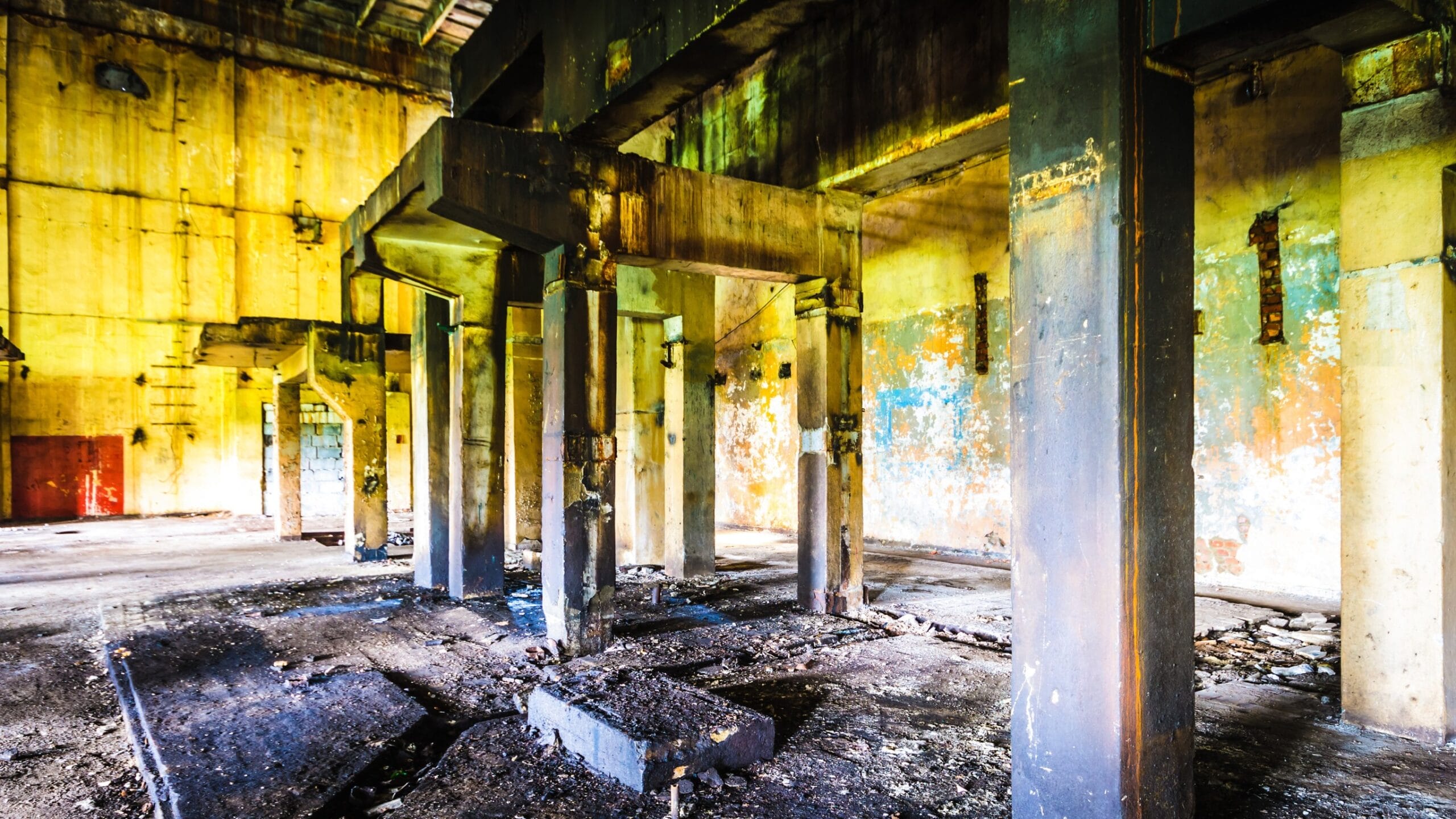
Texas Property Alert: The New 2026 Law That Allows Police to Remove Squatters in 24 Hours

Image Source: Shutterstock.com

Your property is supposed to feel like a sanctuary, but what happens when someone shows up uninvited and refuses to leave? For years, Texas homeowners have battled the headache of squatters, navigating long legal processes just to reclaim their own spaces. That struggle could be over sooner than ever thanks to a groundbreaking 2026 law that empowers law enforcement to remove squatters within 24 hours.

The implications are massive, from protecting homes and rental properties to giving landlords a newfound sense of security. For anyone who’s ever worried about the potential chaos of a squatter, this law is turning the page on a long-standing problem.

How The 2026 Law Changes The Game For Homeowners

For decades, Texas property owners have faced a cumbersome legal maze when dealing with squatters. Eviction notices, court dates, and months of waiting were often the norm, even when the homeowner had full legal rights. The new 2026 law streamlines that process dramatically. Law enforcement can now respond immediately to verified claims of unlawful occupation, drastically cutting down the waiting period. The law requires clear documentation proving ownership or rental rights, ensuring that the process is legitimate and protects against misuse.

For homeowners, this means that the frustration of waiting weeks or months to reclaim property is replaced with a solution that takes just a day. Experts are hailing this as one of the most significant changes to property law in Texas in years.

What Homeowners Need To Do To Use This Law

Using this law isn’t as simple as picking up the phone and calling the police—there are specific steps that must be followed. First, the property owner must provide proof of ownership or legal possession. This can include deeds, leases, or other official documents that clearly establish your rights. Next, the homeowner must verify that the individual occupying the property is a squatter, meaning they have no lease, permission, or claim to the space. Law enforcement officers will then respond, and if all criteria are met, the squatter can be removed within 24 hours.

The law also protects property owners from liability during the process, giving peace of mind that the removal is fully legal and enforceable. Being prepared with the right documentation is crucial to making this system work efficiently.

How Police Will Handle Squatter Removal

The law places a strong emphasis on procedural fairness, ensuring that both homeowners and occupants are treated appropriately. Police officers are trained to verify the property claim and determine whether the individual truly qualifies as a squatter. If the person has a legitimate dispute, officers will not remove them immediately, preventing wrongful eviction. In cases where the law clearly applies, removal happens swiftly, often within hours.

Officers are also guided to handle belongings with care and avoid confrontations whenever possible. This structured approach not only protects the homeowner’s rights but also ensures that the process is safe, respectful, and efficient for everyone involved.

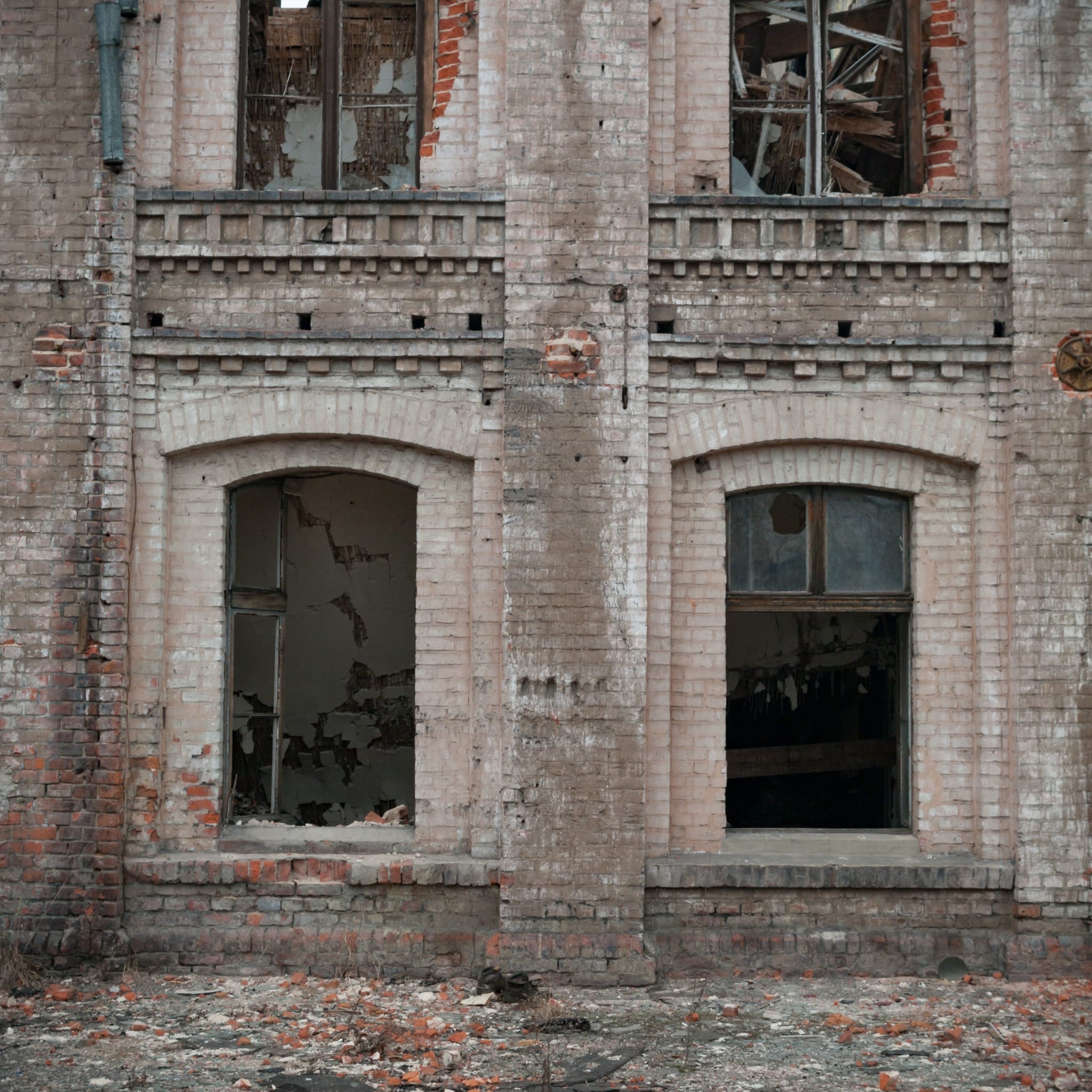
Texas Property Alert: The New 2026 Law That Allows Police to Remove Squatters in 24 Hours

Image Source: Shutterstock.com

Implications For Landlords And Rental Properties

Landlords stand to benefit enormously from this new law. Rental properties, especially in urban areas, are often targets for illegal occupation, and the prior legal process could drain time and money. With the 24-hour removal provision, landlords can take action quickly, minimizing property damage and financial loss. It also changes the dynamic of property management, as the risk of long-term squatting is drastically reduced. Landlords are encouraged to stay proactive, documenting leases and keeping clear records of occupancy.

Insurance providers may also view properties differently now that rapid squatter removal is legally supported, potentially influencing rates and coverage. For anyone renting property in Texas, this law represents a sea change in security and control.

Legal Boundaries And Safeguards Homeowners Should Know

While the law is powerful, it comes with strict safeguards to prevent abuse. Homeowners must follow documented procedures to avoid legal consequences. Misidentifying someone as a squatter or attempting self-eviction could still result in civil or criminal liability. The law is also limited to situations where occupancy is clearly unauthorized, meaning roommates, tenants, or family members with legal rights cannot be removed under this statute.

Courts can review disputes, ensuring that the 24-hour removal is not applied unfairly. Essentially, this law balances rapid enforcement with careful protection against misuse. Understanding the boundaries is key to using it successfully without complications.

Preparing For The New Reality In Texas Property Law

The 2026 law marks a new era for property owners across Texas, but preparation is everything. Homeowners should organize deeds, leases, and any other proof of ownership or legal possession. Maintaining clear records of communication with tenants or occupants is also wise, as documentation can support claims under the law. Local police departments may offer guidance on filing requests for removal efficiently, so reaching out early can streamline the process.

Staying informed about updates to the law or implementation guidelines ensures homeowners are ready to act if needed. Ultimately, this law empowers Texans to protect their property while keeping the process lawful and structured.

Do You Have Any Thoughts On These New Texas Laws?

This new law is shaking up the Texas property landscape, giving homeowners and landlords unprecedented power to act swiftly against unauthorized occupants. It’s a game-changer for anyone who values the safety, security, and control of their property.

If you’ve had experiences with squatters, either frustrating or frightening, now is the time to reflect on how this law could have made a difference. We’d love to hear your thoughts, stories, or opinions about the impact of rapid squatter removal in Texas.

You May Also Like…

Power to Choose: Exploring Wind Energy Options in Texas Electricity Market

13 Eye-Opening Truths About Real Estate Crowdfunding Ventures

9 Georgia Counties Where Property Taxes Are Set to Rise the Fastest

6 Hidden Costs of Homeownership That Blindside First-Time Buyers

7 Fine-Print Exclusions in Your Homeowner’s Policy That Could Cost You Everything

Brandon Marcus
Brandon Marcus

Brandon Marcus is a writer who has been sharing the written word since a very young age. His interests include sports, history, pop culture, and so much more. When he isn’t writing, he spends his time jogging, drinking coffee, or attempting to read a long book he may never complete.


Filed Under: Law Tagged With: 2026 laws, buying a house, Home, homeowners, homeownership, House, illegal, laws, legal advice, new laws, owning a house, Property, property laws, property taxes, Real estate, real estate laws, squatters, Squatters rights, Texas, Texas laws, Texas property

12 Red Flags That Indicate a Bad Neighborhood

June 3, 2024 by Teri Monroe Leave a Comment

bad neighborhood

123rf

Living in a good neighborhood can significantly impact your quality of life, safety, and overall happiness. However, identifying whether a neighborhood is suitable can be challenging, especially if you’re new to the area. To help you make an informed decision, here are 12 red flags that may indicate a bad neighborhood.

1. High Crime Rates

high crime rate

123rf

One of the most obvious signs of a bad neighborhood is a high crime rate. Checking local crime statistics can provide a clear picture of the safety of the area. Frequent reports of burglaries, assaults, or vandalism should raise concerns. Utilizing apps and websites that track crime in real-time can also help you stay informed about the neighborhood’s safety trends.

2. Abandoned Buildings and Lots

abandoned buildings

123rf

Abandoned buildings and empty lots can be a significant red flag. These areas often become hotspots for illegal activities and can attract undesirable elements. They also reflect poorly on the neighborhood’s economic health, suggesting a lack of investment and development. When exploring a potential new home, take note of any such properties and consider their impact on the community.

3. Poorly Maintained Properties

poorly maintained properties bad neighborhood

123rf

Well-maintained properties are a sign of a community that cares about its environment. Conversely, numerous homes in disrepair can indicate a lack of pride and investment in the area. Peeling paint, broken windows, and overgrown yards are not just eyesores but can also signal deeper issues. Consistent neglect might suggest that the residents or landlords are not invested in the neighborhood’s well-being.

4. Lack of Amenities

lack of amenities bad neighborhood

123rf

A thriving neighborhood typically offers a variety of amenities such as parks, libraries, community centers, and shops. The absence of these facilities can significantly impact your quality of life. If the nearest grocery store or pharmacy is miles away, it can be a major inconvenience. Additionally, a lack of recreational spaces can be particularly concerning for families with children.

5. Frequent Police Presence

frequent police presence bad neighborhood

123rf

While a visible police presence can be reassuring, an overabundance can suggest ongoing issues within the neighborhood. Constant police activity might indicate high crime rates or other persistent problems. It’s important to gauge whether the police presence feels protective or indicative of underlying troubles. Observing the nature of interactions between residents and law enforcement can provide further insights.

6. Low Property Values

research properties values

123rf

Significantly lower property values compared to neighboring areas can be a warning sign. This could reflect high crime rates, poor school performance, or a general lack of community investment. It’s essential to research recent property sales and trends to understand the market. A consistently declining real estate market can indicate deep-rooted issues within the neighborhood.

7. Poor School Performance

school performance

123rf

Schools are often a reflection of the community. Poorly performing schools can signal broader social and economic challenges within the neighborhood. Low graduation rates and test scores may indicate a lack of resources and support for students. For families, the quality of local schools is a crucial factor to consider when choosing a neighborhood.

8. Limited Public Transportation

public transportation

123rf

Effective public transportation can enhance the livability of a neighborhood. Limited access to buses, trains, or other forms of public transit can make commuting difficult and inconvenient. This can also reflect on the area’s development and infrastructure planning. A lack of reliable public transportation options can isolate residents and reduce overall mobility.

9. Excessive Noise Pollution

noise pollution

123rf

High levels of noise pollution can drastically affect your comfort and health. Frequent noise from traffic, industrial activities, or late-night disturbances can be unbearable. Before moving in, visit the neighborhood at different times of the day and week to assess the noise levels. Persistent noise issues can indicate a lack of community regulation and respect.

10. Graffiti and Vandalism

graffiti

123rf

While some graffiti can be seen as artistic expression, widespread vandalism often indicates neglect and disorder. Consistent tagging and damage to public property can be a sign of gang activity or general lawlessness. It also suggests that community pride and efforts to maintain public spaces might be lacking. Observing the cleanliness and upkeep of communal areas can give you a good idea of the neighborhood’s overall condition.

11. Infrequent Trash Collection

infrequent trash collection

123rf

Overflowing trash bins and littered streets can be a major red flag. This issue can lead to health hazards, pest infestations, and a generally unpleasant living environment. Inconsistent or infrequent trash collection services reflect poorly on the local governance and community organization. Cleanliness and sanitation are fundamental to a neighborhood’s livability.

12. High Turnover Rates

turnover in bad neighborhood

123rf

A high turnover rate among residents can indicate dissatisfaction with the neighborhood. Constant movement in and out of the area suggests that people are not settling down and investing in the community. This can lead to a lack of stability and continuity, making it difficult to establish a sense of community. Investigate how long current residents have lived in the area to get a sense of its stability.

Trust Your Instincts and Do Your Research

neighborhood

123rf

While these red flags are important to consider, it’s essential to trust your instincts and conduct thorough research. Visit the neighborhood multiple times, speak with current residents, and use online resources to gather as much information as possible. Remember, a neighborhood can greatly impact your lifestyle, so making an informed decision is crucial. By staying vigilant and aware of these warning signs, you can find a place that feels safe and welcoming for you and your family.

Photograph of Teri Monroe
Teri Monroe
Teri Monroe started her career in communications working for local government and nonprofits. Today, she is a freelance finance and lifestyle writer and small business owner. Teri holds a B.A. From Elon University.  In her spare time, she loves golfing with her husband, taking her dog Milo on long walks, and playing pickleball with friends.

Filed Under: Real Estate Tagged With: bad neighborhood, Home, House, Real estate

20 Valuable Items In Your Home Hiding in Plain Sight

February 6, 2024 by Tamila McDonald Leave a Comment


House

Your home may be a treasure trove of items with hidden value. Often overlooked, these everyday objects can be of significant worth, either as collectibles or for their historical importance. Check out these 20 such household items, revealing their potential hidden value and how to identify them.

1. Vintage Coins and Currency

vintage coins and currency

Old coins and currency tucked in drawers or old jars could be miniature goldmines. Collectors often seek rare editions, mint errors, or pieces with historical significance. Beyond their face value, these items can tell a story of the past, making them even more valuable to collectors. Examine your old change; there might be a rare piece waiting to be discovered.

2. First Edition Books

first edition books

First editions, especially those signed by the author, can be worth a fortune. These treasures often sit unnoticed on bookshelves, gathering dust. First editions from iconic authors or books that have had a significant cultural impact are particularly valuable. To identify a first edition, look for specific publishers’ markings and print numbers.

3. Antique Jewelry

Antique Jewelry

Inherited jewelry, often deemed out of style, can hold surprising value. Vintage pieces, particularly from recognized brands or specific historical periods, often fetch high prices. Their craftsmanship, rarity, and sometimes the stories behind them add to their allure and value. Check for maker’s marks or hallmarks to identify their origins.

4. Vintage Toys and Games

vintage toys


Old toys and games from your childhood could be worth more than sentimental value. Pristine conditions and original packaging significantly increase their worth. Brands like LEGO, Barbie, and classic video games from the 80s and 90s are in high demand among collectors. Even everyday toys can be valuable if they are rare or discontinued.

5. Vinyl Records

vinyl records

Certain old vinyl records are highly collectible, especially limited editions or original pressings. Albums by iconic artists or rare recordings can fetch substantial sums. The revival of vinyl records as a preferred music format has only increased their value. Check for records that were limited runs or special editions.

6. Old Magazines and Newspapers

newspapers

Particular old magazines and newspapers, especially those marking significant historical events, can be collectible. The value lies in their condition and rarity. Collectors often seek unique editions or those in excellent shape. They serve as a window into history and are cherished by enthusiasts.

7. Vintage Electronics

electronics

Retro electronics like old video game consoles, turntables, and early computers can be surprisingly valuable. Their nostalgic appeal makes them popular among collectors, especially when they’re in working condition. Original accessories and packaging can significantly enhance their value. Look for iconic models that were either a technological breakthrough or a cultural phenomenon.

8. Stamps

rare stamps

Stamp collections can be hidden gems. Rare stamps, error prints, and older, well-preserved collections are in high demand. Their value can be determined by rarity, condition, and historical significance. Stamps from certain eras or countries, or those featuring errors, are particularly sought after by philatelists.

9. Antique Furniture

Antique Furniture

Vintage furniture, especially pieces from notable periods or makers, can be highly valuable. Original condition and historical significance greatly add to their worth. Look for unique craftsmanship or signature elements that indicate a piece’s age and origin. The furniture’s provenance can also significantly increase its value.

10. Artwork

artwork

Original artwork, even from lesser-known artists, can be valuable. The value lies not just in the name but in the art’s uniqueness and the story it tells. Check for signatures and research the artist’s history to gauge its worth. Sometimes, the frame itself can be an antique and of considerable value.

11. Designer Clothing and Accessories

designer clothes

Designer clothing and accessories, particularly from iconic brands, retain value. Vintage or slightly used high-end brands like Chanel, Louis Vuitton, or Hermes are particularly sought after. The craftsmanship and brand heritage play a significant role in their valuation. Limited edition pieces or those from significant fashion eras are especially valuable.

12. Vintage Cameras and Photography Equipment

vintage cameras

Old cameras and photography equipment have a market among collectors and enthusiasts. Classic models from brands like Leica or Nikon, especially those in good condition, are highly prized. The historical significance of the camera model and its contribution to photography can add to its value.

13. Handmade Quilts and Textiles

handmade quilts

Handmade quilts and textiles, particularly antique or with a unique history, can be of considerable value. The craftsmanship, materials used, and the story behind the piece add to its worth. These items are often undervalued but can fetch high prices, especially if they are from a known artisan or a historically significant period.

14. Sports Memorabilia

sports memorabilia

Sports memorabilia, including signed equipment or vintage items, hold both sentimental and monetary value. The item’s connection to a famous athlete or a significant sports event can greatly increase its worth. Authentication plays a crucial role in valuing these items, so it’s essential to have proper documentation.

15. Collectible Pottery and Porcelain

porcelain

Pottery and porcelain from well-known makers or unique pieces are highly collectible. Their value is determined by the maker’s mark, age, and the item’s condition. Collectible pieces often come from specific periods or have distinctive designs that set them apart. Even everyday items can be valuable if they are rare or have historical significance.

16. Silverware and Flatware

silverware

Silverware sets, particularly those made of real silver, can be quite valuable. The value is not just in the material but also in the craftsmanship and design. Even individual pieces or incomplete sets can be of worth, based on their weight and craftsmanship. Look for hallmarks that indicate the silver quality.

17. Wine and Spirits

wines

Certain bottles of wine and spirits increase in value with age. Collectible bottles include limited edition releases, vintage years, and unique blends. The storage conditions and provenance of the bottle also play a significant role in its valuation.

18. Antique Glass and Crystal

Antique Glass and Crystal

Glassware and crystal, particularly from notable manufacturers or with unique designs, can be of considerable value. Items in excellent condition and with distinctive features like etchings or unique colors are highly sought after. The rarity and history of the piece add to its allure.

19. Old Maps and Globes

old maps

Vintage maps and globes are collectible items, especially rare or hand-drawn ones. Their historical significance and the story they tell make them valuable. Look for maps and globes that are in good condition and have unique features or were made by well-known cartographers.

20. Classic Car Models and Parts

classic cars

Classic car models, even small die-cast ones, can be valuable, particularly if they are rare or in mint condition. Additionally, old car parts, especially from vintage or classic cars, are in demand. Their value lies in their rarity, condition, and the vehicle model they belong to.

Exciting and Lucrative Adventure

lucrative

Discovering hidden treasures in your home can be an exciting and potentially lucrative endeavor. Whether it’s a piece of history, a work of art, or a nostalgic item, these household objects can offer more than meets the eye.

If you’ve found some valuable household items in your home, we’d like to hear about it in the comments.

Tamila McDonald
Tamila McDonald

Tamila McDonald is a U.S. Army veteran with 20 years of service, including five years as a military financial advisor. After retiring from the Army, she spent eight years as an AFCPE-certified personal financial advisor for wounded warriors and their families. Now she writes about personal finance and benefits programs for numerous financial websites.

Filed Under: Personal Finance Tagged With: hiding in plain sight, House, vintage coins

FOLLOW US

Search this site:

Recent Posts

  • Can My Savings Account Affect My Financial Aid? by Tamila McDonald
  • 12 Ways Gen X’s Views Clash with Millennials… by Tamila McDonald
  • What Advantages and Disadvantages Are There To… by Jacob Sensiba
  • 10 Tactics for Building an Emergency Fund from Scratch by Vanessa Bermudez
  • Call 911: Go To the Emergency Room Immediately If… by Stephen Kanaval
  • 7 Weird Things You Can Sell Online by Tamila McDonald
  • 10 Scary Facts About DriveTime by Tamila McDonald

Copyright © 2026 · News Pro Theme on Genesis Framework