• Home
  • About Us
  • Toolkit
  • Getting Finances Done
    • Hiring Advisors
    • Debt Management
    • Spending Plan
  • Insurance
    • Life Insurance
    • Health Insurance
    • Disability Insurance
    • Homeowners/Renters Insurance
  • Contact Us
  • Privacy Policy
  • Risk Tolerance Quiz

The Free Financial Advisor

You are here: Home / Archives for design

7 Tiny Gardens That Completely Transformed Backyards

November 27, 2025 by Travis Campbell Leave a Comment

garden

Image source: shutterstock.com

The growing number of people living in cities results in reduced backyard space, forcing homes to be built closer together. The close arrangement of houses makes people believe that outdoor spaces lose their significance. Small sections of soil can be turned into useful green areas with proper management. The design of compact gardens creates a positive impression of the entire property by establishing boundaries, creating gentle transitions between rigid edges, and redirecting viewer attention away from a feeling of being trapped. The right design elements help garden owners build functional retreats in their small outdoor spaces, combining visual appeal with practical features.

1. Vertical Greens on a Blank Fence

A flat fence can dominate a small yard. It reads as a wall rather than a backdrop. A vertical arrangement of herbs and low-maintenance plants shifts that balance. The fence becomes a living surface that breaks the monotony and adds a sense of height to the yard. In many tight spaces, tiny gardens like this work because they grow upward rather than outward.

The effect is immediate. A thin frame holds pots or panels, leaving space on the ground for seating or storage. The plants soften the fence line and create a more controlled sense of enclosure. It’s a compact system that adds depth without taking valuable floor space.

2. A Corner Plot Turned Micro Orchard

Unused corners often trap leaves and nothing else. In one backyard, a single raised bed tucked into a corner created a micro orchard with dwarf fruit trees. It required little soil volume but offered structure and seasonal change. Small yards benefit from elements that shift through the year, because movement makes the space feel alive.

Tiny gardens with fruit trees need pruning to maintain scale, but that work keeps them manageable. The payoff comes in texture: branches, blossoms, and fruit that create purpose in an area once written off as dead space.

3. A Narrow Bed Along the Patio

Patios in small yards often feel like slabs, more functional than inviting. A narrow planting bed carved into the edge changes that. Even a strip less than a foot wide can hold grasses, succulents, or small shrubs. Those plants act as a buffer, breaking the visual line between the hard surface and the fence.

This layout works especially well in tiny gardens because it retains usable patio space while adding softness. The plants draw the eye sideways and make the yard feel longer than it is. Movement from wind or shifting light gives the area dimension that concrete alone can’t provide.

4. A Raised Bed that Doubles as Seating

Furniture consumes limited real estate fast. A raised bed built to bench height solves that problem. It adds planting depth and structural support while offering a place to sit. Flowers or edibles grow at arm’s reach, and the edges serve as gathering points.

Tiny gardens benefit from dual-purpose elements like this. They force every inch to work harder. The raised bed frames the yard, creates order, and supplies a sense of permanence. The yard feels intentional instead of improvised.

5. A Pocket Garden Beside the Back Door

Small yards often have awkward spots near the back door, where nothing seems to fit. Filling that space with a pocket garden changes the daily path through the yard. Low groundcover, compact perennials, and a single focal plant create a moment of calm right at the entry.

Tiny gardens near doorways make the yard feel connected to the home. The shift in mood happens immediately. A once-overlooked strip becomes a small but steady visual anchor.

6. A Shaded Niche Turned Fern Garden

Shade frustrates many homeowners, especially when the yard is already small. But ferns, hostas, and shade-loving groundcovers thrive where sun fails. Carving out a shaded niche with these plants changes the space’s tone. It feels deliberate, not like a problem area.

This approach works well for tiny gardens because shade plants grow thick but not tall. They fill the area without overwhelming it. The yard gains a cool, textured patch that contrasts with the brighter sections and adds balance to the layout.

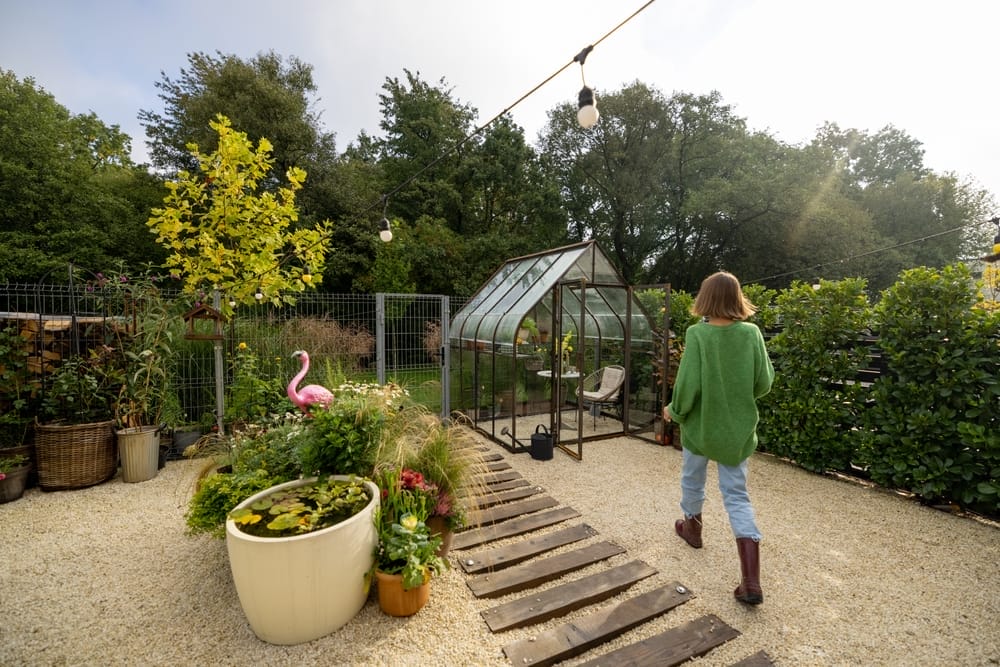
7. A Simple Gravel Path Framed by Green

A path in a small yard sounds counterintuitive. It takes up space and forces a grid into a limited area. But a narrow gravel path edged with compact plants guides movement and gives the yard direction. It creates structure where there was none.

Tiny gardens that include a path feel larger because the eye follows the line. Even a short walkway creates the suggestion of zones. It makes the space feel organized rather than crowded.

An Outdoor Shift in Scale

I notice that tiny gardens change how the backyard feels, even when the square footage stays the same. The tiny gardens set boundaries, soften lines, and break up surfaces. Each group of plants works like a hinge. Moves the eye from a tight space to a design. The yard feels less scattered.

I notice that these changes start small and carry weight. These changes show that space constraints do not limit what a backyard can offer. These changes require attention, patience, and a willingness to experiment with scale. Tiny gardens push us to think with precision rather than abundance.

I am curious. What small change made the difference in your own backyard?

What to Read Next…

  • How Homeowners Associations Are Targeting Retirees With Fines
  • Why Are So Many DIY Projects Actually Illegal In Your County
  • 7 Popular Cleaning Products That Can Destroy Your Plumbing
  • The Subtle Home Smells That Real Estate Agents Say Ruin Sales
  • Can You Really Be Fined For Not Shoveling Your Sidewalk Anymore
Travis Campbell
Travis Campbell

Travis Campbell is a digital marketer/developer with over 10 years of experience and a writer for over 6 years. He holds a degree in E-commerce and likes to share life advice he’s learned over the years. Travis loves spending time on the golf course or at the gym when he’s not working.

Filed Under: Home Improvement Tagged With: backyards, design, gardening, Home, outdoor living

7 Brilliant Products Designed Specifically for Left-Handers

November 16, 2025 by Travis Campbell Leave a Comment

left hander

Image source: shutterstock.com

The world has around ten percent left-handed people, although most spaces are designed for right-handed individuals. The world presents right-handed people with most of its tools, which create difficulties for left-handed users when they try to use them. Products designed for left-handers serve as functional solutions, rather than being mere decorative items. The products help users complete their daily tasks by allowing them to use them comfortably with their left hand. The following seven products demonstrate how designers can create better user experiences through deliberate left-handed product design approaches.

1. Left-Handed Scissors

Standard scissors force left-handers to twist their wrists or cut blindly along a line. Left-handed scissors fix that problem by reversing the blade orientation. The top blade is positioned on the left side, allowing users to view their cutting line clearly. The handle grips are also shaped to fit naturally in a left hand, reducing strain during longer cutting sessions. It’s a small change that makes a big difference in precision and comfort.

Many craft stores now carry models labeled for left-handers, but the quality varies. Brands that specialize in left-handed tools tend to produce sharper, smoother scissors that last longer. For students, artists, or anyone who regularly cuts paper, this is a must-have upgrade.

2. Left-Handed Notebooks

Spiral notebooks are a classic annoyance for left-handers. The metal coil digs into the wrist, forcing awkward writing angles. Left-handed notebooks solve this by placing the spiral on the opposite side or at the top. Some even use perforated pages that tear cleanly, no matter which hand you use.

Writers and students who rely on longhand note-taking will notice immediate relief. Better wrist positioning means neater handwriting and fewer smudges—especially when using ink pens. It’s a simple fix that makes writing less of a chore and more of a flow.

3. Left-Handed Kitchen Knives

In kitchens, blade design matters. Most knives have a beveled edge for right-handers, which can cause slicing to drift when used in the left hand. Left-handed kitchen knives reverse that bevel, creating a balanced, straight cut. They allow for cleaner chopping, safer handling, and better control of thickness when cutting vegetables or meat.

Professional chefs who are left-handed often say the difference is immediate. The knife feels like it finally “fits.” For home cooks, even a single left-handed chef’s knife can transform meal prep into a smoother process. Quality versions are available through specialty retailers or culinary tool shops catering to left-handers.

4. Left-Handed Measuring Cups

Left-handers often have to twist their wrists to read measurements printed for right-handers. Left-handed measuring cups fix that by printing the markings so they face the user when the handle is held in the left hand. This small change makes cooking and baking less awkward and more accurate.

Some sets even include both orientations, making them useful in shared kitchens. Anyone who’s ever spilled flour while trying to turn a cup for a better view will appreciate this clever adaptation. It’s one of those products designed specifically for left-handers that quietly improves daily life.

5. Left-Handed Computer Mice

Computer workstations are another area where left-handers often adapt instead of customizing. A left-handed computer mouse flips the button layout, placing the primary click under the index finger. This design supports natural hand positioning and can prevent wrist strain from long hours of use.

Some models even feature programmable buttons for extra shortcuts. Gamers, designers, and office workers who use a mouse all day will find that switching to a left-handed model feels more intuitive after just a few hours. The right tool reduces fatigue and increases speed—both valuable benefits for anyone working digitally.

6. Left-Handed Guitar

Learning guitar can be tough for anyone, but left-handers face an extra challenge. Traditional guitars have their strings and fretboards arranged for right-handers. Left-handed guitars reverse the string order and adjust the body shape for proper balance. This allows players to strum naturally without flipping or restringing the instrument.

Musicians who start with a left-handed guitar often progress faster because they’re not fighting against awkward positioning. Big instrument makers now include left-hand models, though often in smaller quantities. Whether acoustic or electric, a guitar built for left-handers helps players focus on music, not mechanics.

7. Left-Handed Can Openers

Few kitchen tools frustrate left-handers as much as a standard can opener. Traditional versions require right-hand turning, which feels clumsy in the opposite hand. Left-handed can openers reverse the cutting wheel and handle direction, allowing smooth, natural rotation.

This design minimizes slipping and reduces the risk of jagged edges. It’s especially useful for older users or anyone with reduced grip strength. Among products designed specifically for left-handers, this one solves a daily annoyance most people never notice but left-handers always remember.

Design That Finally Fits

People can perform fundamental tasks that require little physical effort by using their body movements and everyday objects they find in their environment. Left-handed products serve purposes that extend beyond solving convenience needs, as they establish spaces where users can experience comfort and assurance. The design process demonstrates how organizations can transform minor barriers into operational systems through their detailed planning approach.

The growing number of businesses catering to left-handed consumers has led to an increased selection of products tailored to their specific needs. The design of products for left-handers leads to better user experiences, which enhances the overall experience for everyone. Which left-handed product has delivered the most valuable benefits to you?

What to Read Next…

  • 7 Tactics Grocery Stores Use to Keep You from Thinking About Price
  • 9 Common Products That May Be Illegal to Resell Online
  • 7 Popular Cleaning Products That Can Destroy Your Plumbing
  • 8 Everyday Services That Are Slowly Becoming Subscription Only
  • 10 Products That Are Being Pulled from Shelves Without Public Notice
Travis Campbell
Travis Campbell

Travis Campbell is a digital marketer/developer with over 10 years of experience and a writer for over 6 years. He holds a degree in E-commerce and likes to share life advice he’s learned over the years. Travis loves spending time on the golf course or at the gym when he’s not working.

Filed Under: Smart Shopping Tagged With: design, ergonomics, gadgets, left-handers, tools

7 Retro Design Trends That Deserve a Comeback

November 7, 2025 by Travis Campbell Leave a Comment

Interior of home

Image source: shutterstock.com

Design styles come and go, but certain styles continue to draw in repeat customers due to their lasting appeal. Designers from the past created distinctive and expressive designs that deviated from contemporary standardized templates and algorithmic filters during the previous design era. Homeowners, together with designers and small business owners, currently seek design ideas from past decades. A well-placed splash of vintage flair can make a space or product stand out in a world of sameness. Retro design trends offer more than nostalgia, as they help people unite past elements with modern ones to create unique designs that feel both new and familiar.

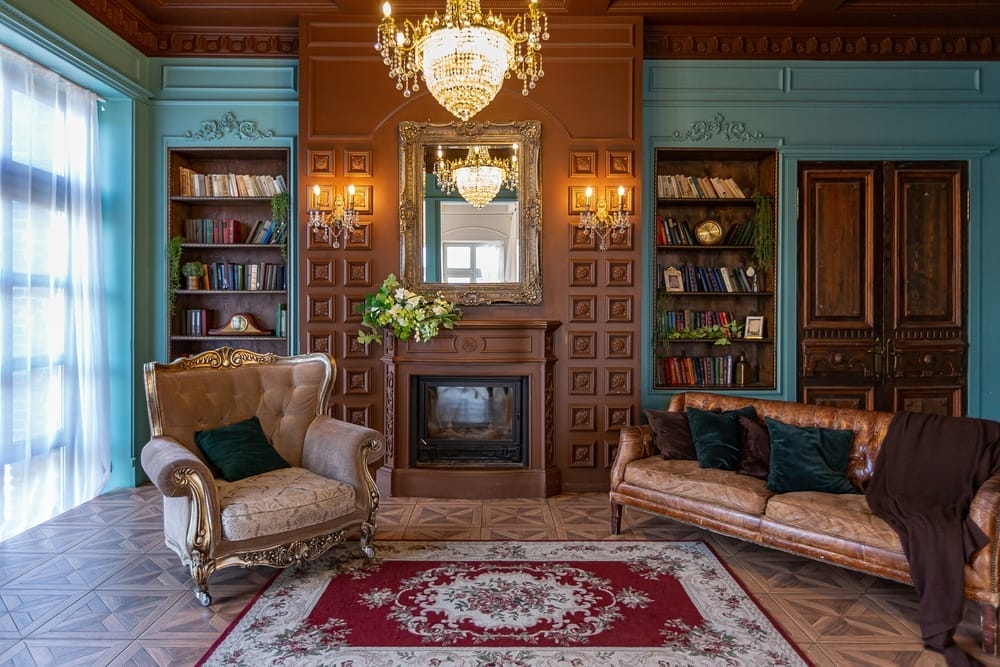
1. Mid-Century Modern Simplicity

Clean lines, organic shapes, and warm wood tones define mid-century modern design. It first took hold in the 1950s and 1960s, but its influence never really disappeared. The focus on functional beauty and minimal clutter makes this trend perfect for contemporary living. Whether it’s a low-profile sofa, tapered legs on furniture, or a statement pendant lamp, the look feels both classic and current.

Homeowners love how this style pairs easily with modern materials like metal and glass. It’s a great reminder that simplicity can be stylish and that functional design never goes out of fashion.

2. Bold Geometric Patterns

Geometric prints dominated the 1970s and 1980s, adding energy to walls, fabrics, and flooring. Today, these bold patterns are creeping back into interiors and branding projects. Designers use them sparingly to add visual rhythm without overwhelming the eye. A single accent wall or patterned rug can change the mood of a room instantly.

When used thoughtfully, geometric designs convey confidence and creativity. They’re ideal for anyone who wants to make a statement while staying true to the roots of retro design trends.

3. Earthy Color Palettes

Before minimalist whites and grays dominated, interiors were full of rich, earthy hues. Think olive green, burnt orange, mustard yellow, and deep brown. These tones create warmth and comfort, especially when combined with natural materials like wood and rattan. They make a home feel grounded and inviting.

Color experts note that these shades pair well with modern neutrals. A small dose—a terracotta vase, a rust-colored throw pillow, or a forest-green accent chair—can instantly bring a room to life.

4. Vintage Typography

Typography tells a story, and retro fonts have a personality that sleek modern typefaces often lack. From groovy 1970s lettering to art deco curves, vintage typography brings character to branding, posters, and packaging. It’s particularly effective for businesses that want to communicate authenticity and heritage.

Many designers turn to online archives or platforms like Font Squirrel for free vintage-inspired typefaces. The right font can set the tone before a single word is read, making it a powerful asset in both digital and print design.

5. Textured Surfaces and Materials

Modern spaces can sometimes feel too smooth, too polished. Retro design embraced texture—macramé wall hangings, shag rugs, and rough ceramics all added tactile interest. Bringing back texture helps soften the sharp edges of modern interiors and invites touch and warmth.

Layering materials like velvet, linen, and wood can create depth without clutter. It’s a small but meaningful way to reintroduce the human touch that older design eras celebrated.

6. Neon and Chrome Accents

Few things scream “retro” like neon lights and chrome finishes. These elements once symbolized optimism and progress, especially in the 1980s. Today, they’re being reimagined in smaller doses—think neon signage in a home office or chrome bar stools in a kitchen. The result is fun and nostalgic without feeling dated.

Even tech companies and restaurants are using neon-inspired graphics to stand out online. A simple glow effect can transform a logo or website banner into something memorable. Sites like Canva make it easy to experiment with neon visuals for both digital and physical projects.

7. Retro Appliances and Fixtures

Appliances with rounded corners, bright colors, and chrome details bring instant character to kitchens and bathrooms. Brands have begun releasing new models inspired by the aesthetics of the 1950s and 1960s, but with modern efficiency. It’s a smart way to blend nostalgia with practicality.

Retro-inspired fridges, toasters, and even faucets can serve as focal points in a room, adding a touch of nostalgia. They remind us that design can be playful, even in the most functional spaces. As more homeowners seek individuality, these small touches can make a big impact.

Why Retro Still Resonates

People choose genuine products because society has reached a point where mass-produced standardized products have become overwhelming. Retro design trends foster deep connections because they incorporate human elements through their storytelling and textured, imperfect design elements. The method enables designers to develop new solutions that do not need a complete space or brand redesign. Sustainable design solutions are developed by combining modern design elements with classic design principles to create personalized spaces.

The financial element also contributes to this situation. Old furniture pieces and decorative items can be repurposed to achieve both monetary savings and environmental sustainability. The primary goal involves understanding historical ideas by using contemporary viewpoints. Which of these retro design trends would you bring back into your home or workspace?

What to Read Next…

  • The Subtle Home Smells That Real Estate Agents Say Ruin Sales
  • 7 Popular Cleaning Products That Can Destroy Your Plumbing
  • 9 Common Products That May Be Illegal To Resell Online
  • 8 Everyday Services That Are Slowly Becoming Subscription Only
  • 7 Tactics Grocery Stores Use To Keep You From Thinking About Price
Travis Campbell
Travis Campbell

Travis Campbell is a digital marketer/developer with over 10 years of experience and a writer for over 6 years. He holds a degree in E-commerce and likes to share life advice he’s learned over the years. Travis loves spending time on the golf course or at the gym when he’s not working.

Filed Under: Lifestyle Tagged With: design, home decor, interior design, retro, vintage style

FOLLOW US

Search this site:

Recent Posts

  • Can My Savings Account Affect My Financial Aid? by Tamila McDonald
  • 12 Ways Gen X’s Views Clash with Millennials… by Tamila McDonald
  • What Advantages and Disadvantages Are There To… by Jacob Sensiba
  • 10 Tactics for Building an Emergency Fund from Scratch by Vanessa Bermudez
  • Call 911: Go To the Emergency Room Immediately If… by Stephen Kanaval
  • 7 Weird Things You Can Sell Online by Tamila McDonald
  • 10 Scary Facts About DriveTime by Tamila McDonald

Copyright © 2026 · News Pro Theme on Genesis Framework