• Home
  • About Us
  • Getting Finances Done
    • Hiring Advisors
    • Debt Management
    • Spending Plan
  • Insurance
    • Life Insurance
    • Health Insurance
    • Disability Insurance
    • Homeowners/Renters Insurance
  • Contact Us
  • Our Editorial Commitment

The Free Financial Advisor

You are here: Home / Archives for outdoor living

7 Tiny Gardens That Completely Transformed Backyards

November 27, 2025 by Travis Campbell Leave a Comment

garden
Image source: shutterstock.com

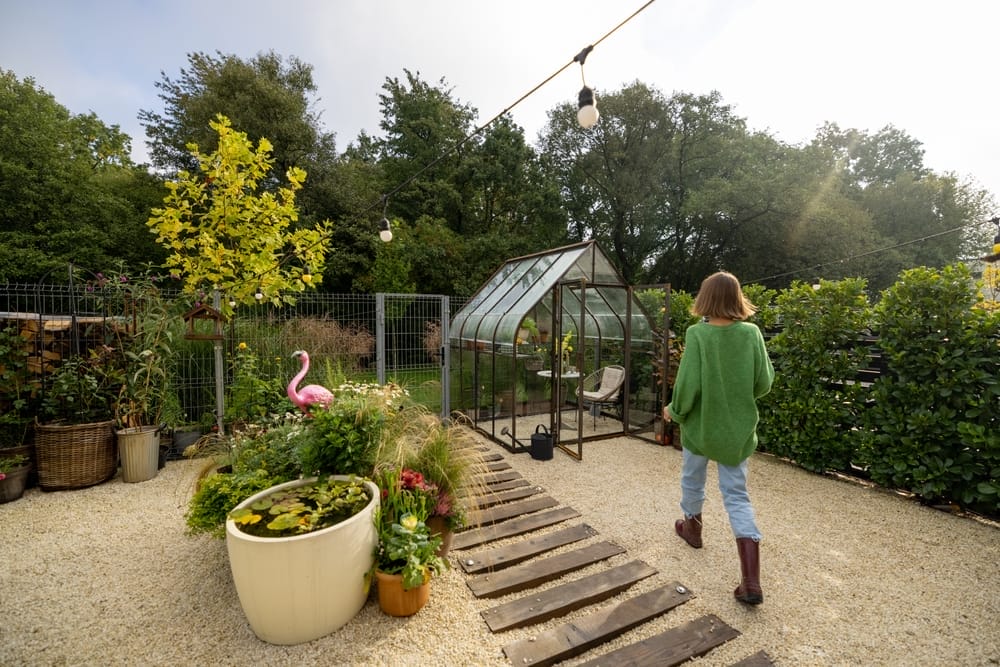
The growing number of people living in cities results in reduced backyard space, forcing homes to be built closer together. The close arrangement of houses makes people believe that outdoor spaces lose their significance. Small sections of soil can be turned into useful green areas with proper management. The design of compact gardens creates a positive impression of the entire property by establishing boundaries, creating gentle transitions between rigid edges, and redirecting viewer attention away from a feeling of being trapped. The right design elements help garden owners build functional retreats in their small outdoor spaces, combining visual appeal with practical features.

1. Vertical Greens on a Blank Fence

A flat fence can dominate a small yard. It reads as a wall rather than a backdrop. A vertical arrangement of herbs and low-maintenance plants shifts that balance. The fence becomes a living surface that breaks the monotony and adds a sense of height to the yard. In many tight spaces, tiny gardens like this work because they grow upward rather than outward.

The effect is immediate. A thin frame holds pots or panels, leaving space on the ground for seating or storage. The plants soften the fence line and create a more controlled sense of enclosure. It’s a compact system that adds depth without taking valuable floor space.

2. A Corner Plot Turned Micro Orchard

Unused corners often trap leaves and nothing else. In one backyard, a single raised bed tucked into a corner created a micro orchard with dwarf fruit trees. It required little soil volume but offered structure and seasonal change. Small yards benefit from elements that shift through the year, because movement makes the space feel alive.

Tiny gardens with fruit trees need pruning to maintain scale, but that work keeps them manageable. The payoff comes in texture: branches, blossoms, and fruit that create purpose in an area once written off as dead space.

3. A Narrow Bed Along the Patio

Patios in small yards often feel like slabs, more functional than inviting. A narrow planting bed carved into the edge changes that. Even a strip less than a foot wide can hold grasses, succulents, or small shrubs. Those plants act as a buffer, breaking the visual line between the hard surface and the fence.

This layout works especially well in tiny gardens because it retains usable patio space while adding softness. The plants draw the eye sideways and make the yard feel longer than it is. Movement from wind or shifting light gives the area dimension that concrete alone can’t provide.

4. A Raised Bed that Doubles as Seating

Furniture consumes limited real estate fast. A raised bed built to bench height solves that problem. It adds planting depth and structural support while offering a place to sit. Flowers or edibles grow at arm’s reach, and the edges serve as gathering points.

Tiny gardens benefit from dual-purpose elements like this. They force every inch to work harder. The raised bed frames the yard, creates order, and supplies a sense of permanence. The yard feels intentional instead of improvised.

5. A Pocket Garden Beside the Back Door

Small yards often have awkward spots near the back door, where nothing seems to fit. Filling that space with a pocket garden changes the daily path through the yard. Low groundcover, compact perennials, and a single focal plant create a moment of calm right at the entry.

Tiny gardens near doorways make the yard feel connected to the home. The shift in mood happens immediately. A once-overlooked strip becomes a small but steady visual anchor.

6. A Shaded Niche Turned Fern Garden

Shade frustrates many homeowners, especially when the yard is already small. But ferns, hostas, and shade-loving groundcovers thrive where sun fails. Carving out a shaded niche with these plants changes the space’s tone. It feels deliberate, not like a problem area.

This approach works well for tiny gardens because shade plants grow thick but not tall. They fill the area without overwhelming it. The yard gains a cool, textured patch that contrasts with the brighter sections and adds balance to the layout.

7. A Simple Gravel Path Framed by Green

A path in a small yard sounds counterintuitive. It takes up space and forces a grid into a limited area. But a narrow gravel path edged with compact plants guides movement and gives the yard direction. It creates structure where there was none.

Tiny gardens that include a path feel larger because the eye follows the line. Even a short walkway creates the suggestion of zones. It makes the space feel organized rather than crowded.

An Outdoor Shift in Scale

I notice that tiny gardens change how the backyard feels, even when the square footage stays the same. The tiny gardens set boundaries, soften lines, and break up surfaces. Each group of plants works like a hinge. Moves the eye from a tight space to a design. The yard feels less scattered.

I notice that these changes start small and carry weight. These changes show that space constraints do not limit what a backyard can offer. These changes require attention, patience, and a willingness to experiment with scale. Tiny gardens push us to think with precision rather than abundance.

I am curious. What small change made the difference in your own backyard?

What to Read Next…

  • How Homeowners Associations Are Targeting Retirees With Fines
  • Why Are So Many DIY Projects Actually Illegal In Your County
  • 7 Popular Cleaning Products That Can Destroy Your Plumbing
  • The Subtle Home Smells That Real Estate Agents Say Ruin Sales
  • Can You Really Be Fined For Not Shoveling Your Sidewalk Anymore
Travis Campbell
Travis Campbell

Travis Campbell is a digital marketer/developer with over 10 years of experience and a writer for over 6 years. He holds a degree in E-commerce and likes to share life advice he’s learned over the years. Travis loves spending time on the golf course or at the gym when he’s not working.

Filed Under: Home Improvement Tagged With: backyards, design, gardening, Home, outdoor living

9 Lesser-Known Costs of Owning a Swimming Pool

September 21, 2025 by Travis Campbell Leave a Comment


Installing a swimming pool is a dream for many homeowners. It promises summer fun, family gatherings, and a touch of luxury right in your backyard. But owning a swimming pool comes with more than just the upfront installation bill. Many pool owners are surprised by ongoing expenses that aren’t always obvious at first. If you’re thinking about adding a pool to your property, it’s important to look beyond the surface. These lesser-known costs of owning a swimming pool can add up over time and affect your long-term budget.

1. Increased Utility Bills

One of the most common but underestimated swimming pool costs is the spike in utility bills. Pools require electricity to run pumps, filters, and heaters, sometimes for hours each day. In hotter climates, you may need to run the pump more often to keep the water clean and safe. If you heat your pool, expect even higher energy bills, especially during cooler months. These additional charges can easily add $50 to $150 per month, depending on the size and type of pool.

2. Routine Chemical Treatments

Keeping pool water safe and sparkling isn’t just about skimming leaves. You’ll need chlorine or salt, pH balancers, algaecides, and other chemicals. The cost of these products can surprise new pool owners, especially during peak swimming season. On average, chemical treatments for a standard pool can cost $300–$800 per year, depending on water volume and local climate. Skimping on chemicals isn’t an option unless you want to risk algae blooms or unsafe water.

3. Equipment Repairs and Replacements

Pumps, filters, heaters, and automatic cleaners all have a finite lifespan. Even with proper maintenance, parts break down or wear out. Replacing a pool pump or filter can run several hundred dollars, and heaters may cost over $1,000 to fix or replace. These swimming pool costs can hit unexpectedly, especially as your pool ages. Having a reserve fund for equipment repairs is a good idea for any pool owner.

4. Water Loss and Refilling

Evaporation, splash-out, and routine backwashing all mean you’ll be adding water to your pool regularly. Water bills can increase, especially during hot, dry months. If you live in an area with water restrictions or high utility rates, this can be a significant hidden cost. Some homeowners are surprised by how often they need to top off their pool, particularly after heavy use or windy days.

5. Pool Cleaning Services

Not everyone has the time or desire to clean their pool themselves. Hiring a professional pool cleaning service is convenient, but it’s another recurring expense. These services can cost anywhere from $80 to $150 per month, depending on pool size and location. Even if you do most of the work yourself, you might occasionally need a deep clean or professional troubleshooting, which adds to the overall swimming pool costs.

6. Insurance Premium Increases

Adding a swimming pool to your property can affect your homeowner’s insurance. Pools are considered an “attractive nuisance,” increasing liability risks. Your insurer may require higher liability coverage, which means higher premiums. Some insurance companies also have specific requirements for fencing or safety features. Be sure to check with your agent before installation to budget for this potential increase.

7. Landscaping and Deck Maintenance

A pool can transform your backyard, but it also affects landscaping. Grass may die off from extra foot traffic, and you might need to invest in hardscaping, fencing, or non-slip decking. Over time, pool chemicals can damage nearby plants, requiring more resilient landscaping. Decks and patios surrounding the pool also need regular cleaning and sealing to prevent mold, stains, or cracks. These costs are rarely considered upfront but are a real part of swimming pool ownership.

8. Winterization and Opening

If you live in a region with cold winters, closing your pool properly is essential to avoid costly damage. Pool winterization involves draining equipment, adding chemicals, and covering the pool. Professional winterization services can cost $200–$500 annually. When warmer weather returns, opening the pool and balancing the water chemistry adds another expense. Skipping these steps can result in expensive repairs from freeze damage or algae blooms.

9. Permits, Inspections, and Safety Upgrades

Many cities require permits before installing a swimming pool, and some demand regular inspections to ensure safety codes are met. The cost for permits varies but often runs several hundred dollars. If your pool doesn’t meet updated safety standards, you may need to install new fences, gates, or alarms. These extra requirements can increase the total swimming pool costs by a significant amount. For more on pool safety, check out this pool safety resource.

Planning for the Real Cost of Pool Ownership

Owning a swimming pool can be a source of enjoyment and relaxation, but it’s essential to be realistic about the long-term expenses. Factoring in these lesser-known swimming pool costs helps you avoid financial surprises and keeps your pool safe and inviting. If you’re budgeting for a new pool, consider setting aside extra funds each year for maintenance, repairs, and unexpected costs.

Want more tips on budgeting for big home improvements? Visit this guide to pool ownership costs for more insights.

What hidden swimming pool costs have you encountered? Share your experiences in the comments below!

What to Read Next…

  • Top 3 Water Damage Claims Home Insurance Actually Covers
  • 10 Items That Could Void Your Homeowners Insurance Instantly
  • How Homeowners Associations Are Targeting Retirees With Fines
  • 5 Emergency Repairs That Could Force You Into Debt Overnight
  • 7 Popular Cleaning Products That Can Destroy Your Plumbing
Travis Campbell
Travis Campbell

Travis Campbell is a digital marketer/developer with over 10 years of experience and a writer for over 6 years. He holds a degree in E-commerce and likes to share life advice he’s learned over the years. Travis loves spending time on the golf course or at the gym when he’s not working.

Filed Under: Home Improvement Tagged With: budgeting, Home Improvement, homeownership, Insurance, maintenance costs, outdoor living, swimming pool

9 Lesser-Known Costs of Owning a Swimming Pool

September 21, 2025 by Travis Campbell Leave a Comment

pool
Image source: pexels.com

Installing a swimming pool is a dream for many homeowners. It promises summer fun, family gatherings, and a touch of luxury right in your backyard. But owning a swimming pool comes with more than just the upfront installation bill. Many pool owners are surprised by ongoing expenses that aren’t always obvious at first. If you’re thinking about adding a pool to your property, it’s important to look beyond the surface. These lesser-known costs of owning a swimming pool can add up over time and affect your long-term budget.

1. Increased Utility Bills

One of the most common but underestimated swimming pool costs is the spike in utility bills. Pools require electricity to run pumps, filters, and heaters, sometimes for hours each day. In hotter climates, you may need to run the pump more often to keep the water clean and safe. If you heat your pool, expect even higher energy bills, especially during cooler months. These additional charges can easily add $50 to $150 per month, depending on the size and type of pool.

2. Routine Chemical Treatments

Keeping pool water safe and sparkling isn’t just about skimming leaves. You’ll need chlorine or salt, pH balancers, algaecides, and other chemicals. The cost of these products can surprise new pool owners, especially during peak swimming season. On average, chemical treatments for a standard pool can cost $300–$800 per year, depending on water volume and local climate. Skimping on chemicals isn’t an option unless you want to risk algae blooms or unsafe water.

3. Equipment Repairs and Replacements

Pumps, filters, heaters, and automatic cleaners all have a finite lifespan. Even with proper maintenance, parts break down or wear out. Replacing a pool pump or filter can run several hundred dollars, and heaters may cost over $1,000 to fix or replace. These swimming pool costs can hit unexpectedly, especially as your pool ages. Having a reserve fund for equipment repairs is a good idea for any pool owner.

4. Water Loss and Refilling

Evaporation, splash-out, and routine backwashing all mean you’ll be adding water to your pool regularly. Water bills can increase, especially during hot, dry months. If you live in an area with water restrictions or high utility rates, this can be a significant hidden cost. Some homeowners are surprised by how often they need to top off their pool, particularly after heavy use or windy days.

5. Pool Cleaning Services

Not everyone has the time or desire to clean their pool themselves. Hiring a professional pool cleaning service is convenient, but it’s another recurring expense. These services can cost anywhere from $80 to $150 per month, depending on pool size and location. Even if you do most of the work yourself, you might occasionally need a deep clean or professional troubleshooting, which adds to the overall swimming pool costs.

6. Insurance Premium Increases

Adding a swimming pool to your property can affect your homeowner’s insurance. Pools are considered an “attractive nuisance,” increasing liability risks. Your insurer may require higher liability coverage, which means higher premiums. Some insurance companies also have specific requirements for fencing or safety features. Be sure to check with your agent before installation to budget for this potential increase.

7. Landscaping and Deck Maintenance

A pool can transform your backyard, but it also affects landscaping. Grass may die off from extra foot traffic, and you might need to invest in hardscaping, fencing, or non-slip decking. Over time, pool chemicals can damage nearby plants, requiring more resilient landscaping. Decks and patios surrounding the pool also need regular cleaning and sealing to prevent mold, stains, or cracks. These costs are rarely considered upfront, but are a real part of swimming pool ownership.

8. Winterization and Opening

If you live in a region with cold winters, closing your pool properly is essential to avoid costly damage. Pool winterization involves draining equipment, adding chemicals, and covering the pool. Professional winterization services can cost $200–$500 annually. When warmer weather returns, opening the pool and balancing the water chemistry adds another expense. Skipping these steps can result in expensive repairs from freeze damage or algae blooms.

9. Permits, Inspections, and Safety Upgrades

Many cities require permits before installing a swimming pool, and some demand regular inspections to ensure safety codes are met. The cost for permits varies but often runs several hundred dollars. If your pool doesn’t meet updated safety standards, you may need to install new fences, gates, or alarms. These extra requirements can increase the total swimming pool costs by a significant amount.

Planning for the Real Cost of Pool Ownership

Owning a swimming pool can be a source of enjoyment and relaxation, but it’s essential to be realistic about the long-term expenses. Factoring in these lesser-known swimming pool costs helps you avoid financial surprises and keeps your pool safe and inviting. If you’re budgeting for a new pool, consider setting aside extra funds each year for maintenance, repairs, and unexpected costs.

Want more tips on budgeting for big home improvements?

What hidden swimming pool costs have you encountered? Share your experiences in the comments below!

What to Read Next…

  • Top 3 Water Damage Claims Home Insurance Actually Covers
  • 10 Items That Could Void Your Homeowners Insurance Instantly
  • How Homeowners Associations Are Targeting Retirees With Fines
  • 5 Emergency Repairs That Could Force You Into Debt Overnight
  • 7 Popular Cleaning Products That Can Destroy Your Plumbing
Travis Campbell
Travis Campbell

Travis Campbell is a digital marketer/developer with over 10 years of experience and a writer for over 6 years. He holds a degree in E-commerce and likes to share life advice he’s learned over the years. Travis loves spending time on the golf course or at the gym when he’s not working.

Filed Under: Home Hacks Tagged With: budgeting, Home Improvement, homeownership, Insurance, maintenance costs, outdoor living, swimming pool

Follow Us

Search this site:

Recent Posts

  • Can My Savings Account Affect My Financial Aid? by Tamila McDonald
  • 12 Ways Gen X’s Views Clash with Millennials… by Tamila McDonald
  • What Advantages and Disadvantages Are There To… by Jacob Sensiba
  • 10 Tactics for Building an Emergency Fund from Scratch by Vanessa Bermudez
  • Call 911: Go To the Emergency Room Immediately If… by Stephen Kanaval
  • 7 Weird Things You Can Sell Online by Tamila McDonald
  • 10 Scary Facts About DriveTime by Tamila McDonald

Copyright © 2026 · News Pro Theme on Genesis Framework