• Home
  • About Us
  • Toolkit
  • Getting Finances Done
    • Hiring Advisors
    • Debt Management
    • Spending Plan
  • Insurance
    • Life Insurance
    • Health Insurance
    • Disability Insurance
    • Homeowners/Renters Insurance
  • Contact Us
  • Risk Tolerance Quiz
  • Our Editorial Commitment

The Free Financial Advisor

You are here: Home / Archives for gardening

7 Tiny Gardens That Completely Transformed Backyards

November 27, 2025 by Travis Campbell Leave a Comment

garden
Image source: shutterstock.com

The growing number of people living in cities results in reduced backyard space, forcing homes to be built closer together. The close arrangement of houses makes people believe that outdoor spaces lose their significance. Small sections of soil can be turned into useful green areas with proper management. The design of compact gardens creates a positive impression of the entire property by establishing boundaries, creating gentle transitions between rigid edges, and redirecting viewer attention away from a feeling of being trapped. The right design elements help garden owners build functional retreats in their small outdoor spaces, combining visual appeal with practical features.

1. Vertical Greens on a Blank Fence

A flat fence can dominate a small yard. It reads as a wall rather than a backdrop. A vertical arrangement of herbs and low-maintenance plants shifts that balance. The fence becomes a living surface that breaks the monotony and adds a sense of height to the yard. In many tight spaces, tiny gardens like this work because they grow upward rather than outward.

The effect is immediate. A thin frame holds pots or panels, leaving space on the ground for seating or storage. The plants soften the fence line and create a more controlled sense of enclosure. It’s a compact system that adds depth without taking valuable floor space.

2. A Corner Plot Turned Micro Orchard

Unused corners often trap leaves and nothing else. In one backyard, a single raised bed tucked into a corner created a micro orchard with dwarf fruit trees. It required little soil volume but offered structure and seasonal change. Small yards benefit from elements that shift through the year, because movement makes the space feel alive.

Tiny gardens with fruit trees need pruning to maintain scale, but that work keeps them manageable. The payoff comes in texture: branches, blossoms, and fruit that create purpose in an area once written off as dead space.

3. A Narrow Bed Along the Patio

Patios in small yards often feel like slabs, more functional than inviting. A narrow planting bed carved into the edge changes that. Even a strip less than a foot wide can hold grasses, succulents, or small shrubs. Those plants act as a buffer, breaking the visual line between the hard surface and the fence.

This layout works especially well in tiny gardens because it retains usable patio space while adding softness. The plants draw the eye sideways and make the yard feel longer than it is. Movement from wind or shifting light gives the area dimension that concrete alone can’t provide.

4. A Raised Bed that Doubles as Seating

Furniture consumes limited real estate fast. A raised bed built to bench height solves that problem. It adds planting depth and structural support while offering a place to sit. Flowers or edibles grow at arm’s reach, and the edges serve as gathering points.

Tiny gardens benefit from dual-purpose elements like this. They force every inch to work harder. The raised bed frames the yard, creates order, and supplies a sense of permanence. The yard feels intentional instead of improvised.

5. A Pocket Garden Beside the Back Door

Small yards often have awkward spots near the back door, where nothing seems to fit. Filling that space with a pocket garden changes the daily path through the yard. Low groundcover, compact perennials, and a single focal plant create a moment of calm right at the entry.

Tiny gardens near doorways make the yard feel connected to the home. The shift in mood happens immediately. A once-overlooked strip becomes a small but steady visual anchor.

6. A Shaded Niche Turned Fern Garden

Shade frustrates many homeowners, especially when the yard is already small. But ferns, hostas, and shade-loving groundcovers thrive where sun fails. Carving out a shaded niche with these plants changes the space’s tone. It feels deliberate, not like a problem area.

This approach works well for tiny gardens because shade plants grow thick but not tall. They fill the area without overwhelming it. The yard gains a cool, textured patch that contrasts with the brighter sections and adds balance to the layout.

7. A Simple Gravel Path Framed by Green

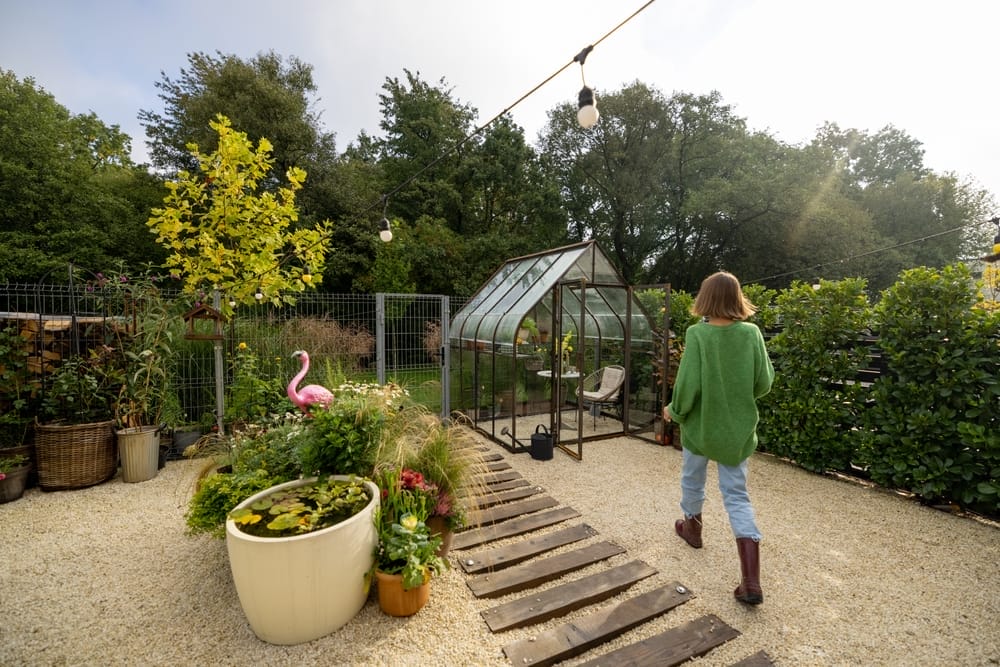
A path in a small yard sounds counterintuitive. It takes up space and forces a grid into a limited area. But a narrow gravel path edged with compact plants guides movement and gives the yard direction. It creates structure where there was none.

Tiny gardens that include a path feel larger because the eye follows the line. Even a short walkway creates the suggestion of zones. It makes the space feel organized rather than crowded.

An Outdoor Shift in Scale

I notice that tiny gardens change how the backyard feels, even when the square footage stays the same. The tiny gardens set boundaries, soften lines, and break up surfaces. Each group of plants works like a hinge. Moves the eye from a tight space to a design. The yard feels less scattered.

I notice that these changes start small and carry weight. These changes show that space constraints do not limit what a backyard can offer. These changes require attention, patience, and a willingness to experiment with scale. Tiny gardens push us to think with precision rather than abundance.

I am curious. What small change made the difference in your own backyard?

What to Read Next…

  • How Homeowners Associations Are Targeting Retirees With Fines
  • Why Are So Many DIY Projects Actually Illegal In Your County
  • 7 Popular Cleaning Products That Can Destroy Your Plumbing
  • The Subtle Home Smells That Real Estate Agents Say Ruin Sales
  • Can You Really Be Fined For Not Shoveling Your Sidewalk Anymore
Travis Campbell
Travis Campbell

Travis Campbell is a digital marketer/developer with over 10 years of experience and a writer for over 6 years. He holds a degree in E-commerce and likes to share life advice he’s learned over the years. Travis loves spending time on the golf course or at the gym when he’s not working.

Filed Under: Home Improvement Tagged With: backyards, design, gardening, Home, outdoor living

Could This Common Gardening Tool Be Considered a Weapon in Your State?

July 18, 2025 by Travis Campbell Leave a Comment

gardening
Image Source: pexels.com

Gardening is a peaceful hobby for many people. You dig, plant, and prune. But what if the tool you use to tend your roses could get you in trouble with the law? It sounds strange, but in some states, a simple gardening tool might be seen as a weapon. This matters because you could face legal problems for carrying or using something you thought was harmless. Knowing the rules can help you avoid fines or even criminal charges. Here’s what you need to know about how your state might treat a gardening tool as a weapon.

1. What Makes a Gardening Tool a Weapon?

A gardening tool becomes a weapon when it’s used or intended to be used to hurt someone. The law often looks at intent and context. For example, a trowel is just a tool in your shed. But if you carry it in your car or use it in a fight, police might see it as a weapon. Some states have broad definitions for “dangerous weapon.” This can include anything that can cause harm, not just guns or knives. So, a gardening tool weapon is not just a theory—it’s a real legal risk in some places.

2. State Laws Vary—A Lot

Every state has its own regulations regarding what constitutes a weapon. In Texas, for example, almost any object can be a weapon if used to hurt someone. In California, the law is more specific, but still includes “blunt objects” and “sharp instruments.” This means a gardening tool weapon could be a real issue, depending on where you live. Some states even have lists of banned items, while others leave it up to police and courts to decide.

3. Carrying Tools in Public Can Raise Questions

If you walk down the street with a shovel or pruning shears, most people won’t care. But if police stop you, they might ask why you have it. If you can’t explain, or if you’re in a place where tools aren’t expected, you could be in trouble. Some states have laws against carrying “concealed weapons,” and a gardening tool weapon could fit that definition if hidden in a bag or under a coat. Always have a good reason for carrying tools in public, and keep them in plain sight if possible.

4. Self-Defense and the “Improvised Weapon” Rule

Many people think they can use anything for self-defense. That’s partly true, but the law is tricky. If you use a gardening tool as a weapon to protect yourself, you must show that it was reasonable and necessary. If you go too far, you could face charges for assault or worse. Courts look at what a “reasonable person” would do. If you use a trowel to stop an attacker, that might be fine. But if you chase someone with a rake, you could be seen as the aggressor.

5. Schools and Public Buildings Have Stricter Rules

Bringing a gardening tool weapon to a school or government building is almost always a bad idea. Many places ban all sharp or heavy objects, even if you have a good reason. If you’re a landscaper or volunteer, check with the building first. Some states have “zero tolerance” policies. This means you could be charged even if you didn’t mean any harm. It’s better to be safe and leave your tools at home unless you have clear permission.

6. Insurance and Liability Issues

If you hurt someone with a gardening tool or weapon, even by accident, you could be sued. Homeowner’s insurance might not cover you if the tool is seen as a weapon. This can lead to big bills for legal fees or damages. Some policies have exclusions for “intentional acts” or “weapons.” Read your policy and ask your agent if you’re not sure. It’s better to know before something happens.

7. What to Do If You’re Questioned by Police

If police stop you with a gardening tool weapon, stay calm. Explain why you have it and where you’re going. Don’t argue or make jokes about weapons. If you’re arrested or charged, ask for a lawyer right away. Don’t try to explain your way out without legal help. The way you handle the situation can significantly impact the outcome.

8. How to Stay Safe and Legal

The best way to avoid trouble is to use common sense. Only carry gardening tools when you need them. Keep them in your trunk or tool bag, not on your person. Don’t use them for anything but gardening. If you’re unsure about your state’s laws, ask a lawyer or check official websites. A little caution can save you a lot of headaches.

Your Garden Tool: Friend or Foe?

A gardening tool weapon might sound odd, but it’s a real legal issue in many states. The law cares about how and why you use the tool, not just what it is. If you use your trowel for planting, you’re fine. If you use it in a fight, you could face charges. Knowing your state’s rules and using common sense can keep you safe and out of trouble. Always treat your tools with respect, and remember that the law might see them differently than you do.

Have you ever had a run-in with the law over a gardening tool? Share your story or thoughts in the comments below.

Read More

15 Tiny Garden Transformations That Will Have Your Neighbors Jealous

6 Home Design Choices That Instantly Lower Your Resale Value

Travis Campbell
Travis Campbell

Travis Campbell is a digital marketer/developer with over 10 years of experience and a writer for over 6 years. He holds a degree in E-commerce and likes to share life advice he’s learned over the years. Travis loves spending time on the golf course or at the gym when he’s not working.

Filed Under: Law Tagged With: financial advisor, gardening, home tools, legal advice, personal safety, self-defense, state laws

FOLLOW US

Search this site:

Recent Posts

  • Can My Savings Account Affect My Financial Aid? by Tamila McDonald
  • 12 Ways Gen X’s Views Clash with Millennials… by Tamila McDonald
  • What Advantages and Disadvantages Are There To… by Jacob Sensiba
  • 10 Tactics for Building an Emergency Fund from Scratch by Vanessa Bermudez
  • Call 911: Go To the Emergency Room Immediately If… by Stephen Kanaval
  • 7 Weird Things You Can Sell Online by Tamila McDonald
  • 10 Scary Facts About DriveTime by Tamila McDonald

Copyright © 2026 · News Pro Theme on Genesis Framework