
• Home
  • About Us
  • Getting Finances Done
    • Hiring Advisors
    • Debt Management
    • Spending Plan
  • Insurance
    • Life Insurance
    • Health Insurance
    • Disability Insurance
    • Homeowners/Renters Insurance
  • Contact Us
  • Our Editorial Commitment

The Free Financial Advisor

You are here: Home / Archives for Holidays

Is Your Retirement Timeline Still Safe If The Market Drops Again Before New Year’s Eve?

December 14, 2025 by Brandon Marcus Leave a Comment

Is Your Retirement Timeline Still Safe If The Market Drops Again Before New Year’s Eve?
Image Source: Shutterstock.com

The clock is ticking toward the end of the year, and suddenly, your retirement plan feels a little more like a roller coaster than a steady climb. Stocks are jittery, headlines are dramatic, and every market dip makes you question whether your carefully plotted timeline is still realistic. For anyone relying on investments to fund their golden years, this is the kind of stress that can sneak up faster than holiday shopping lines.

But before panic sets in, it’s worth taking a step back and examining what a market drop really means for your retirement—and what you can actually do about it. Let’s discuss why short-term swings don’t always spell disaster and how you can keep your financial goals on track.

Market Fluctuations Are More Normal Than You Think

Volatility is the stock market’s middle name. Daily swings, sudden drops, and unexpected rallies happen more often than most investors realize. Even when news cycles make it feel like the sky is falling, history shows that markets tend to recover over time. If your retirement horizon is years or decades away, a brief dip isn’t the same as a permanent setback. Understanding that ups and downs are standard can reduce stress and prevent impulsive decisions that might hurt your long-term plan.

Your Timeline Is A Buffer, Not A Deadline

One of the biggest mistakes people make is thinking their retirement date is carved in stone. In reality, your timeline is flexible, and market drops are part of the financial landscape. Many advisors recommend keeping a buffer—both in years and in savings—to weather periods of low returns. If the market drops before New Year’s Eve, it may slow your growth temporarily, but it rarely derails a carefully structured plan. Adjusting your strategy without abandoning your timeline is often enough to keep your retirement goals intact.

Diversification Can Act As A Safety Net

Relying on a single type of investment is risky, especially when the market dips unexpectedly. Diversification—spreading money across stocks, bonds, and other assets—reduces the impact of sudden declines. Balanced portfolios often smooth out volatility, making market drops less painful. Even if one sector tanks, others can help stabilize your overall growth. This principle is why long-term investors rarely need to hit the panic button during temporary downturns.

Emotional Reactions Can Be Costly

Watching numbers plummet on a screen can trigger fear faster than almost anything else. Emotional investing—selling at the bottom or chasing hot trends—often causes more damage than the market itself. Successful retirement planning requires discipline and perspective, not reactionary moves. Understanding that temporary dips are a normal part of investing helps prevent knee-jerk decisions. Keeping calm and reviewing your plan strategically is almost always more beneficial than acting out of panic.

Emergency Funds And Income Streams Are Your Friends

Having an emergency fund isn’t just for unexpected car repairs or medical bills. It can also be a lifeline if the market takes a nosedive and your investments temporarily underperform. Knowing that you have liquid assets to cover immediate needs removes the pressure to sell investments at the worst possible time. Additionally, other income streams, such as pensions or part-time work, create stability regardless of market fluctuations. These safety nets allow you to let your portfolio recover while still maintaining your lifestyle.

Is Your Retirement Timeline Still Safe If The Market Drops Again Before New Year’s Eve?
Image Source: Shutterstock.com

Reviewing Your Asset Allocation Matters

Your retirement investments shouldn’t be “set it and forget it.” Over time, shifts in the market can cause your portfolio to drift away from your target allocation. Regular reviews help you ensure that your risk level aligns with your timeline and comfort zone. If a market drop causes your stocks to underperform, rebalancing can restore balance and reduce future risk. Staying proactive instead of reactive is key to maintaining both growth and peace of mind.

Long-Term Growth Often Outpaces Short-Term Worries

Even the most dramatic end-of-year drops tend to be smoothed out over time. Historically, markets have recovered from downturns and reached new highs, rewarding patient investors. If your retirement is a decade or more away, today’s dip is a small blip in the larger trajectory. Focusing on consistent contributions and staying invested often beats attempting to time the market. The real advantage comes from compounding returns and letting time do the heavy lifting.

Professional Guidance Can Reduce Anxiety

Working with a financial advisor isn’t just about making money—it’s about managing stress and creating a roadmap. Advisors can provide perspective, suggest adjustments, and help you stick to your plan during turbulent times. Knowing that someone is monitoring your strategy and making informed recommendations gives peace of mind that numbers alone can’t provide. Even brief consultations can help you understand whether a drop is significant or just noise. Professional insight ensures that fear doesn’t drive your financial decisions.

Stay Calm, Stay On Track

Short-term market drops before New Year’s Eve may feel alarming, but they don’t automatically derail your retirement plan. Understanding volatility, keeping your timeline flexible, maintaining diversified investments, and leaning on safety nets can keep your goals intact. Emotional reactions are rarely helpful, and focusing on long-term growth usually wins over panic.

Have you ever faced a market drop that shook your confidence? Share your experiences, strategies, or lessons learned in the comments section below.

You May Also Like…

Retirement Redflag: 6 Withdrawal Moves That Could Drain Your Nest Egg Fast

Calculate Your True Retirement Number Using Our Exclusive Online Tool

New Year, New Credit Score: Tips to Improve Your Financial Health

Why Do Families Pretend They Can Afford the Holidays

Why Must I Pay a Percentage of My Assets Even When Markets Fall Hard?


Brandon Marcus
Brandon Marcus

Brandon Marcus is a writer who has been sharing the written word since a very young age. His interests include sports, history, pop culture, and so much more. When he isn’t writing, he spends his time jogging, drinking coffee, or attempting to read a long book he may never complete.


Filed Under: Retirement Tagged With: Asset Allocation, beginning investors, diversify, emergency funds, Emotional Spending, Holiday Savings, holiday spending, Holidays, income streams, investing, investments, investors, market fluctuations, multiple income streams, reitire, retire, retiree, retirees, Retirement, retirement savings, retirement timeline, saving money, stock market

Debt Alert: 6 Ways Holiday Spending Could Trigger a January Credit Score Crisis

December 14, 2025 by Brandon Marcus Leave a Comment

Here Are The Ways Holiday Spending Could Trigger a January Credit Score Crisis
Image Source: Shutterstock.com

The holidays are supposed to be magical—a time for twinkling lights, festive music, and, of course, gift-giving. But after the last present is unwrapped and the New Year’s confetti settles, reality often hits like a snowball to the face. Credit card statements arrive, debt balances loom, and suddenly, that cozy holiday cheer feels a lot more like financial panic. Even responsible spenders can fall into traps that quietly tank their credit score before January is over.

The problem is that holiday spending isn’t just about overspending—it’s about how small decisions compound in ways most people never anticipate.

1. Maxing Out Credit Cards Without A Repayment Plan

It’s tempting to swipe without thinking when stores are decked out in lights and promotions are everywhere. Unfortunately, maxing out your credit cards over the holidays can dramatically affect your credit utilization ratio, one of the most important factors in your score. High balances relative to your credit limit send a signal to lenders that you might be overextended. Even if you pay the balance off quickly, the timing of reporting can mean your January statement still shows a maxed-out card. Without a clear repayment plan, what felt like a festive splurge can quickly turn into a credit score nightmare.

2. Racking Up Multiple Store Credit Cards

Those “instant approval” offers at checkout might seem harmless—or even smart if they come with a discount. The reality is that opening multiple store credit cards in a short period can ding your credit score in multiple ways. Each application triggers a hard inquiry, which can shave points off your score temporarily. The added new accounts also reduce the average age of your credit history, another factor lenders evaluate. While one or two cards might be manageable, a stack of plastic can make January feel more stressful than celebratory.

3. Missing Minimum Payments During Holiday Chaos

Holiday schedules are hectic, and bills can slip through the cracks. Missing a minimum payment—even by a few days—can have a surprisingly large impact on your credit score. Late payments are reported to credit bureaus and can linger on your report for years. The stress of managing gifts, parties, and travel often means people forget to prioritize monthly bills. Staying organized and setting reminders is critical; otherwise, that cheerful December spending spree can echo as a January credit disaster.

4. Overreliance On Buy Now, Pay Later Options

Buy Now, Pay Later (BNPL) services are everywhere, making it tempting to spread out payments over weeks or months. But while the idea feels harmless, these services can quietly affect your creditworthiness. Missing a payment or delaying your repayment can trigger late fees and potential credit reporting consequences. Even when you pay on time, juggling multiple BNPL plans can lead to a confusing financial picture that increases stress and risk. It’s easy to underestimate the impact until the first statement arrives in January—then panic sets in.

5. Ignoring Existing Debt When Holiday Shopping

It’s easy to get caught up in gift lists and holiday deals, but ignoring pre-existing debt can be dangerous. Adding new balances on top of old ones increases your total debt load and raises your credit utilization across all cards. Lenders see this as a higher risk, and your credit score can drop as a result. Even if your spending seems reasonable, failing to account for ongoing obligations can create a compounding effect. Keeping track of both old and new debt is essential to avoid a post-holiday financial hangover.

6. Not Monitoring Credit Reports Until It’s Too Late

After the holiday rush, many people don’t check their credit reports until something goes wrong. The problem is that errors, overlooked balances, or unexpected charges can silently damage your score if you’re not paying attention. Monitoring your credit allows you to catch issues early, dispute errors, and plan repayment strategies before they spiral. Waiting until January to see your credit score can be a rude awakening. Staying proactive during and after the holidays is key to preventing a financial headache you could have avoided.

Here Are The Ways Holiday Spending Could Trigger a January Credit Score Crisis
Image Source: Shutterstock.com

Stay Ahead Of The Holiday Hangover

The holidays are meant to be joyful, but without careful planning, they can also trigger a credit score crisis that lasts well into the new year. From maxed-out cards to missed payments and Buy Now, Pay Later traps, even well-intentioned spending can have long-term consequences.

Awareness is the first step—recognizing how decisions made in December can affect January and beyond allows you to act before the damage is done. By planning, tracking, and staying organized, it’s possible to enjoy the season without financial regrets.

Have you ever experienced a post-holiday credit surprise? Share your stories, tips, or cautionary tales in the comments section below—we want to hear your experiences.

You May Also Like…

6 Credit Mistakes That Redditors Confess Cost Them Thousands

8 “Harmless” Daily Habits That Are Secretly Wrecking Your Credit Score

The Medical Bill Mistake That Can Cripple Your Credit for a Decade

Accelerate Your Debt Repayment Using Our Powerful Snowball Method.

6 Sneaky Financial Risks Hiding in Holiday Spending


Brandon Marcus
Brandon Marcus

Brandon Marcus is a writer who has been sharing the written word since a very young age. His interests include sports, history, pop culture, and so much more. When he isn’t writing, he spends his time jogging, drinking coffee, or attempting to read a long book he may never complete.

Filed Under: Debt Management Tagged With: average joe debt, avoiding debt, avoiding overspending, buy now pay later, credit, Credit card debt, credit cards, credit repair, credit report, credit score, Debt, debt advice, debt alerts, debt collections, Debt Collectors, debt consolidation, Debt Management, gift-giving, Holiday, holiday spending, Holidays, repayment plans, Smart Spending, spending

Market Calm: 4 Quiet Moves Wealthy Clients Are Making Before the Holidays

December 14, 2025 by Brandon Marcus Leave a Comment

Here Are The Quiet Moves Wealthy Clients Are Making Before the Holidays
Image Source: Shutterstock.com

As the holiday season approaches, the markets have a way of feeling like a slow-moving storm—predictable enough to prepare for, but unpredictable enough to keep you on your toes. For most investors, it’s a time of cautious optimism, holiday cheer, and a few lingering worries about portfolio performance. But the wealthiest clients aren’t just sitting back with eggnog in hand. They’re making quiet, deliberate moves that fly under the radar while the rest of the market focuses on festive distractions.

These strategies aren’t flashy, but they’re clever, effective, and reveal how high-net-worth investors think differently about money, timing, and opportunity.

1. Rebalancing Portfolios With Surgical Precision

Wealthy investors rarely let their portfolios drift aimlessly. Before the holidays, many take a step back to review their holdings and rebalance with surgical precision. They aren’t just selling the underperformers or buying the winners—they’re adjusting allocations to align with long-term goals while capitalizing on seasonal market patterns. By rebalancing now, they reduce risk, capture gains, and prepare their investments for the first quarter of the next year. Unlike casual investors who check their accounts sporadically, these clients approach rebalancing as a strategic ritual that maintains control and calm in a market that can otherwise feel chaotic.

2. Tax-Efficient Moves To Lock In Gains

High-net-worth investors are always mindful of taxes, especially when the year is coming to a close. Quietly, many are harvesting gains or losses in a way that minimizes their tax exposure while positioning themselves for future growth. This isn’t about panic selling—it’s about intelligent timing and understanding which moves make sense in a broader financial picture. The holidays are often a time to assess what’s worked and what hasn’t, and to act in ways that protect wealth while preparing for new opportunities. By planning these moves discreetly, they avoid the noise of market hype and maintain flexibility heading into the new year.

Here Are The Quiet Moves Wealthy Clients Are Making Before the Holidays
Image Source: Shutterstock.com

3. Strategic Cash Positioning For Early-Year Opportunities

Wealthy clients understand that liquidity is power. As the holiday season winds down, many are quietly increasing their cash positions, not out of fear, but to ensure they have dry powder for strategic investments early in the next year. This allows them to take advantage of market dips, special offerings, or private deals that less-prepared investors might miss. It’s a calm, patient approach: they don’t chase trends but position themselves to move decisively when opportunities appear. By being proactive now, they transform uncertainty into leverage, keeping their portfolios both flexible and resilient.

4. Review And Fine-Tune Long-Term Plans

While the public is distracted by year-end parties, wealthy clients are reviewing their broader financial plans. They’re looking at estate strategies, philanthropic commitments, retirement allocations, and other long-term goals that require careful attention. The holidays provide a natural pause—a time to check progress without the constant day-to-day noise of market movements. This review often leads to small, quiet adjustments that compound into significant advantages over time. It’s a methodical, deliberate approach that reinforces the principle that wealth management is not just about reacting to the market—it’s about designing it thoughtfully.

Learn From Quiet Strategies

While the average investor might focus on seasonal trends, flashy predictions, or panic-driven decisions, wealthy clients are quietly shaping their financial future with calm, deliberate actions. Rebalancing portfolios, making tax-efficient moves, positioning cash strategically, and reviewing long-term plans are subtle yet powerful practices that can make a dramatic difference. Observing these behaviors offers a masterclass in thoughtful, patient wealth management, especially during a time of year when emotions often run high.

Have you tried implementing any of these strategies in your own investing or financial planning? Share your experiences, tips, or holiday-season investing stories in the comments section below.

You May Also Like…

Why Young People Should Invest In The Stock Market

Why Must I Pay a Percentage of My Assets Even When Markets Fall Hard?

5 Valuable Lessons Learned From Market Crashes Historically

How Much Money Is Enough to Be Considered Truly Wealthy Nowadays?

7 Money Lessons Baby Boomers Taught That Still Build Wealth


Brandon Marcus
Brandon Marcus

Brandon Marcus is a writer who has been sharing the written word since a very young age. His interests include sports, history, pop culture, and so much more. When he isn’t writing, he spends his time jogging, drinking coffee, or attempting to read a long book he may never complete.

Filed Under: Lifestyle Tagged With: cash positioning, gains, holiday spending, Holidays, investing, investments, investors, Life, Lifestyle, overspending, portfolios, Smart Spending, spending, spending strategies, Wealth, wealthy clients, wealthy investors

What Financial Gifts Can You Give Your Kids For The Holidays?

December 13, 2025 by Brandon Marcus Leave a Comment

What Financial Gifts Can You Give Your Kids For The Holidays?
Image Source: Shutterstock.com

The holidays are approaching, and while toys and gadgets are always fun, there’s a gift that keeps giving long after the wrapping paper is gone: financial literacy. Teaching kids about money doesn’t have to be boring or preachy—it can be exciting, hands-on, and even a little competitive. Imagine them learning the value of saving, investing, or budgeting while laughing, playing, or reaching small milestones.

Financial gifts give kids practical skills, confidence, and a head start for adulthood, all wrapped up in one festive package. Let’s explore some creative ways to give your kids money smarts this holiday season.

Savings Accounts That Grow With Them

Opening a savings account in your child’s name can be surprisingly thrilling for them. It’s not just about putting money in a bank—it’s about teaching them patience and watching their balance grow over time. Kids love seeing their progress, and online banking apps make it easy to visualize interest and deposits. Parents can set small goals, like saving for a special toy or experience, which makes the process interactive. Over time, children develop a sense of pride and responsibility for their own money.

Investment Accounts For A Head Start

Introducing your kids to investing doesn’t have to be intimidating or full of jargon. Many apps and custodial accounts allow parents to invest small amounts in stocks or ETFs for their children. This hands-on experience teaches them about compound interest, market ups and downs, and long-term thinking. Kids can learn the difference between short-term wants and long-term growth in a way that games or simulations simply can’t replicate. It’s a fun and educational gift that could grow into a significant financial foundation by the time they reach adulthood.

Financial Literacy Books That Actually Engage

Books about money can be a surprisingly magical gift if chosen correctly. Titles aimed at children use stories, colorful illustrations, and relatable characters to explain complex financial ideas in a fun way. Topics like saving, budgeting, and entrepreneurship become accessible and even entertaining. Reading about financial lessons can spark conversations that last weeks, reinforcing real-life applications. Kids absorb knowledge best when it’s presented like a story rather than a lecture.

Piggy Banks That Make Saving Fun

Traditional piggy banks are no longer just ceramic boxes on a shelf—they’ve evolved into interactive tools for teaching money habits. Some modern versions track deposits digitally, assign goals, or even offer challenges for kids to meet. By visualizing how money grows as they save, children develop habits that stick far longer than the holiday season. Turning saving into a game encourages consistency and excitement. Simple, playful, and interactive, a piggy bank can be a surprisingly powerful teaching tool.

Gift Cards With Purpose

A gift card might seem ordinary, but it can become a financial lesson in disguise. Giving a gift card and pairing it with a budgeting challenge teaches kids to make decisions about how to spend wisely. They learn about priorities, delayed gratification, and managing limited resources. Parents can even create mini-experiments, like splitting the gift card into multiple uses or saving part for a future purchase. This method mixes immediate fun with practical financial lessons.

What Financial Gifts Can You Give Your Kids For The Holidays?
Image Source: Shutterstock.com

Start A Holiday Savings Challenge

Why not turn saving into a family event during the holidays? Encourage kids to save a portion of any gifts or allowances they receive into a special holiday fund. You can make it exciting by tracking progress visually on a chart or having small rewards for milestones achieved. This gives them a sense of accomplishment and reinforces that saving is an ongoing process, not just a one-time activity. Making saving social, competitive, or celebratory keeps kids engaged and motivated.

Experiences That Teach Money Management

Experiences can be as financially educational as tangible gifts. For example, tickets to a kid-friendly business workshop, entrepreneurship camp, or even a mini investing seminar teach money skills in a fun environment. Participating in real-world activities gives children context for abstract concepts like profit, loss, or budgeting. They also learn the value of investing time and effort alongside money. Experiences combine excitement, learning, and lasting memories that can inspire smarter financial habits.

Encourage Small Business Projects

One of the most empowering financial gifts is teaching kids how to earn their own money. Setting up a small holiday business, like a lemonade stand, handmade crafts, or baked goods, teaches planning, sales, and basic accounting. Parents can guide without taking over, giving kids ownership of their work and earnings. These projects are hands-on lessons in value creation, customer service, and managing profits. They also build confidence and resilience alongside money smarts.

Subscription Boxes With A Financial Twist

Some subscription boxes are specifically designed to teach financial literacy through interactive tools and challenges. Monthly kits can include games, activities, and lessons about money, entrepreneurship, and investing. Kids look forward to new surprises each month while learning practical skills. The continuity of a subscription box reinforces habit-building in a fun, engaging way. It’s a gift that grows with your child while keeping lessons dynamic and memorable.

Make Financial Gifts Fun And Memorable

Giving financial gifts doesn’t have to feel like a lecture or a chore. By combining creativity, interactivity, and real-world applications, you can make money lessons exciting, engaging, and impactful. From savings accounts to entrepreneurial projects, each gift teaches children skills that last far beyond the holiday season. Over time, these gifts help kids understand money, build confidence, and make smarter decisions as they grow.

Share your favorite ways to give financial gifts or the lessons your children have learned in the comments section below.

You May Also Like…

Why Do Families Pretend They Can Afford the Holidays

6 Sneaky Financial Risks Hiding in Holiday Spending

Why Do Families Overspend During the Holidays

Holiday Trap: 6 Gift-Spending Mistakes That Could Wreck Your Budget

How Can Cash Gifts Trigger Unexpected Tax Bills


Brandon Marcus
Brandon Marcus

Brandon Marcus is a writer who has been sharing the written word since a very young age. His interests include sports, history, pop culture, and so much more. When he isn’t writing, he spends his time jogging, drinking coffee, or attempting to read a long book he may never complete.

Filed Under: gift guide Tagged With: cash gifts, children., Family, financial gifts, financial literacy, Gift, gift cards, Gift guide, gift ideas, gift-giving, gifts, holiday gift giving, Holiday Savings, holiday spending, Holidays, investment accounts, kids, piggy banks, saving money, savings, savings accounts

Savings Game: 5 Ways to Boost Your Emergency Fund Before December Ends

December 12, 2025 by Brandon Marcus Leave a Comment

Here Are Ways to Boost Your Emergency Fund Before December Ends
Image Source: Shutterstock.com

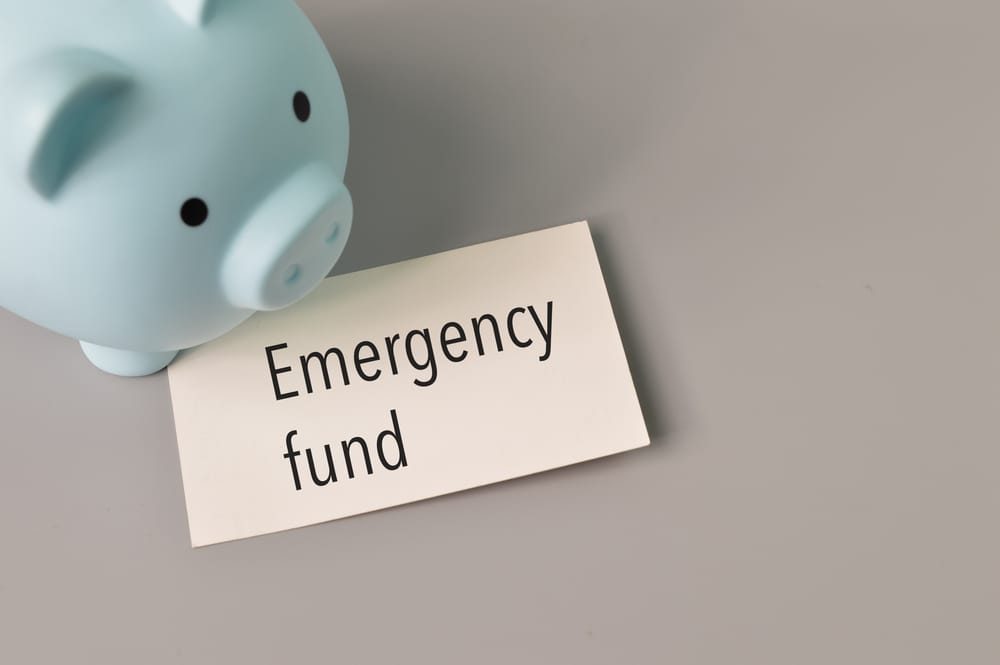
The year is almost over, and if your emergency fund is still looking like it went on a permanent vacation, it’s time to play catch-up. December might feel like chaos with holiday shopping, end-of-year parties, and that never-ending to-do list, but it’s also the perfect moment to give your savings a turbo boost. Think of your emergency fund as a financial superhero—it swoops in when life throws unexpected bills your way.

The more you can stockpile before the clock strikes midnight on December 31st, the stronger your shield will be.

1. Automate Micro-Savings Without Feeling It

Small changes can add up faster than you think. Apps, banks, and budgeting tools make it easy to automatically funnel tiny amounts from each paycheck into your emergency fund. Even $5 or $10 per week grows quietly in the background, and before you know it, you’ve built a nice cushion without stressing your regular spending. The beauty of micro-savings is that it’s almost invisible—you won’t miss the money, but your fund will definitely notice. Set it, forget it, and watch your account swell like a snowball rolling downhill.

2. Turn Holiday Extras Into Savings

Holidays bring bonuses, gift cards, or unexpected extra cash, and most people immediately think “spend it all.” Flip the script: dedicate a portion—or all—of these extras straight to your emergency fund. That bonus you weren’t counting on? Boom—fund boosted. That gift card from Aunt Linda that’s been sitting in your drawer? Deposit its cash value and watch your savings grow. Using “found” money keeps your regular budget intact while giving your fund a surprise injection of power.

3. Side Hustle For Extra Fuel

Even just a few hours of extra work can do wonders for your emergency fund. Freelancing, pet sitting, delivery apps, or selling items you no longer need can create a small windfall that goes straight into savings. The key is treating this income as sacred—resist the urge to spend it on extra lattes or impulse gifts. Put it all in one place and let it build a safety net that feels almost unstoppable. By December’s end, even a mini side hustle can feel like a financial power-up.

Here Are Ways to Boost Your Emergency Fund Before December Ends
Image Source: Shutterstock.com

4. Cut Tiny Luxuries And Redirect Them

Sometimes the biggest boost comes from noticing small leaks in your spending. Daily coffee runs, streaming extras, or subscription services you forgot you had might be quietly draining your account. Pause or trim those tiny indulgences and funnel that money directly into your emergency fund. It may seem small at first, but these little sacrifices multiply fast, and your fund will thank you. Over a few weeks, redirecting just $10–$15 a day can make a surprising dent in your year-end goal.

5. Cash-Back And Rewards Can Be Your Secret Weapon

Credit card rewards, store cash-back programs, and loyalty points aren’t just for shopping—they can be secret allies for your emergency fund. Convert points, rewards, or cashback into actual money and deposit it straight into savings. This method turns everyday spending into a savings game where you win for doing what you were already doing. You don’t need extra effort, just a strategic mindset. By using your rewards wisely, even routine purchases can become a fast-track boost for your fund before the year ends.

Level Up Your Savings Before December Ends

Boosting your emergency fund before December isn’t about depriving yourself or working around the clock. It’s about being intentional, creative, and a little strategic with your money. Micro-savings, holiday extras, side hustles, spending tweaks, and smart use of rewards all combine to create a stronger, safer financial cushion.

And the best part? These habits don’t just help this month—they set you up for a healthier, more resilient 2026. What strategies have you tried to grow your emergency fund? Share your tips, wins, or funny fails in the comments section.

You May Also Like…

Deadline Countdown: 11 Smart Moves Every Wealth-Seeker Should Do in December

Build an Ironclad Emergency Fund That Can Withstand Any Crisis

9 Ways People Screw Up Emergency Funds — Even When They Have Good Intentions

11 Things You Should Have in a “Grab-and-Go” Financial Binder for Emergencies

Holiday Trap: 6 Gift-Spending Mistakes That Could Wreck Your Budget


Brandon Marcus
Brandon Marcus

Brandon Marcus is a writer who has been sharing the written word since a very young age. His interests include sports, history, pop culture, and so much more. When he isn’t writing, he spends his time jogging, drinking coffee, or attempting to read a long book he may never complete.

Filed Under: saving money Tagged With: December, emergency fund, emergency funds, Holiday Savings, holiday spending, Holidays, micro-savings, Money, money issues, overspending, saving accounts, saving money, savings, side hustle, Smart Spending, spending

Holiday Trap: 6 Gift-Spending Mistakes That Could Wreck Your Budget

December 10, 2025 by Brandon Marcus Leave a Comment

Here Are 6 Gift-Spending Mistakes That Could Wreck Your Budget
Image Source: Shutterstock.com

The holiday season has a magical way of turning even the most disciplined spender into a wide-eyed, wallet-wielding gift enthusiast. Suddenly every sale looks irresistible, every ad feels personal, and every shopping cart fills itself as if controlled by a festive spirit with questionable financial judgment. The pressure to deliver the “perfect gift” can push people into overspending before they even notice what’s happening.

If you’ve ever looked at your January bank statement and wondered whether a group of elves secretly borrowed your debit card, you’re not alone. Holiday spending mistakes are easy to make—but thankfully, they’re also easy to avoid once you know exactly what traps to watch out for.

1. Falling For “Limited-Time” Urgency Hype

Retailers know that a ticking clock triggers panic, and panic triggers purchases. When you see banners shouting phrases like “Only Two Hours Left!” or “Final Chance!” your brain shifts into impulse mode instead of logic mode. The problem is that many of these so-called limited-time deals quietly return days later, disguised as brand-new promotions. Shoppers often rush to buy before thinking about whether the gift is actually needed or whether the price is really a bargain. Taking a moment to step back and breathe can save you from wasting money on items that felt urgent but weren’t worth the rush.

2. Forgetting To Set A Real Spending Plan

Most people enter the holiday season with a mental note that says “Don’t overspend,” but that’s not an actual plan. Without clear limits, it becomes incredibly easy to justify a few extra gifts here and there. A simple list of who you’re buying for and how much you’ll spend on each person can keep your budget from unraveling. When you don’t define boundaries, you end up reacting emotionally instead of budgeting intentionally. A bit of structure doesn’t kill holiday spirit—it keeps the joy high and the money stress low.

Here Are 6 Gift-Spending Mistakes That Could Wreck Your Budget
Image Source: Shutterstock.com

3. Equating Price With Love Or Generosity

One of the sneakiest money traps is the belief that the more you spend, the more meaningful the gift. This mindset quietly drains bank accounts because it convinces shoppers that a modest or inexpensive present isn’t “enough.” The truth is that thoughtful gifts often carry more weight than pricey ones, and nobody who genuinely appreciates you is measuring your affection by a receipt. People end up overspending to impress others or avoid judgment, even when no one asked for expensive presents in the first place. When your budget takes a hit, the guilt that follows usually outlasts any brief moment of gift-giving glory.

4. Ignoring Small Add-Ons That Quietly Pile Up

Holiday shopping carts have a strange habit of attracting add-ons like ornaments, stocking stuffers, candles, candy, cards, and gift-wrap supplies. Each item seems cheap on its own, but together they can topple your budget faster than a holiday cookie tower. These small extras feel harmless, so you toss them in without realizing they multiply your total.

By the time you reach checkout, your bill looks like it belongs to someone shopping for a large family holiday reunion—even if you’re only buying for a few people. Becoming aware of these sneaky add-ons is one of the simplest ways to avoid a budget blowout.

5. Overcommitting To Holiday Social Obligations

Holiday gatherings, office gift exchanges, community events, and last-minute dinner invitations can all tug at your wallet. People feel pressured to bring gifts, buy outfits, contribute food, or participate in exchanges they didn’t plan for. The result is a long list of unplanned expenses that chip away at your financial stability. Most of these commitments are optional, but they don’t always feel that way when you’re caught up in the holiday whirlwind. Learning to say no—or choosing lower-cost alternatives—keeps you from draining your budget out of sheer obligation.

6. Waiting Until The Last Minute To Shop

Procrastinating during the holidays is practically a tradition, but it’s an expensive one. When you shop at the last minute, you lose your ability to compare prices, hunt for deals, or even think clearly about what you’re buying.

With time running out, you grab whatever looks acceptable and hope for the best, usually paying full price without hesitation. Last-minute panic-buying is one of the fastest ways to torch your budget. Planning ahead, even slightly, can break the cycle and save you a surprising amount of money.

Take Control Of Your Holiday Spending Before It Takes Control Of You

Holiday gift-giving should be joyful, heartfelt, and fun—not a financial hangover waiting to happen. By recognizing the subtle (and not-so-subtle) money traps of the season, you can keep your celebrations merry without throwing your budget into chaos. Remember that thoughtful planning beats last-minute panic, and smart spending beats emotional buying every time.

Now it’s your turn: have you ever fallen into one of these holiday traps? Share your stories, lessons, or tips for smarter spending in the comments for others to hear.

You May Also Like…

6 Sneaky Financial Risks Hiding in Holiday Spending

Why Do Families Overspend During the Holidays

Could Being Too Generous With Gifts Destroy Your Budget

Here’s Why Your Expensive Gifts Don’t Matter to Most People

Expense Mindset: 5 Budgeting Habits High-Net Individuals Use


Brandon Marcus
Brandon Marcus

Brandon Marcus is a writer who has been sharing the written word since a very young age. His interests include sports, history, pop culture, and so much more. When he isn’t writing, he spends his time jogging, drinking coffee, or attempting to read a long book he may never complete.
Filed Under: Budgeting Tagged With: Budget, Budgeting Tips, budgets, gift-giving, gifts, Holiday, holiday budget, Holidays, Money, money issues, money matters, overspending, Smart Spending, spending

10 Things You Should NEVER Ask Your In-Laws During the Holidays

May 25, 2025 by Travis Campbell Leave a Comment

family at holidays
Image Source: pexels.com

The holidays are a time for family, food, and—let’s be honest—a little bit of stress. Whether you’re newly married or have been part of the family for years, navigating conversations with your in-laws can feel like walking through a minefield. One wrong question can turn a cozy dinner into an awkward silence or a heated debate. That’s why knowing what not to ask your in-laws during the holidays is just as important as knowing what gifts to bring. If you want to keep the peace and enjoy your time together, steer clear of these ten conversation landmines. Your future self (and your spouse) will thank you.

1. How Much Money Do You Make?

Money is notoriously sensitive, especially during the holidays when financial stress is already high. Asking your in-laws about their income can come off as intrusive or even judgmental. According to CNBC, discussing salaries is one of the top social taboos. Instead, focus on shared experiences or holiday traditions—topics that bring people together rather than divide them.

2. When Are You Going to Retire?

Retirement is a deeply personal decision, influenced by health, finances, and personal goals. Pressuring your in-laws about their retirement plans can make them feel judged or anxious about their future. If they want to share their plans, they will. Until then, let them enjoy the present moment without feeling like they’re on a timeline.

3. Why Don’t You Visit Us More Often?

It’s natural to want more family time, but this question can sound accusatory. Your in-laws may have their own commitments, health issues, or simply prefer a quieter lifestyle. Instead of putting them on the spot, express how much you enjoy their company and leave the invitation open for future visits.

4. Are You Still on That Diet?

Food is at the heart of most holiday gatherings, but commenting on someone’s eating habits can be uncomfortable. Whether your in-laws are trying a new diet or have dietary restrictions, avoid drawing attention to it. Respect their choices and offer a variety of options without making it a topic of conversation.

5. When Are You Giving Us Grandchildren?

This is a classic holiday faux pas. Questions about family planning are deeply personal and can be painful for couples struggling with infertility or those who have chosen not to have children. According to Psychology Today, such questions can cause unnecessary stress and anxiety. Let your in-laws share news on their own terms, if and when they’re ready.

6. Who Did You Vote For?

Politics can be a powder keg, especially during family gatherings. Even if you think you know your in-laws’ views, bringing up politics can quickly escalate into an argument. The holidays are a time to focus on what unites you, not what divides you. If the topic comes up, try to steer the conversation toward common ground or shared values.

7. How Much Did That Cost?

Whether it’s a new car, a kitchen remodel, or a fancy vacation, asking about the price tag can make your in-laws uncomfortable. It can come across as nosy or even envious. Instead, compliment their taste or ask about the experience. This keeps the conversation positive and avoids any awkwardness about finances.

8. Why Don’t You Talk to [Other Family Member] Anymore?

Family dynamics can be complicated, and bringing up old conflicts is rarely productive. Asking your in-laws about estranged relatives can reopen wounds or create tension at the table. If they want to discuss family issues, let them. Otherwise, focus on building positive memories together.

9. Are You Feeling, Okay? You Look Tired.

While you may be genuinely concerned, comments about someone’s appearance can be misinterpreted. Your in-laws might feel self-conscious or think you’re criticizing them. If you’re worried about their health, check in privately and offer support without making it public.

10. Can You Lend Us Some Money?

Asking for financial help during the holidays is a surefire way to create tension. Even if your in-laws are generous, this request can make them uncomfortable. If you’re facing financial difficulties, consider seeking advice from a financial advisor or exploring other resources. The holidays should be about connection, not transactions.

Keeping the Holidays Joyful and Drama-Free

Navigating holiday conversations with your in-laws doesn’t have to be stressful. By avoiding these ten questions, you can help create a warm, welcoming atmosphere where everyone feels respected and valued. Remember, the best holiday memories are made when we focus on kindness, understanding, and shared joy. If you’re ever in doubt about a topic, err on the side of caution and choose conversations that bring people together.

What’s the most awkward question you’ve ever been asked at a family gathering? Share your story in the comments below!

Read More

10 Things You Should NEVER Say In Front of Your In-Laws

8 Things You Should Never Offer Your Family Even If They Ask

Travis Campbell
Travis Campbell

Travis Campbell is a digital marketer/developer with over 10 years of experience and a writer for over 6 years. He holds a degree in E-commerce and likes to share life advice he’s learned over the years. Travis loves spending time on the golf course or at the gym when he’s not working.

Filed Under: relationships Tagged With: Conversation Tips, family advice, family gatherings, holiday etiquette, holiday stress, Holidays, in-laws, relationships

How To Sell Your House During The Holidays – 2 Guys and Your Money 58

December 11, 2013 by Joe Saul-Sehy Leave a Comment

You’ve read the article on our site….now let’s discuss it on our podcast!

Everyone says the holiday season is a horrible time to try and sell a home….but we think you can use the festive atmosphere to your advantage. How do you sell a house during the holidays? We share some tips and tricks to help you hurdle holiday challenges and turn them into assets.

Show Notes

<> Open

<> Jemstep.com – How is your portfolio organized? If your answer is “I’m not sure,” maybe it’s time to check out Jemstep before the end of the year. Visit the site here….take a free tour. Use promo code STACK to score a free month!

<> How to Sell Your House During the Holidays

Photo of Joe Saul-Sehy
Joe Saul-Sehy

Joe is a former financial advisor and media representative for American Express and Ameriprise. He was the “Money Man” at Detroit television WXYZ-TV, appearing twice weekly. He’s also appeared in Bride, Best Life, and Child magazines, the Los Angeles Times, Chicago Sun-Times, Detroit News and Baltimore Sun newspapers and numerous other media outlets.  Joe holds B.A Degrees from The Citadel and Michigan State University.

joesaulsehy.com/

Filed Under: Podcast Tagged With: Christmas, December, Holidays, Home, Sell house

Surprising Mother’s Day Facts

May 9, 2013 by Joe Saul-Sehy 23 Comments


Mother’s Day is almost here. Did you buy flowers? Plan something special? Remember that Mother’s Day doesn’t have to be expensive to be fun…it needs to be personal and warm. If you think that expensive equals expensive and warm, I’d say that….yes…..you’ve drank the consumerism Kool-Aid.

This was too good to pass up. Here are some surprising Mother’s Day facts that you can share with the family (I recommend the ones about sex….follow up that conversation with religion and politics…..).

Enjoy!

mothers_day_2013

Infographic brought to you by: Rather-Be-Shopping.com


What’s your favorite Mother’s Day memory?

Enhanced by Zemanta
Photo of Joe Saul-Sehy
Joe Saul-Sehy

Joe is a former financial advisor and media representative for American Express and Ameriprise. He was the “Money Man” at Detroit television WXYZ-TV, appearing twice weekly. He’s also appeared in Bride, Best Life, and Child magazines, the Los Angeles Times, Chicago Sun-Times, Detroit News and Baltimore Sun newspapers and numerous other media outlets.  Joe holds B.A Degrees from The Citadel and Michigan State University.

joesaulsehy.com/

Filed Under: Meandering Tagged With: Family, Greeting card, Holidays, Home, Mother, mothers day, surprising

  • « Previous Page
  • 1
  • 2

Follow Us

Search this site:

Recent Posts

  • Can My Savings Account Affect My Financial Aid? by Tamila McDonald
  • 12 Ways Gen X’s Views Clash with Millennials… by Tamila McDonald
  • What Advantages and Disadvantages Are There To… by Jacob Sensiba
  • 10 Tactics for Building an Emergency Fund from Scratch by Vanessa Bermudez
  • Call 911: Go To the Emergency Room Immediately If… by Stephen Kanaval
  • 7 Weird Things You Can Sell Online by Tamila McDonald
  • 10 Scary Facts About DriveTime by Tamila McDonald

Copyright © 2026 · News Pro Theme on Genesis Framework