• Home
  • About Us
  • Toolkit
  • Getting Finances Done
    • Hiring Advisors
    • Debt Management
    • Spending Plan
  • Insurance
    • Life Insurance
    • Health Insurance
    • Disability Insurance
    • Homeowners/Renters Insurance
  • Contact Us
  • Risk Tolerance Quiz
  • Our Editorial Commitment

The Free Financial Advisor

You are here: Home / Archives for avoiding overspending

Debt Alert: 6 Ways Holiday Spending Could Trigger a January Credit Score Crisis

December 14, 2025 by Brandon Marcus Leave a Comment

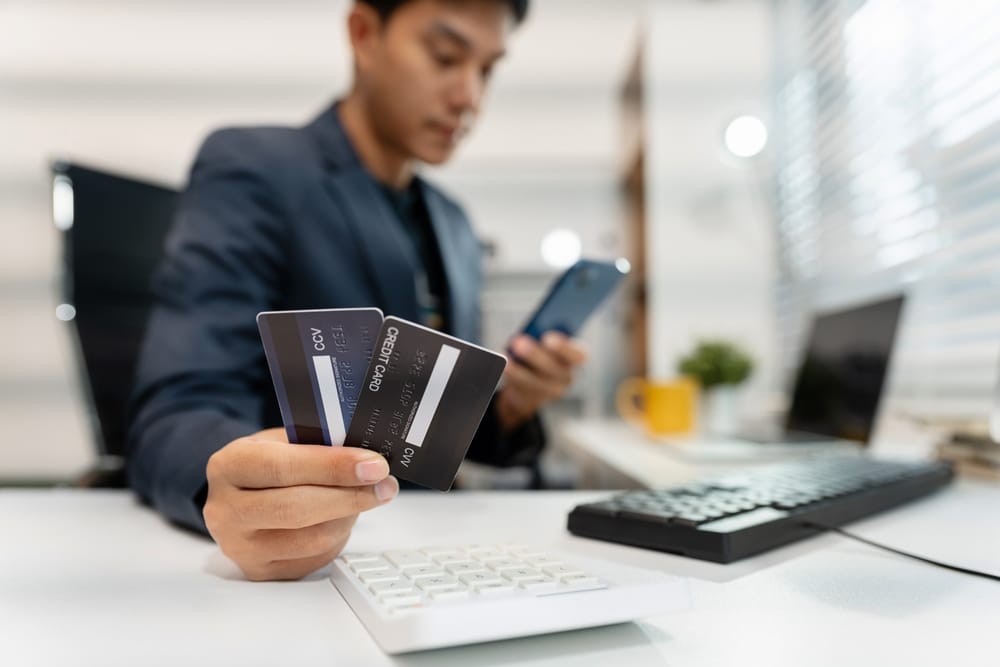
Here Are The Ways Holiday Spending Could Trigger a January Credit Score Crisis
Image Source: Shutterstock.com

The holidays are supposed to be magical—a time for twinkling lights, festive music, and, of course, gift-giving. But after the last present is unwrapped and the New Year’s confetti settles, reality often hits like a snowball to the face. Credit card statements arrive, debt balances loom, and suddenly, that cozy holiday cheer feels a lot more like financial panic. Even responsible spenders can fall into traps that quietly tank their credit score before January is over.

The problem is that holiday spending isn’t just about overspending—it’s about how small decisions compound in ways most people never anticipate.

1. Maxing Out Credit Cards Without A Repayment Plan

It’s tempting to swipe without thinking when stores are decked out in lights and promotions are everywhere. Unfortunately, maxing out your credit cards over the holidays can dramatically affect your credit utilization ratio, one of the most important factors in your score. High balances relative to your credit limit send a signal to lenders that you might be overextended. Even if you pay the balance off quickly, the timing of reporting can mean your January statement still shows a maxed-out card. Without a clear repayment plan, what felt like a festive splurge can quickly turn into a credit score nightmare.

2. Racking Up Multiple Store Credit Cards

Those “instant approval” offers at checkout might seem harmless—or even smart if they come with a discount. The reality is that opening multiple store credit cards in a short period can ding your credit score in multiple ways. Each application triggers a hard inquiry, which can shave points off your score temporarily. The added new accounts also reduce the average age of your credit history, another factor lenders evaluate. While one or two cards might be manageable, a stack of plastic can make January feel more stressful than celebratory.

3. Missing Minimum Payments During Holiday Chaos

Holiday schedules are hectic, and bills can slip through the cracks. Missing a minimum payment—even by a few days—can have a surprisingly large impact on your credit score. Late payments are reported to credit bureaus and can linger on your report for years. The stress of managing gifts, parties, and travel often means people forget to prioritize monthly bills. Staying organized and setting reminders is critical; otherwise, that cheerful December spending spree can echo as a January credit disaster.

4. Overreliance On Buy Now, Pay Later Options

Buy Now, Pay Later (BNPL) services are everywhere, making it tempting to spread out payments over weeks or months. But while the idea feels harmless, these services can quietly affect your creditworthiness. Missing a payment or delaying your repayment can trigger late fees and potential credit reporting consequences. Even when you pay on time, juggling multiple BNPL plans can lead to a confusing financial picture that increases stress and risk. It’s easy to underestimate the impact until the first statement arrives in January—then panic sets in.

5. Ignoring Existing Debt When Holiday Shopping

It’s easy to get caught up in gift lists and holiday deals, but ignoring pre-existing debt can be dangerous. Adding new balances on top of old ones increases your total debt load and raises your credit utilization across all cards. Lenders see this as a higher risk, and your credit score can drop as a result. Even if your spending seems reasonable, failing to account for ongoing obligations can create a compounding effect. Keeping track of both old and new debt is essential to avoid a post-holiday financial hangover.

6. Not Monitoring Credit Reports Until It’s Too Late

After the holiday rush, many people don’t check their credit reports until something goes wrong. The problem is that errors, overlooked balances, or unexpected charges can silently damage your score if you’re not paying attention. Monitoring your credit allows you to catch issues early, dispute errors, and plan repayment strategies before they spiral. Waiting until January to see your credit score can be a rude awakening. Staying proactive during and after the holidays is key to preventing a financial headache you could have avoided.
Here Are The Ways Holiday Spending Could Trigger a January Credit Score Crisis
Image Source: Shutterstock.com

Stay Ahead Of The Holiday Hangover

The holidays are meant to be joyful, but without careful planning, they can also trigger a credit score crisis that lasts well into the new year. From maxed-out cards to missed payments and Buy Now, Pay Later traps, even well-intentioned spending can have long-term consequences.

Awareness is the first step—recognizing how decisions made in December can affect January and beyond allows you to act before the damage is done. By planning, tracking, and staying organized, it’s possible to enjoy the season without financial regrets.

Have you ever experienced a post-holiday credit surprise? Share your stories, tips, or cautionary tales in the comments section below—we want to hear your experiences.

You May Also Like…

6 Credit Mistakes That Redditors Confess Cost Them Thousands

8 “Harmless” Daily Habits That Are Secretly Wrecking Your Credit Score

The Medical Bill Mistake That Can Cripple Your Credit for a Decade

Accelerate Your Debt Repayment Using Our Powerful Snowball Method.

6 Sneaky Financial Risks Hiding in Holiday Spending


Brandon Marcus
Brandon Marcus

Brandon Marcus is a writer who has been sharing the written word since a very young age. His interests include sports, history, pop culture, and so much more. When he isn’t writing, he spends his time jogging, drinking coffee, or attempting to read a long book he may never complete.

Filed Under: Debt Management Tagged With: average joe debt, avoiding debt, avoiding overspending, buy now pay later, credit, Credit card debt, credit cards, credit repair, credit report, credit score, Debt, debt advice, debt alerts, debt collections, Debt Collectors, debt consolidation, Debt Management, gift-giving, Holiday, holiday spending, Holidays, repayment plans, Smart Spending, spending

6 Situations Where Cash Is Safer Than Digital Payments

September 8, 2025 by Catherine Reed Leave a Comment

6 Situations Where Cash Is Safer Than Digital Payments
Image source: 123rf.com

In a world where swiping a card or tapping a phone has become second nature, many people overlook the benefits of cash. Digital payments are quick and convenient, but they also come with risks like fees, fraud, and system outages. In certain scenarios, sticking to bills in your wallet can actually be the smarter and safer move. Knowing the 6 situations where cash is safer than digital payments can help you avoid headaches and protect your finances. Let’s look at when going old school makes sense.

1. Power Outages and System Failures

One of the most obvious of the situations where cash is safer than digital payments occurs when technology fails. During storms, disasters, or simple power outages, card readers and payment systems often stop working. If you only rely on digital payments, you may find yourself unable to buy gas, food, or supplies. Cash works without electricity, internet, or bank networks. In emergencies, having cash on hand is essential for peace of mind.

2. Small Local Businesses and Markets

Another common scenario in the situations where cash is safer than digital payments is shopping with small vendors. Farmers markets, food trucks, and family-owned shops sometimes charge extra fees for card transactions or may not accept them at all. Carrying cash ensures you can make purchases without worrying about minimums or surcharges. It also helps you negotiate better deals since many sellers prefer cash. Supporting local businesses often means having a few bills ready.

3. Avoiding Overspending Traps

Among the 6 situations where cash is safer than digital payments, budgeting is a big one. Studies show that people spend more when swiping a card than when handing over cash. Physically parting with money makes you more mindful of your spending. For anyone trying to stick to a budget, cash is a powerful tool for self-control. It prevents the “just one more purchase” mindset that digital payments encourage.

4. Protecting Against Fraud and Theft

Digital transactions carry risks that make fraud prevention another of the situations where cash is safer than digital payments. Skimming devices, hacked apps, and stolen card numbers can all compromise your financial accounts. While cash can be stolen too, it doesn’t expose your entire bank account or credit line. A lost $40 bill is easier to recover from than a drained checking account. Limiting digital exposure helps reduce vulnerability to cybercrime.

5. Tipping and Personal Services

The fifth example in the 6 situations where cash is safer than digital payments is tipping. Many service providers like hairstylists, housekeepers, or delivery drivers prefer cash tips because they avoid processing delays and taxes. Cash tips are immediate, private, and fully in the worker’s control. Using digital methods often involves extra fees or long wait times before money is available. Having small bills handy makes you a more thoughtful and appreciated customer.

6. Traveling Abroad

The last of the situations where cash is safer than digital payments is international travel. Not every country has widespread digital infrastructure, and foreign transaction fees can make card use expensive. In some destinations, local vendors may only accept their own currency in cash. ATMs and card readers may also be unreliable in rural or developing areas. Carrying a reasonable amount of cash ensures you won’t be stranded without a way to pay.

The Case for Keeping Cash Handy

These 6 situations where cash is safer than digital payments show that old-fashioned money still has a place in modern life. While digital tools offer speed and convenience, cash provides reliability, privacy, and control in key scenarios. Keeping some bills in your wallet is a simple way to safeguard against emergencies, overspending, and unnecessary fees. In the end, a balance of digital convenience and cash security is the smartest approach.

Do you still carry cash regularly, or do you rely almost entirely on digital payments? Share your habits and reasons in the comments below!

What to Read Next…

9 Lifestyle Changes That Quietly Save Thousands a Year

6 Financial Questions People Are Afraid to Ask But Should

7 Times Living Paycheck to Paycheck Comes With Hidden Costs

6 Money Shortcuts That Almost Always Backfire

8 Silent Wealth Killers That Hide in Everyday Expenses

Catherine Reed
Catherine Reed

Catherine is a tech-savvy writer who has focused on the personal finance space for more than eight years. She has a Bachelor’s in Information Technology and enjoys showcasing how tech can simplify everyday personal finance tasks like budgeting, spending tracking, and planning for the future. Additionally, she’s explored the ins and outs of the world of side hustles and loves to share what she’s learned along the way. When she’s not working, you can find her relaxing at home in the Pacific Northwest with her two cats or enjoying a cup of coffee at her neighborhood cafe.

Filed Under: Personal Finance Tagged With: avoiding overspending, Budgeting Tips, cash vs digital payments, fraud protection, payment security, Personal Finance, travel money

FOLLOW US

Search this site:

Recent Posts

  • Can My Savings Account Affect My Financial Aid? by Tamila McDonald
  • 12 Ways Gen X’s Views Clash with Millennials… by Tamila McDonald
  • What Advantages and Disadvantages Are There To… by Jacob Sensiba
  • 10 Tactics for Building an Emergency Fund from Scratch by Vanessa Bermudez
  • Call 911: Go To the Emergency Room Immediately If… by Stephen Kanaval
  • 7 Weird Things You Can Sell Online by Tamila McDonald
  • 10 Scary Facts About DriveTime by Tamila McDonald

Copyright © 2026 · News Pro Theme on Genesis Framework