• Home
  • About Us
  • Toolkit
  • Getting Finances Done
    • Hiring Advisors
    • Debt Management
    • Spending Plan
  • Insurance
    • Life Insurance
    • Health Insurance
    • Disability Insurance
    • Homeowners/Renters Insurance
  • Contact Us
  • Privacy Policy
  • Risk Tolerance Quiz

The Free Financial Advisor

You are here: Home / Archives for buy now pay later

7 Questions to Ask Before Using Buy Now, Pay Later

March 17, 2026 by Brandon Marcus Leave a Comment

7 Questions to Ask Before Using Buy Now, Pay Later

Image Source: Shutterstock.com

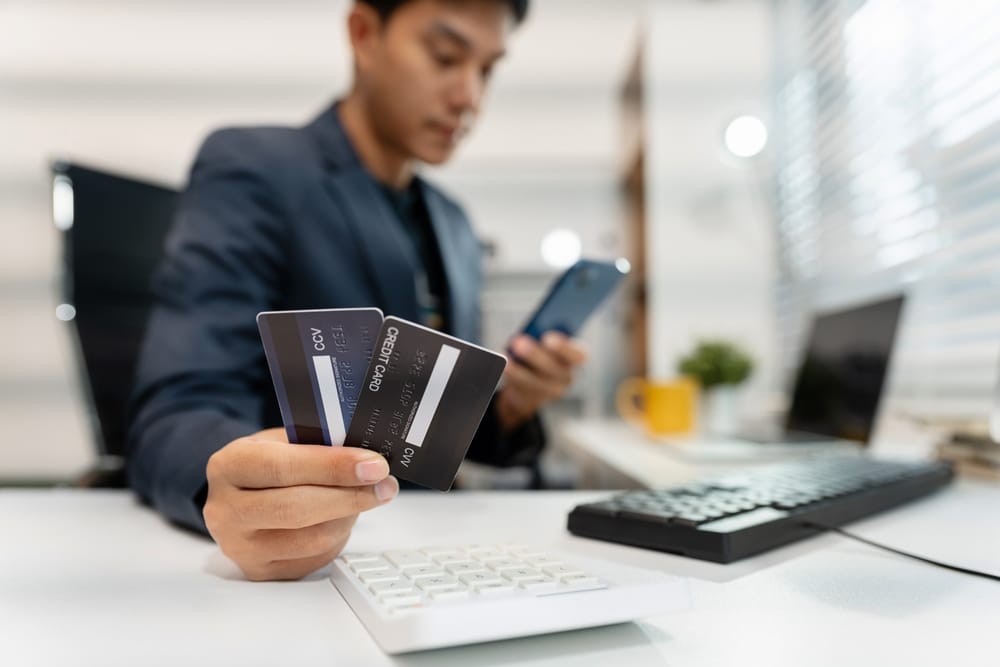
Buy Now, Pay Later has exploded across online shopping like wildfire. It promises instant gratification without the sting of immediate payment, making checkout feel like a cheat code for adulting. But the convenience comes with strings attached, and ignoring them can turn a fun shopping hack into a financial headache faster than anyone expects. Millions of people now swipe, click, or tap their way into BNPL programs, from furniture and electronics to fashion and travel accessories.

While splitting payments sounds harmless, the reality behind interest, fees, and timelines often lurks just out of sight. Understanding the details before saying yes can save hundreds or even thousands of dollars over time. Smart shoppers approach BNPL like a strategy game instead of a magic trick. Asking the right questions before committing can protect both cash flow and credit scores.

1. How Will This Affect My Monthly Budget?

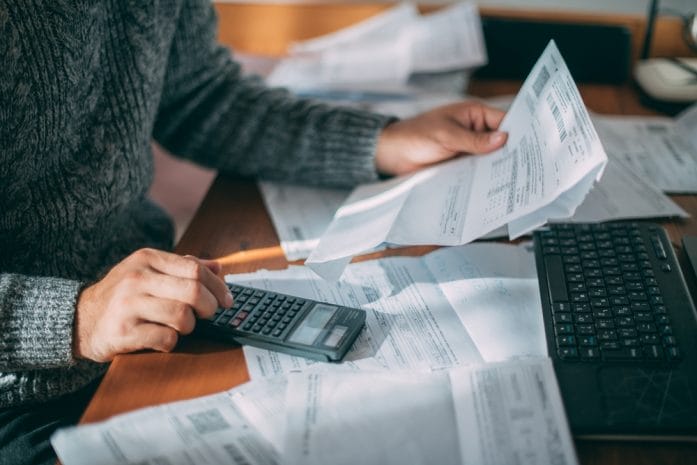
The first question anyone should ask is simple but essential: how does this fit into the monthly budget? Even small purchases, when split into four or six installments, can sneakily pile up and strain finances without anyone noticing. The immediate thrill of taking something home without paying can hide the long-term impact on cash flow. BNPL payments are not optional extras—they’re legally binding obligations. Late payments can trigger fees, and missing multiple installments can damage credit reports depending on the provider. A household that already juggles rent, utilities, groceries, and other bills must evaluate whether adding BNPL obligations keeps the budget balanced or introduces unnecessary risk.

Mapping out upcoming payments before checkout can prevent surprises. Shoppers who create a simple calendar of installments will likely see how each purchase fits alongside other expenses. This habit forces realistic reflection on whether the purchase is affordable or just temporarily tempting. The goal is financial clarity, not guilt, so every BNPL commitment should slot smoothly into the budget.

Understanding the monthly impact also helps avoid the most common trap: buying multiple items on BNPL at the same time. Each purchase multiplies the risk if income fluctuates or unexpected bills arise. Treating BNPL like a planned expense rather than a free ride keeps finances stable and stress-free.

2. What Are the Fees and Interest Rates Hidden in the Fine Print?

BNPL services often advertise “no interest” or “zero fees,” but the devil lives in the fine print. Missing a payment can trigger late fees that quickly overshadow the original purchase price. Some platforms charge interest after a grace period, and the way it compounds can catch even disciplined shoppers off guard. Each provider structures fees differently, meaning that one BNPL program might feel painless while another quietly drains cash if terms are ignored. Shoppers who fail to review this carefully may encounter unexpected bills, turning what felt like a $200 purchase into a $250 or $300 headache. Comparing terms across platforms before committing allows for smarter decisions that minimize hidden costs.

Understanding the exact timing of payments also matters. If installments are weekly rather than monthly, the perceived “affordability” can feel misleading. Payments that appear small may actually accumulate faster than anticipated, especially if multiple purchases run concurrently. Transparency and awareness about these mechanics make BNPL a helpful tool instead of a trap.

Late fees and interest can accumulate silently, so reading the fine print becomes an act of self-protection. Asking “what happens if I miss a payment?” and getting the answer in clear numbers ensures shoppers stay in control. Knowledge of fees transforms BNPL from a gamble into a predictable, manageable financial option.

3. Can I Actually Pay This Off on Time?

A BNPL purchase is only as safe as the ability to make the scheduled payments. Impulse buying can feel harmless, but missing an installment has consequences beyond immediate fees. Repeated missed payments can damage credit, making future borrowing more expensive and potentially harming long-term financial goals. Shoppers should realistically assess cash flow and timing before committing. Planning around paycheck schedules, recurring bills, and seasonal expenses gives a clear picture of whether paying on time is realistic. This step prevents small convenience purchases from cascading into long-term headaches.

For larger items, splitting payments might seem manageable at first glance but could collide with other financial priorities. Evaluating the total monthly obligations across all BNPL purchases ensures that nothing sneaks under the radar. Treating BNPL like a mini-loan rather than a freebie creates accountability and keeps the financial plan intact.

The ability to pay on time also reinforces discipline. Those who treat BNPL responsibly gain convenience without penalty, while those who underestimate commitments often face stress and financial setbacks. Planning, awareness, and honest evaluation make the difference between a helpful tool and a cautionary tale.

7 Questions to Ask Before Using Buy Now, Pay Later

Image Source: Shutterstock.com

4. What Happens If I Return the Item?

Returns complicate BNPL transactions more than traditional credit or debit payments. Some platforms refund purchases immediately, while others require shoppers to continue paying installments until the return processes fully. Timing issues or delays can make the process confusing or temporarily costly. Understanding the return policy in advance ensures no surprises at checkout. Some merchants coordinate directly with the BNPL provider, while others treat the loan separately, meaning shoppers must confirm the refund reaches the lender before the balance adjusts. Miscommunication can result in duplicate payments or lingering charges.

Return policies also influence purchasing decisions. A product that seems perfect online may feel less appealing if returning it introduces extra steps or risks. Knowing exactly how returns interact with the payment plan allows shoppers to make confident decisions and avoid headaches. Additionally, some BNPL providers enforce minimum repayment requirements before processing refunds, which can temporarily affect cash flow. Planning for these scenarios preserves financial stability and prevents frustration. Clear understanding transforms the shopping experience from risky guesswork to confident action.

5. How Will This Affect My Credit Score?

BNPL programs impact credit differently depending on the provider. Some report on-time payments to credit bureaus, which can strengthen credit history, while others report missed payments, which can damage scores. Understanding the credit implications is crucial for anyone considering larger purchases or future loans. A borrower’s existing credit profile also plays a role. If cash flow is tight and payments are missed, BNPL could compound financial strain while hurting creditworthiness. Alternatively, responsible usage of BNPL may demonstrate the ability to handle small installment loans, adding positive activity to a credit report.

Checking whether the BNPL provider reports to all three major credit bureaus clarifies potential effects. Not all services do, so confirming the reporting structure helps align financial strategy with long-term credit goals. For households planning major purchases in the near future, this knowledge can influence which BNPL program feels safe.

Credit impact goes beyond immediate scores. Missed payments could increase borrowing costs elsewhere or delay approvals for larger loans. Understanding and planning for these consequences transforms BNPL from a casual convenience into a calculated financial choice.

6. Could This Encourage Overspending?

The psychological effect of BNPL cannot be ignored. Paying later can make items feel cheaper than they actually are, encouraging purchases that might not fit within a true budget. Splitting payments can disguise the real cost of multiple items piling up simultaneously. Shoppers who rely too heavily on BNPL risk creating a cycle of deferred spending, which can balloon over weeks or months. Impulse purchases may feel harmless in the moment, but the cumulative effect can strain finances if payments coincide with unexpected expenses. Awareness of this tendency allows for proactive control.

Setting clear purchase limits and treating BNPL like a mini-loan rather than free money helps prevent overspending. Evaluating whether an item is truly needed or fits within existing financial plans reduces the temptation to buy beyond means. Discipline transforms BNPL from a dangerous gimmick into a convenient, responsible tool.

Understanding this effect also allows for smarter timing. Using BNPL for planned, budgeted purchases, rather than impulsive wants, maintains both convenience and control. The key is keeping psychology in check while leveraging the practical benefits of delayed payment.

7. Is There a Safer Alternative?

Finally, every shopper should ask whether BNPL is the best option or if a safer alternative exists. Saving in advance, using a low-interest credit card responsibly, or exploring store financing can sometimes offer better terms without introducing unnecessary risk. Alternative methods also provide more flexibility if circumstances change. Credit cards, for example, allow partial payments or adjustments without triggering automatic late fees in many cases. Savings-first strategies prevent debt from forming altogether, maintaining a stronger financial foundation.

BNPL may remain appealing for certain purchases, but understanding all available tools creates smarter decision-making. Evaluating interest, fees, timing, and alternatives ensures that convenience does not outweigh long-term financial health. In many cases, a thoughtful comparison produces a choice that maximizes both enjoyment and security.

The Smart BNPL Mindset That Protects Both Wallet and Peace of Mind

Using Buy Now, Pay Later can feel thrilling, but approaching it with curiosity and caution transforms convenience into a strategic advantage. Asking the seven questions outlined here empowers households to make informed choices, maintain control, and avoid surprises.

Ultimately, the smartest use of BNPL happens when shoppers combine budgeting awareness, timely payment habits, and knowledge of fees, returns, and credit impact. Doing so turns what could be a risky shortcut into a helpful financial tool that fits neatly into daily life.

What experiences or strategies have worked for managing BNPL responsibly? Are there creative ways to leverage its benefits without falling into common traps? Give us your thoughts below.

You May Also Like…

7 Reasons Why Many “Buy Now, Pay Later” Users Are Actually Paying With Debit Cards

The “Buy Now, Pay Later” Trap That’s Drowning People in Hidden Debt

Why Do People Get Trapped by “Buy Now Pay Later” Schemes

7 Steps to Run a Financial Autopsy on Your 2025 Spending

Why Does Spending Feel Riskier Than It Used To

Brandon Marcus
Brandon Marcus

Brandon Marcus is a writer who has been sharing the written word since a very young age. His interests include sports, history, pop culture, and so much more. When he isn’t writing, he spends his time jogging, drinking coffee, or attempting to read a long book he may never complete.
Filed Under: Spending Habits Tagged With: BNPL, budgeting, buy now pay later, consumer advice, credit tips, debt avoidance, Debt Management, money habits, Online shopping, Personal Finance, Planning, Smart Spending

Every Affirm Purchase Adds a Loan to Your Credit Report — Here’s What That Means

February 17, 2026 by Brandon Marcus Leave a Comment

Every Affirm Purchase Adds a Loan to Your Credit Report — Here’s What That Means

Image source: shutterstock.com

You tap a button to split your purchase into four payments, and just like that, you’ve opened a loan. Not a metaphorical loan. A real one that can land on your credit report and influence your credit score.

Affirm, one of the biggest players in the buy now, pay later space, markets convenience and transparency. It often charges simple interest instead of compounding interest, and it shows you the total cost upfront. That part appeals to anyone who hates credit card math.

But the part that many people overlook is this: each eligible Affirm purchase can show up as its own installment loan on your credit report.

One Click, One Loan: How Affirm Reports to Credit Bureaus

Affirm does report many of its loans to credit bureaus, including Experian. That reporting means your purchase doesn’t live quietly in a corner of the internet. It can become part of your official credit history.

When you check out with Affirm, you agree to a short-term installment loan. That loan can appear on your credit report with details such as the original amount, the payment schedule, and your payment history. If you take out five separate Affirm loans for five different purchases, you may see five separate tradelines. Each one stands alone.

This setup matters because credit scoring models look at each account individually. Payment history, account age, total debt, and credit mix all factor into your score. A single missed payment on an Affirm loan can hurt your score just like a missed payment on a credit card or auto loan. On the flip side, consistent on-time payments can strengthen your profile.

Installment Loans Change Your Credit Mix

Credit scoring models reward variety. They like to see that you can handle different types of debt, including revolving accounts like credit cards and installment accounts like car loans, student loans, or personal loans. Affirm loans fall into the installment category.

When you add an installment loan through Affirm, you change your credit mix. In theory, that diversification can help your score, especially if you previously had only credit cards. However, that benefit doesn’t outweigh late payments or high overall debt.

You also increase your total number of open accounts. If you use buy now, pay later services frequently, your credit report can start to look crowded with small installment loans. Lenders who review your report manually might notice that pattern. They may wonder whether you rely heavily on short-term financing to manage everyday purchases.

None of that automatically spells trouble. Responsible use, low balances elsewhere, and consistent on-time payments can keep your profile strong. But frequent borrowing for routine spending can raise eyebrows if you apply for a mortgage or auto loan and an underwriter studies your report closely.

Payment History: The Real Make-or-Break Factor

Payment history carries the most weight in most credit scoring models. When Affirm reports your loan, it also reports whether you pay on time. If you schedule autopay and stick to your plan, you build positive payment history. That consistency can support your score over time. Many people appreciate this feature because it allows smaller purchases to contribute to their credit profile in a structured way.

But if you miss a payment, the impact can feel sharp. Late payments can remain on your credit report for up to seven years. Even one 30-day delinquency can cause a noticeable drop in your score, especially if you previously maintained excellent credit.

Short-Term Convenience, Long-Term Record

Buy now, pay later products feel modern and frictionless. They blend into checkout screens, sit next to Apple Pay and credit cards, and promise a smoother path to ownership. But your credit report does not care about aesthetics. It records facts.

Each reported Affirm loan adds to your total outstanding installment debt. Even if the balance sits low, lenders may calculate your debt-to-income ratio using those obligations. When you apply for larger financing, such as a mortgage, underwriters examine all open loans. Multiple small installment loans can affect how much you qualify for.

Hard Inquiries and What to Watch For

Most Affirm applications involve a soft credit check, which does not affect your score. That feature makes the service appealing because you can see your offer without penalty. However, certain longer-term or higher-value loans may involve a hard inquiry.

Hard inquiries can lower your score by a few points, and they remain on your credit report for up to two years. The impact typically fades after several months, but multiple inquiries in a short period can add up.

You should read your loan terms carefully before you finalize your purchase. Look for language about credit checks and reporting. Confirm whether the loan will report to one or more credit bureaus. Transparency works in your favor when you take a few extra seconds to understand the structure.

Every Affirm Purchase Adds a Loan to Your Credit Report — Here’s What That Means

Image source: shutterstock.com

Smart Ways to Use Affirm Without Hurting Your Credit

You don’t need to swear off buy now, pay later services to protect your credit. You just need a plan. Start by limiting how many active Affirm loans you carry at once. If you already juggle two or three installment payments, pause before adding another. Simplicity protects you from missed due dates and mental overload.

Next, align your payment schedule with your income cycle. If you get paid biweekly, make sure your installment dates won’t collide with other major bills. You can often see the full payment calendar before you commit.

Finally, ask yourself whether you would buy the item if Affirm didn’t exist. If the answer feels shaky, reconsider. Installment loans work best when they support intentional spending, not when they stretch your budget thin.

Loans Add Up, So Make Them Count

Every Affirm purchase can add a loan to your credit report. That reality carries both opportunity and risk. On-time payments can strengthen your history and add healthy installment activity to your file. Late payments can drag down your score and linger for years.

You control the outcome. You decide how often you borrow, how carefully you track due dates, and whether each purchase aligns with your financial goals. Credit reports don’t judge your shopping choices, but they do record your borrowing behavior with quiet precision.

Do you see Affirm as a smart budgeting tool, or has it started to feel like a crutch in your spending habits? Share your thoughts in the comments.

You May Also Like…

Why Credit Unions Are Still Generating Massive Overdraft Fee Revenue

23% of Americans With Credit Card Debt Don’t Believe They’ll Ever Pay It Off

The Credit Score Range That Gets You 17%–21% APR on Credit Cards Right Now

Could Credit Card Debt Secretly Outlive You

What Happens When You Ignore Your Credit Report for Years

Brandon Marcus
Brandon Marcus

Brandon Marcus is a writer who has been sharing the written word since a very young age. His interests include sports, history, pop culture, and so much more. When he isn’t writing, he spends his time jogging, drinking coffee, or attempting to read a long book he may never complete.

Filed Under: credit score Tagged With: Affirm, BNPL, buy now pay later, consumer finance, credit bureaus, credit report, credit score, Debt Management, installment loans, payment history, Personal Finance, Planning

Debt Alert: 6 Ways Holiday Spending Could Trigger a January Credit Score Crisis

December 14, 2025 by Brandon Marcus Leave a Comment

Here Are The Ways Holiday Spending Could Trigger a January Credit Score Crisis

Image Source: Shutterstock.com

The holidays are supposed to be magical—a time for twinkling lights, festive music, and, of course, gift-giving. But after the last present is unwrapped and the New Year’s confetti settles, reality often hits like a snowball to the face. Credit card statements arrive, debt balances loom, and suddenly, that cozy holiday cheer feels a lot more like financial panic. Even responsible spenders can fall into traps that quietly tank their credit score before January is over.

The problem is that holiday spending isn’t just about overspending—it’s about how small decisions compound in ways most people never anticipate.

1. Maxing Out Credit Cards Without A Repayment Plan

It’s tempting to swipe without thinking when stores are decked out in lights and promotions are everywhere. Unfortunately, maxing out your credit cards over the holidays can dramatically affect your credit utilization ratio, one of the most important factors in your score. High balances relative to your credit limit send a signal to lenders that you might be overextended. Even if you pay the balance off quickly, the timing of reporting can mean your January statement still shows a maxed-out card. Without a clear repayment plan, what felt like a festive splurge can quickly turn into a credit score nightmare.

2. Racking Up Multiple Store Credit Cards

Those “instant approval” offers at checkout might seem harmless—or even smart if they come with a discount. The reality is that opening multiple store credit cards in a short period can ding your credit score in multiple ways. Each application triggers a hard inquiry, which can shave points off your score temporarily. The added new accounts also reduce the average age of your credit history, another factor lenders evaluate. While one or two cards might be manageable, a stack of plastic can make January feel more stressful than celebratory.

3. Missing Minimum Payments During Holiday Chaos

Holiday schedules are hectic, and bills can slip through the cracks. Missing a minimum payment—even by a few days—can have a surprisingly large impact on your credit score. Late payments are reported to credit bureaus and can linger on your report for years. The stress of managing gifts, parties, and travel often means people forget to prioritize monthly bills. Staying organized and setting reminders is critical; otherwise, that cheerful December spending spree can echo as a January credit disaster.

4. Overreliance On Buy Now, Pay Later Options

Buy Now, Pay Later (BNPL) services are everywhere, making it tempting to spread out payments over weeks or months. But while the idea feels harmless, these services can quietly affect your creditworthiness. Missing a payment or delaying your repayment can trigger late fees and potential credit reporting consequences. Even when you pay on time, juggling multiple BNPL plans can lead to a confusing financial picture that increases stress and risk. It’s easy to underestimate the impact until the first statement arrives in January—then panic sets in.

5. Ignoring Existing Debt When Holiday Shopping

It’s easy to get caught up in gift lists and holiday deals, but ignoring pre-existing debt can be dangerous. Adding new balances on top of old ones increases your total debt load and raises your credit utilization across all cards. Lenders see this as a higher risk, and your credit score can drop as a result. Even if your spending seems reasonable, failing to account for ongoing obligations can create a compounding effect. Keeping track of both old and new debt is essential to avoid a post-holiday financial hangover.

6. Not Monitoring Credit Reports Until It’s Too Late

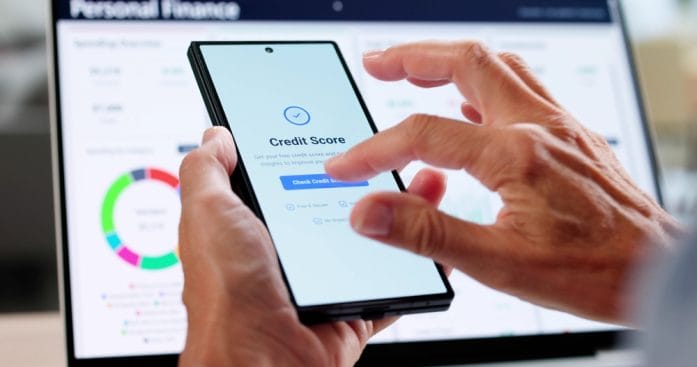
After the holiday rush, many people don’t check their credit reports until something goes wrong. The problem is that errors, overlooked balances, or unexpected charges can silently damage your score if you’re not paying attention. Monitoring your credit allows you to catch issues early, dispute errors, and plan repayment strategies before they spiral. Waiting until January to see your credit score can be a rude awakening. Staying proactive during and after the holidays is key to preventing a financial headache you could have avoided.

Here Are The Ways Holiday Spending Could Trigger a January Credit Score Crisis

Image Source: Shutterstock.com

Stay Ahead Of The Holiday Hangover

The holidays are meant to be joyful, but without careful planning, they can also trigger a credit score crisis that lasts well into the new year. From maxed-out cards to missed payments and Buy Now, Pay Later traps, even well-intentioned spending can have long-term consequences.

Awareness is the first step—recognizing how decisions made in December can affect January and beyond allows you to act before the damage is done. By planning, tracking, and staying organized, it’s possible to enjoy the season without financial regrets.

Have you ever experienced a post-holiday credit surprise? Share your stories, tips, or cautionary tales in the comments section below—we want to hear your experiences.

You May Also Like…

6 Credit Mistakes That Redditors Confess Cost Them Thousands

8 “Harmless” Daily Habits That Are Secretly Wrecking Your Credit Score

The Medical Bill Mistake That Can Cripple Your Credit for a Decade

Accelerate Your Debt Repayment Using Our Powerful Snowball Method.

6 Sneaky Financial Risks Hiding in Holiday Spending


Brandon Marcus
Brandon Marcus

Brandon Marcus is a writer who has been sharing the written word since a very young age. His interests include sports, history, pop culture, and so much more. When he isn’t writing, he spends his time jogging, drinking coffee, or attempting to read a long book he may never complete.
Filed Under: Debt Management Tagged With: average joe debt, avoiding debt, avoiding overspending, buy now pay later, credit, Credit card debt, credit cards, credit repair, credit report, credit score, Debt, debt advice, debt alerts, debt collections, Debt Collectors, debt consolidation, Debt Management, gift-giving, Holiday, holiday spending, Holidays, repayment plans, Smart Spending, spending

The “Buy Now, Pay Later” Trap That’s Drowning People in Hidden Debt

October 12, 2025 by Travis Campbell Leave a Comment

Bnpl

Image source: pexels.com

The rise of “Buy Now, Pay Later” (BNPL) services has changed the way people shop. At checkout, it’s tempting to split a purchase into smaller payments instead of paying the full price upfront. It feels painless and budget-friendly. But behind the scenes, these services can quietly stack up hidden debt. Many shoppers don’t realize how quickly these small payments add up. If you’re not careful, you could find yourself in a financial hole that’s hard to climb out of. Understanding the risks of the buy now, pay later trap is more important than ever.

1. The Illusion of Affordability

One of the biggest dangers of the buy now, pay later trap is how easy it becomes to justify purchases. A $200 jacket doesn’t look so bad when you only have to pay $50 today. The remaining payments are pushed into the future, and that makes it feel like you’re spending less. But you’re not saving money—you’re just delaying the pain. This illusion of affordability encourages overspending. It’s easy to lose track of how much you owe when your purchases are split into bite-sized chunks.

BNPL services bank on this psychology. The more you use them, the easier it is to think you can afford more. But every “small” payment is another obligation on your plate. If you’re not careful, you can end up with several ongoing payments at once, all stacking up into a bigger financial burden.

2. Hidden Fees and Penalties

Many buy now, pay later providers advertise “no interest” or “zero fees.” But the reality can be very different. If you miss a payment, you might get hit with late fees or penalty charges. Some services even report missed payments to credit bureaus, which can hurt your credit score. These fees are often buried in the fine print, making them easy to overlook.

The trap is set when you assume you’ll always pay on time. Life happens—maybe your paycheck is late or you forget a due date. Suddenly, that “interest-free” purchase gets expensive. Always read the terms before you agree, and remember that the buy now, pay later trap isn’t just about the payments you expect—it’s also about the costs you don’t see coming.

3. Multiple Accounts, Multiple Headaches

It’s easy to sign up for several buy now, pay later services. Each one might seem harmless on its own, but together they can create a confusing web of payments and due dates. You might have a payment due to one provider on the 15th, another on the 18th, and a third on the 22nd. Juggling all these can be a nightmare.

Miss a single payment and you could trigger fees, credit dings, or even debt collection calls. The buy now, pay later trap grows as you lose track of your obligations. Some people end up with four, five, or even more BNPL accounts running at the same time. That’s a recipe for financial chaos.

4. Impact on Your Credit and Budget

When you use a buy now, pay later service, you’re taking on debt—even if it doesn’t feel like it. Some providers run soft credit checks, while others report your payments to major credit bureaus. If you fall behind, your credit score could take a hit. This can affect your ability to get loans, rent an apartment, or even land certain jobs.

Even if your credit isn’t directly affected, your monthly budget definitely is. Every BNPL payment reduces your available cash. If you’re juggling several plans, you might find yourself short on money for essentials. The buy now, pay later trap can quietly squeeze your finances until you’re left scrambling to make ends meet.

5. Encouraging Impulse Buying

The buy now, pay later trap doesn’t just create debt—it encourages habits that can make your financial situation worse. When you know you don’t have to pay the full amount upfront, it’s easier to buy things you don’t really need. The barrier to spending is lower, so you’re more likely to make impulse purchases.

Retailers love this. Studies show that shoppers spend more when BNPL is available. That’s great for their bottom line, but not always for yours. If you regularly use BNPL, it’s worth asking yourself: are you buying because you need something, or because it’s easy to delay the cost?

6. Lack of Consumer Protections

Traditional credit cards come with a host of consumer protections, including dispute resolution and fraud protection. Many buy now, pay later services don’t offer the same safety nets. If your item never arrives or doesn’t match the description, getting your money back can be a hassle.

Some BNPL providers have their own policies, but they may not be as robust as those offered by credit card networks. Before you choose BNPL over a credit card, weigh the risks. You might find yourself stuck paying for something you never received.

What You Can Do to Avoid the Buy Now, Pay Later Trap

The buy now, pay later trap is easy to fall into, but you can avoid it with some practical steps. First, treat every BNPL offer as a loan. Ask yourself if you’d still make the purchase if you had to pay the full amount today. If the answer is no, it’s probably not worth it.

Keep a list of any BNPL accounts and payment schedules. Set reminders so you never miss a due date. Most importantly, don’t use BNPL to buy things you can’t afford. Remember, every payment is a future obligation. If you’re struggling with debt, consider reaching out to a nonprofit credit counselor for guidance.

How has using buy now, pay later services affected your finances? Share your experience in the comments below!

What to Read Next…

  • The Benefits Of Taking Personal Loans And Their Impact On Credit Scores
  • Are Budgeting Apps Designed To Push You Into Debt?
  • 5 Things That Instantly Decrease Your Credit Score By 50 Points
  • 7 Hidden Fees That Aren’t Labeled As Fees At All
  • 7 Financial Loopholes That Lenders Exploit Behind The Scenes
Travis Campbell
Travis Campbell

Travis Campbell is a digital marketer/developer with over 10 years of experience and a writer for over 6 years. He holds a degree in E-commerce and likes to share life advice he’s learned over the years. Travis loves spending time on the golf course or at the gym when he’s not working.

Filed Under: Finance Tagged With: buy now pay later, credit, Debt, Hidden Fees, Personal Finance, Spending Habits

Why Do People Get Trapped by “Buy Now Pay Later” Schemes

September 18, 2025 by Catherine Reed Leave a Comment

Why Do People Get Trapped by “Buy Now Pay Later” Schemes

Image source: 123rf.com

The appeal of splitting purchases into smaller payments with little or no interest can feel irresistible. Retailers promote buy now pay later options as a smart way to manage money while still enjoying products immediately. But behind the convenience lies a cycle of overspending, late fees, and financial strain. Many shoppers underestimate the risks and find themselves caught in debt traps they never expected. Understanding why people fall into these schemes can help you avoid the same mistakes.

1. The Illusion of Affordability

One of the main reasons people get trapped by buy now pay later offers is the illusion that purchases are more affordable. Breaking a $200 item into four $50 payments feels less intimidating, even though the total cost doesn’t change. This mental trick encourages shoppers to say yes more often, buying things they might otherwise pass on. Over time, these small payments add up to significant financial commitments. The illusion of affordability is powerful, but it masks the reality of overspending.

2. Overlapping Payment Schedules

Another common problem with buy now pay later is juggling multiple overlapping payments. It’s easy to manage one or two purchases, but after a while, the due dates start stacking up. Missing just one payment can trigger late fees or penalties, increasing the overall cost of what seemed like a smart deal. People often forget how many active payment plans they have, leading to budget chaos. These overlapping schedules make it harder to stay financially organized.

3. Limited Consumer Protections

Traditional credit cards come with strong consumer protections but buy now pay later programs don’t always offer the same safeguards. Disputing charges, returning items, or addressing fraud can be more complicated with these schemes. If a product is defective or a retailer fails to deliver, the customer may still be responsible for payments. This lack of protection creates hidden risks that many users overlook. Without proper safeguards, shoppers are more vulnerable to financial harm.

4. Encouragement of Impulse Spending

Buy now pay later schemes are designed to encourage impulse buying. Retailers know that lowering the perceived barrier to entry makes customers more likely to check out quickly. Instead of carefully weighing whether they need an item, shoppers justify the purchase because it feels manageable. This behavior leads to closets full of unused products and wallets drained by small but steady payments. The convenience of delayed payment fuels poor financial decisions.

5. Damage to Credit Scores

Some people believe buy now pay later purchases won’t affect their credit, but this isn’t always true. Late or missed payments can be reported to credit bureaus, hurting your score. A lower credit score makes it harder to qualify for loans, rent apartments, or even get certain jobs. The damage can last years, long after the original purchase is forgotten. What seemed like a harmless payment plan can leave lasting scars on financial health.

6. False Sense of Budget Flexibility

Another reason people get trapped by buy now pay later is the false sense of flexibility it creates. Shoppers feel like they’re managing their budgets better because payments are spread out, but in reality, they’re committing future income. This reduces financial flexibility and can leave people scrambling when unexpected expenses arise. Instead of freeing up money, the schemes tie up cash flow for weeks or months. The appearance of flexibility is often just another financial trap.

7. The Snowball Effect of Multiple Purchases

Buy now pay later becomes especially dangerous when shoppers use it for multiple purchases across different retailers. A \$30 payment here and a \$40 payment there may not seem like much, but they accumulate quickly. Before long, a significant portion of monthly income is tied to these obligations. The snowball effect leaves people feeling overwhelmed and unable to catch up. What started as convenience becomes a cycle of debt.

Breaking Free from the Buy Now Pay Later Trap

Buy now pay later schemes may look harmless on the surface, but the risks are real. From impulse spending to hidden fees and credit damage, these programs can quietly erode financial stability. The best defense is awareness—recognizing the traps before they catch you. By creating a budget, sticking to planned purchases, and resisting the illusion of affordability, you can avoid getting stuck in the cycle. Real financial freedom comes from living within your means, not delaying the inevitable cost of debt.

Have you ever used buy now pay later services and regretted it later? Share your experiences in the comments below.

What to Read Next…

Why Do Consumers Keep Falling for Subscription Traps

10 Financial Traps People Walk Into After Buying a New House

Why Do Some People Refuse to Budget Until It’s Too Late

10 Money Moves That Look Smart but Lead to Regret

Why Do High Earners End Up With Less Cash on Hand Than Expected

Catherine Reed
Catherine Reed

Catherine is a tech-savvy writer who has focused on the personal finance space for more than eight years. She has a Bachelor’s in Information Technology and enjoys showcasing how tech can simplify everyday personal finance tasks like budgeting, spending tracking, and planning for the future. Additionally, she’s explored the ins and outs of the world of side hustles and loves to share what she’s learned along the way. When she’s not working, you can find her relaxing at home in the Pacific Northwest with her two cats or enjoying a cup of coffee at her neighborhood cafe.

Filed Under: Spending Habits Tagged With: Budgeting Tips, buy now pay later, Consumer Protection, credit score, debt traps, financial awareness, impulse spending, Personal Finance

5 Situations Where Borrowing Small Amounts Leads to Big Trouble

September 3, 2025 by Travis Campbell Leave a Comment

lending

Image source: pexels.com

Borrowing small amounts of money might seem harmless. After all, a little cash here or there can help you cover a surprise bill or tide you over until payday. But the reality is that borrowing small amounts can quickly spiral into bigger financial problems. What starts as a quick fix can lead to mounting debt, high fees, and a cycle that’s hard to break. Whether it’s from payday lenders, credit cards, or friends and family, these small debts can snowball. Understanding when borrowing a little becomes a big deal is crucial for your financial health. That’s why it’s important to know the situations where borrowing small amounts leads to big trouble.

1. Using Payday Loans for Everyday Expenses

Payday loans are marketed as a fast solution for unexpected costs. But using them for regular expenses—like groceries, gas, or utility bills—can cause real headaches. These loans often come with sky-high interest rates and fees. Even if you only borrow a small amount, the cost of repaying it can be overwhelming.

People often find themselves unable to pay back the full amount when it’s due. So, they roll the loan over or take out another one, triggering a cycle of debt. Before long, the money you borrowed to get by ends up costing you much more than you expected. This is a classic example of how borrowing small amounts leads to big trouble.

2. Covering Credit Card Minimum Payments with More Debt

When money is tight, it’s tempting to use one credit card to pay off another, or to take a cash advance to make a minimum payment. This approach might keep creditors at bay for now, but it only delays the problem. Interest rates on cash advances are usually higher than those on regular purchases, and you may face additional fees.

Over time, the balance grows while your available credit shrinks. Soon, you’re maxed out and struggling to keep up with payments. This creates stress and damages your credit score. Borrowing small amounts to cover minimum payments can turn a manageable situation into a long-term financial mess.

3. Borrowing from Friends and Family to “Get By”

Asking loved ones for small loans feels less risky than dealing with a bank. But relying on friends or family to cover shortfalls can strain relationships. It’s easy to promise repayment when the amount is small, but repeated requests can lead to resentment or awkwardness.

If you’re always borrowing small amounts to get by, the underlying financial problem remains unsolved. You might avoid interest charges, but you risk damaging trust. In some cases, this can lead to permanent rifts that are hard to repair. Borrowing small amounts can lead to significant trouble, affecting not just your budget but also your personal life.

4. Using “Buy Now, Pay Later” for Non-Essentials

“Buy now, pay later” services are everywhere these days. They let you split payments on small purchases—clothes, electronics, even meals. At first glance, it sounds like smart budgeting. But each new payment plan adds another bill to your list. Missing a payment can led to late fees, and too many plans can be tough to track.

If you’re not careful, these small debts add up. They can sneak up on you, especially if you’re juggling multiple plans at once. Before long, you’re spending more on fees and interest than you ever saved.

5. Taking Out Small Personal Loans for Non-Emergencies

Personal loans can help in a real emergency, but borrowing small amounts for non-essential spending is risky. Maybe you want the latest phone or a quick weekend getaway. The loan terms might seem reasonable, but fees and interest can turn a small debt into a bigger problem.

When you borrow for non-essentials, you’re spending future money on today’s wants. This can make it harder to handle real emergencies down the road. Plus, missing payments on even a small loan can hurt your credit. This is another way borrowing small amounts leads to big trouble, especially if it becomes a habit.

Building Better Habits Around Small Borrowing

It’s easy to underestimate the impact of borrowing small amounts. The truth is, these little debts can pile up fast, creating stress and limiting your financial freedom. If you find yourself relying on small loans often, it might be time to rethink your budget and spending habits. Setting aside a small emergency fund or cutting back on non-essentials can help you avoid the cycle.

If you’re struggling with debt, there are resources available. Remember, borrowing small amounts leads to big trouble when it becomes a pattern rather than a rare exception. Staying mindful about your borrowing can help you build a stronger financial future.

Have you ever borrowed a small amount and regretted it later? What strategies have helped you avoid falling into the small debt trap? Share your story in the comments below!

What to Read Next…

  • The Benefits Of Taking Personal Loans And Their Impact On Credit Scores
  • 5 Things That Instantly Decrease Your Credit Score By 50 Points
  • What Happens When You Co Sign A Friends Loan By Accident
  • 5 Emergency Repairs That Could Force You Into Debt Overnight
  • Are Budgeting Apps Designed To Push You Into Debt
Travis Campbell
Travis Campbell

Travis Campbell is a digital marketer/developer with over 10 years of experience and a writer for over 6 years. He holds a degree in E-commerce and likes to share life advice he’s learned over the years. Travis loves spending time on the golf course or at the gym when he’s not working.

Filed Under: Debt Management Tagged With: borrowing, buy now pay later, credit cards, Debt, payday loans, Personal Finance

The Return of Layaway—And Why It’s Riskier Than Ever

July 21, 2025 by Travis Campbell Leave a Comment

Layaway

Image Source: pexels.com

Layaway is back. You might see signs for it at big stores or even online. It sounds simple: pay a little now, pay the rest later, and get your item when you’re done. For many, layaway feels like a safe way to shop without using credit cards. But things have changed. Layaway isn’t what it used to be, and the risks are bigger than most people realize. If you’re thinking about using layaway, you need to know what’s different—and what could go wrong.

1. Layaway Isn’t Always Free Anymore

Layaway used to mean no interest and no fees. Now, many stores charge service fees just to open a layaway plan. Some charge a cancellation fee if you change your mind or can’t finish paying. These fees add up. You might end up paying more than if you’d just saved up and bought the item later. Always read the fine print before you sign up. If you’re not careful, you could lose money even if you never get the item.

2. You Might Lose Your Money If You Miss a Payment

With layaway, you make regular payments. Miss one, and you could lose the item and some or all of your money. Stores have different rules, but most keep at least part of your deposit or payments if you default. This is a big risk, especially if your budget is tight. If something unexpected happens—like a car repair or medical bill—you could lose both your money and the item you wanted. It’s not like a credit card, where you keep the item and pay interest. With layaway, you get nothing if you can’t finish paying.

3. Layaway Can Make You Spend More Than You Planned

Layaway makes it easy to say yes to things you can’t afford right now. You see a new TV or a fancy toy, and you think, “I’ll just pay a little at a time.” But those small payments add up. You might end up with more layaway plans than you can handle. This can stretch your budget thin and make it hard to pay for essentials. It’s easy to lose track of how much you’re spending when it’s broken into small chunks. Before you use layaway, ask yourself if you really need the item or if you’re just caught up in the moment.

4. New “Layaway” Plans Aren’t Always Traditional Layaway

Many stores now offer “buy now, pay later” (BNPL) plans instead of old-school layaway. These plans, from companies like Afterpay or Klarna, let you take the item home right away and pay in installments. But they’re not the same as layaway. If you miss a payment, you could face late fees, interest, or even damage to your credit score. Some BNPL services report missed payments to credit bureaus. This can hurt your credit and make it harder to borrow in the future.

5. Stores Can Change or Cancel Layaway Programs Without Warning

Retailers can end or change their layaway programs at any time. If a store goes out of business or stops offering layaway, you could lose your spot—or your money. This happened during the pandemic, when some big chains dropped layaway with little notice. If you’re making payments over months, you’re trusting the store to stay open and honor the deal. There’s no guarantee. Always check the store’s policy on refunds and cancellations before you start a layaway plan.

6. Layaway Doesn’t Build Credit

Some people think layaway helps build credit, but it doesn’t. Layaway plans aren’t reported to credit bureaus, so they don’t help your credit score. If you’re looking to build credit, you’re better off with a secured credit card or a small personal loan you can repay on time. Layaway is just a payment plan. It won’t help you qualify for a car loan or a mortgage down the road.

7. Better Alternatives Exist

There are safer ways to buy what you need. Setting up a simple savings plan is one. Put aside a little money each week until you have enough. This way, you avoid fees and the risk of losing your money. Some banks offer special savings accounts for big purchases. You can also look for sales or discounts instead of locking yourself into a layaway plan. If you need something right away, consider a low-interest credit card—but only if you can pay it off quickly.

8. Layaway Can Delay Your Financial Goals

Every dollar you put toward layaway is a dollar you can’t use elsewhere. If you’re saving for an emergency fund, paying off debt, or working toward another goal, layaway can slow you down. It ties up your money for weeks or months. If something important comes up, you might regret not having that cash on hand. Think about your bigger financial picture before you commit.

Rethink Before You Commit

Layaway is back, but it’s not the safe bet it once was. The risks are real: fees, lost money, and missed opportunities. Before you sign up, look at your budget, read the terms, and consider other options. Sometimes waiting is the smartest move. Your future self will thank you.

Have you used layaway or a buy now, pay later plan? What was your experience? Share your story in the comments.

Read More

Amazon Drivers Are Warning Shoppers About These 5 Dangerous Package Scams

“The ‘Spending Freeze’ Challenge: Could You Survive a Month Without Shopping?

Travis Campbell
Travis Campbell

Travis Campbell is a digital marketer/developer with over 10 years of experience and a writer for over 6 years. He holds a degree in E-commerce and likes to share life advice he’s learned over the years. Travis loves spending time on the golf course or at the gym when he’s not working.

Filed Under: Smart Spending Tagged With: budgeting, buy now pay later, Consumer Protection, layaway, Personal Finance, retail risks, shopping tips

The Dark Truth Behind Those “Buy Now Pay Later” Options

July 15, 2025 by Travis Campbell Leave a Comment

Buy more pay later

Image Source: pexels.com

Buy now, pay later (BNPL) options are everywhere. You see them at checkout on your favorite shopping sites. They promise you can get what you want now and pay for it later, often with “no interest” or “easy payments.” It sounds simple. But there’s a lot you don’t see. These offers can lead to real problems for your wallet and your peace of mind. If you’ve ever wondered if BNPL is too good to be true, you’re not alone. Here’s why you should think twice before clicking that button.

1. Buy Now Pay Later Makes It Easy to Overspend

BNPL options make it simple to buy things you can’t afford right now. You see a $200 pair of shoes, but the payment plan says “just $50 today.” That feels manageable. But it’s not just one purchase. It’s easy to stack up several BNPL plans at once. Before you know it, you’re juggling payments for clothes, electronics, and more. The small payments add up fast. You might not notice until your bank account is empty and you’re scrambling to cover all the bills. This is how BNPL can quietly push you into spending more than you planned.

2. The True Cost Isn’t Always Clear

BNPL companies advertise “no interest” or “zero fees.” But the fine print tells a different story. If you miss a payment, you could face late fees or even interest charges. Some plans charge as much as $8 for a single missed payment. Others might report your missed payments to credit bureaus, which can hurt your credit score. The terms are often buried in long, confusing agreements. You might not realize what you’re signing up for until it’s too late. Always read the details before you agree to a BNPL plan.

3. BNPL Can Damage Your Credit

Some BNPL providers don’t check your credit before approving you. That sounds good, but it can backfire. If you miss payments, some companies will report it to the credit bureaus. This can lower your credit score. A lower score makes it harder to get loans, credit cards, or even rent an apartment. And if you use BNPL too often, lenders might see you as a risky borrower. Even if you pay on time, having too many open BNPL accounts can look bad on your credit report. Protect your credit by using BNPL only when you’re sure you can pay on time.

4. Returns and Refunds Get Complicated

Returning something you bought with BNPL isn’t always simple. If you send an item back, you might still have to make payments while the return is processed. Sometimes, the refund takes weeks. In the meantime, you’re out both the money and the product. If the store and the BNPL company don’t communicate well, you could end up paying for something you no longer have. This can be stressful and confusing. Always check the return policy before using BNPL and keep records of your purchases and payments.

5. BNPL Can Lead to a Debt Spiral

BNPL feels like a way to avoid debt, but it can actually create more. If you miss payments, late fees pile up. If you use multiple BNPL services, it’s easy to lose track of what you owe. Some people end up using new BNPL plans to pay off old ones. This is a dangerous cycle. It’s not the same as using a credit card, where you can see your total balance in one place. With BNPL, your debts are spread out and harder to track. This can lead to a debt spiral that’s tough to escape.

6. Your Spending Data Is Being Tracked

When you use BNPL, you’re giving companies access to your shopping habits. They know what you buy, when you buy it, and how much you spend. This data is valuable. Companies use it to target you with more ads and offers. They want you to keep spending. Your privacy is at risk, and you might not even realize it. If you care about who has your data, think twice before using BNPL.

7. BNPL Isn’t Regulated Like Credit Cards

Credit cards have rules to protect you. BNPL doesn’t. If you have a problem with a BNPL purchase, you might not have the same rights as you do with a credit card. For example, you might not be able to dispute a charge or get your money back if something goes wrong. The rules are still catching up. Until then, you’re taking a risk every time you use BNPL.

8. It Can Hurt Your Budget and Savings Goals

BNPL makes it easy to ignore your budget. You might think, “It’s only $20 a month.” But those payments add up. If you’re not careful, you’ll have less money for bills, savings, or emergencies. BNPL can make it harder to reach your financial goals. It’s better to save up for what you want and pay in full. That way, you stay in control of your money.

Think Before You Click: Protect Your Wallet

BNPL options are tempting, but they come with real risks. They can lead to overspending, hidden fees, credit problems, and more. Before you use BNPL, ask yourself if you really need the item. Can you afford to pay it off on time? Is it worth the risk to your budget and credit? Sometimes, waiting and saving is the smarter move. Your future self will thank you.

Have you used buy now pay later? Did it help or hurt your finances? Share your story in the comments.

Read More

How The New Affirm Policy Change May Affect Your Credit

Why Your “Buy Now Pay Later” Purchases Could Tank Your Credit for Years

Travis Campbell
Travis Campbell

Travis Campbell is a digital marketer/developer with over 10 years of experience and a writer for over 6 years. He holds a degree in E-commerce and likes to share life advice he’s learned over the years. Travis loves spending time on the golf course or at the gym when he’s not working.

Filed Under: Online Safety Tagged With: BNPL, budgeting, buy now pay later, credit, Debt, financial advice, Online shopping, Personal Finance

How The New Affirm Policy Change May Affect Your Credit

June 5, 2025 by Travis Campbell Leave a Comment

online shop

Image Source: pexels.com

If you’ve ever shopped online and seen the option to “buy now, pay later” with Affirm, you’re not alone. These flexible payment plans have exploded in popularity, making it easier than ever to split up big purchases. But recently, Affirm announced a major policy change that could have a real impact on your credit score and financial future. Whether you’re a seasoned Affirm user or just considering your first purchase, understanding how this new policy works is crucial. After all, your credit score isn’t just a number—it can affect everything from loan approvals to apartment rentals. Let’s break down what’s changing, why it matters, and how you can protect your credit in this new landscape.

1. Affirm’s New Policy: What’s Actually Changing?

Affirm’s new policy centers around how it reports your payment activity to the major credit bureaus. Previously, not all Affirm loans were reported, especially the shorter-term, interest-free ones. Now, Affirm will report more of its loans, including some of those smaller, short-term plans, to credit bureaus like Experian and TransUnion. This means your payment behavior with Affirm will show up on your credit report more often than before. For many, this is a big shift, as it brings “buy now, pay later” (BNPL) activity into the same spotlight as credit cards and traditional loans.

2. Your Credit Score Could Rise—Or Fall

With Affirm’s new policy, your credit score could see more movement. If you make all your payments on time, this new reporting could actually help your credit score by adding positive payment history. On the flip side, missed or late payments will now be visible to lenders and could drag your score down. This is especially important if you’re planning to apply for a mortgage, car loan, or even a new credit card in the near future. Lenders look closely at your payment history, and even one late payment can make a difference. So, if you’re using Affirm, it’s more important than ever to stay on top of your payment schedule.

3. More Transparency for Lenders—and for You

One upside to Affirm’s new policy is increased transparency. Lenders will have a clearer picture of your financial habits, which can work in your favor if you’re responsible with your payments. This transparency also helps you keep track of your own credit health. By seeing your Affirm activity on your credit report, you can better understand how your spending and repayment habits affect your overall credit profile.

4. Short-Term Loans Are No Longer “Invisible”

In the past, many people used short-term, interest-free Affirm loans, thinking they wouldn’t impact their credit at all. With the new policy, these loans may now be reported, making them visible to anyone who checks your credit. This means that even small purchases split into payments could influence your credit score. If you’re juggling multiple BNPL plans, it’s easy to lose track, so be sure to monitor your accounts closely. Treat every Affirm loan—no matter how small—as if it were a traditional loan, because now, it essentially is.

5. Practical Steps to Protect Your Credit

With these changes, it’s smart to take a few proactive steps. First, set up automatic payments or reminders so you never miss a due date. Next, keep your total number of active BNPL loans manageable; having too many open at once can make you look risky to lenders. Finally, regularly review your credit report to catch any errors or surprises. If you spot a late payment that you believe is incorrect, dispute it right away. Staying organized and vigilant is the best way to make sure Affirms new policy works for you, not against you.

6. The Bigger Picture: How BNPL Is Shaping Credit

Affirms policy change is part of a larger trend: buy now, pay later services are becoming a bigger part of the credit landscape. As more companies follow suit, your BNPL activity will play a larger role in your overall financial profile. This shift means that responsible use of these services can help you build credit, but careless use can hurt you just as quickly. The key is to treat every BNPL plan with the same seriousness as a credit card or loan. The days of “invisible” installment plans are over, and your credit score will reflect your choices.

Navigating the New Affirm Policy: Your Credit, Your Rules

The new Affirm policy change may feel like a curveball, but it’s also an opportunity. By understanding how Affirm now affects your credit, you can make smarter decisions and use these services to your advantage. Remember, your credit score is a tool—one that can open doors or create obstacles, depending on how you manage it. Stay informed, stay organized, and let Affirms new policy work for you, not against you.

How do you feel about Affirms new policy? Have you noticed any changes in your credit score since the update? Share your thoughts in the comments below!

Read More

How The New Affirm Policy Change May Affect Your Credit

5 Biggest Refinance Concerns

Travis Campbell
Travis Campbell

Travis Campbell is a digital marketer/developer with over 10 years of experience and a writer for over 6 years. He holds a degree in E-commerce and likes to share life advice he’s learned over the years. Travis loves spending time on the golf course or at the gym when he’s not working.

Filed Under: Smart Shopping Tagged With: Affirm, BNPL, buy now pay later, credit report, credit score, Financial Tips, Personal Finance

Why Your “Buy Now Pay Later” Purchases Could Tank Your Credit for Years

May 9, 2025 by Travis Campbell Leave a Comment

klarna

Image Source: pexels.com

The convenience of clicking “Buy Now Pay Later” (BNPL) at checkout has revolutionized how we shop online. These seemingly innocent installment plans promise financial flexibility without the sting of credit card interest. Yet beneath this appealing surface lurks a potential credit catastrophe waiting to happen. As BNPL services like Affirm, Klarna, and Afterpay continue their explosive growth, many consumers remain unaware that these “harmless” payment options can severely damage their credit scores for years to come. Understanding these risks isn’t just financial housekeeping—it’s essential protection for your future borrowing power when needed.

1. BNPL Payments Can Appear as High-Utilization Debt

When you use BNPL services, these arrangements often get reported to credit bureaus as revolving credit accounts similar to credit cards. The problem? They typically report the entire purchase amount immediately, even though you’re paying it off gradually. This creates the appearance of high credit utilization—one of the most influential factors in your credit score calculation.

Credit scoring models view high utilization (typically above 30% of available credit) as a red flag indicating potential financial distress. A single large BNPL purchase can suddenly make it look like you’re maxing out your available credit, causing an immediate drop in your score.

What makes this particularly damaging is that utilization has no “memory” in credit scoring, meaning high utilization continues hurting your score until the balance decreases, potentially affecting loan applications or credit card approvals during that period.

2. Missed Payments Create Lasting Damage

BNPL services market themselves on flexibility, but they’re surprisingly unforgiving when payments are missed. According to a 2022 Consumer Financial Protection Bureau report, late payment reporting practices vary widely across BNPL providers, creating confusion for consumers.

When you miss a BNPL payment, credit bureaus can report it as delinquent. These negative marks remain on your credit report for up to seven years, long after you’ve forgotten about that impulse purchase. Even a single 30-day late payment can drop a good credit score by 50-100 points, with recovery taking months or years.

The automated payment systems used by most BNPL services create additional risk. If your linked payment method has insufficient funds, you could face cascading penalties: late fees from the BNPL provider, overdraft fees from your bank, and credit score damage from the reported delinquency.

3. Multiple BNPL Accounts Trigger Hard Inquiries

While some BNPL services advertise “no credit check” options, many perform hard credit inquiries when you open an account. Unlike soft inquiries, hard inquiries appear on your credit report and typically reduce your score by 5-10 points each.

The real danger comes from opening multiple BNPL accounts across different services. Research found that 34% of BNPL users have accounts with at least two different providers. Each new account can trigger another hard inquiry, creating a compounding negative effect.

These inquiries remain on your credit report for two years. Lenders viewing multiple recent inquiries may conclude you’re desperately seeking credit, a major red flag when evaluating loan applications.

4. BNPL Creates Credit Mix Imbalances

Credit scoring models reward consumers for maintaining a healthy mix of credit types—installment loans (like mortgages or auto loans) and revolving credit (like credit cards). BNPL arrangements often fall into a confusing middle ground that can disrupt this balance.

Some BNPL services report as installment loans, while others report as revolving credit. Too many of either type can negatively impact your credit mix score component. This is particularly problematic for consumers with limited credit history, where BNPL accounts might represent a disproportionate percentage of their overall credit profile.

Additionally, BNPL accounts typically have short terms (often weeks or months), which reduces your average account age—another factor in credit scoring. A lower average account age suggests a higher risk to potential lenders.

5. The “Invisible Debt” Problem

Perhaps the most insidious aspect of BNPL services is their ability to facilitate “invisible debt” accumulation. The psychological ease of spreading payments makes purchases feel more affordable than they actually are.

A 2023 LendingTree survey found that 42% of BNPL users admitted to making purchases they couldn’t otherwise afford. This invisible debt accumulation can lead to overextension, where consumers take on more financial obligations than their income can support.

When this debt burden becomes unsustainable, consumers may resort to additional borrowing or miss payments across multiple accounts, creating a domino effect of credit damage that can take years to repair.

The Hidden Cost of Convenience

The true price of BNPL convenience extends far beyond the purchase itself. While these services offer legitimate benefits for disciplined consumers, they represent a modern credit trap for the unwary. The immediate gratification of splitting payments comes with potential long-term consequences for your financial health.

Before clicking that BNPL button, consider whether the purchase is essential and if you could save up for it instead. If you must use BNPL, treat these arrangements with the same seriousness as traditional loans—budget for payments, set calendar reminders, and maintain sufficient funds in your payment account.

Your future self—whether applying for a mortgage, financing a car, or seeking a competitive interest rate—will thank you for protecting your credit score today.

Have you ever used a Buy Now Pay Later service and experienced unexpected consequences? Share your story in the comments below to help others avoid similar pitfalls.

Read More

How to Boost Your Credit Score and Avoid Loan Rejection

How Long Does Bankruptcy Stay on Credit Report?

Travis Campbell
Travis Campbell

Travis Campbell is a digital marketer/developer with over 10 years of experience and a writer for over 6 years. He holds a degree in E-commerce and likes to share life advice he’s learned over the years. Travis loves spending time on the golf course or at the gym when he’s not working.

Filed Under: credit score Tagged With: Affirm, Afterpay, BNPL risks, buy now pay later, credit damage, credit score, Klarna, Personal Finance

  • 1
  • 2
  • Next Page »

FOLLOW US

Search this site:

Recent Posts

  • Can My Savings Account Affect My Financial Aid? by Tamila McDonald
  • 12 Ways Gen X’s Views Clash with Millennials… by Tamila McDonald
  • What Advantages and Disadvantages Are There To… by Jacob Sensiba
  • 10 Tactics for Building an Emergency Fund from Scratch by Vanessa Bermudez
  • Call 911: Go To the Emergency Room Immediately If… by Stephen Kanaval
  • 7 Weird Things You Can Sell Online by Tamila McDonald
  • 10 Scary Facts About DriveTime by Tamila McDonald

Copyright © 2026 · News Pro Theme on Genesis Framework