• Home
  • About Us
  • Toolkit
  • Getting Finances Done
    • Hiring Advisors
    • Debt Management
    • Spending Plan
  • Insurance
    • Life Insurance
    • Health Insurance
    • Disability Insurance
    • Homeowners/Renters Insurance
  • Contact Us
  • Privacy Policy
  • Risk Tolerance Quiz

The Free Financial Advisor

You are here: Home / Archives for emergency preparedness

Banks Can Restrict Safe Deposit Box Access During Reviews—What That Means for Your Documents

April 16, 2026 by Brandon Marcus Leave a Comment

Banks Can Restrict Safe Deposit Box Access During Reviews—What That Means for Your Documents

Image Source: Shutterstock.com

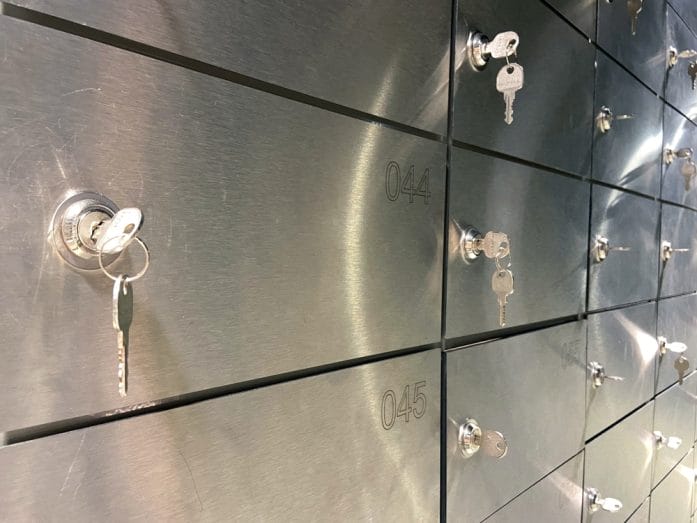
When people lock something inside a safe deposit box, they expect one thing above all else: access when it matters. Birth certificates, property deeds, wills, and irreplaceable documents feel secure behind that vault door, far from theft or disaster.

But here’s the twist most don’t see coming—banks can temporarily limit safe deposit box access during internal reviews, audits, or legal processes. That moment of restriction can arrive without much warning, and it can leave you stuck when you need those documents the most.

Why Banks Review Safe Deposit Boxes in the First Place

Banks don’t randomly block safe deposit box access without a reason, even if it feels sudden from the outside. They conduct reviews for compliance with financial regulations, fraud prevention, and identity verification requirements tied to account holders. In some cases, banks must respond to court orders, estate disputes, or government investigations that require temporary control over access.

These reviews protect both the institution and the broader financial system, even though they can inconvenience customers. Knowing that these reviews exist helps set realistic expectations about how secure—but not always instantly accessible—your documents really are.

What Happens When Safe Deposit Box Access Is Restricted

When a bank restricts safe deposit box access, it doesn’t always mean something has gone wrong, but it does mean you can’t walk in and retrieve your items on demand. The bank may freeze access until it completes its review, verifies ownership details, or resolves a legal issue tied to the account. In practical terms, that could mean waiting days or even weeks depending on the situation and the complexity involved. Customers often don’t receive detailed explanations right away, especially if privacy laws or legal constraints limit what the bank can disclose. That uncertainty makes it critical to avoid relying on immediate safe deposit box access for urgent needs.

Situations That Commonly Trigger Access Delays

Several common scenarios can lead to restricted safe deposit box access, and many of them catch people off guard. The death of a box holder often triggers a review, as banks must verify executors and legal documentation before granting entry. Missed rental payments or expired contracts can also prompt restrictions until accounts are brought current. Changes in account ownership, such as adding or removing authorized users, may temporarily pause access while paperwork gets sorted out. Even routine internal audits can lead to short-term limits on safe deposit box access, especially in larger financial institutions that follow strict compliance procedures.

The Real Risk: Not Having Documents When You Need Them

The biggest issue with restricted safe deposit box access isn’t the delay itself—it’s the timing. Emergencies don’t wait for bank reviews to wrap up, and situations like medical crises, travel needs, or legal deadlines often require immediate paperwork. Imagine needing a passport for urgent travel or a will during a time-sensitive estate matter, only to find access temporarily blocked. That gap between need and access creates stress and can even lead to financial or legal complications. Treating a safe deposit box as the only storage option for critical documents introduces a risk many people don’t fully consider.

Banks Can Restrict Safe Deposit Box Access During Reviews—What That Means for Your Documents

Image Source: Shutterstock.com

Smart Strategies to Avoid Getting Locked Out

Avoiding problems with safe deposit box access starts with a simple shift in strategy. Keep copies of essential documents in a secure but accessible location at home, such as a fireproof safe, so you always have a backup. Digital copies stored in encrypted cloud storage add another layer of protection and convenience when physical access becomes an issue.

Make sure all account details remain up to date, including authorized users and payment status, to prevent avoidable restrictions. It also helps to periodically review your bank’s policies so you understand exactly how safe deposit box access works under different circumstances.

A Better Way to Think About Document Security

Safe deposit boxes still offer strong protection against theft, fire, and natural disasters, but they shouldn’t act as your only line of defense. A balanced approach that combines physical storage, digital backups, and easy-access copies creates a more reliable system. This mindset shift reduces the pressure on safe deposit box access and gives you flexibility when unexpected delays occur.

Planning ahead may feel unnecessary in calm moments, but it pays off when timing becomes critical. The goal isn’t to abandon safe deposit boxes—it’s to use them wisely within a broader security plan.

Don’t Let Access Become the Weak Link

Safe deposit boxes solve one problem extremely well: keeping valuables secure from external threats. However, restricted safe deposit box access introduces a different kind of risk that often goes unnoticed until it becomes urgent. Staying informed, keeping backups, and understanding your bank’s policies can prevent that moment of panic when access isn’t immediately available. Small proactive steps now can protect you from major headaches later.

Have you ever had trouble accessing important documents when you needed them most, or do you have a system that works perfectly? If you have a story to share, our comments section is the best place to do it!

You May Also Like…

Why Direct Deposit Fails: Banking Errors That Cost You Benefits​

5 Budgeting Apps That Integrate With Biometric Banking

Some Banks Are Going Digital-Only — What That Means for Your Money

Direct Deposit Refunds Are Being Returned by Banks When Names Don’t Match the Account

6 Ways Criminals Are Using AI to Impersonate Banks and Government Agencies

Brandon Marcus
Brandon Marcus

Brandon Marcus is a writer who has been sharing the written word since a very young age. His interests include sports, history, pop culture, and so much more. When he isn’t writing, he spends his time jogging, drinking coffee, or attempting to read a long book he may never complete.

Filed Under: Banking Tagged With: bank policies, banking rules, document security, emergency preparedness, Estate planning, legal documents, personal finance tips, Planning, safe deposit box access, secure storage

How Much Cash You Really Need to Survive a 48-Hour Digital Blackout

February 27, 2026 by Brandon Marcus Leave a Comment

How Much Cash You Really Need to Survive a 48-Hour Digital Blackout

Image Source: Unsplash.com

A digital blackout doesn’t need to last a week to cause chaos. Forty-eight hours without working card machines, banking apps, ATMs, or payment processors can bring daily life to a grinding halt. Gas pumps stall. Grocery stores switch to cash-only. Online banking turns into a blank screen. The question stops being abstract and turns urgent: how much actual cash would it take to get through two days without tapping, swiping, or clicking?

The answer depends on lifestyle and location, but it never equals zero. A 48-hour digital disruption demands real, physical currency in hand, and it demands more than most people keep in their wallets. Smart preparation does not mean hoarding thousands of dollars. It means knowing what daily life truly costs and planning for that reality.

The Real-World Cost of Two Offline Days

Start with basic survival categories: food, water, fuel, medication, and unexpected extras. In most U.S. cities, groceries for two days for one adult cost between $25 to $60, depending on eating habits and whether someone cooks at home. Add a second person and that total easily doubles. Families with children need more, especially if schools close and meals shift entirely to home.

Fuel adds another layer.  During a blackout, gas stations may operate on generators and accept cash only. Waiting until the tank dips near empty creates unnecessary stress. Keeping enough cash to cover at least one full tank protects mobility.

Medications and small essentials matter more than people expect. Pharmacies sometimes switch to cash during system outages, and a last-minute refill can cost $10 to $50 for common prescriptions with insurance pricing. Over-the-counter basics like batteries, bottled water, or baby supplies add another $20 to $50 quickly.

Add these numbers together and the realistic minimum for one adult often lands around $150 to $250 for 48 hours. A couple may need $300 to $400. A family of four may need $400 to $600, especially if they rely on formula, specific dietary foods, or longer commutes.

Why Cards Become Useless Faster Than You Think

Modern payment systems rely on electricity, internet connectivity, and banking networks that communicate constantly. When any link in that chain fails, the transaction fails. Even if a store wants to accept cards, it cannot process payments without network access. Some businesses run offline systems temporarily, but most avoid that risk because fraud and declined transactions create losses.

ATMs also rely on network verification. Without connection to banking systems, machines shut down or limit withdrawals. During widespread outages, lines form quickly at any working machine. Waiting until a crisis begins almost guarantees inconvenience.

Cash never depends on servers or satellites. It requires no battery, no signal, and no password. During short-term outages caused by cyber incidents, technical failures, or severe storms, physical currency keeps daily life moving. That simple reliability makes it powerful.

Building the Right Cash Buffer Without Going Overboard

No one needs to stash thousands of dollars under a mattress for a 48-hour blackout. Instead, focus on calculated coverage. A practical goal for a single adult in an urban area falls around $300 in small bills. Families should consider $500 or slightly more, depending on size and needs.

Small bills matter. During outages, businesses may struggle to make change. Keeping a mix of $5s, $10s, and $20s speeds up transactions and reduces frustration. Avoid storing only large denominations.

Storage also matters. A fireproof home safe offers better protection than a random drawer. Some people divide emergency cash into two locations in case one area becomes inaccessible. Avoid carrying the entire amount daily; that increases theft risk.

Treat this cash like an emergency tool, not spending money. Replenish it immediately after use. Think of it as a financial flashlight: invisible until needed, essential when darkness hits.

Where People Underestimate Their Spending

Most budgeting apps show average spending, but outages change behavior. Without food delivery services or online shopping, people shift toward in-person purchases. That shift often increases impulse spending.

Coffee shops that accept only cash suddenly seem irresistible. Convenience stores become the fallback for forgotten items. Prices at small neighborhood markets often exceed big-box prices. In a short crisis, convenience beats comparison shopping.

Transportation costs also rise when public transit systems face payment glitches. Ride-sharing services may stall if apps fail. Taxis often accept cash, but fares add up quickly. Someone who normally spends $10 a day commuting could easily spend $40 or more during disruptions.

Image Source: Unsplash.com

The Hidden Value of Preparedness Beyond Money

Cash solves immediate transaction problems, but preparation extends beyond paper bills. Keeping a small stock of nonperishable food, bottled water, flashlights, and backup phone chargers reduces the need to spend at all.

FEMA recommends maintaining basic emergency supplies that can sustain a household for several days during disasters. While a 48-hour blackout does not equal a full-scale disaster, that guidance reinforces the logic of self-sufficiency. When supplies already sit at home, cash stretches further.

Communication plans also matter. If digital networks fail, meeting points and printed contact numbers become essential. A simple printed sheet with key phone numbers avoids panic when contact lists disappear behind locked screens.

Urban vs. Rural: Why Location Changes the Number

City dwellers often rely heavily on digital payments. Parking garages, public transit systems, and quick-service restaurants rarely keep robust offline systems. That reliance increases the importance of cash.

Rural areas face different challenges. Longer driving distances increase fuel needs. Smaller stores may already operate primarily on cash, which can ease transaction stress but limit inventory. A rural household might prioritize extra fuel cash, while an urban resident might prioritize food and transportation alternatives.

Climate also matters. A winter blackout in a cold region demands backup heating solutions, which may require fuel purchases. A summer outage in a hot region may push people toward hotels with generator power, and that can cost $100 to $200 per night in many areas. Including one night of emergency lodging in a cash plan may make sense for households with medical needs or extreme weather risks.

Cash Is Boring Until It Isn’t

Digital payments feel seamless and efficient, and they deserve credit for convenience. Yet convenience can vanish overnight when systems fail. A modest stash of cash transforms inconvenience into minor disruption.

Preparation does not signal fear. It signals awareness. Forty-eight hours pass quickly when plans exist. Without preparation, those same hours feel long and chaotic. Emergency cash should not drain savings or create anxiety. It should sit quietly, ready for use if needed. Once set aside, it fades into the background of daily life until it proves its value.

Two Days, One Smart Plan

The key here lies in clarity. Calculate actual needs, add a cushion, store small bills securely, and refresh the stash after any use. Pair cash with basic supplies to reduce reliance on emergency spending.

If payment systems went dark tonight, would the cash on hand feel sufficient or suddenly very small? Let’s talk about emergency and financial planning in the comments.

You May Also Like…

7 Decisions Grandparents Must Put in Writing Before a Medical Emergency

The $1,000 Crisis: Why Most Families Can’t Handle a Simple Emergency Anymore

Why Your Emergency Fund Isn’t Protecting You the Way It Did Five Years Ago

9 Budget Categories That Blow Up After One Emergency

The Verizon $20 Trap: Why That “Outage Refund” Text Message Could Wipe Out Your Bank Account

Brandon Marcus
Brandon Marcus

Brandon Marcus is a writer who has been sharing the written word since a very young age. His interests include sports, history, pop culture, and so much more. When he isn’t writing, he spends his time jogging, drinking coffee, or attempting to read a long book he may never complete.

Filed Under: Finance Tagged With: blackout tips, cash on hand, debit card outage, digital blackout, disaster readiness, emergency budgeting, emergency cash fund, emergency preparedness, personal finance basics, Planning, power outage survival, short-term crisis planning

The Legal Authority Gap That Leaves Adult Children Locked Out During Emergencies

January 29, 2026 by Brandon Marcus Leave a Comment

The Legal Authority Gap That Leaves Adult Children Locked Out During Emergencies

Image source: shutterstock.com

Picture this: your parent suddenly collapses at home, and panic sets in. You’re standing there, heart racing, dialing 911, but when the paramedics arrive, they turn to you and say, “I’m sorry, we can’t discuss their condition with you.”

Wait—what? You’re their child, their adult child, and yet legally, you might be treated like a stranger. This is the harsh reality of what experts call the legal authority gap—a frustrating and often overlooked issue that can leave families powerless in moments when time is critical and clarity is everything. Understanding it isn’t just a nice-to-know; it’s a lifesaver waiting to happen.

What the Legal Authority Gap Really Means

The legal authority gap occurs when an adult child lacks formal documentation giving them the right to make medical or financial decisions for a parent.

Even if your parent has always welcomed your advice, hospitals and other institutions operate under strict privacy laws like HIPAA, which can prevent staff from sharing critical information without explicit consent. This isn’t because anyone wants to keep you out—it’s a legal safeguard—but it often leads to chaos in emergencies.

Adult children who assume they have an automatic right to step in are frequently blindsided. Essentially, good intentions aren’t enough; law and paperwork rule the day.

The Surprising Rules That Govern Medical Decisions

When your parent can’t communicate, hospitals need a legally recognized decision-maker. If no one is formally designated—through documents like a durable power of attorney for health care—hospitals may only speak to a spouse, legal guardian, or sometimes an appointed public advocate.

Adult children are left waiting, frustrated, and sometimes powerless, even if they’re intimately familiar with their parent’s wishes. The irony is harsh: you know more about their preferences than almost anyone, yet the law prioritizes formal titles over familiarity or family bonds. That’s why navigating medical decision-making requires both empathy and paperwork.

Real-Life Chaos: When Timing Can’t Wait

Consider a scenario where a parent experiences a stroke. Seconds count, but without legal authority, adult children may be sidelined while doctors seek court approval or await spouse consent. Meanwhile, critical decisions about treatment, interventions, or even hospice care hang in the balance. Families report feeling helpless, watching events unfold while desperately trying to communicate and influence choices.

The emotional toll is enormous, often compounding the medical crisis with frustration, fear, and guilt. Understanding the legal framework ahead of time is the only way to avoid this powerless feeling.

How to Close the Gap Before Disaster Strikes

Here is how you and your family can approach this painful and frustrating situation. Step one: Start the conversation with your parent, no matter how uncomfortable it feels. Then, ensure all necessary documents—medical powers of attorney, financial powers of attorney, and living wills—are properly drafted and signed. After that, verify that copies are accessible to hospitals, banks, and other institutions your parent interacts with regularly. Review and update these documents every few years, especially if circumstances change, like divorce, remarriage, or relocation.

Finally, keep communication open; these discussions aren’t a one-and-done deal—they’re an ongoing dialogue that ensures everyone knows their role when emergencies strike.

The Legal Authority Gap That Leaves Adult Children Locked Out During Emergencies

Image source: shutterstock.com

Why Adult Children Are Often Unprepared

Most adult children believe that being close to a parent automatically grants them authority in emergencies. Unfortunately, that’s a dangerous assumption. Studies and anecdotal reports show that even children who visit daily or handle finances can be legally powerless without proper documentation. Add in emotional stress, sudden medical crises, and high-stakes decision-making, and the situation becomes a recipe for conflict or delay.

Planning ahead isn’t just about paperwork; it’s about peace of mind and practical empowerment. When you understand the legal landscape, you’re no longer a bystander—you’re an advocate.

Beyond Medical Emergencies: Financial Authority Matters Too

The legal authority gap isn’t limited to healthcare. Access to bank accounts, investments, and retirement funds can also be restricted without formal authority. Imagine your parent suddenly can’t manage their finances: bills pile up, rent or mortgage deadlines loom, and you’re blocked from helping because the bank only recognizes someone with documented authority.

Like medical authority, financial authority isn’t automatic and often requires separate legal documents, such as a durable power of attorney for finances. Being proactive ensures you can help stabilize your parent’s life, protecting their assets and dignity when circumstances demand it.

Preparation Equals Power

Emergencies are chaotic, stressful, and often unpredictable. The legal authority gap amplifies that stress by sidelining the people who care most. By addressing this gap proactively, adult children can step confidently into a supportive, decision-making role instead of feeling helpless at the worst possible time.

Conversations, proper legal documents, and periodic updates transform what could be a nightmare into a controlled, manageable scenario. Empowerment doesn’t just protect your parent; it preserves your ability to act decisively when every second counts.

Have you or someone you know experienced the frustration of being sidelined in an emergency? Share your story and strategies in the comments—we want to hear how families are closing this gap.

You May Also Like…

When Is It Time to Stop Supporting My Fully Grown Adult Children Financially?

Why Do Medical Bills Feel So Hard to Plan Around

The Medical Bill Mistake That Can Cripple Your Credit for a Decade

7 Reasons Women Over 65 Have Given Up On Their Adult Children Taking Care of Them

9 Promises Adult Children Make to Their Parents, But Have No Idea of How to Keep Them


Brandon Marcus
Brandon Marcus

Brandon Marcus is a writer who has been sharing the written word since a very young age. His interests include sports, history, pop culture, and so much more. When he isn’t writing, he spends his time jogging, drinking coffee, or attempting to read a long book he may never complete.

Filed Under: Legal Advice Tagged With: adult children, emergency preparedness, family planning, Financial Power of Attorney, healthcare power of attorney, HIPAA, legal, legal advice, legal authority, medical emergencies

Build an Ironclad Emergency Fund That Can Withstand Any Crisis

December 3, 2025 by Brandon Marcus Leave a Comment

You Need To Build an Ironclad Emergency Fund That Can Withstand Any Crisis

Image Source: Shutterstock.com

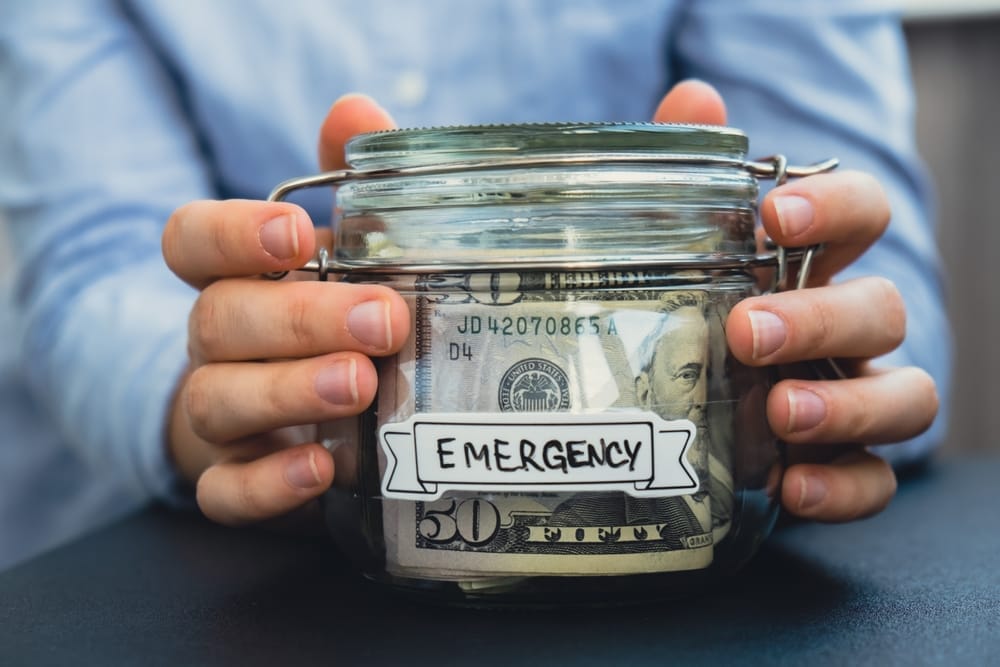
Life has a habit of throwing curveballs at the exact moment you feel like you’ve finally hit your stride. One minute you’re cruising along, paying bills, enjoying weekends, feeling in control—and the next, your car decides to impersonate a campfire, your job pulls a surprise plot twist, or your refrigerator suddenly retires mid-milk. That’s the moment you either panic… or calmly reach for your emergency fund and handle business like a champion.

An emergency fund isn’t glamorous, but it’s the financial equivalent of armor—quiet, dependable, and ready to deflect chaos when things get wild. If you’ve ever wanted to build a safety net so strong it could shrug off even the ugliest crisis, you’re in the right place.

Why You Need An Emergency Fund That’s More Than Spare Change

Most people underestimate how quickly life can upend their budget. A single unexpected bill can trigger a chain reaction, especially for those living paycheck to paycheck. An emergency fund acts as a buffer that keeps surprise expenses from becoming financial disasters. It gives you room to breathe, think clearly, and avoid high-interest debt. When you know you have a stash waiting for true emergencies, every part of life feels a little less stressful.

Start Small, But Start Immediately

Building an emergency fund doesn’t require winning a lottery ticket or selling everything you own; it begins with one small, intentional step. Even setting aside ten or twenty dollars at a time creates momentum that builds into something real. Waiting for “the perfect moment” guarantees that the moment never comes, so getting started today matters more than starting big. Small contributions teach discipline and reinforce the habit of paying yourself first. Before long, you’ll look at the total and feel a spark of pride that fuels your motivation to keep going.

Choose A Savings Strategy That Actually Works For You

People often abandon their emergency fund because they force themselves into a system that feels unnatural or overwhelming. Your savings method should match your money personality—automations for the forgetful, manual transfers for the control-oriented, envelopes for the hands-on budgeters. The right system is the one you’ll actually stick to, not the one that sounds good on paper. A savings plan should slot easily into your lifestyle so it never feels like punishment. Consistency beats perfection every single time when growing a dependable safety net.

Determine The Right Amount So You’re Truly Protected

Experts love debating how much you “should” save, but the real answer depends on your life, your responsibilities, and your risk tolerance. Some people sleep well with three months of expenses saved, while others feel safer with six or even twelve months. The best number is the one that keeps you calm when imagining the worst-case scenario. Spend time calculating what you’d genuinely need to survive if everything went sideways. Once you know your target, the entire savings mission becomes clearer and more motivating.

Protect Your Emergency Fund From… Yourself

Once your emergency fund starts growing, it becomes tempting to dip into it for things that feel urgent but aren’t truly emergencies. A sale at your favorite store, a last-minute trip, or a shiny new upgrade does not count as a crisis. Keeping your fund in a separate account helps create psychological distance and reduces impulsive withdrawals. Treat this money as sacred, untouchable, and reserved only for genuine needs. When you protect your emergency fund, it protects you right back.

Make Your Money Work Without Putting It At Risk

An emergency fund shouldn’t be locked away in investments or risky accounts where you can lose access—or the money itself. That said, it can still earn interest in a safe, accessible spot like a high-yield savings account. The key is balancing growth with security because emergencies don’t wait for the market to recover. The goal isn’t maximizing profit; it’s ensuring your money is available at the exact moment you need it. Think of your emergency fund as a loyal guard dog: dependable, ready, and not off gambling in the stock market.

You Need To Build an Ironclad Emergency Fund That Can Withstand Any Crisis

Image Source: Shutterstock.com

Refill It Every Time You Use It

Even the strongest emergency fund gets depleted during tough times, but the real power comes from rebuilding it after the storm passes. Once you’ve resolved the crisis, return to your savings plan with the same energy you had in the beginning. A refilled fund restores your sense of stability and reminds you that you’re capable of handling anything. Every crisis you survive becomes proof that your system works. Replenishing your emergency fund is the final step in completing the cycle of financial resilience.

Celebrate Milestones So You Stay Motivated

Saving money can feel slow and uneventful, so celebrating your progress is essential to keeping your excitement alive. Reaching your first $100, then $500, then $1,000 deserves recognition, even if the celebration is something simple. These milestones build confidence and turn saving into something rewarding rather than exhausting. When you acknowledge the work you’ve done, your brain stays motivated to keep pushing forward. The journey becomes just as satisfying as the end goal.

Build Confidence One Cushion At A Time

Each dollar added to your emergency fund is like adding a brick to your personal fortress. Over time, that fortress becomes strong enough to withstand layoffs, medical surprises, home repairs, or anything life flings your way. The security it provides spills into every area—your relationships, your decisions, your overall peace of mind. You walk differently when you know one bad day won’t wipe you out. Building an ironclad emergency fund isn’t just a financial task; it’s an act of long-term self-protection.

Your Future Self Will Thank You

Creating an emergency fund that can survive any crisis isn’t about luck or perfection—it’s about small steps, ongoing intention, and the decision to protect your future. When you have a financial cushion, life’s unpredictable moments lose their power to overwhelm you. You gain control, confidence, and options during times when everything feels out of your hands.

If you’ve built an emergency fund before, or if you’re starting one now, share your thoughts, stories, or strategies in the comments below. Someone out there might need your insight to finally begin their own journey.

You May Also Like…

6 Emergency-Fund Secrets People Use to Save Faster

9 Ways People Screw Up Emergency Funds — Even When They Have Good Intentions

10 Financial Dangers of Skipping Emergency Funds

7 Stock Market Myths That Cost Beginner Investors Their Life Savings

Could Ignoring Inflation Erase Decades of Savings

Brandon Marcus
Brandon Marcus

Brandon Marcus is a writer who has been sharing the written word since a very young age. His interests include sports, history, pop culture, and so much more. When he isn’t writing, he spends his time jogging, drinking coffee, or attempting to read a long book he may never complete.
Filed Under: Lifestyle Tagged With: crisis, emergency expenses, emergency fund, emergency funds, emergency medical care, emergency planning, emergency preparedness, emergency savings, financial emergency, Saving, saving money, savings, savings account, savings strategy

11 Things You Should Have in a “Grab-and-Go” Financial Binder for Emergencies

October 30, 2025 by Travis Campbell Leave a Comment

Binder

Image source: shutterstock.com

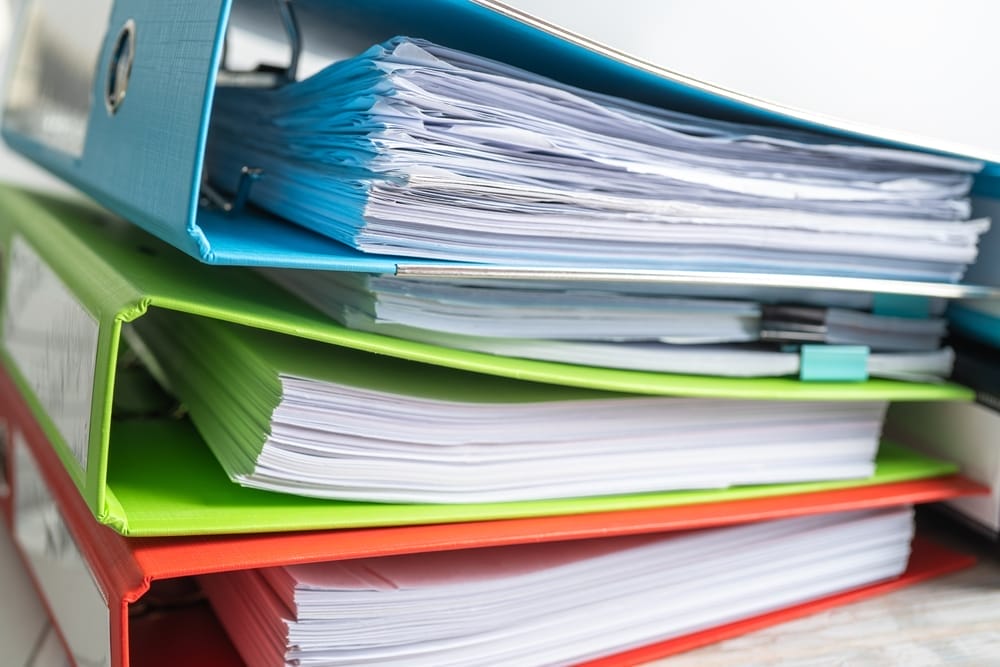
Emergencies usually provide no warning before they occur. A grab-and-go financial binder provides you with peace of mind while enabling you to take immediate action during emergencies such as natural disasters, hospitalizations, or evacuations. The binder holds vital financial papers that serve as security while keeping your money accessible during crises. During a crisis, avoid spending precious time searching for account numbers, insurance documents, and legal papers. Creating a complete financial binder at present will help you handle difficult financial situations better in the future. Let’s break down the 11 things you should include to ensure your financial emergency binder is ready to go.

1. Personal Identification Documents

Start with the basics. Include copies of driver’s licenses, passports, Social Security cards, birth certificates, and marriage certificates for everyone in your household. These documents prove your identity and are often needed to access services, file claims, or travel during emergencies. Store copies, not originals, to reduce the risk of loss.

2. Emergency Contact Information

List out phone numbers and addresses for family, close friends, doctors, and key professionals like your lawyer or accountant. Also include your employer’s contact details and those of your local emergency services. This ensures that, even if your phone dies or you lose access to digital records, you can still reach the people who matter most.

3. Medical Records and Health Insurance Details

Keep copies of your health insurance cards, a summary of each family member’s medical history, lists of medications, allergies, and immunization records for each family member. In an emergency, having this information readily available can speed medical care and help providers make informed decisions.

4. Financial Account Information

Your grab-and-go financial binder should have a section for all key bank accounts, credit cards, investment accounts, and retirement plans. List institution names, account numbers, and contact info for customer service. Do not include your online passwords but note where your password manager or secure login information is stored. This will help you or a trusted person manage your financial accounts if you’re unable to do it yourself.

5. Insurance Policies

Keep copies of all insurance policies, including home, auto, renters, life, and disability insurance. Include policy numbers, agent contact information, and a summary of coverage for each policy. If you need to file a claim after a disaster or accident, this information will be invaluable.

6. Estate Planning Documents

Include copies of your will, power of attorney, advance directives, and any trusts you’ve set up. These documents are essential if someone needs to make decisions on your behalf or settle your affairs. The grab-and-go financial binder should make it clear where the originals are stored and who is authorized to access them.

7. List of Recurring Bills and Obligations

Make a list of all regular bills—mortgage or rent, utilities, subscriptions, loan payments, and more. Note the due dates, amounts, and how each is paid (online, by mail, or auto-pay). This helps ensure nothing slips through the cracks if you’re away from home or unable to manage your finances for a time.

8. Property and Asset Documentation

Include copies of deeds, titles, and registration papers for your home, vehicles, and other valuable property. Add photos or a video inventory of your belongings for insurance purposes. If you have valuable collectibles or jewelry, document them here as well. This section of your financial emergency binder will help you prove ownership and file accurate claims if needed.

9. Tax Returns and Key Financial Statements

Store copies of your most recent federal and state tax returns, as well as important financial statements. If you need to apply for relief or loans or to prove income, these documents can be critical. You don’t need every year—usually the past two or three years are sufficient for your grab-and-go financial binder.

10. Important Legal Agreements

If you have prenuptial agreements, divorce decrees, custody papers, or business contracts, include copies in your binder. Legal documents can clarify your rights and obligations during stressful situations and help avoid confusion or disputes.

11. Digital Access and Password Guide

While you should never write down passwords in plain text, your financial emergency binder should have instructions for accessing your password manager or digital vault. Include master password hints or the location of a secure backup. This way, if you’re incapacitated, a trusted person can access your online accounts without compromising your security.

Making Your Financial Emergency Binder Work for You

A grab-and-go financial binder represents an excellent method to prepare for unexpected situations. You need to organize and verify all your required documents during this step. Review and update your binder at least once a year and after major life events, including marriage and divorce, and starting a new job.

Store your binder in a protected location that is both accessible and secure, such as a fireproof safe or a locked drawer. Tell a trusted friend or family member where it is. You should protect data by storing it in an encrypted cloud storage service that offers digital backup.

What financial documents do you store in your grab-and-go financial binder for emergencies? Have you located any important items we missed? Share your thoughts and tips in the comments below!

What to Read Next…

  • What Happens When a Medical Emergency Outpaces Your Emergency Fund
  • 5 Emergency Repairs That Could Force You Into Debt Overnight
  • Why Some People Feel Rich But Can’t Afford a $400 Emergency
  • 6 Monthly Bills You Should Cancel Immediately Even If You Can Afford Them
  • 8 Things You’re Doing That Make Criminals Think You’re an Easy Target
Travis Campbell
Travis Campbell

Travis Campbell is a digital marketer/developer with over 10 years of experience and a writer for over 6 years. He holds a degree in E-commerce and likes to share life advice he’s learned over the years. Travis loves spending time on the golf course or at the gym when he’s not working.

Filed Under: Budgeting Tagged With: documents, emergency preparedness, Estate planning, Insurance, organization, Personal Finance, Planning

8 Estate Documents Your Adult Children Need on File Before an Emergency

August 21, 2025 by Catherine Reed Leave a Comment

8 Estate Documents Your Adult Children Need on File Before an Emergency

Image source: 123rf.com

No one likes to think about emergencies, but preparing ahead of time can make all the difference for your loved ones. Having the right paperwork ready ensures that your wishes are honored, assets are managed smoothly, and your children are spared unnecessary stress. Too often, families discover too late that critical information was missing when it mattered most. By organizing estate documents your adult children need before an emergency, you’re giving them peace of mind and a clear plan to follow. These documents protect both your legacy and your family’s well-being.

1. Last Will and Testament

Perhaps the most recognized of all estate documents your adult children need is a will. This outlines how assets should be distributed, who will inherit property, and who is named as executor. Without a will, state laws decide these matters, which may not reflect your wishes. A properly drafted will also reduce conflict among surviving family members. Giving your children access to this document ensures there’s no confusion after you’re gone.

2. Living Trust

A living trust allows you to transfer property directly to heirs without going through probate court. It can save both time and money while keeping matters private. Estate documents your adult children need should always include a trust if you’ve created one. This ensures they know who the trustee is and how to access assets. A trust is especially helpful if you own property in multiple states or have a complex estate.

3. Durable Power of Attorney

A durable power of attorney designates someone to manage your finances if you become incapacitated. This could include paying bills, managing investments, or handling real estate. It’s one of the most important estate documents your adult children need because emergencies often involve more than medical decisions. Without it, a court may have to appoint someone, delaying care and financial stability. Naming a trusted individual keeps things running smoothly during difficult times.

4. Healthcare Power of Attorney

While financial matters are critical, so is your medical care. A healthcare power of attorney appoints someone to make medical decisions if you’re unable to speak for yourself. This document ensures your wishes are respected, even in unexpected circumstances. Including it among estate documents your adult children need provides clarity during emotional and stressful situations. It empowers your children to act confidently on your behalf.

5. Living Will (Advance Healthcare Directive)

A living will specify your preferences for end-of-life care, such as life support, resuscitation, or organ donation. This document removes the burden of guesswork from your children during critical moments. Estate documents your adult children need should always include this because it gives them guidance when decisions are most difficult. Knowing your exact wishes provides comfort and reduces family disagreements. It ensures your medical care reflects your values and choices.

6. Life Insurance Policy Information

Life insurance policies provide crucial financial support to beneficiaries after your passing. Unfortunately, many families struggle to locate policies when needed. Estate documents your adult children need should include clear records of policy numbers, coverage amounts, and contact information for insurers. Having this on file guarantees benefits are claimed promptly and used as intended. It also relieves children from scrambling through paperwork at a stressful time.

7. Beneficiary Designations

Bank accounts, retirement plans, and insurance policies often pass directly to named beneficiaries, bypassing the will. That’s why updated designations are critical estate documents your adult children need. Outdated beneficiaries can cause disputes or even send assets to unintended people. By keeping these forms current and accessible, you ensure your legacy reaches the right hands. It’s a simple but powerful step in estate planning.

8. Digital Assets and Passwords List

In today’s world, digital access is just as important as physical property. Estate documents your adult children need now include a secure list of online accounts, passwords, and instructions. This covers everything from bank accounts to social media profiles. Without this information, children may struggle to close accounts, access funds, or protect your identity. Having a clear record ensures digital assets are managed properly.

Planning Today to Protect Tomorrow

Preparing estate documents your adult children need may feel overwhelming, but it’s one of the greatest gifts you can give them. These papers provide direction, reduce conflict, and save time and money when emergencies strike. By taking action now, you remove uncertainty and help your children focus on what matters most—caring for you and honoring your wishes. A well-organized estate plan is more than paperwork; it’s a lasting act of love and responsibility.

Have you started gathering estate documents for your family yet? Share your thoughts and experiences in the comments below!

Read More:

10 Date-Sensitive Clauses in Estate Documents That Can Cancel Everything

Are Your Medical Wishes Legally Enforceable Across State Lines?

Catherine Reed
Catherine Reed

Catherine is a tech-savvy writer who has focused on the personal finance space for more than eight years. She has a Bachelor’s in Information Technology and enjoys showcasing how tech can simplify everyday personal finance tasks like budgeting, spending tracking, and planning for the future. Additionally, she’s explored the ins and outs of the world of side hustles and loves to share what she’s learned along the way. When she’s not working, you can find her relaxing at home in the Pacific Northwest with her two cats or enjoying a cup of coffee at her neighborhood cafe.

Filed Under: Estate Planning Tagged With: adult children, emergency preparedness, Estate planning, healthcare decisions, Planning, power of attorney, trusts, wills

Why You Should Never Store These Documents in a Safe

July 10, 2025 by Travis Campbell Leave a Comment

safe

Image Source: pexels.com

Some things feel obvious. You want to keep your most important documents safe, so you put them in a safe. But that’s not always the best move. In fact, storing certain documents in a safe can cause more problems than it solves. You might think you’re protecting your future, but you could be making things harder for yourself or your loved ones. The truth is, not every document belongs behind a locked door. Some need to be accessible, and others can even be damaged by the very place you think is protecting them. Here’s why you should never store these documents in a safe—and what you should do instead.

1. Wills

A will is one of the most important documents you’ll ever create. But if you lock it in a safe, you might be setting up your family for a headache. After you pass away, your loved ones may not know the combination or even that the safe exists. If they can’t access your will, the probate process gets complicated. Courts might treat your estate as if you never had a will at all. That means your wishes could be ignored. Instead, keep your will in a place that’s secure but accessible. Many people use a fireproof document box or leave it with their attorney. Some states even allow you to file your will with the local probate court for safekeeping. The key is making sure the right people know where to find it when they need it.

2. Power of Attorney Documents

Power of attorney documents give someone the legal right to act on your behalf. If you become incapacitated, your agent needs these papers fast. If they’re locked in a safe, your agent might not be able to get to them. That defeats the whole purpose. Emergencies don’t wait for you to remember a combination. Keep these documents in a place where your agent can access them quickly. Give a copy to your agent and maybe your attorney. You can also keep a digital copy in a secure cloud storage service. The goal is to make sure help is available when you need it most.

3. Advance Directives and Medical Instructions

Advance directives, like living wills or do-not-resuscitate (DNR) orders, guide your medical care if you can’t speak for yourself. Doctors and hospitals need these documents right away. If they’re in a safe, medical staff won’t have time to wait for someone to open it. In a crisis, every second counts. Keep these documents somewhere easy to grab, like a folder in your home or with a trusted family member. Some people keep a copy in their wallet or purse. You can also ask your doctor to keep a copy in your medical file. The main thing is that your wishes are clear and available when needed.

4. Passports and Travel Documents

You might think a safe is the best place for your passport. But if you need to travel on short notice, you don’t want to be hunting for keys or combinations. Worse, if you’re out of town and someone needs to send you your passport, they won’t be able to get it. Passports are valuable, but they’re also meant to be used. Store them in a secure but accessible spot, like a locked drawer or a travel wallet. If you travel often, keep your passport where you can grab it quickly. For more on passport safety, check out the U.S. Department of State’s advice.

5. Insurance Policies

Insurance policies are critical after a loss. If your house burns down or you’re in an accident, you need your policy details right away. If your insurance papers are in a safe that’s damaged or inaccessible, you could face delays in filing a claim. Some safes aren’t as fireproof as you think, and water from firefighting can ruin paper. Instead, keep a copy of your insurance policies in a waterproof folder in your home and another copy with a trusted person or in secure cloud storage. Many insurance companies also offer digital access to your policies, which can be a lifesaver in an emergency.

6. Social Security Cards

Social Security cards are important, but you rarely need them. Keeping them in a safe might seem smart, but if you ever need to show your card for a job or government service, you don’t want to be locked out. Plus, if your safe is stolen, a thief now has your Social Security number. It’s better to keep your card in a secure, hidden spot at home. Only carry it when you need it.

7. Birth and Marriage Certificates

Birth and marriage certificates are needed for things like getting a passport, enrolling in school, or proving your identity. If they’re locked away, you might not be able to get them when you need them. And if your safe is damaged by fire or water, these documents can be destroyed. Store them in a fireproof, waterproof document bag in a secure but accessible place. You can also order certified copies from the issuing agency if you lose the originals, but that takes time and can be stressful.

8. Keys and Spare Car Fobs

It sounds logical to keep spare keys or car fobs in a safe. But if you’re locked out of your house or car, you can’t get to them. That defeats the purpose of having a spare. Instead, give a spare key to someone you trust or use a secure outdoor key box. For car fobs, keep a spare in a hidden spot at home, not in your car or a locked safe.

Rethink What “Safe” Really Means

A safe can protect valuables from theft or fire, but it’s not always the best place for every important document. Accessibility matters just as much as security. If you lock away documents you or your loved ones need in an emergency, you could be creating bigger problems. Think about what you need to access quickly and what can be replaced. Use a mix of secure storage options, and always let trusted people know where to find what matters most.

What documents do you keep outside your safe, and why? Share your thoughts in the comments.

Read More

Find the Right Amount of Life Insurance in 10 Minutes

Tax Season is Here

Travis Campbell
Travis Campbell

Travis Campbell is a digital marketer/developer with over 10 years of experience and a writer for over 6 years. He holds a degree in E-commerce and likes to share life advice he’s learned over the years. Travis loves spending time on the golf course or at the gym when he’s not working.

Filed Under: safety Tagged With: document storage, emergency preparedness, Estate planning, Insurance, Personal Finance, safe deposit box, security, wills

If You Hear This Sound Outside Your House, Don’t Open the Door

June 13, 2025 by Travis Campbell Leave a Comment

fornt door

Image Source: 123rf.com

Have you ever been startled by an unexpected sound outside your house late at night? Maybe it was a knock, a strange scratching, or even a faint cry for help. In those moments, your instincts might tell you to investigate, but your safety could depend on resisting that urge. Home safety isn’t just about locking your doors—it’s about knowing how to respond when something feels off. With crime tactics evolving and emergencies happening when you least expect them, understanding what to do when you hear suspicious sounds outside your home is more important than ever. This guide will walk you through practical steps to protect yourself, your loved ones, and your property.

1. Recognize Common Sounds Used in Scams

Criminals often use specific sounds to lure homeowners outside. These can include fake cries for help, knocking, or even the sound of breaking glass. The goal is to trigger your concern or curiosity, making you more likely to open the door. Home safety experts warn that these tactics are designed to catch you off guard. Instead of responding immediately, pause and assess the situation. If you hear something unusual, remember that your priority is to keep yourself safe inside.

2. Don’t Rely on Peepholes Alone

It’s tempting to peek through the peephole or a window when you hear a noise, but this can put you at risk. Some criminals use peepholes to see if someone is home, or they may be waiting for movement near a window. Instead, use a security camera or a video doorbell if you have one. These devices allow you to check outside without exposing yourself. If you don’t have a camera, consider speaking through a locked door or using your phone to call for help. Prioritizing home safety means minimizing direct contact with potential threats.

3. Call for Help Before Investigating

If you hear a suspicious sound, don’t try to handle it alone. Call a trusted neighbor or the police before you do anything else. Many local police departments encourage residents to report anything unusual, even if it turns out to be nothing. This approach not only protects you but also helps keep your neighborhood safer. Remember, it’s always better to be cautious when it comes to home safety.

4. Use Outdoor Lighting to Your Advantage

A well-lit exterior is one of the simplest ways to deter unwanted visitors. Motion-activated lights can startle would-be intruders and alert you to movement outside. If you hear a sound, turn on your outdoor lights before looking outside. This can help you see what’s happening without putting yourself in harm’s way. Good lighting is a key part of any home safety plan, making it harder for criminals to approach undetected.

5. Don’t Open the Door for Strangers—No Matter What

Even if someone claims to need help or says they’re from a utility company, never open the door to someone you don’t know. Ask for identification through a closed door, and verify their story by calling the company or organization they claim to represent. Many scams involve impersonators who hope you’ll let them in without question.

6. Have an Emergency Plan Ready

Preparation is key to home safety. Make sure everyone in your household knows what to do if they hear a suspicious sound outside. This might include staying away from doors and windows, turning on lights, and calling for help. Practice your plan regularly so everyone feels confident in an emergency. Having a plan can make all the difference when seconds count.

7. Trust Your Instincts

If something feels off, trust your gut. Your instincts are a powerful tool for home safety. If you feel uneasy about a sound or a situation, don’t ignore it. Take precautions, stay inside, and reach out for help if needed. It’s always better to err on the side of caution than to take unnecessary risks.

Your Safety Comes First—Every Time

When it comes to home safety, your well-being is more important than satisfying your curiosity or being polite to a stranger. The next time you hear a suspicious sound outside your house, remember these steps and put your safety first. Staying alert, having a plan, and using technology can help you avoid dangerous situations and keep your home secure.

Have you ever experienced a suspicious sound outside your home? What steps did you take to stay safe? Share your story or tips in the comments below!

Read More

The Definition of Irony (or Why You Should Know What You’re Doing)

It’s a Bad Day When a Munchkin Dies

Travis Campbell
Travis Campbell

Travis Campbell is a digital marketer/developer with over 10 years of experience and a writer for over 6 years. He holds a degree in E-commerce and likes to share life advice he’s learned over the years. Travis loves spending time on the golf course or at the gym when he’s not working.

Filed Under: safety Tagged With: crime prevention, emergency preparedness, home safety, neighborhood safety, personal security

12 Things No One Should Be Doing If They Live Alone

May 31, 2025 by Travis Campbell Leave a Comment

living alone

Image Source: pexels.com

Living alone offers freedom and independence but comes with unique responsibilities and risks. Many people underestimate the challenges of solo living until they face an emergency or a costly mistake. From safety oversights to financial missteps, the consequences can be more severe when no one is around to help. Understanding what not to do is just as important as knowing what to do. By avoiding these common pitfalls, you can protect your well-being, finances, and peace of mind.

If you live alone, these 12 things should be off your list—each one can impact your safety, security, and financial health.

1. Ignoring Home Security

Home security is a top concern for anyone who lives alone. Nearly 1.7 million burglaries occur annually in the U.S., and single-occupant homes are often targeted because they’re perceived as easier marks. Failing to lock doors and windows, neglecting to install deadbolts, or skipping a security system can leave you vulnerable. Invest in smart locks, motion-sensor lights, and a basic alarm system. Even a simple doorbell camera can deter intruders and give you peace of mind.

2. Skipping Emergency Contacts

Not having a list of emergency contacts easily accessible is a major oversight. In a crisis, you may not have time to search for numbers. Keep a printed list of key contacts—family, friends, neighbors, and local emergency services—on your fridge or by your phone. This small step can make a huge difference if you’re injured or need urgent help.

3. Overlooking Fire Safety

Fire safety is critical, especially when you’re the only one home. Residential fires cause over 2,500 deaths each year in the U.S. alone. Test smoke detectors monthly, keep a fire extinguisher in the kitchen, and never leave candles or cooking unattended. Create a simple escape plan and practice it, even if it feels unnecessary. These precautions can save your life.

4. Neglecting Health Check-Ins

Living alone can make it easy to ignore minor health issues until they become serious. Studies show that people who live alone are more likely to delay seeking medical care, which can lead to worse outcomes. Schedule regular check-ups, and consider using health apps or wearable devices to monitor your well-being. Let a trusted friend or family member know if you’re feeling unwell so that someone can check in on you.

5. Letting Mail and Packages Pile Up

Uncollected mail or packages signal to others that you’re not home, increasing your theft risk. Porch piracy is on the rise, with over 49 million Americans reporting stolen packages in 2022. Arrange for a neighbor to collect your mail when you’re away, or use a secure delivery locker. This simple habit protects your belongings and your privacy.

6. Ignoring Budgeting and Bill Tracking

Financial management is crucial when you live alone, as no one else can catch missed payments or overspending. Nearly 40% of Americans have paid a bill late due to forgetfulness. Use budgeting apps or set calendar reminders for rent, utilities, and subscriptions. Staying on top of your finances helps avoid late fees, service interruptions, and damage to credit score.

7. Leaving Social Media Clues

Posting real-time updates about your whereabouts can put your safety at risk. Criminals often use social media to identify when homes are empty. Avoid sharing vacation plans or check-ins until after you return. Adjust your privacy settings and be mindful of what you post, especially if your profiles are public.

8. Failing to Maintain Appliances

A broken heater or leaky faucet can quickly become a bigger problem when you’re the only one around to notice. Regularly inspect appliances and address small issues before they escalate. Water damage from leaks costs U.S. homeowners billions each year. Schedule routine maintenance and keep a list of reliable repair professionals handy.

9. Not Having a Backup Key Plan

Locking yourself out is more than inconvenient when you live alone—it can be expensive and dangerous. Avoid hiding keys in obvious places like under the mat. Instead, give a spare to a trusted neighbor or friend. Consider a lockbox with a code for emergencies.

10. Skipping Insurance Reviews

Many solo dwellers assume their landlord’s insurance covers their belongings, but renters’ insurance is essential. The average renter owns $30,000 in personal property, yet only 57% have insurance. Review your policy annually to ensure it covers theft, fire, and liability. This small investment can save you from major financial loss.

11. Ignoring Mental Health

Social isolation is a real risk for people who live alone. Loneliness has been linked to higher rates of depression, anxiety, and even heart disease. Try to stay connected with friends, join local groups, or volunteer. If you’re struggling, don’t hesitate to seek professional help—mental health is just as important as physical health.

12. Forgetting to Plan for the Unexpected

Emergencies can happen at any time. Having a plan is crucial whether it’s a power outage, medical emergency, or natural disaster. Keep a basic emergency kit with water, food, flashlights, and first aid supplies. Know your building’s evacuation routes and have a backup plan for communication if your phone dies.

Building a Safer, Smarter Solo Life

Living alone doesn’t have to mean living at risk. By avoiding these 12 common mistakes, you can create a safer, more secure, and financially stable environment for yourself. Prioritize home security, stay on top of your finances, and maintain strong social connections. Small changes—like updating your emergency contacts or reviewing your insurance—can greatly impact your peace of mind.

What’s one habit you’ve changed since living alone that’s made a real difference? Share your experience in the comments below.

Read More

Budgeting Smart and Fun Ways to Manage Your Finances Solo

Don’t Turn Your Back: 12 Things You Should Never Leave Unattended in Public

Travis Campbell
Travis Campbell

Travis Campbell is a digital marketer/developer with over 10 years of experience and a writer for over 6 years. He holds a degree in E-commerce and likes to share life advice he’s learned over the years. Travis loves spending time on the golf course or at the gym when he’s not working.

Filed Under: Lifestyle Tagged With: emergency preparedness, home safety, living alone, mental health, Personal Finance, renter's insurance, solo living

6 Things You Should Always Be Prepared For When Driving At Night

April 11, 2025 by Travis Campbell Leave a Comment

driving at night

Image Source: pexels

Driving after sunset introduces a unique set of challenges that even experienced drivers must approach cautiously. Reduced visibility, increased fatigue, and unexpected hazards make nighttime driving significantly more dangerous than daytime travel. According to the National Safety Council, the risk of a fatal crash is three times higher at night despite fewer cars on the road. Proper preparation can make the difference between arriving safely at your destination and becoming another unfortunate statistic. This guide covers six essential preparations every driver should make before embarking on nighttime journeys.

1. Diminished Visibility Conditions

Nighttime drastically reduces your visual field, limiting what you can see to just what falls within your headlight beams. The human eye requires significantly more light to distinguish objects at night, making it harder to spot pedestrians, animals, or road hazards until they’re dangerously close. Age compounds this challenge, as drivers over 50 may need twice as much light to see as well as a 30-year-old due to natural changes in the eye’s lens and pupil. Regular vision checkups become especially important for night drivers, as uncorrected vision problems can further compromise your already limited nighttime sight. Proper preparation includes ensuring your prescription glasses (if needed) include an anti-reflective coating to reduce glare from oncoming headlights and keeping your windshield meticulously clean both inside and out.

2. Vehicle Lighting System Maintenance

Your vehicle’s lighting system becomes your primary lifeline when driving after dark, making regular maintenance non-negotiable. Headlights naturally dim over time, with some losing up to 20% of their brightness annually, so replacing bulbs before they burn out completely is essential for optimal visibility. According to AAA, dirty headlight covers can reduce effectiveness by up to 90%, making regular cleaning a simple yet crucial safety measure. Properly aligned headlights ensure maximum road coverage without blinding oncoming drivers, so have them professionally checked if you notice uneven illumination patterns. Functioning brake lights, turn signals, and emergency flashers are equally important as they communicate your intentions to other drivers with the same visibility limitations. Consider upgrading to LED or HID headlights if your vehicle comes with standard halogen bulbs, as the improved brightness and coverage can significantly enhance your nighttime driving safety.

3. Fatigue Management Strategies

Driving while fatigued is particularly dangerous at night when your body naturally craves sleep due to its circadian rhythm. The National Highway Traffic Safety Administration estimates that drowsy driving causes about 100,000 crashes annually, with most occurring between midnight and 6 a.m. when alertness is at its lowest. Preparation should include ensuring you’re well-rested before night driving, as even being awake for 18 hours straight can impair your driving ability, similar to having a blood alcohol concentration of 0.05%. Strategic caffeine consumption can help combat drowsiness, but remember it takes about 30 minutes to take effect and wears off after a few hours. Planning regular breaks every 100 miles or two hours of driving gives your mind and body the necessary recovery time and helps maintain focus throughout longer journeys. Recognizing the warning signs of fatigue—heavy eyelids, drifting between lanes, missing exits, or not remembering the last few miles—should trigger immediate action, whether that’s switching drivers or finding a safe place to rest.

4. Wildlife Encounter Preparedness

Nighttime dramatically increases the likelihood of wildlife crossings, with deer-vehicle collisions peaking during dusk and dawn hours. The Insurance Institute for Highway Safety reports that animal strikes cause approximately 200 human fatalities annually, with countless more injuries and vehicle damage incidents. Preparation includes knowing which areas along your route have high wildlife activity and being especially vigilant when passing through these zones. Using high beams whenever possible (when no oncoming traffic is present) extends your visibility range and gives you precious extra seconds to react if an animal appears. The proper response technique—braking firmly without swerving—should be mentally rehearsed, as the instinctive swerve reaction often leads to more dangerous outcomes like rollovers or head-on collisions. Reducing speed during prime wildlife movement hours gives you more reaction time and reduces the impact force should a collision prove unavoidable.

5. Emergency Equipment Essentials

Nighttime breakdowns present additional dangers as reduced visibility makes you less noticeable to passing motorists. A comprehensive emergency kit should include reflective triangles or LED flares that can be placed at intervals behind your vehicle to alert approaching drivers. A reliable flashlight with extra batteries becomes invaluable for everything from checking under the hood to signaling for help if you’re in a cellular dead zone. A fully charged mobile phone and car charger ensure you can call for assistance, while a portable jump starter eliminates the need to wait for another vehicle if your battery dies. Basic tools, a first aid kit, warm blankets, and non-perishable snacks complete your preparation for extended waits for help, which can be significantly longer at night when fewer service providers may be operating.

6. Weather Condition Adaptations

Night driving compounds the challenges presented by adverse weather, requiring specific preparation for different conditions. Rain reduces visibility and creates dangerous glare from headlights reflecting off wet surfaces, making clean wiper blades and water-repellent windshield treatments essential. Fog requires specialized driving techniques, including using low beams rather than high beams, which can reflect back and further reduce visibility in foggy conditions. Snow and ice demand winter-specific preparations, including proper tires, increased following distances, and gentler acceleration and braking techniques to maintain control. Weather apps checked before departure help you anticipate conditions, while highway information systems can alert you to sudden changes or hazardous areas along your route. Knowing when to delay your trip or find alternative transportation represents the ultimate preparation, as sometimes the safest night driving decision is not to drive at all.

Mastering the Night Road: Your Safety Checklist

Nighttime driving doesn’t have to be intimidating when you’ve properly prepared for its unique challenges. Regular vehicle maintenance focused on lighting systems, vision optimization, and emergency preparedness creates a foundation for safer night journeys. Practicing defensive driving techniques becomes even more critical after dark, with increased following distances and reduced speeds giving you valuable reaction time. Leveraging technology like night vision assistance systems and GPS navigation with real-time traffic and hazard alerts can provide additional safety margins. Remember that preparation extends beyond your vehicle to include your physical and mental readiness, making adequate rest perhaps the most important practice. By implementing these six preparation areas, you transform night driving from a necessary risk into a manageable activity that gets you safely to your destination.

Have you experienced a close call while driving at night that proper preparation helped you avoid? Share your story in the comments to help other drivers learn from your experience!

Read More

How to buy your new car the smart way

How depreciation can affect your auto insurance premiums

Travis Campbell
Travis Campbell

Travis Campbell is a digital marketer/developer with over 10 years of experience and a writer for over 6 years. He holds a degree in E-commerce and likes to share life advice he’s learned over the years. Travis loves spending time on the golf course or at the gym when he’s not working.

Filed Under: Auto & Tech Tagged With: defensive driving, driving visibility, emergency preparedness, fatigue management, headlight maintenance, night driving safety, wildlife collisions

  • 1
  • 2
  • Next Page »

FOLLOW US

Search this site:

Recent Posts

  • Can My Savings Account Affect My Financial Aid? by Tamila McDonald
  • 12 Ways Gen X’s Views Clash with Millennials… by Tamila McDonald
  • What Advantages and Disadvantages Are There To… by Jacob Sensiba
  • 10 Tactics for Building an Emergency Fund from Scratch by Vanessa Bermudez
  • Call 911: Go To the Emergency Room Immediately If… by Stephen Kanaval
  • 7 Weird Things You Can Sell Online by Tamila McDonald
  • 10 Scary Facts About DriveTime by Tamila McDonald

Copyright © 2026 · News Pro Theme on Genesis Framework