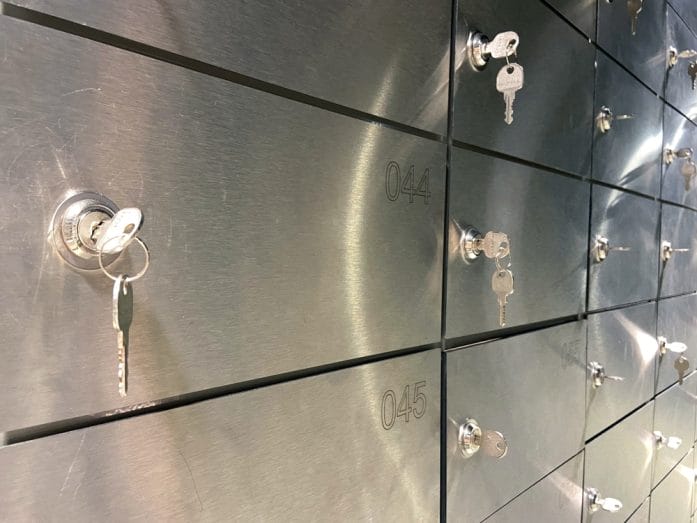
When people lock something inside a safe deposit box, they expect one thing above all else: access when it matters. Birth certificates, property deeds, wills, and irreplaceable documents feel secure behind that vault door, far from theft or disaster.
But here’s the twist most don’t see coming—banks can temporarily limit safe deposit box access during internal reviews, audits, or legal processes. That moment of restriction can arrive without much warning, and it can leave you stuck when you need those documents the most.
Why Banks Review Safe Deposit Boxes in the First Place
Banks don’t randomly block safe deposit box access without a reason, even if it feels sudden from the outside. They conduct reviews for compliance with financial regulations, fraud prevention, and identity verification requirements tied to account holders. In some cases, banks must respond to court orders, estate disputes, or government investigations that require temporary control over access.
These reviews protect both the institution and the broader financial system, even though they can inconvenience customers. Knowing that these reviews exist helps set realistic expectations about how secure—but not always instantly accessible—your documents really are.
What Happens When Safe Deposit Box Access Is Restricted
When a bank restricts safe deposit box access, it doesn’t always mean something has gone wrong, but it does mean you can’t walk in and retrieve your items on demand. The bank may freeze access until it completes its review, verifies ownership details, or resolves a legal issue tied to the account. In practical terms, that could mean waiting days or even weeks depending on the situation and the complexity involved. Customers often don’t receive detailed explanations right away, especially if privacy laws or legal constraints limit what the bank can disclose. That uncertainty makes it critical to avoid relying on immediate safe deposit box access for urgent needs.
Situations That Commonly Trigger Access Delays
Several common scenarios can lead to restricted safe deposit box access, and many of them catch people off guard. The death of a box holder often triggers a review, as banks must verify executors and legal documentation before granting entry. Missed rental payments or expired contracts can also prompt restrictions until accounts are brought current. Changes in account ownership, such as adding or removing authorized users, may temporarily pause access while paperwork gets sorted out. Even routine internal audits can lead to short-term limits on safe deposit box access, especially in larger financial institutions that follow strict compliance procedures.
The Real Risk: Not Having Documents When You Need Them
The biggest issue with restricted safe deposit box access isn’t the delay itself—it’s the timing. Emergencies don’t wait for bank reviews to wrap up, and situations like medical crises, travel needs, or legal deadlines often require immediate paperwork. Imagine needing a passport for urgent travel or a will during a time-sensitive estate matter, only to find access temporarily blocked. That gap between need and access creates stress and can even lead to financial or legal complications. Treating a safe deposit box as the only storage option for critical documents introduces a risk many people don’t fully consider.

Smart Strategies to Avoid Getting Locked Out
Avoiding problems with safe deposit box access starts with a simple shift in strategy. Keep copies of essential documents in a secure but accessible location at home, such as a fireproof safe, so you always have a backup. Digital copies stored in encrypted cloud storage add another layer of protection and convenience when physical access becomes an issue.
Make sure all account details remain up to date, including authorized users and payment status, to prevent avoidable restrictions. It also helps to periodically review your bank’s policies so you understand exactly how safe deposit box access works under different circumstances.
A Better Way to Think About Document Security
Safe deposit boxes still offer strong protection against theft, fire, and natural disasters, but they shouldn’t act as your only line of defense. A balanced approach that combines physical storage, digital backups, and easy-access copies creates a more reliable system. This mindset shift reduces the pressure on safe deposit box access and gives you flexibility when unexpected delays occur.
Planning ahead may feel unnecessary in calm moments, but it pays off when timing becomes critical. The goal isn’t to abandon safe deposit boxes—it’s to use them wisely within a broader security plan.
Don’t Let Access Become the Weak Link
Safe deposit boxes solve one problem extremely well: keeping valuables secure from external threats. However, restricted safe deposit box access introduces a different kind of risk that often goes unnoticed until it becomes urgent. Staying informed, keeping backups, and understanding your bank’s policies can prevent that moment of panic when access isn’t immediately available. Small proactive steps now can protect you from major headaches later.
Have you ever had trouble accessing important documents when you needed them most, or do you have a system that works perfectly? If you have a story to share, our comments section is the best place to do it!
You May Also Like…
Why Direct Deposit Fails: Banking Errors That Cost You Benefits
5 Budgeting Apps That Integrate With Biometric Banking
Some Banks Are Going Digital-Only — What That Means for Your Money
Direct Deposit Refunds Are Being Returned by Banks When Names Don’t Match the Account
6 Ways Criminals Are Using AI to Impersonate Banks and Government Agencies

Brandon Marcus is a writer who has been sharing the written word since a very young age. His interests include sports, history, pop culture, and so much more. When he isn’t writing, he spends his time jogging, drinking coffee, or attempting to read a long book he may never complete.
.png)
Leave a Reply