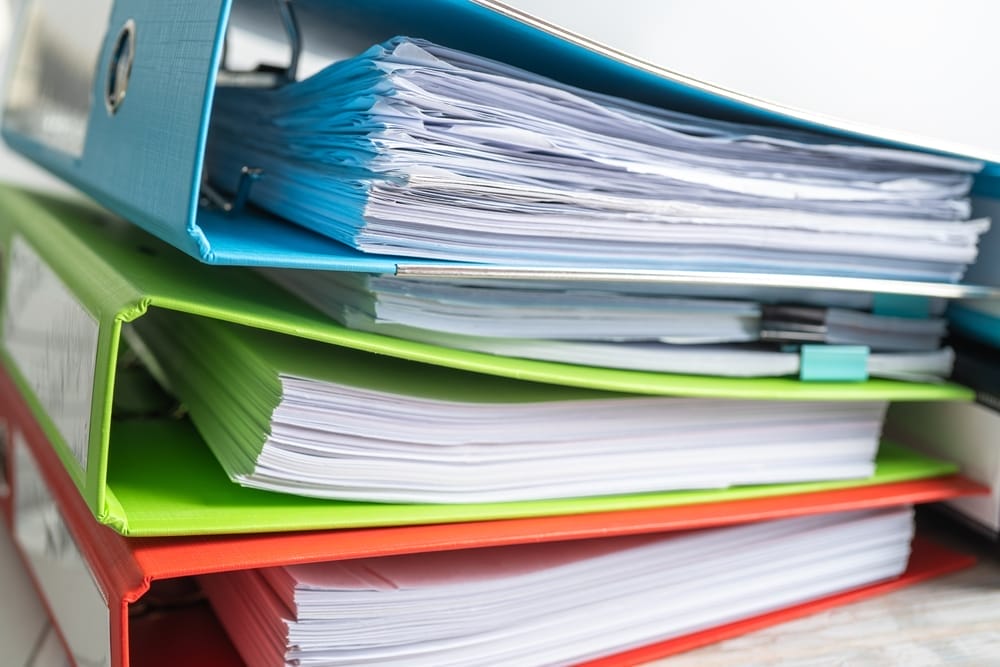
Emergencies usually provide no warning before they occur. A grab-and-go financial binder provides you with peace of mind while enabling you to take immediate action during emergencies such as natural disasters, hospitalizations, or evacuations. The binder holds vital financial papers that serve as security while keeping your money accessible during crises. During a crisis, avoid spending precious time searching for account numbers, insurance documents, and legal papers. Creating a complete financial binder at present will help you handle difficult financial situations better in the future. Let’s break down the 11 things you should include to ensure your financial emergency binder is ready to go.
1. Personal Identification Documents
Start with the basics. Include copies of driver’s licenses, passports, Social Security cards, birth certificates, and marriage certificates for everyone in your household. These documents prove your identity and are often needed to access services, file claims, or travel during emergencies. Store copies, not originals, to reduce the risk of loss.
2. Emergency Contact Information
List out phone numbers and addresses for family, close friends, doctors, and key professionals like your lawyer or accountant. Also include your employer’s contact details and those of your local emergency services. This ensures that, even if your phone dies or you lose access to digital records, you can still reach the people who matter most.
3. Medical Records and Health Insurance Details
Keep copies of your health insurance cards, a summary of each family member’s medical history, lists of medications, allergies, and immunization records for each family member. In an emergency, having this information readily available can speed medical care and help providers make informed decisions.
4. Financial Account Information
Your grab-and-go financial binder should have a section for all key bank accounts, credit cards, investment accounts, and retirement plans. List institution names, account numbers, and contact info for customer service. Do not include your online passwords but note where your password manager or secure login information is stored. This will help you or a trusted person manage your financial accounts if you’re unable to do it yourself.
5. Insurance Policies
Keep copies of all insurance policies, including home, auto, renters, life, and disability insurance. Include policy numbers, agent contact information, and a summary of coverage for each policy. If you need to file a claim after a disaster or accident, this information will be invaluable.
6. Estate Planning Documents
Include copies of your will, power of attorney, advance directives, and any trusts you’ve set up. These documents are essential if someone needs to make decisions on your behalf or settle your affairs. The grab-and-go financial binder should make it clear where the originals are stored and who is authorized to access them.
7. List of Recurring Bills and Obligations
Make a list of all regular bills—mortgage or rent, utilities, subscriptions, loan payments, and more. Note the due dates, amounts, and how each is paid (online, by mail, or auto-pay). This helps ensure nothing slips through the cracks if you’re away from home or unable to manage your finances for a time.
8. Property and Asset Documentation
Include copies of deeds, titles, and registration papers for your home, vehicles, and other valuable property. Add photos or a video inventory of your belongings for insurance purposes. If you have valuable collectibles or jewelry, document them here as well. This section of your financial emergency binder will help you prove ownership and file accurate claims if needed.
9. Tax Returns and Key Financial Statements
Store copies of your most recent federal and state tax returns, as well as important financial statements. If you need to apply for relief or loans or to prove income, these documents can be critical. You don’t need every year—usually the past two or three years are sufficient for your grab-and-go financial binder.
10. Important Legal Agreements
If you have prenuptial agreements, divorce decrees, custody papers, or business contracts, include copies in your binder. Legal documents can clarify your rights and obligations during stressful situations and help avoid confusion or disputes.
11. Digital Access and Password Guide
While you should never write down passwords in plain text, your financial emergency binder should have instructions for accessing your password manager or digital vault. Include master password hints or the location of a secure backup. This way, if you’re incapacitated, a trusted person can access your online accounts without compromising your security.
Making Your Financial Emergency Binder Work for You
A grab-and-go financial binder represents an excellent method to prepare for unexpected situations. You need to organize and verify all your required documents during this step. Review and update your binder at least once a year and after major life events, including marriage and divorce, and starting a new job.
Store your binder in a protected location that is both accessible and secure, such as a fireproof safe or a locked drawer. Tell a trusted friend or family member where it is. You should protect data by storing it in an encrypted cloud storage service that offers digital backup.
What financial documents do you store in your grab-and-go financial binder for emergencies? Have you located any important items we missed? Share your thoughts and tips in the comments below!
What to Read Next…
- What Happens When a Medical Emergency Outpaces Your Emergency Fund
- 5 Emergency Repairs That Could Force You Into Debt Overnight
- Why Some People Feel Rich But Can’t Afford a $400 Emergency
- 6 Monthly Bills You Should Cancel Immediately Even If You Can Afford Them
- 8 Things You’re Doing That Make Criminals Think You’re an Easy Target

Travis Campbell is a digital marketer/developer with over 10 years of experience and a writer for over 6 years. He holds a degree in E-commerce and likes to share life advice he’s learned over the years. Travis loves spending time on the golf course or at the gym when he’s not working.

