• Home
  • About Us
  • Toolkit
  • Getting Finances Done
    • Hiring Advisors
    • Debt Management
    • Spending Plan
  • Insurance
    • Life Insurance
    • Health Insurance
    • Disability Insurance
    • Homeowners/Renters Insurance
  • Contact Us
  • Privacy Policy
  • Risk Tolerance Quiz

The Free Financial Advisor

You are here: Home / Archives for neighborhood safety

Is Your Neighborhood Being Targeted by Real Estate Scammers?

July 31, 2025 by Travis Campbell Leave a Comment

neighborhood

Image Source: pexels.com

Real estate scammers are getting smarter. They don’t just target big cities or wealthy neighborhoods. They go after anyone, anywhere. If you own a home, rent, or are thinking about moving, you could be a target. These scams can cost you money, your home, or even your peace of mind. Knowing what to look for is the first step to protecting yourself and your neighborhood from real estate scammers.

1. Fake Listings Are Everywhere

Scammers love to post fake rental or home listings online. They copy real ads, change the contact info, and wait for someone to bite. You might see a beautiful house at a price that seems too good to be true. That’s a red flag. If you reach out, the scammer will ask for a deposit or personal information before you even see the place. Never send money or share details until you’ve seen the property in person and confirmed the owner’s identity. Always use trusted real estate websites and double-check the address. If a listing looks suspicious, search for the address on multiple sites. If you see the same photos with different prices or contact info, it’s likely a scam.

2. Title Fraud Can Steal Your Home

Title fraud is when someone forges documents to transfer your home’s title to their name. They can then take out loans against your property or even try to sell it. You might not know until you get a foreclosure notice or a bill for a loan you never took out. Protect yourself by checking your property records regularly. Many counties let you sign up for alerts if someone files paperwork on your property. Consider title insurance for extra protection. If you spot anything odd, contact your local recorder’s office right away. Title fraud is a growing problem, and it can happen in any neighborhood.

3. Rental Scams Target Both Renters and Owners

Scammers don’t just trick renters. Sometimes, they target owners by pretending to be interested tenants. They might send a fake check for more than the rent and ask you to wire back the difference. The check will bounce, and you’ll be out of the money. Renters can get scammed by fake landlords who ask for deposits on places they don’t own. Always meet in person, verify identities, and never wire money. If you’re a landlord, screen tenants carefully and watch for red flags like overpayments or people who refuse to meet in person.

4. Phony Real Estate Agents Are on the Rise

Not every agent is legit. Some scammers pose as real estate agents to get your trust. They might use fake business cards, websites, or even stolen license numbers. Before you work with an agent, check their license with your state’s real estate board. Ask for references and look up reviews. If something feels off, walk away. Real agents won’t pressure you to act fast or pay upfront fees. If you’re unsure, call the agency directly using a number from their official website, not the one the agent gives you.

5. Foreclosure Rescue Scams Prey on the Vulnerable

If you’re behind on your mortgage, you might get offers from people promising to “save” your home. They’ll ask for fees upfront or tell you to sign over your deed. Don’t do it. These scammers often take your money and disappear, leaving you in worse shape. Real help is available, but it never comes with upfront fees or demands for your deed. Talk to your lender or a HUD-approved housing counselor if you need help.

6. Wire Fraud Can Empty Your Bank Account

Wire fraud is a big threat during real estate transactions. Scammers hack email accounts and send fake instructions to wire your down payment or closing costs to their account. Once the money is gone, it’s almost impossible to get back. Always confirm wiring instructions by phone using a trusted number. Don’t rely on email alone. If you get last-minute changes, be suspicious. Your title company or agent should never pressure you to act fast or change payment details without a good reason.

7. Unsolicited Offers May Signal a Scam

If you get a letter, call, or text from someone offering to buy your home out of the blue, be careful. Some of these offers are legit, but many are scams. The scammer might pressure you to sign paperwork quickly or offer a price that seems too high. They may ask for personal information or a fee to “lock in” the offer. Don’t share details or sign anything without checking the buyer’s credentials. If you’re interested in selling, contact a local real estate professional you trust.

8. Community Awareness Is Your Best Defense

Scammers count on people not talking to each other. If you hear about a scam in your area, share it with your neighbors. Join local online groups or neighborhood watch programs. The more people know, the harder it is for scammers to succeed. Report suspicious activity to your local police or real estate board. Staying connected and informed is one of the best ways to keep your neighborhood safe from real estate scammers.

Stay Alert: Protect Your Home and Your Wallet

Real estate scammers are always looking for new ways to trick people. They target neighborhoods of all kinds. By staying alert and knowing the signs, you can protect yourself and your community. Don’t let your guard down, even if everything seems normal. Trust your instincts, double-check everything, and talk to others if you’re unsure. Your home is worth protecting.

Have you or someone you know dealt with a real estate scam? Share your story or tips in the comments.

Read More

6 Estate Mistakes That Could Make Your Will Invalid Overnight

The Subtle Home Smells That Real Estate Agents Say Ruin Sales

Travis Campbell
Travis Campbell

Travis Campbell is a digital marketer/developer with over 10 years of experience and a writer for over 6 years. He holds a degree in E-commerce and likes to share life advice he’s learned over the years. Travis loves spending time on the golf course or at the gym when he’s not working.

Filed Under: Real Estate Tagged With: home security, neighborhood safety, property protection, real estate scams, rental scams, title fraud, wire fraud

What Do Police Say About These “Safe” Neighborhood Assumptions?

July 29, 2025 by Travis Campbell Leave a Comment

neighborhood

Image Source: unsplash.com

You want to feel safe where you live. That’s normal. Most people look for neighborhoods with low crime rates, good schools, and quiet streets. But what if the things you think make a neighborhood “safe” aren’t as reliable as you believe? Police officers see the reality behind the numbers and the stories. They know that some common assumptions about “safe” neighborhoods can be misleading. If you’re thinking about moving, or just want to know how secure your area really is, it’s worth looking at what police say about these beliefs. Here’s what you need to know before you trust the usual signs of safety.

1. “Low Crime Rates Mean It’s Safe”

A lot of people check crime statistics before moving. It makes sense. But police often point out that crime rates don’t tell the whole story. Not all crimes get reported. Some neighborhoods have a culture of not calling the police, even when something serious happens. Others might have more active neighborhood watch groups, so more incidents get reported. This can make one area look safer or more dangerous than it really is. Also, crime rates can change quickly. A neighborhood that was safe last year might not be as safe now. Always look at trends over several years, not just one snapshot.

2. “Good Schools Equal Safe Streets”

It’s easy to think that good schools mean a safe neighborhood. After all, schools with high ratings often attract families who care about their community. But police say this isn’t always true. Sometimes, a school’s rating is based on test scores, not safety. There are neighborhoods with great schools that still have problems with theft, vandalism, or even violent crime. And sometimes, crime happens near schools because they’re busy places. Don’t assume that a good school rating means you can let your guard down. Walk around the area at different times of day. Talk to people who live nearby. Ask about what really happens after dark.

3. “Nice Homes and Lawns Mean No Crime”

A row of well-kept houses and green lawns looks safe. But police know that appearances can be deceiving. Some criminals target these areas because they expect people to have more valuables. A nice neighborhood might have more break-ins, not fewer. And sometimes, people in these areas are less likely to report suspicious activity because they don’t want to “cause trouble.” Don’t judge safety by looks alone. Ask about recent incidents. Check local news. Look for security cameras and signs of active neighborhood watch groups.

4. “Quiet Streets Are Always Safer”

A quiet street feels peaceful. But police say that quiet doesn’t always mean safe. Sometimes, quiet streets are just less watched. Fewer people around can mean fewer witnesses if something does happen. Criminals sometimes prefer these areas because they can work without being seen. If you’re considering a quiet street, look for signs that people are paying attention—like porch lights, neighbors chatting outside, or regular foot traffic. A street that’s too empty can be a red flag.

5. “Police Presence Means No Crime”

Seeing police cars in a neighborhood can feel reassuring. But it doesn’t always mean the area is safe. Sometimes, a heavy police presence means there are ongoing problems. Officers might be responding to frequent calls or trying to prevent crime in a known trouble spot. On the other hand, some safe neighborhoods rarely see police because there’s not much to respond to. If you see a lot of police activity, ask why. Don’t assume it’s a good sign.

6. “Everyone Knows Each Other, So It’s Safe”

It’s nice when neighbors know each other. But police say that even close-knit communities can have problems. Sometimes, people don’t report crimes because they don’t want to get their neighbor in trouble. Or they might handle things themselves instead of calling for help. This can let problems grow. It’s good to have friendly neighbors, but make sure there’s also a culture of looking out for each other’s safety. Ask if there’s a neighborhood watch or regular meetings about safety.

7. “No News Is Good News”

If you don’t hear about crime in your area, it’s easy to think nothing bad ever happens. But police warn that a lack of news doesn’t always mean a lack of crime. Some incidents don’t make the news. Others get downplayed to protect property values or the area’s reputation. Check police blotters or local online forums. Talk to officers at community events. Don’t rely only on what you see in the headlines.

8. “Security Systems Make a Neighborhood Safe”

Security cameras and alarm signs are everywhere now. They help, but they’re not a guarantee. Police say that some criminals are aware of how to circumvent these systems. Others aren’t deterred at all. And sometimes, people with security systems get careless, thinking the technology will protect them. Use security systems as one tool, not your only defense. Stay alert and keep up with what’s happening in your area.

Rethinking What “Safe” Really Means

A “safe” neighborhood is more than numbers, nice lawns, or quiet streets. It’s about people paying attention, reporting problems, and working together. Police see the patterns behind the scenes. They know that real safety comes from active communities, not just appearances. If you want to feel secure, get involved. Ask questions. Stay aware. Don’t trust assumptions—trust real information and your own observations.

Have you ever been surprised by what you learned about your neighborhood’s safety? Share your story or thoughts in the comments.

Read More

How to Tell If Your Neighborhood Is Quietly Being Bought by Hedge Funds

12 Red Flags That Indicate a Bad Neighborhood

Travis Campbell
Travis Campbell

Travis Campbell is a digital marketer/developer with over 10 years of experience and a writer for over 6 years. He holds a degree in E-commerce and likes to share life advice he’s learned over the years. Travis loves spending time on the golf course or at the gym when he’s not working.

Filed Under: Crime & Safety Tagged With: community safety, crime prevention, home security, neighborhood safety, police advice, safe neighborhoods

7 Places Criminals Watch Before Picking a Home to Rob

July 29, 2025 by Travis Campbell Leave a Comment

break in

Image Source: unsplash.com

Home security is something most people don’t think about until it’s too late. However, the truth is that criminals are constantly seeking easy targets. They don’t just pick a house at random. They watch, they wait, and they look for signs that make a home stand out as an easy mark. Understanding what draws their attention can help you protect your home and your family. If you know what criminals look for, you can take steps to make your house less appealing to them. Here are seven places criminals watch before picking a home to rob, and what you can do about it.

1. The Front Door

The front door is the first thing most people see, and criminals are no different. They watch to see if you leave your door unlocked or if you have a habit of leaving packages out for hours. A door with a flimsy lock or a broken frame is an open invitation. Criminals also look for spare keys hidden under mats or in fake rocks. If you have a lot of mail or packages piling up, it tells them you might be away. Make sure your front door is sturdy, always locked, and never leave spare keys in obvious places. Install a peephole or a smart doorbell camera for extra security. The front door is often the first place a criminal will try, so don’t make it easy for them.

2. Windows Facing the Street

Windows that face the street give criminals a clear view inside your home. They can see if you have expensive electronics, jewelry, or other valuables. Open curtains or blinds make it even easier for them to spot what’s worth stealing. At night, lights inside your home can turn your windows into a display case. Criminals may also look for windows that are left open or unlocked, especially on the ground floor. To protect yourself, keep valuables out of sight and close your blinds or curtains at night. Consider using frosted glass or window film for extra privacy. Secure all windows with locks, even those on upper floors.

3. The Garage

Garages are a favorite target for criminals. They often contain tools, bikes, and sometimes even unlocked doors leading into the house. Criminals watch to see if you leave your garage door open or if you forget to close it at night. They also look for older garage doors that are easy to force open. Some even use universal remotes to try and open garage doors in the neighborhood. Always close your garage door, even if you’re just running inside for a minute. Upgrade to a modern garage door opener with rolling codes, which are much harder to hack. Lock the door between your garage and your house for an extra layer of security.

4. Side Gates and Fences

Side gates and fences are supposed to keep people out, but they can also give criminals a place to hide. Criminals watch to see if your gate is left unlocked or if your fence is easy to climb. Overgrown bushes or trees near the fence can give them cover while they work. If your gate is old or broken, it’s an easy way in. Make sure your gates are always locked and in good repair. Trim back any plants that could give someone a place to hide. Consider adding motion-activated lights near side entrances to make it harder for criminals to go unnoticed.

5. The Backyard

The backyard is often out of sight from the street, which makes it a perfect spot for criminals to sneak in. They watch for signs that you don’t spend much time back there, like overgrown grass or unused furniture. If you leave ladders or tools out, you’re giving them the means to break in. Criminals also look for sliding glass doors, which are often less secure than front doors. Keep your backyard tidy and put away anything that could be used to break into your home. Install locks on all doors and windows leading to the backyard. Motion lights and security cameras can also help deter unwanted visitors.

6. Trash and Recycling Bins

It might sound strange, but your trash can tell criminals a lot about you. They watch for boxes from new electronics, like TVs or computers, which signal that you have something valuable inside. Even old mail or documents can give away personal information. Criminals sometimes go through trash to find out when you’re away or to steal your identity. Shred any documents with personal information before throwing them out. Break down boxes and put them inside recycling bins, not out on the curb. Be mindful of what you throw away and when.

7. Your Daily Routine

Criminals are patient. They watch to see when you leave for work, when you come home, and when the house is empty. If you have a predictable schedule, it’s easy for them to pick the best time to break in. They may also look for signs that you’re on vacation, like lights that never turn on or mail piling up. Vary your routine when you can. Use timers for lights and ask a neighbor to collect your mail if you’re away. Don’t post your travel plans on social media. The less predictable you are, the harder it is for criminals to target your home.

Make Your Home a Hard Target

Criminals look for easy opportunities. They watch for weak spots and predictable routines. By understanding the places they watch, you can take simple steps to make your home less appealing. Secure your doors and windows, keep your property tidy, and don’t advertise your valuables. Small changes can make a big difference.

What steps have you taken to make your home less of a target? Share your thoughts in the comments.

Read More

8 Things You’re Doing That Make Criminals Think You’re an Easy Target

How Criminals Pick Their Targets—8 Everyday Mistakes That Make You Vulnerable

Travis Campbell
Travis Campbell

Travis Campbell is a digital marketer/developer with over 10 years of experience and a writer for over 6 years. He holds a degree in E-commerce and likes to share life advice he’s learned over the years. Travis loves spending time on the golf course or at the gym when he’s not working.

Filed Under: Crime & Safety Tagged With: burglary prevention, Crime, home protection, home security, neighborhood safety, safety tips

If You Hear This Sound Outside Your House, Don’t Open the Door

June 13, 2025 by Travis Campbell Leave a Comment

fornt door

Image Source: 123rf.com

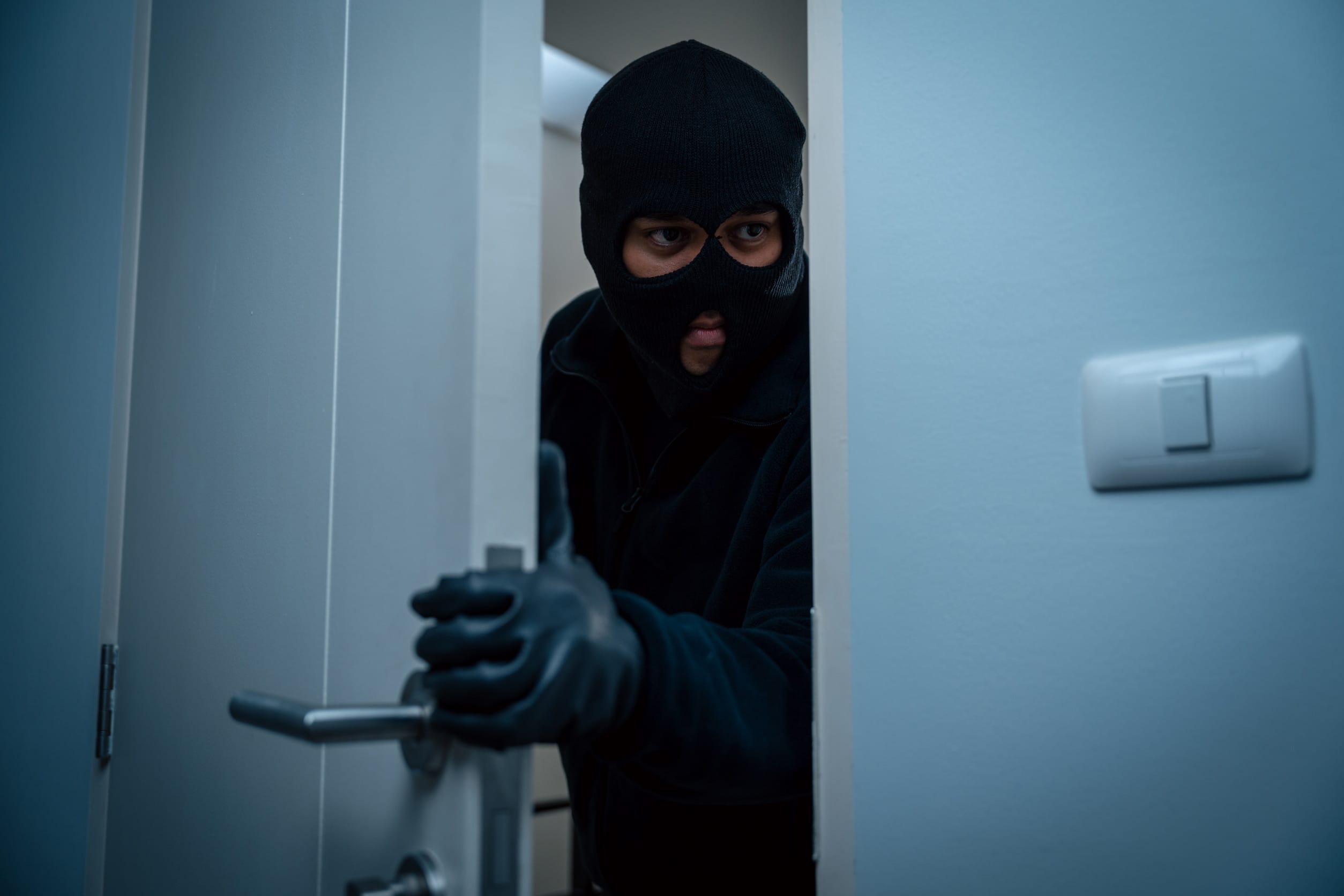
Have you ever been startled by an unexpected sound outside your house late at night? Maybe it was a knock, a strange scratching, or even a faint cry for help. In those moments, your instincts might tell you to investigate, but your safety could depend on resisting that urge. Home safety isn’t just about locking your doors—it’s about knowing how to respond when something feels off. With crime tactics evolving and emergencies happening when you least expect them, understanding what to do when you hear suspicious sounds outside your home is more important than ever. This guide will walk you through practical steps to protect yourself, your loved ones, and your property.

1. Recognize Common Sounds Used in Scams

Criminals often use specific sounds to lure homeowners outside. These can include fake cries for help, knocking, or even the sound of breaking glass. The goal is to trigger your concern or curiosity, making you more likely to open the door. Home safety experts warn that these tactics are designed to catch you off guard. Instead of responding immediately, pause and assess the situation. If you hear something unusual, remember that your priority is to keep yourself safe inside.

2. Don’t Rely on Peepholes Alone

It’s tempting to peek through the peephole or a window when you hear a noise, but this can put you at risk. Some criminals use peepholes to see if someone is home, or they may be waiting for movement near a window. Instead, use a security camera or a video doorbell if you have one. These devices allow you to check outside without exposing yourself. If you don’t have a camera, consider speaking through a locked door or using your phone to call for help. Prioritizing home safety means minimizing direct contact with potential threats.

3. Call for Help Before Investigating

If you hear a suspicious sound, don’t try to handle it alone. Call a trusted neighbor or the police before you do anything else. Many local police departments encourage residents to report anything unusual, even if it turns out to be nothing. This approach not only protects you but also helps keep your neighborhood safer. Remember, it’s always better to be cautious when it comes to home safety.

4. Use Outdoor Lighting to Your Advantage

A well-lit exterior is one of the simplest ways to deter unwanted visitors. Motion-activated lights can startle would-be intruders and alert you to movement outside. If you hear a sound, turn on your outdoor lights before looking outside. This can help you see what’s happening without putting yourself in harm’s way. Good lighting is a key part of any home safety plan, making it harder for criminals to approach undetected.

5. Don’t Open the Door for Strangers—No Matter What

Even if someone claims to need help or says they’re from a utility company, never open the door to someone you don’t know. Ask for identification through a closed door, and verify their story by calling the company or organization they claim to represent. Many scams involve impersonators who hope you’ll let them in without question.

6. Have an Emergency Plan Ready

Preparation is key to home safety. Make sure everyone in your household knows what to do if they hear a suspicious sound outside. This might include staying away from doors and windows, turning on lights, and calling for help. Practice your plan regularly so everyone feels confident in an emergency. Having a plan can make all the difference when seconds count.

7. Trust Your Instincts

If something feels off, trust your gut. Your instincts are a powerful tool for home safety. If you feel uneasy about a sound or a situation, don’t ignore it. Take precautions, stay inside, and reach out for help if needed. It’s always better to err on the side of caution than to take unnecessary risks.

Your Safety Comes First—Every Time

When it comes to home safety, your well-being is more important than satisfying your curiosity or being polite to a stranger. The next time you hear a suspicious sound outside your house, remember these steps and put your safety first. Staying alert, having a plan, and using technology can help you avoid dangerous situations and keep your home secure.

Have you ever experienced a suspicious sound outside your home? What steps did you take to stay safe? Share your story or tips in the comments below!

Read More

The Definition of Irony (or Why You Should Know What You’re Doing)

It’s a Bad Day When a Munchkin Dies

Travis Campbell
Travis Campbell

Travis Campbell is a digital marketer/developer with over 10 years of experience and a writer for over 6 years. He holds a degree in E-commerce and likes to share life advice he’s learned over the years. Travis loves spending time on the golf course or at the gym when he’s not working.
Filed Under: safety Tagged With: crime prevention, emergency preparedness, home safety, neighborhood safety, personal security

How Criminals Use Simple Chalk Marks to Target Homes for Burglary

March 15, 2025 by Latrice Perez Leave a Comment

Chalk Name

Image Source: 123rf.com

Most people wouldn’t think twice about seeing a small chalk mark on a sidewalk, fence, or even their mailbox. It’s easy to assume it was left by kids playing outside or just random street markings. However, in many cases, these seemingly innocent chalk symbols are actually coded messages used by criminals to mark homes as potential burglary targets.

Burglars, scammers, and organized crime groups have long used secret symbols to communicate information about houses they intend to target. These markings can reveal whether a home is occupied, if the owners are elderly, if a house has valuables inside, or even if a property is an easy break-in. While not widely discussed, this method is an increasingly common tool for burglars—and homeowners need to know what to look for.

Why Do Criminals Use Chalk Marks?

Chalk is the perfect tool for criminals looking to mark homes because it’s temporary, subtle, and easily dismissed by unsuspecting homeowners. Unlike spray paint or permanent markers, chalk washes away with rain, making it harder for law enforcement to track patterns or gather evidence.

These marks can be left by burglars themselves or by scouts—individuals who assess neighborhoods and report back to criminal groups. Some burglars work in teams, and these markings help identify which houses are worth targeting and which ones should be avoided.

The Meaning Behind Common Chalk Marks

While the specific symbols used by criminals can vary, some common chalk markings have been found in burglary patterns worldwide. Here are some of the meanings behind these seemingly random markings:

  • An “X” or a Cross – Indicates a good target for burglary.
  • A Circle with an “X” Inside – Home has already been broken into or is planned for burglary soon.
  • A Triangle – Usually means a single woman lives in the house, often considered an easy target.
  • A Diamond Shape – Suggests a wealthy home with high-value items inside.
  • A Letter “M” or “W” – Could signify a morning or weekend burglary opportunity, meaning the home is empty during those times.
  • A Horizontal Line – Suggests that the home has nothing worth stealing or is too risky to break into.
  • A Square or Box – Often marks a house with a security system or a dog, warning burglars to avoid it.

Some criminals also use arrows to point toward escape routes or safe exits after a break-in. Other groups may use numbers to indicate how many people live in the house or the best time to strike.

Where Do Criminals Leave These Markings?

Burglar

Image Source: 123rf.com

Burglars carefully choose where to place these chalk symbols so they are visible to their accomplices but not easily noticed by homeowners. Some of the most common places where you might find these markings include:

  • Sidewalks in front of your home – A quick way to communicate to others in a criminal network.
  • Mailboxes or fences – Subtle placement that isn’t always checked by homeowners.
  • Driveways or near the curb – Used to indicate which homes are worth breaking into.
  • Utility poles or street signs nearby – Markings left further from the home but still close enough to be useful to criminals.

How to Protect Your Home from Chalk Mark Targeting

If you notice strange chalk markings around your home or in your neighborhood, take action immediately. Criminals rely on secrecy, and once their system is exposed, they often move on to easier targets. Here’s what you should do:

  • Erase the Markings Immediately – The sooner you remove the chalk, the harder it is for burglars to follow through with their plans. Use water, a scrub brush, or a pressure washer if needed.
  • Document the Symbols – Take photos of any suspicious markings before removing them. If multiple homes in your area have similar symbols, report them to the police.
  • Inform Your Neighbors – Criminals often target entire neighborhoods. Letting your neighbors know about the markings can help everyone stay alert and take precautions.
  • Check Security Footage – If you have security cameras, review any recent activity near the markings. This could provide valuable evidence for law enforcement.
  • Strengthen Your Home Security – Even if your home hasn’t been marked, burglars are always looking for easy opportunities. Installing motion sensor lights, security cameras, and visible alarm systems can make your home less attractive to criminals.

Other Signs That Your Home May Be Targeted

Chalk markings aren’t the only way burglars signal potential targets. If you notice any of the following, it could indicate that criminals are watching your home:

  • Unfamiliar people loitering around your neighborhood
  • Strangers knocking on doors, pretending to sell something or ask for directions
  • Missing or moved trash cans and mailboxes, which could be signs of scouting
  • Flyers or business cards wedged in your door that aren’t from legitimate companies

Criminals often conduct test runs before attempting a break-in. They may leave something small, like a flyer in your door, to see how long it takes for someone to remove it. If it sits untouched for days, they may assume the home is vacant or unattended, making it a prime target.

What to Do If You Suspect Your Home Has Been Marked

If you believe criminals have marked your home for burglary, don’t ignore it. Act quickly to remove the marking, document the incident, and report any suspicious activity to local law enforcement. You can also:

  • Ask neighbors if they’ve seen any unusual behavior or markings near their homes.
  • Consider increasing outdoor lighting or installing security cameras.
  • Be extra cautious with home security—lock doors and windows, even when you’re home.
  • If possible, park a car in the driveway to give the impression that someone is always there.

Awareness Can Stop Criminals in Their Tracks

Criminals thrive on secrecy and easy opportunities. By being aware of how they use chalk markings and other subtle tricks to target homes, you can prevent yourself and your neighbors from becoming victims. If something feels off, trust your instincts—and always take action to protect your home.

Have you ever noticed strange markings or suspicious activity in your neighborhood? What did you do? Share your experience in the comments below.

Read More:

10 Places that Burglars Are Hoping You’ll Hide Your Cash and Jewelry-So Don’t!

Why Some Criminals Leave a Water Bottle on Your Car Tire—And What It Means

Latrice Perez

Latrice is a dedicated professional with a rich background in social work, complemented by an Associate Degree in the field. Her journey has been uniquely shaped by the rewarding experience of being a stay-at-home mom to her two children, aged 13 and 5. This role has not only been a testament to her commitment to family but has also provided her with invaluable life lessons and insights.

As a mother, Latrice has embraced the opportunity to educate her children on essential life skills, with a special focus on financial literacy, the nuances of life, and the importance of inner peace.

Filed Under: safety Tagged With: burglary prevention, burglary tactics, chalk markings, crime awareness, crime prevention, home defense, home protection, home security, neighborhood safety, personal safety

10 Scary Reasons You Should Never Ignore a Strange Car Parked Near Your House

March 5, 2025 by Latrice Perez Leave a Comment

Parked Car

Image Source: 123rf.com

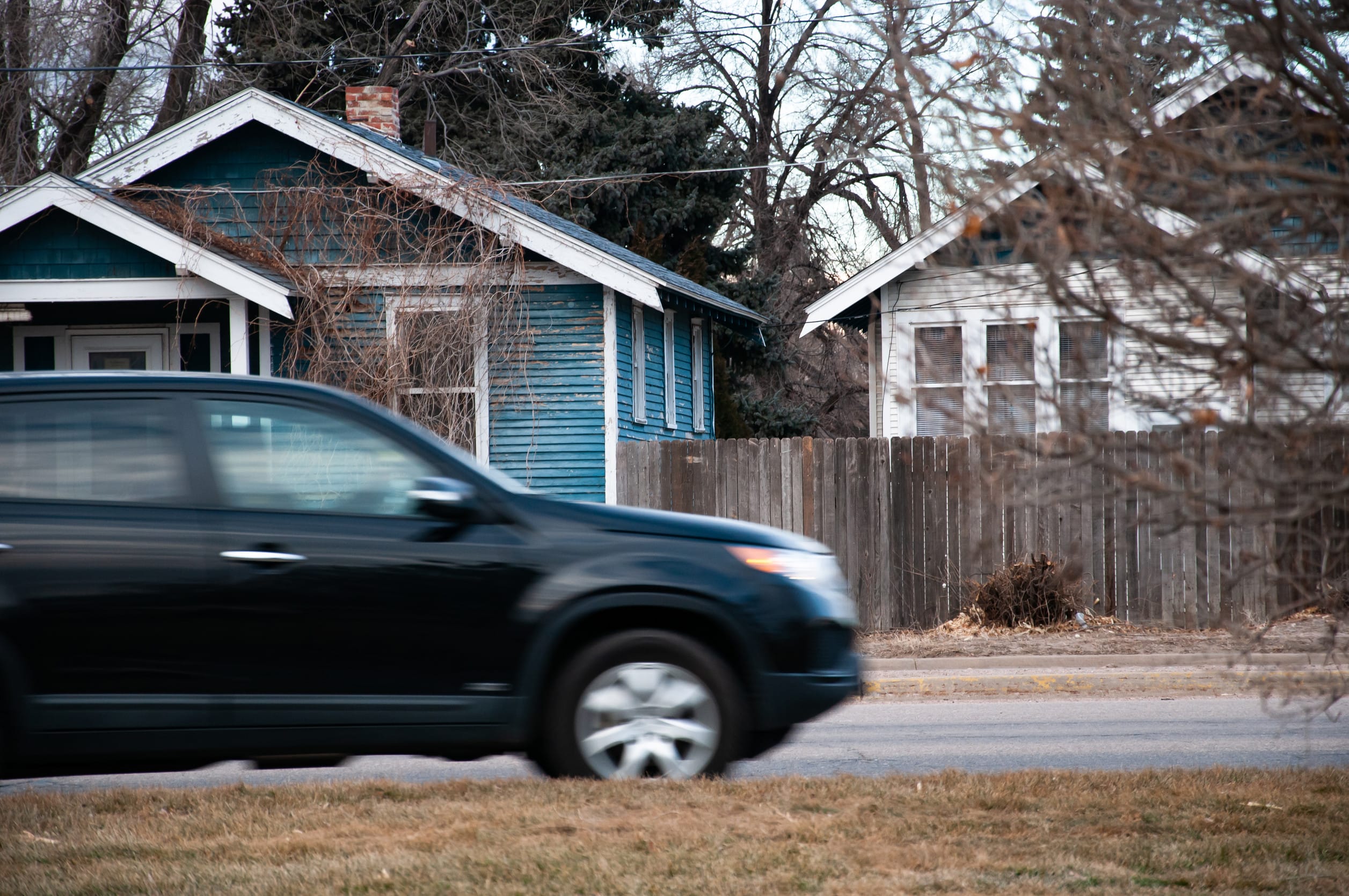
It’s easy to overlook a strange car parked near your house, especially if it doesn’t seem to be causing any immediate trouble. But what if that vehicle isn’t just a coincidence? A parked car that lingers too long could be a sign of something far more concerning, from criminals scouting out your home to someone watching your family. Ignoring it could put your safety at risk in ways you might not expect. Before you dismiss that unfamiliar vehicle, consider these 10 unsettling reasons why you should pay closer attention.

A Suspicious Car Could Be Scoping Out Your Home

If a car has been parked near your house for an unusual amount of time, it could mean someone is watching your home for the wrong reasons. Criminals often case houses before committing a break-in, noting when people leave, when they return, and whether security cameras are present. They may also be looking for weak points in your home, such as an open garage or an unlocked window. Ignoring the vehicle could give them the green light to move forward with their plans. If something feels off, trust your instincts and report it to local authorities.

It May Belong to a Stalker

In some cases, a car lingering near your home could be a sign that someone is stalking you or a family member. Stalkers often gather information about their targets by watching their daily routines and looking for opportunities to approach them. If you’ve noticed the same vehicle repeatedly, especially if it’s parked in different spots nearby, it could be cause for concern. Document the car’s details, such as its make, model, color, and license plate, and report your suspicions if the situation persists. Taking action early can prevent things from escalating.

It Might Be Linked to a Crime

A strange car parked near your house could be connected to criminal activity in your neighborhood. Drug deals, human trafficking, or other illegal activities often involve vehicles parked in inconspicuous areas. If you notice unfamiliar people coming and going from the car, exchanging items, or behaving secretively, it’s a red flag. Criminals rely on people ignoring suspicious behavior, so staying vigilant can help prevent crime in your community. If you suspect something illegal is happening, alert local law enforcement rather than confronting the situation yourself.

It Could Be a Getaway Vehicle

Criminals often leave getaway cars parked in residential areas before committing crimes, whether it’s robbing a home, a business, or even committing a more serious offense. These vehicles allow them to make a quick escape without drawing attention. If the car is running without anyone inside or has been parked for a long time with no movement, it could be suspicious. Paying attention to these details and alerting authorities when necessary can prevent a crime before it happens. Your report could make all the difference.

Someone May Be Watching Your Kids

Kids Outside

Image Source: 123rf.com

If you have children who play outside or walk home from school, a strange vehicle parked nearby should immediately raise concerns. Predators often use cars to observe and track children’s routines, looking for moments when they are alone or vulnerable. If you notice a car parked in a way that seems to be watching your home or your children, it’s better to be safe than sorry. Teach your kids to be aware of their surroundings and report anything suspicious to you immediately. Keeping a record of the vehicle and its occupants can be crucial in preventing a potential threat.

The Driver Could Be Looking to Steal Packages

Porch pirates are more common than ever, and many use parked cars to blend into the neighborhood while they wait for delivery trucks to drop off packages. If a car has been sitting near your home around the time of expected deliveries, the driver may be watching for an opportunity to snatch packages from your doorstep. These thieves move quickly, and their cars allow them to cover multiple homes in a short time. Installing security cameras and reporting suspicious activity can help deter them from targeting your home.

It Might Be a Sign of Identity Theft

Identity thieves sometimes rummage through trash bins or mailboxes in search of sensitive information. If an unfamiliar car is parked near your home late at night or early in the morning, it could mean someone is looking for documents with your personal information. Credit card offers, bank statements, and other mail can be used to steal your identity. Shredding documents before discarding them and securing your mailbox can prevent you from becoming a victim. If you notice a vehicle that seems out of place, consider notifying the authorities.

It Could Indicate an Attempted Home Invasion

A parked car that appears occupied but never moves could be a sign that someone is planning a home invasion. Criminals may sit in a vehicle for hours, watching your house to determine when you leave, when you sleep, and whether you have security systems. They may also be checking if you have a dog or if your neighbors would notice unusual activity. If you see a car lingering too long, don’t hesitate to call the police. A proactive approach can stop a break-in before it happens.

It Might Be Someone Pretending to Be a Utility Worker

Scammers often pose as utility workers, repairmen, or surveyors to gain access to homes. They may park near your house while they scope out the area or look for an opportunity to approach your door. If a vehicle has an official-looking logo but something feels off, ask for identification and verify their credentials before allowing them onto your property. Many legitimate workers carry identification that can be confirmed with a quick call to the company. Don’t let a uniform or a clipboard trick you into letting a potential scammer inside.

It Could Be a Stolen or Abandoned Vehicle

Sometimes, a car parked near your home isn’t targeting you specifically but could still pose a problem. Stolen vehicles are often abandoned in quiet neighborhoods until the thief decides to retrieve them later. If a car looks neglected, has broken windows, or seems out of place, it may have been stolen. Reporting it to the authorities can help recover the vehicle and prevent crime in your area. It’s always better to check than to assume it’s harmless.

Never Ignore a Strange Parked Car

A strange car parked near your home is never something to ignore. Whether it’s a potential burglar, a stalker, or a scammer, taking early action can prevent a dangerous situation. If you ever feel uneasy, document the vehicle’s details and notify the authorities rather than confronting the driver yourself. Your safety and the security of your home should always come first. The more vigilant you are, the less likely your home will be an easy target.

Have you ever encountered a suspicious vehicle near your home? What did you do about it? Share your experience in the comments below and help others stay safe!

Read More:

Road Trip Safety: No One Should Travel Without These 12 Essentials In Their Car

Think You’re Safe? 8 Risks of Being Added as an Authorized User on a Credit Card Without Your Knowledge

Latrice Perez

Latrice is a dedicated professional with a rich background in social work, complemented by an Associate Degree in the field. Her journey has been uniquely shaped by the rewarding experience of being a stay-at-home mom to her two children, aged 13 and 5. This role has not only been a testament to her commitment to family but has also provided her with invaluable life lessons and insights.

As a mother, Latrice has embraced the opportunity to educate her children on essential life skills, with a special focus on financial literacy, the nuances of life, and the importance of inner peace.

Filed Under: Crime Tagged With: community vigilance, crime prevention, neighborhood safety, property protection, suspicious vehicles

FOLLOW US

Search this site:

Recent Posts

  • Can My Savings Account Affect My Financial Aid? by Tamila McDonald
  • 12 Ways Gen X’s Views Clash with Millennials… by Tamila McDonald
  • What Advantages and Disadvantages Are There To… by Jacob Sensiba
  • 10 Tactics for Building an Emergency Fund from Scratch by Vanessa Bermudez
  • Call 911: Go To the Emergency Room Immediately If… by Stephen Kanaval
  • 7 Weird Things You Can Sell Online by Tamila McDonald
  • 10 Scary Facts About DriveTime by Tamila McDonald

Copyright © 2026 · News Pro Theme on Genesis Framework