• Home
  • About Us
  • Toolkit
  • Getting Finances Done
    • Hiring Advisors
    • Debt Management
    • Spending Plan
  • Insurance
    • Life Insurance
    • Health Insurance
    • Disability Insurance
    • Homeowners/Renters Insurance
  • Contact Us
  • Privacy Policy
  • Risk Tolerance Quiz

The Free Financial Advisor

You are here: Home / Archives for emergency preparedness

How to Teach Children to Call 911 in an Emergency

April 9, 2025 by Travis Campbell Leave a Comment

toy ambulance

Image Source: unsplash.com

Teaching your child to call 911 could save a life—perhaps even yours. While we hope our children never face emergencies alone, preparing them with this critical skill provides both you and them with confidence and security. Emergency preparedness is a fundamental life skill that children can begin learning as early as age four. With proper guidance and practice, your child can become a capable first responder in critical situations when adults are unable to help. This article outlines effective strategies to teach your children this essential safety skill.

1. Start With the Basics of What Constitutes an Emergency

Children need clear guidance about what situations warrant a 911 call to prevent misuse of emergency services. True emergencies include situations where someone is unconscious, having trouble breathing, experiencing severe bleeding, or when there’s a fire or intruder in the home. Role-playing different scenarios helps children distinguish between actual emergencies and non-emergency situations like a lost toy or minor scrape. Children should understand that 911 is only for situations where someone needs immediate help from police, firefighters, or medical professionals. Teaching this distinction early prevents unnecessary calls while ensuring children won’t hesitate when facing genuine emergencies. Emphasize that calling 911 inappropriately can prevent help from reaching people in real danger, as emergency resources are limited.

2. Demonstrate How to Physically Make the Call

Show your child exactly how to dial 911 on different devices they might need to use in an emergency. Practice unlocking smartphones, using emergency call features that work even on locked phones, and accessing landlines if you have them at home. Children should know they don’t need money to call 911 from a public phone, nor do they need to dial an area code. Regular practice helps build muscle memory so children can make the call even when stressed or frightened. For younger children, consider labeling phones with emergency instructions using bright colors or stickers. Ensure they understand they should stay on the line even if they’re scared or made a mistake, as hanging up may result in emergency services being dispatched anyway.

3. Teach What Information to Provide to Dispatchers

Train your child to communicate clearly with 911 operators by providing essential information in an emergency. Children should be prepared to state their name, address, phone number, and a brief description of the emergency. Practice having your child memorize your home address, including apartment numbers and nearby cross streets or landmarks that could help emergency responders locate your home quickly. Role-play conversations with a dispatcher, teaching your child to answer questions calmly and follow any instructions given over the phone. Remind children that the dispatcher might ask them to perform simple first aid or safety measures while waiting for help to arrive. Emphasize the importance of staying on the line until the dispatcher says it’s okay to hang up, as they may need additional information.

4. Practice Through Regular Role-Playing Scenarios

Regular practice through role-playing builds confidence and reduces panic in real emergencies. Set up mock emergency scenarios at home where your child must assess the situation and decide whether to call 911. Take turns playing the dispatcher, asking questions they might face during a real call, and guiding them through appropriate responses. The National Safety Council recommends practicing these scenarios every few months to reinforce the learning and adjust for your child’s developing maturity. Use positive reinforcement during these practice sessions, praising their correct decisions rather than criticizing mistakes. Create age-appropriate scenarios that might be relevant to your family situation, such as what to do if a parent falls and is unresponsive or if there’s smoke in the house.

5. Address Fear and Emphasize Bravery

Many children feel anxious about emergencies and may hesitate to call for help. Acknowledge that emergencies are scary, but emphasize that calling 911 is a brave action that helps the people they love. Explain that dispatchers are specially trained to be kind and helpful to children who call. Share age-appropriate stories about children who successfully called 911 and helped save someone, reinforcing the heroic nature of knowing when and how to get help. Reassure children they won’t get in trouble for calling 911 in a genuine emergency, even if they’re uncertain. Create a safe environment where children can express their fears about emergencies and ask questions without judgment.

Empowering Your Child Could Save Lives

Teaching your child to call 911 is more than a safety precaution—it’s empowering them with responsibility and confidence in crises. The skills you teach today might save your life, their life, or someone else’s tomorrow. Remember that children develop at different rates, so adjust your teaching approach based on your child’s maturity level and understanding. Regular refreshers and practice sessions ensure these critical skills remain fresh in your child’s mind. By investing time in emergency preparedness now, you’re providing your child with life skills that extend far beyond your home and immediate family. Your child’s ability to respond appropriately in an emergency reflects your commitment to their development as responsible, capable individuals.

Have you taught your children how to handle emergencies? What approaches worked best for your family? Share your experiences in the comments below to help other parents with this crucial teaching opportunity.

Read More

5 Summer Activities for Kids (Elementary School)

Who Will Take Care of the Kids When You’re Gone?

Travis Campbell
Travis Campbell

Travis Campbell is a digital marketer/developer with over 10 years of experience and a writer for over 6 years. He holds a degree in E-commerce and likes to share life advice he’s learned over the years. Travis loves spending time on the golf course or at the gym when he’s not working.

Filed Under: Parenting & Family Tagged With: 911 training, child development, child safety, emergency preparedness, emergency response, family safety, parenting tips

These Items Could Save You in an Emergency—Do You Have Them?

April 7, 2025 by Travis Campbell Leave a Comment

first aid kit

Image Source: unsplash.com

In today’s uncertain world, being prepared for emergencies isn’t just smart—it’s essential. From natural disasters to unexpected power outages, having the right supplies can make the difference between comfort and crisis. Let’s explore the critical items that could save you when disaster strikes.

1. Water Storage and Filtration Systems

Access to clean water becomes your top priority during any emergency. The CDC recommends storing at least one gallon per person per day for a minimum of three days. Water containers should be food-grade and stored in cool, dark places to prevent algae growth. Beyond storage, investing in portable water filters like LifeStraw or Sawyer Mini allows you to purify water from natural sources when supplies run low. Water purification tablets serve as excellent backups when boiling isn’t possible, making them essential additions to any emergency kit.

2. Extended Food Supply

Your emergency food stockpile should include items that require minimal preparation and have long shelf lives. Focus on nutritionally dense options like canned proteins, dried beans, and ready-to-eat meals. Energy bars and trail mix provide quick calories when cooking isn’t possible. Remember to consider dietary restrictions and include comfort foods that boost morale during stressful situations. Most importantly, rotate your stock regularly to ensure freshness—emergencies are challenging enough without having to consume expired food.

3. Comprehensive First Aid Kit

A well-stocked first aid kit can handle everything from minor cuts to more serious injuries. Beyond basic bandages and antiseptics, include items like tourniquets, emergency blankets, and trauma shears. If family members require prescription medications, keep at least a week’s supply in your emergency kit. Consider adding specialized items like an emergency dental kit and epinephrine injectors if allergies are a concern. Knowledge is equally important—include a detailed first aid manual and consider taking a basic first aid course to ensure you can effectively use these supplies when needed.

4. Reliable Power Sources

When the grid goes down, alternative power becomes essential. A quality home generator keeps critical appliances running during outages. For portability, solar generators provide clean, quiet power without fuel concerns. Power banks ensure your communication devices stay charged when you need them most. Battery-operated or hand-crank radios provide critical emergency information when internet and cell networks fail. Consider layering your power options—having multiple sources ensures you’re never completely without electricity during extended emergencies.

5. Emergency Lighting Options

Darkness compounds emergencies, making reliable lighting essential. LED flashlights offer bright illumination with minimal battery drain, while headlamps keep your hands free for tasks. Solar lanterns recharge during daylight hours, providing sustainable lighting night after night. Don’t overlook the humble candle—properly stored emergency candles burn for hours and generate heat as well as light. Position emergency lights strategically throughout your home, ensuring every family member knows where to find them when power fails unexpectedly.

6. Communication Tools

Staying informed and connected during emergencies requires reliable communication tools. Two-way radios allow family members to communicate when cell networks fail. Emergency weather radios with NOAA alerts provide critical updates about developing situations. Consider a satellite phone for extreme emergencies when all other communication methods are unavailable. Create a communication plan with your family, including designated meeting points and out-of-area contacts who can relay messages between separated family members during local emergencies.

7. Essential Tools and Equipment

The right tools transform challenges into manageable situations. A quality multi-tool combines numerous functions in one compact package—cutting, opening, tightening, and more. Fire starters, including waterproof matches and magnesium strikers, provide warmth and cooking capabilities. Manual can openers become surprisingly critical when accessing canned food supplies. Heavy-duty duct tape and plastic sheeting can create emergency shelters, seal broken windows, or even fashion impromptu rain gear. These versatile tools require no power and provide solutions to countless emergency scenarios.

8. Personal Hygiene and Sanitation Supplies

Maintaining hygiene prevents illness during extended emergencies. Stock hand sanitizer, biodegradable soap, and disinfectant wipes for times when water is limited. Include toilet paper, feminine hygiene products, and heavy-duty trash bags for waste management. Portable toilet solutions become essential during plumbing disruptions. These items not only prevent disease but also maintain dignity and comfort during challenging circumstances—factors that significantly impact psychological resilience during emergencies.

9. Important Documents and Emergency Cash

When evacuation becomes necessary, having critical documents readily accessible saves precious time. Store copies of identification, insurance policies, and medical records in waterproof, fireproof containers. Include emergency contact information and meeting location details for family members. Keep emergency cash in small denominations—during power outages, electronic payment systems often fail. Consider creating digital backups of important documents stored on encrypted drives or secure cloud services that can be accessed from anywhere with internet connectivity.

10. Emergency Shelter and Warmth

When staying in your home becomes unsafe, portable shelter options become critical. Emergency blankets reflect up to 90% of body heat, preventing hypothermia in cold conditions. Waterproof tarps and compact tents protect from the elements. Thermal clothing layers trap body heat efficiently, while hand and foot warmers deliver targeted warmth to extremities most vulnerable to cold. These items are lightweight, compact, and potentially lifesaving when you must leave the comfort of your home during emergencies.

Preparation Brings Peace of Mind

Emergency preparedness isn’t about fear—it’s about empowerment. Having these essential items ready before disaster strikes allows you to face uncertainty with confidence rather than panic. Start building your emergency supplies today, focusing first on the most critical items like water, food, and first aid. Gradually expand your preparations, regularly reviewing and updating supplies to ensure everything remains in working order.

Remember that the most valuable emergency resource is knowledge. Familiarize yourself with your supplies before you need them, practice emergency procedures with your family, and stay informed about potential risks in your area. With proper preparation, you can transform potential disasters into manageable situations, protecting yourself and your loved ones when it matters most.

What emergency supplies have you found most valuable during past emergencies? Share your experiences in the comments below to help others prepare effectively!

Read More

Call 911: Go To the Emergency Room Immediately If You Have Any of These 12 Symptoms

5 Safety Measures You’re Probably Ignoring That Could Save Your Life

Travis Campbell
Travis Campbell

Travis Campbell is a digital marketer/developer with over 10 years of experience and a writer for over 6 years. He holds a degree in E-commerce and likes to share life advice he’s learned over the years. Travis loves spending time on the golf course or at the gym when he’s not working.

Filed Under: safety Tagged With: disaster readiness, emergency food storage, emergency kit, emergency preparedness, first aid kit, power outage supplies, survival supplies, water filtration

5 Safety Measures You’re Probably Ignoring That Could Save Your Life

March 25, 2025 by Latrice Perez Leave a Comment

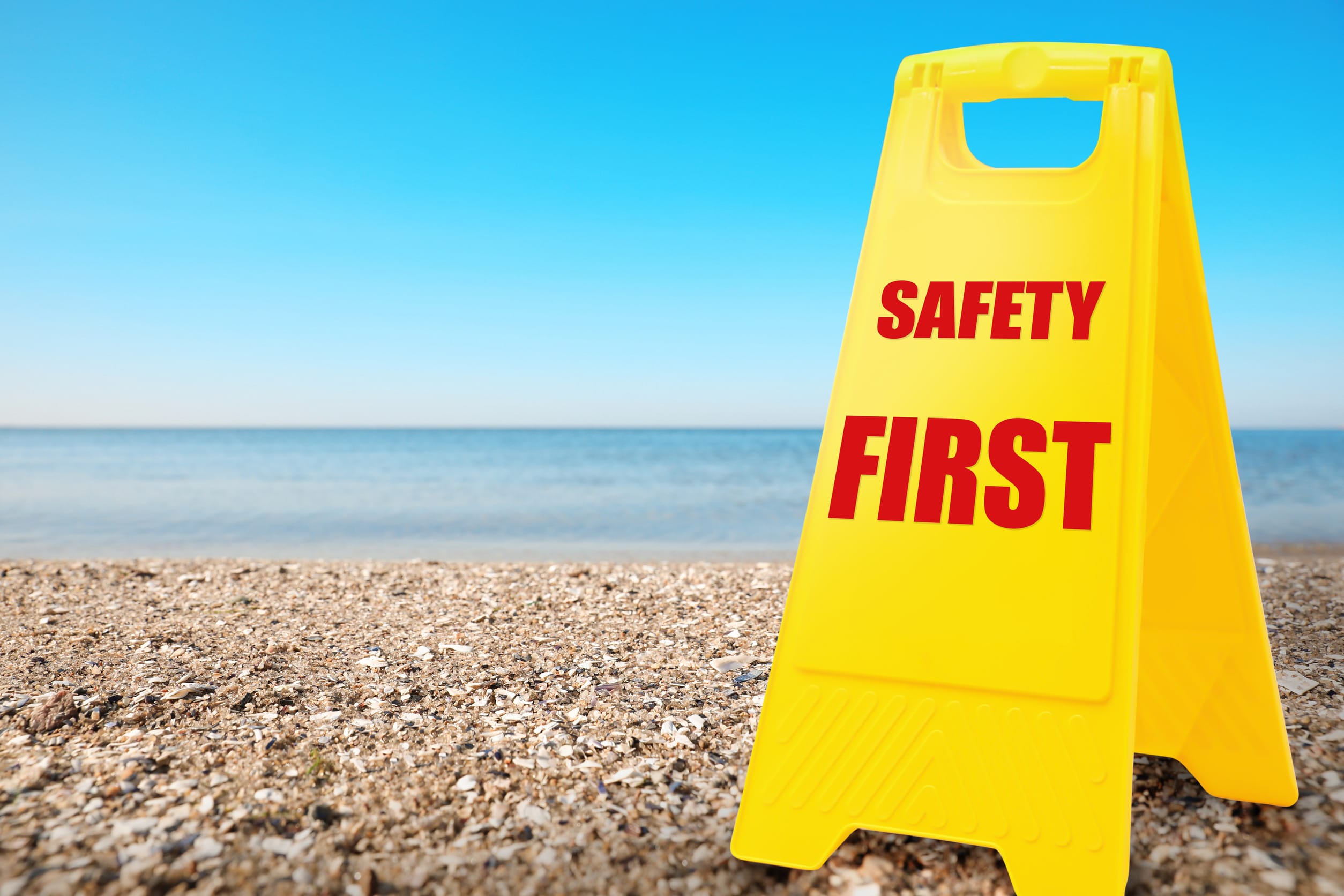
Sign with phrase SAFETY FIRST on sandy beach, space for text

Image Source: 123rf.com

Every day, we move through our routines without giving much thought to the simple safety measures that can have a profound impact on our well-being. Many of us take for granted the small precautions that, if ignored, could lead to dangerous situations.

Whether it’s a habit we’ve developed or a safety tool we overlook, these measures often go unnoticed until it’s too late. Understanding and implementing these strategies can significantly reduce risks and help protect us from unexpected harm. Here, we explore five critical safety measures that you might be ignoring but that could ultimately save your life.

Being Aware Of Your Surroundings

In our busy lives, it’s easy to get lost in thought or distracted by technology, leaving us unaware of our surroundings. This lack of attention can make you vulnerable to accidents or even criminal activities. By making a conscious effort to be aware of the people, environment, and potential hazards around you, you can react more effectively in emergencies. Whether walking in a parking lot or navigating a crowded street, being observant is your first line of defense. Cultivating this habit requires mindfulness and consistent practice in daily routines.

Regularly Updating Emergency Contact Information

Many of us assume our emergency contact details are set and forget them, but outdated information can be dangerous in a crisis. In emergencies, every second counts, and incorrect or outdated contacts can delay crucial assistance. Ensuring that your phone, workplace, and medical records have up-to-date emergency contacts is a simple yet vital task. This small step can make all the difference in ensuring help arrives promptly when needed. Taking a few minutes each month to verify and update your emergency contacts can safeguard you in critical moments.

Utilizing Vehicle Safety Tools

Modern vehicles are equipped with advanced safety features, yet many drivers remain unaware of the additional tools available for emergencies. Items such as seatbelt cutters, glass breakers, and portable GPS trackers can be lifesavers if you find yourself in a dangerous situation. Keeping these tools in an accessible location in your car can provide an extra layer of security. Familiarizing yourself with how and when to use these devices ensures that you’re prepared for unforeseen circumstances. Investing in your vehicle’s safety isn’t just about technology—it’s about proactive preparedness.

Regular Fire and Carbon Monoxide Safety Checks

Fire against smoke detector

Image Source: 123rf.com

Smoke detectors, carbon monoxide alarms, and fire extinguishers are critical components of home safety, yet they often go unchecked. Failing to test these devices regularly can result in malfunction when you need them most. Incorporating routine checks into your monthly schedule can ensure these devices are fully operational. Regular maintenance, such as battery replacements and system tests, can prevent catastrophic failures during emergencies. Protecting your home and loved ones starts with these simple, preventative measures.

Taking Personal Health Precautions Seriously

Often, we neglect our own health in the rush of daily responsibilities, ignoring regular check-ups or important screenings. Overlooking these crucial health measures can lead to undiagnosed conditions that might have been treated early. Scheduling routine appointments and listening to your body’s warning signs are fundamental steps in safeguarding your long-term health. Proactive health management includes maintaining a balanced diet, exercising regularly, and managing stress effectively. Taking personal health precautions seriously is an investment in your future well-being.

Overlooked Safety Measures Can Impact Your Life

Small, often overlooked safety measures can have a profound impact on your quality of life and even save your life. By integrating situational awareness, updating emergency contacts, utilizing vehicle safety tools, maintaining home safety devices, and prioritizing your health, you build a comprehensive safety net for yourself. These proactive steps are crucial in preventing accidents and minimizing risks in everyday life. Your safety is not something to take lightly—invest in these habits and protect yourself today.

What safety measures have you found most effective in your daily routine? Share your experiences and tips in the comments below!

Read More:

Road Trip Safety: No One Should Travel Without These 12 Essentials In Their Car

The Scary Reason You Should Never Ignore a Stranger Asking for Directions

Latrice Perez

Latrice is a dedicated professional with a rich background in social work, complemented by an Associate Degree in the field. Her journey has been uniquely shaped by the rewarding experience of being a stay-at-home mom to her two children, aged 13 and 5. This role has not only been a testament to her commitment to family but has also provided her with invaluable life lessons and insights.

As a mother, Latrice has embraced the opportunity to educate her children on essential life skills, with a special focus on financial literacy, the nuances of life, and the importance of inner peace.

Filed Under: safety Tagged With: emergency preparedness, health precautions, home safety, Lifestyle, personal safety, preventive measures, situational awareness, vehicle safety

Danger in Crowded Spaces: 10 Things To Look Out For In Large Crowds

March 23, 2025 by Latrice Perez Leave a Comment

Shot of a crowd of young people at an outdoor music festival.

Image Source: 123rf.com

Attending events with large crowds can be exhilarating, offering shared experiences that bring people together. However, these gatherings also come with inherent risks that can escalate rapidly if not properly managed. From crowd surges leading to crushing injuries to the threat of trampling during sudden movements, the dangers are real and often underestimated. Understanding these risks is crucial for anyone planning to participate in large events, as it empowers individuals to take proactive steps in ensuring their safety amidst the masses. ​

1. Overcrowding

Overcrowding can lead to dangerous situations like stampedes or crushing. Always be mindful of the crowd density around you. If you feel confined or notice that movement is becoming restricted, it may be wise to move to a less crowded area. Being aware of your surroundings can help you avoid potential hazards associated with overcrowding.

2. Inadequate Emergency Exits

Inadequate or poorly marked emergency exits can pose significant risks in crowded venues. In emergencies, insufficient exits can lead to bottlenecks, increasing the potential for crowd crushes. Upon entering any venue, identify all available exits, not just the main ones. Knowing alternative routes can be crucial during an emergency evacuation. Always ensure you’re aware of the nearest exits to your location.

3. Uncontrolled Crowd Surges

Sudden movements within a crowd, known as crowd surges, can be dangerous. These surges often occur when large groups push toward a focal point, such as a stage or exit. The resulting pressure can lead to individuals being knocked over and trampled. To minimize risk, remain aware of the crowd’s dynamics and avoid areas where surges are likely. If caught in a surge, move diagonally to the periphery to escape the pressure.

4. Presence of Aggressive Individuals

Large gatherings can sometimes attract individuals with aggressive intentions. Altercations in crowded spaces can escalate quickly, posing risks to bystanders. Maintain situational awareness and distance yourself from any signs of conflict. If an incident occurs nearby, move away calmly to avoid becoming inadvertently involved. Prioritizing personal safety over curiosity is essential in such scenarios.

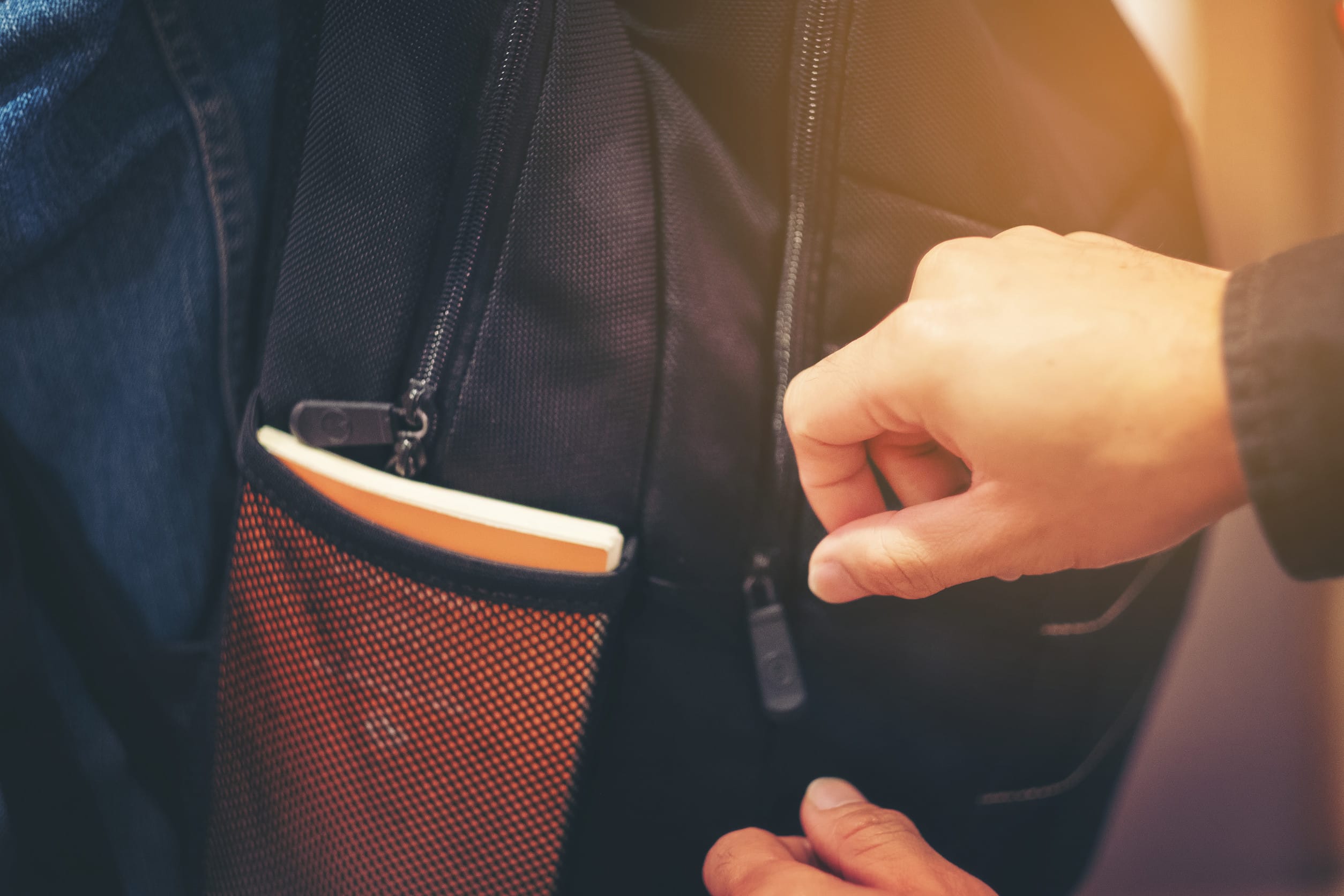
5. Pickpocketing and Theft

Pickpocket

Image Source: 123rf.com

Crowded environments are prime areas for pickpockets and thieves. The close proximity of individuals provides cover for illicit activities. Keep valuables secured and out of easy reach. Utilize bags that close securely and consider wearing them in front. Stay vigilant, especially in tightly packed areas, to deter potential thieves.

6. Limited Access to Medical Assistance

In dense crowds, accessing medical assistance can be challenging. Delays in emergency response times are common due to congestion. Familiarize yourself with the event’s medical stations upon arrival. In case of a medical emergency, alert nearby staff or security personnel immediately. Prompt action can be critical in ensuring timely medical intervention.

7. Fire Hazards

Fire outbreaks in crowded spaces can lead to catastrophic outcomes. Obstructed exits and flammable materials increase the risk. Upon entering a venue, note the locations of fire extinguishers and emergency exits. Avoid overcrowded areas where escape routes may be compromised. In the event of a fire, remain calm and follow established evacuation procedures.

8. Structural Failures

Overcrowding can lead to structural failures in venues not designed to accommodate large numbers. This includes collapsing floors, stages, or bleachers. Be cautious of signs indicating structural stress, such as unusual noises or visible cracks. If you suspect a structural issue, distance yourself from the area and notify authorities. Prioritizing safety over convenience is crucial in such situations.

9. Poor Crowd Management

Ineffective crowd management can exacerbate dangers in large gatherings. Lack of clear signage, insufficient staff, and inadequate communication contribute to confusion. Attend events organized by reputable entities known for proper crowd control measures. If you notice disorganization upon arrival, remain extra vigilant and plan your movements accordingly. Being proactive can mitigate potential risks associated with poor management.

10. Health Risks

Close contact in crowded spaces increases the transmission risk of infectious diseases. Practicing good hygiene, such as regular hand sanitization, is essential. Wearing masks in indoor or densely packed outdoor settings can provide additional protection. Stay informed about any health advisories related to the event or location. Prioritizing health precautions helps safeguard both personal and public well-being.

Staying Safe in Crowded Environments

Attending large events can be enjoyable, but it’s vital to remain aware of potential hazards. By staying vigilant and prepared, you can navigate crowded spaces safely. Always prioritize personal safety and be proactive in recognizing and avoiding potential dangers. Your awareness and actions play a crucial role in ensuring a secure experience in any large gathering.

Have you ever found yourself in a dangerous position in a crowded space? What did you do to protect yourself? Let us know in the comments.

Read More:

9 Phrases That Could Save You If Someone Tries to Kidnap You

8 Privacy Settings Everyone Should Change Immediately

Latrice Perez

Latrice is a dedicated professional with a rich background in social work, complemented by an Associate Degree in the field. Her journey has been uniquely shaped by the rewarding experience of being a stay-at-home mom to her two children, aged 13 and 5. This role has not only been a testament to her commitment to family but has also provided her with invaluable life lessons and insights.

As a mother, Latrice has embraced the opportunity to educate her children on essential life skills, with a special focus on financial literacy, the nuances of life, and the importance of inner peace.

Filed Under: Public Safety Tagged With: crowd safety, emergency preparedness, personal safety, public awareness, situational awareness

5 Phrases That Could Save You If You’re About to Get Carjacked

March 7, 2025 by Latrice Perez Leave a Comment

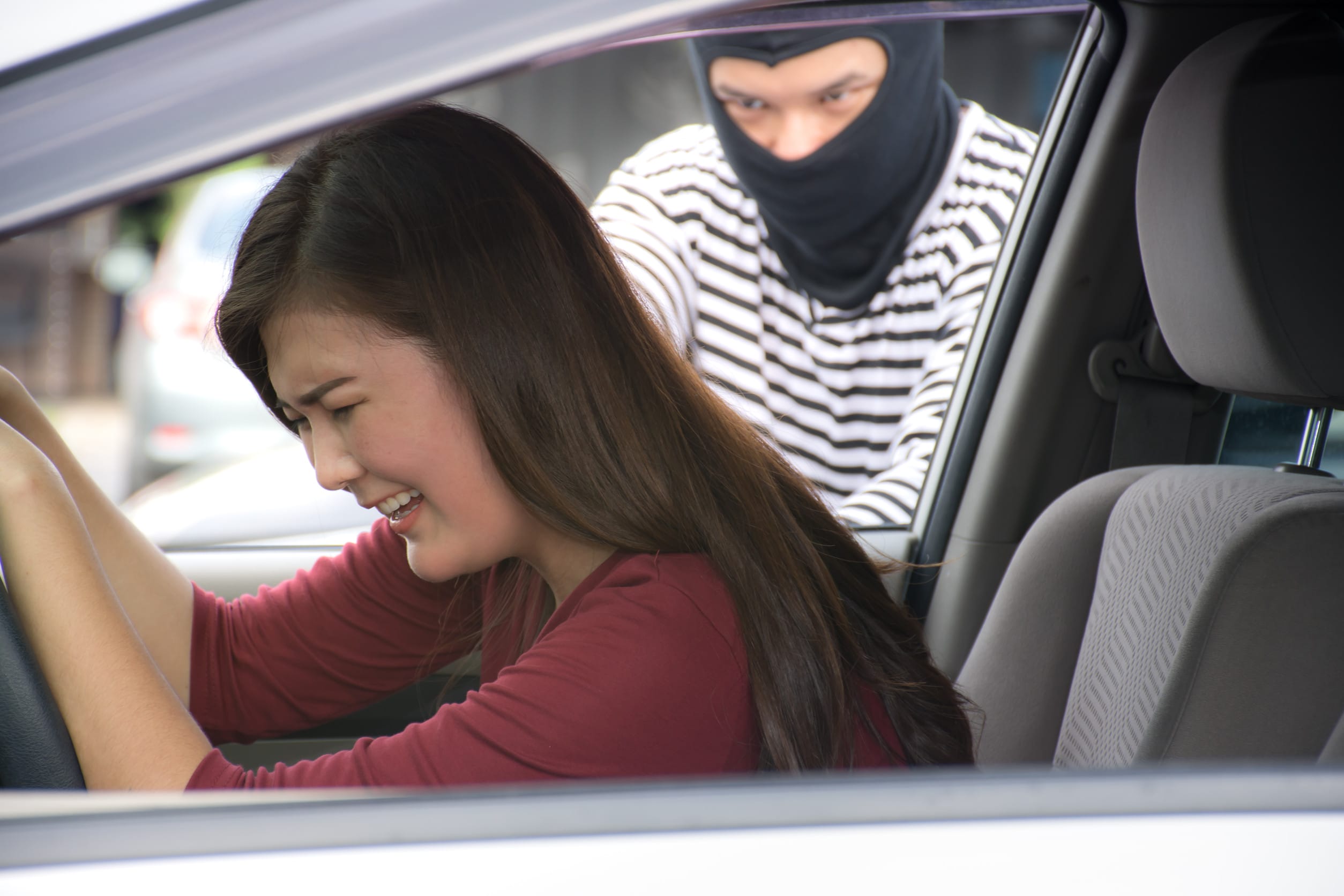
Carjacking

Image Source: 123rf.com

Carjackings are becoming increasingly common in both urban and suburban areas, and criminals are growing bolder in their tactics. A carjacking can happen at stoplights, parking lots, gas stations, or even in your own driveway. Many victims freeze up or panic, unsure of what to do or say in such a terrifying situation. However, the right words at the right moment can sometimes de-escalate the threat and even save your life. Knowing these five key phrases and how to use them could mean the difference between a close call and a dangerous encounter.

Take the Car, It’s Not Worth My Life

Your first instinct in a carjacking situation might be to resist or argue, but this is one of the most dangerous things you can do. Most carjackers are armed, and they are ready to use force if necessary. The best way to protect yourself is to show that you are not going to fight back. Saying that the car is not worth your life signals that you are not a threat and that you are willing to comply. This can lower the criminal’s stress level, making it less likely that they will harm you. Your car can be replaced, but your life cannot.

My Kids Are in the Car, Let Me Get Them Out

If your children are in the car during a carjacking, you must prioritize their safety above everything else. Many criminals want the car, not a kidnapping charge, so stating that your kids are in the car and you need to get them out can make them hesitate. Most carjackers do not want to escalate the crime or deal with the added legal risk of abducting a child. This phrase can buy you time to safely remove your children before handing over the vehicle. However, it is crucial to remain calm and not make sudden movements that might agitate the attacker.

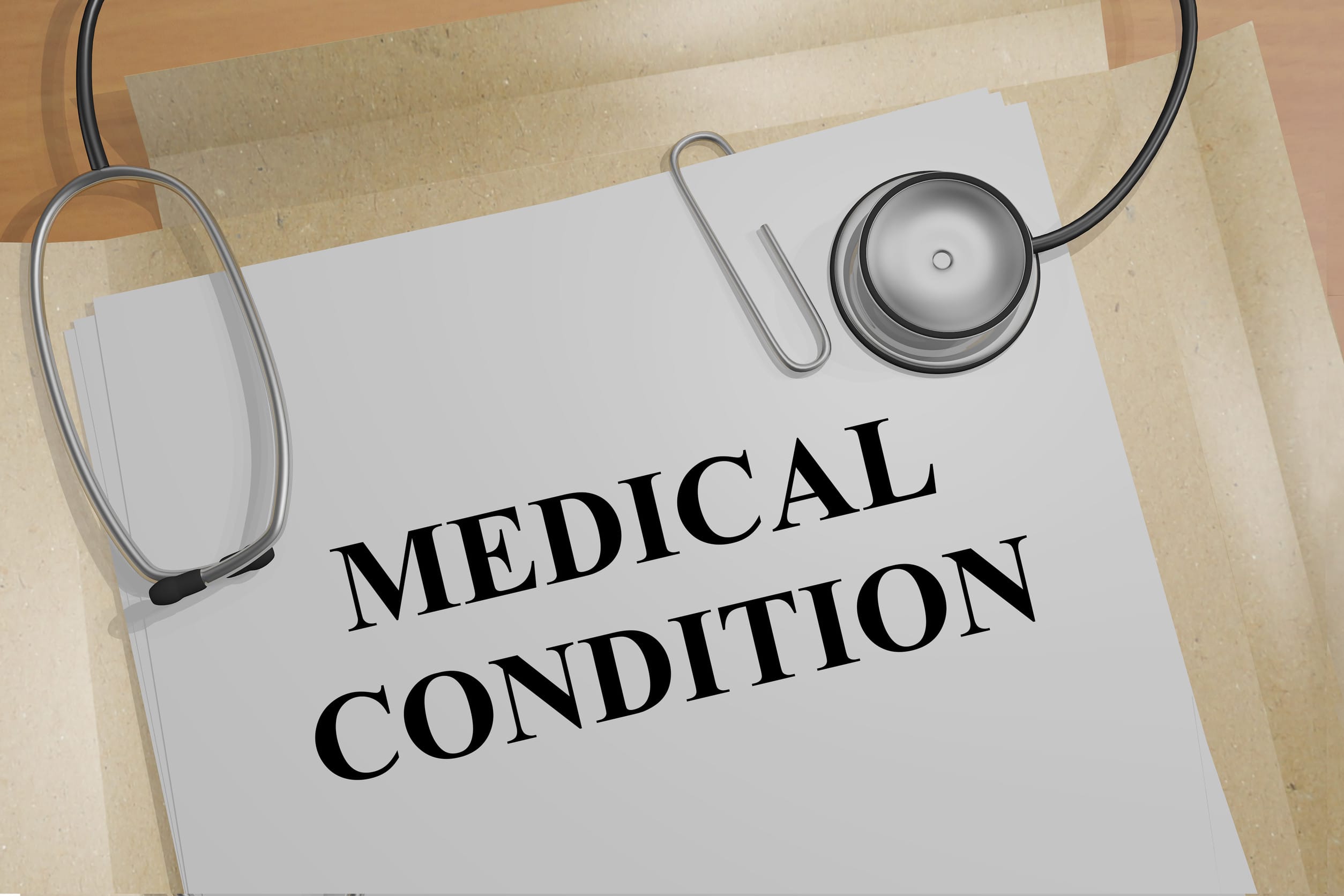
I Have a Medical Condition, Please Let Me Go

Medical Condition

Image Source: 123rf.com

Carjackers are criminals, but they are still human. If you find yourself in a dangerous situation where they are demanding more than just your car, such as forcing you to drive with them, this phrase might work in your favor. Saying that you have a medical condition and need to be let go could create hesitation in the attacker’s mind. Many criminals don’t want the additional complications of dealing with someone who might need medical attention. They may decide that letting you go is easier than taking the risk of something going wrong.

There’s a Tracker in the Car, You’ll Get Caught

Many modern vehicles come equipped with GPS tracking, and even criminals know this. If the carjacker seems hesitant or is demanding that you tell them about any security features, this phrase can make them reconsider stealing your vehicle. Saying that there is a tracker in the car and they will get caught plants doubt in their mind about whether taking the car is worth the risk. Some criminals may abandon their plan if they believe the car is too traceable. However, this should only be used if you feel the carjacker is debating their next move, as some may become aggressive if they feel trapped.

I’m Getting Out, The Keys Are in the Seat

How you exit the situation matters. Making sudden movements or reaching for something inside the car can put you at risk. Instead, use a calm, controlled voice and say that you are getting out and leaving the keys in the seat. This reassures the attacker that they will get what they want without needing to resort to violence. By placing the keys in an obvious spot and slowly exiting, you avoid triggering panic or suspicion. The goal is to get away safely, not to provoke a desperate reaction.

How to React in a Carjacking Situation

Even with the right words, your body language and actions are just as important. If you find yourself in a carjacking scenario, stay calm and avoid sudden movements. Quick movements can be misinterpreted as aggression or resistance. Keep your hands visible to show that you are not reaching for a weapon or trying to fight back. Comply with demands and hand over your car, wallet, or phone if asked, since your life is more valuable. Take mental notes of the carjacker’s appearance, including clothing, height, build, and any distinguishing features. Once you are safe, call the police immediately to report the crime.

What Not to Say During a Carjacking

While the right words can save your life, the wrong words can escalate the situation. Avoid saying anything confrontational or threatening. Telling the carjacker that they are not taking your car can provoke aggression. Claiming that you have a gun can put you in immediate danger unless you are trained and prepared to use it. Threatening to call the cops can make them panic and act violently. Identifying them or saying that you know who they are might make them more dangerous, as they may feel they need to silence you.

Surviving a Carjacking is the Priority

At the end of the day, no material possession is worth your life. Knowing what to say and how to react in a carjacking situation can increase your chances of walking away unharmed. These five key phrases, take the car, it’s not worth my life, my kids are in the car, let me get them out, I have a medical condition, please let me go, there’s a tracker in the car, you’ll get caught, and I’m getting out, the keys are in the seat, are designed to de-escalate the situation and keep you safe.

Stay aware of your surroundings, trust your instincts, and remember that the most important thing is to escape safely. If you’ve ever had a close call or used a smart tactic to avoid danger, share your experience in the comments. Your insight could help someone else stay safe.

Have you ever been carjacked? Did you get away safely? Let us know more about it in the comments below.

Read More:

How Much Should You Spend on Home Security?

From Promise to Peril: 10 AI Advancements That Could Go Horribly Wrong

Latrice Perez

Latrice is a dedicated professional with a rich background in social work, complemented by an Associate Degree in the field. Her journey has been uniquely shaped by the rewarding experience of being a stay-at-home mom to her two children, aged 13 and 5. This role has not only been a testament to her commitment to family but has also provided her with invaluable life lessons and insights.

As a mother, Latrice has embraced the opportunity to educate her children on essential life skills, with a special focus on financial literacy, the nuances of life, and the importance of inner peace.

Filed Under: safety Tagged With: car theft, carjacking survival, crime prevention, de-escalation tactics, emergency preparedness, personal safety, protecting yourself, safety tips, self-defense, street smarts

  • « Previous Page
  • 1
  • 2

FOLLOW US

Search this site:

Recent Posts

  • Can My Savings Account Affect My Financial Aid? by Tamila McDonald
  • 12 Ways Gen X’s Views Clash with Millennials… by Tamila McDonald
  • What Advantages and Disadvantages Are There To… by Jacob Sensiba
  • 10 Tactics for Building an Emergency Fund from Scratch by Vanessa Bermudez
  • Call 911: Go To the Emergency Room Immediately If… by Stephen Kanaval
  • 7 Weird Things You Can Sell Online by Tamila McDonald
  • 10 Scary Facts About DriveTime by Tamila McDonald

Copyright © 2026 · News Pro Theme on Genesis Framework