• Home
  • About Us
  • Toolkit
  • Getting Finances Done
    • Hiring Advisors
    • Debt Management
    • Spending Plan
  • Insurance
    • Life Insurance
    • Health Insurance
    • Disability Insurance
    • Homeowners/Renters Insurance
  • Contact Us
  • Privacy Policy
  • Risk Tolerance Quiz

The Free Financial Advisor

You are here: Home / Archives for crime prevention

What Do Police Say About These “Safe” Neighborhood Assumptions?

July 29, 2025 by Travis Campbell Leave a Comment

neighborhood

Image Source: unsplash.com

You want to feel safe where you live. That’s normal. Most people look for neighborhoods with low crime rates, good schools, and quiet streets. But what if the things you think make a neighborhood “safe” aren’t as reliable as you believe? Police officers see the reality behind the numbers and the stories. They know that some common assumptions about “safe” neighborhoods can be misleading. If you’re thinking about moving, or just want to know how secure your area really is, it’s worth looking at what police say about these beliefs. Here’s what you need to know before you trust the usual signs of safety.

1. “Low Crime Rates Mean It’s Safe”

A lot of people check crime statistics before moving. It makes sense. But police often point out that crime rates don’t tell the whole story. Not all crimes get reported. Some neighborhoods have a culture of not calling the police, even when something serious happens. Others might have more active neighborhood watch groups, so more incidents get reported. This can make one area look safer or more dangerous than it really is. Also, crime rates can change quickly. A neighborhood that was safe last year might not be as safe now. Always look at trends over several years, not just one snapshot.

2. “Good Schools Equal Safe Streets”

It’s easy to think that good schools mean a safe neighborhood. After all, schools with high ratings often attract families who care about their community. But police say this isn’t always true. Sometimes, a school’s rating is based on test scores, not safety. There are neighborhoods with great schools that still have problems with theft, vandalism, or even violent crime. And sometimes, crime happens near schools because they’re busy places. Don’t assume that a good school rating means you can let your guard down. Walk around the area at different times of day. Talk to people who live nearby. Ask about what really happens after dark.

3. “Nice Homes and Lawns Mean No Crime”

A row of well-kept houses and green lawns looks safe. But police know that appearances can be deceiving. Some criminals target these areas because they expect people to have more valuables. A nice neighborhood might have more break-ins, not fewer. And sometimes, people in these areas are less likely to report suspicious activity because they don’t want to “cause trouble.” Don’t judge safety by looks alone. Ask about recent incidents. Check local news. Look for security cameras and signs of active neighborhood watch groups.

4. “Quiet Streets Are Always Safer”

A quiet street feels peaceful. But police say that quiet doesn’t always mean safe. Sometimes, quiet streets are just less watched. Fewer people around can mean fewer witnesses if something does happen. Criminals sometimes prefer these areas because they can work without being seen. If you’re considering a quiet street, look for signs that people are paying attention—like porch lights, neighbors chatting outside, or regular foot traffic. A street that’s too empty can be a red flag.

5. “Police Presence Means No Crime”

Seeing police cars in a neighborhood can feel reassuring. But it doesn’t always mean the area is safe. Sometimes, a heavy police presence means there are ongoing problems. Officers might be responding to frequent calls or trying to prevent crime in a known trouble spot. On the other hand, some safe neighborhoods rarely see police because there’s not much to respond to. If you see a lot of police activity, ask why. Don’t assume it’s a good sign.

6. “Everyone Knows Each Other, So It’s Safe”

It’s nice when neighbors know each other. But police say that even close-knit communities can have problems. Sometimes, people don’t report crimes because they don’t want to get their neighbor in trouble. Or they might handle things themselves instead of calling for help. This can let problems grow. It’s good to have friendly neighbors, but make sure there’s also a culture of looking out for each other’s safety. Ask if there’s a neighborhood watch or regular meetings about safety.

7. “No News Is Good News”

If you don’t hear about crime in your area, it’s easy to think nothing bad ever happens. But police warn that a lack of news doesn’t always mean a lack of crime. Some incidents don’t make the news. Others get downplayed to protect property values or the area’s reputation. Check police blotters or local online forums. Talk to officers at community events. Don’t rely only on what you see in the headlines.

8. “Security Systems Make a Neighborhood Safe”

Security cameras and alarm signs are everywhere now. They help, but they’re not a guarantee. Police say that some criminals are aware of how to circumvent these systems. Others aren’t deterred at all. And sometimes, people with security systems get careless, thinking the technology will protect them. Use security systems as one tool, not your only defense. Stay alert and keep up with what’s happening in your area.

Rethinking What “Safe” Really Means

A “safe” neighborhood is more than numbers, nice lawns, or quiet streets. It’s about people paying attention, reporting problems, and working together. Police see the patterns behind the scenes. They know that real safety comes from active communities, not just appearances. If you want to feel secure, get involved. Ask questions. Stay aware. Don’t trust assumptions—trust real information and your own observations.

Have you ever been surprised by what you learned about your neighborhood’s safety? Share your story or thoughts in the comments.

Read More

How to Tell If Your Neighborhood Is Quietly Being Bought by Hedge Funds

12 Red Flags That Indicate a Bad Neighborhood

Travis Campbell
Travis Campbell

Travis Campbell is a digital marketer/developer with over 10 years of experience and a writer for over 6 years. He holds a degree in E-commerce and likes to share life advice he’s learned over the years. Travis loves spending time on the golf course or at the gym when he’s not working.

Filed Under: Crime & Safety Tagged With: community safety, crime prevention, home security, neighborhood safety, police advice, safe neighborhoods

8 Things You’re Doing That Make Criminals Think You’re an Easy Target

July 26, 2025 by Travis Campbell Leave a Comment

criminals

Image Source: unsplash.com

Staying safe isn’t just about locking your doors at night. Criminals look for easy targets, and sometimes, small habits can make you stand out. You might think you’re careful, but even simple mistakes can put you at risk. Criminals notice patterns, and they’re always looking for people who make their job easier. If you want to protect yourself, it’s important to know what signals you might be sending. Here are eight things you might be doing that make criminals think you’re an easy target—and what you can do to change that.

1. Posting Your Location on Social Media

Sharing your location online seems harmless, but it can be risky. When you post that you’re on vacation or out for dinner, you’re telling everyone your home is empty. Criminals use social media to find easy targets. They look for people who overshare. If you want to keep your home safe, wait until you’re back before posting about your trip. Set your accounts to private and be careful about who can see your updates. Even if you trust your friends, you can’t control who else might see your posts through them.

2. Leaving Packages and Mail Unattended

A pile of packages or an overflowing mailbox is a clear sign that no one is home. Criminals look for these clues. If you’re away, ask a neighbor to collect your mail or use a mail hold service. Packages left on your porch can also attract thieves. Consider using a package locker or arranging for deliveries to be sent to your workplace. Porch piracy is a growing issue, with millions of packages stolen annually. Don’t make it easy for someone to spot an opportunity.

3. Hiding Spare Keys in Obvious Places

Many people hide spare keys under doormats, flowerpots, or fake rocks. Criminals know all the common hiding spots. If you need to leave a key outside, use a lockbox with a code. Better yet, give a spare key to a trusted neighbor or friend. Smart locks are another option. They let you control access without hiding a physical key. Don’t assume your hiding spot is clever—chances are, it’s the first place someone will look.

4. Ignoring Home Security Basics

You don’t need a high-tech alarm system to stay safe, but you do need to lock your doors and windows. Many break-ins happen because someone left a door unlocked. Criminals often check for easy entry points. Make it a habit to check all doors and windows before leaving or going to bed. Motion-sensor lights and security cameras can also help. Even a simple “Beware of Dog” sign can make a criminal think twice. The goal is to make your home look like a hard target.

5. Walking Distracted in Public

Looking at your phone while walking makes you less aware of your surroundings. Criminals look for people who aren’t paying attention. If you’re distracted, you’re easier to approach without being noticed. Keep your head up and stay alert, especially in parking lots or unfamiliar areas. Walk with purpose and make eye contact with people around you. This shows confidence and makes you less appealing to someone looking for an easy target.

6. Using Weak or Repeated Passwords

Online criminals look for people who use simple passwords or the same password for multiple accounts. If someone gets your password, they can access your email, bank, and more. Use strong, unique passwords for each account. Consider using a password manager to keep track of them. Two-factor authentication adds another layer of security. Cybercrime is on the rise, and weak passwords are a common entry point. Don’t make it easy for someone to get into your accounts.

7. Leaving Valuables in Plain Sight

Leaving valuables in your car or near windows at home is an open invitation. Criminals look for easy grabs. If they see a laptop, purse, or phone, they know it’s worth breaking in. Keep valuables out of sight, even if you’re just running a quick errand. At home, close your blinds or curtains at night. Don’t leave expensive items where they can be seen from the street. A little effort can make a big difference.

8. Not Trusting Your Instincts

Sometimes, you get a feeling that something isn’t right. Maybe someone is following you, or a situation feels off. Trust your instincts. Criminals often test boundaries to see how you react. If you feel uncomfortable, leave the area or ask for help. Don’t worry about being rude. Your safety comes first. If something feels wrong, it probably is. Listen to your gut and take action.

Make Yourself a Hard Target

Criminals look for easy wins. If you make things difficult, they’ll usually move on. Small changes in your habits can make a big difference. Stay alert, protect your information, and don’t make it easy for someone to take advantage of you. Your safety is worth the effort.

Have you ever changed a habit to feel safer? Share your story or tips in the comments.

Read More

The New Way Criminals Clone Your Key Fob at the Gym

How Criminals Use Simple Chalk Marks to Target Homes for Burglary

Travis Campbell
Travis Campbell

Travis Campbell is a digital marketer/developer with over 10 years of experience and a writer for over 6 years. He holds a degree in E-commerce and likes to share life advice he’s learned over the years. Travis loves spending time on the golf course or at the gym when he’s not working.

Filed Under: Personal Finance Tagged With: crime prevention, home security, Online Safety, password security, personal safety, self-defense, social media safety

9 Cities Where Car Theft Is Becoming a Daily Occurrence

July 25, 2025 by Travis Campbell Leave a Comment

car theft

Image Source: unsplash.com

Car theft is not just a big-city problem anymore. It’s happening in places you might not expect, and it’s happening more often. If you own a car, this matters. You work hard for your vehicle, and losing it can throw your life off track. Insurance rates go up, and you might have to pay out of pocket for a rental or repairs. Knowing where car theft is rising can help you protect yourself and your car. Here are nine cities where car theft is now a daily risk, plus some tips to keep your vehicle safe.

1. Oakland, California

Oakland has seen a sharp rise in car thefts. Thieves target both older and newer cars. Some people leave their cars running while grabbing coffee or food, making them easy targets. Parking on the street overnight is risky. If you live here, always lock your car and never leave valuables inside. Consider a steering wheel lock or a GPS tracker. Even a simple alarm can make a difference.

2. Denver, Colorado

Denver’s car theft numbers have jumped in the last few years. Many thefts happen in apartment parking lots and public garages. Thieves often look for cars with key fobs left inside. If you park in a lot, choose a spot near lights or cameras. Don’t leave your keys in the car, even for a minute. If you have a garage, use it. Denver police recommend etching your VIN on windows to make your car less attractive to thieves.

3. Albuquerque, New Mexico

Albuquerque has one of the highest car theft rates in the country. Many stolen cars are used for other crimes or stripped for parts. Thieves often work in teams and move fast. If you live in Albuquerque, park in well-lit areas and use anti-theft devices. Don’t leave your registration or title in the car. If your car is stolen, report it right away. Quick action can help police recover your vehicle.

4. Seattle, Washington

Seattle’s car theft problem is growing. Thieves target neighborhoods with lots of street parking. Older Hondas and Toyotas are common targets because they’re easy to steal and sell for parts. If you drive one of these models, consider extra security. Park in a garage if you can. If not, use a steering wheel lock. Seattle police also suggest installing a kill switch or immobilizer.

5. Memphis, Tennessee

Memphis has seen a big increase in car thefts, especially in the last year. Many thefts happen at night in residential areas. Thieves often break windows to grab valuables, then steal the car. If you live in Memphis, don’t leave anything in plain sight. Lock your doors and roll up your windows. If you have a home security camera, aim it at your driveway. Even a fake camera can scare off some thieves.

6. Chicago, Illinois

Chicago’s car theft numbers are up, especially in certain neighborhoods. Thieves use technology to hack keyless entry systems. They can unlock and start your car in seconds. If you have a keyless car, keep your fob in a signal-blocking pouch at home. Park in busy areas with lots of foot traffic. If you see someone acting suspiciously near cars, call the police.

7. Houston, Texas

Houston is a hotspot for car theft, with many cases reported every day. Thieves often target trucks and SUVs, which are easy to resell or ship overseas. Many thefts happen at shopping centers and gas stations. If you drive a truck or SUV, use a visible anti-theft device. Don’t leave your car running while you run inside a store. Houston police recommend parking close to entrances and under lights.

8. Portland, Oregon

Portland’s car theft rate has climbed, especially in the last two years. Many thefts happen in broad daylight. Thieves often look for unlocked cars or cars with windows cracked open. If you live in Portland, double-check your locks before walking away. Don’t leave spare keys in or near your car. Some people use window decals to warn thieves about alarms or trackers. It’s a small step, but it can help.

9. St. Louis, Missouri

St. Louis has a long-standing car theft problem, and it’s getting worse. Thieves often target cars parked on the street overnight. Many stolen cars are used in other crimes or are abandoned. If you live in St. Louis, park in a garage if possible. If not, park under a streetlight. Use a steering wheel lock or alarm. St. Louis police also suggest joining a neighborhood watch group. Working together can help keep your area safer.

Staying Ahead of Car Thieves

Car theft is a real problem in these cities, but you can lower your risk. Simple steps like locking your doors, parking in well-lit areas, and using anti-theft devices make a difference. Stay alert to what’s happening in your neighborhood. Share tips with friends and family. If you see something suspicious, report it. Protecting your car is about being aware and taking action. The more you know, the safer you and your vehicle will be.

Have you noticed more car thefts in your city? What steps are you taking to keep your car safe? Share your thoughts in the comments.

Read More

Why Amazon Packages Are Now Being Stolen by Bots

The Silent Theft: How to Spot a Relative Stealing from Your Elderly Parents

Travis Campbell
Travis Campbell

Travis Campbell is a digital marketer/developer with over 10 years of experience and a writer for over 6 years. He holds a degree in E-commerce and likes to share life advice he’s learned over the years. Travis loves spending time on the golf course or at the gym when he’s not working.

Filed Under: safety Tagged With: auto insurance, car theft, city safety, crime prevention, stolen cars, urban safety, vehicle security

If You Hear This Sound Outside Your House, Don’t Open the Door

June 13, 2025 by Travis Campbell Leave a Comment

fornt door

Image Source: 123rf.com

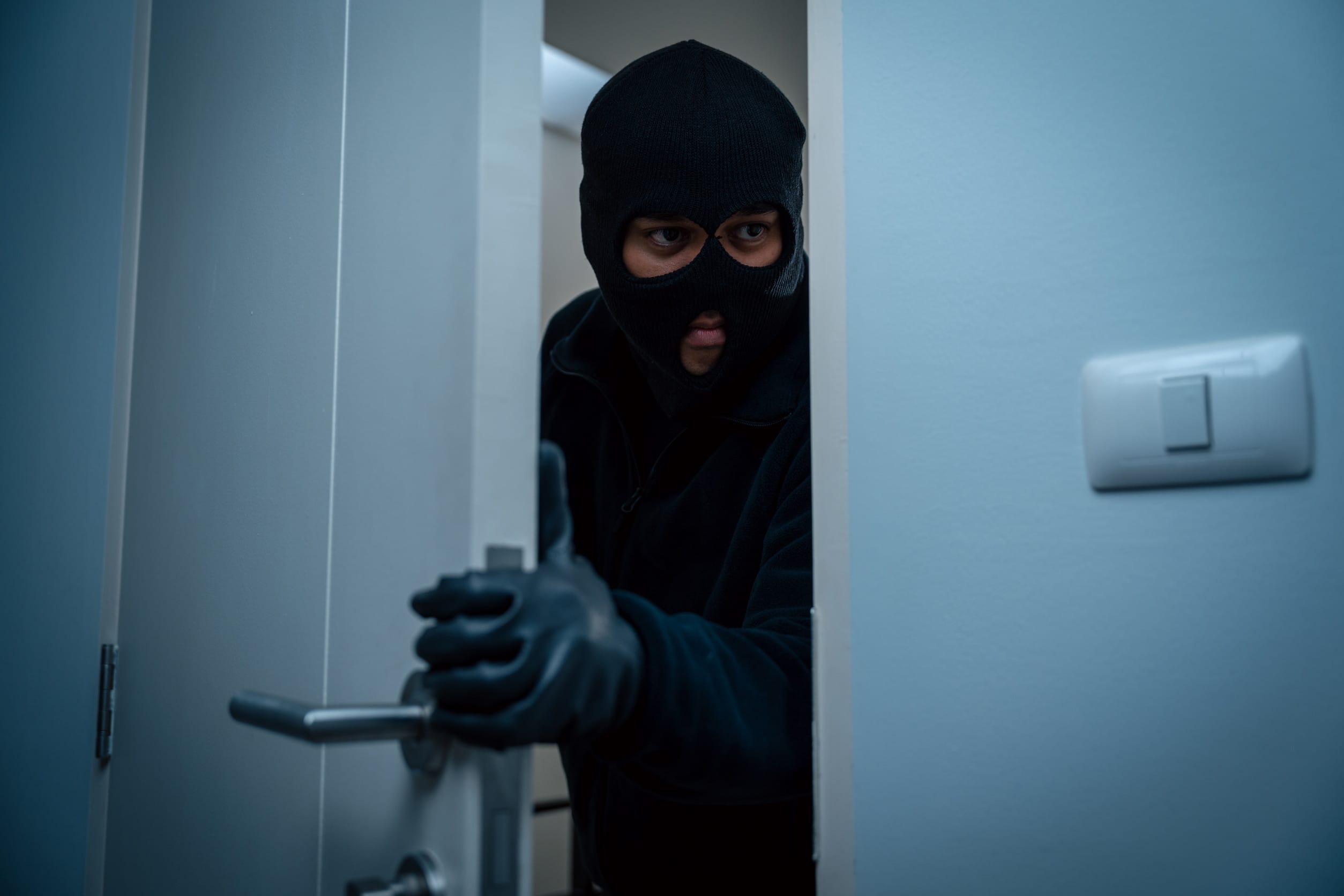
Have you ever been startled by an unexpected sound outside your house late at night? Maybe it was a knock, a strange scratching, or even a faint cry for help. In those moments, your instincts might tell you to investigate, but your safety could depend on resisting that urge. Home safety isn’t just about locking your doors—it’s about knowing how to respond when something feels off. With crime tactics evolving and emergencies happening when you least expect them, understanding what to do when you hear suspicious sounds outside your home is more important than ever. This guide will walk you through practical steps to protect yourself, your loved ones, and your property.

1. Recognize Common Sounds Used in Scams

Criminals often use specific sounds to lure homeowners outside. These can include fake cries for help, knocking, or even the sound of breaking glass. The goal is to trigger your concern or curiosity, making you more likely to open the door. Home safety experts warn that these tactics are designed to catch you off guard. Instead of responding immediately, pause and assess the situation. If you hear something unusual, remember that your priority is to keep yourself safe inside.

2. Don’t Rely on Peepholes Alone

It’s tempting to peek through the peephole or a window when you hear a noise, but this can put you at risk. Some criminals use peepholes to see if someone is home, or they may be waiting for movement near a window. Instead, use a security camera or a video doorbell if you have one. These devices allow you to check outside without exposing yourself. If you don’t have a camera, consider speaking through a locked door or using your phone to call for help. Prioritizing home safety means minimizing direct contact with potential threats.

3. Call for Help Before Investigating

If you hear a suspicious sound, don’t try to handle it alone. Call a trusted neighbor or the police before you do anything else. Many local police departments encourage residents to report anything unusual, even if it turns out to be nothing. This approach not only protects you but also helps keep your neighborhood safer. Remember, it’s always better to be cautious when it comes to home safety.

4. Use Outdoor Lighting to Your Advantage

A well-lit exterior is one of the simplest ways to deter unwanted visitors. Motion-activated lights can startle would-be intruders and alert you to movement outside. If you hear a sound, turn on your outdoor lights before looking outside. This can help you see what’s happening without putting yourself in harm’s way. Good lighting is a key part of any home safety plan, making it harder for criminals to approach undetected.

5. Don’t Open the Door for Strangers—No Matter What

Even if someone claims to need help or says they’re from a utility company, never open the door to someone you don’t know. Ask for identification through a closed door, and verify their story by calling the company or organization they claim to represent. Many scams involve impersonators who hope you’ll let them in without question.

6. Have an Emergency Plan Ready

Preparation is key to home safety. Make sure everyone in your household knows what to do if they hear a suspicious sound outside. This might include staying away from doors and windows, turning on lights, and calling for help. Practice your plan regularly so everyone feels confident in an emergency. Having a plan can make all the difference when seconds count.

7. Trust Your Instincts

If something feels off, trust your gut. Your instincts are a powerful tool for home safety. If you feel uneasy about a sound or a situation, don’t ignore it. Take precautions, stay inside, and reach out for help if needed. It’s always better to err on the side of caution than to take unnecessary risks.

Your Safety Comes First—Every Time

When it comes to home safety, your well-being is more important than satisfying your curiosity or being polite to a stranger. The next time you hear a suspicious sound outside your house, remember these steps and put your safety first. Staying alert, having a plan, and using technology can help you avoid dangerous situations and keep your home secure.

Have you ever experienced a suspicious sound outside your home? What steps did you take to stay safe? Share your story or tips in the comments below!

Read More

The Definition of Irony (or Why You Should Know What You’re Doing)

It’s a Bad Day When a Munchkin Dies

Travis Campbell
Travis Campbell

Travis Campbell is a digital marketer/developer with over 10 years of experience and a writer for over 6 years. He holds a degree in E-commerce and likes to share life advice he’s learned over the years. Travis loves spending time on the golf course or at the gym when he’s not working.

Filed Under: safety Tagged With: crime prevention, emergency preparedness, home safety, neighborhood safety, personal security

The New Way Criminals Clone Your Key Fob at the Gym

May 15, 2025 by Travis Campbell Leave a Comment

Man exercise workout in gym fitness breaking and resting after training sport with dumbbells and water bottle healthy lifestyle bodybuilding.

Image Source: 123rf.com

Have you ever tossed your car keys into a gym locker, thinking they’d be safe while you hit the treadmill? You’re not alone. But as technology evolves, so do the tactics of criminals. The latest threat isn’t just about breaking into your locker—it’s about high-tech thieves cloning your key fob while you’re working out. This new method is fast, discreet, and shockingly effective, putting your car and personal security at risk. Understanding how these schemes work and how to protect yourself is crucial for anyone who frequents public gyms or fitness centers. Let’s break down exactly how these criminals operate and what you can do to stay one step ahead.

1. The Rise of Key Fob Cloning at Gyms

Key fob cloning isn’t just a plot from a spy movie—it’s a real and growing problem, especially in places where people let their guard down, like gyms. Criminals have discovered that gym-goers often leave their keys unattended in lockers, making them easy targets. Using inexpensive devices, thieves can scan and duplicate the signal from your key fob in seconds, sometimes without even opening your locker. According to the National Insurance Crime Bureau, keyless car thefts have surged in recent years, with gyms becoming a favorite hunting ground for tech-savvy criminals. This trend is alarming because it means your car could be stolen before you even finish your workout.

2. How the Cloning Devices Work

You might be wondering how someone could clone your key fob without noticing. The answer lies in small, portable devices known as relay amplifiers or RFID scanners. These gadgets can pick up the radio frequency signal emitted by your key fob, even through a locker door. Once the signal is captured, it can be transmitted to another device near your car, tricking your vehicle into thinking the real key is present. This process, called a “relay attack,” is so quick and quiet that most victims have no idea it’s happening.

3. Why Gyms Are Prime Targets

Gyms are a goldmine for key fob thieves for several reasons. First, people are often distracted and focused on their workouts, not on their belongings. Second, gym lockers are typically made of thin metal or plastic, which does little to block radio signals. Third, the high turnover of people coming and going makes it easy for criminals to blend in without drawing attention. Thieves can simply walk through the locker area with a scanning device in a gym bag, pausing briefly near lockers to capture key fob signals. By the time you finish your set, your car could be halfway down the street. This new way criminals clone your key fob at the gym is both opportunistic and efficient, making it a growing concern for fitness enthusiasts everywhere.

4. Simple Steps to Protect Your Key Fob

The good news is that you don’t have to be a sitting duck. You can take several practical steps to protect your key fob from being cloned at the gym. First, consider using a signal-blocking pouch or “Faraday bag” for your keys. These pouches are lined with materials that block radio frequencies, preventing scanners from picking up your key fob’s signal. Second, avoid leaving your keys in a locker altogether. If possible, keep them with you in a secure pocket or wear them on a lanyard. Third, ask your gym about their security measures and whether they’ve had issues with key fob theft. Finally, check if your car manufacturer offers software updates or additional security features to guard against relay attacks. Taking these precautions can make a big difference in keeping your vehicle safe.

5. What to Do If You Suspect Your Key Fob Has Been Cloned

If you return to the locker room and find your car missing or notice anything suspicious about your vehicle’s locks or alarm, act quickly. Report the incident to gym management and local law enforcement immediately. Contact your car insurance provider to file a claim and see if your policy covers keyless theft. It’s also wise to reprogram your car’s locks and key fob by a professional, as cloned fobs can continue to pose a risk. For added peace of mind, consider installing a GPS tracker in your vehicle, which can help authorities recover your car if it’s stolen. Remember, the faster you respond, the better your chances of minimizing the damage.

6. The Future of Key Fob Security

Automakers are aware of the growing threat posed by key fob cloning and are working on new technologies to combat it. Some newer vehicles now require a PIN code in addition to the key fob, while others use motion sensors to detect unauthorized access. However, not all cars have these features yet, so staying informed and proactive is important. Keep an eye out for recalls or software updates from your manufacturer, and don’t hesitate to ask your dealership about the latest security options. As criminals get smarter, so must we—staying ahead of the curve is the best way to protect your investment.

Stay One Step Ahead at the Gym

The new way criminals clone your key fob at the gym is a wake-up call for anyone who values their car and personal security. By understanding how these schemes work and taking simple, effective precautions, you can enjoy your workout without worrying about what’s happening in the parking lot. Technology may make our lives easier, but it also creates new risks, so let’s stay informed, vigilant, and ready to outsmart the bad guys.

Have you or someone you know experienced key fob theft at the gym? Share your story or tips in the comments below!

Read More

How Criminals Pick Their Targets: 8 Everyday Mistakes That Make You Vulnerable

The Silent Car Theft Trick That’s Fooling Even Smart Drivers

Travis Campbell
Travis Campbell

Travis Campbell is a digital marketer/developer with over 10 years of experience and a writer for over 6 years. He holds a degree in E-commerce and likes to share life advice he’s learned over the years. Travis loves spending time on the golf course or at the gym when he’s not working.
Filed Under: Crime & Safety Tagged With: car theft prevention, crime prevention, gym safety, key fob security, Personal Finance, relay attack, technology

If You Hear These Sounds Outside at Night, Call the Police Immediately

March 31, 2025 by Latrice Perez Leave a Comment

Silhouette of a person looking through a window at night

Image Source: 123rf.com

The quiet of the night can often be deceiving, masking potential dangers that lurk in the shadows. Hearing certain sounds outside your home may be an early warning sign of criminal activity. In this article, we detail the types of noises that should prompt you to contact the police immediately. Being vigilant and acting quickly can be the difference between safety and harm.

1. Unidentified Screams or Cries for Help

Hearing someone scream or call for help is a clear sign that something is amiss. These sounds often indicate distress or danger nearby. They can stem from accidents, assaults, or domestic disputes. Ignoring such cries could result in missing an opportunity to help or alert authorities. Always trust your instincts and report these sounds promptly.

2. Breaking Glass or Loud Crashes

Burglar breaking door from outside with crow bar

Image Source: 123rf.com

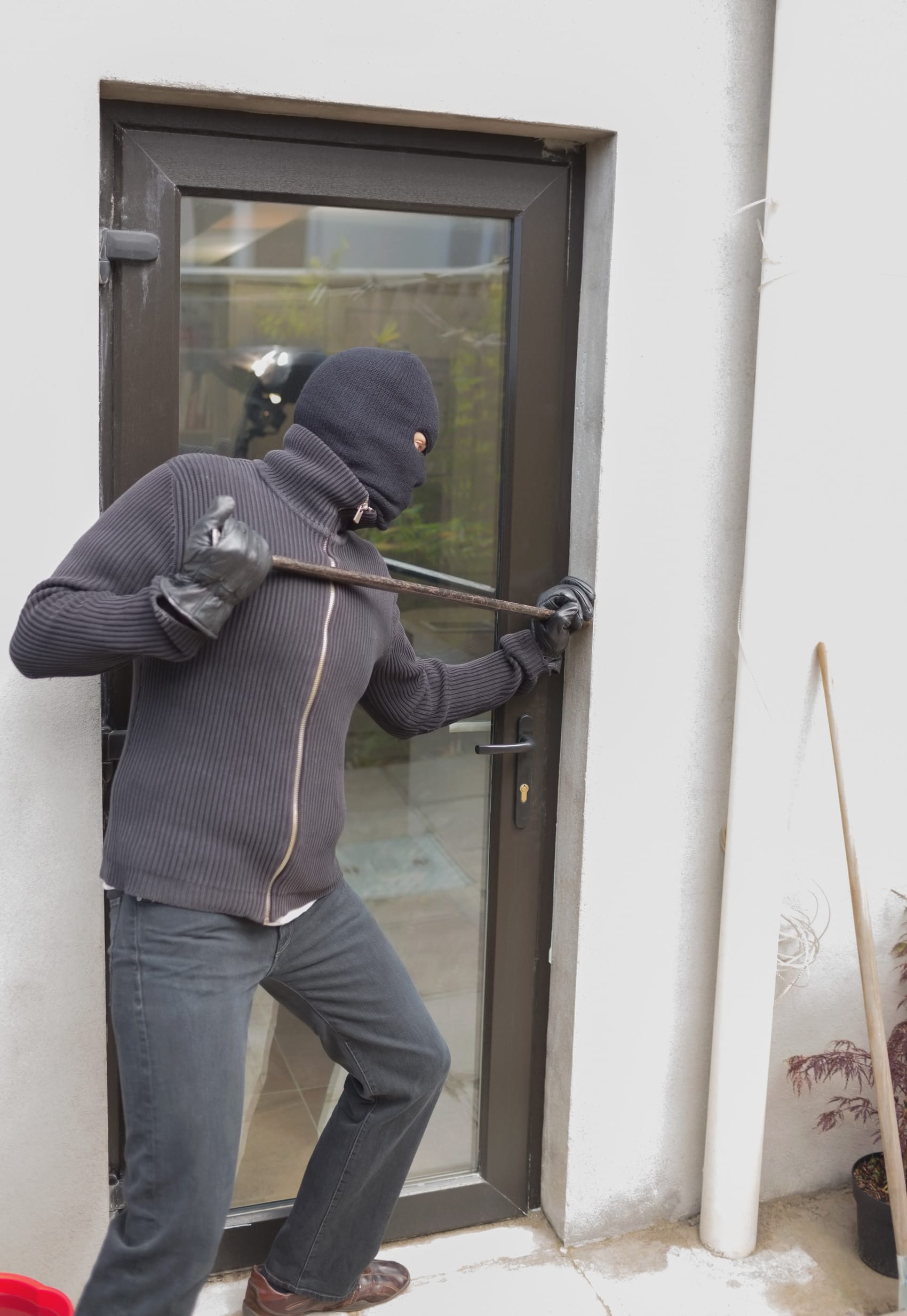
The sound of breaking glass or a loud crash in the middle of the night is a cause for concern. Such noises might indicate a break-in or vandalism occurring near your property. They are often sudden and unexpected, disrupting the usual calm of the night. If you hear these sounds, avoid investigating alone and instead contact the police. Quick reporting can help prevent further damage or potential harm.

3. Gunshots or Explosive Sounds

Gunshots, or noises that resemble explosive sounds, are extremely alarming. Even if you are unsure whether they are actual gunfire, it is better to err on the side of caution. These sounds can signal a violent altercation or criminal activity in progress. Immediate notification of law enforcement is essential in such cases. Prompt action can be critical in mitigating harm and ensuring community safety.

4. Persistent Animal Disturbances

Unusual or persistent animal noises, such as incessant barking or distressed animal cries, can sometimes indicate a deeper problem. These sounds may suggest that an animal is in danger or that someone is tampering with pets. They can also be a distraction used by criminals to cover up illicit activities. If animal disturbances seem out of the ordinary, it is wise to inform the authorities. Protecting both animals and people is a key part of community safety.

5. Unfamiliar Footsteps or Voices

Hearing footsteps or unfamiliar voices near your property, especially when you are alone, is a serious warning sign. These sounds may indicate that someone is trespassing or scouting your home. They can create a sense of vulnerability and alertness. It is important not to confront the situation directly but to secure your home and call the police immediately. Reporting such anomalies can help deter potential criminal activity.

6. Tampering Noises at Doors or Windows

Sounds that suggest someone is trying to open or tamper with your doors or windows are red flags. These noises often precede a break-in attempt. They can be subtle at first but grow more pronounced as the intrusion continues. Instead of investigating, move to a safe area and contact law enforcement. Prompt reporting helps ensure that professionals can handle the situation appropriately.

7. Unusual Mechanical Noises

Mechanical sounds like drilling, sawing, or other tool noises late at night can be highly suspicious. Such noises may indicate that someone is attempting to breach security systems or locks. They often occur in quiet areas where any sound is amplified. Do not ignore these sounds, as they could signal premeditated criminal activity. When in doubt, call the police immediately to have the situation assessed.

Being Alert To Sounds At Night

Staying alert to the sounds around your home at night is a crucial component of personal safety. Recognizing these warning signs can help prevent potential crimes and ensure timely assistance from law enforcement. Trust your instincts and don’t hesitate to call the police when something feels off.

What sounds have you found most alarming, and how did you respond? Share your experiences in the comments below.

Read More:

10 Car Safety Features You Didn’t Know You Needed Until Now

Why Some Criminals Leave a Water Bottle on Your Car Tire—And What It Means

Latrice Perez

Latrice is a dedicated professional with a rich background in social work, complemented by an Associate Degree in the field. Her journey has been uniquely shaped by the rewarding experience of being a stay-at-home mom to her two children, aged 13 and 5. This role has not only been a testament to her commitment to family but has also provided her with invaluable life lessons and insights.

As a mother, Latrice has embraced the opportunity to educate her children on essential life skills, with a special focus on financial literacy, the nuances of life, and the importance of inner peace.

Filed Under: Crime & Safety Tagged With: crime prevention, night safety, personal security, police alert, suspicious sounds

9 Phrases That Could Save You If Someone Tries to Kidnap You

March 21, 2025 by Latrice Perez Leave a Comment

Kidnapping

Image Source: 123rf.com

Being kidnapped is a terrifying thought, but how you react in those crucial first moments can make a major difference. You don’t need martial arts training or a hidden weapon to fight back—sometimes, the right words can be your most powerful tool. Whether you’re trying to alert others, buy time, or humanize yourself to your attacker, communication can be life-saving. These nine phrases and tactics could help you stay alive and even escape.

1. “I Don’t Know” (When Asked Where You’re Going)

If a stranger asks where you’re headed or if you’re alone, claiming ignorance can confuse and delay them. Responding with “I don’t know” signals uncertainty, which may frustrate their plan or make them question your usefulness. Avoid giving specific locations, especially if you’re being watched or followed. Vagueness is your ally when it comes to misdirecting attention. It’s a small but effective way to avoid being targeted.

2. “They’re Expecting Me in Five Minutes”

Kidnappers often act when they believe you’re isolated. Saying that someone is expecting you soon can throw off their timing. Mention a friend, family member, or appointment—even if it’s not real. This implies someone will notice your absence quickly, which may deter an attacker from proceeding with the kidnapping. Even bluffing can buy you precious seconds to escape or attract help.

3. “You Don’t Have to Do This”

Appealing to your kidnapper’s humanity might sound risky, but it can sometimes trigger hesitation. Humanizing yourself with this simple statement creates psychological friction for the attacker. Saying it calmly but firmly could make them pause long enough for you to act or be rescued. This tactic has been reported by survivors who used empathy to defuse danger. While not foolproof, it’s a powerful phrase when used at the right moment.

4. “I Have a Medical Condition”

Even if it’s not true, claiming a medical issue can throw off a potential kidnapper’s plans. Say something like “I have seizures,” “I’m diabetic,” or “I need medication every few hours.” The goal is to make them question whether you’re too high-risk to deal with. Criminals often look for easy targets—they don’t want complications. Use this phrase to make yourself seem like more trouble than you’re worth.

5. “Fire!” (Instead of “Help!”)

Need for help. Black man screaming help over orange background, panorama with free space

Image Source: 123rf.com

If you’re in public and need to attract attention, yelling “fire!” instead of “help!” is often more effective. People tend to avoid situations they perceive as dangerous, and “help” can be ignored. But “fire” signals urgency that draws a crowd quickly. If you’re being taken or threatened in a populated area, scream it as loudly and repeatedly as possible. It’s a proven way to attract intervention.

6. “You’re on Camera”

Letting an attacker think they’re being watched—even if they aren’t—can rattle them. Say “There are security cameras here” or “My phone is recording.” The idea of being identified or leaving evidence may cause them to panic or back off. Criminals often act impulsively, and planting the idea of surveillance could disrupt their plans. Bluff with confidence and hope it buys you time.

7. “I Don’t Want to Die Today”

This emotionally direct phrase can sometimes cut through fear and reach your attacker on a human level. It’s not begging—it’s stating your will to live in a way that may strike a nerve. This line has been used by survivors to disarm an attacker’s mindset, even briefly. It’s not guaranteed to work, but in a high-stakes moment, every word counts. Speak with as much calm as you can muster.

8. “Please Take My Phone and Wallet”

If it looks like you’re being targeted, offering your belongings might turn a kidnapping attempt into a robbery. Many criminals are opportunists and may back off once they get what they want. By handing over valuables willingly, you show compliance without allowing them to escalate. This tactic can redirect the encounter toward a less dangerous outcome.

9. “My Family Knows Where I Am”

Letting a would-be kidnapper think you’ve already checked in with someone makes you a bigger risk. Saying “My location is shared with my husband” or “My mom tracks my phone” creates doubt in their mind. It implies they’ll be pursued quickly, which many don’t want to deal with. This simple statement can deter someone who’s looking for an easy, untraceable target.

Speak Smart, Stay Safe

In high-stress situations, words can be your first and best defense. These phrases won’t guarantee escape, but they can shift the odds in your favor. Preparation, awareness, and quick thinking are key to survival. Knowing what to say and when to say it might just save your life.

Have you ever been in a situation where quick thinking made the difference? What phrases or tips would you add? Share your thoughts in the comments.

Read More:

How Criminals Pick Their Targets—8 Everyday Mistakes That Make You Vulnerable

8 Privacy Settings Everyone Should Change Immediately

Latrice Perez

Latrice is a dedicated professional with a rich background in social work, complemented by an Associate Degree in the field. Her journey has been uniquely shaped by the rewarding experience of being a stay-at-home mom to her two children, aged 13 and 5. This role has not only been a testament to her commitment to family but has also provided her with invaluable life lessons and insights.

As a mother, Latrice has embraced the opportunity to educate her children on essential life skills, with a special focus on financial literacy, the nuances of life, and the importance of inner peace.

Filed Under: safety Tagged With: crime prevention, kidnapping prevention, personal safety, safety awareness, self-defense tips, staying safe, survival tactics, verbal defense

How Criminals Pick Their Targets—8 Everyday Mistakes That Make You Vulnerable

March 20, 2025 by Latrice Perez Leave a Comment

Choosing a Target

Image Source: 123rf.com

Most people think criminals only go after careless victims, but the truth is, even the most cautious individuals can unknowingly make themselves vulnerable. Criminals don’t pick their targets at random—they look for signs of opportunity, weakness, or distraction. Small, everyday habits could be putting you on their radar without you even realizing it. Whether it’s a burglar eyeing your home, a scammer tracking your digital footprint, or a pickpocket spotting an easy grab, your daily routine might be working against you. Here are eight common mistakes that could make you a target—and how to protect yourself.

1. Oversharing on Social Media

It’s tempting to post about vacations, big purchases, or even your daily routine, but criminals are watching. Announcing that you’re out of town signals that your home is empty and ripe for a break-in. Sharing personal details, like where you work or frequent hangouts, can also make it easier for stalkers or scammers to track you. Even posting about valuable items—like a new car or expensive jewelry—can put you on a criminal’s list. If you must share, wait until you’re back home and keep location tags and personal details to a minimum.

2. Leaving Your Car Unlocked—Even for a Minute

You might think it’s harmless to leave your car running while you run into a store or quickly step away, but criminals see this as an open invitation. Even in seemingly safe neighborhoods, car thieves look for easy opportunities. Unlocked doors, visible valuables, or even an open window can turn your car into a prime target. Some thieves even watch gas stations or driveways for distracted owners. Always lock your car, even if you’re only stepping away for a second—it only takes a moment for a criminal to make their move.

3. Walking While Distracted

Scrolling on your phone or wearing noise-canceling headphones while walking can make you an easy mark for pickpockets or attackers. Criminals prefer distracted victims because they’re less likely to notice suspicious activity or react quickly. Whether you’re in a parking lot, on public transportation, or walking alone at night, staying aware of your surroundings is crucial. Hold your head up, keep your phone in your pocket, and always be aware of who is around you. A little attentiveness can make all the difference in avoiding trouble.

4. Ignoring Strange Behavior in Public

Most people brush off odd behavior, assuming they’re being paranoid, but criminals often test potential victims before striking. A pickpocket might bump into you to see how you react, while a scam artist may linger near an ATM, looking for distracted individuals. If someone is watching you too closely, following you, or behaving suspiciously, trust your instincts. Move to a safer location, alert security if necessary, and never hesitate to call for help. Awareness is one of your best defenses.

5. Using Weak or Reused Passwords

In today’s digital world, cybercriminals are constantly looking for ways to break into your accounts. Using the same weak password across multiple platforms makes it easy for hackers to gain access to your personal and financial information. Once they crack one account, they can often use that information to access others, leading to identity theft or financial loss. Always use strong, unique passwords and enable two-factor authentication whenever possible. A password manager can help keep your credentials secure without the hassle of remembering them all.

6. Keeping Your Home in “Vacation Mode”

An overflowing mailbox in the lobby of an apartment building. Mailboxes full of letters with apartment numbers

Image Source: 123rf.com

An overflowing mailbox, dark windows, and no car in the driveway are dead giveaways that no one is home. Burglars look for these signs to identify houses that are easy to break into. If you’re going on vacation, ask a neighbor to collect your mail, use timers for lights, and consider leaving a car in the driveway. Installing a security system or video doorbell can also deter criminals by showing them they’re being watched. Making your home look lived-in—even when you’re away—can keep it off a burglar’s list.

7. Getting Too Comfortable with Strangers

Not every friendly stranger has bad intentions, but criminals often use charm and deception to lower their victims’ guard. Scammers, thieves, and even predators rely on people’s natural trust to gain access to information, homes, or valuables. They may pose as salespeople, lost tourists, or even law enforcement to manipulate you. Be polite but cautious, and never share personal details or allow someone into your home unless you’re absolutely sure of their intentions. Trust your instincts—if something feels off, it probably is.

8. Relying on Routine Too Much

Having a predictable routine can make you an easy target, especially for criminals who watch and wait. If you always leave for work at the same time, park in the same spot, or take the same jogging route, someone with bad intentions can easily anticipate your movements. Changing up your routine, using different entrances, and varying your schedule can make it harder for criminals to track you. Staying unpredictable keeps you one step ahead of anyone looking for an opportunity.

They Look for Easy Targets

Criminals look for easy targets, and often, small habits can make all the difference in whether you’re chosen or ignored. By staying aware of your surroundings, securing your digital and physical spaces, and trusting your instincts, you can reduce the chances of becoming a victim. Crime can happen anywhere, but being proactive and making smart choices can keep you and your loved ones safe.

Have you ever made one of these mistakes without realizing it? What other everyday habits could put someone at risk? Share your thoughts in the comments!

Read More:

Think You’re Helping? The Risky Truth About Giving Money to the Homeless at Stoplights

Why Some Criminals Leave a Water Bottle on Your Car Tire—And What It Means

Latrice Perez

Latrice is a dedicated professional with a rich background in social work, complemented by an Associate Degree in the field. Her journey has been uniquely shaped by the rewarding experience of being a stay-at-home mom to her two children, aged 13 and 5. This role has not only been a testament to her commitment to family but has also provided her with invaluable life lessons and insights.

As a mother, Latrice has embraced the opportunity to educate her children on essential life skills, with a special focus on financial literacy, the nuances of life, and the importance of inner peace.

Filed Under: safety Tagged With: burglary prevention, crime prevention, cybercrime, identity theft, personal safety, security tips, self-defense, situational awareness

How Criminals Use Simple Chalk Marks to Target Homes for Burglary

March 15, 2025 by Latrice Perez Leave a Comment

Chalk Name

Image Source: 123rf.com

Most people wouldn’t think twice about seeing a small chalk mark on a sidewalk, fence, or even their mailbox. It’s easy to assume it was left by kids playing outside or just random street markings. However, in many cases, these seemingly innocent chalk symbols are actually coded messages used by criminals to mark homes as potential burglary targets.

Burglars, scammers, and organized crime groups have long used secret symbols to communicate information about houses they intend to target. These markings can reveal whether a home is occupied, if the owners are elderly, if a house has valuables inside, or even if a property is an easy break-in. While not widely discussed, this method is an increasingly common tool for burglars—and homeowners need to know what to look for.

Why Do Criminals Use Chalk Marks?

Chalk is the perfect tool for criminals looking to mark homes because it’s temporary, subtle, and easily dismissed by unsuspecting homeowners. Unlike spray paint or permanent markers, chalk washes away with rain, making it harder for law enforcement to track patterns or gather evidence.

These marks can be left by burglars themselves or by scouts—individuals who assess neighborhoods and report back to criminal groups. Some burglars work in teams, and these markings help identify which houses are worth targeting and which ones should be avoided.

The Meaning Behind Common Chalk Marks

While the specific symbols used by criminals can vary, some common chalk markings have been found in burglary patterns worldwide. Here are some of the meanings behind these seemingly random markings:

  • An “X” or a Cross – Indicates a good target for burglary.
  • A Circle with an “X” Inside – Home has already been broken into or is planned for burglary soon.
  • A Triangle – Usually means a single woman lives in the house, often considered an easy target.
  • A Diamond Shape – Suggests a wealthy home with high-value items inside.
  • A Letter “M” or “W” – Could signify a morning or weekend burglary opportunity, meaning the home is empty during those times.
  • A Horizontal Line – Suggests that the home has nothing worth stealing or is too risky to break into.
  • A Square or Box – Often marks a house with a security system or a dog, warning burglars to avoid it.

Some criminals also use arrows to point toward escape routes or safe exits after a break-in. Other groups may use numbers to indicate how many people live in the house or the best time to strike.

Where Do Criminals Leave These Markings?

Burglar

Image Source: 123rf.com

Burglars carefully choose where to place these chalk symbols so they are visible to their accomplices but not easily noticed by homeowners. Some of the most common places where you might find these markings include:

  • Sidewalks in front of your home – A quick way to communicate to others in a criminal network.
  • Mailboxes or fences – Subtle placement that isn’t always checked by homeowners.
  • Driveways or near the curb – Used to indicate which homes are worth breaking into.
  • Utility poles or street signs nearby – Markings left further from the home but still close enough to be useful to criminals.

How to Protect Your Home from Chalk Mark Targeting

If you notice strange chalk markings around your home or in your neighborhood, take action immediately. Criminals rely on secrecy, and once their system is exposed, they often move on to easier targets. Here’s what you should do:

  • Erase the Markings Immediately – The sooner you remove the chalk, the harder it is for burglars to follow through with their plans. Use water, a scrub brush, or a pressure washer if needed.
  • Document the Symbols – Take photos of any suspicious markings before removing them. If multiple homes in your area have similar symbols, report them to the police.
  • Inform Your Neighbors – Criminals often target entire neighborhoods. Letting your neighbors know about the markings can help everyone stay alert and take precautions.
  • Check Security Footage – If you have security cameras, review any recent activity near the markings. This could provide valuable evidence for law enforcement.
  • Strengthen Your Home Security – Even if your home hasn’t been marked, burglars are always looking for easy opportunities. Installing motion sensor lights, security cameras, and visible alarm systems can make your home less attractive to criminals.

Other Signs That Your Home May Be Targeted

Chalk markings aren’t the only way burglars signal potential targets. If you notice any of the following, it could indicate that criminals are watching your home:

  • Unfamiliar people loitering around your neighborhood
  • Strangers knocking on doors, pretending to sell something or ask for directions
  • Missing or moved trash cans and mailboxes, which could be signs of scouting
  • Flyers or business cards wedged in your door that aren’t from legitimate companies

Criminals often conduct test runs before attempting a break-in. They may leave something small, like a flyer in your door, to see how long it takes for someone to remove it. If it sits untouched for days, they may assume the home is vacant or unattended, making it a prime target.

What to Do If You Suspect Your Home Has Been Marked

If you believe criminals have marked your home for burglary, don’t ignore it. Act quickly to remove the marking, document the incident, and report any suspicious activity to local law enforcement. You can also:

  • Ask neighbors if they’ve seen any unusual behavior or markings near their homes.
  • Consider increasing outdoor lighting or installing security cameras.
  • Be extra cautious with home security—lock doors and windows, even when you’re home.
  • If possible, park a car in the driveway to give the impression that someone is always there.

Awareness Can Stop Criminals in Their Tracks

Criminals thrive on secrecy and easy opportunities. By being aware of how they use chalk markings and other subtle tricks to target homes, you can prevent yourself and your neighbors from becoming victims. If something feels off, trust your instincts—and always take action to protect your home.

Have you ever noticed strange markings or suspicious activity in your neighborhood? What did you do? Share your experience in the comments below.

Read More:

10 Places that Burglars Are Hoping You’ll Hide Your Cash and Jewelry-So Don’t!

Why Some Criminals Leave a Water Bottle on Your Car Tire—And What It Means

Latrice Perez

Latrice is a dedicated professional with a rich background in social work, complemented by an Associate Degree in the field. Her journey has been uniquely shaped by the rewarding experience of being a stay-at-home mom to her two children, aged 13 and 5. This role has not only been a testament to her commitment to family but has also provided her with invaluable life lessons and insights.

As a mother, Latrice has embraced the opportunity to educate her children on essential life skills, with a special focus on financial literacy, the nuances of life, and the importance of inner peace.

Filed Under: safety Tagged With: burglary prevention, burglary tactics, chalk markings, crime awareness, crime prevention, home defense, home protection, home security, neighborhood safety, personal safety

9 Sketchy Situations That Scream “Danger”—Trust Your Gut!

March 14, 2025 by Latrice Perez Leave a Comment

Delivery Man

Image Source: 123rf.com

Most people have experienced a moment where something just doesn’t feel right. Maybe it’s a strange interaction with a stranger, an eerie silence in an unfamiliar place, or a sense of being watched when no one is around. While it’s easy to brush off these feelings, your gut is often your first line of defense against danger. Ignoring it can put you at risk, while listening to it can help you avoid situations that could turn bad fast. If something makes you uneasy, there’s probably a reason for it. Here are nine sketchy situations where you should always trust your instincts.

1. Someone Asks for Help but Refuses Specifics

It’s natural to want to help someone in need, but if a stranger approaches you with a vague or overly complicated story, be cautious. Scammers and criminals often use emotional manipulation to lower people’s defenses. They might ask for gas money but refuse to let you call roadside assistance, or claim they lost their wallet but won’t accept food instead of cash. The key red flag is when they seem more interested in getting you isolated or distracted than in actually solving their supposed problem. If something feels off, step away and offer to call authorities instead.

2. An Unmarked or Fake Delivery Person Shows Up

With so many home deliveries happening daily, it’s easy to assume that a package at your door is legitimate. But criminals have started using fake delivery uniforms or unmarked vans to gain access to homes. If someone arrives unexpectedly claiming they need a signature or to bring a package inside, but their vehicle lacks company markings or their uniform looks off, don’t open the door. Real delivery services don’t demand entry into your home, and they certainly won’t pressure you. If you didn’t order anything, you have every right to be suspicious.

3. A Stranger Seems Overly Interested in Your Plans

Most casual conversations stay surface-level, but when someone you don’t know starts prying into your schedule or personal details, it should raise alarms. Questions like “Are you home alone?” or “Do you live around here?” may seem harmless in certain contexts, but they can also be used to gauge how vulnerable you are. If someone is too curious about where you’re going, where you live, or who you’re with, give vague answers and create distance. The less personal information you share, the safer you are.

4. You Notice the Same Person or Car More Than Once

Man Sitting In Car

Image Source: 123rf.com

Being followed isn’t always obvious at first, but if you notice the same person or car in multiple locations, pay attention. Criminals often scope out potential targets before making a move. This could mean trailing you in a store, lingering near your car, or even driving past your house repeatedly. If you suspect someone is following you, don’t go straight home. Instead, change your route, go to a crowded place, or head to a police station. Trusting your gut in these moments can prevent a dangerous encounter.

5. A Door-to-Door Solicitor Seems Pushy or Distracting

Legitimate salespeople, political canvassers, and charity workers follow clear guidelines when knocking on doors. If someone seems overly aggressive, refuses to leave, or tries to keep you engaged for too long, they may be looking for an opportunity to case your home. Some criminals use this tactic to test if anyone is home before attempting a break-in. Others work in pairs, where one distracts you while the other tries to slip inside or peek around your property. If someone at your door makes you uneasy, don’t open it. Speak through a security camera or a locked screen door and tell them firmly you’re not interested.

6. A Ride Service or Taxi Seems Off

When using a rideshare app or taxi, small details can reveal if something isn’t right. If the car doesn’t match what’s in your app, the driver doesn’t confirm your name, or they insist on taking a different, longer route, trust your gut. Some fake rideshare drivers prey on distracted passengers, particularly in busy areas like airports and bars. Always double-check the license plate, ask the driver who they’re picking up, and share your trip details with a friend. If something feels wrong, cancel the ride and find a safer option.

7. Someone Tries to Get You Into an Isolated Space

If someone insists on moving a conversation or interaction to a more secluded area, take it as a warning sign. This can happen on a date, during a casual encounter, or even in professional settings. Predators rely on getting people alone where there are fewer chances of interruption. Whether it’s an invite to a basement, an empty parking lot, or a back room, listen to that uneasy feeling. Stay in public spaces and let others know where you are at all times.

8. A Stranger Seems Too Eager to Help With Your Car

If you find your car disabled in an empty parking lot and someone appears out of nowhere offering help, be cautious. Some criminals create these situations by deflating tires or placing objects under vehicles, hoping to lure the driver out. While genuine good Samaritans exist, it’s safer to call for roadside assistance or ask a trusted contact for help. If someone is insistent about fixing your car, but their behavior feels off, lock your doors and wait for professional help.

9. Your Surroundings Suddenly Go Silent

Nature and crowds have a natural rhythm, and when that suddenly stops, it often signals danger. Whether you’re walking alone at night or in an unfamiliar area, sudden silence can mean something is wrong. Predators and attackers move quietly, and even animals go still when they sense a threat. If you feel a sudden shift in the environment, stop, look around, and get to a safer location as quickly as possible. Your instincts are picking up on something, even if you don’t immediately see what it is.

Your Instincts Are Your Best Defense

Too many people ignore their gut feelings because they don’t want to seem paranoid or overreact. But when something feels wrong, it’s usually for a reason. Danger doesn’t always announce itself loudly. It often comes in the form of small details that don’t quite add up. Trust yourself, take action, and never feel guilty for prioritizing your safety.

Have you ever experienced a moment when your instincts saved you from a bad situation? Share your story in the comments below.

Read More:

Delete These 8 Apps Right Now—They’re Secretly Spying on You

Why Some Criminals Leave a Water Bottle on Your Car Tire—And What It Means

Latrice Perez

Latrice is a dedicated professional with a rich background in social work, complemented by an Associate Degree in the field. Her journey has been uniquely shaped by the rewarding experience of being a stay-at-home mom to her two children, aged 13 and 5. This role has not only been a testament to her commitment to family but has also provided her with invaluable life lessons and insights.

As a mother, Latrice has embraced the opportunity to educate her children on essential life skills, with a special focus on financial literacy, the nuances of life, and the importance of inner peace.

Filed Under: safety Tagged With: crime prevention, danger awareness, personal safety, red flags, security tips, self-defense, sketchy situations, staying safe, street smarts, trusting your instincts

  • 1
  • 2
  • Next Page »

FOLLOW US

Search this site:

Recent Posts

  • Can My Savings Account Affect My Financial Aid? by Tamila McDonald
  • 12 Ways Gen X’s Views Clash with Millennials… by Tamila McDonald
  • What Advantages and Disadvantages Are There To… by Jacob Sensiba
  • Call 911: Go To the Emergency Room Immediately If… by Stephen Kanaval
  • 10 Tactics for Building an Emergency Fund from Scratch by Vanessa Bermudez
  • 7 Weird Things You Can Sell Online by Tamila McDonald
  • 10 Scary Facts About DriveTime by Tamila McDonald

Copyright © 2026 · News Pro Theme on Genesis Framework