• Home
  • About Us
  • Toolkit
  • Getting Finances Done
    • Hiring Advisors
    • Debt Management
    • Spending Plan
  • Insurance
    • Life Insurance
    • Health Insurance
    • Disability Insurance
    • Homeowners/Renters Insurance
  • Contact Us
  • Privacy Policy
  • Risk Tolerance Quiz

The Free Financial Advisor

You are here: Home / Archives for personal security

California Alert: Why Random Amazon Packages Are a Red Flag for Identity Theft in Santa Clara County

April 10, 2026 by Brandon Marcus Leave a Comment

California Alert: Why Random Amazon Packages Are a Red Flag for Identity Theft in Santa Clara County

Image Source: Unsplash.com

A mystery package shows up at the door with no warning, no receipt, and no explanation. That moment sparks curiosity at first, but it should also trigger concern. Free stuff sounds fun, yet it rarely arrives without a reason, especially in a place like Santa Clara County where tech and data collide every single day. Something as simple as a box on the doorstep can point to a much bigger issue hiding behind the scenes. That issue often involves personal data floating around where it absolutely should not be.

This situation has nothing to do with luck and everything to do with access. Someone, somewhere, used a name and address to send that package, and that action carries intent. It might look harmless, but it connects directly to growing concerns around identity theft and online fraud. The rise in unexpected deliveries has caught attention across California, and it ties into a pattern that continues to spread.

The Strange Case of the “Free” Package That Isn’t Free at All

Random packages rarely arrive without a purpose, even when they seem harmless or oddly generous. In many cases, these deliveries link to something called a brushing scam, a tactic where sellers send items to real addresses using stolen or publicly available personal information. The goal has nothing to do with the item itself and everything to do with boosting fake reviews and online rankings. When a package gets marked as “delivered,” it allows sellers to pose as verified buyers and flood product pages with glowing feedback. That fake credibility drives real sales, and it keeps the cycle moving.

That might sound like a weird marketing trick, but it opens the door to something much more serious. The name and address used in that shipment did not come out of thin air. Someone accessed that information through a data breach, a public database, or even social media. That connection turns a random delivery into a signal that personal data may already circulate in the wrong hands. The package itself becomes a clue, not a gift.

In places like Santa Clara County, where digital infrastructure runs deep and data flows constantly, these incidents carry extra weight. The region sits at the heart of innovation, but it also attracts cyber activity that targets personal information. A brushing scam might start small, yet it can point to broader exposure. That reality makes it important to treat every unexpected package as a piece of a larger puzzle instead of brushing it off as a harmless mistake.

How Identity Theft Slips In Through the Front Door

Identity theft rarely kicks off with something dramatic. It often begins with small pieces of information collected over time, and those pieces eventually form a full picture. A name, an address, and a phone number can already go a long way. Add an email address or leaked password, and the risk increases quickly. That process doesn’t always feel urgent, but it builds quietly in the background until it reaches a tipping point.

Unexpected packages can signal that someone already gathered at least part of that information. Even if the scammer doesn’t immediately open accounts or make purchases, they now know that the address works and that deliveries reach it successfully. That validation matters, because it helps refine future attempts. Identity theft thrives on confirmation, and each verified detail strengthens the next move.

This situation connects directly to larger data breaches that have hit companies over the years. When those breaches occur, personal details often end up for sale or circulation online. Criminals don’t always act right away; they store that information and use it strategically over time. A random package might represent the first visible sign of that activity, which makes it worth paying attention to before anything escalates.

Why Santa Clara County Keeps Showing Up in These Alerts

Santa Clara County stands out for a reason, and it has everything to do with its digital footprint. The area houses major tech companies, startups, and a population that relies heavily on online services. That combination creates a rich environment for both innovation and exploitation. Where data moves fast, bad actors look for ways to tap into it just as quickly.

The high volume of online shopping in the region adds another layer to the issue. People order everything from groceries to gadgets, which makes deliveries a normal part of daily life. That normalcy allows suspicious packages to blend in without raising immediate alarms. A random box doesn’t always stand out when packages arrive regularly, and that creates an opportunity for scams to slip through unnoticed.

Local authorities and consumer protection groups have started flagging these patterns because they see the connection between unexpected deliveries and broader fraud risks. They encourage residents to stay alert, not alarmed, and to treat these incidents as early warnings. That approach helps prevent bigger problems down the line. Awareness becomes the first line of defense, especially in a region that sits at the center of the digital economy.

California Alert: Why Random Amazon Packages Are a Red Flag for Identity Theft in Santa Clara County

Image Source: Unsplash.com

What to Do the Moment That Mystery Box Lands

A surprise package doesn’t need panic, but it does demand attention. The first step involves checking order history on accounts like Amazon to confirm whether the item connects to any legitimate purchase. If nothing shows up, that package likely came from an external source. That discovery should shift the focus from curiosity to caution right away.

Next, take a close look at financial accounts and credit reports. Identity theft often leaves traces, even in its early stages. Unfamiliar charges, new accounts, or unexpected credit inquiries deserve immediate action. Reporting those issues quickly can limit damage and stop further misuse. Credit monitoring services or free annual reports can help keep track of any unusual activity.

Changing passwords and enabling two-factor authentication adds another layer of protection. These steps might feel routine, but they create real barriers against unauthorized access. It also helps to remove any saved payment methods that don’t need to stay on file. Small adjustments can make a big difference when it comes to protecting personal information.

Finally, reporting the incident to the Federal Trade Commission helps document the issue and contributes to broader tracking of scams. That report won’t stop the package itself, but it helps build awareness and supports efforts to combat identity theft on a larger scale. Taking action transforms a confusing moment into a proactive move.

This Isn’t Just About One Package

That single box on the doorstep represents something much larger than it appears. It connects to a system where personal data moves, gets shared, and sometimes gets exploited without clear warning. The rise in these incidents highlights how easily information can slip into the wrong channels. That reality doesn’t mean panic, but it does call for awareness and action.

Protecting personal data requires ongoing attention, not just a one-time fix. Regularly updating passwords, reviewing account activity, and staying informed about common scams all play a role. These habits don’t take much time, but they create a strong defense against potential threats. Ignoring the signs allows small issues to grow into bigger ones.

Santa Clara County’s situation reflects a broader trend that continues to expand as digital life evolves. Technology brings convenience, speed, and access, but it also introduces new risks that demand attention. Staying informed and proactive keeps those risks in check. That approach turns a concerning situation into an opportunity to strengthen personal security.

The Fact That Should Stick With You

A random Amazon package should never feel like a harmless surprise. It should raise a flag, spark a quick check, and push for smarter habits around personal security. That small moment can reveal a lot about where personal information travels and how it gets used. Ignoring it hands control to someone else, while addressing it puts that control right back where it belongs.

What steps feel worth taking today to lock things down and stay ahead of the next surprise delivery, and what strategies have already worked well that others should know about? Drop those thoughts, ideas, or even close calls in the comments and get the conversation going.

You May Also Like…

8 Scam Messages That Look Official — But Aren’t

7 New Scam Tactics That Look Real — And Are Still Fooling Americans

8 Job-Scam Red Flags Everyone Needs to Know in 2025

Why Amazon Packages Are Now Being Stolen by Bots

The Growing Scam That Starts With a Fake Package Delivery Notice

Brandon Marcus
Brandon Marcus

Brandon Marcus is a writer who has been sharing the written word since a very young age. His interests include sports, history, pop culture, and so much more. When he isn’t writing, he spends his time jogging, drinking coffee, or attempting to read a long book he may never complete.

Filed Under: safety Tagged With: Amazon packages, brushing scam, California news, Consumer Protection, cybercrime, data breaches, financial safety, fraud prevention, identity theft, online shopping scams, personal security, Santa Clara County

Think Items Are Going Missing? 6 Signs You May Be Living With a Thief

April 2, 2026 by Brandon Marcus Leave a Comment

Think Items Are Going Missing? 6 Signs You May Be Living With a Thief

Image Source: Pexels.com

There comes a moment when coincidence stops feeling like coincidence. One missing item turns into two, then three, and suddenly the pattern starts staring back like a blinking warning light that refuses to be ignored. That uneasy feeling creeps in quietly at first, but it builds fast once small losses start stacking up into something bigger. People often shrug it off in the early stages, telling themselves it must be forgetfulness, bad luck, or simple misplacement. But when things keep disappearing without explanation, that instinct to question what’s really happening deserves attention instead of dismissal.

Living under the same roof should feel safe, predictable, and steady, not like a low-grade mystery that never quite resolves. Yet when belongings vanish in ways that don’t make sense, the situation shifts from frustrating to deeply unsettling. Trust becomes shaky, and even ordinary routines start to feel off-balance. Recognizing the signs early can prevent things from spiraling into bigger problems, especially when theft tends to escalate over time rather than stop on its own.

1. The “Now You See It, Now You Don’t” Pattern That Keeps Repeating

A one-time disappearance can feel like a fluke, but repeated losses tell a completely different story. When items vanish in a consistent way—especially things you use often—that pattern signals something more deliberate than forgetfulness. Small, everyday objects like cash, chargers, or clothing pieces often go first because they attract less attention and create plausible deniability. Over time, those missing items begin to form a trail that feels too structured to ignore.

Pay attention to frequency rather than size, because thieves often start small to avoid suspicion. Someone testing boundaries may remove low-value items first, then gradually move toward things that matter more. This gradual escalation doesn’t happen randomly; it reflects a calculated approach that relies on hesitation and doubt from others in the home. When multiple items disappear over weeks or months, especially from the same spaces, that pattern rarely comes from coincidence.

Another key detail involves timing, because missing items often line up with specific absences or routines. If belongings disappear when certain people stay home alone or have access to your space, that detail adds another layer of concern. The pattern doesn’t need to feel dramatic to matter—it just needs to repeat consistently. Tracking those instances mentally or even jotting them down can bring clarity faster than relying on memory alone.

2. Your Space Starts Feeling… Disturbed

There’s a difference between a messy room and one that feels subtly off. When drawers sit slightly ajar, belongings shift out of place, or personal items appear handled differently, that feeling of disturbance becomes hard to ignore. It doesn’t always scream “something’s wrong,” but it whispers it just loudly enough to create discomfort. That subtle disruption often points to someone going through your belongings without permission.

People who take items rarely leave things exactly as they found them, even when they try. Small details—like folded clothes that now sit differently or bags that look rummaged through—can signal unauthorized access. These clues matter because they show intent rather than accident, especially when they happen repeatedly. Even shared spaces can reveal patterns when certain areas look consistently disturbed after someone else uses them.

Trust that instinct when something feels off, because that gut reaction often picks up on details before logic catches up. Ignoring that feeling can delay action and allow the behavior to continue. Instead of brushing it aside, take note of when and where those disruptions occur. Over time, those observations can paint a clearer picture of what’s really happening.

3. Money and Valuables Begin to Shrink in Sneaky Ways

Cash doesn’t leave a trail, which makes it one of the first targets in many theft situations. When small amounts go missing from wallets, purses, or loose storage spots, it can feel easy to second-guess the loss. Maybe it got spent and forgotten, or maybe it never existed in the first place—at least that’s what the situation tries to suggest. But consistent shortages, even small ones, often indicate intentional removal rather than simple oversight.

Valuables don’t always disappear all at once either. Jewelry, electronics, or collectible items might go missing one at a time, spaced out to avoid detection. This slow approach allows someone to take more over time without raising immediate alarm. That strategy relies on hesitation and uncertainty, which gives the person responsible more opportunity to continue.

Keeping track of valuables becomes essential in these situations, not out of paranoia but out of practicality. Simple habits like photographing items or noting where they stay can help establish clarity if something disappears. These steps don’t accuse anyone directly, but they create a record that removes doubt. When losses stop feeling random and start following a pattern, documentation can make all the difference.

Think Items Are Going Missing? 6 Signs You May Be Living With a Thief

Image Source: Pexels.com

4. Defensive Behavior That Feels a Little Too Strong

When suspicion enters a shared space, behavior often shifts—and not always in subtle ways. Someone who reacts with immediate defensiveness, anger, or exaggerated denial when the topic of missing items comes up may raise concern. Strong reactions don’t prove guilt on their own, but they can signal discomfort with the subject. That discomfort sometimes comes from knowing more than they admit.

Watch for overreactions that don’t match the situation, especially when no direct accusation has been made. A casual mention of missing items shouldn’t trigger hostility or intense emotional responses. When it does, that mismatch can feel like a red flag worth paying attention to. It suggests that the conversation touches a nerve in a way that feels disproportionate.

Changes in routine can also reveal something deeper. Someone may start avoiding shared spaces, limiting interactions, or becoming unusually private. These shifts don’t confirm wrongdoing, but they add context when combined with other signs. Looking at behavior as part of a larger pattern helps separate coincidence from something more intentional.

5. Excuses That Keep Changing Shape

Everyone misplaces things occasionally, but explanations shouldn’t constantly evolve or contradict themselves. When someone offers different reasons each time an item goes missing, that inconsistency can point toward dishonesty. A believable explanation usually stays stable, even when questioned. Shifting stories, on the other hand, often signal an attempt to cover something up.

Pay attention to details within those explanations. Do timelines change? Do locations suddenly shift? Do reasons feel overly complicated for a simple situation? These inconsistencies don’t always stand out immediately, but over time they create a pattern that becomes harder to ignore. The more the explanation changes, the less reliable it becomes.

Consistency matters in everyday life, and that includes accountability. When explanations feel like they adjust to fit the moment, that flexibility can raise serious questions. Instead of accepting each new version at face value, compare them against previous ones. That comparison can reveal gaps that weren’t obvious at first glance.

6. You Start Locking Things… and It Actually Helps

One of the clearest indicators comes from a simple test: securing your belongings. When items suddenly stop disappearing after you lock them away, that change speaks volumes. It suggests that access—not coincidence—played a major role in the problem. This shift often provides the strongest confirmation that something deliberate has been happening.

Locking things up doesn’t solve the root issue, but it does create a boundary that limits opportunity. People who take advantage of easy access often stop when that access disappears. That reaction doesn’t require confrontation to understand what’s going on. The absence of new losses can act as its own form of evidence.

Taking practical steps like using lockboxes, securing rooms, or limiting access can protect belongings while you figure out next steps. These actions focus on safety rather than accusation, which helps keep the situation grounded. If theft continues even after those measures, that escalation signals an even more serious issue that may require outside help.

The Moment Everything Starts Adding Up

Once the signs begin lining up, the situation stops feeling like a guessing game and starts looking like a pattern with clear direction. Missing items, disturbed spaces, inconsistent explanations, and behavioral changes rarely occur in isolation when something isn’t right. Each piece alone might feel small, but together they create a picture that becomes difficult to ignore. Acting early can prevent further loss and reduce the emotional toll that comes with ongoing suspicion.

Have you ever noticed patterns like this in your own space, or found a surprising way to confirm what was really going on? Share your thoughts, strategies, or experiences in the comments—someone else might need that exact insight.

You May Also Like…

Why Does Financial Confidence Feel Fragile?

7 Financial Choices That Seem Safe Until They Aren’t

7 Signs Your Identity Has Been Stolen and What to Do Immediately

5 Warning Signs Someone Is Using Your Social Security Number

5 Simple Methods to Protect Your Identity From Cyber Theft

Brandon Marcus
Brandon Marcus

Brandon Marcus is a writer who has been sharing the written word since a very young age. His interests include sports, history, pop culture, and so much more. When he isn’t writing, he spends his time jogging, drinking coffee, or attempting to read a long book he may never complete.

Filed Under: Lifestyle Tagged With: home safety, household conflict, missing items, personal security, roommate issues, safety tips, stolen belongings, suspicious behavior, theft prevention, theft warning signs, trust issues

If You Hear This Sound Outside Your House, Don’t Open the Door

June 13, 2025 by Travis Campbell Leave a Comment

fornt door

Image Source: 123rf.com

Have you ever been startled by an unexpected sound outside your house late at night? Maybe it was a knock, a strange scratching, or even a faint cry for help. In those moments, your instincts might tell you to investigate, but your safety could depend on resisting that urge. Home safety isn’t just about locking your doors—it’s about knowing how to respond when something feels off. With crime tactics evolving and emergencies happening when you least expect them, understanding what to do when you hear suspicious sounds outside your home is more important than ever. This guide will walk you through practical steps to protect yourself, your loved ones, and your property.

1. Recognize Common Sounds Used in Scams

Criminals often use specific sounds to lure homeowners outside. These can include fake cries for help, knocking, or even the sound of breaking glass. The goal is to trigger your concern or curiosity, making you more likely to open the door. Home safety experts warn that these tactics are designed to catch you off guard. Instead of responding immediately, pause and assess the situation. If you hear something unusual, remember that your priority is to keep yourself safe inside.

2. Don’t Rely on Peepholes Alone

It’s tempting to peek through the peephole or a window when you hear a noise, but this can put you at risk. Some criminals use peepholes to see if someone is home, or they may be waiting for movement near a window. Instead, use a security camera or a video doorbell if you have one. These devices allow you to check outside without exposing yourself. If you don’t have a camera, consider speaking through a locked door or using your phone to call for help. Prioritizing home safety means minimizing direct contact with potential threats.

3. Call for Help Before Investigating

If you hear a suspicious sound, don’t try to handle it alone. Call a trusted neighbor or the police before you do anything else. Many local police departments encourage residents to report anything unusual, even if it turns out to be nothing. This approach not only protects you but also helps keep your neighborhood safer. Remember, it’s always better to be cautious when it comes to home safety.

4. Use Outdoor Lighting to Your Advantage

A well-lit exterior is one of the simplest ways to deter unwanted visitors. Motion-activated lights can startle would-be intruders and alert you to movement outside. If you hear a sound, turn on your outdoor lights before looking outside. This can help you see what’s happening without putting yourself in harm’s way. Good lighting is a key part of any home safety plan, making it harder for criminals to approach undetected.

5. Don’t Open the Door for Strangers—No Matter What

Even if someone claims to need help or says they’re from a utility company, never open the door to someone you don’t know. Ask for identification through a closed door, and verify their story by calling the company or organization they claim to represent. Many scams involve impersonators who hope you’ll let them in without question.

6. Have an Emergency Plan Ready

Preparation is key to home safety. Make sure everyone in your household knows what to do if they hear a suspicious sound outside. This might include staying away from doors and windows, turning on lights, and calling for help. Practice your plan regularly so everyone feels confident in an emergency. Having a plan can make all the difference when seconds count.

7. Trust Your Instincts

If something feels off, trust your gut. Your instincts are a powerful tool for home safety. If you feel uneasy about a sound or a situation, don’t ignore it. Take precautions, stay inside, and reach out for help if needed. It’s always better to err on the side of caution than to take unnecessary risks.

Your Safety Comes First—Every Time

When it comes to home safety, your well-being is more important than satisfying your curiosity or being polite to a stranger. The next time you hear a suspicious sound outside your house, remember these steps and put your safety first. Staying alert, having a plan, and using technology can help you avoid dangerous situations and keep your home secure.

Have you ever experienced a suspicious sound outside your home? What steps did you take to stay safe? Share your story or tips in the comments below!

Read More

The Definition of Irony (or Why You Should Know What You’re Doing)

It’s a Bad Day When a Munchkin Dies

Travis Campbell
Travis Campbell

Travis Campbell is a digital marketer/developer with over 10 years of experience and a writer for over 6 years. He holds a degree in E-commerce and likes to share life advice he’s learned over the years. Travis loves spending time on the golf course or at the gym when he’s not working.

Filed Under: safety Tagged With: crime prevention, emergency preparedness, home safety, neighborhood safety, personal security

If You Hear These Sounds Outside at Night, Call the Police Immediately

March 31, 2025 by Latrice Perez Leave a Comment

Silhouette of a person looking through a window at night

Image Source: 123rf.com

The quiet of the night can often be deceiving, masking potential dangers that lurk in the shadows. Hearing certain sounds outside your home may be an early warning sign of criminal activity. In this article, we detail the types of noises that should prompt you to contact the police immediately. Being vigilant and acting quickly can be the difference between safety and harm.

1. Unidentified Screams or Cries for Help

Hearing someone scream or call for help is a clear sign that something is amiss. These sounds often indicate distress or danger nearby. They can stem from accidents, assaults, or domestic disputes. Ignoring such cries could result in missing an opportunity to help or alert authorities. Always trust your instincts and report these sounds promptly.

2. Breaking Glass or Loud Crashes

Burglar breaking door from outside with crow bar

Image Source: 123rf.com

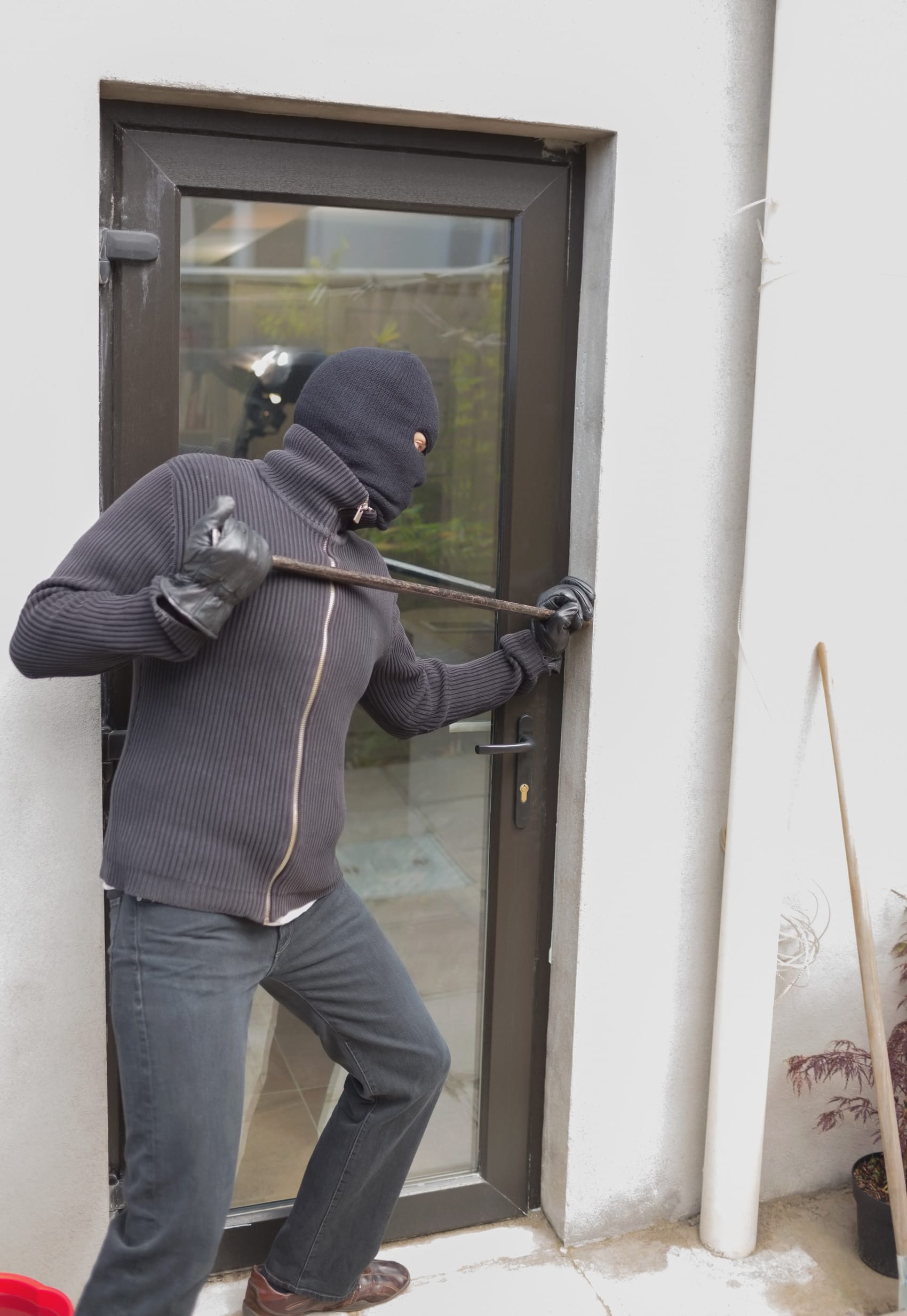
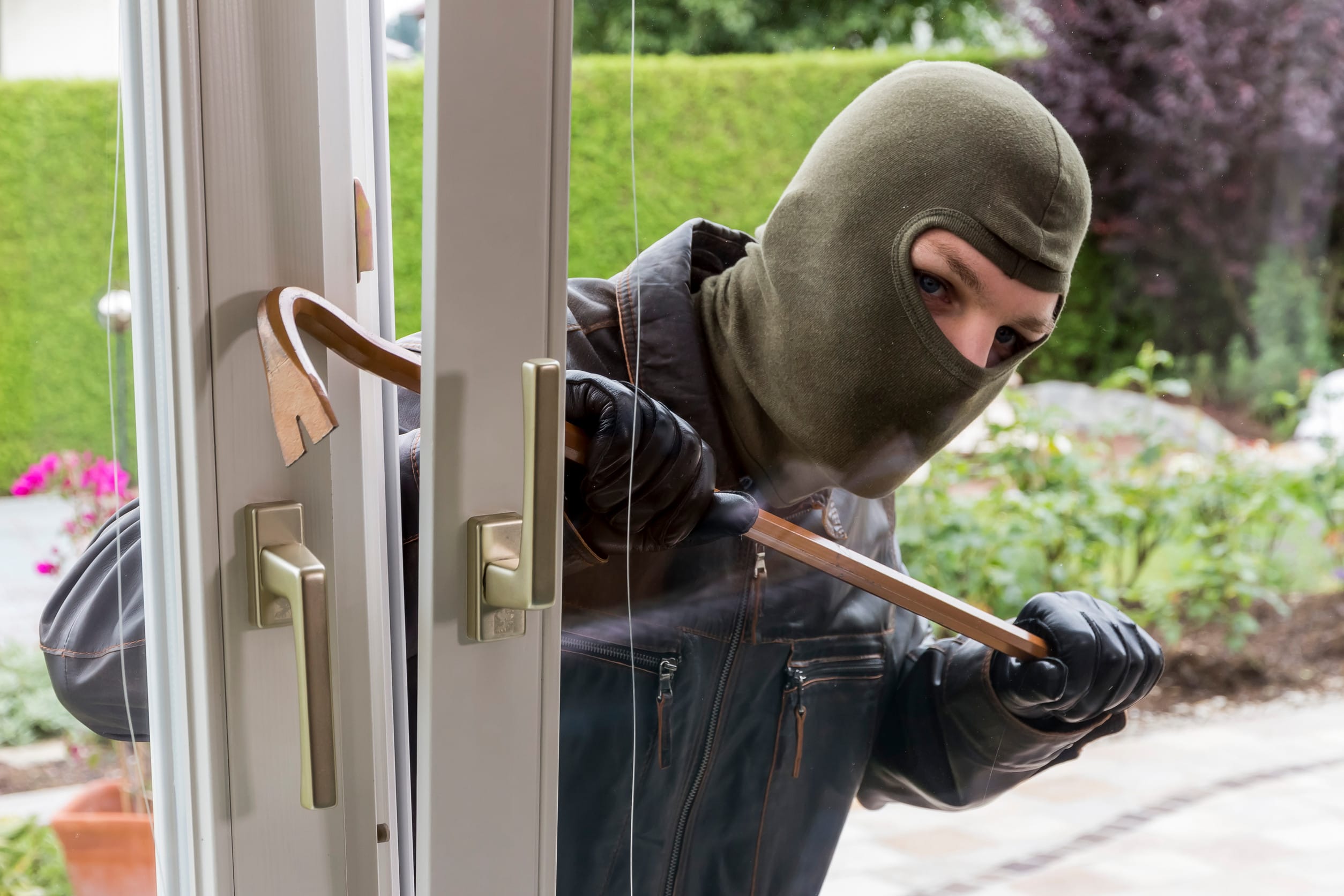
The sound of breaking glass or a loud crash in the middle of the night is a cause for concern. Such noises might indicate a break-in or vandalism occurring near your property. They are often sudden and unexpected, disrupting the usual calm of the night. If you hear these sounds, avoid investigating alone and instead contact the police. Quick reporting can help prevent further damage or potential harm.

3. Gunshots or Explosive Sounds

Gunshots, or noises that resemble explosive sounds, are extremely alarming. Even if you are unsure whether they are actual gunfire, it is better to err on the side of caution. These sounds can signal a violent altercation or criminal activity in progress. Immediate notification of law enforcement is essential in such cases. Prompt action can be critical in mitigating harm and ensuring community safety.

4. Persistent Animal Disturbances

Unusual or persistent animal noises, such as incessant barking or distressed animal cries, can sometimes indicate a deeper problem. These sounds may suggest that an animal is in danger or that someone is tampering with pets. They can also be a distraction used by criminals to cover up illicit activities. If animal disturbances seem out of the ordinary, it is wise to inform the authorities. Protecting both animals and people is a key part of community safety.

5. Unfamiliar Footsteps or Voices

Hearing footsteps or unfamiliar voices near your property, especially when you are alone, is a serious warning sign. These sounds may indicate that someone is trespassing or scouting your home. They can create a sense of vulnerability and alertness. It is important not to confront the situation directly but to secure your home and call the police immediately. Reporting such anomalies can help deter potential criminal activity.

6. Tampering Noises at Doors or Windows

Sounds that suggest someone is trying to open or tamper with your doors or windows are red flags. These noises often precede a break-in attempt. They can be subtle at first but grow more pronounced as the intrusion continues. Instead of investigating, move to a safe area and contact law enforcement. Prompt reporting helps ensure that professionals can handle the situation appropriately.

7. Unusual Mechanical Noises

Mechanical sounds like drilling, sawing, or other tool noises late at night can be highly suspicious. Such noises may indicate that someone is attempting to breach security systems or locks. They often occur in quiet areas where any sound is amplified. Do not ignore these sounds, as they could signal premeditated criminal activity. When in doubt, call the police immediately to have the situation assessed.

Being Alert To Sounds At Night

Staying alert to the sounds around your home at night is a crucial component of personal safety. Recognizing these warning signs can help prevent potential crimes and ensure timely assistance from law enforcement. Trust your instincts and don’t hesitate to call the police when something feels off.

What sounds have you found most alarming, and how did you respond? Share your experiences in the comments below.

Read More:

10 Car Safety Features You Didn’t Know You Needed Until Now

Why Some Criminals Leave a Water Bottle on Your Car Tire—And What It Means

Latrice Perez

Latrice is a dedicated professional with a rich background in social work, complemented by an Associate Degree in the field. Her journey has been uniquely shaped by the rewarding experience of being a stay-at-home mom to her two children, aged 13 and 5. This role has not only been a testament to her commitment to family but has also provided her with invaluable life lessons and insights.

As a mother, Latrice has embraced the opportunity to educate her children on essential life skills, with a special focus on financial literacy, the nuances of life, and the importance of inner peace.

Filed Under: Crime & Safety Tagged With: crime prevention, night safety, personal security, police alert, suspicious sounds

8 Privacy Settings Everyone Should Change Immediately

March 20, 2025 by Latrice Perez Leave a Comment

Privacy Access login PERFORMANCE Identification Password

Image Source: 123rf.com

Think your online data is safe? Think again. Companies, advertisers, hackers, and even nosy acquaintances can access more of your personal information than you probably realize. From tracking your location to listening in on your conversations, many default privacy settings are designed to collect as much data as possible. If you haven’t checked your settings recently, you could be exposing sensitive details without even knowing it. Here are eight privacy settings you should change right now to keep your personal information secure.

1. Stop Apps from Tracking Your Location

Many apps track your location even when you’re not using them, collecting data on your daily routines and movements. This information is often shared with advertisers or, in some cases, even sold to third parties. To take back control, go to your phone’s settings and check which apps have location access. Change permissions to “While Using the App” or “Never” for anything that doesn’t absolutely need your location. If you’re on iPhone, enable “Precise Location” only for necessary apps to prevent detailed tracking.

2. Limit Who Can See Your Social Media Posts

If your social media profiles are public, you’re giving complete strangers access to your personal life. Photos, locations, and even details about your family can be easily found and used against you. Adjust your privacy settings so only friends or approved followers can see your posts. On Facebook, go to Settings > Privacy and change “Who can see your future posts?” to “Friends” or “Only Me” for maximum control. For Instagram and Twitter, switch your account to private.

3. Disable Ad Tracking on Your Devices

Ever wonder why you see ads for something you just talked about? That’s because your devices collect data on your browsing and conversations to deliver targeted ads. To reduce this, disable ad tracking on your phone. On iPhone, go to Settings > Privacy > Tracking and turn off “Allow Apps to Request to Track.” On Android, go to Settings > Google > Ads and enable “Opt out of Ads Personalization.” You can also adjust ad settings on Google and Facebook to limit personalized tracking.

4. Turn Off Voice Assistant Recordings

Smart assistants like Siri, Alexa, and Google Assistant are constantly listening for their wake words—but they also record snippets of your conversations. These recordings can be stored and analyzed, sometimes even by human employees. If you’re concerned about privacy, disable voice recording storage. On Alexa, go to Settings > Alexa Privacy > Manage Your Alexa Data and turn off “Use Voice Recordings to Improve Amazon Services.” For Google Assistant, go to Google Account > Data & Personalization > Web & App Activity and uncheck “Include voice and audio recordings.”

5. Restrict App Permissions on Your Phone

App Restrictions

Image Source: 123rf.com

Many phone apps request unnecessary permissions that invade your privacy. For example, a flashlight app shouldn’t need access to your contacts or camera, yet some request it anyway. Go to your phone’s settings and check which apps have access to your microphone, camera, contacts, and messages. Revoke permissions for anything that seems unnecessary. If an app refuses to work without excessive permissions, consider deleting it and finding a safer alternative.

6. Change Your Google Privacy Settings

Google collects an enormous amount of data about your searches, location, and activity across devices. If you haven’t adjusted your privacy settings, Google likely has a detailed history of everywhere you’ve been and everything you’ve searched for. Go to myactivity.google.com and delete your search, location, and web activity history. Then, navigate to Google Account > Data & Personalization > Activity Controls and turn off tracking for Web & App Activity, Location History, and YouTube History.

7. Secure Your Home Wi-Fi Network

Your home Wi-Fi router is the gateway to all your devices, yet many people leave it completely exposed. If you’re still using the default password that came with your router, you’re making it easy for hackers to access your network. Change your Wi-Fi password to something strong and unique. Also, disable remote access and change the default admin login credentials, as these are often publicly available. Enabling WPA3 encryption (or WPA2 if WPA3 isn’t available) will add an extra layer of security.

8. Block Third-Party Cookies in Your Browser

Websites use cookies to track your online activity, collecting data on your browsing habits and preferences. While some cookies are useful, third-party cookies allow advertisers to follow you across different sites, building detailed profiles of your behavior. To stop this, go to your browser settings and block third-party cookies. In Chrome, navigate to Settings > Privacy and Security > Cookies and Other Site Data, then select “Block third-party cookies.” Firefox and Safari also offer enhanced tracking protection to limit this data collection.

Take Control of Your Privacy Before It’s Too Late

Companies and hackers are constantly looking for ways to access your data—but you don’t have to make it easy for them. Changing these privacy settings takes just a few minutes but can protect your personal information from being exploited. The internet isn’t going to get any less invasive, so taking proactive steps now can save you from major privacy headaches in the future.

Have you checked your privacy settings lately? What’s one change you’ve made to improve your online security? Share your thoughts in the comments!

Read More:

Online Shopping Dangers: 7 Red Flags That Scream “Scam!”

8 Signs Your Neighbor Is Watching You (And What to Do About It)

Latrice Perez

Latrice is a dedicated professional with a rich background in social work, complemented by an Associate Degree in the field. Her journey has been uniquely shaped by the rewarding experience of being a stay-at-home mom to her two children, aged 13 and 5. This role has not only been a testament to her commitment to family but has also provided her with invaluable life lessons and insights.

As a mother, Latrice has embraced the opportunity to educate her children on essential life skills, with a special focus on financial literacy, the nuances of life, and the importance of inner peace.

Filed Under: Online Safety Tagged With: cybersecurity, data protection, digital privacy tips, identity theft prevention, online privacy, personal security, smart home security, social media safety

Why Some Criminals Leave a Water Bottle on Your Car Tire—And What It Means

March 11, 2025 by Latrice Perez Leave a Comment

Water Bottle

Image Source: 123rf.com

Imagine walking back to your car after shopping, heading to work, or just leaving your house, only to find a random water bottle tucked on top of your tire. At first glance, it might seem harmless—maybe someone dropped it, or perhaps a passerby left it there. But in reality, this small and seemingly insignificant object could be part of a calculated trick used by criminals to steal cars or put drivers at risk. If you ever spot a water bottle placed on your vehicle, you need to understand why it’s there and what to do next.

The Water Bottle Scam—How It Works

Criminals are always looking for new ways to catch people off guard, and the water bottle trick is a growing method of distraction. The setup is simple. A thief places a plastic water bottle between the tire and the wheel well on the passenger side of a parked car. Most drivers don’t notice it as they approach their vehicle since they typically enter from the driver’s side. However, as soon as they start driving, the bottle creates a loud crunching or popping sound, immediately grabbing their attention.

Instinctively, many drivers will stop and get out to inspect the noise, leaving their car running or the doors unlocked. This brief moment of distraction gives criminals the perfect opportunity to act. If the driver left the engine on, a thief can quickly jump in and steal the vehicle. Even if the car is off, a purse, phone, or other valuables left inside become easy targets. In some cases, criminals use this distraction method to stage more dangerous encounters, such as carjackings or robberies.

Why Criminals Use This Trick

Car thieves and scammers prefer methods that don’t require force, violence, or confrontation because they attract less attention and minimize risk. The water bottle scam is effective because it plays on a driver’s natural instinct to check for vehicle issues. When people hear an unfamiliar noise coming from their car, their immediate reaction is often panic. That panic can make them careless, causing them to leave their vehicle vulnerable.

This method is also difficult to detect because it relies on human behavior rather than forced entry. Unlike traditional break-ins, which leave visible signs of tampering, the water bottle trick can happen quickly without any evidence that the thief was even there.

Where This Scam is Most Likely to Happen

Criminals use this trick in places where people are distracted and less likely to notice unusual activity. Parking lots are one of the most common locations, especially at shopping centers, grocery stores, gyms, and malls. These areas provide a steady flow of potential targets and plenty of space for thieves to blend in. The scam is also more likely to happen in poorly lit or isolated parking areas, where criminals have a better chance of getting away without being seen.

Residential driveways can also be a target, particularly in neighborhoods where people feel safe and may be less cautious. In some cases, thieves use this trick to scope out a vehicle, testing whether the owner is paying attention before attempting a more serious theft later.

The Bigger Picture—How This Tactic Fits into a Larger Crime Trend

The water bottle trick is just one of many distraction-based theft tactics used by criminals. Similar scams include placing objects like money, fake damage notes, or zip ties on car door handles to lure unsuspecting drivers into leaving their vehicles. These distractions create opportunities for thieves to strike while the owner’s attention is elsewhere.

This tactic also connects to larger trends in vehicle theft and organized crime. Many car thieves don’t steal vehicles at random—they target specific makes and models that are easy to resell or strip for parts. The water bottle trick allows them to identify distracted, rushed, or unaware drivers who might be easy targets for future theft attempts.

How to Protect Yourself If You Spot a Water Bottle on Your Car

If you notice a water bottle lodged between your tire and wheel well, the most important thing is to remain calm and aware of your surroundings. Do not immediately exit your vehicle to investigate. Instead, take a moment to check your surroundings for any suspicious individuals nearby. If you feel unsafe, drive to a more populated or well-lit area before checking your vehicle.

If you find a water bottle on your tire before getting into your car, do not remove it right away. Instead, scan the area for anyone watching you or lingering nearby. If something feels off, consider getting help from security or law enforcement rather than handling the situation alone.

It’s also important to always lock your doors and turn off your engine before getting out of your vehicle, even if you only plan to step away for a moment. Many car thefts happen because drivers leave their vehicles running, making it easy for criminals to take advantage of the situation.

Most Don’t Recognize the Warning Signs

Many scams work because people don’t recognize the warning signs until it’s too late. The water bottle trick might seem like a minor inconvenience, but its effectiveness lies in catching drivers off guard. The best way to protect yourself is to be aware of the tactic and always stay mindful of your surroundings.

Sharing this information with friends and family can also help prevent more people from falling victim to this scam. If enough drivers become aware of the trick, criminals will be forced to find new methods, making their job harder and reducing the chances of car theft.

What to Do If You Believe You Were Targeted

Man looking at tire

Image Source: 123rf.com

If you suspect someone used the water bottle trick on your car or you feel like someone is watching you in a parking lot, trust your instincts. Drive away from the area, and if you feel unsafe, head to the nearest police station or well-populated place. Report any suspicious activity to store security or law enforcement, especially if you see multiple vehicles with similar setups in the same location.

Taking proactive steps, such as parking in well-lit areas, keeping your doors locked, and staying aware of your surroundings, can go a long way in preventing you from becoming a target. While criminals are always coming up with new tricks, awareness and vigilance remain the best defense.

Stay Alert and Spread the Word

Criminals rely on people being distracted and unaware to carry out these scams successfully. The more people who recognize the signs of these tactics, the less effective they become. If you ever find a water bottle on your car tire, don’t ignore it—but don’t fall for the distraction either. Stay safe, stay aware, and always trust your instincts when something feels off.

Have you ever come back and found a water bottle on your car tire? What was your next move? Let us know in the comments below.

Read More:

5 Phrases That Could Save You If You A;re About to Get Carjacked

10 Scary Reasons You Should Never Ignore a Strange Car Parked Near Your House

Latrice Perez

Latrice is a dedicated professional with a rich background in social work, complemented by an Associate Degree in the field. Her journey has been uniquely shaped by the rewarding experience of being a stay-at-home mom to her two children, aged 13 and 5. This role has not only been a testament to her commitment to family but has also provided her with invaluable life lessons and insights.

As a mother, Latrice has embraced the opportunity to educate her children on essential life skills, with a special focus on financial literacy, the nuances of life, and the importance of inner peace.

Filed Under: Personal Finance Tagged With: car theft, carjackings, crime prevention, identity theft prevention, parking lot scams, personal security, scam awareness, self-protection, urban safety, vehicle safety

10 Places that Burglars Are Hoping You’ll Hide Your Cash and Jewelry-So Don’t!

February 7, 2025 by Latrice Perez Leave a Comment

Burglary happening

Image Source: 123rf.com

Did you know that in the U.S., there is a burglary every 15 seconds? Due to the high number of burglaries, we all want to keep our valuables safe, but sometimes in our quest for security, we inadvertently make it easier for burglars. Certain hiding spots are so common that experienced thieves know exactly where to look. By making a few small changes to where and how we hide our valuables, we can significantly reduce the chances of theft. Let’s explore these vulnerable areas and discuss safer alternatives to protect your cash and jewelry.

1. Inside Your Jewelry Box

It might seem like a safe bet to keep your jewelry in a jewelry box, but this is one of the first places burglars will look. A jewelry box is easy to spot and doesn’t provide any real security against theft. Instead, consider using a hidden safe or a lockbox. If you must store jewelry in a box, opt for one with a secure lock, and hide it in a place that isn’t as obvious. The key is to ensure it’s out of sight and difficult for an intruder to access quickly.

2. Dresser Drawers

Top dresser drawers are another common hiding place for jewelry, cash, and other valuables. However, these drawers are usually among the first places burglars search. They know that people often hide things in drawers because they are easy to access and simple to conceal. To avoid this, consider using a lockable drawer or a hidden compartment within the dresser. This extra layer of protection ensures your valuables won’t be discovered quickly during a break-in.

3. Freezer or Refrigerator

A surprising number of people hide cash or jewelry in their freezer or refrigerator, thinking that the cold will deter thieves. While this may seem clever, experienced burglars are aware of this tactic and will check freezers and fridges as a matter of routine. Instead of using food storage areas, opt for a diversion safe that looks like a common household item, such as a can or box. These safes blend in with your pantry items but provide a much more secure option.

4. Under a Floorboard

The idea of hiding valuables under a floorboard may seem foolproof, but it’s actually one of the first places burglars check, especially in older homes. It’s an obvious hiding place for those who know what to look for. If you do choose to hide valuables under a floorboard, make sure the hiding spot is discrete, or better yet, use a well-secured and hidden safe built into the floor. However, a safer choice would be a locked and secured area that’s much harder to find or break into.

5. Kitchen Pantry

Kitchen Pantry

Image Source: 123rf.com

While it might seem like a good idea to hide things like cash or jewelry in a kitchen pantry, especially in food packaging, this is a hiding spot that burglars are very familiar with. Whether it’s inside a cereal box or behind canned goods, these spots are often targeted. A safer alternative would be using a concealed compartment or a diversion safe designed to look like a kitchen appliance. These can be tucked away in plain sight and will make it more difficult for anyone to locate your valuables.

6. Closet Pockets

Many people mistakenly believe that hiding valuables in coat pockets or jacket pockets in their closet is a foolproof plan. However, burglars often know to check pockets, especially in closets or wardrobes where clothing is stored. A safer option would be to install a lockable box or hidden drawer in your closet, which can provide more security. By placing your valuables inside a lockable compartment, you are significantly reducing the risk of them being found.

7. Under the Sofa Cushions

Placing cash or jewelry under sofa cushions is a popular yet risky move. While it may seem like an obscure hiding place, burglars frequently check this spot, as it’s a common hiding place in many homes. Instead of hiding items where anyone might sit, consider using a hidden compartment or a diversion safe tucked into your furniture. These options blend in with your home’s decor while offering a much higher level of security.

8. In a Portable Safe

Portable safes are convenient, but they are also a favorite target for burglars. If a burglar manages to find and carry off a portable safe, they have everything they need in one go. To reduce this risk, invest in a safe that is securely bolted to the floor or wall. This makes it far more difficult for burglars to simply take it away, ensuring your valuables stay put.

9. Shoe Box

Many people hide cash or small valuables in a shoe box, thinking it’s a hidden but accessible location. Unfortunately, burglars know to check places like closets and drawers for such items. To enhance security, consider using a lockable drawer or a hidden compartment in your furniture. These types of storage solutions not only protect your valuables but also keep them hidden from prying eyes.

10. In a Stack of Magazines

Hiding cash or jewelry in a stack of magazines is another common but risky hiding place. It may seem like an effective way to keep things out of sight, but burglars are likely to check through stacks of papers and magazines. Instead, try using a diversion safe that looks like a common household object but is equipped with a secure compartment inside. This makes it much harder for intruders to find your hidden items.

Avoid Common Hiding Spots

Protecting your cash and jewelry requires thoughtful planning. By avoiding common hiding spots and opting for secure, less obvious locations, you can significantly reduce the risk of theft. Remember, the goal is to make it as difficult as possible for burglars to find your valuables. Investing in a high-quality safe, using hidden compartments, and being mindful of where you store your items can make all the difference.

Have you ever hidden your valuables in any of these places? Which hiding spots would you add to this list? Let us know in the comments.

Read More:

12 Red Flags That Indicate a Bad Neighborhood

11 Things You’re Doing Online That Hackers Love

Latrice Perez

Latrice is a dedicated professional with a rich background in social work, complemented by an Associate Degree in the field. Her journey has been uniquely shaped by the rewarding experience of being a stay-at-home mom to her two children, aged 13 and 5. This role has not only been a testament to her commitment to family but has also provided her with invaluable life lessons and insights.

As a mother, Latrice has embraced the opportunity to educate her children on essential life skills, with a special focus on financial literacy, the nuances of life, and the importance of inner peace.

Filed Under: Personal Finance Tagged With: burglary prevention, burglary tactics, hiding valuables, home safety tips, home security, jewelry protection, personal security, protecting cash, safe storage, secure storage solutions

FOLLOW US

Search this site:

Recent Posts

  • Can My Savings Account Affect My Financial Aid? by Tamila McDonald
  • 12 Ways Gen X’s Views Clash with Millennials… by Tamila McDonald
  • What Advantages and Disadvantages Are There To… by Jacob Sensiba
  • 10 Tactics for Building an Emergency Fund from Scratch by Vanessa Bermudez
  • Call 911: Go To the Emergency Room Immediately If… by Stephen Kanaval
  • 7 Weird Things You Can Sell Online by Tamila McDonald
  • 10 Scary Facts About DriveTime by Tamila McDonald

Copyright © 2026 · News Pro Theme on Genesis Framework