• Home
  • About Us
  • Toolkit
  • Getting Finances Done
    • Hiring Advisors
    • Debt Management
    • Spending Plan
  • Insurance
    • Life Insurance
    • Health Insurance
    • Disability Insurance
    • Homeowners/Renters Insurance
  • Contact Us
  • Privacy Policy
  • Risk Tolerance Quiz

The Free Financial Advisor

You are here: Home / Archives for defensive driving

6 Things You Should Always Be Prepared For When Driving At Night

April 11, 2025 by Travis Campbell Leave a Comment

driving at night

Image Source: pexels

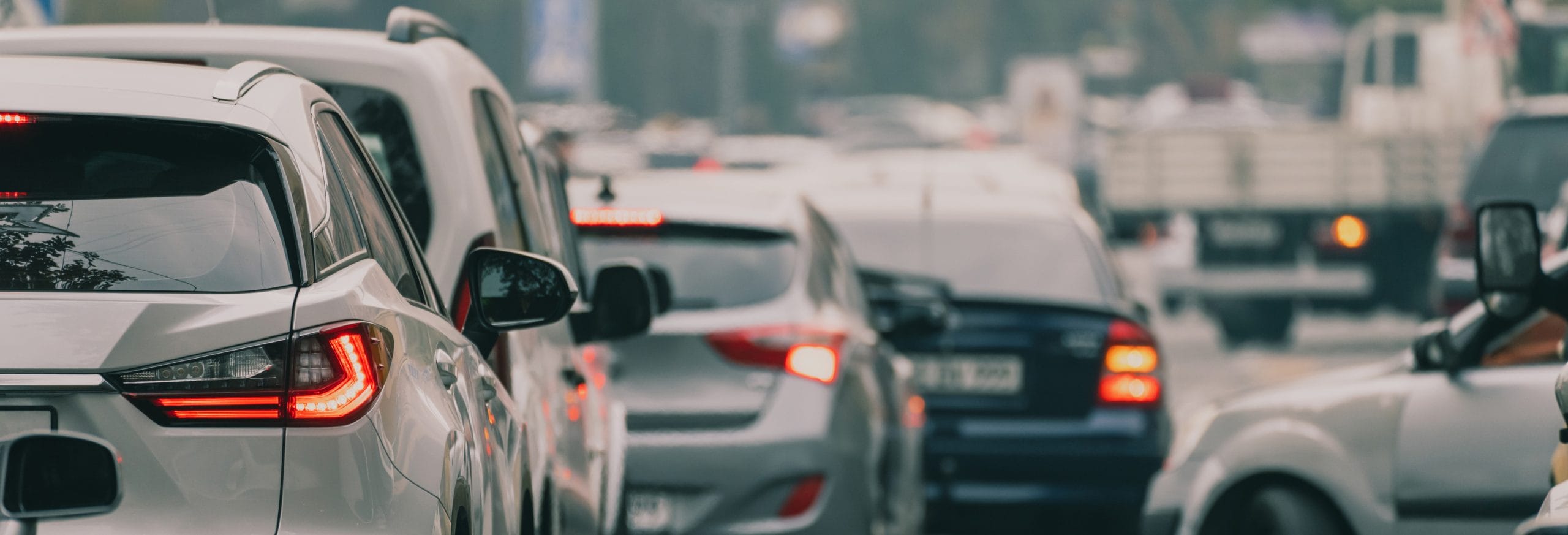
Driving after sunset introduces a unique set of challenges that even experienced drivers must approach cautiously. Reduced visibility, increased fatigue, and unexpected hazards make nighttime driving significantly more dangerous than daytime travel. According to the National Safety Council, the risk of a fatal crash is three times higher at night despite fewer cars on the road. Proper preparation can make the difference between arriving safely at your destination and becoming another unfortunate statistic. This guide covers six essential preparations every driver should make before embarking on nighttime journeys.

1. Diminished Visibility Conditions

Nighttime drastically reduces your visual field, limiting what you can see to just what falls within your headlight beams. The human eye requires significantly more light to distinguish objects at night, making it harder to spot pedestrians, animals, or road hazards until they’re dangerously close. Age compounds this challenge, as drivers over 50 may need twice as much light to see as well as a 30-year-old due to natural changes in the eye’s lens and pupil. Regular vision checkups become especially important for night drivers, as uncorrected vision problems can further compromise your already limited nighttime sight. Proper preparation includes ensuring your prescription glasses (if needed) include an anti-reflective coating to reduce glare from oncoming headlights and keeping your windshield meticulously clean both inside and out.

2. Vehicle Lighting System Maintenance

Your vehicle’s lighting system becomes your primary lifeline when driving after dark, making regular maintenance non-negotiable. Headlights naturally dim over time, with some losing up to 20% of their brightness annually, so replacing bulbs before they burn out completely is essential for optimal visibility. According to AAA, dirty headlight covers can reduce effectiveness by up to 90%, making regular cleaning a simple yet crucial safety measure. Properly aligned headlights ensure maximum road coverage without blinding oncoming drivers, so have them professionally checked if you notice uneven illumination patterns. Functioning brake lights, turn signals, and emergency flashers are equally important as they communicate your intentions to other drivers with the same visibility limitations. Consider upgrading to LED or HID headlights if your vehicle comes with standard halogen bulbs, as the improved brightness and coverage can significantly enhance your nighttime driving safety.

3. Fatigue Management Strategies

Driving while fatigued is particularly dangerous at night when your body naturally craves sleep due to its circadian rhythm. The National Highway Traffic Safety Administration estimates that drowsy driving causes about 100,000 crashes annually, with most occurring between midnight and 6 a.m. when alertness is at its lowest. Preparation should include ensuring you’re well-rested before night driving, as even being awake for 18 hours straight can impair your driving ability, similar to having a blood alcohol concentration of 0.05%. Strategic caffeine consumption can help combat drowsiness, but remember it takes about 30 minutes to take effect and wears off after a few hours. Planning regular breaks every 100 miles or two hours of driving gives your mind and body the necessary recovery time and helps maintain focus throughout longer journeys. Recognizing the warning signs of fatigue—heavy eyelids, drifting between lanes, missing exits, or not remembering the last few miles—should trigger immediate action, whether that’s switching drivers or finding a safe place to rest.

4. Wildlife Encounter Preparedness

Nighttime dramatically increases the likelihood of wildlife crossings, with deer-vehicle collisions peaking during dusk and dawn hours. The Insurance Institute for Highway Safety reports that animal strikes cause approximately 200 human fatalities annually, with countless more injuries and vehicle damage incidents. Preparation includes knowing which areas along your route have high wildlife activity and being especially vigilant when passing through these zones. Using high beams whenever possible (when no oncoming traffic is present) extends your visibility range and gives you precious extra seconds to react if an animal appears. The proper response technique—braking firmly without swerving—should be mentally rehearsed, as the instinctive swerve reaction often leads to more dangerous outcomes like rollovers or head-on collisions. Reducing speed during prime wildlife movement hours gives you more reaction time and reduces the impact force should a collision prove unavoidable.

5. Emergency Equipment Essentials

Nighttime breakdowns present additional dangers as reduced visibility makes you less noticeable to passing motorists. A comprehensive emergency kit should include reflective triangles or LED flares that can be placed at intervals behind your vehicle to alert approaching drivers. A reliable flashlight with extra batteries becomes invaluable for everything from checking under the hood to signaling for help if you’re in a cellular dead zone. A fully charged mobile phone and car charger ensure you can call for assistance, while a portable jump starter eliminates the need to wait for another vehicle if your battery dies. Basic tools, a first aid kit, warm blankets, and non-perishable snacks complete your preparation for extended waits for help, which can be significantly longer at night when fewer service providers may be operating.

6. Weather Condition Adaptations

Night driving compounds the challenges presented by adverse weather, requiring specific preparation for different conditions. Rain reduces visibility and creates dangerous glare from headlights reflecting off wet surfaces, making clean wiper blades and water-repellent windshield treatments essential. Fog requires specialized driving techniques, including using low beams rather than high beams, which can reflect back and further reduce visibility in foggy conditions. Snow and ice demand winter-specific preparations, including proper tires, increased following distances, and gentler acceleration and braking techniques to maintain control. Weather apps checked before departure help you anticipate conditions, while highway information systems can alert you to sudden changes or hazardous areas along your route. Knowing when to delay your trip or find alternative transportation represents the ultimate preparation, as sometimes the safest night driving decision is not to drive at all.

Mastering the Night Road: Your Safety Checklist

Nighttime driving doesn’t have to be intimidating when you’ve properly prepared for its unique challenges. Regular vehicle maintenance focused on lighting systems, vision optimization, and emergency preparedness creates a foundation for safer night journeys. Practicing defensive driving techniques becomes even more critical after dark, with increased following distances and reduced speeds giving you valuable reaction time. Leveraging technology like night vision assistance systems and GPS navigation with real-time traffic and hazard alerts can provide additional safety margins. Remember that preparation extends beyond your vehicle to include your physical and mental readiness, making adequate rest perhaps the most important practice. By implementing these six preparation areas, you transform night driving from a necessary risk into a manageable activity that gets you safely to your destination.

Have you experienced a close call while driving at night that proper preparation helped you avoid? Share your story in the comments to help other drivers learn from your experience!

Read More

How to buy your new car the smart way

How depreciation can affect your auto insurance premiums

Travis Campbell
Travis Campbell

Travis Campbell is a digital marketer/developer with over 10 years of experience and a writer for over 6 years. He holds a degree in E-commerce and likes to share life advice he’s learned over the years. Travis loves spending time on the golf course or at the gym when he’s not working.

Filed Under: Auto & Tech Tagged With: defensive driving, driving visibility, emergency preparedness, fatigue management, headlight maintenance, night driving safety, wildlife collisions

Road Rage: 6 Clues You’re About To Become A Victim

March 10, 2025 by Latrice Perez Leave a Comment

Road Rage

Image Source: 123rf.com

Road rage is more than just an angry honk or a middle finger in traffic—it can quickly escalate into dangerous and even violent situations. Aggressive drivers pose a serious threat, and incidents of road rage have led to physical altercations, accidents, and even fatalities. The worst part is that many victims don’t see it coming until it’s too late. Recognizing the warning signs early can help you de-escalate the situation, avoid confrontation, and protect yourself. If you notice these six clues, you could be seconds away from becoming a victim of road rage.

A Driver is Tailgating You Aggressively

One of the most common signs of an enraged driver is aggressive tailgating. If a driver is following dangerously close to your vehicle, especially after a perceived slight, they are likely trying to intimidate you. This often happens when someone feels they have been cut off, are frustrated by slow traffic, or believe you aren’t driving the way they want you to.

Tailgating is not just an annoyance; it is a clear threat. A sudden stop could lead to a rear-end collision, and an angry driver may escalate their behavior if they feel ignored. If you notice someone riding your bumper aggressively, the best course of action is to safely change lanes or slow down gradually to encourage them to pass. Avoid brake-checking or making hand gestures, as this can further provoke them.

The Driver is Yelling or Making Threatening Gestures

A driver who is shouting, cursing, or making aggressive gestures is already emotionally charged, and that anger can quickly turn into an unsafe situation. Whether they are screaming out their window, flipping you off, or shaking their fists, their behavior indicates they are in an unstable mindset.

This type of driver is unpredictable. They might follow you, pull up beside you, or try to block your car in traffic. If you notice a driver exhibiting this behavior, do not engage. Avoid eye contact, do not yell back, and do not react to their anger. Keep your focus on getting to a safe place, and if necessary, drive to a public location or police station if you feel you are being followed.

They Are Swerving or Blocking Your Vehicle

When a driver starts swerving erratically, speeding up to cut you off, or attempting to block your vehicle from changing lanes, it’s a major red flag. This behavior is meant to intimidate or retaliate, and it can be extremely dangerous. Some road rage incidents escalate to the point where drivers intentionally try to run others off the road.

If you notice a driver behaving this way, stay calm and do not try to compete with their aggression. Reduce your speed and let them get ahead of you. If they are trying to block your way, avoid sudden movements and stay in control of your vehicle. Getting caught up in their reckless actions could result in a collision or worse.

They Are Following You After an Incident

Car Tailing You

Image Source: 123rf.com

One of the most serious road rage warning signs is being followed after a traffic disagreement. If a driver starts tailing you even after you’ve changed lanes, turned onto a different street, or exited the highway, they could be looking to escalate the situation.

Being followed by an angry driver is an immediate cause for concern. Do not drive home or to a secluded area. Instead, head toward a well-lit, populated area such as a shopping center, gas station, or police station. If the driver continues to follow, call 911 and report the situation. Stay in your locked car until help arrives, and avoid confrontation at all costs.

They Get Out of Their Car to Confront You

If another driver stops, gets out of their vehicle, and approaches your car in an aggressive manner, the situation has escalated into a potentially dangerous encounter. At this point, they are no longer just expressing frustration—they are actively seeking confrontation.

This is the moment when road rage incidents can turn violent. Some drivers have been assaulted or worse when confronted by an enraged individual. If this happens, do not roll down your window or exit your vehicle. Lock your doors, keep your windows up, and call 911 immediately. If possible, drive away safely without engaging.

You Hear a Car Horn Being Used Excessively

Honking is a normal part of driving, but when someone is repeatedly blasting their horn at you, it is often a sign of aggressive frustration. If a driver is continuously honking, flashing their headlights, or making erratic movements in response to something you did or didn’t do, they may already be in a state of road rage.

Aggressive honking is usually just the beginning. It can escalate into more dangerous behavior, such as tailgating, swerving, or trying to provoke you into responding. Stay focused on the road and do not react emotionally. Let the driver pass if possible, and continue driving safely.

How to Protect Yourself from a Road Rage Attack

Avoiding road rage encounters is about de-escalation and staying in control. If you notice any of these warning signs, resist the urge to engage with the aggressive driver. Never make eye contact, avoid hand gestures, and do not return their aggression with your own.

If you feel unsafe or suspect you are being followed, do not go home. Drive to a police station, a busy public area, or a place with security cameras. If necessary, call 911 and report the situation.

Practicing defensive driving, staying patient, and allowing aggressive drivers to move on can prevent many dangerous encounters. Your goal is not to win an argument on the road—it’s to get to your destination safely.

Have you ever been a victim of road rage? What did you do to get out of the situation? Let us know in the comments.

Read More:

5 Phrases That Could Save You If You’re About to Get Carjacked

10 Scary Reasons You Should Never Ignore a Strange Car Parked Near Your House

Latrice Perez

Latrice is a dedicated professional with a rich background in social work, complemented by an Associate Degree in the field. Her journey has been uniquely shaped by the rewarding experience of being a stay-at-home mom to her two children, aged 13 and 5. This role has not only been a testament to her commitment to family but has also provided her with invaluable life lessons and insights.

As a mother, Latrice has embraced the opportunity to educate her children on essential life skills, with a special focus on financial literacy, the nuances of life, and the importance of inner peace.

Filed Under: safety Tagged With: aggressive driving, avoiding road rage, dangerous drivers, defensive driving, driver safety, driving tips, personal safety, road rage, self-protection, traffic safety

FOLLOW US

Search this site:

Recent Posts

  • Can My Savings Account Affect My Financial Aid? by Tamila McDonald
  • 12 Ways Gen X’s Views Clash with Millennials… by Tamila McDonald
  • What Advantages and Disadvantages Are There To… by Jacob Sensiba
  • Call 911: Go To the Emergency Room Immediately If… by Stephen Kanaval
  • 10 Tactics for Building an Emergency Fund from Scratch by Vanessa Bermudez
  • 7 Weird Things You Can Sell Online by Tamila McDonald
  • 10 Scary Facts About DriveTime by Tamila McDonald

Copyright © 2026 · News Pro Theme on Genesis Framework