• Home
  • About Us
  • Toolkit
  • Getting Finances Done
    • Hiring Advisors
    • Debt Management
    • Spending Plan
  • Insurance
    • Life Insurance
    • Health Insurance
    • Disability Insurance
    • Homeowners/Renters Insurance
  • Contact Us
  • Privacy Policy
  • Risk Tolerance Quiz

The Free Financial Advisor

You are here: Home / Archives for financial emergency

Build an Ironclad Emergency Fund That Can Withstand Any Crisis

December 3, 2025 by Brandon Marcus Leave a Comment

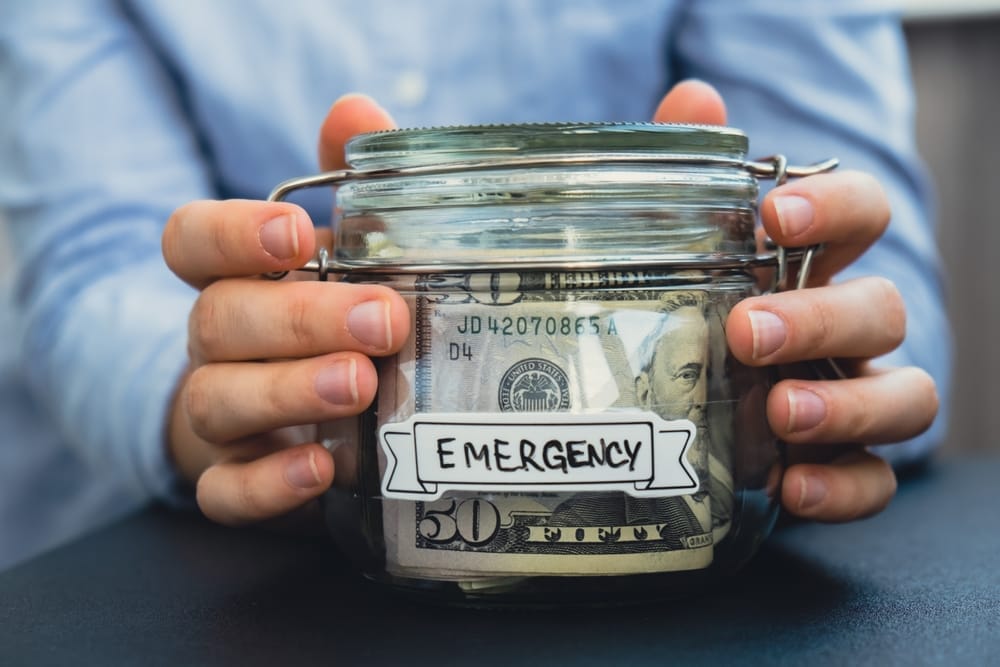
You Need To Build an Ironclad Emergency Fund That Can Withstand Any Crisis

Image Source: Shutterstock.com

Life has a habit of throwing curveballs at the exact moment you feel like you’ve finally hit your stride. One minute you’re cruising along, paying bills, enjoying weekends, feeling in control—and the next, your car decides to impersonate a campfire, your job pulls a surprise plot twist, or your refrigerator suddenly retires mid-milk. That’s the moment you either panic… or calmly reach for your emergency fund and handle business like a champion.

An emergency fund isn’t glamorous, but it’s the financial equivalent of armor—quiet, dependable, and ready to deflect chaos when things get wild. If you’ve ever wanted to build a safety net so strong it could shrug off even the ugliest crisis, you’re in the right place.

Why You Need An Emergency Fund That’s More Than Spare Change

Most people underestimate how quickly life can upend their budget. A single unexpected bill can trigger a chain reaction, especially for those living paycheck to paycheck. An emergency fund acts as a buffer that keeps surprise expenses from becoming financial disasters. It gives you room to breathe, think clearly, and avoid high-interest debt. When you know you have a stash waiting for true emergencies, every part of life feels a little less stressful.

Start Small, But Start Immediately

Building an emergency fund doesn’t require winning a lottery ticket or selling everything you own; it begins with one small, intentional step. Even setting aside ten or twenty dollars at a time creates momentum that builds into something real. Waiting for “the perfect moment” guarantees that the moment never comes, so getting started today matters more than starting big. Small contributions teach discipline and reinforce the habit of paying yourself first. Before long, you’ll look at the total and feel a spark of pride that fuels your motivation to keep going.

Choose A Savings Strategy That Actually Works For You

People often abandon their emergency fund because they force themselves into a system that feels unnatural or overwhelming. Your savings method should match your money personality—automations for the forgetful, manual transfers for the control-oriented, envelopes for the hands-on budgeters. The right system is the one you’ll actually stick to, not the one that sounds good on paper. A savings plan should slot easily into your lifestyle so it never feels like punishment. Consistency beats perfection every single time when growing a dependable safety net.

Determine The Right Amount So You’re Truly Protected

Experts love debating how much you “should” save, but the real answer depends on your life, your responsibilities, and your risk tolerance. Some people sleep well with three months of expenses saved, while others feel safer with six or even twelve months. The best number is the one that keeps you calm when imagining the worst-case scenario. Spend time calculating what you’d genuinely need to survive if everything went sideways. Once you know your target, the entire savings mission becomes clearer and more motivating.

Protect Your Emergency Fund From… Yourself

Once your emergency fund starts growing, it becomes tempting to dip into it for things that feel urgent but aren’t truly emergencies. A sale at your favorite store, a last-minute trip, or a shiny new upgrade does not count as a crisis. Keeping your fund in a separate account helps create psychological distance and reduces impulsive withdrawals. Treat this money as sacred, untouchable, and reserved only for genuine needs. When you protect your emergency fund, it protects you right back.

Make Your Money Work Without Putting It At Risk

An emergency fund shouldn’t be locked away in investments or risky accounts where you can lose access—or the money itself. That said, it can still earn interest in a safe, accessible spot like a high-yield savings account. The key is balancing growth with security because emergencies don’t wait for the market to recover. The goal isn’t maximizing profit; it’s ensuring your money is available at the exact moment you need it. Think of your emergency fund as a loyal guard dog: dependable, ready, and not off gambling in the stock market.

You Need To Build an Ironclad Emergency Fund That Can Withstand Any Crisis

Image Source: Shutterstock.com

Refill It Every Time You Use It

Even the strongest emergency fund gets depleted during tough times, but the real power comes from rebuilding it after the storm passes. Once you’ve resolved the crisis, return to your savings plan with the same energy you had in the beginning. A refilled fund restores your sense of stability and reminds you that you’re capable of handling anything. Every crisis you survive becomes proof that your system works. Replenishing your emergency fund is the final step in completing the cycle of financial resilience.

Celebrate Milestones So You Stay Motivated

Saving money can feel slow and uneventful, so celebrating your progress is essential to keeping your excitement alive. Reaching your first $100, then $500, then $1,000 deserves recognition, even if the celebration is something simple. These milestones build confidence and turn saving into something rewarding rather than exhausting. When you acknowledge the work you’ve done, your brain stays motivated to keep pushing forward. The journey becomes just as satisfying as the end goal.

Build Confidence One Cushion At A Time

Each dollar added to your emergency fund is like adding a brick to your personal fortress. Over time, that fortress becomes strong enough to withstand layoffs, medical surprises, home repairs, or anything life flings your way. The security it provides spills into every area—your relationships, your decisions, your overall peace of mind. You walk differently when you know one bad day won’t wipe you out. Building an ironclad emergency fund isn’t just a financial task; it’s an act of long-term self-protection.

Your Future Self Will Thank You

Creating an emergency fund that can survive any crisis isn’t about luck or perfection—it’s about small steps, ongoing intention, and the decision to protect your future. When you have a financial cushion, life’s unpredictable moments lose their power to overwhelm you. You gain control, confidence, and options during times when everything feels out of your hands.

If you’ve built an emergency fund before, or if you’re starting one now, share your thoughts, stories, or strategies in the comments below. Someone out there might need your insight to finally begin their own journey.

You May Also Like…

6 Emergency-Fund Secrets People Use to Save Faster

9 Ways People Screw Up Emergency Funds — Even When They Have Good Intentions

10 Financial Dangers of Skipping Emergency Funds

7 Stock Market Myths That Cost Beginner Investors Their Life Savings

Could Ignoring Inflation Erase Decades of Savings

Brandon Marcus
Brandon Marcus

Brandon Marcus is a writer who has been sharing the written word since a very young age. His interests include sports, history, pop culture, and so much more. When he isn’t writing, he spends his time jogging, drinking coffee, or attempting to read a long book he may never complete.

Filed Under: Lifestyle Tagged With: crisis, emergency expenses, emergency fund, emergency funds, emergency medical care, emergency planning, emergency preparedness, emergency savings, financial emergency, Saving, saving money, savings, savings account, savings strategy

Is There Anyway to Temporarily Stop 401k Contributions in an Emergency Situation

April 10, 2025 by Travis Campbell Leave a Comment

coins in a jar

Image Source: unsplash.com

Yes, you can temporarily stop your 401(k) contributions during financial emergencies. 401(k) plans are voluntary retirement savings vehicles that allow you to adjust or pause contributions as needed. Most employers permit contribution changes at any time, though some may process changes only at specific intervals. The decision to pause contributions is entirely yours and protected under federal law. Stopping contributions doesn’t affect your existing account balance or investment growth potential. Your previously contributed funds remain invested according to your selections and continue to grow based on market performance. Remember that pausing contributions is different from withdrawing funds, which typically triggers taxes and penalties if done before retirement age. This flexibility gives you breathing room during financial hardships without abandoning your retirement security entirely.

Common Emergency Situations That Warrant Pausing Contributions

Financial emergencies come in various forms, and sometimes, pausing retirement contributions becomes necessary. Unexpected medical expenses can quickly deplete savings and create significant financial strain, making a temporary contribution pause reasonable. Job loss or reduced income may require redirecting every dollar toward essential living expenses. High-interest debt accumulation, particularly credit card debt with 18-25% rates, might justify temporarily redirecting retirement contributions toward debt reduction. Major home repairs that can’t be postponed, such as roof replacement or furnace failure, might necessitate additional cash flow. Family emergencies, including caring for ill relatives or unexpected childcare costs, can also strain finances. According to research, over half of American workers reduced or stopped retirement contributions during economic stress periods in recent years.

The Process of Temporarily Stopping Your 401(k) Contributions

Stopping your 401(k) contributions is typically straightforward and can be done through several methods. Contact your HR department or benefits administrator to request the appropriate form to change your contribution percentage. Many employers offer online portals where you can adjust your contribution rate to 0% without paperwork. Some companies allow changes via phone through their benefits hotline. When making the change, specify that you want to temporarily stop contributions rather than withdraw funds. Changes usually take effect within 1-2 pay periods, though timing varies by employer. Be sure to confirm the change by checking your next paycheck stub to ensure no deductions were taken. The IRS doesn’t impose penalties for stopping contributions, making this a penalty-free way to increase your take-home pay during emergencies.

Financial Implications of Pausing Your Retirement Savings

Temporarily stopping 401(k) contributions has several financial implications you should consider carefully. The most immediate impact is increased take-home pay, as pre-tax contributions that previously reduced your taxable income will now be included in your paycheck. However, you’ll lose valuable employer matching contributions during the pause period – essentially forfeiting “free money” toward your retirement. According to the IRS website, these matching funds are part of your total compensation package. The long-term effect of compounding growth on missed contributions can be substantial. For example, $5,000 in missed contributions could represent $15,000-$20,000 in retirement funds over 20 years, depending on investment returns. Your tax liability will increase without the pre-tax contributions, reducing your taxable income and potentially pushing you into a higher tax bracket.

Smart Alternatives to Completely Stopping Contributions

Before completely halting your 401(k) contributions, consider these alternative approaches that might better balance immediate needs with long-term goals. Reduce your contribution percentage rather than stopping entirely – even contributing 1-2% helps maintain the saving habit while increasing take-home pay. Contribute just enough to capture your employer’s full matching contribution, which provides an immediate 100% return on those dollars. Explore whether your plan allows for hardship withdrawals or loans instead of stopping contributions. Temporarily redirect contributions to an emergency fund, then resume retirement savings once the fund is established. Adjust your tax withholding to increase take-home pay without affecting retirement savings. Review your budget for other areas to cut before reducing retirement savings, such as subscription services or discretionary spending.

How to Restart Contributions After Your Emergency Passes

Once your financial emergency is resolved, promptly restarting your 401(k) contributions is crucial for your retirement security. Contact your HR department or log into your benefits portal to reinstate contributions, ideally setting a specific date for the restart. Consider implementing an automatic increase program that gradually raises your contribution percentage over time to rebuild momentum. Many plans offer this feature to help participants catch up. If possible, temporarily increase your contribution percentage above your pre-emergency level to compensate for lost time. The IRS contribution limits ($22,500 in 2023, plus a $7,500 catch-up for those over 50) provide room to accelerate savings. Review and potentially adjust your investment allocations when restarting to ensure they still align with your retirement timeline and risk tolerance.

Making the Right Choice for Your Financial Future

Temporarily stopping 401(k) contributions during genuine emergencies can provide needed financial relief but should be approached strategically. Weigh immediate needs against long-term retirement security and consider partial reductions before complete stops. Remember that employer matches represent immediate 100% returns on your contributions. Create a specific plan for restarting contributions once your situation improves.

Have you ever needed to pause retirement savings during a financial emergency? What strategies helped you get back on track? Share your experiences in the comments below.

Read More

Taxes and Penalties: 401k Withdrawals

Should I Tap My Retirement Funds for Medical Expenses?

Travis Campbell
Travis Campbell

Travis Campbell is a digital marketer/developer with over 10 years of experience and a writer for over 6 years. He holds a degree in E-commerce and likes to share life advice he’s learned over the years. Travis loves spending time on the golf course or at the gym when he’s not working.

Filed Under: Personal Finance Tagged With: 401k contributions, employer match, financial emergency, hardship withdrawal, retirement planning, retirement savings pause

How Paying Some Bills In Advance Can Help In A Financial Emergency

April 7, 2025 by Travis Campbell Leave a Comment

woman handing money

Image Source: unsplash.com

Financial emergencies can strike anyone at any time. Whether it’s a sudden job loss, unexpected medical expense, or major home repair, these situations can quickly drain your resources and create significant stress. One strategy that can provide crucial breathing room during these challenging times is paying certain bills in advance. This proactive approach creates financial flexibility when you need it most.

1. Creating a Financial Buffer Zone

Paying bills ahead of schedule builds a protective cushion around your finances. When you prepay essential expenses, you effectively create a buffer zone that gives you time to address emergencies without immediately worrying about upcoming bills. This buffer can be especially valuable during periods of income disruption.

Having bills paid in advance means one less financial obligation to worry about during a crisis. This reduction in immediate financial pressure allows you to focus on addressing the emergency itself rather than scrambling to cover basic expenses. The psychological benefit of knowing certain necessities are already covered cannot be overstated during stressful situations. Prepaying bills also helps maintain your standard of living during temporary financial setbacks, preventing a downward spiral. Additionally, this strategy provides valuable time to develop and implement a longer-term financial recovery plan without the constant pressure of impending due dates.

2. Protecting Your Essential Services

Maintaining access to critical services is paramount during financial emergencies. Prepaying these bills ensures continuity when you need these services most.

Utilities like electricity, water, and gas are fundamental necessities that become even more crucial during emergencies. Prepaying these bills ensures your home remains functional even if your income is temporarily disrupted. Communication services such as internet and phone are vital lifelines during crises, enabling you to seek assistance, apply for jobs, or work remotely. Prepaying insurance premiums protects your coverage during vulnerable periods when you can least afford a lapse. Housing costs represent most households’ largest monthly expense, so getting ahead on rent or mortgage payments provides significant security. Transportation expenses like car payments or public transit passes ensure you maintain mobility during emergencies, which is essential for accessing medical care or employment opportunities.

3. Preserving Your Credit Score

Financial emergencies can quickly damage your credit if bills go unpaid, creating long-term consequences that outlast the emergency itself. Late or missed payments can significantly impact your credit score, with negative marks remaining on your report for up to seven years. By prepaying bills, you maintain an on-time payment history even during financial difficulties. A preserved credit score means continued access to financial resources like loans or credit cards that might be needed during emergencies. Avoiding credit damage during temporary hardships prevents a compounding effect where poor credit leads to higher interest rates and fewer financial options. Your payment history accounts for approximately 35% of your credit score, making it the single most important factor in credit calculations, so protecting this aspect is particularly valuable.

4. Reducing Financial Stress During Crisis

The psychological impact of financial emergencies can be as challenging as the practical considerations. Prepaid bills help reduce this mental burden. Financial emergencies create significant anxiety that can impair decision-making when clear thinking is most needed. Having certain bills already paid provides peace of mind that basic needs will be met regardless of immediate circumstances. This reduced stress allows for more rational and strategic thinking about how to address the emergency. Prepaying bills also eliminates the constant worry about juggling multiple due dates during already difficult times. The certainty of knowing essential services are secured creates mental space to focus on solving the underlying financial challenge rather than managing its symptoms.

5. Maximizing Emergency Fund Effectiveness

An emergency fund works best when paired with strategic bill prepayment, creating a more comprehensive financial safety net.

When bills are prepaid, your emergency fund can stretch further by covering only immediate needs rather than routine expenses. This approach effectively increases the duration your emergency savings can sustain you. Prepaying bills allows you to allocate emergency funds to unexpected costs that cannot be anticipated or prepaid. The combination of prepaid bills and liquid emergency savings provides multiple layers of financial protection. This strategy also prevents the depletion of emergency funds for predictable expenses, preserving these resources for truly unexpected situations. Having both prepaid bills and emergency savings creates a more robust financial safety net than either approach alone.

6. Strategic Approach to Bill Prepayment

Not all bills should be prepaid, and the approach requires thoughtful planning to maximize benefits. Prioritize essential services that cannot be easily suspended or that carry significant penalties for late payment. Focus first on bills with the highest impact on daily life and well-being, such as housing, utilities, and insurance. Consider prepaying bills that offer discounts for advance payment, creating both emergency protection and cost savings. Maintain a balance between prepaid bills and liquid emergency savings to ensure flexibility for various types of financial challenges. Start small by getting one month ahead on critical bills, then gradually expand your prepayment buffer as your financial situation allows.

7. Implementing a Bill Prepayment System

Creating a sustainable system for bill prepayment makes this strategy more effective and easier to maintain. Begin by identifying your most critical monthly expenses and their typical amounts to establish prepayment priorities. Set up a dedicated savings account specifically for bill prepayments to keep these funds separate from regular checking or emergency savings. Use automatic transfers to gradually build your prepayment buffer without requiring constant attention. Track prepaid bills carefully to avoid confusion about which expenses are covered and which still require payment. Review and adjust your prepayment strategy periodically as your financial situation and expenses change over time.

Your Financial Safety Net: Building Resilience Through Preparation

Paying bills in advance represents a proactive approach to financial management that can significantly reduce the impact of unexpected emergencies. By creating this buffer, you not only protect essential services but also preserve your credit score and reduce stress during challenging times.

The combination of prepaid bills and traditional emergency savings provides a more comprehensive safety net than either strategy alone. While implementing this approach requires planning and discipline, the financial flexibility it creates during emergencies makes it well worth the effort.

Have you ever experienced a financial emergency where having bills paid in advance would have made a difference? Share your thoughts and experiences in the comments below.

Read More

Why Women Over 45 Struggle Financially—And 7 Fixes to Get Back on Track

7 Financial Lies People Keep Telling on Social Media

Travis Campbell
Travis Campbell

Travis Campbell is a digital marketer/developer with over 10 years of experience and a writer for over 6 years. He holds a degree in E-commerce and likes to share life advice he’s learned over the years. Travis loves spending time on the golf course or at the gym when he’s not working.

Filed Under: Finance Tagged With: bill payment, budget management, credit protection, emergency fund, financial emergency, Financial Security, financial stress, Planning, prepaying bills

FOLLOW US

Search this site:

Recent Posts

  • Can My Savings Account Affect My Financial Aid? by Tamila McDonald
  • 12 Ways Gen X’s Views Clash with Millennials… by Tamila McDonald
  • What Advantages and Disadvantages Are There To… by Jacob Sensiba
  • Call 911: Go To the Emergency Room Immediately If… by Stephen Kanaval
  • 10 Tactics for Building an Emergency Fund from Scratch by Vanessa Bermudez
  • 7 Weird Things You Can Sell Online by Tamila McDonald
  • 10 Scary Facts About DriveTime by Tamila McDonald

Copyright © 2026 · News Pro Theme on Genesis Framework