• Home
  • About Us
  • Toolkit
  • Getting Finances Done
    • Hiring Advisors
    • Debt Management
    • Spending Plan
  • Insurance
    • Life Insurance
    • Health Insurance
    • Disability Insurance
    • Homeowners/Renters Insurance
  • Contact Us
  • Privacy Policy
  • Risk Tolerance Quiz

The Free Financial Advisor

You are here: Home / Archives for emergency savings

Bank Teller Warning: Here’s When It Actually Makes Sense to Pull From Your Savings

April 28, 2026 by Brandon Marcus Leave a Comment

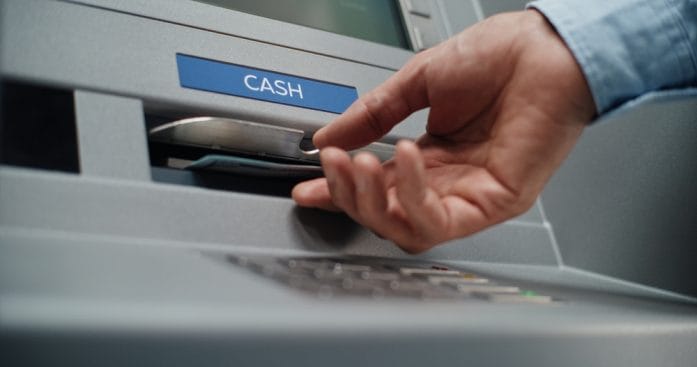
Bank Teller Warning: Here’s When It Actually Makes Sense to Pull From Your Savings

Image Source: Shutterstock.com

Money sitting in savings can feel like a safety blanket… until life suddenly demands access to it. A bank teller sees this moment play out every single day, watching customers weigh panic against practicality at the counter. The decision to pull from savings often creates more long-term impact than the original expense itself. One wrong move can weaken financial stability for months, while the right move can prevent a much bigger crisis.

Bank tellers often notice a pattern: people hesitate too long or withdraw too quickly without thinking through consequences. The real skill lies in knowing when to act fast and when to protect the cushion.

When Emergencies Actually Justify Tapping Savings

Emergencies stand as the clearest moment when pull from savings makes financial sense. A broken furnace in winter, urgent medical bills, or sudden job loss creates situations where waiting only increases damage. Bank tellers often describe these withdrawals as “protective moves” rather than setbacks. A strong savings account exists exactly for moments like these, not for convenience spending.

People sometimes hesitate during real emergencies because they fear draining their financial cushion. That hesitation can worsen the situation when immediate action would reduce long-term costs. In these cases, pull from savings protects stability rather than harming it. The key lies in distinguishing true emergencies from emotional urgency that only feels critical in the moment.

When High-Interest Debt Starts Eating Your Budget

Credit card debt with high interest rates creates a financial leak that grows every month. Bank tellers often see customers make minimum payments while interest quietly doubles the pressure. In these situations, pull from savings can reduce long-term financial damage. Paying off high-interest debt often saves more money than the interest earned in savings accounts.

This strategy works best when the debt guarantees faster loss than any potential savings growth. Many financial advisors agree that eliminating double-digit interest debt creates immediate relief. Pull from savings in this scenario transforms into a strategic trade rather than a loss. Once debt disappears, rebuilding savings becomes faster and less stressful.

When Essential Life Changes Demand Fast Cash Access

Life changes like relocation, job transitions, or family emergencies often require immediate liquidity. Bank tellers frequently see customers struggle when timing does not align with available income. In these moments, pull from savings prevents missed opportunities or penalties tied to delay. A new job start date or urgent move-out deadline often leaves no room for slow financial planning.

These situations differ from everyday spending because they directly impact stability and future income. Pull from savings during life transitions supports momentum instead of creating setbacks. Many people underestimate how quickly these changes can escalate costs if funds stay locked away. Using savings strategically during transitions helps maintain control during unpredictable periods.

Bank Teller Warning: Here’s When It Actually Makes Sense to Pull From Your Savings

Image Source: Shutterstock.com

When Opportunity Costs Make Waiting More Expensive

Some financial decisions gain urgency when delay increases total cost. A discounted tuition program, essential certification, or limited-time repair deal can create long-term savings if acted on quickly. Bank tellers often point out that hesitation sometimes costs more than withdrawal. In these cases, pull from savings acts as an investment rather than an expense.

Opportunity-based decisions require careful evaluation of long-term returns. If waiting increases costs or blocks future income, acting sooner often delivers better outcomes. Pull from savings becomes a strategic move when it unlocks higher earning potential or prevents price increases. Smart timing turns savings into leverage instead of backup funds alone.

The Smart Way Bank Tellers Quietly Recommend Handling Savings

Bank tellers often suggest a simple mental filter before any withdrawal decision. First, check whether the expense qualifies as urgent, unavoidable, or opportunity-driven. Second, evaluate whether pull from savings prevents greater financial damage or unlocks future value. Third, confirm whether repayment or rebuilding plans exist after the withdrawal.

This approach keeps savings from turning into a casual spending account. Pull from savings works best when it follows clear reasoning rather than emotional pressure. Strong financial habits treat savings like a shield, not a wallet for convenience. Consistent discipline builds confidence and prevents long-term financial stress.

The Best Rule Behind Smart Savings Decisions

Every withdrawal tells a story about priorities, timing, and financial awareness. Bank tellers often see the difference between people who use savings strategically and those who drain it impulsively. The phrase pull from savings should trigger evaluation, not emotion. Smart decisions protect financial stability while still allowing flexibility when life demands it.

What situations do you think truly justify pulling from savings—and which ones feel like a trap? Give us your thoughts in our comments.

You May Also Like…

Most People Fail the Emergency Fund Test And It’s Not About the Amount

North Carolina’s Flat Tax Savings in 2026: Why Everyday Costs Still Matter

10 Hidden 401(k) Fees That Can Eat Into Your Retirement Savings

The AI Financial Advisor Era: Can You Trust a Bot With Your Savings?

Starting Retirement Savings at 30 With $0 — Is Catching Up Still Possible?

Brandon Marcus
Brandon Marcus

Brandon Marcus is a writer who has been sharing the written word since a very young age. His interests include sports, history, pop culture, and so much more. When he isn’t writing, he spends his time jogging, drinking coffee, or attempting to read a long book he may never complete.

Filed Under: Banking Tagged With: bank teller tips, budgeting advice, Debt Management, emergency fund, emergency savings, financial literacy, money habits, money mistakes, Personal Finance, Planning, savings account, Smart Spending

Build an Ironclad Emergency Fund That Can Withstand Any Crisis

December 3, 2025 by Brandon Marcus Leave a Comment

You Need To Build an Ironclad Emergency Fund That Can Withstand Any Crisis

Image Source: Shutterstock.com

Life has a habit of throwing curveballs at the exact moment you feel like you’ve finally hit your stride. One minute you’re cruising along, paying bills, enjoying weekends, feeling in control—and the next, your car decides to impersonate a campfire, your job pulls a surprise plot twist, or your refrigerator suddenly retires mid-milk. That’s the moment you either panic… or calmly reach for your emergency fund and handle business like a champion.

An emergency fund isn’t glamorous, but it’s the financial equivalent of armor—quiet, dependable, and ready to deflect chaos when things get wild. If you’ve ever wanted to build a safety net so strong it could shrug off even the ugliest crisis, you’re in the right place.

Why You Need An Emergency Fund That’s More Than Spare Change

Most people underestimate how quickly life can upend their budget. A single unexpected bill can trigger a chain reaction, especially for those living paycheck to paycheck. An emergency fund acts as a buffer that keeps surprise expenses from becoming financial disasters. It gives you room to breathe, think clearly, and avoid high-interest debt. When you know you have a stash waiting for true emergencies, every part of life feels a little less stressful.

Start Small, But Start Immediately

Building an emergency fund doesn’t require winning a lottery ticket or selling everything you own; it begins with one small, intentional step. Even setting aside ten or twenty dollars at a time creates momentum that builds into something real. Waiting for “the perfect moment” guarantees that the moment never comes, so getting started today matters more than starting big. Small contributions teach discipline and reinforce the habit of paying yourself first. Before long, you’ll look at the total and feel a spark of pride that fuels your motivation to keep going.

Choose A Savings Strategy That Actually Works For You

People often abandon their emergency fund because they force themselves into a system that feels unnatural or overwhelming. Your savings method should match your money personality—automations for the forgetful, manual transfers for the control-oriented, envelopes for the hands-on budgeters. The right system is the one you’ll actually stick to, not the one that sounds good on paper. A savings plan should slot easily into your lifestyle so it never feels like punishment. Consistency beats perfection every single time when growing a dependable safety net.

Determine The Right Amount So You’re Truly Protected

Experts love debating how much you “should” save, but the real answer depends on your life, your responsibilities, and your risk tolerance. Some people sleep well with three months of expenses saved, while others feel safer with six or even twelve months. The best number is the one that keeps you calm when imagining the worst-case scenario. Spend time calculating what you’d genuinely need to survive if everything went sideways. Once you know your target, the entire savings mission becomes clearer and more motivating.

Protect Your Emergency Fund From… Yourself

Once your emergency fund starts growing, it becomes tempting to dip into it for things that feel urgent but aren’t truly emergencies. A sale at your favorite store, a last-minute trip, or a shiny new upgrade does not count as a crisis. Keeping your fund in a separate account helps create psychological distance and reduces impulsive withdrawals. Treat this money as sacred, untouchable, and reserved only for genuine needs. When you protect your emergency fund, it protects you right back.

Make Your Money Work Without Putting It At Risk

An emergency fund shouldn’t be locked away in investments or risky accounts where you can lose access—or the money itself. That said, it can still earn interest in a safe, accessible spot like a high-yield savings account. The key is balancing growth with security because emergencies don’t wait for the market to recover. The goal isn’t maximizing profit; it’s ensuring your money is available at the exact moment you need it. Think of your emergency fund as a loyal guard dog: dependable, ready, and not off gambling in the stock market.

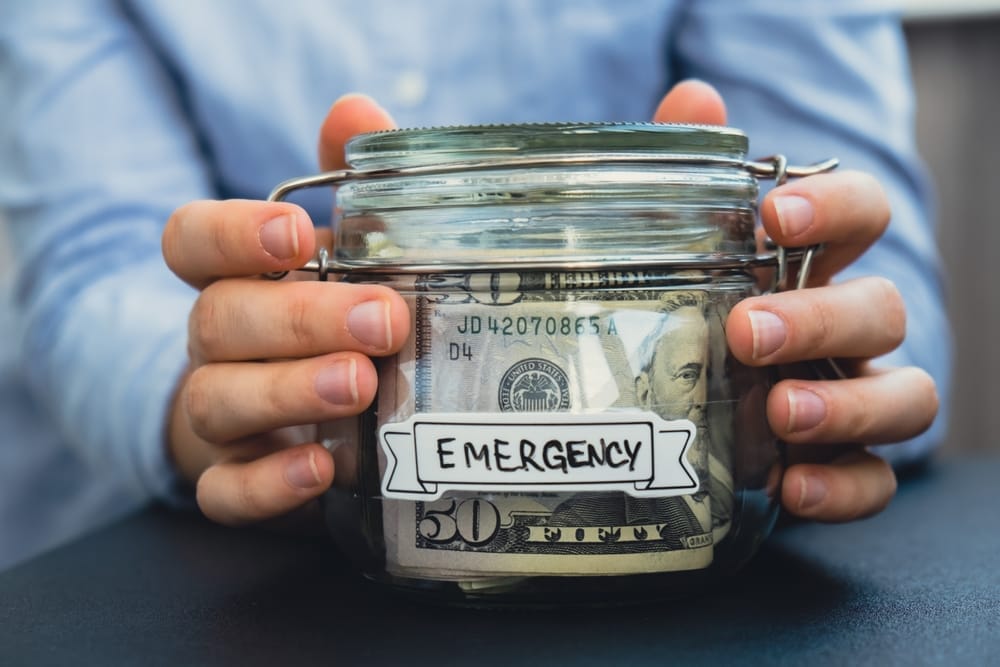
You Need To Build an Ironclad Emergency Fund That Can Withstand Any Crisis

Image Source: Shutterstock.com

Refill It Every Time You Use It

Even the strongest emergency fund gets depleted during tough times, but the real power comes from rebuilding it after the storm passes. Once you’ve resolved the crisis, return to your savings plan with the same energy you had in the beginning. A refilled fund restores your sense of stability and reminds you that you’re capable of handling anything. Every crisis you survive becomes proof that your system works. Replenishing your emergency fund is the final step in completing the cycle of financial resilience.

Celebrate Milestones So You Stay Motivated

Saving money can feel slow and uneventful, so celebrating your progress is essential to keeping your excitement alive. Reaching your first $100, then $500, then $1,000 deserves recognition, even if the celebration is something simple. These milestones build confidence and turn saving into something rewarding rather than exhausting. When you acknowledge the work you’ve done, your brain stays motivated to keep pushing forward. The journey becomes just as satisfying as the end goal.

Build Confidence One Cushion At A Time

Each dollar added to your emergency fund is like adding a brick to your personal fortress. Over time, that fortress becomes strong enough to withstand layoffs, medical surprises, home repairs, or anything life flings your way. The security it provides spills into every area—your relationships, your decisions, your overall peace of mind. You walk differently when you know one bad day won’t wipe you out. Building an ironclad emergency fund isn’t just a financial task; it’s an act of long-term self-protection.

Your Future Self Will Thank You

Creating an emergency fund that can survive any crisis isn’t about luck or perfection—it’s about small steps, ongoing intention, and the decision to protect your future. When you have a financial cushion, life’s unpredictable moments lose their power to overwhelm you. You gain control, confidence, and options during times when everything feels out of your hands.

If you’ve built an emergency fund before, or if you’re starting one now, share your thoughts, stories, or strategies in the comments below. Someone out there might need your insight to finally begin their own journey.

You May Also Like…

6 Emergency-Fund Secrets People Use to Save Faster

9 Ways People Screw Up Emergency Funds — Even When They Have Good Intentions

10 Financial Dangers of Skipping Emergency Funds

7 Stock Market Myths That Cost Beginner Investors Their Life Savings

Could Ignoring Inflation Erase Decades of Savings

Brandon Marcus
Brandon Marcus

Brandon Marcus is a writer who has been sharing the written word since a very young age. His interests include sports, history, pop culture, and so much more. When he isn’t writing, he spends his time jogging, drinking coffee, or attempting to read a long book he may never complete.

Filed Under: Lifestyle Tagged With: crisis, emergency expenses, emergency fund, emergency funds, emergency medical care, emergency planning, emergency preparedness, emergency savings, financial emergency, Saving, saving money, savings, savings account, savings strategy

What Happens When You Live Without Emergency Savings

September 30, 2025 by Travis Campbell Leave a Comment

saving

Image source: pexels.com

Many people put off building emergency savings, thinking they can get by just fine. But life rarely goes as planned. Medical bills, job loss, or a car breaking down can happen to anyone. Without emergency savings, these surprises can hit hard. The impact isn’t just financial—it can affect your stress, your relationships, and your future plans. Understanding what happens when you live without emergency savings is the first step to protecting yourself and your family from unnecessary hardship.

1. Increased Stress and Anxiety

Living without emergency savings means that every unexpected expense becomes a source of stress. If your car needs repairs or you lose your job, you may have no financial cushion to fall back on. This constant worry can affect your sleep, your mood, and even your health. The uncertainty of not knowing how you’ll handle the next big expense can make everyday life feel overwhelming.

Financial stress has a way of creeping into other parts of your life, too. It can lead to arguments with family members or make you less productive at work. Over time, the pressure of always being one step away from financial trouble can take a real toll.

2. Reliance on Credit Cards and Loans

When you don’t have emergency savings, you may turn to credit cards or personal loans to cover unexpected costs. While this might solve the problem temporarily, it often leads to new issues. High interest rates can make it hard to pay off the debt, and monthly payments eat into your budget. Before you know it, you could be stuck in a cycle of borrowing just to stay afloat.

Using credit for emergencies also limits your future options. If your credit cards are maxed out, you won’t have them available for other needs. Plus, carrying a high balance can hurt your credit score, making it more expensive to borrow in the future.

3. Difficulty Handling Job Loss

Job loss is one of the main reasons people need emergency savings. Without a cushion, you might struggle to pay rent, buy groceries, or cover utilities while searching for new work. This financial strain can force you to take the first job you find, even if it’s not a good fit or pays less than your previous job.

Without emergency savings, unemployment can also lead to late payments or missed bills. This can damage your credit and make it harder to recover once you find work again. Having savings gives you time and flexibility to find a job that’s right for you, rather than one you have to take out of desperation.

4. Delayed or Abandoned Goals

When you’re always dealing with emergencies, it’s tough to plan for the future. Without emergency savings, you may have to put off important goals like buying a home, starting a business, or saving for your child’s education. Even small dreams, like taking a vacation or upgrading your car, can feel out of reach.

Every time you use your income to cover an emergency instead of investing in your goals, you fall a little further behind. Over time, this can lead to frustration and a sense that you’ll never get ahead.

5. Increased Risk of Financial Ruin

Living without emergency savings puts you at a higher risk of financial ruin. A single major event—like a medical emergency or home repair—can wipe out your checking account. If you can’t cover the bills, you might face eviction, foreclosure, or bankruptcy. These situations can take years to recover from and have long-lasting effects on your credit and finances.

Having emergency savings acts like a buffer. It gives you time to make smart decisions instead of reacting out of panic. Without it, even a minor setback can spiral into a major crisis.

6. Limited Ability to Help Others

If you don’t have emergency savings, you’re less able to help friends or family when they need it. If a loved one faces a crisis, you may want to offer support, but your own financial situation keeps you from doing so. This can add to feelings of guilt or helplessness, especially in close-knit families.

Building your own emergency savings puts you in a better position to help others when they need it most. It also sets a good example for children and other family members about the importance of financial responsibility.

Building Emergency Savings: Small Steps Make a Big Difference

No matter where you’re starting from, it’s possible to build emergency savings over time. Even setting aside $20 or $50 a month can add up. The key is to make saving automatic, such as setting up a transfer from your checking account to a dedicated savings account after each paycheck.

Remember, the goal isn’t perfection—it’s progress. Having even a small emergency savings fund can help you avoid debt, reduce stress, and keep your plans on track. Living without emergency savings doesn’t have to be your reality forever.

How have you handled unexpected expenses without emergency savings, and what steps are you taking to build your own safety net? Share your experience in the comments below.

What to Read Next…

  • What Happens When A Medical Emergency Outpaces Your Emergency Fund
  • 5 Emergency Repairs That Could Force You Into Debt Overnight
  • Why Some People Feel Rich But Can’t Afford A $400 Emergency
  • Are These 8 Money Saving Tricks Actually Keeping You Broke
  • Are These 6 Helpful Budget Tips Actually Ruining Your Finances
Travis Campbell
Travis Campbell

Travis Campbell is a digital marketer/developer with over 10 years of experience and a writer for over 6 years. He holds a degree in E-commerce and likes to share life advice he’s learned over the years. Travis loves spending time on the golf course or at the gym when he’s not working.

Filed Under: saving money Tagged With: budgeting, Debt, emergency fund, emergency savings, Personal Finance, Planning, saving money

Why Do Families Rely Too Much on Tax Refunds

September 29, 2025 by Catherine Reed Leave a Comment

Why Do Families Rely Too Much on Tax Refunds

Image source: 123rf.com

For many households, tax season feels like a second payday. Families look forward to a refund check as if it’s a yearly bonus, often planning vacations, purchases, or debt payments around it. The problem is that this money isn’t a bonus at all—it’s your own earnings that were overpaid throughout the year. When families rely too much on tax refunds, they unintentionally weaken their financial stability the rest of the year. Here are some key reasons this cycle happens and why it’s more harmful than helpful.

1. Using Refunds as Forced Savings

One of the main reasons families rely too much on tax refunds is the belief that it’s a good way to save. By overpaying taxes, they essentially use the government as a savings account. While this may feel effective, it keeps money out of reach during the year when it could be used for bills, investments, or emergencies. The refund often disappears quickly because it doesn’t feel like part of regular income. This creates a cycle of poor money management that repeats every year.

2. Lack of Monthly Budgeting Discipline

Many households struggle to stick to a consistent budget. Instead of adjusting spending habits, they treat refunds as a financial reset button. Families rely too much on tax refunds to pay off credit card balances, catch up on overdue bills, or make overdue purchases. This approach masks deeper financial problems instead of solving them. Without proper budgeting, families remain dependent on that once-a-year windfall.

3. Rising Consumer Debt

Debt plays a big role in why families rely too much on tax refunds. Credit cards, car loans, and personal loans can pile up, leaving households waiting for a lump sum to knock balances down. Unfortunately, interest often eats away at those efforts, meaning the debt creeps back within months. Using refunds this way is like putting a bandage on a wound that never heals. It creates temporary relief without addressing the root cause of overspending.

4. Viewing Refunds as “Extra” Money

Psychologically, tax refunds feel like free money instead of part of a paycheck. Families rely too much on tax refunds for vacations, shopping sprees, or luxury items they wouldn’t otherwise afford. While treating yourself isn’t wrong, this mindset makes it harder to build lasting financial stability. The money should be seen as already earned income, not a surprise gift. Changing this perspective is key to healthier financial habits.

5. Unexpected Expenses During the Year

Another reason families rely too much on tax refunds is the lack of emergency savings. When car repairs, medical bills, or home expenses pop up, families without savings accounts turn to credit cards. They then wait for the refund to bail them out. This strategy increases stress and interest charges, making life more expensive. Without an emergency fund, reliance on refunds becomes a dangerous habit.

6. Misinformation About Withholding

Many workers don’t fully understand how tax withholding works. Some intentionally allow too much to be withheld from paychecks to guarantee a bigger refund. Families rely too much on tax refunds because they think it’s safer than owing money at the end of the year. The downside is that they lose out on monthly cash flow that could be used for investments, debt repayment, or household needs. Mismanaging withholding keeps families stuck in the same cycle.

7. Cultural and Generational Habits

For some families, expecting a refund has become a tradition. Parents and grandparents may have relied on refunds for years, passing down the habit. Families rely too much on tax refunds because they see it as a normal financial event rather than an avoidable outcome. Breaking away from this mindset requires education and intentional planning. Without change, the next generation may repeat the same mistakes.

8. Lack of Financial Education

Ultimately, the biggest reason families rely too much on tax refunds is a lack of understanding about money management. Many people don’t realize they can adjust withholdings to keep more money during the year. Others don’t see the opportunity cost of giving the government an interest-free loan. Without financial education, families continue to think refunds are a blessing rather than a warning sign. Better knowledge could help households break free from this dependence.

How to Break Free From the Refund Cycle

When families rely too much on tax refunds, they sacrifice financial flexibility throughout the year. Instead of waiting for one big payout, adjusting withholdings and focusing on monthly budgeting provides greater stability. Building an emergency fund, paying down debt consistently, and investing early are smarter uses of money that’s already yours. By treating refunds as a sign to review financial habits, families can stop the cycle of dependence. With the right approach, financial freedom becomes possible year-round instead of once a year.

Do you think families rely too much on tax refunds out of habit or necessity? Share your perspective in the comments below.

What to Read Next…

What Happens When Small Business Owners Skip Taxes

9 Lesser-Known Costs of Owning Investment Property

What Happens When You Save Too Much in the Wrong Accounts

9 Expenses That Quietly Rise After Retirement

7 Strange Truths About Middle-Class Spending Habits

Catherine Reed
Catherine Reed

Catherine is a tech-savvy writer who has focused on the personal finance space for more than eight years. She has a Bachelor’s in Information Technology and enjoys showcasing how tech can simplify everyday personal finance tasks like budgeting, spending tracking, and planning for the future. Additionally, she’s explored the ins and outs of the world of side hustles and loves to share what she’s learned along the way. When she’s not working, you can find her relaxing at home in the Pacific Northwest with her two cats or enjoying a cup of coffee at her neighborhood cafe.

Filed Under: Tax Planning Tagged With: debt repayment, emergency savings, family budgeting, personal finance tips, Planning, rely too much on tax refunds, tax season habits

Could A Pet’s Surgery Push You Into Debt

September 26, 2025 by Catherine Reed Leave a Comment

Could A Pet’s Surgery Push You Into Debt

Image source: 123rf.com

For many families, pets are more than companions—they’re part of the family. But when a pet’s surgery becomes necessary, the emotional stress often collides with a painful financial reality. Veterinary procedures can cost thousands of dollars, sometimes due upfront, and pet owners may feel cornered between debt and their animal’s health. This dilemma raises an important question: how can you protect your finances without compromising your pet’s well-being? Let’s explore the hidden costs, practical steps, and strategies to prevent a pet’s surgery from wrecking your financial stability.

1. Why Veterinary Bills Can Skyrocket

The cost of a pet’s surgery isn’t just about the operation itself. Expenses often include pre-op bloodwork, anesthesia, hospitalization, follow-up visits, and medications. When combined, these elements can quickly climb into the thousands, especially if specialized care or emergency services are required. Unlike human healthcare, most pet procedures don’t have insurance subsidies or employer-backed plans to soften the blow. Understanding these factors helps you anticipate the true scope of what you might face if your pet requires surgery.

2. Emergency Timing Makes It Worse

One of the hardest parts of a pet’s surgery is that it usually comes without warning. Emergency care carries a higher price tag because of urgent staffing, specialized equipment, and around-the-clock monitoring. These circumstances often force pet owners into snap financial decisions, sometimes leading to high-interest credit card use or personal loans. Even if you have a savings cushion, emergencies can drain it faster than you expect. Being aware of the emergency premium helps you plan for the unplanned.

3. Financing Options Aren’t Always Friendly

When faced with the immediate cost of a pet’s surgery, many owners turn to financing plans offered by veterinary clinics. While these can provide instant relief, they often come with high interest rates or deferred interest penalties if balances aren’t paid off on time. Pet-specific credit cards and payment programs can seem appealing but may lock you into unfavorable terms. Exploring all financing details before committing is crucial to avoid compounding the financial strain. A quick decision in a stressful moment can turn into long-term debt.

4. Pet Insurance Can Make a Difference

One way to buffer the financial impact of a pet’s surgery is pet insurance. Policies vary widely, but many cover accident-related procedures, some chronic illnesses, and even certain surgeries. The catch is that you need to sign up before a crisis occurs, as pre-existing conditions are usually excluded. Monthly premiums may feel like an added expense, but in the long run, they can significantly reduce the blow of an unexpected procedure. Insurance is worth exploring if you want a layer of protection between your wallet and surprise vet bills.

5. Savings Specifically for Pets

Another smart move is creating an emergency savings fund just for pet care. Setting aside even a small monthly amount ensures you have resources earmarked for your animal’s health. This strategy avoids dipping into broader household savings or retirement accounts during a crisis. A pet’s surgery may still be costly, but having a dedicated fund provides peace of mind. Treating it like any other financial goal helps you stay prepared without adding to your debt load.

6. Hidden Costs After Surgery

Even when you manage to pay for a pet’s surgery, the expenses don’t stop at the operating table. Post-operative care can involve specialized diets, ongoing medications, physical therapy, or additional checkups. These recurring costs add up over time, often catching families off guard. If you only plan for the initial procedure, you may underestimate the long-term financial impact. Preparing for recovery-related costs is just as important as paying for the surgery itself.

7. Asking About Alternatives

Sometimes the best way to manage the financial burden of a pet’s surgery is to ask your vet about alternatives. In certain cases, less invasive treatments or phased approaches may provide comparable outcomes at lower costs. Veterinarians may also know about nonprofit programs, charitable funds, or teaching hospitals offering reduced rates. Being proactive about discussing your options can open doors you didn’t realize existed. It can make the difference between sinking into debt or finding an affordable solution.

The Takeaway: Balancing Love and Finances

A pet’s surgery can be a heart-wrenching experience, not only emotionally but financially. While no one likes to think about the possibility of their furry friend needing a costly procedure, preparing in advance helps you stay out of unnecessary debt. Whether it’s through pet insurance, savings, or exploring alternative treatments, having a plan reduces stress when emergencies strike. At the end of the day, it’s about finding the balance between protecting your finances and giving your pet the care they deserve. Thoughtful preparation can ensure you don’t have to choose between the two.

Have you ever faced a big vet bill for your pet? How did you handle the cost of a pet’s surgery without jeopardizing your finances? Share your story in the comments.

What to Read Next…

6 Financial Risks Nobody Tells You About Pet Ownership

10 Little-Known Costs That Appear With Aging Parents

Pets Over People: 6 Financial Reasons People Are Choosing Dogs Over Children

7 Strange Truths About Middle-Class Spending Habits

The Financial Advice That Works—But Almost No One Follows

Catherine Reed
Catherine Reed

Catherine is a tech-savvy writer who has focused on the personal finance space for more than eight years. She has a Bachelor’s in Information Technology and enjoys showcasing how tech can simplify everyday personal finance tasks like budgeting, spending tracking, and planning for the future. Additionally, she’s explored the ins and outs of the world of side hustles and loves to share what she’s learned along the way. When she’s not working, you can find her relaxing at home in the Pacific Northwest with her two cats or enjoying a cup of coffee at her neighborhood cafe.

Filed Under: Pets Tagged With: emergency savings, financial planning for pets, pet debt, pet insurance, pet’s surgery, veterinary bills

10 Financial Dangers of Skipping Emergency Funds

September 20, 2025 by Catherine Reed Leave a Comment

10 Financial Dangers of Skipping Emergency Funds

Image source: 123rf.com

Life has a way of throwing curveballs when you least expect them, and without a financial cushion, those surprises can quickly spiral into chaos. From job loss to medical bills, emergencies often strike at the worst possible time. Yet many households overlook the importance of saving for the unexpected, convincing themselves they’ll handle problems when they come. The truth is that skipping emergency funds leaves you vulnerable to debt, stress, and financial setbacks that can take years to fix. Here are ten major risks of neglecting this crucial safety net.

1. Immediate Dependence on Credit Cards

When emergencies strike and no savings exist, credit cards often become the first line of defense. High interest rates make even small balances balloon into long-term debt. Families who rely on credit cards in a crisis often pay far more than the original expense. What could have been manageable with an emergency fund becomes a financial burden lasting years. Skipping emergency funds is one of the fastest ways to rack up costly credit card debt.

2. Risk of Losing Housing Stability

Unexpected expenses like a sudden layoff or medical emergency can make rent or mortgage payments difficult. Without a backup fund, falling behind on housing costs becomes a real possibility. Missed payments put renters at risk of eviction and homeowners at risk of foreclosure. Housing instability creates long-lasting damage to financial and emotional well-being. Skipping emergency funds leaves families vulnerable to losing the roof over their heads.

3. Derailing Retirement Savings

Without emergency savings, people often raid their retirement accounts during crises. This creates immediate penalties and taxes while also reducing long-term growth. Skipping contributions or making early withdrawals sets retirement plans back by years. Many who take this route struggle to catch up. Neglecting emergency funds can quietly erode your future security by forcing you to tap into retirement too soon.

4. Missed Opportunities for Financial Growth

Emergencies don’t just create expenses—they also prevent opportunities. Without savings, families can’t take advantage of chances like buying a home at a good price or investing during a market dip. Instead of building wealth, they remain stuck playing financial catch-up. Having a cushion provides flexibility to seize opportunities when they appear. Skipping emergency funds keeps you locked out of chances to move forward.

5. Increased Stress and Mental Strain

Financial insecurity weighs heavily on mental health. When every unexpected expense feels like a crisis, stress levels skyrocket. This strain can affect work performance, relationships, and overall well-being. Having an emergency fund reduces anxiety by offering peace of mind. Skipping emergency funds turns everyday challenges into overwhelming burdens.

6. Damage to Credit Scores

Late payments caused by a lack of savings quickly lower credit scores. A single missed bill can linger on a credit report for years, raising borrowing costs in the future. Poor credit impacts everything from loan approvals to insurance rates. Recovering from damaged credit is slow and frustrating. Skipping emergency funds often leads to a chain reaction that destroys financial credibility.

7. Dependence on Loans and Borrowing

Without cash reserves, families often rely on payday loans, personal loans, or borrowing from friends and family. These options may provide quick relief but come with high interest or strained relationships. Borrowing repeatedly to cover crises creates a cycle of dependency that’s difficult to escape. Over time, this erodes financial independence. Skipping emergency funds ensures you remain dependent on others when trouble arises.

8. Disruption of Daily Life Expenses

Emergencies don’t pause regular bills. Skipping emergency funds means that when car repairs or medical bills appear, daily expenses like groceries, childcare, and utilities take a hit. Families are forced to juggle which bills to pay, often falling behind in multiple areas. This juggling act creates instability that takes months to repair. Without a cushion, one unexpected cost can disrupt your entire budget.

9. Limited Career Flexibility

Workers without savings often feel trapped in jobs they dislike because they can’t afford a gap in income. Skipping emergency funds removes the freedom to change careers, take time off for education, or start a business. Fear of financial ruin keeps people stuck in roles that don’t serve them. Having a cushion offers the ability to make choices for long-term growth. Without it, options are painfully limited.

10. Long-Term Financial Setbacks

Skipping emergency funds means that every setback pushes your goals further away. Paying off debt, saving for a home, or planning for retirement all become harder when crises wipe out progress. Instead of moving forward, families find themselves starting over repeatedly. The long-term cost of never building a safety net is lost time and delayed dreams. A strong emergency fund keeps progress steady even when life is unpredictable.

Your Future Self Will Thank You for Saving

Emergency funds are not just about money—they’re about freedom, stability, and peace of mind. Skipping emergency funds puts you at the mercy of debt, stress, and instability that ripple through every area of life. By setting aside even small amounts consistently, you protect yourself from crises and give your future self a priceless gift. The smartest financial decision you can make today is to prepare for tomorrow’s unknowns.

Do you think skipping emergency funds is the most common financial mistake families make? Share your perspective in the comments below.

What to Read Next…

  • 10 Money Moves That Look Smart but Lead to Regret
  • 7 Strange Truths About Middle-Class Spending Habits
  • Why Do Some People Refuse to Budget Until It’s Too Late
  • 6 Financial Risks That Appear After Moving in With Someone
  • Why Do People Get Trapped by “Buy Now Pay Later” Schemes
Catherine Reed
Catherine Reed

Catherine is a tech-savvy writer who has focused on the personal finance space for more than eight years. She has a Bachelor’s in Information Technology and enjoys showcasing how tech can simplify everyday personal finance tasks like budgeting, spending tracking, and planning for the future. Additionally, she’s explored the ins and outs of the world of side hustles and loves to share what she’s learned along the way. When she’s not working, you can find her relaxing at home in the Pacific Northwest with her two cats or enjoying a cup of coffee at her neighborhood cafe.

Filed Under: Personal Finance Tagged With: Debt Management, emergency savings, money tips, Personal Finance, Planning, saving money, skipping emergency funds

7 Strange Truths About Middle-Class Spending Habits

September 18, 2025 by Catherine Reed Leave a Comment

7 Strange Truths About Middle-Class Spending Habits

Image source: 123rf.com

The middle class is often viewed as the backbone of the economy, but their financial choices can be surprising. From splurging on conveniences to juggling debt while still prioritizing luxuries, the way the middle class spends doesn’t always match the narrative of careful budgeting. These patterns reveal not just financial behavior but also cultural values, lifestyle pressures, and aspirations for upward mobility. Looking at these strange truths about middle-class spending habits can help shed light on why so many families feel stuck despite earning decent incomes.

1. Dining Out Eats Up a Big Chunk of Budgets

One of the strangest middle-class spending habits is how much money goes toward dining out. Despite financial pressures, many households prioritize restaurant meals and takeout for convenience. It’s not uncommon for families to spend hundreds of dollars a month on food prepared outside the home, even when groceries could cost significantly less. The trade-off is often justified as saving time, though in reality it stretches budgets thinner. This pattern shows how lifestyle convenience often wins over long-term savings.

2. Subscriptions Sneak Into Monthly Expenses

Streaming services, digital apps, and subscription boxes have quietly become a hallmark of middle-class spending habits. While each service feels affordable on its own, they accumulate into large monthly bills. Families often underestimate how much they are paying for services they rarely use. Canceling these subscriptions can feel like giving up small luxuries, even if the money could be put to better use. The normalization of subscription spending has created ongoing costs that drain savings unnoticed.

3. Credit Card Rewards Drive Overspending

Another strange truth about middle-class spending habits is the pursuit of credit card rewards. Many families swipe for every purchase, convinced the points or cash back are worth it. While rewards can be useful, they often encourage overspending beyond what’s affordable. Carrying balances wipes out the benefits, leaving households deeper in debt. This reveals how the promise of perks can overshadow sound financial judgment.

4. Cars Remain a Status Symbol

Even with rising costs, middle-class families continue to prioritize cars that stretch their budgets. New vehicles, expensive leases, and frequent upgrades are common, reflecting the cultural weight cars still carry. These choices often come with high monthly payments and insurance premiums, leaving less money for savings or investments. The desire to maintain a certain image on the road keeps families locked into expensive cycles. This habit highlights the tension between practical needs and social aspirations.

5. Home Improvements Outpace Necessities

Middle-class households frequently spend heavily on home improvements, even when budgets are already strained. Projects like new kitchens, landscaping, or trendy furniture upgrades often take priority over emergency funds or debt repayment. While these upgrades can boost comfort and property value, they are sometimes more about keeping up with neighbors than actual necessity. This spending choice can delay financial progress in other areas. It reflects how middle-class spending habits often balance practicality with a desire for social validation.

6. Vacations Are Treated as Essentials

For many middle-class families, vacations are not viewed as luxuries but as necessities. Even when money is tight, they often prioritize travel, sometimes relying on credit cards to fund trips. The experience of relaxation and escape is seen as essential for well-being, justifying the financial strain. While memories are valuable, the debt left behind can be long-lasting. This shows how emotional fulfillment often takes precedence over financial prudence.

7. Emergency Savings Take a Backseat

Perhaps the strangest of all middle-class spending habits is how little emphasis is placed on emergency savings. Despite knowing the importance of a safety net, many families prioritize other expenses instead. This leaves them vulnerable when unexpected costs like medical bills or car repairs arise. Ironically, the money often exists in the budget but is funneled into lifestyle choices. The result is financial instability, even among households with steady incomes.

Rethinking Middle-Class Money Choices

Middle-class spending habits reveal a mix of practicality, emotional fulfillment, and social influence. While families often have good intentions, choices like dining out, upgrading cars, or skipping emergency savings can keep them from building real wealth. Recognizing these strange truths is the first step toward healthier financial decisions. By rethinking priorities and focusing on long-term security, middle-class households can balance enjoyment today with stability tomorrow.

Which of these middle-class spending habits do you see most often in your own life or among people you know? Share your thoughts in the comments below.

What to Read Next…

Why Do Middle-Class Families End Up Paying the Most Taxes

10 Money Moves That Look Smart but Lead to Regret

Why Do High Earners End Up With Less Cash on Hand Than Expected

8 Financial Myths That People Still Pass Down to Kids

10 Times Inflation Changed What Families Could Afford Overnight

Catherine Reed
Catherine Reed

Catherine is a tech-savvy writer who has focused on the personal finance space for more than eight years. She has a Bachelor’s in Information Technology and enjoys showcasing how tech can simplify everyday personal finance tasks like budgeting, spending tracking, and planning for the future. Additionally, she’s explored the ins and outs of the world of side hustles and loves to share what she’s learned along the way. When she’s not working, you can find her relaxing at home in the Pacific Northwest with her two cats or enjoying a cup of coffee at her neighborhood cafe.

Filed Under: Spending Habits Tagged With: budgeting, Credit card debt, emergency savings, household expenses, lifestyle choices, middle-class spending habits, Personal Finance, Planning

Why Do High Earners Still Struggle With Emergency Savings

September 10, 2025 by Travis Campbell Leave a Comment

money

Image source: pexels.com

It’s easy to assume that people who make a lot of money have their finances in perfect shape. Yet, many high earners still struggle with emergency savings. This problem matters because, without a safety net, even those with big paychecks can face real setbacks. Unexpected expenses or job loss can hit anyone, regardless of income. Building emergency savings isn’t just about how much you earn—it’s also about the habits, choices, and pressures you face. Understanding why high earners still struggle with emergency savings can help anyone make smarter decisions with their money.

1. Lifestyle Inflation

One of the biggest reasons high earners still struggle with emergency savings is lifestyle inflation. As income rises, so do expenses. People often upgrade their homes, cars, vacations, and even everyday habits when they start earning more. These new expenses can quickly eat up any extra cash. Suddenly, that higher paycheck feels just as tight as before.

This cycle makes it hard to set aside money for emergencies. Even though the income is there, it’s already spoken for by bigger bills and fancier tastes. Breaking out of lifestyle inflation requires conscious effort and clear priorities.

2. Social Expectations and Pressure

High earners can feel pressure to keep up with their peers. Whether it’s joining expensive clubs, sending kids to elite schools, or throwing lavish parties, the expectations can be relentless. These social influences often lead to overspending, leaving little left for emergency savings.

Many people don’t realize how much these pressures affect their financial decisions. The desire to fit in or impress others can quietly drain bank accounts, making it tough to build a solid emergency fund.

3. Underestimating Emergencies

Some high earners believe that their income alone will protect them from financial shocks. They might think, “I make enough to handle anything that comes up.” But emergencies—like medical bills, lawsuits, or sudden job loss—can be expensive and unpredictable.

Without dedicated emergency savings, even a high salary may not be enough. This overconfidence can lead to risky financial behavior and a false sense of security.

4. Complex Finances

As income rises, finances often become more complicated. High earners may juggle multiple investment accounts, side businesses, or real estate holdings. Managing these assets takes time and attention, and it’s easy to overlook the basics—like maintaining an emergency fund.

Complex finances can also create confusion about where money is going. With so many moving parts, it’s easy to lose track of cash flow and underestimate the need for emergency savings. Sometimes, high earners assume their investments will serve as a safety net, but accessing those funds quickly can be difficult or costly.

5. High Fixed Expenses

Many high earners lock themselves into large monthly payments. Big mortgages, luxury car leases, private school tuition, and other fixed expenses can add up fast. These commitments can leave little room in the budget for emergency savings.

When most of your paycheck goes toward non-negotiable bills, it’s tough to set aside extra cash. Even a short-term loss of income can put these obligations at risk, highlighting the need for a dedicated emergency fund.

6. Procrastination and Overconfidence

It’s common for high earners to put off saving for emergencies. With a steady income, it’s tempting to believe there’s always time to save later. This procrastination, combined with overconfidence in their earning power, can lead to a lack of preparation.

Unfortunately, emergencies don’t wait for the “right time.” Without a plan, high earners can find themselves scrambling when the unexpected happens.

7. Lack of Financial Planning

Many high earners don’t take the time to create a detailed financial plan. They might focus on growing their income or investments but neglect the basics of budgeting and saving. A lack of planning makes it easy for money to slip through the cracks.

Working with a financial advisor or using budgeting tools can help. For example, tools like Mint or consulting with a professional can highlight gaps in emergency savings and suggest practical steps to improve.

8. Misplaced Priorities

Sometimes, high earners direct their money toward goals they think are more important than emergency savings—like paying off debt, investing in the stock market, or funding their children’s education. While these are all worthy goals, skipping an emergency fund leaves them exposed to sudden financial shocks.

It’s important to balance long-term ambitions with the need for short-term security. Without emergency savings, progress in other areas can quickly unravel when life throws a curveball.

Building Strong Emergency Savings Is Possible

High earners often face unique challenges that make it hard to build emergency savings. Lifestyle inflation, social pressures, and overconfidence in income are just a few of the hurdles. Yet, setting up a solid emergency fund is just as critical for them as for anyone else. The primary step is to treat emergency savings as non-negotiable, just like any other bill or investment.

Automating transfers to a separate savings account can help. Exploring resources like practical savings strategies can also make a difference. Ultimately, anyone—regardless of income—can build financial resilience with the right habits and mindset.

Do you think high earners face different challenges with emergency savings than others? Share your thoughts in the comments below!

What to Read Next…

  • What Happens When A Medical Emergency Outpaces Your Emergency Fund
  • Why Some People Feel Rich But Can’t Afford A 400 Emergency
  • 5 Emergency Repairs That Could Force You Into Debt Overnight
  • Are These 6 Helpful Budget Tips Actually Ruining Your Finances
  • Are These 8 Money Saving Tricks Actually Keeping You Broke
Travis Campbell
Travis Campbell

Travis Campbell is a digital marketer/developer with over 10 years of experience and a writer for over 6 years. He holds a degree in E-commerce and likes to share life advice he’s learned over the years. Travis loves spending time on the golf course or at the gym when he’s not working.

Filed Under: Finance Tagged With: emergency savings, high income, Lifestyle Inflation, Personal Finance, Planning, savings strategies

Why Crowdfunding Might Be Your Next Emergency Fund

April 25, 2025 by Travis Campbell Leave a Comment

exchanging money

Image Source: pexels.com

In a world where financial stability feels increasingly elusive, traditional emergency funds—while essential—may not always be sufficient when crisis strikes. Crowdfunding platforms have emerged as powerful tools that allow individuals to tap into the collective generosity of friends, family, and even strangers during times of need. This alternative approach to emergency funding isn’t meant to replace your savings account but to supplement it when life throws particularly expensive curveballs your way. Understanding how crowdfunding works as a financial safety net could transform your approach to emergency planning and potentially save you from devastating financial setbacks.

1. Traditional Emergency Funds Have Limitations

Conventional wisdom suggests maintaining three to six months’ expenses in an easily accessible account. However, this advice faces serious challenges in today’s economic reality. According to a Federal Reserve survey, nearly 37% of Americans would struggle to cover an unexpected $400 expense without borrowing money. Even those who diligently save may find their emergency funds quickly depleted by major medical bills, home repairs, or extended job loss.

Traditional emergency funds also face the challenge of inflation eroding purchasing power while sitting in low-interest savings accounts. Additionally, many Americans are juggling multiple financial priorities—paying down debt, saving for retirement, and covering rising living costs—making it difficult to build substantial emergency savings in the first place.

2. Crowdfunding Provides Access to a Wider Support Network

Crowdfunding platforms like GoFundMe, Kickstarter, and Indiegogo have democratized access to financial support. These platforms allow you to reach beyond your immediate circle to potentially thousands of donors. Your story can resonate with people you’ve never met who are willing to contribute to your cause.

The power of social sharing means your fundraising campaign can reach exponentially more people than you could personally contact. Sharing with friends creates a ripple effect that significantly expands your potential donor pool. This network effect is something traditional emergency funds simply cannot replicate.

For example, medical crowdfunding campaigns on GoFundMe raise an average of $2,500, with some raising tens of thousands or even millions of dollars for particularly compelling cases. This demonstrates the potential scale of support available through crowdfunding that would be impossible to achieve through individual saving alone.

3. Crowdfunding Works Best for Specific, Compelling Needs

Not all emergencies are equally suited for crowdfunding. Campaigns that clearly articulate specific needs tend to perform better than general requests for financial assistance. Medical emergencies, disaster recovery, funeral expenses, and educational needs typically generate the strongest response from donors.

The key to successful crowdfunding is transparency and storytelling. Donors want to understand exactly what happened, why you need help, and how their contribution will make a difference. Sharing personal details, photos, and updates creates an emotional connection and trust with potential donors.

According to crowdfunding statistics, campaigns with personal stories and regular updates raise 126% more than those without. This highlights the importance of crafting a compelling narrative around your emergency need rather than simply asking for financial help.

4. Crowdfunding Can Be Faster Than Traditional Financial Options

Timing is critical in true emergencies. While building a traditional emergency fund takes months or years of disciplined saving, crowdfunding can potentially raise significant funds within days. Most platforms allow immediate withdrawal of funds as they come in, providing quick access to financial support when you need it most.

This speed advantage becomes particularly valuable when facing time-sensitive emergencies like medical treatments, housing crises, or urgent travel needs. While bank loans and credit cards might offer similar speed, they come with application processes, credit checks, and interest charges that crowdfunding avoids entirely.

The average successful crowdfunding campaign reaches 42% of its goal within the first three days, demonstrating how quickly support can materialize when your network mobilizes around your cause.

5. There Are Important Limitations to Consider

Crowdfunding isn’t a guaranteed solution and comes with significant considerations. Success rates vary widely, with most campaigns failing to reach their goals. Factors like the size of your social network, the nature of your emergency, and your ability to effectively communicate your story all impact outcomes.

There are also potential tax implications to navigate. While most personal crowdfunding contributions are considered gifts and not taxable income, large amounts may trigger gift tax considerations for donors. Platform fees typically range from 2.9% to 5% plus processing fees, reducing the amount you actually receive.

Privacy concerns represent another significant consideration. Sharing personal hardships publicly can feel uncomfortable and potentially impact your professional reputation or future opportunities. Before launching a campaign, carefully consider how much of your situation you’re comfortable sharing with the world.

6. Best Practices for Emergency Crowdfunding Success

Creating an effective crowdfunding campaign requires strategic planning. Start by selecting the right platform for your specific need—GoFundMe for personal emergencies, Kickstarter for creative projects, or specialized platforms like GiveForward for medical expenses.

Set a realistic funding goal based on your actual needs rather than an arbitrary amount. Be specific about how funds will be used and provide a detailed breakdown if possible. Include compelling visuals—photos and videos significantly increase engagement and sharing.

Leverage all available social networks and don’t be afraid to directly ask friends and family to share your campaign. The first 48 hours are critical for building momentum, so plan your launch carefully and have an initial outreach strategy ready.

7. Building a Hybrid Emergency Safety Net

The most resilient financial strategy combines traditional emergency savings with awareness of crowdfunding as a backup option. Continue building your conventional emergency fund while understanding how crowdfunding works, should you ever need additional support.

Consider creating a “crowdfunding contingency plan” that outlines which types of emergencies might warrant a campaign, who would help you manage it, and how you’d approach sharing your story. Having this plan in place reduces stress and decision fatigue during an actual emergency.

This hybrid approach acknowledges both the importance of self-reliance through saving and the reality that community support through crowdfunding can provide a crucial safety net when traditional resources fall short.

The Community-Powered Financial Safety Net

Crowdfunding represents a fundamental shift in how we think about financial emergencies, moving from purely individual responsibility to a model that embraces community support. While it shouldn’t replace traditional emergency savings, it offers a powerful complementary tool that recognizes our interconnectedness and collective capacity to help each other through difficult times. As economic uncertainty continues to challenge conventional financial wisdom, incorporating crowdfunding into your emergency planning may provide the additional security and peace of mind that traditional approaches alone cannot deliver.

Have you ever contributed to or created a crowdfunding campaign for an emergency? What was your experience, and would you consider it part of your financial safety net?

Read More

Peer-to-Peer Lending Requirements

How to Fund a Startup When You Don’t Have Any of Your Own Money

Travis Campbell
Travis Campbell

Travis Campbell is a digital marketer/developer with over 10 years of experience and a writer for over 6 years. He holds a degree in E-commerce and likes to share life advice he’s learned over the years. Travis loves spending time on the golf course or at the gym when he’s not working.

Filed Under: Budgeting Tagged With: crowdfunding, emergency fund, emergency savings, financial safety net, GoFundMe, Personal Finance, Planning

FOLLOW US

Search this site:

Recent Posts

  • Can My Savings Account Affect My Financial Aid? by Tamila McDonald
  • 12 Ways Gen X’s Views Clash with Millennials… by Tamila McDonald
  • What Advantages and Disadvantages Are There To… by Jacob Sensiba
  • 10 Tactics for Building an Emergency Fund from Scratch by Vanessa Bermudez
  • Call 911: Go To the Emergency Room Immediately If… by Stephen Kanaval
  • 7 Weird Things You Can Sell Online by Tamila McDonald
  • 10 Scary Facts About DriveTime by Tamila McDonald

Copyright © 2026 · News Pro Theme on Genesis Framework