• Home
  • About Us
  • Toolkit
  • Getting Finances Done
    • Hiring Advisors
    • Debt Management
    • Spending Plan
  • Insurance
    • Life Insurance
    • Health Insurance
    • Disability Insurance
    • Homeowners/Renters Insurance
  • Contact Us
  • Privacy Policy
  • Risk Tolerance Quiz

The Free Financial Advisor

You are here: Home / Archives for emergency planning

5 Reasons Your Valuables Might Not Be Fully Protected in a Safe Deposit Box

April 28, 2026 by Brandon Marcus Leave a Comment

5 Reasons Your Valuables Might Not Be Fully Protected in a Safe Deposit Box

Image Source: Shutterstock.com

A safe deposit box carries a certain mystique. Thick steel doors, tight security, and the reassuring presence of a bank create the impression that nothing inside could ever go wrong. People stash everything from family heirlooms to legal documents in these boxes, trusting they’ve made the smartest possible move. That confidence feels justified—until small details start to chip away at the illusion. The reality looks a little more complicated than the polished image most people picture.

Smart financial planning doesn’t rely on assumptions, especially when valuable assets sit on the line. A safe deposit box offers strong protection, but it also comes with limitations that rarely get discussed. Overlooking those gaps can leave important items vulnerable in ways that catch people off guard.

1. Limited Access Can Backfire at the Worst Possible Time

A safe deposit box sounds like the ultimate fortress, but limited access creates real-world headaches that many people overlook. Banks operate on strict hours, and emergencies rarely wait for business days or convenient time slots. A sudden need for critical documents, family heirlooms, or backup cash can turn into a frustrating scramble if the vault doors remain locked. Natural disasters, unexpected travel, or urgent financial needs can all highlight this inconvenient reality. The promise of security loses its shine when access becomes a barrier instead of a benefit.

Picture a scenario where a passport sits inside a safe deposit box right before an urgent international trip. The bank closes for a holiday weekend, and suddenly, that “secure” item becomes completely unreachable. Even worse, certain events like regional shutdowns or civil emergencies can temporarily block access altogether. Financial institutions also enforce identity verification rules that can slow things down further. Convenience matters just as much as protection when it comes to safeguarding valuables. Smart planning includes balancing security with accessibility so nothing critical stays locked away when it matters most.

2. Insurance Coverage Often Falls Short

Many people assume that a safe deposit box comes with built-in insurance protection, but that assumption can lead to costly surprises. Banks typically do not insure the contents of these boxes, which means valuables sit unprotected unless separate coverage exists. Homeowners or renters insurance policies may offer limited coverage, but those caps often fall far below the value of high-end jewelry, rare collectibles, or important documents. That gap leaves owners exposed to financial loss without realizing it. A secure location does not automatically equal financial protection.

Imagine storing a $20,000 heirloom necklace in a safe deposit box, only to discover later that an insurance policy covers just a fraction of that value. Filing a claim becomes a frustrating process filled with fine print and limitations. Specialized insurance policies can close that gap, but many people never take that extra step. Without proper documentation and appraisals, even insured items can face claim challenges. Real protection requires a clear understanding of what coverage exists and what gaps still need attention. Taking time to review policies ensures valuables stay protected both physically and financially.

3. Banks Can Restrict or Freeze Access

Safe deposit boxes exist within a banking system, and that system follows legal and regulatory rules that can override personal access. In certain situations, banks can restrict or freeze access to a box due to legal disputes, unpaid fees, or government actions. Estate issues often create complications when account holders pass away, leaving heirs unable to retrieve contents quickly. Court orders or investigations can also temporarily lock down access without warning. These situations may sound rare, but they happen more often than expected.

Consider a family trying to access a loved one’s safe deposit box after their passing. Without proper authorization or documentation, the process can stretch into weeks or even months. During that time, critical documents like wills or property deeds may remain out of reach. Legal procedures add layers of complexity that many families do not anticipate. Even small oversights, like failing to name a co-owner, can create major obstacles. Preparing for these scenarios in advance can prevent unnecessary stress and delays during already difficult times.

5 Reasons Your Valuables Might Not Be Fully Protected in a Safe Deposit Box

Image Source: Unsplash.com

4. Environmental Risks Still Exist

A bank vault may look indestructible, but environmental risks still pose a threat to the contents inside. Floods, fires, and even structural damage can impact safe deposit boxes despite strong security measures. While banks design vaults to withstand extreme conditions, no system guarantees complete protection against every disaster. Water damage, in particular, can ruin documents, photographs, and certain valuables beyond repair. Temperature fluctuations and humidity can also affect sensitive items over time.

Think about important papers like birth certificates or legal agreements stored without waterproof protection. A flood or sprinkler system malfunction could leave those documents damaged or unreadable. Jewelry and metals may survive, but paper-based items face significant risk. Using protective containers, such as waterproof and fire-resistant pouches, adds an extra layer of defense. Regularly checking the condition of stored items also helps catch potential issues early. A safe deposit box offers strong security, but it still requires smart packing and preparation to truly protect what matters.

5. Privacy Isn’t Absolute

Safe deposit boxes provide a sense of privacy, but that privacy does not exist in absolute terms. Banks maintain records of box ownership and access activities, which can become part of legal or governmental inquiries if needed. In certain cases, authorities can gain access through proper legal channels, which may surprise those who expect complete confidentiality. Even bank employees follow strict procedures, but oversight and documentation remain part of the system. That structure ensures accountability but limits total privacy.

Some individuals store sensitive documents or assets assuming no one else will ever know about them. However, legal processes can bring those contents into the spotlight under specific circumstances. Estate disputes, tax investigations, or court orders can all trigger access reviews. Keeping clear records and maintaining transparency with trusted family members can prevent complications later.

Privacy still exists, but it operates within a framework that balances security with legal responsibility. Knowing those boundaries helps set realistic expectations and encourages smarter decisions about what belongs in a safe deposit box.

Protecting What Matters Most

A safe deposit box remains a valuable tool, but it should never serve as the only line of defense for important assets. True protection comes from a layered approach that combines secure storage, proper insurance, and thoughtful planning. Keeping copies of critical documents in separate locations, maintaining updated insurance coverage, and ensuring trusted access can make a huge difference. Every valuable item carries a different level of risk, and each one deserves a strategy that matches its importance. Relying on a single solution often creates blind spots that only show up when problems arise.

What steps feel worth taking right now to make sure those valuables stay truly protected? Let’s chat about it below in our comments section.

You May Also Like…

Why Banks Are Quietly Reducing Cash Withdrawal Limits in California, New York, Texas, Florida, and Illinois

Why Direct Deposit Fails: Banking Errors That Cost You Benefits

Banks Are Holding Cash Transfers Over $2,000 for Verification—What Seniors Need to Know

6 Ways Criminals Are Using AI to Impersonate Banks and Government Agencies

7 Everyday Bank Transactions That Can Trigger a Federal Suspicious Activity Report

Brandon Marcus
Brandon Marcus

Brandon Marcus is a writer who has been sharing the written word since a very young age. His interests include sports, history, pop culture, and so much more. When he isn’t writing, he spends his time jogging, drinking coffee, or attempting to read a long book he may never complete.

Filed Under: safety Tagged With: asset protection, bank safety, banking tips, emergency planning, Financial Security, home safes, insurance gaps, Personal Finance, protecting valuables, safe deposit box risks, valuables storage

Build an Ironclad Emergency Fund That Can Withstand Any Crisis

December 3, 2025 by Brandon Marcus Leave a Comment

You Need To Build an Ironclad Emergency Fund That Can Withstand Any Crisis

Image Source: Shutterstock.com

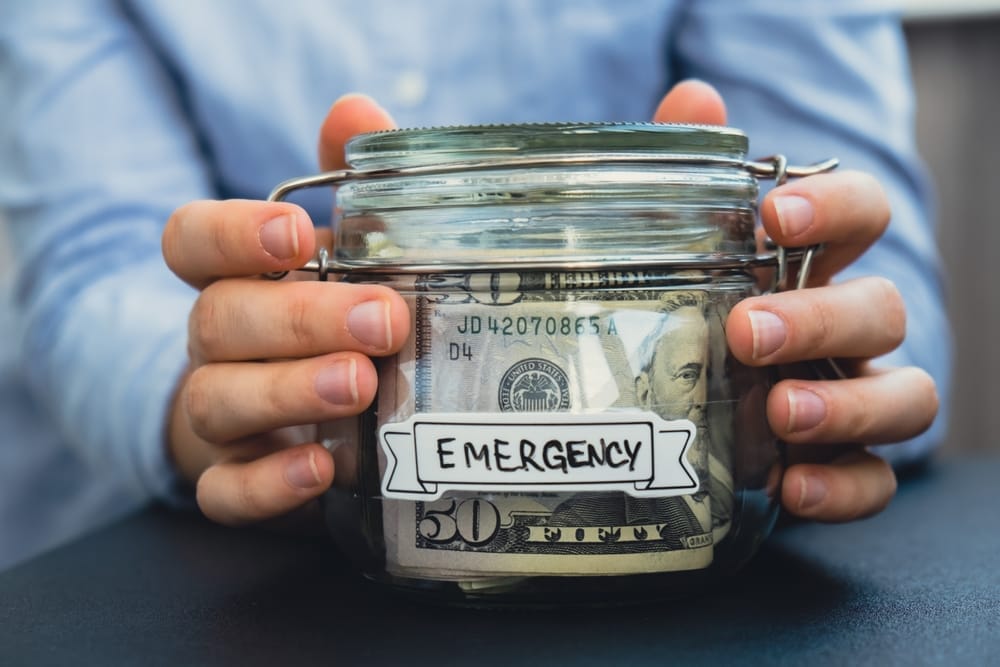
Life has a habit of throwing curveballs at the exact moment you feel like you’ve finally hit your stride. One minute you’re cruising along, paying bills, enjoying weekends, feeling in control—and the next, your car decides to impersonate a campfire, your job pulls a surprise plot twist, or your refrigerator suddenly retires mid-milk. That’s the moment you either panic… or calmly reach for your emergency fund and handle business like a champion.

An emergency fund isn’t glamorous, but it’s the financial equivalent of armor—quiet, dependable, and ready to deflect chaos when things get wild. If you’ve ever wanted to build a safety net so strong it could shrug off even the ugliest crisis, you’re in the right place.

Why You Need An Emergency Fund That’s More Than Spare Change

Most people underestimate how quickly life can upend their budget. A single unexpected bill can trigger a chain reaction, especially for those living paycheck to paycheck. An emergency fund acts as a buffer that keeps surprise expenses from becoming financial disasters. It gives you room to breathe, think clearly, and avoid high-interest debt. When you know you have a stash waiting for true emergencies, every part of life feels a little less stressful.

Start Small, But Start Immediately

Building an emergency fund doesn’t require winning a lottery ticket or selling everything you own; it begins with one small, intentional step. Even setting aside ten or twenty dollars at a time creates momentum that builds into something real. Waiting for “the perfect moment” guarantees that the moment never comes, so getting started today matters more than starting big. Small contributions teach discipline and reinforce the habit of paying yourself first. Before long, you’ll look at the total and feel a spark of pride that fuels your motivation to keep going.

Choose A Savings Strategy That Actually Works For You

People often abandon their emergency fund because they force themselves into a system that feels unnatural or overwhelming. Your savings method should match your money personality—automations for the forgetful, manual transfers for the control-oriented, envelopes for the hands-on budgeters. The right system is the one you’ll actually stick to, not the one that sounds good on paper. A savings plan should slot easily into your lifestyle so it never feels like punishment. Consistency beats perfection every single time when growing a dependable safety net.

Determine The Right Amount So You’re Truly Protected

Experts love debating how much you “should” save, but the real answer depends on your life, your responsibilities, and your risk tolerance. Some people sleep well with three months of expenses saved, while others feel safer with six or even twelve months. The best number is the one that keeps you calm when imagining the worst-case scenario. Spend time calculating what you’d genuinely need to survive if everything went sideways. Once you know your target, the entire savings mission becomes clearer and more motivating.

Protect Your Emergency Fund From… Yourself

Once your emergency fund starts growing, it becomes tempting to dip into it for things that feel urgent but aren’t truly emergencies. A sale at your favorite store, a last-minute trip, or a shiny new upgrade does not count as a crisis. Keeping your fund in a separate account helps create psychological distance and reduces impulsive withdrawals. Treat this money as sacred, untouchable, and reserved only for genuine needs. When you protect your emergency fund, it protects you right back.

Make Your Money Work Without Putting It At Risk

An emergency fund shouldn’t be locked away in investments or risky accounts where you can lose access—or the money itself. That said, it can still earn interest in a safe, accessible spot like a high-yield savings account. The key is balancing growth with security because emergencies don’t wait for the market to recover. The goal isn’t maximizing profit; it’s ensuring your money is available at the exact moment you need it. Think of your emergency fund as a loyal guard dog: dependable, ready, and not off gambling in the stock market.

You Need To Build an Ironclad Emergency Fund That Can Withstand Any Crisis

Image Source: Shutterstock.com

Refill It Every Time You Use It

Even the strongest emergency fund gets depleted during tough times, but the real power comes from rebuilding it after the storm passes. Once you’ve resolved the crisis, return to your savings plan with the same energy you had in the beginning. A refilled fund restores your sense of stability and reminds you that you’re capable of handling anything. Every crisis you survive becomes proof that your system works. Replenishing your emergency fund is the final step in completing the cycle of financial resilience.

Celebrate Milestones So You Stay Motivated

Saving money can feel slow and uneventful, so celebrating your progress is essential to keeping your excitement alive. Reaching your first $100, then $500, then $1,000 deserves recognition, even if the celebration is something simple. These milestones build confidence and turn saving into something rewarding rather than exhausting. When you acknowledge the work you’ve done, your brain stays motivated to keep pushing forward. The journey becomes just as satisfying as the end goal.

Build Confidence One Cushion At A Time

Each dollar added to your emergency fund is like adding a brick to your personal fortress. Over time, that fortress becomes strong enough to withstand layoffs, medical surprises, home repairs, or anything life flings your way. The security it provides spills into every area—your relationships, your decisions, your overall peace of mind. You walk differently when you know one bad day won’t wipe you out. Building an ironclad emergency fund isn’t just a financial task; it’s an act of long-term self-protection.

Your Future Self Will Thank You

Creating an emergency fund that can survive any crisis isn’t about luck or perfection—it’s about small steps, ongoing intention, and the decision to protect your future. When you have a financial cushion, life’s unpredictable moments lose their power to overwhelm you. You gain control, confidence, and options during times when everything feels out of your hands.

If you’ve built an emergency fund before, or if you’re starting one now, share your thoughts, stories, or strategies in the comments below. Someone out there might need your insight to finally begin their own journey.

You May Also Like…

6 Emergency-Fund Secrets People Use to Save Faster

9 Ways People Screw Up Emergency Funds — Even When They Have Good Intentions

10 Financial Dangers of Skipping Emergency Funds

7 Stock Market Myths That Cost Beginner Investors Their Life Savings

Could Ignoring Inflation Erase Decades of Savings

Brandon Marcus
Brandon Marcus

Brandon Marcus is a writer who has been sharing the written word since a very young age. His interests include sports, history, pop culture, and so much more. When he isn’t writing, he spends his time jogging, drinking coffee, or attempting to read a long book he may never complete.

Filed Under: Lifestyle Tagged With: crisis, emergency expenses, emergency fund, emergency funds, emergency medical care, emergency planning, emergency preparedness, emergency savings, financial emergency, Saving, saving money, savings, savings account, savings strategy

8 Necessary Steps to Prepare for a Potential Hyperinflation Event

October 26, 2025 by Catherine Reed Leave a Comment

8 Necessary Steps to Prepare for a Potential Hyperinflation Event

Image source: shutterstock.com

The thought of prices skyrocketing overnight and money losing value is enough to make anyone uneasy. While hyperinflation is rare in stable economies, economic shocks, debt crises, or political instability can make it a genuine concern. The best defense isn’t panic—it’s preparation. By taking a few proactive measures, you can safeguard your finances, maintain purchasing power, and protect your family’s stability if inflation ever spins out of control. Here are eight practical steps to help you prepare for a potential hyperinflation event before it’s too late.

1. Build a Reserve of Essential Goods

When you prepare for a potential hyperinflation event, one of the smartest first steps is to stock up on everyday necessities. During hyperinflation, the cost of food, toiletries, and medicine can rise so rapidly that supplies become unaffordable or unavailable. Focus on non-perishable items like canned foods, dry grains, and hygiene products that can be stored for months or years. Having a steady inventory at home reduces dependence on unpredictable market prices. It also gives you peace of mind knowing your basic needs are covered even if currency value drops.

2. Diversify Your Income Streams

Relying on a single paycheck can be risky if the economy takes a sharp turn. To better prepare for a potential hyperinflation event, create multiple sources of income—whether through freelancing, side hustles, or small business ventures. Having several revenue streams can help offset wage devaluation if inflation erodes the real value of your earnings. Consider learning new skills or starting an online service that generates income in various currencies or asset types. The more flexible your earning potential, the better you can adapt to economic instability.

3. Invest in Tangible Assets

When paper money loses value, physical assets often hold steady or even appreciate. To prepare for a potential hyperinflation event, consider allocating part of your portfolio to tangible items like gold, silver, or real estate. Precious metals historically retain purchasing power during periods of monetary crisis. Similarly, land or property can provide long-term stability and potential rental income. Owning tangible assets ensures you have something of lasting value regardless of currency fluctuations.

4. Reduce and Eliminate Debt

Debt becomes dangerous when inflation gets out of hand. Interest rates may climb quickly, and adjustable-rate loans can become unmanageable. If you want to prepare for a potential hyperinflation event, pay off variable-rate debts as soon as possible and avoid taking on new liabilities. Focus on clearing credit card balances, personal loans, and any high-interest accounts that could spiral if rates rise. Being debt-free during economic turbulence gives you more control and fewer financial obligations to juggle.

5. Keep Emergency Cash and Bartering Items

It might sound counterintuitive, but having cash on hand can still be useful at the onset of hyperinflation. When you prepare for a potential hyperinflation event, set aside small denominations that can help during temporary disruptions in banking systems. However, once inflation accelerates, traditional currency may lose purchasing power quickly. That’s where bartering items—like canned food, batteries, and toiletries—can serve as alternative forms of trade. These goods often become valuable in local exchanges when paper money fails.

6. Strengthen Your Community Connections

No one can navigate a major economic disruption alone. One of the most overlooked ways to prepare for a potential hyperinflation event is to build relationships with neighbors, local farmers, and small business owners. Strong community networks can provide mutual support, access to local resources, and opportunities for bartering or skill-sharing. People who work together can pool resources and help stabilize each other’s needs. Investing in community trust today can be as valuable as financial preparation.

7. Learn Self-Sufficiency Skills

When inflation spirals, even basic services can become prohibitively expensive. That’s why learning self-sufficiency skills is a key way to prepare for a potential hyperinflation event. Start by learning practical abilities like gardening, home repair, or basic cooking from scratch. These skills reduce reliance on expensive goods and services while helping you stretch your resources further. Knowing how to fix, grow, or make what you need not only saves money—it empowers you to thrive under pressure.

8. Protect and Diversify Your Savings

Your bank account may not be as safe as it feels during economic instability. To prepare for a potential hyperinflation event, spread your savings across different forms of value. Keep a portion in traditional accounts for accessibility, but also consider alternatives like precious metals, stable foreign currencies, or inflation-protected bonds. Diversification prevents your entire nest egg from being tied to a single failing system. It’s about striking a balance between liquidity and long-term preservation.

Turning Preparation Into Peace of Mind

Preparing for a potential hyperinflation event doesn’t have to feel extreme—it’s simply a responsible step toward financial resilience. By taking practical measures today, you protect yourself from panic later. Focus on small, consistent actions that strengthen your financial position and reduce dependency on fragile systems. Whether or not hyperinflation occurs, these habits will leave you more stable and self-reliant. True financial confidence comes not from predicting the future, but from being ready for it.

What steps have you taken to safeguard your finances from inflation or other economic shocks? Share your strategies in the comments below!

What to Read Next…

  • 8 Genius Hacks to Beat Inflation While Maintaining Security
  • Could Ignoring Inflation Erase Decades of Savings
  • 8 Brutal Ways Inflation Punishes Retirees More Than Anyone Else
  • 10 Times Inflation Changed What Families Could Afford Overnight
  • Could the Cost of Raising Pets Outpace Inflation Itself
Catherine Reed
Catherine Reed

Catherine is a tech-savvy writer who has focused on the personal finance space for more than eight years. She has a Bachelor’s in Information Technology and enjoys showcasing how tech can simplify everyday personal finance tasks like budgeting, spending tracking, and planning for the future. Additionally, she’s explored the ins and outs of the world of side hustles and loves to share what she’s learned along the way. When she’s not working, you can find her relaxing at home in the Pacific Northwest with her two cats or enjoying a cup of coffee at her neighborhood cafe.

Filed Under: Personal Finance Tagged With: economic crisis, emergency planning, financial preparedness, hyperinflation, inflation protection, Personal Finance, wealth preservation

5 Immediate Changes to Make After a Big Income Reduction

October 10, 2025 by Travis Campbell Leave a Comment

broke

Image source: shutterstock.com

Experiencing a big income reduction can feel overwhelming and stressful. Whether it’s due to a job loss, a pay cut, or a change in family circumstances, your financial stability may suddenly feel shaky. The good news is that you can take practical steps to regain control. Acting quickly and thoughtfully can help you avoid debt, protect your savings, and keep your financial goals within reach. In this article, we’ll cover five immediate changes you should make after a big income reduction. These steps will help you stabilize your finances and adjust to your new reality with confidence.

1. Reevaluate and Prioritize Your Expenses

The first step after a big income reduction is to take a hard look at your spending. Start by listing all your monthly expenses, from housing and utilities to groceries and entertainment. Separate your needs from your wants. Essentials like rent, mortgage payments, utilities, and basic groceries should come first. Non-essential expenses—like dining out, streaming subscriptions, and impulse purchases—should be reduced or eliminated for now.

Review your bank and credit card statements to spot recurring charges you might have forgotten about. Cancel subscriptions or memberships that you no longer use or can temporarily live without. Remember, these cuts don’t have to be permanent, but trimming your budget immediately can help you weather the storm.

2. Adjust Your Budget Immediately

With your new list of prioritized expenses, it’s time to create a fresh budget that reflects your reduced income. Use a budgeting tool or a simple spreadsheet to map out your new monthly cash flow. Make sure that your essential expenses fit within your new income limits. If they don’t, you’ll need to make deeper cuts or look for ways to bring in extra money.

It’s important to be honest about your situation. Overestimating your income or underestimating expenses can lead to overdrafts or credit card debt. If you have difficulty creating a budget, consider using free online resources or apps designed to help people manage money after a big income reduction.

3. Communicate With Creditors and Service Providers

If you’re worried about making payments on time, don’t wait until you’ve missed one. Reach out to your mortgage lender, landlord, utility companies, and credit card issuers. Many organizations offer hardship programs, forbearance options, or payment plans, especially if you’ve experienced a big income reduction. Being proactive can help you avoid late fees, hits to your credit score, and unnecessary stress.

When you contact creditors, explain your situation honestly and ask about available options. Document your conversations and keep copies of any agreements. Every bit of flexibility you gain will make it easier to manage your reduced income.

4. Pause or Reduce Non-Essential Savings and Investments

While saving for retirement, college, or other goals is important, you may need to pause or reduce these contributions temporarily. After a big income reduction, your priority should be covering essential living expenses and maintaining a basic emergency fund. If your employer offers a 401(k) match, try to contribute enough to get the match, but don’t feel guilty if you can’t right now.

Consider redirecting automatic transfers from savings or investment accounts back into your checking account. This can provide a financial cushion and help you avoid dipping into high-interest debt. Once your income stabilizes, you can resume your regular savings and investment plan.

5. Seek Additional Income Sources

After trimming expenses and adjusting your budget, you may still find it challenging to make ends meet. This is the time to explore new income sources. Look for part-time work, freelance gigs, or temporary jobs. You can also consider selling items you no longer need online or offering services in your community.

Don’t overlook support programs or benefits for those who have experienced a big income reduction. Unemployment insurance, food assistance, and local nonprofit programs can provide much-needed relief.

Staying Resilient Through a Big Income Reduction

Adjusting to a big income reduction is never easy, but acting quickly can make a significant difference. Remember that this situation is temporary for many people. By reevaluating your expenses, updating your budget, communicating with creditors, pausing non-essential savings, and seeking new income sources, you can protect your financial health and reduce stress.

Support and information are available from organizations like the U.S. government’s unemployment resources. Revisit your plan regularly and make changes as your situation evolves. Staying proactive and flexible will help you get through this challenging time and prepare for a better financial future.

Have you faced a big income reduction recently? What immediate steps helped you the most? Share your experience or tips in the comments below.

What to Read Next…

  • Are These 7 Little Expenses Quietly Costing You Thousands A Year?
  • 6 Monthly Bills You Should Cancel Immediately Even If You Can Afford Them
  • 8 Everyday Services That Are Slowly Becoming Subscription Only
  • Are These 6 Helpful Budget Tips Actually Ruining Your Finances?
  • 10 Signs You’re Living Above Your Means Without Realizing
Travis Campbell
Travis Campbell

Travis Campbell is a digital marketer/developer with over 10 years of experience and a writer for over 6 years. He holds a degree in E-commerce and likes to share life advice he’s learned over the years. Travis loves spending time on the golf course or at the gym when he’s not working.

Filed Under: Personal Finance Tagged With: budgeting, emergency planning, Financial Tips, income reduction, Personal Finance

6 Surprising Costs That Hit Families After Natural Disasters

September 5, 2025 by Catherine Reed Leave a Comment

6 Surprising Costs That Hit Families After Natural Disasters

Image source: 123rf.com

Natural disasters leave more behind than damaged property and emotional stress. Even with insurance, families often discover a series of unexpected expenses that pile up quickly. These hidden costs can throw budgets off balance and create long-term financial challenges. Understanding the surprising costs that hit families after natural disasters helps households prepare smarter and recover faster.

1. Temporary Housing Expenses

When homes are unlivable, families often need hotels, rentals, or even extended stays with relatives. Insurance may cover some housing costs, but policies often come with limits or delays in payment. Rent in disaster-affected areas can skyrocket due to demand, leaving families paying far more than expected. Even small extras, like daily meals out while living in a hotel, add up quickly. Temporary housing is one of the most common surprising costs that hit families after natural disasters.

2. Lost Income from Work Disruptions

Storms, floods, or wildfires don’t just damage homes—they also interrupt livelihoods. Businesses may close for weeks, and workers can lose wages if they don’t have paid leave or remote options. Self-employed individuals often face even bigger setbacks, as clients cancel projects and income dries up. Rebuilding personal income takes longer than expected, straining family budgets. Lost wages are among the surprising costs that hit families after natural disasters that few think about until it happens.

3. Rising Insurance Deductibles and Gaps

Many families assume insurance will cover everything, but policies often have high deductibles or exclusions. Floods, earthquakes, and wind damage may require separate coverage, leaving gaps in protection. Even when coverage applies, the deductible amount can be thousands of dollars. Additional out-of-pocket expenses can overwhelm families already dealing with stress. Insurance shortfalls are one of the key surprising costs that hit families after natural disasters.

4. Transportation and Relocation Costs

Disasters often damage vehicles, forcing families to pay for repairs, rentals, or replacements. Gas and travel expenses rise if families must commute longer distances while living in temporary housing. Relocation costs, such as hiring movers or paying storage fees, can sneak up quickly. These added expenses pile on top of already strained budgets. Transportation disruptions are another example of surprising costs that hit families after natural disasters.

5. Replacing Essentials Beyond the Home

Even when homes are repairable, everyday essentials are often lost. Clothing, furniture, electronics, school supplies, and kitchen items may all need replacing. Insurance coverage for personal belongings is often capped, meaning families receive only a fraction of replacement value. These smaller items add up to thousands of dollars in unexpected spending. Replacing basics is one of the overlooked surprising costs that hit families after natural disasters.

6. Emotional and Health-Related Expenses

The toll of disasters isn’t just financial—it’s physical and emotional as well. Families may need counseling services, prescription refills, or medical treatment for stress-related conditions. Relocating can disrupt healthcare access, forcing families to pay out-of-pocket for immediate care. Even children may require extra support to cope with the trauma of losing stability. Health-related needs highlight another of the surprising costs that hit families after natural disasters.

Preparing for the Unexpected Before It Strikes

While no one can control when disaster will hit, families can take steps to reduce the financial shock. Emergency savings, updated insurance policies, and disaster plans provide a crucial safety net. Recognizing the surprising costs that hit families after natural disasters ensures households don’t underestimate the true price of recovery. With foresight and preparation, families can focus on rebuilding their lives instead of struggling to cover hidden bills. Protecting finances ahead of time makes all the difference when the unexpected happens.

Have you or someone you know faced hidden costs after a natural disaster? Share your experiences and advice in the comments below.

What to Read Next…

7 Times Living Paycheck to Paycheck Comes With Hidden Costs

8 Hidden Costs of Raising Children That Are Rarely Discussed

7 Financial Surprises That Hit Families After Relocation

9 Hidden Costs of Early Retirement Nobody Plans For

7 Big Purchases That Advisors Say People Regret More Than Anything Else

Catherine Reed
Catherine Reed

Catherine is a tech-savvy writer who has focused on the personal finance space for more than eight years. She has a Bachelor’s in Information Technology and enjoys showcasing how tech can simplify everyday personal finance tasks like budgeting, spending tracking, and planning for the future. Additionally, she’s explored the ins and outs of the world of side hustles and loves to share what she’s learned along the way. When she’s not working, you can find her relaxing at home in the Pacific Northwest with her two cats or enjoying a cup of coffee at her neighborhood cafe.

Filed Under: Personal Finance Tagged With: disaster recovery, emergency planning, family finances, financial preparedness, hidden costs, Insurance, natural disasters, Personal Finance

Do These 7 Things Immediately After A Car Accident To Protect Your Assets

June 4, 2025 by Travis Campbell Leave a Comment

car repair

Image Source: pexels.com

Car accidents are stressful, chaotic, and often happen when you least expect them. In the aftermath, it’s easy to feel overwhelmed and unsure of what to do next. But the steps you take in those first few moments can make a huge difference—not just for your health and safety, but also for your financial future. Knowing exactly what to do after a car accident is crucial to protect your assets and avoid costly mistakes. Whether you’re a seasoned driver or just got your license, these tips will help you stay calm, collected, and financially secure when the unexpected happens.

Let’s break down the seven most important things you should do immediately after a car accident to protect your assets and keep your finances on track.

1. Check for Injuries and Call for Help

Your first priority after any car accident is safety. Check yourself and your passengers for injuries, and don’t hesitate to call 911 if anyone needs medical attention. Even if injuries seem minor, it’s better to be safe than sorry. Emergency responders can document the scene, which is important for both your health and your ability to protect your assets later on. Medical records and police reports can be vital if you need to file an insurance claim or defend yourself against a lawsuit. Remember, your well-being comes first, but taking these steps also helps shield your finances from unexpected medical bills and legal complications.

2. Move to a Safe Location (If Possible)

If your car is drivable and it’s safe to do so, move your vehicle to the side of the road or a nearby parking lot. This helps prevent further accidents and keeps you out of harm’s way. Turning on your hazard lights and setting up warning triangles or flares can alert other drivers to the accident. You’re also taking a key step to protect your assets by minimizing additional damage or injuries. The last thing you want is to be held liable for a secondary collision or to have your car suffer more damage while waiting for help.

3. Document Everything at the Scene

Once everyone is safe, start gathering as much information as possible. Take clear photos of the vehicles, the accident scene, license plates, and any visible injuries. Exchange contact and insurance information with the other driver, but avoid discussing fault or making statements that could be used against you later. If there are witnesses, ask for their contact details as well. Thorough documentation is one of the best ways to protect your assets because it provides evidence for your insurance claim and can help defend you if legal issues arise. Here’s a helpful checklist for documenting accidents that you can keep in your glove box.

4. Notify Your Insurance Company Promptly

Contact your insurance company as soon as possible after the accident. Provide them with all the details and documentation you’ve collected. Prompt reporting is essential to protect your assets, as delays can sometimes result in denied claims or reduced coverage. Be honest and thorough, but stick to the facts. Your insurer is there to help you navigate the process and protect your financial interests. Some policies even require immediate notification, so don’t put this off.

5. Don’t Admit Fault or Sign Anything Without Legal Advice

It’s natural to want to apologize or accept blame, especially if you’re feeling shaken up. However, admitting fault at the scene or signing documents without understanding them can seriously jeopardize your ability to protect your assets. Anything you say or sign could be used against you in court or by insurance companies. If you’re asked to provide a statement or sign paperwork, politely decline until you’ve spoken with your insurance company or a qualified attorney. This simple step can save you from costly legal battles down the road.

6. Seek Medical Attention, Even If You Feel Fine

Some injuries, like whiplash or concussions, may not show symptoms right away. Getting checked out by a medical professional ensures your health is protected and creates a record of any injuries related to the accident. This documentation is crucial if you need to file a claim for medical expenses or lost wages. Protecting your health is a direct way to protect your assets, as untreated injuries can lead to bigger medical bills and lost income later.

7. Keep Detailed Records and Follow Up

After the initial chaos, keep all your accident-related documents organized. This includes police reports, medical bills, repair estimates, and correspondence with your insurance company. Staying organized makes it easier to protect your assets by ensuring you have everything you need if questions or disputes arise. Set reminders to follow up on claims and repairs, and don’t be afraid to ask questions if something isn’t clear. The more proactive you are, the better you can safeguard your finances.

Your Financial Safety Net Starts With Smart Actions

A car accident can shake up your life in an instant, but taking the right steps immediately afterward can make all the difference when it comes to protecting your assets. From documenting the scene to seeking medical care and staying organized, each action you take helps build a financial safety net that shields you from unexpected costs and legal headaches. Preparation and quick thinking are your best allies for physical and economic recovery.

Have you ever had to protect your assets after a car accident? Share your story or tips in the comments below!

Read More

5 Biggest Refinance Concerns

Find the Right Amount of Life Insurance in 10 Minutes

Travis Campbell
Travis Campbell

Travis Campbell is a digital marketer/developer with over 10 years of experience and a writer for over 6 years. He holds a degree in E-commerce and likes to share life advice he’s learned over the years. Travis loves spending time on the golf course or at the gym when he’s not working.

Filed Under: Car Tagged With: asset protection, car accident, emergency planning, financial safety, Insurance, legal tips, Personal Finance

8 Things You Should Immediately Do If Your Husband Loses His Job

May 12, 2025 by Travis Campbell Leave a Comment

man upset at laptop

Image Source: unsplash.com

Losing a job is never easy, especially when it happens to your husband and your family’s financial stability is suddenly at risk. The uncertainty can feel overwhelming, and it’s natural to worry about how you’ll pay the bills, keep up with expenses, and maintain your lifestyle. But here’s the good news: you’re not powerless. You can take clear, practical steps immediately to protect your family and regain a sense of control. Acting quickly and thoughtfully if your husband loses his job can make all the difference. Let’s walk through eight essential things you should do immediately to weather this storm and come out stronger on the other side.

1. Take a Deep Breath and Assess the Situation

When your husband loses his job, emotions can run high—fear, frustration, and even anger are all normal. Before making any big decisions, take a moment to breathe and assess the situation together. Sit down as a team and talk openly about what happened, what severance or benefits (if any) are available, and your immediate needs. This initial conversation sets the tone for how you’ll handle the coming weeks. Remember, you’re in this together, and a calm, united front will help you both think more clearly and make better choices.

2. Review Your Household Budget

Now is the time to get up close and personal with your finances. Pull up your bank statements, list all sources of income, and tally up your monthly expenses. Identify which costs are essential—like housing, utilities, groceries, and insurance—and which can be trimmed or paused for now. If your husband loses his job, your budget becomes your lifeline. Consider using a budgeting tool or app to help you track spending and spot areas where you can cut back. The goal is to stretch your resources as far as possible while you navigate this transition.

3. Apply for Unemployment Benefits

Don’t wait to file for unemployment benefits. Each state has its own process, but applying quickly ensures you’ll start receiving payments sooner, helping to bridge the gap while your husband searches for new work. According to the U.S. Department of Labor, unemployment insurance can provide crucial temporary income. Ensure you have all necessary documents, such as your husband’s work history and reason for job loss, to avoid delays. If you’re unsure about eligibility, check your state’s unemployment website for details.

4. Communicate with Creditors and Service Providers

If you anticipate trouble making payments on your mortgage, credit cards, or utilities, reach out to your creditors and service providers right away. Many companies offer hardship programs, payment deferrals, or reduced payment plans for families facing job loss. Being proactive can help you avoid late fees, penalties, or damage to your credit score. Explain your situation honestly and ask about available options. You might be surprised at how willing companies are to work with you during tough times.

5. Explore Health Insurance Options

Losing a job often means losing employer-sponsored health insurance. Don’t let your family go without coverage. Look into COBRA continuation coverage, which allows you to keep your current plan for a limited time (though it can be expensive). Alternatively, explore options on the HealthCare.gov Marketplace or see if your children qualify for Medicaid or CHIP. Health insurance is especially important if anyone in your family has ongoing medical needs, so make this a top priority if your husband loses his job.

6. Tap Into Your Emergency Fund (If Needed)

If you’ve built up an emergency fund, now is the time to use it. These savings are meant for exactly this kind of situation. Withdraw only what you need to cover essential expenses, and keep careful spending records. If you don’t have an emergency fund, don’t panic—focus on the other steps in this list to stabilize your finances. Remember, using your emergency fund wisely can help you avoid high-interest debt and keep your family afloat while your husband looks for new work.

7. Update and Polish Your Husband’s Resume

A fresh, updated resume is key to landing a new job quickly. Help your husband review his resume, highlighting recent accomplishments, new skills, and relevant experience. Consider tailoring the resume for specific industries or roles he’s interested in. If it’s been a while since he’s job-hunted, check out free resources from CareerOneStop or local workforce centers. A polished resume, paired with a strong LinkedIn profile, can open doors to new opportunities and help your husband stand out in a competitive job market.

8. Lean on Your Support Network

Don’t underestimate the power of your community. Contact friends, family, and professional contacts to let them know your husband is looking for work. Networking is one of the most effective ways to find job leads and get referrals. At the same time, don’t be afraid to ask for emotional support. Job loss can take a toll on mental health, so check in with each other regularly and consider talking to a counselor if stress becomes overwhelming. Remember, you’re not alone—many families have faced this challenge and become stronger.

Turning a Setback Into a Fresh Start

When your husband loses his job, it’s easy to feel like the world has turned upside down. But with a clear plan and a proactive mindset, you can turn this setback into a fresh start for your family. By taking these eight steps, you’ll protect your finances and build resilience and confidence for whatever comes next. Remember, every challenge is an opportunity to grow, adapt, and support each other in new ways.

What steps have you taken when facing a job loss in your family? Share your experiences or tips in the comments below!

Read More

8 Signs Your Marriage Lacks True Love

Can Money Fix a Broken Relationship?

Travis Campbell
Travis Campbell

Travis Campbell is a digital marketer/developer with over 10 years of experience and a writer for over 6 years. He holds a degree in E-commerce and likes to share life advice he’s learned over the years. Travis loves spending time on the golf course or at the gym when he’s not working.

Filed Under: Marriage & Money Tagged With: budgeting, career transition, emergency planning, family finances, financial advice, job loss, support, unemployment

FOLLOW US

Search this site:

Recent Posts

  • Can My Savings Account Affect My Financial Aid? by Tamila McDonald
  • 12 Ways Gen X’s Views Clash with Millennials… by Tamila McDonald
  • What Advantages and Disadvantages Are There To… by Jacob Sensiba
  • 10 Tactics for Building an Emergency Fund from Scratch by Vanessa Bermudez
  • Call 911: Go To the Emergency Room Immediately If… by Stephen Kanaval
  • 7 Weird Things You Can Sell Online by Tamila McDonald
  • 10 Scary Facts About DriveTime by Tamila McDonald

Copyright © 2026 · News Pro Theme on Genesis Framework