• Home
  • About Us
  • Toolkit
  • Getting Finances Done
    • Hiring Advisors
    • Debt Management
    • Spending Plan
  • Insurance
    • Life Insurance
    • Health Insurance
    • Disability Insurance
    • Homeowners/Renters Insurance
  • Contact Us
  • Privacy Policy
  • Risk Tolerance Quiz

The Free Financial Advisor

You are here: Home / Archives for liquidity

Market Edge: 6 Indicators Seasoned Investors Watch That Others Ignore

December 31, 2025 by Brandon Marcus Leave a Comment

Market Edge: 6 Indicators Seasoned Investors Watch That Others Ignore

Image Source: Shutterstock.com

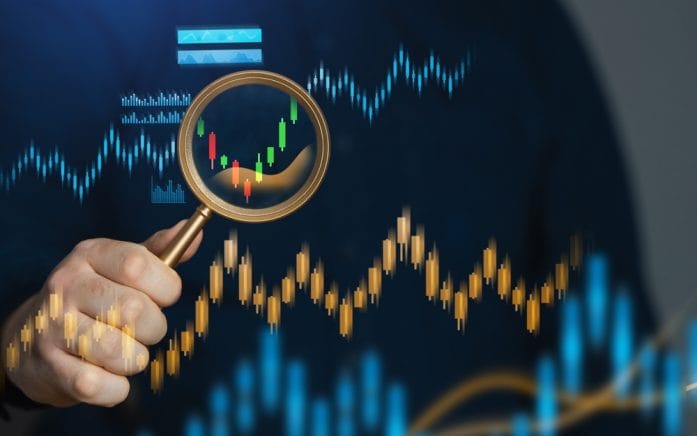
The market hardly ever announces its next move with a trumpet blast. Instead, it prefers whispers, side glances, and quiet shifts in body language. While headlines scream about daily price swings, seasoned investors are calmly scanning the background, watching subtler signals that often matter far more.

These indicators don’t trend on social media, and they don’t make for flashy TV segments, but they quietly shape big outcomes. Think of them as the market’s body language rather than its voice. If you want an edge that feels earned instead of lucky, this is where the real story begins.

1. Market Breadth Beyond The Headlines

Market breadth looks at how many stocks are actually participating in a move, not just how high the index number climbs. When a handful of mega-cap names push indexes upward while most stocks lag, experienced investors grow cautious. Indicators like the advance-decline line reveal whether gains are broad or fragile. Healthy markets tend to lift many boats, not just a few luxury yachts. When breadth weakens, it often hints that momentum is running on fumes.

2. Credit Spreads Whisper Before They Scream

Credit spreads measure the difference between safe government bonds and riskier corporate debt, and they often shift before stocks do. When spreads widen, lenders are quietly demanding more compensation for risk. That subtle change can signal rising fear long before panic hits equity markets. Tight spreads, on the other hand, suggest confidence and easy financial conditions. Savvy investors treat credit markets like a smoke detector rather than waiting for visible flames.

3. Earnings Revisions Momentum

Stock prices may grab attention, but earnings expectations drive long-term direction. When analysts begin revising earnings estimates upward across many companies, it often signals improving business conditions. The opposite can be true when revisions trend lower even as stock prices stay high. This disconnect frequently precedes volatility or pullbacks. Seasoned investors track revisions because fundamentals tend to catch up eventually.

4. Insider Activity With Context

Insider buying and selling can be noisy, but patterns matter more than individual trades. Executives sell for many reasons, yet they usually buy for only one: confidence. Clusters of insider buying across a sector often suggest undervaluation or improving prospects. Conversely, widespread selling during euphoric markets can be a yellow flag, not a red one. Context turns raw data into insight, which is why professionals watch behavior, not headlines.

5. Liquidity Tides And The Dollar

Liquidity is the market’s oxygen, and when it tightens, everything feels heavier. Central bank balance sheets, money supply trends, and short-term funding stress quietly shape risk appetite. A strengthening dollar can also drain liquidity from global markets, especially emerging economies. When liquidity recedes, even good news struggles to gain traction. Smart investors monitor these tides long before waves crash ashore.
Market Edge: 6 Indicators Seasoned Investors Watch That Others Ignore

Image Source: Shutterstock.com

6. Volatility Term Structure Tells A Story

Volatility isn’t just about spikes; it’s about shape and expectation. The relationship between short-term and long-term volatility often reveals whether fear is temporary or structural. When near-term volatility trades higher than longer-term expectations, stress is usually acute but fleeting. A flatter or inverted structure can hint at deeper uncertainty. Professionals read this curve like a mood ring for the market’s nervous system.

The Quiet Signals That Shape Big Outcomes

The market rewards attention, not noise, and the most powerful signals often arrive quietly. By watching breadth, credit, revisions, insiders, liquidity, and volatility structure, investors gain a clearer view of what’s really happening beneath the surface. These indicators won’t predict every move, but they dramatically improve context and timing.

If you’ve noticed other subtle signals that influence your decisions, or have a story about one of these indicators proving its worth, drop your thoughts in the comments. Great investing conversations often start where the headlines stop.

You May Also Like…

What Are The Worst Choices You Can Make As A New Investor?

Advanced Insights for Seasoned Online Casino Players

Risk Observation: 5 Quiet Signals Indicating Trouble Ahead for Mid-Life Investors

Why Investing Apps Will Remain Popular in 2026

8 Bold Strategies for Investing During Periods of High Inflation


Brandon Marcus
Brandon Marcus

Brandon Marcus is a writer who has been sharing the written word since a very young age. His interests include sports, history, pop culture, and so much more. When he isn’t writing, he spends his time jogging, drinking coffee, or attempting to read a long book he may never complete.

Filed Under: Investing Tagged With: beginning investing, credit, earnings, invest, investing, Investment, investments, liquidity, market edge, market indicators, seasoned investors, stock market, volatility

Market Recalibration: 5 Ways to Rethink Risk During High Volatility

December 29, 2025 by Brandon Marcus Leave a Comment

Market Recalibration: 5 Ways to Rethink Risk During High Volatility

Image Source: Shutterstock.com

Markets don’t whisper when they change moods—they shout, shake the floor, and dare everyone watching to blink first. One minute confidence feels effortless, the next it feels like gravity doubled overnight, pulling portfolios and nerves in every direction. Volatility has a way of turning casual investors into late-night chart watchers and long-term planners into short-term worriers. But inside that chaos lives clarity, if you know how to look for it. This is the moment when risk stops being a four-letter word and starts becoming a tool.

High volatility isn’t just a test of courage; it’s an invitation to rethink how risk actually works when the rules feel like they’re being rewritten in real time.

1. Redefine Risk As Information, Not Just Danger

Risk is often treated like a storm to hide from, but during volatile periods it acts more like a weather report filled with clues. Price swings reveal what the market fears, what it values, and where uncertainty is clustering. Instead of seeing volatility as damage, view it as data flowing at a faster speed. This shift reframes anxiety into analysis and replaces panic with curiosity. When you treat risk as information, you stop reacting emotionally and start responding strategically.

2. Shorten Your Time Horizon Without Shrinking Your Vision

High volatility punishes rigid thinking, especially when expectations are locked too far into the future. Breaking long-term goals into flexible checkpoints allows you to adapt without abandoning your broader strategy. This approach reduces emotional whiplash while still honoring long-range objectives. It also encourages smarter decision-making based on current conditions rather than outdated assumptions. Flexibility becomes a strength rather than a sign of uncertainty.

3. Diversification Is Behavior, Not Just Allocation

Diversification isn’t only about spreading assets across sectors or asset classes; it’s also about diversifying how you react. During turbulent markets, emotional concentration can be as risky as financial concentration. Investors often overexpose themselves to fear by consuming the same headlines and reinforcing the same narratives. A behavioral mix—balancing optimism, skepticism, patience, and discipline—can be just as protective as a well-balanced portfolio. When volatility spikes, emotional diversification becomes an underrated asset.

Market Recalibration: 5 Ways to Rethink Risk During High Volatility

Image Source: Shutterstock.com

4. Liquidity Is Optionality Wearing A Disguise

Cash and liquid assets often look boring until everything else stops behaving normally. In volatile markets, liquidity becomes freedom—the freedom to act, pivot, or wait without pressure. It gives investors the power to respond rather than react, which is a massive advantage when prices swing violently. Liquidity also buys psychological calm, reducing the need to make rushed decisions under stress. In chaotic environments, optionality can outperform boldness.

5. Relearn What “Safe” Actually Means

What feels safe in calm markets can become fragile during turbulence, while assets once seen as risky may prove surprisingly resilient. Safety is contextual, not permanent, and volatility exposes that truth quickly. Rethinking safety means questioning assumptions and recognizing that stability often comes from adaptability, not predictability. It also means understanding correlations change when fear enters the system. The safest position is often the one that can evolve without breaking.

The Opportunity Inside The Uncertainty

High volatility is uncomfortable, loud, and emotionally demanding, but it’s also one of the most honest market environments you’ll ever experience. It strips away illusions, tests convictions, and rewards those willing to think differently about risk. When you recalibrate instead of retreat, uncertainty transforms from a threat into a teacher. Every swing, surge, and setback carries a lesson for those paying attention.

If you’ve navigated turbulent markets before or are learning to do so now, we’d love to hear your perspective and experiences in the comments below.

You May Also Like…

What Young People Need To Know About Investing Volatility

6 Effective Steps to Stop Worrying About Market Volatility

5 Reasons People Pause Financial Plans During Tariff-Driven Volatility

Risk Rewind: 5 Lessons From Past Crashes That Still Matter Today

Legacy Risk: 6 Estate Myths That Put Families in Financial Danger


Brandon Marcus
Brandon Marcus

Brandon Marcus is a writer who has been sharing the written word since a very young age. His interests include sports, history, pop culture, and so much more. When he isn’t writing, he spends his time jogging, drinking coffee, or attempting to read a long book he may never complete.

Filed Under: Investing Tagged With: banking risks, diversification, diversify, invest, investing, investing risk, Investment, investments, liquidity, liquidity management, market recalibration, market volatility, risk, volatility

Market Frame: 4 Visual Techniques Advisors Use to Explain Risk Better

December 22, 2025 by Brandon Marcus Leave a Comment

Market Frame: 4 Visual Techniques Advisors Use to Explain Risk Better

Image Source: Shutterstock.com

Risk is a word that can make even the most confident investors break into a cold sweat. It’s abstract, invisible, and impossible to hold—but that doesn’t mean advisors leave it to imagination. Savvy financial advisors have discovered that visuals are the secret sauce to turning vague fear into crystal-clear understanding.

Charts, graphics, and clever illustrations can take a heart-pounding concept like risk and make it tangible, relatable, and even a little fun. Let’s dive into four visual techniques advisors use to transform confusing numbers into insights you can actually see.

1. Risk Cones That Show Possibility Ranges

Risk cones are like telescopes into your financial future. They start with your current investment and spread outward, showing best-case, worst-case, and most-likely scenarios in a cone-shaped graph. This visual helps investors grasp uncertainty without drowning in jargon. Advisors use color coding—green for optimism, yellow for caution, red for potential danger—to make the concept intuitive. Clients can literally see how small tweaks in risk tolerance change the width of the cone and the possible outcomes.

2. Heat Maps That Highlight Volatility

Heat maps turn boring tables into a rainbow of insight. By using color intensity to represent levels of volatility, advisors make patterns pop immediately. A bright red patch can show a highly risky asset, while a cool blue area represents stability, letting investors instantly sense danger zones. This technique is particularly effective when comparing multiple investments side by side. Heat maps transform abstract statistical data into something our brains can process at a glance, saving time and stress.

3. Scenario Trees That Map Out Decisions

Scenario trees are like adventure maps for your money. Every branch represents a decision point and possible market outcome, allowing clients to visualize the ripple effects of choices. Advisors love this because it makes complex compounding risk and reward easy to follow. By walking through each branch, investors can see how a single decision today might influence decades of financial outcomes. It turns uncertainty into a structured story, making risk tangible rather than terrifying.

These visual decision paths become especially useful when investors are evaluating opportunities that promise higher returns alongside higher uncertainty. Real estate investing is a good example, where location, cash flow, and long-term demand all introduce different layers of risk. Tools like scenario trees help clarify how those variables interact over time, particularly when assessing high-yield rental properties and where the best opportunities actually lie. Seeing how optimistic and conservative scenarios play out side by side makes it easier to judge whether the potential reward truly justifies the risk.

4. Interactive Dashboards That Engage And Educate

Interactive dashboards are the rock stars of modern financial advising. Clients can adjust variables like investment amount, time horizon, or market growth and immediately see results in graphs or charts. This hands-on experience helps them internalize risk concepts by testing real-world “what if” scenarios. Advisors use dashboards to demystify concepts like asset allocation, market swings, and portfolio balance. When clients touch the numbers themselves, risk becomes something they can explore instead of fear.

Market Frame: 4 Visual Techniques Advisors Use to Explain Risk Better

Image Source: Shutterstock.com

Your Thoughts On Visual Risk Tools

Visual tools aren’t just pretty charts—they’re bridges between fear and understanding. Advisors who master these techniques give clients confidence to make informed financial choices. From risk cones to interactive dashboards, each method converts complexity into clarity.

These tools invite conversation, reflection, and better decision-making. Let us know your thoughts or experiences with financial visuals in the comments section below.

You May Also Like…

5 Investment Mistakes Young People Make

Market Rust: 4 Aging Industries That Might Surprise Investors Next Cycle

How To Start Your 2026 Investing Journey With A Bang

Why Investing Apps Will Remain Popular in 2026

Could Your Real-Estate Holdings Lose Value Faster Than Your Advisor Expects?

Crisis Proof: 10 Buffer Strategies Advisors Use to Protect Clients From Market Shock


Brandon Marcus
Brandon Marcus

Brandon Marcus is a writer who has been sharing the written word since a very young age. His interests include sports, history, pop culture, and so much more. When he isn’t writing, he spends his time jogging, drinking coffee, or attempting to read a long book he may never complete.

Filed Under: Financial Advisor Tagged With: advisor, bull markets, finance, finances, financial advice, financial advisor, financials choices, general finance, investing, investment risks, investments, Investor, liquidity, market, volatility

Could Your Current Portfolio Survive A Sudden December Correction?

December 15, 2025 by Brandon Marcus Leave a Comment

Could Your Current Portfolio Survive A Sudden December Correction?

Image Source: Shutterstock.com

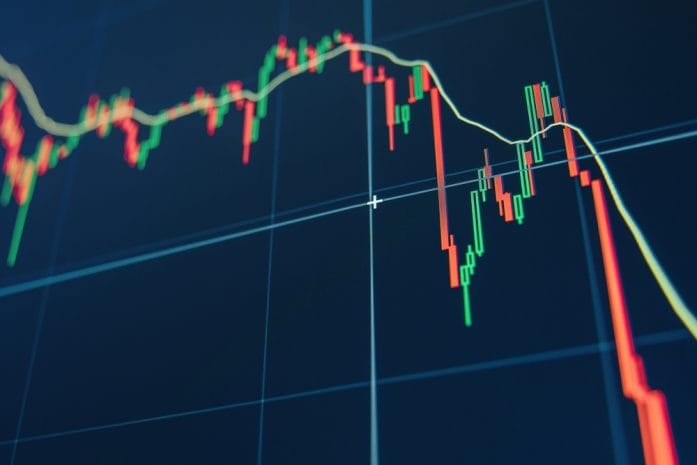
December has a funny way of messing with investor confidence. One minute the market feels festive and unstoppable, and the next it’s slipping on icy economic headlines and unexpected sell-offs. Holiday cheer doesn’t protect portfolios from profit-taking, tax-driven selling, or last-minute panic.

This is the month when optimism and anxiety often collide in dramatic fashion. The real question isn’t whether volatility might show up, but whether your portfolio is actually prepared when it does.

Why December Has A Reputation For Market Mood Swings

December often lulls investors into a false sense of calm because it follows strong autumn rallies more often than not. Beneath that calm, however, traders are locking in gains, rebalancing positions, and reacting to year-end economic data. Thin trading volume around the holidays can exaggerate price moves in both directions. Add in looming Federal Reserve expectations and geopolitical surprises, and volatility suddenly has fuel. A portfolio built only for smooth sailing can struggle when these crosscurrents hit at once.

How Concentration Risk Shows Up At The Worst Possible Time

A portfolio that leans too heavily on a few big winners can feel brilliant right up until December decides otherwise. When selling pressure hits popular stocks, crowded trades unwind quickly and without much mercy. Investors are often shocked to see their “diversified” accounts move in near lockstep because the holdings share the same risks. December corrections tend to expose these hidden correlations. What looked balanced in November can feel dangerously narrow by mid-month.

The Silent Impact Of Tax Decisions On Market Prices

December isn’t just about markets; it’s also about taxes, and those incentives matter more than most investors realize. Tax-loss harvesting can push certain stocks or sectors lower as investors rush to offset gains. This selling isn’t always tied to fundamentals, which makes price moves feel confusing and abrupt. Portfolios that ignore tax dynamics may misinterpret what’s really happening under the surface. Understanding this seasonal pressure can prevent emotional decisions at exactly the wrong moment.

Why Liquidity Matters More Than Returns In A Correction

During a sudden December dip, liquidity becomes a portfolio’s unsung hero. Assets that trade easily allow investors to adjust positions without taking painful discounts. Illiquid investments, on the other hand, can trap capital when flexibility matters most. Many investors don’t realize how hard it can be to exit certain positions until volatility spikes. A correction has a way of revealing whether your portfolio can move or whether it’s stuck watching from the sidelines.

Could Your Current Portfolio Survive A Sudden December Correction?

Image Source: Shutterstock.com

The Difference Between Volatility And Permanent Damage

Not every December downturn is a disaster, but the line between noise and real harm matters. Volatility tests patience, while permanent losses test strategy. Portfolios built around clear goals and time horizons tend to weather short-term storms better. Those chasing recent performance often confuse temporary drops with signals to abandon ship. Knowing what kind of pain you can tolerate helps separate normal turbulence from true warning signs.

Stress-Testing Your Portfolio Before The Holiday Chaos Begins

The best time to assess resilience is before the market gives you a reason to panic. Stress-testing means asking uncomfortable questions about downside scenarios, correlations, and income needs. December corrections reward investors who already know their answers. A thoughtful review can highlight weaknesses without requiring drastic changes. Preparation turns surprise into inconvenience instead of catastrophe.

A Seasonal Reality Check Worth Taking Seriously

December corrections don’t arrive every year, but they arrive often enough to deserve respect. A portfolio that survives holiday volatility usually does so because it was designed with realism, not wishful thinking. This time of year offers a valuable opportunity to reflect on risk, balance, and long-term priorities. Instead of fearing potential pullbacks, investors can use them as stress tests for their financial plans.

Share your thoughts, experiences, or December market stories in the comments section below and join the conversation.

You May Also Like…

Risk Reboot: 5 Portfolio Tweaks If You Believe a Rate Hike Surprise Is Coming

Could Your Advisor Be Overlooking The Biggest Risk Hiding In Your Portfolio This Winter?

Behavior Risk: 4 Psychological Traps Mid-lifers Fall Into When Markets Turn Choppy

5 Lessons Young People Should Know About Investing

Why Young People Should Invest In The Stock Market

Brandon Marcus
Brandon Marcus

Brandon Marcus is a writer who has been sharing the written word since a very young age. His interests include sports, history, pop culture, and so much more. When he isn’t writing, he spends his time jogging, drinking coffee, or attempting to read a long book he may never complete.

Filed Under: Investing Tagged With: correction, December, financial choices, financial decisions, investing, Investing Tips, investments, liquidity, market prices, market risk, portfolio, risk, tax decisions, volatility, winter

Could Your Advisor Be Overlooking The Biggest Risk Hiding In Your Portfolio This Winter?

December 12, 2025 by Brandon Marcus Leave a Comment

Your Advisor Be Overlooking The Biggest Risk Hiding In Your Portfolio This Winter

Image Source: Shutterstock.com

Winter isn’t just the season of cozy sweaters, hot cocoa, and endless holiday playlists—it’s also the season when portfolios can quietly wobble under the radar. Investors often focus on the obvious risks: stock market volatility, interest rate swings, or geopolitical events making headlines.

But what about the sneaky, hidden hazards that rarely show up in quarterly reports? The kind of risks that can quietly erode gains while everyone is distracted by year-end celebrations and financial checklists? If you’ve ever felt like your portfolio is “fine” but something doesn’t quite add up, it’s time to dig deeper.

1. Concentration Risk Is Often Underestimated

Many investors think they’re diversified because they have a few mutual funds or a mix of stocks and bonds. The catch? Those funds can still be heavily concentrated in the same sectors, industries, or even single companies. Advisors may assume diversification exists without digging into the underlying holdings. A portfolio that seems spread out could be vulnerable if one industry tanks, and you might not see it coming until it’s too late. Understanding concentration risk means looking beyond the labels and truly assessing the weight of each exposure in your portfolio.

2. Interest Rate Sensitivity Can Blindside Even Seasoned Investors

Winter often brings reflection on past financial performance, but few consider how rising or falling interest rates quietly shape their returns. Bonds, dividend stocks, and even certain ETFs can react unpredictably when rates shift. Advisors may model past behavior and assume history will repeat itself, overlooking the impact of sudden rate changes. Investors often discover too late that small movements in rates can significantly erode income or total returns. Being aware of interest rate sensitivity allows you to adjust allocations proactively rather than reacting to losses after the fact.

3. Inflation Risk Hides In Plain Sight

Everyone talks about inflation when it spikes, but few portfolios are stress-tested for subtle, creeping price increases over time. Advisors might focus on short-term performance and miss the long-term erosion of purchasing power. Even modest inflation can quietly eat into fixed-income investments, cash holdings, and conservative portfolios. Ignoring inflation risk may leave your portfolio looking stable while your real wealth slowly diminishes. Winter is a perfect time to assess whether your allocations can actually keep up with the rising cost of living.

Your Advisor Be Overlooking The Biggest Risk Hiding In Your Portfolio This Winter

Image Source: Shutterstock.com

4. Liquidity Issues Can Leave You Stranded

It’s easy to assume that all investments can be sold quickly if needed, but liquidity risk is a hidden pitfall many investors overlook. Some assets, like certain ETFs, bonds, or niche funds, can experience delays or steep discounts when sold in a rush. Advisors may not highlight this risk if they assume clients won’t need immediate access to cash. Yet, unexpected expenses, tax obligations, or market swings can suddenly demand liquidity. Reviewing liquidity and planning for emergency access ensures you’re not stuck selling at the worst possible time.

5. Behavioral Bias Risk Is Often Ignored

Financial risk isn’t always about numbers—it’s about human behavior. Even the most seasoned investors can fall prey to emotional decision-making, panic selling, or chasing trends. Advisors may overlook this because it’s hard to quantify and doesn’t appear on any statement. Yet behavioral biases can quietly sabotage returns, leading to missed opportunities or losses. Recognizing how emotions impact decisions—and having a strategy to counteract them—can protect your portfolio when markets turn choppy.

6. Hidden Correlations Can Amplify Volatility

Diversification isn’t just about having different asset types—it’s about how those assets move in relation to each other. Hidden correlations occur when supposedly unconnected investments actually rise and fall together. Advisors may assume risk is reduced simply by mixing assets without checking how they behave under stress. In winter, when markets react to seasonal patterns, economic reports, or geopolitical headlines, these hidden correlations can amplify swings. Analyzing correlations gives a clearer picture of true portfolio risk beyond what a surface-level allocation chart might show.

7. Tax Inefficiency Can Quietly Reduce Gains

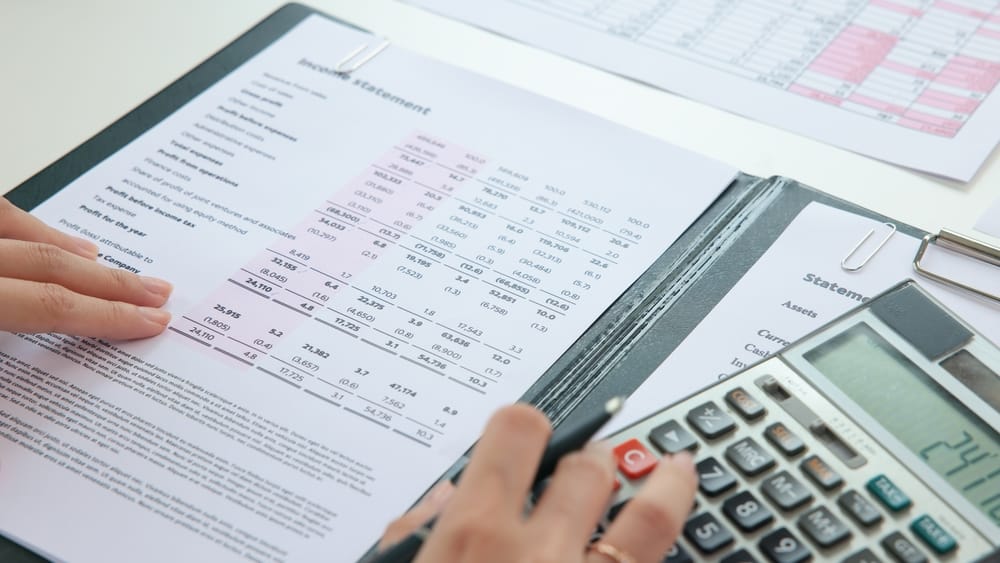
Even well-constructed portfolios can be silently eating away at returns through poor tax management. Advisors might focus on investment performance without addressing the timing of capital gains, dividend distributions, or tax-loss harvesting. Over time, this can make a significant difference in after-tax returns. Winter is the perfect time to review tax strategies before the new year begins. Ensuring your portfolio is tax-efficient means more of your money actually stays in your account instead of slipping away to unexpected liabilities.

Don’t Let Hidden Risks Freeze Your Progress

The biggest risks are often the ones you can’t see at first glance. Winter is the perfect season to pause, reassess, and ask tough questions about your portfolio. Whether it’s concentration, liquidity, behavioral biases, or hidden correlations, understanding these silent threats can make the difference between steady growth and surprise losses.

Have you ever noticed a hidden risk quietly affecting your portfolio? Give us your experiences, insights, or strategies in the comments section below.

You May Also Like…

11 Cryptocurrencies Your Advisor Doesn’t Want You Researching Alone

Does Your Advisor Only Get Paid When You Buy Something New From Them?

8 Creative Methods to Hold Your Advisor Fully Accountable

8 Unusual Financial Fears Advisors Say Are Actually Smart

6 Vital Signs Your Advisor Isn’t Putting Your Interests First


Brandon Marcus
Brandon Marcus

Brandon Marcus is a writer who has been sharing the written word since a very young age. His interests include sports, history, pop culture, and so much more. When he isn’t writing, he spends his time jogging, drinking coffee, or attempting to read a long book he may never complete.
Filed Under: Financial Advisor Tagged With: debt risks, finance, finances, financial advisor, financial risk, general finance, Inflation, interest rates, liquidity, portfolio, seasonal, seasons, tax inefficiency, volatility, winter

7 Financial Words You’re Using Every Day But Have No Idea What They Really Mean

February 10, 2025 by Latrice Perez Leave a Comment

Financial Words

Image Source: 123rf.com

In today’s world, financial terms often pop up in conversations, news, and advertisements. We use them all the time, but how many of us truly understand their full meaning? You may think you know what terms like “tariffs” or “liquidity” mean, but there’s often more to them than meets the eye. Here’s what 7 financial words that you probably use every day actually mean.

1. Tariffs

You’ve likely heard the word “tariffs” being used in the news, especially in discussions around trade wars and international commerce. But what does it really mean? A tariff is a tax or duty imposed by one country on goods or services imported from another. Governments use tariffs to protect local industries, raise revenue, or respond to trade imbalances. While tariffs are often discussed in terms of international trade, they can directly impact the prices of goods you buy, especially imported items like electronics, clothing, or even food. So when you pay more for imported products, those additional costs might be a result of tariffs.

2. Net Worth

When people talk about net worth, it often sounds like a concept reserved for the wealthy. But in reality, net worth is simply the difference between what you own (your assets) and what you owe (your liabilities). It’s an important indicator of your financial health.

To calculate your net worth, you add up all your assets—such as cash, investments, and property—and subtract any debts you have, like mortgages, loans, and credit card balances. Tracking your net worth over time can give you a clear picture of your financial progress and help you plan for the future.

3. Assets

Assets

Image Source: 123rf.com

When people talk about their assets, they typically mean valuable things like a house, car, or savings. But “assets” in the financial world is a broader term that refers to anything of value that you own. This could include cash, investments, real estate, or even intellectual property. The term is often used to determine an individual’s net worth, which is the value of all their assets minus their liabilities (debts). Understanding your assets—and how to protect and grow them—is crucial for making sound financial decisions and planning for the future.

4. Dividends

If you own stocks or shares, you might have heard the word “dividends” thrown around. A dividend is a payment made by a company to its shareholders, typically out of its profits. Companies often pay dividends to reward shareholders for investing in the company and to share the profits. While dividends are common in the world of investing, not every company pays them. Some choose to reinvest profits back into the business instead of distributing them to shareholders. When you invest in dividend-paying stocks, you’re essentially receiving a share of the company’s earnings.

5. Liquidity

When someone mentions “liquidity” in financial discussions, it can sound like a complicated concept. But it simply refers to how easily an asset can be converted into cash without affecting its price. For example, cash is the most liquid asset, because it’s already in the form you can spend. Stocks, bonds, or real estate are considered less liquid because it takes time to sell them and convert them into cash. Liquidity is an important consideration when assessing the health of your finances, as it determines how quickly you can access funds in an emergency or when an investment opportunity arises.

6. Inflation

You’ve probably heard about inflation, especially when prices on everyday goods and services seem to increase over time. Inflation refers to the rate at which the general level of prices for goods and services rises, eroding purchasing power. A little inflation is normal in a growing economy, but if inflation rises too quickly, it can lead to economic instability. For example, if inflation is high, the same amount of money buys fewer goods and services than it did before. It’s important to consider inflation when planning for long-term savings and retirement, as it can impact the value of your money over time.

7. Bonds

Bonds are often mentioned in financial news, but many people don’t fully understand what they are. A bond is essentially a loan that you give to a government or company, in exchange for periodic interest payments and the return of the principal at the bond’s maturity. Bonds are considered relatively low-risk investments compared to stocks, but they also typically offer lower returns. Investors often buy bonds as a way to balance their portfolios and reduce overall risk. Bonds come in various forms, including government bonds, corporate bonds, and municipal bonds, each with its own risk profile and benefits.

Understanding the Financial Lingo

Whether you’re navigating the stock market, looking to buy a home, or just trying to get your financial house in order, understanding these commonly used financial terms is crucial. Many of the words we use daily, like “tariffs,” ” net worth,” or “liquidity,” have deeper meanings and can influence your financial decisions. By learning what these terms truly mean, you’ll be better equipped to make informed decisions that impact your financial future.

Did you already have a good understanding of the terms in the article? If not, which terms did you already know the meanings of, and which ones did you learn today? Let’s talk about it in the comments below.

Read More:

15 English Tongue-Twisters: Words That Will Test Your Speaking Skills

12 Words and Phrases from the 1960’s That Need To Make a Comeback

Latrice Perez

Latrice is a dedicated professional with a rich background in social work, complemented by an Associate Degree in the field. Her journey has been uniquely shaped by the rewarding experience of being a stay-at-home mom to her two children, aged 13 and 5. This role has not only been a testament to her commitment to family but has also provided her with invaluable life lessons and insights.

As a mother, Latrice has embraced the opportunity to educate her children on essential life skills, with a special focus on financial literacy, the nuances of life, and the importance of inner peace.

Filed Under: Personal Finance Tagged With: assets, bonds, credit score, Dividends, financial literacy, financial terms, Inflation, liquidity, Personal Finance, tariffs

FOLLOW US

Search this site:

Recent Posts

  • Can My Savings Account Affect My Financial Aid? by Tamila McDonald
  • 12 Ways Gen X’s Views Clash with Millennials… by Tamila McDonald
  • What Advantages and Disadvantages Are There To… by Jacob Sensiba
  • 10 Tactics for Building an Emergency Fund from Scratch by Vanessa Bermudez
  • Call 911: Go To the Emergency Room Immediately If… by Stephen Kanaval
  • 7 Weird Things You Can Sell Online by Tamila McDonald
  • 10 Scary Facts About DriveTime by Tamila McDonald

Copyright © 2026 · News Pro Theme on Genesis Framework