• Home
  • About Us
  • Toolkit
  • Getting Finances Done
    • Hiring Advisors
    • Debt Management
    • Spending Plan
  • Insurance
    • Life Insurance
    • Health Insurance
    • Disability Insurance
    • Homeowners/Renters Insurance
  • Contact Us
  • Privacy Policy
  • Risk Tolerance Quiz

The Free Financial Advisor

You are here: Home / Archives for credit report

Debt Alert: 6 Ways Holiday Spending Could Trigger a January Credit Score Crisis

December 14, 2025 by Brandon Marcus Leave a Comment

Here Are The Ways Holiday Spending Could Trigger a January Credit Score Crisis

Image Source: Shutterstock.com

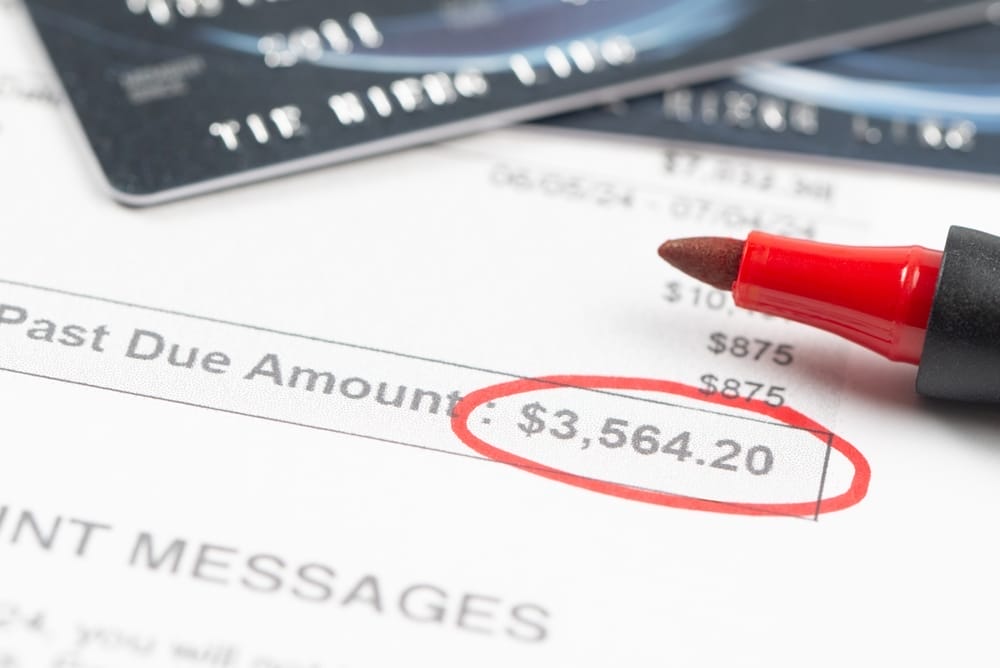
The holidays are supposed to be magical—a time for twinkling lights, festive music, and, of course, gift-giving. But after the last present is unwrapped and the New Year’s confetti settles, reality often hits like a snowball to the face. Credit card statements arrive, debt balances loom, and suddenly, that cozy holiday cheer feels a lot more like financial panic. Even responsible spenders can fall into traps that quietly tank their credit score before January is over.

The problem is that holiday spending isn’t just about overspending—it’s about how small decisions compound in ways most people never anticipate.

1. Maxing Out Credit Cards Without A Repayment Plan

It’s tempting to swipe without thinking when stores are decked out in lights and promotions are everywhere. Unfortunately, maxing out your credit cards over the holidays can dramatically affect your credit utilization ratio, one of the most important factors in your score. High balances relative to your credit limit send a signal to lenders that you might be overextended. Even if you pay the balance off quickly, the timing of reporting can mean your January statement still shows a maxed-out card. Without a clear repayment plan, what felt like a festive splurge can quickly turn into a credit score nightmare.

2. Racking Up Multiple Store Credit Cards

Those “instant approval” offers at checkout might seem harmless—or even smart if they come with a discount. The reality is that opening multiple store credit cards in a short period can ding your credit score in multiple ways. Each application triggers a hard inquiry, which can shave points off your score temporarily. The added new accounts also reduce the average age of your credit history, another factor lenders evaluate. While one or two cards might be manageable, a stack of plastic can make January feel more stressful than celebratory.

3. Missing Minimum Payments During Holiday Chaos

Holiday schedules are hectic, and bills can slip through the cracks. Missing a minimum payment—even by a few days—can have a surprisingly large impact on your credit score. Late payments are reported to credit bureaus and can linger on your report for years. The stress of managing gifts, parties, and travel often means people forget to prioritize monthly bills. Staying organized and setting reminders is critical; otherwise, that cheerful December spending spree can echo as a January credit disaster.

4. Overreliance On Buy Now, Pay Later Options

Buy Now, Pay Later (BNPL) services are everywhere, making it tempting to spread out payments over weeks or months. But while the idea feels harmless, these services can quietly affect your creditworthiness. Missing a payment or delaying your repayment can trigger late fees and potential credit reporting consequences. Even when you pay on time, juggling multiple BNPL plans can lead to a confusing financial picture that increases stress and risk. It’s easy to underestimate the impact until the first statement arrives in January—then panic sets in.

5. Ignoring Existing Debt When Holiday Shopping

It’s easy to get caught up in gift lists and holiday deals, but ignoring pre-existing debt can be dangerous. Adding new balances on top of old ones increases your total debt load and raises your credit utilization across all cards. Lenders see this as a higher risk, and your credit score can drop as a result. Even if your spending seems reasonable, failing to account for ongoing obligations can create a compounding effect. Keeping track of both old and new debt is essential to avoid a post-holiday financial hangover.

6. Not Monitoring Credit Reports Until It’s Too Late

After the holiday rush, many people don’t check their credit reports until something goes wrong. The problem is that errors, overlooked balances, or unexpected charges can silently damage your score if you’re not paying attention. Monitoring your credit allows you to catch issues early, dispute errors, and plan repayment strategies before they spiral. Waiting until January to see your credit score can be a rude awakening. Staying proactive during and after the holidays is key to preventing a financial headache you could have avoided.
Here Are The Ways Holiday Spending Could Trigger a January Credit Score Crisis

Image Source: Shutterstock.com

Stay Ahead Of The Holiday Hangover

The holidays are meant to be joyful, but without careful planning, they can also trigger a credit score crisis that lasts well into the new year. From maxed-out cards to missed payments and Buy Now, Pay Later traps, even well-intentioned spending can have long-term consequences.

Awareness is the first step—recognizing how decisions made in December can affect January and beyond allows you to act before the damage is done. By planning, tracking, and staying organized, it’s possible to enjoy the season without financial regrets.

Have you ever experienced a post-holiday credit surprise? Share your stories, tips, or cautionary tales in the comments section below—we want to hear your experiences.

You May Also Like…

6 Credit Mistakes That Redditors Confess Cost Them Thousands

8 “Harmless” Daily Habits That Are Secretly Wrecking Your Credit Score

The Medical Bill Mistake That Can Cripple Your Credit for a Decade

Accelerate Your Debt Repayment Using Our Powerful Snowball Method.

6 Sneaky Financial Risks Hiding in Holiday Spending


Brandon Marcus
Brandon Marcus

Brandon Marcus is a writer who has been sharing the written word since a very young age. His interests include sports, history, pop culture, and so much more. When he isn’t writing, he spends his time jogging, drinking coffee, or attempting to read a long book he may never complete.


Filed Under: Debt Management Tagged With: average joe debt, avoiding debt, avoiding overspending, buy now pay later, credit, Credit card debt, credit cards, credit repair, credit report, credit score, Debt, debt advice, debt alerts, debt collections, Debt Collectors, debt consolidation, Debt Management, gift-giving, Holiday, holiday spending, Holidays, repayment plans, Smart Spending, spending

6 Credit Mistakes That Redditors Confess Cost Them Thousands

December 8, 2025 by Brandon Marcus Leave a Comment

There Are Countless Credit Mistakes That Redditors Confess Cost Them Thousands

Image Source: Shutterstock.com

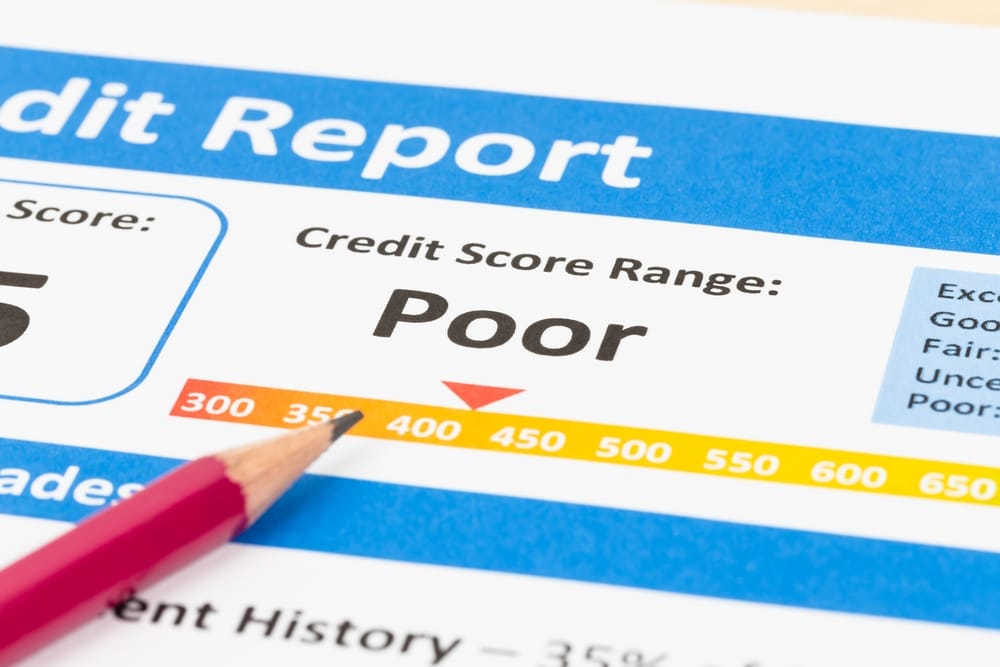
The wild world of Reddit has no shortage of cautionary tales, but few are as brutally honest—or financially painful—as people confessing the credit mistakes that burned them the most. These are not the polished, sanitized stories you’d hear in a financial workshop. These are the raw, funny, chaotic, facepalm-worthy confessions from people who learned credit lessons the hard way and want everyone else to avoid repeating them. And honestly? Some of these mistakes are so common that you might find yourself nervously laughing, nodding along, or quietly rethinking your last late payment.

So let’s dig into the kinds of credit blunders Redditors openly admit cost them thousands—sometimes tens of thousands—and uncover the lessons hidden inside their financial misadventures.

1. Maxing Out Cards “Just This Once”

Reddit is filled with stories of users who swore they’d pay off a big purchase quickly—only to watch the balance snowball out of control. Many believed a temporary max-out wouldn’t hurt their score, but the utilization spike hit harder than expected. When that balance sat there longer than planned, interest charges kicked in with the subtlety of a wrecking ball. Worse, several people admitted they kept spending on the already maxed-out card because they felt the damage was “already done.” What they learned is simple: a credit card at 95% utilization can tank your score faster than almost anything else.

2. Forgetting One Tiny Bill That Turned Into a Credit Nightmare

Redditors love to share stories of a single medical bill, phone bill, or store card they accidentally forgot about—and how that $38 oversight became a $400 collections entry. Many didn’t even know anything was overdue until they checked their reports or were denied a loan. The shock in their posts is palpable, mostly because the mistake felt trivial at the time. What stings even more is how long that mark can stay on a credit report, quietly sabotaging financial opportunities. The takeaway echoes through countless threads: it’s always the small bills that cause the biggest headaches.

3. Closing Old Accounts To “Simplify Finances”

At first glance, closing unused credit cards feels responsible and organized, and plenty of Redditors admit they did it thinking it would boost their credit score. Instead, they wiped out years of credit history in a single click. That shorter history caused their scores to dip dramatically, leaving them confused and frustrated. Some users even realized too late that those old cards were anchoring their utilization ratio in a good place. Their regret is unanimous: closing an old account often hurts much more than it helps.

4. Paying Only the Minimum For Far Too Long

There is no shortage of Reddit threads where users reveal the horrifying moment they calculated how much interest they had paid after years of minimum payments. Many had no idea the balance would barely budge, even as thousands disappeared into interest. Some describe feeling trapped, others admit they ignored the statements because they were too stressful to look at. By the time they faced the numbers, the damage was already done and painfully expensive. It’s a lesson repeated across countless comments: minimum payments keep you afloat, but they never move you forward.

5. Co-Signing Out Of Love, Trust, Or Pure Naivety

Some of the most dramatic credit horror stories on Reddit involve co-signing gone wrong. Whether it was for a partner, a friend, or a family member, these tales often end with missed payments and ruined credit. Many co-signers didn’t even realize they were legally responsible for the entire debt—and sometimes didn’t find out about the missed payments until their score had cratered. The emotional fallout is often just as messy as the financial one, creating whole threads of regret-filled advice. If Reddit has a collective motto on co-signing, it’s this: “Don’t do it unless you’re ready to make the payments yourself.”

6. Applying For Too Many Cards In A Short Time

Redditors frequently confess to impulsively applying for multiple cards to chase rewards, freebies, or sign-up bonuses. What they didn’t expect was how quickly those hard inquiries would stack up and drag down their scores. Many admit they didn’t even realize inquiries stayed on credit reports for years. Others say lenders viewed the applications as “financial desperation,” leading to denied loans or higher interest rates. The confession threads always end with the same advice: space out applications unless you want your credit score to look panicked.

There Are Countless Credit Mistakes That Redditors Confess Cost Them Thousands

Image Source: Shutterstock.com

Learn From The Scars, Not Just The Stories

Redditors may joke, meme, and laugh about their financial disasters, but the lessons underneath their stories are worth taking seriously. Credit mistakes don’t usually happen because people are reckless—they happen because life is messy, stress is real, and small financial choices can snowball in ways no one expects. By understanding where others went wrong, you give yourself the chance to go right.

Have you ever made a credit mistake that cost you more than you expected? Give us all of your stories, lessons, or confessions in the comments section.

You May Also Like…

6 Times When Using Credit Beats Paying With Cash

8 Times “0% Interest” Credit Cards Turn Into Financial Traps

Why Paying Only the Minimum on Your Credit Cards Is a Financial Death Trap

Why Closing an Old, Unused Credit Card Can Wreck Your Credit Score

10 Reasons Your Credit Card Fraud Claim Was Denied—and What You Can Do About It


Brandon Marcus
Brandon Marcus

Brandon Marcus is a writer who has been sharing the written word since a very young age. His interests include sports, history, pop culture, and so much more. When he isn’t writing, he spends his time jogging, drinking coffee, or attempting to read a long book he may never complete.
Filed Under: credit score Tagged With: applying for credit cards, bills, co-sign, co-signing, credit, credit card, credit cards, credit limit, credit mistakes, credit problems, credit repair, credit report, credit score, finance, finances, issues with credit, maxing our credit cards, Reddit

8 “Harmless” Daily Habits That Are Secretly Wrecking Your Credit Score

December 8, 2025 by Brandon Marcus Leave a Comment

Some “Harmless” Daily Habits That Are Secretly Wrecking Your Credit Score

Image Source: Shutterstock.com

Most people walk around feeling pretty confident about their credit—until one day they check it, and suddenly it’s limping along like it just ran a marathon in flip-flops. The truth is, your credit score isn’t only affected by the big stuff like missed payments or maxed-out cards. Sometimes it’s the tiny, everyday habits—the innocent ones you don’t even think twice about—that nibble away at your score until it’s begging for mercy.

These habits hide in plain sight, disguised as completely normal financial behavior, but behind the scenes they can cause chaos. If you’ve ever wondered why your score isn’t rising the way you expect, these sneaky culprits might be the reason.

1. Paying Bills A Few Days Late Because “It’s No Big Deal”

A bill that’s late by a few days might feel harmless, especially if you still intend to pay it within the same week. But lenders and credit systems don’t see “a few days” the way you do—they see inconsistency. Even though most creditors only report payments more than 30 days late, the pattern of last-minute scrambling can eventually lead to slip-ups. One forgetful day becomes a late payment penalty, and one penalty can become a percentage drop in your score. So even if you don’t get hit with a reportable late payment, cutting it close is a risky habit that can eventually bite.

2. Using Too Much Of Your Credit Limit Just Because You’ll Pay It Off

You might assume that as long as you pay your card in full each month, running your cards up to the limit doesn’t matter. But your credit utilization—the amount of credit you’re using compared to what you have available—gets calculated long before you make that payment. If your statement closes when your card is nearly maxed out, the credit bureaus think you’re living dangerously close to debt trouble. High utilization is one of the fastest ways to tank your score, even if you’re financially responsible. What feels like normal spending can look like credit chaos on paper.

3. Frequently Applying For Store Cards To Save Money At Checkout

That tempting “Save 20% today!” pitch at the register seems like a harmless reward. But each application triggers a hard inquiry on your credit report, and enough of them can make you look desperate for credit. Lenders don’t love the idea of someone grabbing multiple cards within short periods—it signals potential financial instability. Even if you never miss a payment on those store cards, the damage from repeated inquiries can linger. And once you have several rarely used cards, they can complicate your financial profile even more.

4. Closing Old Accounts Because You’re “Decluttering” Your Finances

It feels productive to close an old credit card you barely use, like tidying a drawer you never open. Unfortunately, your credit score sees things differently. Old accounts provide valuable credit history, and shutting them down shortens your average account age instantly. Not only that, but closing a card also reduces your overall available credit, raising your utilization—even if you didn’t increase your spending. What feels like simplification can accidentally look like a riskier credit pattern.

5. Ignoring Small Medical Bills Until They “Get Around” To You

Medical bills have a sneaky way of slipping into the shadows and then exploding into collections when you’re not looking. You might think waiting a month or two to handle them is harmless, especially if you’re expecting insurance adjustments.

But medical offices often hand unpaid balances over to collection agencies faster than you think. Once a bill hits collection status, even a tiny one, your credit takes the blow. Treat those little medical statements like precious gems—because ignoring them can cost far more than the original bill.

Some “Harmless” Daily Habits That Are Secretly Wrecking Your Credit Score

Image Source: Shutterstock.com

6. Relying On Autopay Without Double-Checking Anything

Autopay sounds like a gift from the financial gods—set it, forget it, never worry again. Except autopay is only as reliable as the card it charges, the bank account it pulls from, or the expiration date you forgot was approaching. A declined autopay due to insufficient funds or an expired card can lead to missed payments without you even noticing. By the time you catch the mistake, your credit report may already be flashing warning signs. Autopay helps, but ignoring it completely can backfire spectacularly.

7. Disputing Every Tiny Charge Instead Of Letting Things Process

It’s important to be vigilant with your money, but constantly disputing minor charges can create an unexpected ripple effect. While disputes are processed, the affected account may temporarily behave differently on your report, especially if payments are paused. If the dispute doesn’t go your way or creates confusion with your creditor, it can lead to missed payments or accidental delinquencies. Over time, this can make your financial behavior appear inconsistent or disorganized. Sometimes it’s better to allow a charge to clear and then clarify it calmly with the merchant rather than filing dispute after dispute.

8. Letting Subscriptions Auto-Renew Even When You Forget About Them

Subscriptions love quietly draining your account in the background. You may treat them as small, forgettable expenses, but collectively they can cause overdrafts, increased utilization, or missed payments if tied to certain accounts. What starts as a $9.99 auto-renew might snowball into insufficient funds, triggering fees or missed charges on other bills. Credit scoring systems see the symptoms, not the root cause—and the symptoms look like you’re not managing your money well. Keeping unused subscriptions running is like leaving a leaky faucet dripping onto your credit score.

Your Credit Score Reflects Habits, Not Just Big Mistakes

Most people assume credit scores crumble only when something huge goes wrong, but it’s often the small, sneaky habits that slowly chip away at them. The good news is that once you recognize these behaviors, they’re surprisingly easy to adjust. Awareness is half the battle—and the other half is building habits that help your score rise instead of sink.

If you’ve ever discovered one of these habits in your own life, you’re definitely not alone. Share your experiences, stories, or questions in the comments section below so others can learn from them too.

You May Also Like…

Expense Mindset: 5 Budgeting Habits High-Net Individuals Use

7 Money Habits We Wish We Started 10 Years Earlier

Financial Habits of People Who Never Stress About Money

8 Modern Habits That Baffle Older Generations

8 Times “0% Interest” Credit Cards Turn Into Financial Traps


Brandon Marcus
Brandon Marcus

Brandon Marcus is a writer who has been sharing the written word since a very young age. His interests include sports, history, pop culture, and so much more. When he isn’t writing, he spends his time jogging, drinking coffee, or attempting to read a long book he may never complete.
Filed Under: credit score Tagged With: bill, credit, credit cards, credit limit, credit repair, credit report, credit score, daily habits, habits, Money, money issues, paying bills

The Medical Bill Mistake That Can Cripple Your Credit for a Decade

December 8, 2025 by Brandon Marcus Leave a Comment

One Medical Bill Mistake That Can Cripple Your Credit for a Decade

Image Source: Pixabay.com

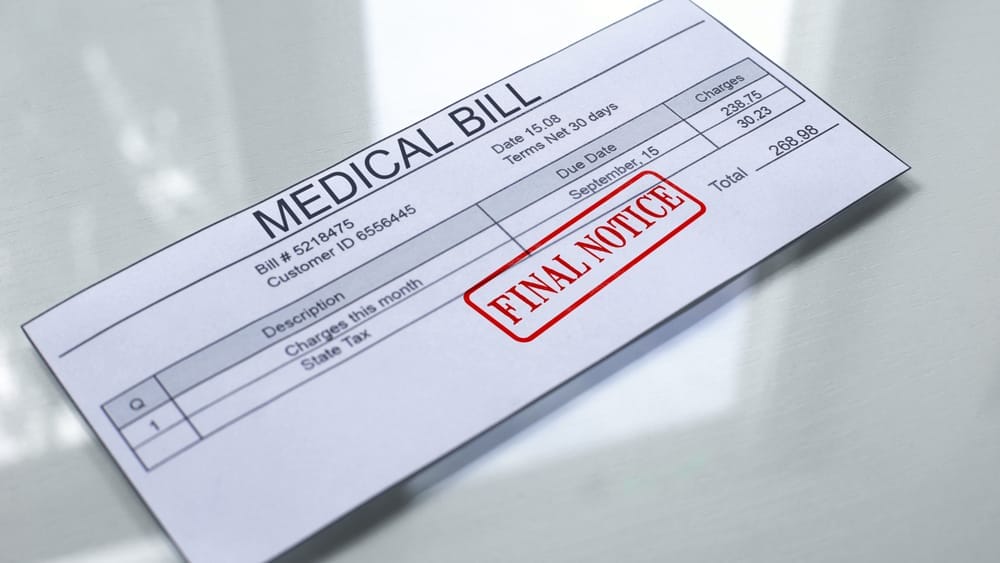
Medical bills have a sneaky way of turning ordinary people into financial thrill-seekers. One minute you’re walking out of the hospital with a prescription and a smile, the next you’re staring at a statement that reads like a foreign language and wondering if you accidentally adopted a small country. It’s not just the outrageous amounts that get people—it’s the subtle mistakes, overlooked paperwork, and billing snafus that can quietly snowball into years of credit damage.

Many people assume that paying something late or disputing a charge is minor, but when medical billing errors hit the credit bureaus, they can haunt you for a decade. Understanding how this happens, and how to fight back, is essential for anyone who wants to keep their financial life intact while navigating the complex world of healthcare.

Why Medical Bills Are Unlike Other Debts

Medical bills are unique because they often come unexpectedly, leaving little time for preparation or negotiation. Unlike a mortgage or car payment, which you plan for in advance, a surprise ER visit or sudden procedure can arrive with costs that rival a small down payment. Mistakes in coding, double-billing, or misapplied insurance payments make it easy to assume you owe more than you actually do. When these errors go unnoticed, they can be reported to credit agencies as delinquent debt, even if you intended to pay the correct amount on time. This is why medical bills require more attention and follow-up than almost any other type of expense.

How A Simple Billing Error Becomes A Credit Nightmare

Even minor errors on a medical bill can escalate quickly if left unchecked. A wrong date, an incorrect patient code, or a missed insurance adjustment can result in the bill being sent to collections. Once in collections, your credit report will show a negative mark, which can linger for up to ten years. Many people only discover this issue when they try to apply for a mortgage, car loan, or even a new credit card. What starts as a small oversight can turn into a decade-long headache that affects almost every area of financial life.

Insurance Confusion Makes Mistakes More Likely

Even when you have insurance, understanding what is covered and what isn’t can be like decoding a secret language. Policies are filled with deductibles, co-pays, out-of-network charges, and confusing terminology that even the most diligent patient can misinterpret. Hospitals and clinics sometimes submit claims incorrectly, leaving patients responsible for balances they should never have owed. Waiting for insurance adjustments without checking the statements can allow incorrect amounts to be reported to collections. Staying on top of every line item and communicating directly with both your insurer and provider is essential to prevent these errors from damaging your credit.

The Collections Trap Is Fast And Relentless

Once a medical bill enters collections, the damage can escalate faster than most people realize. Collection agencies report delinquent accounts to credit bureaus regularly, meaning even a small mistake can have an outsized impact. Unlike other types of debt, you often don’t receive multiple reminders before your account is reported. Many people are caught off guard, believing that “a few weeks late” won’t matter. By the time you discover the issue, the collections mark can already be reflected on your credit report, triggering higher interest rates, loan denials, and stress that lasts for years.

How To Spot And Fix Billing Mistakes Quickly

The key to preventing a decade of credit trouble is vigilance. Review every statement carefully, compare it to your insurance Explanation of Benefits, and verify that each charge is legitimate. If something looks wrong, contact the billing department immediately and request a corrected invoice. Keep meticulous records of every call, email, and response from the provider and insurance company. Prompt action can prevent a billing error from snowballing into a collection account and protect your credit score from unnecessary damage.

Negotiating And Disputing With Confidence

Even when a medical bill is accurate, there’s room for negotiation or dispute. Hospitals and collection agencies often have policies that allow for payment plans, financial assistance, or even reduced balances for prompt resolution. Disputing incorrect charges formally with your insurance or provider can halt collections and remove negative entries from your credit report. Being organized, polite, and persistent can yield better outcomes than you might expect. Taking control early transforms what could be a financial disaster into a manageable situation.

One Medical Bill Mistake That Can Cripple Your Credit for a Decade

Image Source: Pixabay.com

Why Regular Credit Checks Are Critical

Checking your credit report regularly is one of the smartest defenses against long-term damage from medical bills. Errors can appear on your report without your knowledge, sometimes months after the initial mistake. Regular monitoring allows you to spot discrepancies quickly and take action before they affect loan applications or interest rates. Many people delay checking their credit until they need a large loan, by which point errors can be entrenched. Staying proactive helps you correct mistakes before they spiral into decade-long issues.

Protecting Yourself From Future Mistakes

Education and organization are your best allies in preventing medical billing mistakes from ruining your credit. Keep a folder of all bills, insurance statements, and correspondence. Know the key dates for claims, payments, and insurance responses. Develop a habit of reviewing every charge, even small ones, and never assume an error will correct itself. By creating a system for vigilance, you reduce the risk of surprises that can linger for years. Financial peace of mind comes from consistent attention, not hope that everything is fine.

Take Action Before It’s Too Late

Medical bills may seem like just another part of adult life, but one small mistake can ripple through your financial world for a decade. Vigilance, record-keeping, and proactive communication are the keys to keeping your credit safe. Don’t wait until a loan denial or mortgage application shocks you into action—review, dispute, and negotiate before the damage is done. Have you or someone you know experienced a medical billing error that impacted credit? Share your thoughts, stories, or tips in the comments section below—we’d love to hear from you.

You May Also Like…

8 Shocking Costs of Ignoring Small Medical Bills

How Can Medical Bills Wipe Out Savings Faster Than a Market Crash

7 Outrageous Truths About Medical Debt

Could Ignoring Medical Debt Destroy Your Financial Future

Are Your Medical Wishes Legally Enforceable Across State Lines?


Brandon Marcus
Brandon Marcus

Brandon Marcus is a writer who has been sharing the written word since a very young age. His interests include sports, history, pop culture, and so much more. When he isn’t writing, he spends his time jogging, drinking coffee, or attempting to read a long book he may never complete.

Filed Under: Health & Wellness Tagged With: bill mistakes, bills, credit, credit repair, credit report, credit score, debt collection, doctor, doctors, health insurance, hospitals, medical bills, medical debt, medical expenses, spending mistakes

8 Credit Score Secrets That Most Never Hear About

October 24, 2025 by Travis Campbell Leave a Comment

credit score

Image source: shutterstock.com

Your credit score is more than just a number. It can affect your mortgage rate, ability to rent an apartment, or even land a job. But while most people know the basics—pay your bills on time, keep balances low—there are lesser-known tactics that can make a real difference. These aren’t just tips you’ll find on every finance blog. They’re practical, often overlooked strategies that can help you take charge of your financial future. If you’re serious about boosting your credit score, these secrets are worth knowing.

1. Credit Utilization Gets Calculated Per Card and Overall

Most people have heard that keeping your credit card balances low is good for your credit score. But did you know that credit utilization is looked at both per card and across all your cards? If you max out one card but leave the others untouched, your score could still dip. Aim to keep each card’s balance below 30% of its limit, and try to do the same for your total credit usage. This simple move can have a big impact on your credit score, sometimes within just a month or two.

2. Old Accounts Hold More Power Than You Think

It’s tempting to close old credit cards you don’t use anymore. However, the length of credit history is a major factor in your credit score. Those older accounts give your score a boost simply by showing you’ve managed credit for a long time. If there’s no annual fee, consider keeping old cards open. Use them occasionally for small purchases to prevent closure due to inactivity.

3. Credit Inquiries Aren’t All Equal

Not all credit inquiries hit your credit score the same way. “Hard” inquiries—like when you apply for a loan or new card—can lower your score a bit. But “soft” inquiries—like checking your own score or getting pre-approved offers—don’t affect your score at all. So, feel free to check your own credit regularly. It’s smart to keep tabs on your credit report and make sure everything looks right.

4. Timing Your Payments Can Make a Difference

Most people pay their credit card bill by the due date, but did you know the balance reported to the credit bureaus is often your statement balance? If you pay down your balance before your statement closes, a lower amount gets reported. This can instantly lower your credit utilization and give your credit score a quick lift. Even if you pay in full every month, timing matters.

5. You Can Piggyback on Someone Else’s Good Credit

Becoming an authorized user on a family member’s or friend’s credit card can help your credit score—if the primary user has good habits. Their positive payment history and low credit utilization can show up on your credit report, sometimes improving your score quickly. But make sure you trust the person and that the card issuer reports authorized user activity to the credit bureaus. It’s a smart shortcut, but it comes with risks if the account isn’t managed well.

6. Not All Debts Are Treated the Same

Did you know installment loans—like mortgages and auto loans—impact your credit score differently than credit cards? Revolving debt (credit cards) has a bigger effect on your credit utilization ratio, which is a key score factor. Paying down your cards can often boost your credit score faster than paying off an installment loan. If you’re focused on improving your credit score, prioritize lowering credit card balances first.

7. Errors on Your Credit Report Are More Common Than You Think

Many people never check their credit reports, assuming everything is correct. Yet, errors are surprisingly common and can drag down your credit score. Regularly review your reports from all three bureaus. If you spot a mistake, dispute it right away. You’re entitled to a free report from each bureau every year at AnnualCreditReport.com. Fixing even one error can mean a big jump in your credit score.

8. Rent and Utility Payments Can Help—If Reported

Traditionally, rent and utility payments didn’t show up on credit reports. That’s changing thanks to new services that let you report these payments to the credit bureaus. If you’re paying rent on time, consider signing up for a service that will add this history to your report. This is especially helpful for people with thin credit files.

Take Charge of Your Credit Score Today

Improving your credit score doesn’t have to be a mystery. With these eight credit score secrets, you have actionable steps that go beyond the usual advice. Understanding how credit utilization, account age, and even things like rent payments affect your score gives you an edge. Don’t forget to check your credit report for errors and time your payments for the best impact.

Building a strong credit score is about knowing the rules—and sometimes the exceptions. Start with one or two of these strategies, and you might see your credit score climb sooner than you think.

What’s the most surprising thing you’ve learned about your credit score? Share your experience or tips in the comments!

What to Read Next…

  • 5 Things That Instantly Decrease Your Credit Score By 50 Points
  • The Benefits Of Taking Personal Loans And Their Impact On Credit Scores
  • Why Some Credit Reports Are Withholding Important Data
  • Why Are More Seniors Ditching Their Credit Cards Completely
  • Are These 6 Helpful Budget Tips Actually Ruining Your Finances
Travis Campbell
Travis Campbell

Travis Campbell is a digital marketer/developer with over 10 years of experience and a writer for over 6 years. He holds a degree in E-commerce and likes to share life advice he’s learned over the years. Travis loves spending time on the golf course or at the gym when he’s not working.

Filed Under: credit score Tagged With: credit cards, credit report, credit score, credit utilization, Debt Management, Financial Tips, Personal Finance

Why Paying Off a Collection Account Can Actually Lower Your Credit Score

October 14, 2025 by Travis Campbell Leave a Comment

collections

Image source: shutterstock.com

Paying off a collection account might seem like a smart move for your finances. After all, taking care of debt usually feels like a step in the right direction. But when it comes to your credit score, the reality can be more complicated. Many people are surprised to learn that paying off a collection account can actually lower your credit score—at least temporarily. Understanding why this happens is important if you’re trying to improve your credit profile or planning a big purchase. Let’s break down the reasons behind this counterintuitive outcome and how you can navigate the process more wisely.

1. Credit Scoring Models Treat Paid and Unpaid Collections Differently

The way your credit score is calculated depends on the scoring model being used. Some newer models, like FICO 9 and VantageScore 3.0 and above, ignore paid collection accounts. But many lenders still use older models, such as FICO 8, which don’t make a distinction between paid and unpaid collections. In these cases, paying off a collection account won’t immediately improve your score—and it might even cause a temporary drop if the account’s status is updated.

This means that even if you pay off your debt, your credit score might not reflect your responsible action right away. If you’re applying for a loan or mortgage and the lender uses an older credit scoring model, your efforts could go unnoticed in your credit report.

2. Recent Activity Can Reactivate Negative Items

When you pay off a collection account, the collection agency usually updates the account status on your credit report. Scoring models can interpret this update as “recent activity.” Since recent negative activity has a stronger impact on your credit score than older negative items, this status change can cause your score to dip, even though the debt is now paid.

It’s frustrating, but this is how the system currently works. The simple act of updating the collection account can make it appear more relevant in the eyes of the scoring algorithm, at least in the short term.

3. The Collection Account Remains on Your Credit Report

Paying off a collection account doesn’t erase it from your credit history. The account will typically stay on your credit report for up to seven years from the original date of delinquency, whether it’s paid or not. This lingering negative mark continues to affect your credit score until it naturally drops off your report.

Many people assume that paying off a collection will remove it from their records, but that’s not the case. While the account status will change to “paid collection,” the fact that you had a collection account at all is what matters most to credit scoring models.

4. Settling for Less Than the Full Amount May Still Hurt Your Score

Sometimes, collection agencies will accept a settlement for less than the full amount owed. While this can save you money, it doesn’t always help your credit as much as paying in full. The account may be marked as “settled” rather than “paid in full,” which can signal to future lenders that you didn’t satisfy the original debt agreement.

This distinction can still impact your credit score negatively, especially if a lender is reviewing your full credit report. They may see the “settled” status as a sign of past financial trouble, even if the account is no longer outstanding.

5. Multiple Collections and Payment Timing Complicate Things

If you have more than one collection account, the impact of paying off a single account can be diluted. Multiple collections signal ongoing financial distress, regardless of whether one or two are paid off. Timing also plays a role—if you pay off a collection right before applying for new credit, the recent update could lower your score just when you need it to be higher.

Planning when and how to pay off collection accounts is important. Waiting until just before a major loan application might not be the best move. Instead, consider paying them off well in advance to allow your credit score time to recover from any short-term dip.

How to Approach Paying Off Collection Accounts

The reality that paying off a collection account can actually lower your credit score is frustrating, but it shouldn’t stop you from tackling your debt. Over time, paid collections have less impact on your credit than unpaid ones, especially as they age. If your goal is to improve your credit, focus on building a positive payment history on your current accounts and keeping your credit utilization low.

Before you pay, ask the collection agency if they’ll agree to a “pay for delete” arrangement, where they remove the account from your credit report once it’s settled. Not all agencies will do this, but it’s worth a try. Also, check which credit scoring model your potential lender uses, so you know what to expect.

Have you ever seen your credit score drop after paying off a collection account? Share your experience and tips in the comments below!

What to Read Next…

  • 5 Things That Instantly Decrease Your Credit Score By 50 Points
  • The Benefits Of Taking Personal Loans And Their Impact On Credit Scores
  • Why Some Credit Reports Are Withholding Important Data
  • Why Are More Seniors Ditching Their Credit Cards Completely
  • Why Credit Limits Are Being Lowered Without Consent
Travis Campbell
Travis Campbell

Travis Campbell is a digital marketer/developer with over 10 years of experience and a writer for over 6 years. He holds a degree in E-commerce and likes to share life advice he’s learned over the years. Travis loves spending time on the golf course or at the gym when he’s not working.

Filed Under: credit score Tagged With: credit report, credit score, credit tips, debt collection, debt payoff, Personal Finance

6 Shocking Things Debt Collectors Are Legally Allowed to Do

October 11, 2025 by Travis Campbell Leave a Comment

debt collectors

Image source: shutterstock.com

If you’ve ever fallen behind on a bill, you might have experienced the stress of hearing from a debt collector. These calls and letters can feel intimidating, but knowing your rights is crucial. Many people are surprised to learn just how much power debt collectors actually have under the law. Understanding what debt collectors are legally allowed to do can help you protect yourself and make informed decisions. This knowledge may even help you avoid unnecessary anxiety or costly mistakes. Let’s break down six shocking things debt collectors are permitted to do—and what you can do about it.

1. Contact You Repeatedly—Within Limits

One of the most surprising things about debt collectors is how persistent they can be. The Fair Debt Collection Practices Act (FDCPA) allows debt collectors to contact you by phone, mail, email, or even text message. As long as they follow certain rules, they can reach out multiple times a week. However, they are not allowed to harass you or call at unreasonable hours (typically before 8 a.m. or after 9 p.m.).

While it might feel overwhelming, these repeated contacts are legal as long as collectors avoid threats or abusive language. If you want the calls to stop, you can request in writing that the debt collector only communicate in certain ways, or not at all. Keep a record of your communications to protect yourself if the situation escalates.

2. Discuss Your Debt With Your Spouse or Attorney

Many people assume that debt collectors must keep your information completely private. In reality, collectors are allowed to discuss your debt with your spouse or your attorney. This is especially true if you live in a community property state, where spouses may share responsibility for certain debts.

However, debt collectors cannot share information about your debt with unauthorized third parties, such as your employer or neighbors. If they do, that could violate your rights under the FDCPA. If you have legal representation, direct the collector to speak with your attorney to avoid further direct contact.

3. Seek Payment for Old Debts

Another shocking thing debt collectors are legally allowed to do is try to collect on debts that are many years old. These are often called “zombie debts.” Even if the statute of limitations has expired, a collector can still ask you to pay. The catch? They can’t sue you to collect the debt if it’s past the statute of limitations, but they can keep contacting you and requesting payment.

Be very careful before making any payments or promises on old debts. In some states, making a payment or acknowledging the debt can restart the statute of limitations, making you legally responsible for it again. If you’re unsure about your rights, consult a consumer protection attorney or reach out to a reputable resource like the Consumer Financial Protection Bureau.

4. Report Your Debt to Credit Bureaus

Debt collectors can report your unpaid debts to the major credit bureaus, which can damage your credit score. This is one of the most powerful tools they have. Negative information can stay on your credit report for up to seven years, even if the debt is eventually paid off or settled.

This legal power is a major reason why it’s important to address debt collection issues quickly. Ignoring a debt collector doesn’t make the problem go away—it can make things worse by hurting your ability to borrow money, rent an apartment, or even get a job in some cases. Regularly check your credit report to see what information is being reported, and dispute any errors you find.

5. Sue You for Unpaid Debts

Yes, debt collectors are legally allowed to take you to court to try to collect what you owe. If you ignore their attempts to contact you, they may file a lawsuit. If you fail to respond to the court summons, the collector can win the case by default, which could lead to wage garnishment or liens on your property.

It’s vital to respond to any legal notices you receive, even if you think the debt isn’t valid. Show up in court with any evidence you have. Sometimes collectors don’t have the proper paperwork, which may allow you to get the case dismissed. If you’re sued, consider seeking help from a legal aid organization or a consumer attorney familiar with debt collection laws.

6. Negotiate Settlement Offers

It may surprise you to learn that debt collectors are legally allowed to negotiate and settle debts for less than the full amount owed. This means you can often work out a payment plan or a lump-sum settlement that resolves the debt for a lower amount.

This flexibility gives you some leverage. If you’re struggling to pay, don’t be afraid to negotiate. Get any settlement agreement in writing before sending money. Keep all records of your communication and payments. Remember, settling a debt for less than you owe may still impact your credit, but it can help you move forward financially.

Know Your Rights With Debt Collectors

Understanding what debt collectors are legally allowed to do can help you take control of your financial situation. The primary keyword here is “debt collectors,” and knowing their limits is essential for protecting your rights. While some of their powers may seem extreme, there are clear boundaries in place to prevent abuse.

Stay proactive: keep records, respond promptly, and never ignore legal notices. If you ever feel a collector is crossing the line, don’t hesitate to seek help or file a complaint. Being informed puts you in a stronger position to resolve debts and rebuild your financial future.

Have you had a surprising experience with debt collectors? Share your story or questions in the comments below!

What to Read Next…

  • 5 Emergency Repairs That Could Force You Into Debt Overnight
  • 5 Things That Instantly Decrease Your Credit Score By 50 Points
  • Why Are So Many Seniors Being Sued Over Student Loans They Didn’t Take Out?
  • What Happens If Your Spouse Has Secret Debt You Didn’t Know About?
  • 7 Legal Loopholes That Let Authorities Freeze Assets Without Warning
Travis Campbell
Travis Campbell

Travis Campbell is a digital marketer/developer with over 10 years of experience and a writer for over 6 years. He holds a degree in E-commerce and likes to share life advice he’s learned over the years. Travis loves spending time on the golf course or at the gym when he’s not working.

Filed Under: Debt Management Tagged With: consumer rights, credit report, debt collection, Debt Collectors, Personal Finance, statute of limitations

The Credit Score Hack Financial Advisors Use That Banks Hope You Never Learn

September 18, 2025 by Travis Campbell Leave a Comment

credit

Image source: pexels.com

Your credit score is more than just a number. It determines the rates you pay on loans, your eligibility for mortgages, and even your ability to rent an apartment. Yet, most people don’t realize that a simple credit score hack can make a dramatic difference. Financial advisors have been using this strategy for years while banks quietly hope you remain in the dark. If you’re looking to save money and boost your financial health, understanding this credit score hack is essential. Let’s break down exactly what you need to know about this powerful technique and how you can start using it today.

1. The Primary Credit Score Hack: Authorized User Status

The most effective credit score hack financial advisors recommend is becoming an authorized user on someone else’s well-managed credit card. When you’re added as an authorized user, the card’s payment history and credit limit are reported on your credit file. This can quickly improve your own credit score, especially if your credit history is thin or your score is lower than you’d like.

Banks don’t publicize this because it allows you to piggyback on someone else’s good credit habits without taking on new debt. In fact, this strategy can be especially helpful for young adults or those recovering from past credit mistakes. Just make sure the primary cardholder pays their bills on time and keeps balances low. Otherwise, negative activity could also show up on your report.

2. Choose the Right Credit Card Account

Not all credit cards are created equal when it comes to this credit score hack. The best accounts for authorized user status are those with a long history of on-time payments and low credit utilization. The account should be several years old, as older accounts positively influence your average age of credit, a key factor in your credit score calculation.

Before asking someone to add you, have an honest conversation about their payment habits. Being linked to a card with late payments or high balances can actually hurt your credit score. If you have a family member or close friend with excellent credit, that’s your best bet. Remember, you don’t need to use the card—just being added is enough.

3. Monitor Your Credit Reports Closely

After you’re added as an authorized user, keep an eye on your credit reports. You should see the new account show up within a month or two. If it doesn’t, contact the credit card issuer to make sure they report authorized users to all three major bureaus. Some cards only report to one or two, so choose accordingly when planning this credit score hack.

Regularly checking your credit report is a smart habit anyway. You can get a free copy from each bureau every year through AnnualCreditReport.com. Look for errors or unexpected changes. If you spot trouble, address it right away to protect your score.

4. Use the Hack Responsibly and Ethically

While the authorized user credit score hack is powerful, it comes with responsibility. Never pressure someone to add you if they’re uncomfortable, and don’t attempt to “rent” authorized user status from strangers online. This can backfire and may even violate card issuer rules.

Instead, focus on building a trusting relationship. Offer to help the primary cardholder in other ways or explain how this move could help you reach your financial goals. Be transparent and always prioritize honesty. Used correctly, this strategy can benefit both parties and set you up for long-term financial success.

5. Combine With Other Credit Score Boosting Habits

Don’t rely solely on the authorized user method. Combine this credit score hack with good habits like paying your own bills on time, keeping your credit utilization below 30%, and avoiding unnecessary inquiries. Over time, these steps work together to build a strong and resilient credit profile.

Consider setting up payment reminders or enrolling in automatic payments. If you’re working to pay down debt, tackle high-interest balances first. If you’re unsure where to start, a financial advisor can help you plan a strategy tailored to your goals.

Why Banks Don’t Want You to Know This

Banks profit when customers have lower credit scores. Higher rates and fees mean more money for them. That’s why they rarely talk about the authorized user credit score hack. If more people used this technique, banks would see a drop in revenue from interest and penalty charges. Knowledge really is power when it comes to your financial future.

By taking control of your credit score, you’re not just saving money—you’re opening doors to better opportunities. Whether you want a new car, a home, or simply peace of mind, this credit score hack can give you an edge. If you’ve tried this strategy or have questions, what was your experience? Share your story or ask below!

What to Read Next…

  • 5 Things That Instantly Decrease Your Credit Score By 50 Points
  • The Benefits Of Taking Personal Loans And Their Impact On Credit Scores
  • Why Some Credit Reports Are Withholding Important Data
  • Why Are More Seniors Ditching Their Credit Cards Completely
  • Why Credit Limits Are Being Lowered Without Consent
Travis Campbell
Travis Campbell

Travis Campbell is a digital marketer/developer with over 10 years of experience and a writer for over 6 years. He holds a degree in E-commerce and likes to share life advice he’s learned over the years. Travis loves spending time on the golf course or at the gym when he’s not working.

Filed Under: credit score Tagged With: authorized user, banking, credit card, credit report, credit score, financial advisor, Personal Finance

How Can Small Debt Collectors Wreck Credit for Years

September 6, 2025 by Travis Campbell Leave a Comment

debt

Image source: pexels.com

It’s easy to think that only big debts or major collection agencies can damage your credit score. But the reality is that even small debt collectors can leave a lasting mark on your financial life. Whether it’s an old medical bill, a forgotten utility payment, or a minor retail debt, these smaller collections can quietly chip away at your credit for years. Understanding how small debt collectors operate—and the outsized effect they can have—is key to protecting your credit score. If you’ve ever wondered why a tiny, forgotten debt keeps haunting your credit report, you’re not alone. Let’s look at how small debt collectors can wreck credit for years and what you can do to fight back.

1. Reporting to Credit Bureaus—No Matter the Amount

Many people assume that only large unpaid debts get reported to credit bureaus. That’s not true. Small debt collectors often report even the tiniest unpaid balances—sometimes just a few dollars. Once a collection account appears on your credit report, it can drag down your score for up to seven years, even after you pay it off.

This means a single overlooked bill, passed to a small collector, can have the same long-term impact as a much larger debt. The size of the collection doesn’t matter to the credit scoring models. What matters is that it went to collections in the first place. That’s why small debts can do outsized damage to your credit score and linger much longer than you’d expect.

2. Persistent Collection Efforts and Re-aging

Small debt collectors often buy portfolios of old, low-value debts for pennies on the dollar. Their business model relies on persistence. They may call, email, or send letters for years, hoping you’ll pay just to make them go away. But here’s the kicker: some collectors may try to “re-age” the debt.

Re-aging occurs when a collector updates the last activity date on a debt, making it appear newer than it actually is. While this practice is illegal unless you actually make a payment or a new agreement, it still happens. When this occurs, the collection can stay on your credit report even longer, causing more damage. This is one way small debt collectors can wreck credit for years, long after you thought the debt was gone.

3. Medical and Utility Debts Are Prime Targets

Medical bills and utility debts are among the most common types of small debts sent to collections. Maybe you moved and didn’t get a final bill, or insurance didn’t cover a small medical expense. These small balances can slip through the cracks. Once they’re handed over to a collection agency, they’re reported just like any other debt.

Even if you pay the original creditor, the fact that it went to collections may still show up on your credit report. Some small debt collectors may not update the bureaus promptly, either, leaving paid debts marked as unpaid. This confusion can make it harder to recover your credit score and can keep your report looking worse than it should for years.

4. Impact on Future Credit and Loan Approvals

Any collection account, big or small, can make it harder to get approved for a loan, credit card, or mortgage. Lenders see collections as a major red flag, regardless of the amount. Even if your collection is only $50, it signals to lenders that you might be a risky borrower.

This can mean higher interest rates, lower credit limits, or outright denials. In some cases, landlords and employers check credit reports too. A small debt in collections could cost you an apartment or even a job. This is another way small debt collectors can wreck credit for years, limiting your options long after the debt itself is gone.

5. Difficulty Disputing Small Debts

It’s often harder to dispute a small debt than a large one. Some small debt collectors may have incomplete or inaccurate records. But getting them to remove a collection from your credit report can be a long, frustrating process.

They may not respond promptly to disputes, or they might provide minimal documentation. Meanwhile, the collection stays on your report, dragging down your score. If you don’t monitor your credit regularly, you might not even notice the collection until you apply for new credit. By then, the damage is done, and fixing it can take months or even years.

Protecting Yourself from Small Debt Collectors

Staying on top of your finances—especially small, easy-to-forget bills—is the best way to avoid surprises from small debt collectors. Set up reminders for recurring bills, check your mail and email for statements, and review your credit report at least once a year. You’re entitled to a free report from each bureau every year at AnnualCreditReport.com.

If you do find a small debt in collections, act quickly. Validate the debt and dispute any errors. Don’t ignore collection letters or calls. Sometimes, collectors may be willing to negotiate a “pay for delete” agreement, where they remove the collection from your report in exchange for payment. Always get these agreements in writing before you pay.

If you feel a collector is violating your rights or reaging debts illegally, seek help. The Consumer Financial Protection Bureau offers resources and a complaint process you can use. Remember, even small debts deserve your attention, because small debt collectors can wreck credit for years if left unchecked.

Have you ever had a minor debt sent to collections? How did it affect your credit? Share your experience in the comments below!

What to Read Next…

  • 5 Things That Instantly Decrease Your Credit Score By 50 Points
  • The Benefits Of Taking Personal Loans And Their Impact On Credit Scores
  • Why Are So Many Seniors Being Sued Over Student Loans They Didn’t Take Out?
  • Why Credit Limits Are Being Lowered Without Consent
  • What Happens To Your Credit Score If Your Cell Provider Changes Ownership?
Travis Campbell
Travis Campbell

Travis Campbell is a digital marketer/developer with over 10 years of experience and a writer for over 6 years. He holds a degree in E-commerce and likes to share life advice he’s learned over the years. Travis loves spending time on the golf course or at the gym when he’s not working.

Filed Under: credit score Tagged With: collections, credit repair, credit report, credit score, debt collection, Personal Finance

10 Credit Report Errors That Saddled Retirees With Denied Loans

August 14, 2025 by Travis Campbell Leave a Comment

credit report

Image source: pexels.com

Retirement should be a time to relax, not a time to worry about loan denials. But for many retirees, credit report errors have turned simple loan applications into stressful ordeals. These mistakes can block access to home equity, car loans, or even a new credit card. The problem is more common than you might think. A single error can mean the difference between approval and rejection. If you’re retired or planning to retire soon, understanding these credit report errors is key. Here are the most common mistakes that have left retirees with denied loans—and what you can do about them.

1. Outdated Personal Information

Lenders use your personal details to verify your identity. If your credit report lists an old address, a misspelled name, or the wrong Social Security number, it can cause confusion. Sometimes, these errors lead to your application being flagged or denied. Retirees who have moved after downsizing or changed their names after marriage or divorce are especially at risk. Always check that your credit report matches your current information. If you spot a mistake, contact the credit bureau to fix it right away.

2. Accounts That Don’t Belong to You

It’s not unusual for retirees to find accounts on their credit reports that they never opened. This can happen if someone with a similar name or Social Security number opens an account, or if a lender reports information to the wrong file. These accounts can show late payments or high balances, dragging down your credit score. If you see an account you don’t recognize, dispute it immediately. The credit bureau must investigate and remove any account that isn’t yours.

3. Incorrect Account Status

Sometimes, a paid-off loan still shows as open or delinquent. This is a common error for retirees who have recently paid off mortgages, car loans, or credit cards. Lenders may forget to update the status, or the update may not reach all three credit bureaus. An account marked as delinquent or unpaid can lead to a loan denial. Check your credit report for closed accounts that should be marked as “paid in full.” If you find a mistake, ask the lender to update the information.

4. Duplicate Accounts

Duplicate accounts can make it look like you have more debt than you actually do. This often happens when a lender reports the same account to multiple credit bureaus under slightly different names or account numbers. For retirees, this can be a big problem if you’re applying for a loan and your debt-to-income ratio looks too high. Review your credit report for duplicate listings and dispute any repeats you find.

5. Old Debts That Should Have Dropped Off

Negative information, like late payments or collections, should only stay on your credit report for a set number of years—usually seven. But sometimes, old debts linger long after they should have disappeared. This can hurt your credit score and lead to loan denials. Retirees who paid off debts years ago are often surprised to see them still listed. If you spot outdated negative items, file a dispute with the credit bureau to have them removed. The Consumer Financial Protection Bureau explains how long different items should stay on your report.

6. Incorrect Credit Limits

Your credit utilization ratio—the amount of credit you’re using compared to your total available credit—affects your score. If your credit report lists a lower credit limit than you actually have, it can make your utilization look higher. This is a common error for retirees who have had the same credit cards for years. A lower limit can mean a lower score and a denied loan. Check your credit limits and ask your card issuer to update any incorrect information.

7. Payment History Errors

Payment history is the biggest factor in your credit score. Even one missed payment can drop your score and lead to a loan denial. Sometimes, payments are marked late by mistake, especially if you paid by mail or through a third party. Retirees who travel or split time between homes may be more likely to have payments misapplied. If you see a late payment that isn’t correct, contact your lender and the credit bureau to fix it.

8. Mixed Credit Files

Mixed files happen when information from another person’s credit report ends up on yours. This is more common for people with common names or similar Social Security numbers. Retirees may not notice until they’re denied a loan for a reason that doesn’t make sense. Mixed files can include someone else’s debts, bankruptcies, or even criminal records. If you suspect your file is mixed, request a copy of your credit report from all three bureaus and look for unfamiliar information.

9. Identity Theft

Identity theft is a growing problem, especially for retirees. Thieves can open new accounts in your name, run up debt, and leave you with the mess. These fraudulent accounts can destroy your credit score and lead to loan denials. If you see accounts you didn’t open or charges you didn’t make, act fast. Place a fraud alert on your credit file and contact the credit bureaus. The Federal Trade Commission offers step-by-step help for victims of identity theft.

10. Incorrect Public Records

Bankruptcies, tax liens, and civil judgments are public records that can appear on your credit report. Sometimes, these records are reported in error or not removed after they’re resolved. For retirees, an incorrect bankruptcy or lien can mean an automatic loan denial. Check your credit report for public records and make sure they’re accurate. If you find a mistake, contact the court and the credit bureau to correct it.

Protecting Your Credit in Retirement

Credit report errors can happen to anyone, but retirees are often hit hardest. A denied loan can disrupt your plans and add stress to your retirement years. The good news is you can take control. Check your credit report at least once a year. Dispute any errors you find. Keep records of your payments and account closures. If you’re denied a loan, ask the lender for the reason and review your credit report for mistakes. Staying proactive can help you avoid surprises and keep your financial options open.

Have you ever found a credit report error that caused problems? Share your story or tips in the comments below.

Read More

Are Your Social Media Posts Creating a Credit Risk?

Why Are More Seniors Ditching Their Credit Cards Completely?

Travis Campbell
Travis Campbell

Travis Campbell is a digital marketer/developer with over 10 years of experience and a writer for over 6 years. He holds a degree in E-commerce and likes to share life advice he’s learned over the years. Travis loves spending time on the golf course or at the gym when he’s not working.

Filed Under: credit score Tagged With: credit errors, credit report, credit score, denied loans, financial mistakes, identity theft, loan application, Personal Finance, retirees, retirement planning

  • « Previous Page
  • 1
  • 2
  • 3
  • Next Page »

FOLLOW US

Search this site:

Recent Posts

  • Can My Savings Account Affect My Financial Aid? by Tamila McDonald
  • 12 Ways Gen X’s Views Clash with Millennials… by Tamila McDonald
  • What Advantages and Disadvantages Are There To… by Jacob Sensiba
  • 10 Tactics for Building an Emergency Fund from Scratch by Vanessa Bermudez
  • Call 911: Go To the Emergency Room Immediately If… by Stephen Kanaval
  • 7 Weird Things You Can Sell Online by Tamila McDonald
  • 10 Scary Facts About DriveTime by Tamila McDonald

Copyright © 2026 · News Pro Theme on Genesis Framework