• Home
  • About Us
  • Toolkit
  • Getting Finances Done
    • Hiring Advisors
    • Debt Management
    • Spending Plan
  • Insurance
    • Life Insurance
    • Health Insurance
    • Disability Insurance
    • Homeowners/Renters Insurance
  • Contact Us
  • Privacy Policy
  • Risk Tolerance Quiz

The Free Financial Advisor

You are here: Home / Archives for credit tips

7 Questions to Ask Before Using Buy Now, Pay Later

March 17, 2026 by Brandon Marcus Leave a Comment

7 Questions to Ask Before Using Buy Now, Pay Later

Image Source: Shutterstock.com

Buy Now, Pay Later has exploded across online shopping like wildfire. It promises instant gratification without the sting of immediate payment, making checkout feel like a cheat code for adulting. But the convenience comes with strings attached, and ignoring them can turn a fun shopping hack into a financial headache faster than anyone expects. Millions of people now swipe, click, or tap their way into BNPL programs, from furniture and electronics to fashion and travel accessories.

While splitting payments sounds harmless, the reality behind interest, fees, and timelines often lurks just out of sight. Understanding the details before saying yes can save hundreds or even thousands of dollars over time. Smart shoppers approach BNPL like a strategy game instead of a magic trick. Asking the right questions before committing can protect both cash flow and credit scores.

1. How Will This Affect My Monthly Budget?

The first question anyone should ask is simple but essential: how does this fit into the monthly budget? Even small purchases, when split into four or six installments, can sneakily pile up and strain finances without anyone noticing. The immediate thrill of taking something home without paying can hide the long-term impact on cash flow. BNPL payments are not optional extras—they’re legally binding obligations. Late payments can trigger fees, and missing multiple installments can damage credit reports depending on the provider. A household that already juggles rent, utilities, groceries, and other bills must evaluate whether adding BNPL obligations keeps the budget balanced or introduces unnecessary risk.

Mapping out upcoming payments before checkout can prevent surprises. Shoppers who create a simple calendar of installments will likely see how each purchase fits alongside other expenses. This habit forces realistic reflection on whether the purchase is affordable or just temporarily tempting. The goal is financial clarity, not guilt, so every BNPL commitment should slot smoothly into the budget.

Understanding the monthly impact also helps avoid the most common trap: buying multiple items on BNPL at the same time. Each purchase multiplies the risk if income fluctuates or unexpected bills arise. Treating BNPL like a planned expense rather than a free ride keeps finances stable and stress-free.

2. What Are the Fees and Interest Rates Hidden in the Fine Print?

BNPL services often advertise “no interest” or “zero fees,” but the devil lives in the fine print. Missing a payment can trigger late fees that quickly overshadow the original purchase price. Some platforms charge interest after a grace period, and the way it compounds can catch even disciplined shoppers off guard. Each provider structures fees differently, meaning that one BNPL program might feel painless while another quietly drains cash if terms are ignored. Shoppers who fail to review this carefully may encounter unexpected bills, turning what felt like a $200 purchase into a $250 or $300 headache. Comparing terms across platforms before committing allows for smarter decisions that minimize hidden costs.

Understanding the exact timing of payments also matters. If installments are weekly rather than monthly, the perceived “affordability” can feel misleading. Payments that appear small may actually accumulate faster than anticipated, especially if multiple purchases run concurrently. Transparency and awareness about these mechanics make BNPL a helpful tool instead of a trap.

Late fees and interest can accumulate silently, so reading the fine print becomes an act of self-protection. Asking “what happens if I miss a payment?” and getting the answer in clear numbers ensures shoppers stay in control. Knowledge of fees transforms BNPL from a gamble into a predictable, manageable financial option.

3. Can I Actually Pay This Off on Time?

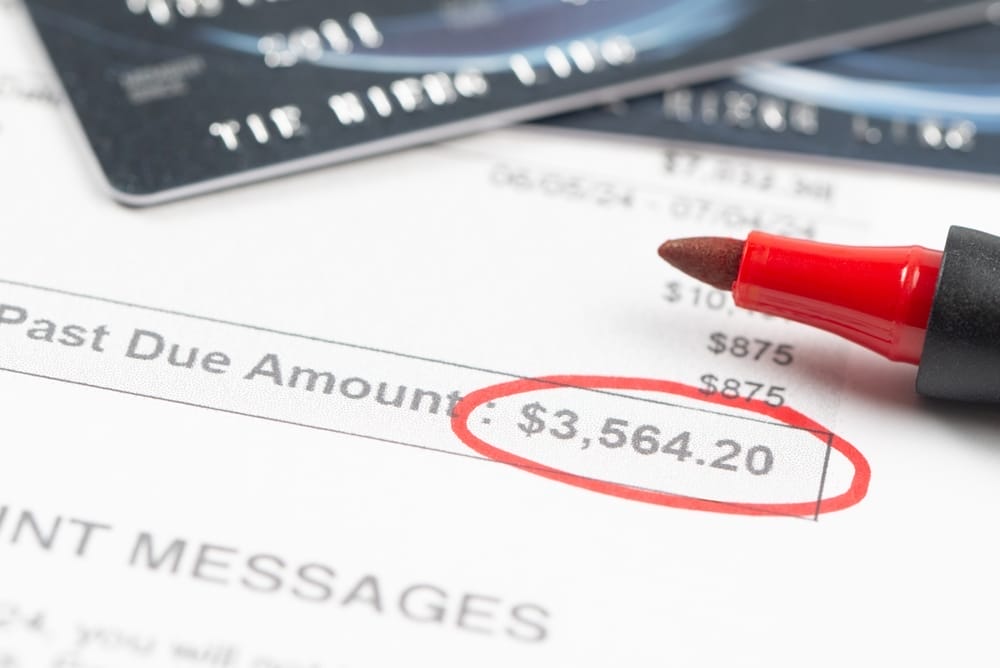
A BNPL purchase is only as safe as the ability to make the scheduled payments. Impulse buying can feel harmless, but missing an installment has consequences beyond immediate fees. Repeated missed payments can damage credit, making future borrowing more expensive and potentially harming long-term financial goals. Shoppers should realistically assess cash flow and timing before committing. Planning around paycheck schedules, recurring bills, and seasonal expenses gives a clear picture of whether paying on time is realistic. This step prevents small convenience purchases from cascading into long-term headaches.

For larger items, splitting payments might seem manageable at first glance but could collide with other financial priorities. Evaluating the total monthly obligations across all BNPL purchases ensures that nothing sneaks under the radar. Treating BNPL like a mini-loan rather than a freebie creates accountability and keeps the financial plan intact.

The ability to pay on time also reinforces discipline. Those who treat BNPL responsibly gain convenience without penalty, while those who underestimate commitments often face stress and financial setbacks. Planning, awareness, and honest evaluation make the difference between a helpful tool and a cautionary tale.

7 Questions to Ask Before Using Buy Now, Pay Later

Image Source: Shutterstock.com

4. What Happens If I Return the Item?

Returns complicate BNPL transactions more than traditional credit or debit payments. Some platforms refund purchases immediately, while others require shoppers to continue paying installments until the return processes fully. Timing issues or delays can make the process confusing or temporarily costly. Understanding the return policy in advance ensures no surprises at checkout. Some merchants coordinate directly with the BNPL provider, while others treat the loan separately, meaning shoppers must confirm the refund reaches the lender before the balance adjusts. Miscommunication can result in duplicate payments or lingering charges.

Return policies also influence purchasing decisions. A product that seems perfect online may feel less appealing if returning it introduces extra steps or risks. Knowing exactly how returns interact with the payment plan allows shoppers to make confident decisions and avoid headaches. Additionally, some BNPL providers enforce minimum repayment requirements before processing refunds, which can temporarily affect cash flow. Planning for these scenarios preserves financial stability and prevents frustration. Clear understanding transforms the shopping experience from risky guesswork to confident action.

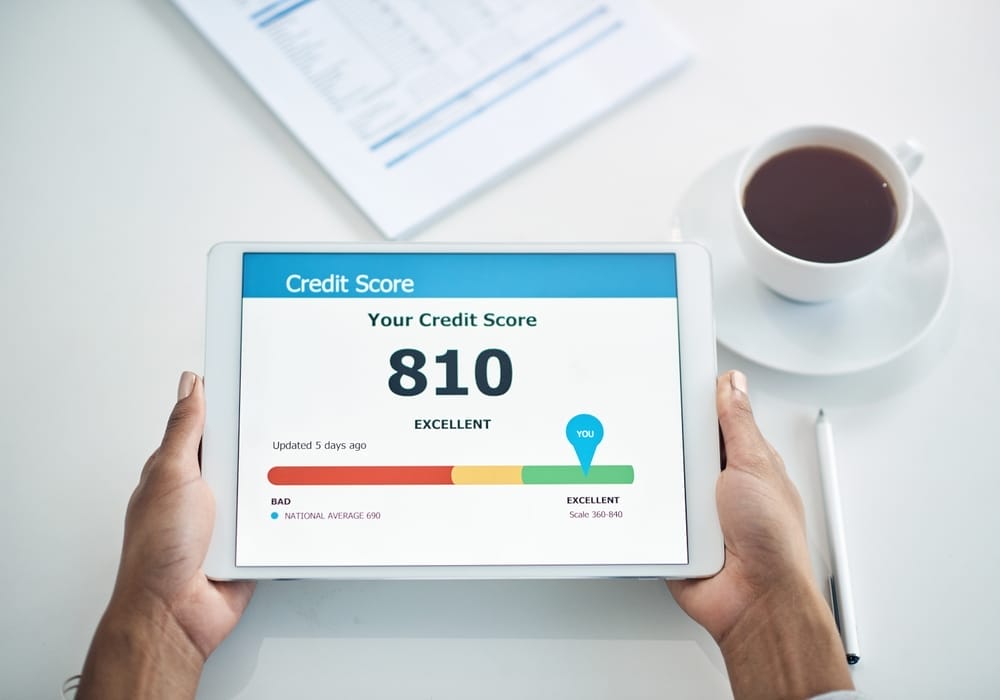
5. How Will This Affect My Credit Score?

BNPL programs impact credit differently depending on the provider. Some report on-time payments to credit bureaus, which can strengthen credit history, while others report missed payments, which can damage scores. Understanding the credit implications is crucial for anyone considering larger purchases or future loans. A borrower’s existing credit profile also plays a role. If cash flow is tight and payments are missed, BNPL could compound financial strain while hurting creditworthiness. Alternatively, responsible usage of BNPL may demonstrate the ability to handle small installment loans, adding positive activity to a credit report.

Checking whether the BNPL provider reports to all three major credit bureaus clarifies potential effects. Not all services do, so confirming the reporting structure helps align financial strategy with long-term credit goals. For households planning major purchases in the near future, this knowledge can influence which BNPL program feels safe.

Credit impact goes beyond immediate scores. Missed payments could increase borrowing costs elsewhere or delay approvals for larger loans. Understanding and planning for these consequences transforms BNPL from a casual convenience into a calculated financial choice.

6. Could This Encourage Overspending?

The psychological effect of BNPL cannot be ignored. Paying later can make items feel cheaper than they actually are, encouraging purchases that might not fit within a true budget. Splitting payments can disguise the real cost of multiple items piling up simultaneously. Shoppers who rely too heavily on BNPL risk creating a cycle of deferred spending, which can balloon over weeks or months. Impulse purchases may feel harmless in the moment, but the cumulative effect can strain finances if payments coincide with unexpected expenses. Awareness of this tendency allows for proactive control.

Setting clear purchase limits and treating BNPL like a mini-loan rather than free money helps prevent overspending. Evaluating whether an item is truly needed or fits within existing financial plans reduces the temptation to buy beyond means. Discipline transforms BNPL from a dangerous gimmick into a convenient, responsible tool.

Understanding this effect also allows for smarter timing. Using BNPL for planned, budgeted purchases, rather than impulsive wants, maintains both convenience and control. The key is keeping psychology in check while leveraging the practical benefits of delayed payment.

7. Is There a Safer Alternative?

Finally, every shopper should ask whether BNPL is the best option or if a safer alternative exists. Saving in advance, using a low-interest credit card responsibly, or exploring store financing can sometimes offer better terms without introducing unnecessary risk. Alternative methods also provide more flexibility if circumstances change. Credit cards, for example, allow partial payments or adjustments without triggering automatic late fees in many cases. Savings-first strategies prevent debt from forming altogether, maintaining a stronger financial foundation.

BNPL may remain appealing for certain purchases, but understanding all available tools creates smarter decision-making. Evaluating interest, fees, timing, and alternatives ensures that convenience does not outweigh long-term financial health. In many cases, a thoughtful comparison produces a choice that maximizes both enjoyment and security.

The Smart BNPL Mindset That Protects Both Wallet and Peace of Mind

Using Buy Now, Pay Later can feel thrilling, but approaching it with curiosity and caution transforms convenience into a strategic advantage. Asking the seven questions outlined here empowers households to make informed choices, maintain control, and avoid surprises.

Ultimately, the smartest use of BNPL happens when shoppers combine budgeting awareness, timely payment habits, and knowledge of fees, returns, and credit impact. Doing so turns what could be a risky shortcut into a helpful financial tool that fits neatly into daily life.

What experiences or strategies have worked for managing BNPL responsibly? Are there creative ways to leverage its benefits without falling into common traps? Give us your thoughts below.

You May Also Like…

7 Reasons Why Many “Buy Now, Pay Later” Users Are Actually Paying With Debit Cards

The “Buy Now, Pay Later” Trap That’s Drowning People in Hidden Debt

Why Do People Get Trapped by “Buy Now Pay Later” Schemes

7 Steps to Run a Financial Autopsy on Your 2025 Spending

Why Does Spending Feel Riskier Than It Used To

Brandon Marcus
Brandon Marcus

Brandon Marcus is a writer who has been sharing the written word since a very young age. His interests include sports, history, pop culture, and so much more. When he isn’t writing, he spends his time jogging, drinking coffee, or attempting to read a long book he may never complete.
Filed Under: Spending Habits Tagged With: BNPL, budgeting, buy now pay later, consumer advice, credit tips, debt avoidance, Debt Management, money habits, Online shopping, Personal Finance, Planning, Smart Spending

Why Paying Off a Collection Account Can Actually Lower Your Credit Score

October 14, 2025 by Travis Campbell Leave a Comment

collections

Image source: shutterstock.com

Paying off a collection account might seem like a smart move for your finances. After all, taking care of debt usually feels like a step in the right direction. But when it comes to your credit score, the reality can be more complicated. Many people are surprised to learn that paying off a collection account can actually lower your credit score—at least temporarily. Understanding why this happens is important if you’re trying to improve your credit profile or planning a big purchase. Let’s break down the reasons behind this counterintuitive outcome and how you can navigate the process more wisely.

1. Credit Scoring Models Treat Paid and Unpaid Collections Differently

The way your credit score is calculated depends on the scoring model being used. Some newer models, like FICO 9 and VantageScore 3.0 and above, ignore paid collection accounts. But many lenders still use older models, such as FICO 8, which don’t make a distinction between paid and unpaid collections. In these cases, paying off a collection account won’t immediately improve your score—and it might even cause a temporary drop if the account’s status is updated.

This means that even if you pay off your debt, your credit score might not reflect your responsible action right away. If you’re applying for a loan or mortgage and the lender uses an older credit scoring model, your efforts could go unnoticed in your credit report.

2. Recent Activity Can Reactivate Negative Items

When you pay off a collection account, the collection agency usually updates the account status on your credit report. Scoring models can interpret this update as “recent activity.” Since recent negative activity has a stronger impact on your credit score than older negative items, this status change can cause your score to dip, even though the debt is now paid.

It’s frustrating, but this is how the system currently works. The simple act of updating the collection account can make it appear more relevant in the eyes of the scoring algorithm, at least in the short term.

3. The Collection Account Remains on Your Credit Report

Paying off a collection account doesn’t erase it from your credit history. The account will typically stay on your credit report for up to seven years from the original date of delinquency, whether it’s paid or not. This lingering negative mark continues to affect your credit score until it naturally drops off your report.

Many people assume that paying off a collection will remove it from their records, but that’s not the case. While the account status will change to “paid collection,” the fact that you had a collection account at all is what matters most to credit scoring models.

4. Settling for Less Than the Full Amount May Still Hurt Your Score

Sometimes, collection agencies will accept a settlement for less than the full amount owed. While this can save you money, it doesn’t always help your credit as much as paying in full. The account may be marked as “settled” rather than “paid in full,” which can signal to future lenders that you didn’t satisfy the original debt agreement.

This distinction can still impact your credit score negatively, especially if a lender is reviewing your full credit report. They may see the “settled” status as a sign of past financial trouble, even if the account is no longer outstanding.

5. Multiple Collections and Payment Timing Complicate Things

If you have more than one collection account, the impact of paying off a single account can be diluted. Multiple collections signal ongoing financial distress, regardless of whether one or two are paid off. Timing also plays a role—if you pay off a collection right before applying for new credit, the recent update could lower your score just when you need it to be higher.

Planning when and how to pay off collection accounts is important. Waiting until just before a major loan application might not be the best move. Instead, consider paying them off well in advance to allow your credit score time to recover from any short-term dip.

How to Approach Paying Off Collection Accounts

The reality that paying off a collection account can actually lower your credit score is frustrating, but it shouldn’t stop you from tackling your debt. Over time, paid collections have less impact on your credit than unpaid ones, especially as they age. If your goal is to improve your credit, focus on building a positive payment history on your current accounts and keeping your credit utilization low.

Before you pay, ask the collection agency if they’ll agree to a “pay for delete” arrangement, where they remove the account from your credit report once it’s settled. Not all agencies will do this, but it’s worth a try. Also, check which credit scoring model your potential lender uses, so you know what to expect.

Have you ever seen your credit score drop after paying off a collection account? Share your experience and tips in the comments below!

What to Read Next…

  • 5 Things That Instantly Decrease Your Credit Score By 50 Points
  • The Benefits Of Taking Personal Loans And Their Impact On Credit Scores
  • Why Some Credit Reports Are Withholding Important Data
  • Why Are More Seniors Ditching Their Credit Cards Completely
  • Why Credit Limits Are Being Lowered Without Consent
Travis Campbell
Travis Campbell

Travis Campbell is a digital marketer/developer with over 10 years of experience and a writer for over 6 years. He holds a degree in E-commerce and likes to share life advice he’s learned over the years. Travis loves spending time on the golf course or at the gym when he’s not working.

Filed Under: credit score Tagged With: credit report, credit score, credit tips, debt collection, debt payoff, Personal Finance

10 Uncommon Tactics for Boosting Your Credit Score Rapidly

October 9, 2025 by Travis Campbell Leave a Comment

credit score

Image source: shutterstock.com

Improving your credit score quickly can open doors to better loan rates, higher credit limits, and more financial freedom. While most people know the basics—like paying bills on time and keeping balances low—there are less common strategies that can make a big impact. Understanding these lesser-known tactics can help you gain a competitive edge and achieve results more quickly. Whether you’re trying to qualify for a mortgage or just want to lower your interest rates, a higher credit score is a valuable tool. Let’s look at ten uncommon ways to boost your credit score rapidly and set yourself up for financial success.

1. Request Higher Credit Limits on Existing Cards

One effective way to boost your credit score rapidly is to request a higher credit limit on your existing credit cards. This approach can improve your credit utilization ratio, which is the percentage of your available credit you’re actually using. If your income has increased or you’ve had your card for over six months, contact your issuer and request a limit increase. Just avoid spending more simply because you have extra room.

2. Become an Authorized User (Strategically)

Many people know about becoming an authorized user, but few take a strategic approach. Ask a family member or close friend with a long, positive credit history and low card balances to add you as an authorized user. Their good payment record will appear on your credit report, giving your credit score a rapid boost—sometimes in as little as 30 days.

3. Use a Rapid Rescore Service

If you’re in the middle of a loan application, some lenders offer a service called Rapid Rescore. This can update your credit file within a few days after you pay down debts or correct errors. It’s not something you can request directly—you’ll need to work with a lender. This tactic is especially useful if you need to boost your credit score rapidly to qualify for a better mortgage or refinance rate.

4. Open a Credit Builder Loan

Credit builder loans aren’t just for people with no credit. Even if you have some credit history, opening a small loan at a credit union or community bank and making on-time payments can add positive activity to your credit file. These loans work by holding the loan amount in a savings account while you make payments. When you’ve paid it off, you get the funds—and a better credit score.

5. Remove Authorized User Status from Problem Accounts

If you were added as an authorized user to a card with missed payments or high balances, it could be hurting your credit score. Contact the card issuer and request removal. This can quickly erase negative information from your credit report and help your credit score recover more rapidly than waiting for late payments to age off naturally.

6. Dispute Old, Small Collection Accounts

Small collection accounts, especially those that are a few years old, can drag down your credit score. Dispute any errors or inaccuracies related to these accounts. Sometimes, the collection agency won’t bother to verify, and the account will be removed. Even if the debt is valid, you can often negotiate a “pay for delete” agreement, where the agency removes the account in exchange for payment.

7. Time Your Payments to Lower Your Reported Balances

Most card issuers report your balance to the credit bureaus on your statement closing date, not your payment due date. If you pay down your balance right before the statement closes, the lower balance is reported, improving your credit utilization ratio. This can give your credit score a rapid boost, especially if you usually carry a balance from month to month.

8. Diversify Your Credit Mix with a New Type of Account

Your credit mix—meaning the variety of credit accounts you have—makes up about 10% of your credit score. Adding a different type of account, such as a personal loan if you only have credit cards, can help. But don’t open new accounts too often; only do this if you know you can manage the payments responsibly.

9. Use Experian Boost or Similar Tools

Services like Experian Boost can add positive payment history from utilities and streaming services to your credit report. This tactic is best for those with limited credit history or thin credit files. It’s free, easy to use, and can often raise your credit score rapidly, especially if you’ve consistently paid your bills on time.

10. Ask Creditors to Remove Recent Late Payments

If you have just one or two late payments, contact your creditor and request a “goodwill adjustment.” Explain your situation and ask if they’ll remove the late payment from your credit report as a courtesy. This approach isn’t guaranteed, but if you have a strong payment history, many creditors will accommodate the request. Removing even a single late payment can have a significant impact on your credit score rapidly.

Taking Charge of Your Credit Score Rapidly

Boosting your credit score rapidly doesn’t have to involve risky moves or waiting years for improvement. With these uncommon tactics, you can take control and see results in a matter of weeks or months. Focus on the strategies that match your situation and always keep your long-term financial health in mind.

What uncommon strategies have you used to boost your credit score rapidly? Share your experience in the comments below!

What to Read Next…

  • 5 Things That Instantly Decrease Your Credit Score By 50 Points
  • The Benefits Of Taking Personal Loans And Their Impact On Credit Scores
  • Why Are More Seniors Ditching Their Credit Cards Completely?
  • Why Credit Limits Are Being Lowered Without Consent
  • Why Some Credit Reports Are Withholding Important Data
Travis Campbell
Travis Campbell

Travis Campbell is a digital marketer/developer with over 10 years of experience and a writer for over 6 years. He holds a degree in E-commerce and likes to share life advice he’s learned over the years. Travis loves spending time on the golf course or at the gym when he’s not working.

Filed Under: credit score Tagged With: credit cards, credit improvement, credit score, credit tips, Debt Management, Personal Finance

10 Money Moves That Look Smart but Lead to Regret

September 11, 2025 by Catherine Reed Leave a Comment

10 Money Moves That Look Smart but Lead to Regret

Image source: 123rf.com

At first glance, certain financial choices seem clever, even responsible. They promise quick savings, faster debt payoff, or safer investments. Yet, many of these money moves backfire, leaving people with regret instead of reward. The problem is that short-term thinking often overshadows long-term consequences. Here are 10 money moves that look smart but can end up costing far more than you realize.

1. Closing Old Credit Cards

One of the most common money moves people make is shutting down old credit cards to “simplify” finances. While this may seem responsible, it can shorten your credit history and reduce available credit, both of which lower your credit score. A lower score impacts loan approvals and interest rates, costing more in the future. Instead of closing accounts, consider keeping them open with minimal use. This maintains history and keeps your credit profile strong.

2. Withdrawing from Retirement Early

When faced with financial stress, dipping into retirement funds feels like a smart way to access cash. Unfortunately, early withdrawals trigger taxes, penalties, and lost growth potential. What feels like an immediate solution undermines your future security. Retirement accounts are designed to benefit from compounding, and interruptions can cost tens of thousands in the long run. Finding alternative funding sources is almost always a better choice.

3. Refinancing Too Often

Refinancing can lower monthly payments, but overdoing it is one of those money moves that often leads to regret. Each refinance resets loan terms, extends debt timelines, and adds closing costs. The initial savings look attractive but may add up to more money spent over the life of the loan. Without careful math, refinancing becomes a trap rather than a solution. Timing and necessity should guide this decision, not habit.

4. Chasing Hot Stock Tips

Investing in trending stocks feels exciting and smart, especially when everyone else seems to be making money. However, these moves are often fueled by hype rather than solid fundamentals. Many investors buy high and sell low, losing significant amounts of money. Successful investing usually requires patience, research, and discipline. Following the crowd is rarely the path to consistent gains.

5. Buying a Bigger House Than You Need

A spacious home seems like a wise investment, but it often becomes a financial burden. Larger homes mean higher mortgages, bigger utility bills, and steeper property taxes. Maintenance costs also rise with square footage, draining budgets more than expected. While it feels like an asset, an oversized home can limit financial flexibility. Buying what you truly need keeps long-term costs manageable.

6. Leasing Cars Instead of Buying

Leasing appeals to many because of lower monthly payments and the thrill of driving new cars. Still, this money move rarely makes financial sense long-term. You never build equity, and continuous leases mean constant payments. Extra charges for mileage or wear can add surprise costs at the end of a contract. Ownership generally provides better value over time, even with maintenance expenses.

7. Paying Off Debt with Retirement Savings

On the surface, it looks smart to use retirement funds to wipe out high-interest debt. But this decision robs you of future growth while adding penalties and taxes. Debt may be gone, but the long-term sacrifice is enormous. You can rebuild your credit, but you can’t buy back years of compounding. Alternative payoff strategies protect both your present and future.

8. Only Paying Minimum Balances

Paying the minimum on credit cards gives the illusion of responsible budgeting. In reality, it keeps balances high and racks up massive interest charges. This money move prolongs debt far longer than necessary. Many people end up paying double or triple the original purchase price. Paying more than the minimum is essential to break free from revolving debt.

9. Overinsuring Everything

Buying multiple insurance policies may seem like a cautious money move, but it often leads to wasted dollars. Overlapping coverage or excessive add-ons inflate premiums without adding real value. People may pay for protections they will never realistically use. Reviewing policies regularly ensures you are covered without overspending. A balanced approach is smarter than paying for every possible scenario.

10. Keeping Too Much Cash at Home

Stashing cash at home feels safe from bank fees or market volatility. Yet, this money move exposes you to theft, loss, and missed growth opportunities. Inflation quietly erodes cash value, meaning your savings lose purchasing power over time. Banks and investments, though not risk-free, provide better protection and potential returns. A home safe should be for emergencies, not long-term wealth storage.

Smarter Choices Lead to Stronger Finances

The truth is that not all money moves labeled as “smart” are actually wise in the long run. Many of these decisions are rooted in fear, impatience, or incomplete information. By pausing to evaluate the long-term consequences, you can avoid regret and focus on strategies that truly build wealth. Smart financial planning is less about quick fixes and more about consistent, thoughtful choices.

Have you ever made money moves that seemed smart but ended in regret? Share your lessons in the comments below.

What to Read Next…

7 Money Mistakes That Quietly Break Middle-Class Budgets

10 Shocking Truths About How Wealth Is Really Built

Could Waiting Too Long to Save Be Worse Than Not Saving at All

Why Do Parents Hide Money Secrets From Their Children

8 Silent Wealth Killers That Hide in Everyday Expenses

Catherine Reed
Catherine Reed

Catherine is a tech-savvy writer who has focused on the personal finance space for more than eight years. She has a Bachelor’s in Information Technology and enjoys showcasing how tech can simplify everyday personal finance tasks like budgeting, spending tracking, and planning for the future. Additionally, she’s explored the ins and outs of the world of side hustles and loves to share what she’s learned along the way. When she’s not working, you can find her relaxing at home in the Pacific Northwest with her two cats or enjoying a cup of coffee at her neighborhood cafe.

Filed Under: money management Tagged With: budgeting mistakes, credit tips, Debt Management, money moves, Personal Finance, Planning, smart investing

FOLLOW US

Search this site:

Recent Posts

  • Can My Savings Account Affect My Financial Aid? by Tamila McDonald
  • 12 Ways Gen X’s Views Clash with Millennials… by Tamila McDonald
  • What Advantages and Disadvantages Are There To… by Jacob Sensiba
  • 10 Tactics for Building an Emergency Fund from Scratch by Vanessa Bermudez
  • Call 911: Go To the Emergency Room Immediately If… by Stephen Kanaval
  • 7 Weird Things You Can Sell Online by Tamila McDonald
  • 10 Scary Facts About DriveTime by Tamila McDonald

Copyright © 2026 · News Pro Theme on Genesis Framework