
• Home
  • About Us
  • Toolkit
  • Getting Finances Done
    • Hiring Advisors
    • Debt Management
    • Spending Plan
  • Insurance
    • Life Insurance
    • Health Insurance
    • Disability Insurance
    • Homeowners/Renters Insurance
  • Contact Us
  • Privacy Policy
  • Risk Tolerance Quiz

The Free Financial Advisor

You are here: Home / Archives for Cost of living

Is Mississippi the Cheapest Place to Retire?

March 5, 2026 by Brandon Marcus Leave a Comment

Is Mississippi the Cheapest Place to Retire?

Image Source: Unsplash.com

Retirement does not have to drain a lifetime of savings. In fact, in the right place, it can stretch every dollar further than many expect. Mississippi often enters the conversation when affordability comes up, and for good reason.

The Magnolia State consistently ranks among the least expensive states in the country, but affordability alone does not answer the full question. Does Mississippi truly claim the title as the cheapest place to retire, or does that label oversimplify a much bigger picture?

The Cost of Living: Where Mississippi Truly Shines

Mississippi regularly lands near the bottom of national cost-of-living rankings, which means daily expenses cost less there than almost anywhere else in the United States. Housing drives much of that savings. According to U.S. Census Bureau data, median home values in Mississippi sit far below the national median, often by a wide margin. Renters also benefit, with average rents that undercut most states by hundreds of dollars per month.

Groceries, utilities, and transportation costs also trend lower than national averages. Electricity bills in Mississippi typically remain manageable thanks to moderate rates, even though hot summers require steady air conditioning. Gas prices and insurance costs often run lower than in larger metropolitan states, which helps retirees who plan to drive frequently or explore neighboring regions.

Affordability, however, varies by city. Coastal communities like Biloxi and Ocean Springs may carry slightly higher housing prices due to demand, while smaller towns in the Delta region offer even deeper discounts. Anyone considering a move should compare specific cities instead of assuming uniform prices statewide.

Taxes: Friendly Territory for Fixed Incomes

Taxes play a huge role in retirement math, and Mississippi offers several appealing advantages. The state does not tax Social Security benefits, which provides immediate relief for retirees who rely heavily on those checks. Mississippi also exempts most retirement income from state income tax, including pensions and withdrawals from retirement accounts such as 401(k)s and IRAs.

Mississippi does levy a state income tax on earned income, though lawmakers have been working toward gradual reductions. The top rate has decreased in recent years, and legislation passed in 2022 and 2023 set the state on a path to phase down the income tax further over time. That shift makes Mississippi increasingly attractive for anyone who plans to work part-time during retirement.

Property taxes rank among the lowest in the nation. The effective property tax rate falls well below the national average, which means homeowners keep more of their housing budget in their own pockets. Sales tax runs higher than in some states, with a statewide rate of 7 percent, but the overall tax burden remains relatively light compared to many other parts of the country.

Healthcare Costs and Access: The Trade-Off Conversation

Low housing costs and friendly tax rules sound fantastic, but retirement decisions demand a close look at healthcare. Mississippi often ranks lower in national health outcomes, and that reality matters. The state faces ongoing challenges related to chronic disease rates and rural hospital closures, particularly in smaller communities.

However, larger cities such as Jackson and Gulfport offer access to major medical centers. Facilities like the University of Mississippi Medical Center in Jackson provide specialized care and advanced treatment options. Retirees who settle near established healthcare hubs can access solid services, though those who prefer remote rural living should research hospital proximity carefully.

Healthcare costs in Mississippi tend to align with or fall slightly below national averages, depending on location and coverage. Medicare functions the same way it does across the country, but supplemental plan availability and provider networks vary by county. Anyone planning a move should review local provider directories before packing boxes. Choosing a home within reasonable driving distance of quality care can make a dramatic difference in long-term comfort.

Lifestyle, Climate, and Daily Living

Retirement means more than spreadsheets. Mississippi delivers a warm climate with mild winters, which attracts many people tired of shoveling snow. Summers bring heat and humidity, especially along the Gulf Coast, so air conditioning becomes essential rather than optional. Hurricane season also affects coastal areas, and residents must prepare for potential storms.

Culturally, Mississippi offers rich history, strong musical roots, and a slower pace of life that many retirees find appealing. Towns like Natchez feature historic architecture and river views, while coastal communities offer beaches and seafood without the price tags found in more famous resort states. Outdoor lovers can explore state parks, fishing spots, and scenic drives throughout the year.

The slower pace does not suit everyone. Those who crave nonstop nightlife or world-class public transit may feel limited in smaller Mississippi towns. On the other hand, anyone seeking quiet mornings, neighborly communities, and a lower stress level often finds the atmosphere refreshing. Retirement satisfaction often depends on matching personality with place.

Is Mississippi the Cheapest Place to Retire?

Image Source: Unsplash.com

Comparing Mississippi to Other Affordable States

Mississippi ranks among the cheapest states overall, but it does not always stand alone at the very bottom. States such as Arkansas, Oklahoma, and West Virginia also post extremely low costs of living. In some years and specific categories, those states edge out Mississippi in affordability.

Housing prices in Mississippi frequently compete with or beat those states, which strengthens its case. Property tax rates in Mississippi also compare favorably. However, total retirement costs depend on personal spending habits. Someone who values frequent travel may focus less on housing and more on proximity to major airports. Another retiree who plans to garden and stay close to home may prioritize land prices and property taxes above all else.

Affordability rankings shift slightly year to year based on inflation, housing demand, and legislative changes. Instead of chasing a single “cheapest” label, smart retirees examine overall financial stability. Mississippi consistently places near the top for affordability, even if another state occasionally claims the absolute lowest spot.

Smart Moves Before Making the Leap

A retirement move deserves careful planning. Visiting Mississippi for an extended stay provides insight that statistics alone cannot offer. Spending time in both coastal and inland areas can reveal subtle differences in cost, culture, and convenience. Prospective retirees should calculate a detailed monthly budget that includes housing, insurance, groceries, healthcare, and entertainment. Comparing that budget against current expenses often highlights potential savings. Contacting local real estate agents and tax professionals can clarify property tax estimates and neighborhood trends.

It also helps to connect with community groups or attend local events during exploratory visits. Many Mississippi towns pride themselves on strong community ties, and that social fabric plays a significant role in long-term happiness. Retirement thrives on more than affordability; it flourishes when people feel connected and comfortable.

So, Is Mississippi the Cheapest Place to Retire?

Mississippi stands as one of the most affordable states in America, with low housing costs, favorable tax treatment for retirees, and a generally low cost of living. In many cases, it competes for the top spot as the cheapest place to retire, and for some budgets, it may indeed claim that title. Yet the answer depends on individual priorities, healthcare needs, and lifestyle preferences.

Anyone who values warm weather, modest property taxes, and small-town charm may find Mississippi incredibly appealing. Those who prioritize top-tier healthcare access or urban energy may weigh trade-offs more carefully. The smartest approach balances hard numbers with daily quality of life.

Does the Magnolia State match your vision of a comfortable, affordable, and fulfilling next act? Let’s talk about it in the comments below.

You May Also Like…

These 12 States Are Failing Their Residents in Jobs, Happiness, and Safety

Waiting on Social Security? Why Thousands of Retirees Are Stuck in Payment Limbo Right Now

7 Sun Belt Retirement Towns Seeing Significant Price Corrections

Hidden 401(k) Fees Are Still Shrinking Retirement Balances

The Retirement Income Assumption That Breaks Down First During Inflation Cycles

Brandon Marcus
Brandon Marcus

Brandon Marcus is a writer who has been sharing the written word since a very young age. His interests include sports, history, pop culture, and so much more. When he isn’t writing, he spends his time jogging, drinking coffee, or attempting to read a long book he may never complete.


Filed Under: Retirement Tagged With: affordable states, best states to retire, Cost of living, Gulf Coast living, healthcare costs, Housing Costs, Mississippi retirement, retirement planning, Social Security, Southern living, taxes for retirees

The $3,000 Property Tax Reality Facing the Average U.S. Household

March 4, 2026 by Brandon Marcus Leave a Comment

The $3,000 Property Tax Reality Facing the Average U.S. Household

Image Source: Shutterstock.com

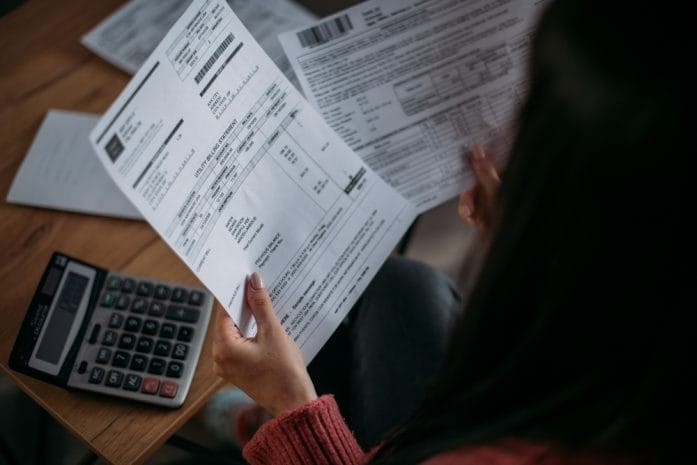
A $3,000 bill lands on the average U.S. household every year, and it doesn’t buy a single new appliance, vacation, or streaming subscription. It covers property taxes. That number, drawn from national housing data, represents the typical annual property tax paid by homeowners across the country.

It may not spark the same panic as a market crash or a spike in mortgage rates, but it quietly shapes budgets, retirement plans, and even decisions about where families choose to live. Anyone who owns a home—or plans to—needs to understand what that $3,000 really means and how to keep it from climbing higher.

The Number That Hides in Plain Sight

The median annual property tax bill in the United States sits between $2,900 and $3,200, according to national reporting figures. In some states with high home values and strong public services, annual bills stretch far beyond $6,000 or even $10,000. In other regions with lower property values or different tax structures, homeowners pay under $1,500 a year.

Local governments calculate property taxes by multiplying a home’s assessed value by the local tax rate, often referred to as a millage rate. County assessors estimate what a property would likely sell for in the current market. Local officials then apply tax rates that fund public schools, police departments, fire services, road maintenance, and other community needs. When home values climb, assessed values often follow, and tax bills rise along with them.

That hefty average masks sharp differences across the country, but it still offers a clear message: property taxes demand serious attention in any household budget. Anyone who treats them as an afterthought risk feeling blindsided when the bill arrives.

Why Property Taxes Keep Climbing

Home prices surged across much of the country over the past several years. When market values rise, assessments often increase as well, which pushes property tax bills higher. Even if tax rates stay flat, a higher assessed value leads directly to a larger bill. Local governments also adjust tax rates to meet budget needs. School districts may seek additional funding for new buildings or teacher salaries. Counties may need more revenue for infrastructure repairs or emergency services. When voters approve bonds or levies, property owners often shoulder much of that cost.

Inflation adds another layer of pressure. The cost of materials, labor, and public services continues to rise, and municipalities respond by adjusting budgets. That reality often flows down to homeowners in the form of higher property taxes.

Anyone watching housing trends can see how quickly values can shift. A house purchased for $250,000 a decade ago might now carry a market value of $400,000 or more in certain areas. That appreciation builds wealth on paper, but it can also inflate the annual tax bill in ways that strain cash flow.

The True Cost of Owning a Home

Many buyers fixate on mortgage rates and monthly payments, yet property taxes often rival or exceed homeowners insurance in annual cost. Lenders typically collect property taxes through escrow accounts, which means homeowners pay a portion each month as part of their mortgage payment. When tax bills rise, lenders adjust escrow requirements, and monthly payments jump.

That increase can feel jarring. A homeowner who budgeted carefully for a fixed-rate mortgage may suddenly face an extra $150 or $200 per month because the county reassessed the property. That shift can squeeze families already juggling childcare costs, student loans, and rising grocery prices. Prospective buyers should always calculate the full cost of ownership before making an offer. That calculation includes principal, interest, property taxes, insurance, maintenance, and utilities. Ignoring property taxes creates an unrealistic picture of affordability.

Savvy buyers review the current tax bill and ask how much the assessed value differs from the purchase price. If the home sells for significantly more than its assessed value, the next tax bill may rise sharply after reassessment. That knowledge allows buyers to plan ahead rather than scramble later.

The $3,000 Property Tax Reality Facing the Average U.S. Household

Image Source: Shutterstock.com

How to Challenge an Assessment Without Losing Your Mind

Homeowners often assume that the county’s assessment reflects an untouchable verdict. It does not. Local governments allow property owners to appeal assessments if they believe officials overvalued their homes. The process usually begins with a review of the property record card, which lists details such as square footage, number of bedrooms, lot size, and improvements. Errors in those details can inflate an assessment. A homeowner who spots incorrect information should gather documentation and request a correction.

Comparable sales also matter. If similar homes in the neighborhood sold for less than the assessed value, that evidence can support an appeal. Most counties set clear deadlines and provide forms for filing appeals, often through the assessor’s office website.

Persistence plays a crucial role. An appeal may require attending a hearing or submitting additional documentation. Homeowners who prepare carefully and present clear evidence often secure reductions. Even a modest reduction in assessed value can save hundreds of dollars each year.

Smart Strategies to Manage the Property Tax Reality

Homeowners cannot eliminate property taxes, but they can take steps to manage them wisely. First, investigate exemptions. Many states and counties offer homestead exemptions for primary residences, which reduce the taxable value of a home. Seniors, veterans, and people with disabilities may qualify for additional exemptions or tax freezes.

Next, set aside money proactively. Even with escrow, homeowners benefit from tracking their annual tax amount and preparing for potential increases. A small monthly savings cushion can soften the blow of a higher bill. After that, pay attention to local elections and ballot measures. Property taxes often rise when voters approve new school funding or infrastructure bonds. Staying informed about local proposals allows homeowners to understand how those decisions will affect future bills.

Finally, consider location carefully when buying a home. Two houses with identical prices can carry dramatically different tax bills depending on the county or school district. Comparing effective property tax rates across nearby areas can reveal opportunities to save thousands over time.

The Story Behind the Bill

Property taxes fund essential services that shape daily life. Public schools educate children. Fire departments respond to emergencies. Road crews repair potholes. Parks departments maintain green spaces. Every dollar collected supports some piece of the local community. That reality does not make writing the check easier, but it does provide context. Communities with strong schools and well-maintained infrastructure often attract higher home values. In many cases, higher property taxes correlate with robust public services and amenities.

Still, balance matters. Homeowners deserve transparency from local officials about how they spend tax revenue. Attending town meetings, reviewing budget reports, and asking questions helps ensure accountability.

Financial awareness turns a frustrating bill into a manageable obligation. Anyone who understands how property taxes work can plan more effectively, advocate for fair assessments, and make informed decisions about buying, selling, or staying put.

When $3,000 Becomes a Turning Point

That average annual bill of around $3,000 carries weight far beyond its four digits. It influences where families settle, how retirees plan their futures, and how communities grow. Ignoring it invites stress, but understanding it opens the door to smarter choices.

Property taxes will not disappear, and home values will continue to shift with the market. Preparation, research, and proactive planning give homeowners control in a system that often feels rigid. A clear-eyed look at assessments, exemptions, and local tax rates can transform a confusing expense into a predictable part of financial life.

So when your next property tax statement arrives, will it feel like a shock or a number that fits into your well-prepared plan? Let’s discuss this in the comments below.

You May Also Like…

Why Nashville Property Tax Bills Keep Rising Even With Tennessee’s Rate Cap Proposal

Avoid These Pitfalls: First-Time Homeownership Mistakes That Can Cost You

Property Tax Exemptions Expiring Automatically in Multiple States

Colorado Escrow Payments Continue Climbing — Homeowners Face Higher Monthly Costs

8 Homeowner Insurance Denials Based on Aerial Photos

Brandon Marcus
Brandon Marcus

Brandon Marcus is a writer who has been sharing the written word since a very young age. His interests include sports, history, pop culture, and so much more. When he isn’t writing, he spends his time jogging, drinking coffee, or attempting to read a long book he may never complete.

Filed Under: tax tips Tagged With: Budgeting Tips, Cost of living, financial literacy, homeowners, homeownership, Housing Costs, local government, mortgage, Personal Finance, property taxes, Real estate, tax planning

The 2026 Housing Shift: Why Renting May Make More Financial Sense Right Now

March 4, 2026 by Brandon Marcus Leave a Comment

The 2026 Housing Shift: Why Renting May Make More Financial Sense Right Now

Image Source: Shutterstock.com

A house once symbolized stability, success, and a smart financial move all wrapped into one. In 2026, that assumption deserves a serious second look. For decades, conventional wisdom pushed homeownership as the ultimate milestone. Buy as soon as possible, build equity, watch property values climb, and enjoy the rewards. That formula worked beautifully in certain eras, especially when mortgage rates hovered near historic lows and home prices rose steadily. Today’s market tells a more complicated story, and that complexity demands clear-eyed thinking rather than emotional attachment to tradition.

Renting, which many once framed as “throwing money away,” now carries strategic advantages that can protect cash flow, reduce stress, and even support long-term wealth building. The shift unfolding in 2026 does not erase the value of owning property. It simply challenges the idea that buying always wins.

Mortgage Rates Changed the Math

Mortgage rates sit far above the ultra-low levels seen in 2020 and 2021, and that reality reshapes affordability overnight. When rates climb, monthly payments surge even if home prices hold steady. A buyer who qualifies comfortably at 3 percent may struggle at 7 percent, even with the same income and credit profile. Lenders calculate debt-to-income ratios with ruthless precision, and higher rates stretch those ratios quickly.

Higher borrowing costs also mean buyers pay dramatically more interest over the life of a loan. That interest does not build equity. It goes straight to the lender. Anyone who runs the numbers on a 30-year mortgage at current rates often feels a jolt of sticker shock after seeing the total repayment amount. Renters avoid that interest burden entirely. They write a monthly check and move on with life. That difference alone creates breathing room in many budgets. Instead of funneling thousands of extra dollars into interest, renters can direct that money toward retirement accounts, investments, or emergency savings.

Home Prices Refuse to Cool Quickly

While some markets show modest price corrections, many areas continue to post high median home prices. Years of limited housing inventory created intense competition, and that supply shortage did not vanish overnight. Builders face high material costs and labor shortages, which slow new construction and keep pressure on prices.

Buyers entering the market in 2026 often confront bidding wars in desirable neighborhoods. That competition encourages aggressive offers, waived contingencies, and slim negotiation margins. Buyers who stretch too far financially to secure a property may regret that decision when maintenance costs and property taxes arrive.

Renters, on the other hand, can choose neighborhoods without committing to a massive upfront investment. They can test out a location, evaluate commute times, and assess local amenities without tying up savings in a down payment. In a market where prices remain elevated, flexibility carries real value.

The True Cost of Owning Adds Up Fast

Homeownership involves far more than a mortgage payment. Property taxes rise in many municipalities as local governments adjust assessments to reflect higher home values. Insurance premiums climb as insurers respond to climate risks and construction costs. Maintenance never stops. Roofs wear out, HVAC systems fail, and appliances break at the worst possible moment.

A homeowner must budget for routine upkeep and unexpected repairs. Financial advisors often recommend setting aside 1 to 2 percent of a home’s value each year for maintenance. On a $500,000 property, that translates to $5,000 to $10,000 annually. That figure surprises many first-time buyers who focus solely on the monthly mortgage payment.

Renters shift those repair responsibilities to landlords. When a water heater fails or a roof leaks, the landlord handles the bill. That arrangement protects renters from sudden financial shocks and preserves liquidity. Liquidity matters in uncertain economic times, and 2026 offers no shortage of economic variables.

Job Mobility Matters More Than Ever

The modern workforce looks nothing like it did twenty years ago. Remote work expanded dramatically in recent years, and many companies now embrace hybrid or fully remote models. Professionals change roles more frequently, chase better compensation packages, and relocate for career growth without hesitation.

Homeownership can complicate that mobility. Selling a home involves agent commissions, closing costs, staging expenses, and potential capital gains taxes. A slow market can trap a homeowner who needs to move quickly. Even in a healthy market, selling requires time and coordination.

Renting supports agility. When a lease ends, a renter can pack up and pursue a new opportunity in another city without navigating a complex sales process. That flexibility holds tangible financial value, especially for younger professionals or anyone working in fast-moving industries.

Investing the Difference Can Build Real Wealth

The argument for buying often centers on equity. Over time, homeowners build ownership in an appreciating asset. That principle remains true. However, equity builds slowly in the early years of a mortgage because lenders apply most of each payment to interest rather than principal.

A disciplined renter can invest the difference between rent and the total cost of ownership. That difference includes not only the mortgage payment but also taxes, insurance, maintenance, and closing costs. When invested consistently in diversified portfolios such as low-cost index funds, that capital can compound over decades.

Stock market returns fluctuate, and no one can guarantee future performance. Still, historical data shows that long-term equity investing often generates meaningful growth. Renters who commit to automatic investing plans can capture that growth without concentrating wealth in a single property. Diversification reduces risk, and 2026 reminds everyone that concentrated bets can backfire.

The 2026 Housing Shift: Why Renting May Make More Financial Sense Right Now

Image Source: Shutterstock.com

Renting Reduces Financial Stress in Uncertain Times

Economic cycles bring expansions and contractions. Inflation pressures household budgets, and layoffs sometimes follow periods of rapid corporate hiring. In such an environment, large fixed expenses create stress. A homeowner must pay the mortgage every month regardless of job status. Lenders do not accept flexibility as an excuse. While forbearance programs exist in extreme cases, those measures often come with strict rules and long-term consequences.

Renters typically face lower upfront commitments and shorter lease terms. They can downsize more easily if income changes. They can move to a more affordable unit at the end of a lease. That adaptability reduces risk exposure and supports financial resilience.

Lifestyle Goals Should Lead the Decision

Financial math matters, but lifestyle goals deserve equal weight. Some individuals crave the stability of planting roots, customizing a living space, and building a long-term community presence. Others value travel, flexibility, and the freedom to pivot quickly. In 2026, choosing to rent does not signal failure or lack of ambition. It signals strategic thinking. The housing market no longer rewards blind commitment to ownership at any cost. It rewards thoughtful analysis that aligns housing decisions with career plans, savings goals, and personal priorities.

Anyone weighing the decision should run detailed numbers, compare total ownership costs to rent, and consider likely career moves over the next five years. A spreadsheet may reveal that renting preserves thousands of dollars annually. That money can fund investments, education, or entrepreneurial ventures.

The Smart Move in a Shifting Market

The 2026 housing landscape challenges old assumptions and invites a more nuanced approach to wealth building. High mortgage rates inflate monthly payments, elevated home prices demand larger down payments, and ownership costs stretch far beyond principal and interest. Renting, once dismissed as a temporary step, now offers financial flexibility, mobility, and investment potential that rival traditional homeownership strategies.

Housing decisions should reflect current market conditions rather than outdated advice. Anyone standing at the crossroads between renting and buying holds the power to analyze numbers, evaluate lifestyle goals, and choose the path that protects both peace of mind and long-term finances. In a market that rewards agility and clear thinking, renting may represent not a compromise but a calculated advantage.

Does renting feel like a temporary pause, or does it look like a smart financial play in today’s market? What are your financial plans for housing? Let’s talk about them in the comments section below.

You May Also Like…

6 Reasons Renting Is Now Smarter Than Buying in Many US Cities

Avoid These Pitfalls: First-Time Homeownership Mistakes That Can Cost You

Colorado Escrow Payments Continue Climbing — Homeowners Face Higher Monthly Costs

The End of the 3% Mortgage: Why “Assumable Loans” Are A Smart Way to Buy a House in 2026

Why Do People Think Renting Furniture Is a Good Deal


Brandon Marcus
Brandon Marcus

Brandon Marcus is a writer who has been sharing the written word since a very young age. His interests include sports, history, pop culture, and so much more. When he isn’t writing, he spends his time jogging, drinking coffee, or attempting to read a long book he may never complete.

Filed Under: Lifestyle Tagged With: Cost of living, economic outlook, homeownership, housing market 2026, mortgage rates, Personal Finance, Planning, property taxes, real estate trends, rental market, renting vs buying, Wealth Building

Hawaii Residents Face Some of the Tightest Margins in America — What It Takes to Make It Work in 2026

March 3, 2026 by Brandon Marcus Leave a Comment

Hawaii Residents Face Some of the Tightest Margins in America — What It Takes to Make It Work in 2026

Image Source: Unsplash.com

Hawaii looks like paradise on a postcard, but paradise comes with a price tag that reshapes every financial decision. In 2026, the average single resident faces living costs of about $4,500 per month, or roughly $55,000 per year, which is 84 percent higher than the U.S. average. Housing alone costs about $3,624 per month for a single person, more than double the national average.

After covering rent, groceries, utilities, transportation, and healthcare, many residents are left with only a few hundred dollars per month in true discretionary income. That number varies widely by island, household size, and income level, but the reality is consistent: disposable income in Hawaii is tight, and stretching it requires intention, creativity, and discipline.

The Real Cost of Living in the Aloha State

Hawaii remains the most expensive state in the country in 2026. Housing drives most of the pressure. Limited land, high demand, and geographic isolation keep prices elevated. Groceries follow the same pattern. Shipping costs inflate prices on staples like milk, eggs, and meat. Residents feel the difference every time they shop.

Utilities add another layer. Electricity rates remain among the highest in the nation because Hawaii still relies heavily on imported fuel. Even modest air‑conditioning use can push monthly bills far above mainland norms.

When basic living costs consume more than $50,000 per year for a single person, disposable income becomes a fragile margin rather than a comfortable cushion.

Housing: The Budget Anchor That Shapes Everything

Housing determines whether a Hawaii budget sinks or floats. With average rents far above national norms, many residents spend well over 30 percent of their income on shelter alone. Some move farther from urban centers to find lower rent. Others share housing with roommates or extended family, a common and culturally rooted approach that provides both emotional and financial support.

A slightly cheaper rental can free up thousands of dollars per year. That difference may fund an emergency savings buffer, cover travel between islands, or simply reduce stress in a high‑cost environment.

Food, Fuel, and the Everyday Reality Check

Groceries cost more in Hawaii because most food is imported. Weekly bills climb quickly, especially for families. Residents who stretch their budgets often rely on farmers markets, local produce, and community‑supported agriculture programs, which can offer competitive prices and fresher options.

Transportation adds another challenge. Gas prices typically sit above mainland averages due to shipping and refining costs. Many residents combine errands, carpool, or use public transit to reduce fuel spending.

Turning Limited Disposable Income into Real Progress

Even when discretionary income is slim, intentional planning can turn it into forward momentum. A clear budget gives every dollar a purpose. Emergency savings matter most. With living costs so high, even a small, unexpected expense can destabilize a household. Building a starter emergency fund, then gradually expanding it, protects against setbacks.

Retirement savings also deserve attention. Contributing to a 401(k) or IRA, especially when an employer offers matching funds, helps build long‑term security. Even modest monthly contributions compound over time. Setting aside money for enjoyment—like dining out or exploring other islands—helps maintain balance. A sustainable budget includes room for living, not just surviving.

Lifestyle Choices That Make or Break the Budget

Hawaii offers endless ways to spend money, from oceanfront dining to boutique shopping. Without boundaries, discretionary spending can disappear quickly. Many residents embrace low‑cost or free activities instead. Beaches, hiking trails, and community events offer world‑class experiences without draining the budget. Cooking at home, limiting subscriptions, and reviewing insurance policies also help stretch limited disposable income.

Every recurring expense deserves scrutiny. When someone treats their remaining income as a resource to protect, financial stability becomes more attainable.

Hawaii Residents Face Some of the Tightest Margins in America — What It Takes to Make It Work in 2026

Image Source: Unsplash.com

Building Resilience in a High‑Cost Environment

Living in Hawaii requires flexibility. Tourism shifts, economic changes, and natural events can influence job markets and household budgets. Side income streams are common. Freelance work, seasonal jobs, and small business ventures help residents supplement earnings. Hawaii’s creative and entrepreneurial culture supports everything from handmade crafts to digital services.

Community plays a major role. Shared childcare, bulk buying, bartering, and multigenerational living reduce individual financial pressure. In a state where costs run high, collective resilience matters.

Income, Opportunity, and Perspective

Hawaii’s high median household income does not translate into easy living. Elevated costs erode purchasing power quickly. A paycheck that looks strong on paper may feel thin in practice. Understanding that tension helps residents make informed decisions about careers, housing, and long‑term goals. Some choose to relocate for affordability. Others stay for lifestyle, family, or cultural connection, accepting tighter margins in exchange for the benefits of island life.

Perspective matters. Even limited disposable income can support stability when aligned with values and managed intentionally.

Paradise With a Plan

Hawaii’s beauty attracts dreamers, but thriving in the islands requires strategy. With average living costs exceeding $54,000 per year for a single person, disposable income is precious. Housing choices, grocery habits, transportation decisions, and disciplined saving all shape the outcome.

Residents who succeed financially treat every dollar as part of a larger plan. They balance enjoyment with responsibility, question recurring expenses, and commit to long‑term goals even when temptation surrounds them.

What part of Hawaii’s cost structure do you think deserves the most attention—housing, groceries, utilities, or income trends? Do you think you could be a full-time resident of the state? Let’s talk about it in the comments section below.

You May Also Like…

How Trump’s New Fed Pick Could Change Your Interest Income Forever

How The SALT Deduction Caps Squeezed Many Middle-Income Taxpayers

The IRS Timing Rule That Can Push Income Into a Different Tax Year

9 Everyday Costs Rising Faster Than Seniors’ Income

The Income-Driven Repayment Plans That End July 1, 2028 Under New Law

Brandon Marcus
Brandon Marcus

Brandon Marcus is a writer who has been sharing the written word since a very young age. His interests include sports, history, pop culture, and so much more. When he isn’t writing, he spends his time jogging, drinking coffee, or attempting to read a long book he may never complete.

Filed Under: Finance Tagged With: budgeting, Cost of living, Disposable Income, groceries, Hawaii, Honolulu, Housing Costs, Island Living, Lifestyle, Personal Finance, Planning, saving money, utilities

Stop Using the 50/30/20 Rule — Here’s What’s Not Working in 2026

March 3, 2026 by Brandon Marcus Leave a Comment

Stop Using the 50/30/20 Rule — Here’s What’s Not Working in 2026

Image Source: Pexels.com

The 50/30/20 rule had a good run. It felt clean, organized, and reassuring in a world that seemed manageable on a spreadsheet. Split income into needs, wants, and savings. Stay disciplined. Build wealth. Easy. But 2026 laughs at tidy pie charts.

Housing costs swallow paychecks in many cities. Grocery bills jump without warning. Insurance premiums creep up. Student loan payments restart and shift. Healthcare expenses stretch budgets thin. The neat little formula that once felt empowering now leaves too many people feeling like they failed at math instead of recognizing that the math changed.

The 50/30/20 rule, popularized by Elizabeth Warren and her daughter in the book All Your Worth, helped millions rethink spending priorities. It pushed people to cap essentials at 50 percent, enjoy 30 percent, and save 20 percent. The structure brought clarity. The simplicity made it sticky.

When “Needs” Blow Past 50 Percent

The biggest flaw in 2026 comes down to one word: housing. In many metropolitan areas across the United States, rent alone consumes 35 to 50 percent of take-home pay. Add utilities, transportation, insurance, and groceries, and that 50 percent cap on “needs” collapses before the month even starts. No one overspent on lattes. No one splurged on concert tickets. The budget just never stood a chance.

Inflation over the past several years reshaped everyday expenses. Even though inflation rates cooled compared to their peak in 2022, prices for essentials like food, rent, and auto insurance remain elevated relative to pre-2020 levels. Wages increased in some sectors, but they did not rise evenly or fast enough to match cost-of-living spikes everywhere.

When needs hit 60 or 65 percent of income, the 50/30/20 rule labels that situation as failure. That framing hurts more than it helps. A budgeting system should reflect reality, not shame it.

Instead of forcing needs into an outdated box, track fixed and variable essentials separately. Break down housing, transportation, food, and insurance line by line. Then look for strategic adjustments. Consider refinancing insurance policies. Explore roommate options. Evaluate relocation if job flexibility allows. The key involves analyzing specifics, not clinging to an arbitrary ceiling.

The 20 Percent Savings Target Feels Unrealistic for Many

Saving 20 percent of income sounds admirable. Financial planners still recommend aggressive saving rates for retirement and emergencies. The math behind compound growth supports that advice. But here’s the problem: many households cannot consistently hit 20 percent without sacrificing stability.

Emergency savings alone require three to six months of essential expenses. In high-cost areas, that fund could equal tens of thousands of dollars. Add retirement contributions, health savings accounts, and debt repayment, and the 20 percent slice often falls short of what financial security truly demands—or feels impossibly high for those juggling debt and rising expenses.

The 50/30/20 rule treats savings as one tidy bucket. Real life divides savings into layers. Emergency funds serve one purpose. Retirement investments serve another. Short-term goals like a down payment or relocation require separate strategies.

Instead of locking into 20 percent, adopt a priority ladder. First, build a starter emergency fund of at least $1,000 to cover unexpected shocks. Next, capture any employer 401(k) match, since that match delivers immediate returns. Then attack high-interest debt, especially credit cards with rates above 20 percent. After stabilizing those areas, increase retirement contributions gradually toward 15 percent or more over time. Flexibility wins.

The 30 Percent “Wants” Category Creates False Guilt

The “wants” category causes more confusion than clarity in 2026. Streaming subscriptions, gym memberships, dining out, vacations, hobbies, and tech upgrades all land here. But some expenses blur the line between need and want. Reliable internet supports remote work. A decent smartphone enables banking, job searches, and two-factor authentication. Mental health activities protect productivity and stability.

Rigidly labeling 30 percent for wants can push people into guilt spirals. Spend 32 percent on lifestyle choices, and the formula signals irresponsibility. But financial health depends on sustainability. Budgets that squeeze out all enjoyment tend to collapse.

Rather than fixating on a percentage, measure lifestyle spending against personal values and long-term goals. Track discretionary spending for three months. Identify which purchases delivered real satisfaction and which faded quickly. Then cut the low-impact expenses without apology. Keep the meaningful ones.

Stop Using the 50/30/20 Rule — Here’s What’s Not Working in 2026

Image Source: Pexels.com

Income Volatility Breaks the Formula

The 50/30/20 rule assumes stable income. That assumption no longer fits a workforce shaped by freelancing, gig platforms, contract roles, and variable bonuses. Many households manage fluctuating paychecks month to month. In those situations, percentage-based budgets tied to each paycheck feel chaotic. A high-earning month creates false confidence. A low-earning month triggers panic.

Instead, build a baseline budget around the lowest reliable monthly income. Cover fixed essentials with that number. During higher-income months, direct surplus funds toward savings buffers, debt reduction, and future tax obligations.

Freelancers and gig workers benefit from maintaining a separate tax savings account and calculating estimated quarterly taxes carefully. Irregular income demands proactive planning, not static ratios.

The Rule Ignores Debt Reality in 2026

Credit card balances remain elevated nationwide, and average interest rates exceed 20 percent in many cases. Student loan repayment structures shifted again after pandemic pauses ended. Auto loans stretch longer than ever, often reaching six or seven years.

The 50/30/20 rule does not prioritize debt strategy. It lumps debt repayment into “needs” or “savings” depending on interpretation. That ambiguity weakens its usefulness.

High-interest debt acts like a financial emergency. Paying minimums while allocating 30 percent to lifestyle spending rarely makes sense when interest compounds aggressively. A more effective framework emphasizes debt hierarchy. Pay minimums on all debts. Direct extra cash toward the highest-interest balance first. After eliminating toxic debt, reallocate those payments toward savings and investments.

Retirement Math Changed

Longer life expectancy and rising healthcare costs demand stronger retirement planning. Social Security replaces only a portion of pre-retirement income for most workers. Market volatility reminds investors that growth never moves in a straight line.

A flat 20 percent savings rule does not account for age, starting point, or goals. Someone beginning retirement savings at 22 faces a different path than someone starting at 42.

Modern financial planning requires customized projections. Use reputable retirement calculators from major brokerage firms or nonprofit financial education organizations. Factor in expected Social Security benefits based on current estimates. Adjust contributions annually.

A Better Approach for 2026: Adaptive Budgeting

So what works now? Start with a zero-based mindset. Assign every dollar a job before the month begins. Cover essentials first. Fund emergency savings. Contribute to retirement at least up to any employer match. Tackle high-interest debt aggressively. Allocate lifestyle spending intentionally, not automatically.

Review spending monthly. Adjust categories based on real data, not aspirations. Increase savings percentages gradually as income grows. During raises or bonuses, direct at least half of the increase toward financial goals before upgrading lifestyle.

Build flexibility into the system. Economic conditions shift. Personal priorities evolve. Income changes. A good budget bends without breaking.

Rewrite the Rulebook, Don’t Worship It

The 50/30/20 rule introduced millions to intentional money management, and that achievement deserves credit. But 2026 demands more nuance, more personalization, and more realism.

Rigid formulas ignore rising housing costs, volatile income streams, complex debt burdens, and evolving retirement needs. Financial stability grows from adaptability, awareness, and consistent adjustments.

What changes would make a budgeting system finally feel realistic instead of restrictive to you? Let’s talk about it in our comments below.

You May Also Like…

6 Reasons Middle-Class Budgets Are Breaking Under “Slow Inflation”

7 Budget Foods Americans Rely On That Doctors Say Create Bigger Problems Later

The Retirement Budget Trap: Why Expenses Spike Between Ages 62 and 70

10 Budget Mistakes That Create Long-Term Pressure

Why Are Everyday Essentials Taking Up More of the Budget

Brandon Marcus
Brandon Marcus

Brandon Marcus is a writer who has been sharing the written word since a very young age. His interests include sports, history, pop culture, and so much more. When he isn’t writing, he spends his time jogging, drinking coffee, or attempting to read a long book he may never complete.

Filed Under: Personal Finance Tagged With: 50/30/20 rule, Budgeting Tips, Cost of living, debt payoff, financial independence, inflation 2026, investing basics, money management, Personal Finance, Planning, saving strategies, Smart Spending

A $400,000 Home in New Jersey Costs $6,876 More Per Year Than in South Carolina

March 2, 2026 by Brandon Marcus Leave a Comment

A $400,000 Home in New Jersey Costs $6,876 More Per Year Than in South Carolina

Image Source: Pexels.com

A $400,000 house can feel like a milestone. In one state, it can also feel like an annual bill that never stops climbing. The difference between owning that same $400,000 home in New Jersey and South Carolina comes down to more than weather, traffic, or beach access. It comes down to taxes, and the numbers don’t whisper. They shout. Based on average effective property tax rates, a homeowner in New Jersey will pay roughly $6,876 more per year than someone who owns a similarly priced home in South Carolina.

That gap alone can fund a family vacation, cover a year of groceries, or pad a retirement account. And that reality forces a deeper question: what exactly does that extra money buy, and does it make sense for your long-term plan?

The Tax Gap in Black and White

Property taxes vary across the country, but New Jersey consistently ranks at or near the top. New Jersey’s average effective property tax rate hovers around 2.2 percent of a home’s assessed value. South Carolina, by contrast, posts an average effective rate closer to 0.5 to 0.6 percent for owner-occupied homes.

Run those percentages against a $400,000 home and the difference becomes stark. In New Jersey, 2.2 percent translates to about $8,800 per year. In South Carolina, a 0.5 percent rate results in about $2,000 annually. That creates a yearly spread of roughly $6,800 to $7,000, depending on exact assessments and local adjustments.

This comparison does not rely on exotic tax tricks or cherry-picked towns. It reflects broad statewide averages. Individual counties and municipalities will shift the exact bill, but the overall pattern remains clear: New Jersey homeowners carry one of the heaviest property tax burdens in the country, while South Carolina homeowners enjoy one of the lighter ones.

What That Extra $6,876 Actually Buys

Taxes do not disappear into thin air. They fund schools, public safety, infrastructure, and local services. New Jersey maintains densely populated suburbs, extensive transportation networks, and public schools that often rank high in national comparisons. Strong funding plays a role in those outcomes.

South Carolina runs a different model. Lower property taxes attract retirees and relocating families who want more predictable yearly housing costs. The state also structures taxes in a way that favors primary residences, which helps keep owner-occupied bills relatively modest.

Still, the financial math hits hard. An extra $6,876 each year adds up to more than $68,000 over a decade, assuming stable rates. That kind of money changes how households plan for college savings, emergency funds, or retirement contributions. It also influences how much home buyers feel comfortable borrowing in the first place.

Lifestyle, Location, and the Bigger Trade-Off

Money matters, but life decisions rarely hinge on math alone. New Jersey offers proximity to major job markets like New York City and Philadelphia. Many residents accept higher taxes in exchange for shorter commutes to high-paying industries, cultural hubs, and established neighborhoods with deep roots.

South Carolina draws a different crowd. Coastal towns like Charleston and growing metro areas such as Greenville attract families and retirees who value warmer weather and lower ongoing costs. The pace feels different. The housing stock looks different. The financial pressure often feels lighter.

No state wins universally. Each one delivers a package deal of taxes, services, job markets, and lifestyle factors. The key lies in understanding how much weight to give each piece of that package.

Long-Term Wealth Building and Hidden Opportunity Costs

That $6,876 annual difference does not simply vanish into a spreadsheet. Over 30 years, assuming steady rates and no dramatic reassessments, the cumulative gap exceeds $200,000. Invest that money in a diversified portfolio earning a moderate return and the opportunity cost climbs even higher.

Homeowners in high-tax states often rely on strong property appreciation to offset those higher yearly costs. New Jersey’s proximity to major economic centers has historically supported robust housing demand in many areas. Yet appreciation never guarantees a straight line upward, and taxes continue whether prices rise or stall.

South Carolina homeowners may experience different appreciation patterns depending on location. Some coastal and fast-growing metro areas have seen strong gains in recent years. Even if appreciation moves at a slower pace, lower carrying costs can provide flexibility. Owners can redirect savings into retirement accounts, business ventures, or travel rather than funneling them back into tax payments.

Planning Before Signing on the Dotted Line

Anyone weighing a move between states should dig deeper than headline tax rates. Local property assessments can vary widely within each state. Certain New Jersey towns carry even higher effective rates than the statewide average, while some South Carolina counties fall below the typical range for primary residences.

Potential buyers should request recent tax bills for specific properties and calculate projected payments based on current assessments. Checking county tax assessor websites provides valuable insight. Consulting a local real estate agent or financial planner can also clarify how reassessments might affect the bill after purchase.

Relocation also requires thinking about income taxes, sales taxes, and insurance costs. South Carolina imposes a state income tax with graduated rates, while New Jersey also levies state income tax and maintains relatively high overall tax burdens. The full picture requires a careful review of all recurring expenses, not just property taxes.

The Emotional Side of the Equation

Money decisions always carry emotional weight. Some families feel anchored to communities with strong school systems and established networks, even if that means paying higher taxes. Others crave lower financial pressure and the flexibility that comes with smaller recurring bills.

Neither perspective deserves dismissal. What matters most is clarity. A homeowner who understands the true cost of living in each state can make a choice rooted in intention rather than surprise.

A $400,000 home in New Jersey and a $400,000 home in South Carolina may look similar on paper. The annual tax bill ensures that they feel very different over time.

A $400,000 Home in New Jersey Costs $6,876 More Per Year Than in South Carolina

Image Source: Pexels.com

The Real Question Hiding Behind the Numbers

The $6,876 yearly gap between New Jersey and South Carolina forces a broader conversation about priorities. Does access to certain job markets, schools, and infrastructure justify higher ongoing costs? Or does financial breathing room create more peace of mind and long-term flexibility?

Every buyer faces a unique set of goals, obligations, and dreams. Property taxes represent just one piece of the puzzle, but they shape monthly budgets in a way that few other expenses can match. Understanding that reality empowers better decisions before contracts get signed and moving trucks get booked.

So, when looking at a $400,000 home, which matters more: the zip code prestige and nearby city lights, or the thousands saved each year that could fuel investments, travel, or early retirement? Share your thoughts and talk about what would tip the scale in the comments section.

You May Also Like…

9 Unexpected Costs That Appear After Relocating Abroad

13 Eye-Opening Truths About Real Estate Crowdfunding Ventures

10 Amazing Opportunities in Global Real Estate Markets Now

Why Do Some Investors Obsess Over Real Estate Alone

Property Tax Exemptions Expiring Automatically in Multiple States

Brandon Marcus
Brandon Marcus

Brandon Marcus is a writer who has been sharing the written word since a very young age. His interests include sports, history, pop culture, and so much more. When he isn’t writing, he spends his time jogging, drinking coffee, or attempting to read a long book he may never complete.
Filed Under: Lifestyle Tagged With: Cost of living, homeownership costs, housing affordability, mortgage planning, New Jersey real estate, Planning, property taxes, real estate trends, relocation decisions, South Carolina housing, state tax comparison, state taxes

The Tariff Truth No One Wants to Say Out Loud: You Pay the Price, Not the Companies

February 28, 2026 by Brandon Marcus Leave a Comment

The Tariff Truth No One Wants to Say Out Loud: You Pay the Price, Not the Companies

Image Source: Unsplash.com

A tariff does not punish a foreign company. A tariff raises your bill. That statement makes people uncomfortable because it clashes with the political sales pitch. Leaders across the spectrum frame tariffs as a way to make other countries or overseas corporations “pay their fair share.” The image feels satisfying. A tough policy, a firm handshake, a promise that someone else will foot the bill. Yet the mechanics of tariffs tell a different story, and the numbers back it up.

Tariffs act as taxes on imported goods. Governments collect them at the border when companies bring products into the country. Businesses then face a simple choice: absorb the cost and shrink profits, or pass the cost along through higher prices. In competitive markets with tight margins, companies almost always pass along at least part of that cost. That means shoppers feel the impact at the checkout line, not some distant executive in another country.

The Border Tax That Doesn’t Stay at the Border

A tariff works like this: a government sets a percentage tax on a specific imported product, such as steel, electronics, clothing, or machinery. When an importer brings that product into the country, the government charges the tariff based on the product’s value. The importer writes the check. That part fuels the popular narrative that “foreigners pay.”

But the importer rarely stops the cost there. Retailers buy from importers. Manufacturers buy imported components. Those businesses calculate their new costs and adjust prices accordingly. When costs rise, companies that want to stay profitable raise prices or cut expenses elsewhere, often through smaller product sizes or reduced services.

Research from respected institutions has shown that tariffs imposed in recent years led to higher prices for many imported goods and even for some domestic goods that rely on imported inputs. The cost did not remain trapped at the port. It traveled through supply chains and settled into everyday products.

Tariffs on steel and aluminum, for example, increased costs for domestic manufacturers that use those materials to produce cars, appliances, and construction materials. Those manufacturers did not enjoy a magical shield from higher input costs. They faced them head-on and passed them forward. That dynamic explains why tariffs often ripple through the broader economy instead of staying neatly confined to one industry.

Why Companies Rarely “Eat the Cost”

Some argue that giant corporations can afford to absorb tariffs without raising prices. That idea sounds appealing, especially in an era of public frustration with corporate profits. However, markets reward efficiency and punish shrinking margins. Publicly traded companies answer to shareholders. Privately held firms answer to lenders and owners who expect returns.

When a tariff raises the cost of a product by 10 or 25 percent, that jump rarely fits within existing profit margins. Retailers often operate on thin margins, sometimes just a few percentage points. A sudden cost increase can wipe out profit entirely. Businesses respond by adjusting prices, seeking alternative suppliers, or redesigning products. None of those options magically erase the cost.

Even when companies attempt to hold prices steady, they often shrink product sizes, reduce features, or delay investments. That strategy still affects buyers. A smaller cereal box at the same price reflects a hidden price increase. A delayed factory expansion can slow hiring and wage growth. Tariffs create pressure points that businesses cannot simply wish away.

The Political Appeal of a Simple Story

Tariffs carry strong political appeal because they offer a clear villain and a simple solution. Leaders can stand in front of factories and promise to protect domestic jobs. They can claim that foreign competitors engage in unfair practices and that tariffs level the playing field. That narrative resonates with communities that have lost manufacturing jobs or seen industries decline.

Trade policy, however, involves trade-offs. Economists across many administrations, both Republican and Democrat, have long argued that broad tariffs often raise consumer prices and invite retaliation. When one country imposes tariffs, others often respond with their own. That cycle can hurt exporters such as farmers and manufacturers who rely on foreign markets.

The Congressional Budget Office has analyzed trade policies and found that tariffs can reduce overall economic output when trading partners retaliate. Farmers experienced this firsthand when other countries imposed tariffs on agricultural products in response to U.S. tariffs. Governments then stepped in with aid packages to offset losses, which taxpayers ultimately funded.

None of this means that trade policy lacks complexity or that every tariff lacks purpose. Governments sometimes use targeted tariffs to address national security concerns or specific unfair trade practices. Yet broad claims that tariffs make foreign companies pay without domestic consequences simply do not match economic reality.

The Hidden Impact on Everyday Budgets

Tariffs do not announce themselves on receipts. They blend into higher prices for washing machines, electronics, clothing, and groceries. A 20 percent tariff on an imported component can nudge up the price of a finished product in ways that feel gradual but persistent.

Studies examining tariffs on washing machines in recent years found that prices rose not only for imported machines but also for domestically produced ones. Domestic manufacturers raised prices as well because the competitive pressure from cheaper imports weakened. That pattern illustrates a key point: tariffs can lift prices across the board, not just for foreign brands.

Anyone tracking monthly expenses should pay attention to trade headlines. Policy decisions in distant capitals can influence grocery bills and back-to-school shopping costs. That connection deserves far more attention than it usually receives in campaign speeches.

The Tariff Truth No One Wants to Say Out Loud: You Pay the Price, Not the Companies

Image Source: Unsplash.com

How to Think Clearly About Tariffs

Trade policy deserves serious debate, not bumper-sticker slogans. Anyone trying to make sense of tariffs should start by asking a few grounded questions. Who pays the tariff at the border? How do companies typically respond to higher input costs? What evidence exists from previous rounds of tariffs?

Consumers can also take practical steps. Comparing prices across brands, watching for product size changes, and paying attention to country-of-origin labels can provide clues about how tariffs affect specific items. Supporting transparent discussions about trade policy at the local and national level can also push leaders to explain costs honestly rather than relying on applause lines.

The Price Tag No One Prints on the Sign

Tariffs promise strength. They deliver complexity. When leaders claim that foreign companies will absorb the cost, the claim ignores how markets function. Importers pay tariffs first, businesses adjust next, and households often settle the final bill. Research from respected institutions and real-world price data confirm that pattern again and again.

That does not mean every tariff fails or that trade should flow without rules. It means voters deserve clarity. Honest conversations about trade policy should include both potential benefits and the likely price increases that follow. Ignoring that reality leaves families unprepared for the financial impact.

The next time a speech celebrates a new round of tariffs as a win that makes someone else pay, consider the path that cost will travel from the port to the store shelf. When prices climb quietly and steadily, will the applause still feel worth it?

How are you and your family dealing with tariffs? Tell us your thoughts and strategy in the comments section.

You May Also Like…

What Would Happen to Your Plan in a Trade-Tariff Spiral

5 Reasons People Pause Financial Plans During Tariff-Driven Volatility

Why Your Emergency Fund Isn’t Protecting You the Way It Did Five Years Ago

Family Homes Done Right: Kid-Friendly Interior Design on a Budget

6 Blended-Family Will Mistakes That Can Tear Families Apart

Brandon Marcus
Brandon Marcus

Brandon Marcus is a writer who has been sharing the written word since a very young age. His interests include sports, history, pop culture, and so much more. When he isn’t writing, he spends his time jogging, drinking coffee, or attempting to read a long book he may never complete.

Filed Under: Lifestyle Tagged With: consumer prices, Cost of living, economics, global trade, government policy, import taxes, Inflation, manufacturing, retail prices, supply chains, tariffs, trade policy

6 Reasons Middle-Class Budgets Are Breaking Under “Slow Inflation”

February 20, 2026 by Brandon Marcus Leave a Comment

6 Reasons Middle-Class Budgets Are Breaking Under “Slow Inflation"

Image Source: Unsplash.com

“Slow inflation” sounds harmless, almost polite. Headlines talk about price growth easing compared to the spikes of 2022. The Consumer Price Index no longer surges at the pace it once did. Yet plenty of middle-class households feel like they’re running on a treadmill that keeps inching faster.

The truth sits right in front of us: even when inflation slows, prices rarely go backward. They keep rising, just at a gentler slope. And that steady climb, layered on top of already high costs, puts enormous strain on families who once felt stable.

1. Prices Rarely Fall Back Down

When inflation drops from, say, 9 percent to 3 percent, that does not mean prices return to where they started. It means they continue rising, just more slowly. Groceries that jumped sharply in 2022 did not magically reset in 2024 or 2025. They simply stopped accelerating at the same pace.

The Bureau of Labor Statistics tracks price changes across categories like food, housing, transportation, and medical care. Many of those categories experienced sharp increases during the inflation surge. Even as overall inflation cooled, food prices remained well above their pre-pandemic levels. Rent climbed significantly in many regions and then plateaued at those higher levels rather than falling.

If you want to protect your own budget from this effect, treat high prices as permanent until proven otherwise. Build your spending plan around today’s costs instead of hoping they retreat. That mindset shift alone can prevent a lot of frustration.

2. Wages Trail Behind Essential Costs

Wage growth picked up during the tight labor market of 2021 and 2022. However, not all workers benefited equally, and pay increases did not always match the spike in essential costs. Even when wages rose at a healthy clip, families often saw housing, food, and insurance expenses climb just as fast or faster.

Housing stands out in particular. In many metropolitan areas, rent and home prices surged during the pandemic-era housing boom. Mortgage rates later climbed sharply as the Federal Reserve raised interest rates to fight inflation. Higher rates pushed monthly payments up for new buyers, which locked many middle-class families out of homeownership or forced them to stretch their budgets.

To counter this squeeze, workers need to think strategically about income growth. That might mean negotiating pay more assertively, switching employers when the market allows, adding certifications, or building a side income stream. Relying on annual cost-of-living adjustments alone rarely keeps pace with structural cost increases.

3. Interest Rates Punish Borrowers

Inflation does not operate in isolation. The Federal Reserve raised interest rates aggressively to bring price growth down. Those higher rates helped cool inflation, but they also made borrowing more expensive across the board.

Credit card rates climbed above 20 percent on average in recent years. Auto loans and personal loans grew more expensive. Mortgage rates more than doubled from their pandemic-era lows. Families who carry balances on credit cards or who finance big purchases now devote more of their income to interest payments.

Middle-class households often rely on credit to bridge gaps, manage emergencies, or fund major milestones like buying a car. When rates spike, those same tools become heavy burdens. A balance that once felt manageable can start to snowball quickly.

4. The “Shrinkflation” and Quality Problem

Even when sticker prices do not rise dramatically, households encounter a different issue: shrinkflation. Companies reduce package sizes or product quality while keeping prices similar. You pay the same amount for fewer ounces of cereal or a smaller bottle of detergent.

This tactic does not always show up clearly in headline inflation numbers. The official data captures price changes, but subtle reductions in size or quality often slip under the radar. The result? Families feel like they spend more while getting less.

Middle-class consumers often shop across multiple stores to chase value. They compare unit prices, switch brands, and buy in bulk when possible. That extra effort demands time and energy, which also carry a cost. Budget management starts to resemble a second job.

5. Lifestyle Creep Meets a Higher Baseline

Inflation collided with another powerful force: lifestyle creep. During the years when incomes rose and asset values surged, many households upgraded their expectations. They moved into larger homes, financed newer cars, subscribed to more streaming services, and dined out more frequently.

Once inflation raised the baseline cost of essentials, those upgraded lifestyles started to strain budgets. A household that once felt comfortably middle class now juggles higher mortgage payments, elevated grocery bills, expensive childcare, and recurring subscriptions that quietly drain cash.

None of these expenses feel outrageous in isolation. Together, they can overwhelm even a solid income. The middle class often sits in a tough spot: earning too much to qualify for many assistance programs, yet not enough to absorb constant price increases without trade-offs.

6. Savings and Safety Nets Feel Thinner

Higher prices and higher interest payments leave less room for saving. Many households dipped into emergency funds during the pandemic and the inflation spike. Others redirected money toward daily expenses instead of long-term goals like retirement or college savings.

At the same time, volatility in financial markets made some people uneasy about investing. When portfolios swing wildly, families sometimes pull back contributions out of fear. That hesitation can slow long-term wealth building.

Start with automation. Set up automatic transfers to an emergency fund and retirement accounts, even if the amounts seem modest. Gradually increase contributions when income rises. Consistency often matters more than dramatic gestures.

6 Reasons Middle-Class Budgets Are Breaking Under “Slow Inflation"

Image Source: Unsplash.com

Slow Inflation Still Demands Fast Action

“Slow inflation” does not equal comfort. It simply means prices climb at a slower pace than before. For middle-class households, the cumulative effect of higher essentials, elevated interest rates, sticky housing costs, and thinner savings creates real financial stress.

You cannot control national inflation trends or Federal Reserve policy. You can control your response. Audit spending with clear eyes. Aggressively manage high-interest debt. Push for income growth instead of waiting for it. Build a leaner, more resilient budget that reflects today’s reality rather than yesterday’s.

The question now becomes simple but powerful: what one change could you make this month that would give your budget a little more breathing room? We want to hear your thoughts below.

You May Also Like…

7 Budget Foods Americans Rely On That Doctors Say Create Bigger Problems Later

The “Safe” Budget Rules That Quietly Stop Working After Age 60

The Retirement Budget Trap: Why Expenses Spike Between Ages 62 and 70

Your Attorney Isn’t the Only One Who Needs Your Will Details: 5 Conversations That Prevent Family Disputes

6 Outrageous Truths About Middle-Class Debt

Brandon Marcus
Brandon Marcus

Brandon Marcus is a writer who has been sharing the written word since a very young age. His interests include sports, history, pop culture, and so much more. When he isn’t writing, he spends his time jogging, drinking coffee, or attempting to read a long book he may never complete.

Filed Under: Budgeting Tagged With: Cost of living, economy, family finances, grocery prices, household budgets, Housing Costs, Inflation, interest rates, middle class, Personal Finance, Planning, wages

The $1,000 Crisis: Why Most Families Can’t Handle a Simple Emergency Anymore

February 19, 2026 by Brandon Marcus Leave a Comment

The $1,000 Crisis: Why Most Families Can’t Handle a Simple Emergency Anymore

Image Source: Pixabay.com

A thousand dollars should not feel like a financial earthquake. Yet for millions of households across the United States, it does. Recent surveys from sources such as the Federal Reserve and Bankrate consistently show that a large share of adults would struggle to cover a $400 or $1,000 unexpected expense with cash or savings. Many say they would rely on credit cards, loans, or help from friends and family. That reality reveals something deeper than poor planning. It exposes a fragile system where everyday life leaves almost no margin for error.

The $1,000 crisis does not start with irresponsibility. It starts with math that simply does not work anymore.

The Shrinking Cushion in the American Household

Families once relied on modest buffers—small savings accounts, manageable housing costs, stable job benefits. Over time, those cushions thinned out. Housing prices and rents have climbed sharply over the past decade, especially after 2020, while wage growth has struggled to keep pace with inflation in many sectors.

When fixed costs take up most of a paycheck, flexibility disappears. A car repair or medical bill does not arrive as an inconvenience; it arrives as a threat. Even families with steady employment find themselves one surprise away from high-interest debt.

Credit cards often step in to fill the gap. Credit card balances in the United States have reached record highs in recent years, and average interest rates on those cards hover above 20 percent. That means a $1,000 emergency can quietly turn into $1,200 or $1,300 if someone cannot pay it off quickly. Debt compounds stress, and stress fuels more financial mistakes. The cycle tightens.

Inflation Changed the Game—and It Hasn’t Fully Let Up

Inflation surged to levels not seen in four decades during 2022, and while the rate has slowed since then, prices have not returned to their previous levels. Groceries still cost more than they did before the pandemic. Car insurance premiums have jumped in many states. Childcare costs strain families across income brackets.

When prices rise quickly, savings lose ground. A family that built a small emergency fund before 2020 might have felt confident with $2,000 set aside. Today, that same amount covers fewer months of expenses. Inflation does not just shrink purchasing power; it shrinks peace of mind, especially for low-income households.

Wages have increased in many industries, but they often lag behind rapid cost spikes. Lower-income households feel that gap most sharply because essentials consume a larger share of their income. When every dollar already has a job, no spare cash exists for a rainy day.

The Disappearing Middle-Class Margin

For decades, the middle class relied on stable employment, employer-sponsored health insurance, and predictable career paths. That stability has eroded. Gig work, contract roles, and unpredictable schedules now define large parts of the labor market. While flexibility appeals to some workers, inconsistent income complicates financial planning.

Healthcare costs also create enormous uncertainty. Even insured families face high deductibles and surprise bills. A single emergency room visit can cost thousands of dollars before insurance covers the rest. Medical debt remains one of the leading causes of financial hardship in the United States.

Education expenses add another layer. Student loan balances still burden millions of borrowers, even after temporary payment pauses ended. Those monthly payments compete directly with savings goals. When families juggle rent, groceries, insurance, childcare, and loan payments, an emergency fund often falls to the bottom of the list.

The $1,000 Crisis: Why Most Families Can’t Handle a Simple Emergency Anymore

Image Source: Unsplash.com

Why Financial Literacy Alone Won’t Fix It

People often frame the $1,000 crisis as a knowledge problem. They argue that better budgeting apps or more financial education would solve everything. Education helps, but it does not override structural pressures like stagnant wages or rising housing costs.

Many families already budget carefully. They compare grocery prices, cook at home, delay vacations, and skip luxuries. Yet fixed expenses consume so much income that little remains to save. Blaming individuals ignores the economic context.

At the same time, agency still matters. Households can renegotiate bills, shop insurance rates annually, and challenge unnecessary fees. Many companies quietly reduce rates when customers ask. Negotiating rent, refinancing loans when rates drop, and consolidating high-interest debt can free up cash flow.

The Emotional Toll of Living One Bill Away from Trouble

Financial fragility affects more than bank accounts. It impacts mental health, relationships, and physical well-being. Constant worry about money increases stress levels, disrupts sleep, and strains marriages. The American Psychological Association frequently reports that money ranks as a top source of stress for adults.

Stress clouds judgment. When someone feels cornered, short-term relief often wins over long-term strategy. A high-interest loan promises quick cash, even if it creates deeper problems later. Breaking that pattern requires both financial tools and emotional support.

Families can reduce anxiety by setting clear, achievable milestones. Instead of aiming for six months of expenses immediately, target the first $500. Celebrate that win, and then push toward $1,000. Progress builds confidence, and confidence encourages consistency.

Practical Steps to Build a Real Buffer

A realistic plan beats vague intentions every time. Start by calculating essential monthly expenses: housing, utilities, food, insurance, transportation, minimum debt payments. Multiply that number by one. That figure becomes the first emergency fund goal.

Next, examine income streams. Could a side skill generate extra cash for a few months? Freelance projects, tutoring, pet sitting, or weekend shifts can accelerate savings. Short-term hustle for long-term security often makes sense.

Cutting expenses does not require extreme deprivation. Swapping brand-name groceries for store brands, preparing meals at home, and reviewing subscription services can produce meaningful savings without crushing morale. Direct every dollar saved into the emergency fund immediately, rather than letting it blend into general spending.

The Real Cost of Ignoring the $1,000 Problem

When families cannot handle small emergencies, the broader economy feels the impact. High consumer debt limits spending power. Financial stress reduces productivity and increases healthcare costs. Instability spreads outward.

Policymakers debate solutions such as higher minimum wages, expanded tax credits, affordable childcare programs, and healthcare reforms. Those discussions matter because structural change can strengthen household balance sheets. Yet individuals cannot wait for sweeping reform before taking action.

The $1,000 crisis reveals a fragile financial foundation. It shows how thin the line between stability and chaos has become for many families. But it also highlights an opportunity. Small, disciplined steps compound over time, and modest buffers grow into meaningful security.

A Thousand Dollars Should Not Decide Your Future

A $1,000 emergency should inconvenience a family, not destabilize it. Yet current economic realities have turned that sum into a breaking point for too many households. Rising costs, high-interest debt, unpredictable income, and limited savings create a perfect storm.

Financial resilience does not require perfection. It requires consistency and a refusal to accept permanent fragility as normal. The first $100 matters. The first $500 matters. Momentum matters.

What would it take for your household to feel truly secure against a $1,000 emergency? If you have any budgeting or financial ideas that could help others, feel free to share them below.

You May Also Like…

Why Your Emergency Fund Isn’t Protecting You the Way It Did Five Years Ago

The “Safe” Budget Rules That Quietly Stop Working After Age 60

Why Are Emergency Funds Harder to Rebuild Than People Expect

Why Does Budgeting Feel More Emotional Than Logical

7 Budget Foods Americans Rely On That Doctors Say Create Bigger Problems Later


Brandon Marcus
Brandon Marcus

Brandon Marcus is a writer who has been sharing the written word since a very young age. His interests include sports, history, pop culture, and so much more. When he isn’t writing, he spends his time jogging, drinking coffee, or attempting to read a long book he may never complete.

Filed Under: Personal Finance Tagged With: Cost of living, Debt, economic trends, emergency fund, family finances, financial stress, household budgeting, Inflation, middle class, money advice, Personal Finance, savings tips

Insurance Premium Increases Continue Outpacing Inflation

February 16, 2026 by Brandon Marcus Leave a Comment

Insurance Premium Increases Continue Outpacing Inflation

Image source: shutterstock.com

The cost of protection now climbs faster than the cost of living, and that reality reshapes household budgets across the country. Inflation has cooled from its recent peak, yet insurance premiums keep marching upward with stubborn determination.

Auto policies jump by double digits in many states, home coverage grows more expensive even outside disaster zones, and health insurance deductibles rarely move in the direction anyone hopes for. This pattern raises a blunt question: why does coverage cost so much more than the overall inflation rate, and what can anyone realistically do about it?

Insurance Premiums and Inflation: A Widening Gap

Inflation measures broad price changes across the economy, but insurance responds to a specific set of pressures that often move faster and hit harder than the general consumer basket. One does not care about the other.

The Consumer Price Index tracks categories like food, energy, housing, and transportation, yet insurance companies calculate risk based on claims costs, litigation trends, repair expenses, and catastrophic losses. When those factors spike, premiums follow.

Auto insurance offers one of the clearest examples. Car prices climbed sharply during the supply chain crunch, and repair costs soared as vehicles added advanced technology, sensors, and cameras that demand specialized parts and labor. When a minor fender-bender requires recalibrating multiple systems, insurers face much larger claim payouts than they did a decade ago.

Home insurance tells a similar story. Severe weather events have grown more frequent and more expensive, especially in states prone to hurricanes, wildfires, and hailstorms. Insurers paid out record sums for natural disasters in recent years, and companies responded by raising rates, tightening underwriting standards, or pulling out of high-risk markets altogether. Inflation alone does not explain these increases; escalating risk and rebuilding costs drive them.

Health insurance operates under its own set of forces. Hospital services, prescription drugs, and specialist care continue to rise in cost, and insurers adjust premiums to keep up with those trends. Even when headline inflation slows, medical inflation often moves on a different track.

Why Insurers Keep Raising Rates

Insurance companies do not raise rates for sport. They answer to regulators, shareholders, and solvency requirements that demand adequate reserves to cover future claims. When claims severity rises, premiums must rise as well or companies risk financial instability.

Vehicle repair costs have grown steadily because modern cars function as rolling computers. Advanced driver-assistance systems improve safety, yet they increase repair complexity. A simple bumper replacement can require replacing embedded sensors and recalibrating systems that control lane-keeping or adaptive cruise control. Labor shortages in auto repair shops add another layer of expense, as skilled technicians command higher wages.

Property insurance faces even more dramatic cost pressures. Construction materials experienced significant price increases during and after the pandemic. Lumber, roofing materials, and skilled labor all became more expensive. When a hurricane damages thousands of homes at once, insurers confront enormous claims in a compressed timeframe, and reinsurance costs also increase.

At the same time, insurers must comply with state regulations that often limit how quickly they can adjust rates. When regulators delay approval for necessary increases, companies may accumulate losses for several quarters and then implement sharper adjustments once approval arrives. That pattern can make premium hikes feel sudden and severe.

How Different Types of Insurance Compare

Auto insurance often captures headlines because drivers see the monthly bill and feel the sting immediately. Some drivers face increases of 15 percent or more year over year, especially in states with high accident rates or costly repair markets.

Home insurance varies dramatically by region. Coastal states and wildfire-prone areas see the steepest jumps, and some insurers have restricted new policies in places like Florida and California. Even homeowners outside those high-risk zones have encountered higher premiums because national catastrophe losses affect the broader insurance market. Insurers spread risk across their portfolios, and large losses in one region can influence pricing in others.

Insurance Premium Increases Continue Outpacing Inflation

Image source: shutterstock.com

Health insurance premiums depend heavily on employer contributions and plan design, yet many employees have seen higher deductibles and out-of-pocket costs over time. Employers often shift more of the cost burden to workers in response to rising medical expenses.

Renters insurance and umbrella policies also experience upward pressure, although their absolute costs remain lower than auto or homeowners coverage. As underlying risks and claim costs rise, these smaller policies rarely remain untouched.

What You Can Actually Do About It

No one controls the weather, global supply chains, or medical inflation, yet individuals do control how they approach insurance decisions. Shopping around remains one of the most effective tools available. Different insurers evaluate risk differently, and a clean driving record or improved credit score can yield very different quotes across companies. Set a calendar reminder to compare rates at least once a year, especially before renewal.

Consider adjusting deductibles carefully. A higher deductible lowers the premium, but only choose that route if you can comfortably cover the out-of-pocket cost in an emergency. An emergency fund acts as a buffer and gives you flexibility to structure coverage in a cost-effective way.

Control What You Can

Insurance premiums continue to outpace inflation because claim costs, catastrophe losses, and repair expenses rise faster than the broader economy. That trend creates real pressure on household budgets, and it will not reverse overnight. Complaining about it will not change the math, but strategic action can soften the blow.

Review policies annually, compare quotes across multiple carriers, adjust deductibles thoughtfully, and pursue every legitimate discount available. Build an emergency fund so you can tolerate higher deductibles and avoid filing small claims. Treat insurance as an active financial decision, not a set-it-and-forget-it bill.

The cost of protection may keep climbing, but informed choices can keep it from climbing unchecked. How have rising insurance premiums changed the way you approach your budget and coverage decisions? Share your thoughts and advice in the comments section below.

You May Also Like…

Florida Escrow Payments Continue Rising as Insurance Costs Climb

Expense Trap: 7 Inflation Surprises That Sneak Up on Middle-Aged Investors

Florida’s 3.35% Non-Renewal Rate: Why Hundreds of Thousands Lost Home Insurance Last Year

8 Bold Strategies for Investing During Periods of High Inflation

8 Homeowner Insurance Denials Based on Aerial Photos

Brandon Marcus
Brandon Marcus

Brandon Marcus is a writer who has been sharing the written word since a very young age. His interests include sports, history, pop culture, and so much more. When he isn’t writing, he spends his time jogging, drinking coffee, or attempting to read a long book he may never complete.

Filed Under: Insurance Tagged With: auto insurance, consumer advice, Cost of living, economic trends, health insurance, Home insurance, household budgets, Inflation, Insurance, insurance premiums, Personal Finance, Risk management

  • « Previous Page
  • 1
  • 2
  • 3
  • 4
  • 5
  • 6
  • …
  • 9
  • Next Page »

FOLLOW US

Search this site:

Recent Posts

  • Can My Savings Account Affect My Financial Aid? by Tamila McDonald
  • 12 Ways Gen X’s Views Clash with Millennials… by Tamila McDonald
  • What Advantages and Disadvantages Are There To… by Jacob Sensiba
  • 10 Tactics for Building an Emergency Fund from Scratch by Vanessa Bermudez
  • Call 911: Go To the Emergency Room Immediately If… by Stephen Kanaval
  • 7 Weird Things You Can Sell Online by Tamila McDonald
  • 10 Scary Facts About DriveTime by Tamila McDonald

Copyright © 2026 · News Pro Theme on Genesis Framework