• Home
  • About Us
  • Toolkit
  • Getting Finances Done
    • Hiring Advisors
    • Debt Management
    • Spending Plan
  • Insurance
    • Life Insurance
    • Health Insurance
    • Disability Insurance
    • Homeowners/Renters Insurance
  • Contact Us
  • Privacy Policy
  • Risk Tolerance Quiz

The Free Financial Advisor

You are here: Home / Archives for rental market

The 2026 Housing Shift: Why Renting May Make More Financial Sense Right Now

March 4, 2026 by Brandon Marcus Leave a Comment

The 2026 Housing Shift: Why Renting May Make More Financial Sense Right Now

Image Source: Shutterstock.com

A house once symbolized stability, success, and a smart financial move all wrapped into one. In 2026, that assumption deserves a serious second look. For decades, conventional wisdom pushed homeownership as the ultimate milestone. Buy as soon as possible, build equity, watch property values climb, and enjoy the rewards. That formula worked beautifully in certain eras, especially when mortgage rates hovered near historic lows and home prices rose steadily. Today’s market tells a more complicated story, and that complexity demands clear-eyed thinking rather than emotional attachment to tradition.

Renting, which many once framed as “throwing money away,” now carries strategic advantages that can protect cash flow, reduce stress, and even support long-term wealth building. The shift unfolding in 2026 does not erase the value of owning property. It simply challenges the idea that buying always wins.

Mortgage Rates Changed the Math

Mortgage rates sit far above the ultra-low levels seen in 2020 and 2021, and that reality reshapes affordability overnight. When rates climb, monthly payments surge even if home prices hold steady. A buyer who qualifies comfortably at 3 percent may struggle at 7 percent, even with the same income and credit profile. Lenders calculate debt-to-income ratios with ruthless precision, and higher rates stretch those ratios quickly.

Higher borrowing costs also mean buyers pay dramatically more interest over the life of a loan. That interest does not build equity. It goes straight to the lender. Anyone who runs the numbers on a 30-year mortgage at current rates often feels a jolt of sticker shock after seeing the total repayment amount. Renters avoid that interest burden entirely. They write a monthly check and move on with life. That difference alone creates breathing room in many budgets. Instead of funneling thousands of extra dollars into interest, renters can direct that money toward retirement accounts, investments, or emergency savings.

Home Prices Refuse to Cool Quickly

While some markets show modest price corrections, many areas continue to post high median home prices. Years of limited housing inventory created intense competition, and that supply shortage did not vanish overnight. Builders face high material costs and labor shortages, which slow new construction and keep pressure on prices.

Buyers entering the market in 2026 often confront bidding wars in desirable neighborhoods. That competition encourages aggressive offers, waived contingencies, and slim negotiation margins. Buyers who stretch too far financially to secure a property may regret that decision when maintenance costs and property taxes arrive.

Renters, on the other hand, can choose neighborhoods without committing to a massive upfront investment. They can test out a location, evaluate commute times, and assess local amenities without tying up savings in a down payment. In a market where prices remain elevated, flexibility carries real value.

The True Cost of Owning Adds Up Fast

Homeownership involves far more than a mortgage payment. Property taxes rise in many municipalities as local governments adjust assessments to reflect higher home values. Insurance premiums climb as insurers respond to climate risks and construction costs. Maintenance never stops. Roofs wear out, HVAC systems fail, and appliances break at the worst possible moment.

A homeowner must budget for routine upkeep and unexpected repairs. Financial advisors often recommend setting aside 1 to 2 percent of a home’s value each year for maintenance. On a $500,000 property, that translates to $5,000 to $10,000 annually. That figure surprises many first-time buyers who focus solely on the monthly mortgage payment.

Renters shift those repair responsibilities to landlords. When a water heater fails or a roof leaks, the landlord handles the bill. That arrangement protects renters from sudden financial shocks and preserves liquidity. Liquidity matters in uncertain economic times, and 2026 offers no shortage of economic variables.

Job Mobility Matters More Than Ever

The modern workforce looks nothing like it did twenty years ago. Remote work expanded dramatically in recent years, and many companies now embrace hybrid or fully remote models. Professionals change roles more frequently, chase better compensation packages, and relocate for career growth without hesitation.

Homeownership can complicate that mobility. Selling a home involves agent commissions, closing costs, staging expenses, and potential capital gains taxes. A slow market can trap a homeowner who needs to move quickly. Even in a healthy market, selling requires time and coordination.

Renting supports agility. When a lease ends, a renter can pack up and pursue a new opportunity in another city without navigating a complex sales process. That flexibility holds tangible financial value, especially for younger professionals or anyone working in fast-moving industries.

Investing the Difference Can Build Real Wealth

The argument for buying often centers on equity. Over time, homeowners build ownership in an appreciating asset. That principle remains true. However, equity builds slowly in the early years of a mortgage because lenders apply most of each payment to interest rather than principal.

A disciplined renter can invest the difference between rent and the total cost of ownership. That difference includes not only the mortgage payment but also taxes, insurance, maintenance, and closing costs. When invested consistently in diversified portfolios such as low-cost index funds, that capital can compound over decades.

Stock market returns fluctuate, and no one can guarantee future performance. Still, historical data shows that long-term equity investing often generates meaningful growth. Renters who commit to automatic investing plans can capture that growth without concentrating wealth in a single property. Diversification reduces risk, and 2026 reminds everyone that concentrated bets can backfire.

The 2026 Housing Shift: Why Renting May Make More Financial Sense Right Now

Image Source: Shutterstock.com

Renting Reduces Financial Stress in Uncertain Times

Economic cycles bring expansions and contractions. Inflation pressures household budgets, and layoffs sometimes follow periods of rapid corporate hiring. In such an environment, large fixed expenses create stress. A homeowner must pay the mortgage every month regardless of job status. Lenders do not accept flexibility as an excuse. While forbearance programs exist in extreme cases, those measures often come with strict rules and long-term consequences.

Renters typically face lower upfront commitments and shorter lease terms. They can downsize more easily if income changes. They can move to a more affordable unit at the end of a lease. That adaptability reduces risk exposure and supports financial resilience.

Lifestyle Goals Should Lead the Decision

Financial math matters, but lifestyle goals deserve equal weight. Some individuals crave the stability of planting roots, customizing a living space, and building a long-term community presence. Others value travel, flexibility, and the freedom to pivot quickly. In 2026, choosing to rent does not signal failure or lack of ambition. It signals strategic thinking. The housing market no longer rewards blind commitment to ownership at any cost. It rewards thoughtful analysis that aligns housing decisions with career plans, savings goals, and personal priorities.

Anyone weighing the decision should run detailed numbers, compare total ownership costs to rent, and consider likely career moves over the next five years. A spreadsheet may reveal that renting preserves thousands of dollars annually. That money can fund investments, education, or entrepreneurial ventures.

The Smart Move in a Shifting Market

The 2026 housing landscape challenges old assumptions and invites a more nuanced approach to wealth building. High mortgage rates inflate monthly payments, elevated home prices demand larger down payments, and ownership costs stretch far beyond principal and interest. Renting, once dismissed as a temporary step, now offers financial flexibility, mobility, and investment potential that rival traditional homeownership strategies.

Housing decisions should reflect current market conditions rather than outdated advice. Anyone standing at the crossroads between renting and buying holds the power to analyze numbers, evaluate lifestyle goals, and choose the path that protects both peace of mind and long-term finances. In a market that rewards agility and clear thinking, renting may represent not a compromise but a calculated advantage.

Does renting feel like a temporary pause, or does it look like a smart financial play in today’s market? What are your financial plans for housing? Let’s talk about them in the comments section below.

You May Also Like…

6 Reasons Renting Is Now Smarter Than Buying in Many US Cities

Avoid These Pitfalls: First-Time Homeownership Mistakes That Can Cost You

Colorado Escrow Payments Continue Climbing — Homeowners Face Higher Monthly Costs

The End of the 3% Mortgage: Why “Assumable Loans” Are A Smart Way to Buy a House in 2026

Why Do People Think Renting Furniture Is a Good Deal


Brandon Marcus
Brandon Marcus

Brandon Marcus is a writer who has been sharing the written word since a very young age. His interests include sports, history, pop culture, and so much more. When he isn’t writing, he spends his time jogging, drinking coffee, or attempting to read a long book he may never complete.


Filed Under: Lifestyle Tagged With: Cost of living, economic outlook, homeownership, housing market 2026, mortgage rates, Personal Finance, Planning, property taxes, real estate trends, rental market, renting vs buying, Wealth Building

The Real Reason Landlords Are Suddenly Canceling Month-to-Month Leases

July 20, 2025 by Travis Campbell Leave a Comment

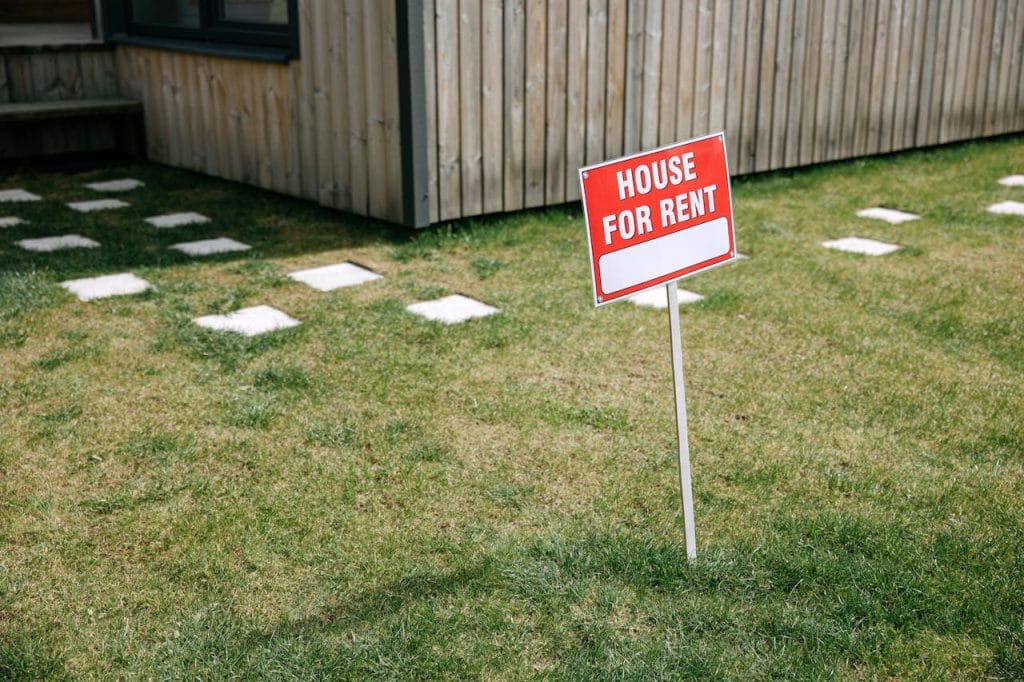
house for rent

Image Source: pexels.com

Month-to-month leases used to be a win-win. Renters liked the flexibility. Landlords liked the steady income without long-term commitment. But lately, more renters are getting that dreaded notice: your lease is canceled. It’s not just happening in one city or state. It’s everywhere. If you’re renting, this shift matters. It could mean you have to move with little warning, or pay more to stay. Here’s why landlords are suddenly canceling month-to-month leases—and what you can do about it.

1. Rising Property Values Push Landlords to Sell

Home prices have jumped in many areas. Landlords see a chance to cash out. If a property’s value has gone up 20% in two years, selling now can mean a big profit. Month-to-month leases make it easy for landlords to clear out tenants fast. They don’t have to wait for a year-long lease to end. This is happening in both hot markets and places where prices are just starting to rise. If your landlord cancels your lease, they might be getting ready to sell.

2. New Laws Make Renting Riskier for Landlords

Some cities and states have passed new rules to protect renters. These laws can make it harder for landlords to raise rent or evict tenants. For example, some places now require “just cause” for eviction, even for month-to-month renters. Others limit how much rent can go up each year. Landlords who don’t want to deal with these rules may cancel leases before new laws take effect. They want to avoid getting stuck with a tenant they can’t easily remove or charge more. If you live in a place with new tenant protections, your landlord might be acting now to avoid future headaches.

3. Short-Term Rentals Are More Profitable

Platforms like Airbnb and Vrbo have changed the game. In many cities, landlords can make more money renting to tourists by the night or week. A unit that rents for $1,500 a month might bring in $3,000 as a short-term rental. Month-to-month leases are easy to end, so landlords can switch to short-term rentals fast. This trend is especially strong in vacation spots and big cities. If your landlord cancels your lease, they might be planning to list the unit on a short-term rental site.

4. Higher Interest Rates Change the Math

Interest rates have gone up. That means higher mortgage payments for landlords with adjustable-rate loans. Some landlords can’t cover the new costs with the current rent. They may cancel month-to-month leases to raise the rent for new tenants or to sell the property. If your landlord’s costs have gone up, they might be looking for ways to make the numbers work. Month-to-month leases give them the flexibility to act fast.

5. Insurance and Maintenance Costs Are Climbing

It’s not just mortgages. Insurance premiums and repair costs are up, too. Landlords are paying more for everything from roof repairs to property taxes. Some decide it’s not worth the hassle. Others want to raise rent to cover costs, but local laws or market limits make that tough. Canceling month-to-month leases lets landlords reset the rent or rethink their investment. If your building needs major repairs, your landlord might want everyone out before work starts.

6. Landlords Want More Predictable Tenants

Month-to-month leases are flexible, but they’re also risky for landlords. Tenants can leave with little notice. That means empty units and lost income. Some landlords are moving back to year-long leases. They want stability. If you get a notice canceling your month-to-month lease, your landlord might offer you a longer lease at a higher rate. It’s a way to lock in income and reduce turnover.

7. Market Uncertainty Makes Landlords Nervous

The economy feels shaky. Some landlords worry about falling home prices, job losses, or new regulations. They want to control their risk. Canceling month-to-month leases gives them options. They can sell, renovate, or just wait and see. If your landlord seems jumpy, it might be about more than just your lease. They’re watching the market and making moves to protect themselves.

8. Renters Are More Informed and Assertive

Renters today know their rights. They ask for repairs, challenge rent hikes, and push back on unfair treatment. Some landlords don’t want the hassle. Month-to-month leases are easy to end, so they use that power. If you’re a tenant who stands up for yourself, your landlord might see you as “high maintenance.” It’s not fair, but it happens.

9. Pandemic-Era Eviction Bans Changed the Landscape

During the pandemic, eviction bans made it hard for landlords to remove tenants, even for nonpayment. Some landlords are still feeling the effects. They want more control now. Canceling month-to-month leases is one way to avoid getting stuck again. If you’re renting month-to-month, your landlord might be thinking about what happened in 2020 and 2021.

10. Some Landlords Are Just Restructuring

Not every lease cancellation is about money or laws. Some landlords are changing how they manage their properties. They might want to renovate, combine units, or move in themselves. Month-to-month leases make these changes easier. If your landlord cancels your lease, ask why. Sometimes, it’s just a business decision.

What Renters Can Do Next

Month-to-month leases are less secure than they used to be. If you’re renting this way, have a backup plan. Save for moving costs. Know your rights in your city or state. Talk to your landlord about a longer lease if you want more stability. And if you get a cancellation notice, act fast. Look for new places, ask for more time, and get everything in writing. The rental market is changing, but you can still protect yourself.

Have you had your month-to-month lease canceled? How did you handle it? Share your story in the comments.

Read More

5 Things that Can Happen If You Buy A Home WIth A Solar Lease

Lease vs. Own: A Company’s Guide To Having Its Own Building

Travis Campbell
Travis Campbell

Travis Campbell is a digital marketer/developer with over 10 years of experience and a writer for over 6 years. He holds a degree in E-commerce and likes to share life advice he’s learned over the years. Travis loves spending time on the golf course or at the gym when he’s not working.

Filed Under: Real Estate Tagged With: housing, landlord tips, month-to-month lease, real estate trends, rental market, renting advice, tenant rights

Should Homeowners Be Required to Rent Rooms During Housing Crises?

April 24, 2025 by Travis Campbell Leave a Comment

house keys

Image Source: pexels.com

The nationwide housing crisis has sparked intense debate about potential solutions, including whether homeowners should be obligated to rent out spare rooms. As housing costs soar and inventory remains scarce, many communities are exploring unconventional approaches to increase affordable housing options. This controversial proposal raises fundamental questions about property rights versus social responsibility during times of crisis. For homeowners and renters alike, understanding the nuances of this debate is crucial as housing policies continue to evolve in response to persistent shortages.

1. The Constitutional and Legal Considerations

Mandating that homeowners rent rooms raises significant legal concerns. The Fifth Amendment protects private property rights, making any government requirement to share one’s home constitutionally questionable. While some municipalities have implemented voluntary incentive programs for homeowners renting spare rooms, mandatory programs would likely face legal challenges.

Several court cases have established precedents regarding property rights limitations. For example, in Cedar Point Nursery v. Hassid, the Supreme Court reinforced protections against government-mandated access to private property. Any policy requiring homeowners to rent rooms must navigate these established legal boundaries.

Instead of mandates, some communities have found success with incentive-based approaches. Tax breaks, reduced utility rates, and simplified permitting processes have encouraged voluntary participation without infringing on property rights.

2. Economic Impacts on Homeowners and Housing Markets

Requiring homeowners to rent rooms would create both opportunities and challenges in the housing market. For homeowners, rental income could help offset mortgage payments and property taxes, potentially reducing foreclosures during economic downturns. A study by the Joint Center for Housing Studies at Harvard University found that rental income from accessory dwelling units can provide up to 30% of a homeowner’s housing costs.

However, mandatory rental requirements could negatively impact property values and homeowner insurance rates. Many insurance policies aren’t structured to cover tenant-related liabilities, potentially creating additional financial burdens for homeowners.

From a market perspective, increasing rental inventory through spare rooms could help stabilize rental prices in high-demand areas. This approach provides immediate housing options without the delays associated with new construction projects.

3. Social and Community Implications

Housing crises often disproportionately affect vulnerable populations, including low-income families, seniors, and essential workers. Mandatory room rentals could create immediate housing opportunities for these groups, potentially reducing homelessness and displacement.

However, forced cohabitation arrangements raise legitimate safety and compatibility concerns. Without proper screening mechanisms, homeowners and renters could face uncomfortable or potentially dangerous living situations. This is particularly concerning for households with children or elderly residents.

Community cohesion might either benefit or suffer from such policies. While shared housing can foster connections between different demographic groups, resentment could grow if homeowners feel government mandates have compromised their autonomy.

4. Alternative Solutions to Address Housing Shortages

Rather than mandating room rentals, communities might consider expanding voluntary programs that have proven successful. The Affordable Housing Overlay zones implemented in cities like Cambridge, Massachusetts, have increased housing density without infringing on property rights.

Zoning reforms that allow accessory dwelling units (ADUs) and reduce minimum lot sizes can significantly increase housing supply. These approaches respect property rights while still addressing housing shortages.

Public-private partnerships for affordable housing development offer another promising alternative. By combining government incentives with private sector efficiency, these partnerships can create new housing units more quickly than traditional public housing projects.

5. Ethical Dimensions: Rights vs. Responsibilities

The housing crisis debate ultimately centers on balancing individual rights with collective responsibilities. Homeownership has traditionally been viewed as conferring complete autonomy over one’s living space. Mandatory room rentals would fundamentally challenge this understanding.

Some ethicists argue that community needs may temporarily outweigh individual preferences during crises. Historical precedents exist for limiting property rights during emergencies, such as wartime housing requisitions. However, housing crises typically develop gradually rather than suddenly, making emergency justifications less compelling.

A middle-ground approach might involve graduated responses based on crisis severity. Communities could establish objective metrics to determine when housing shortages have reached crisis levels, triggering increasingly interventionist policies only when absolutely necessary.

6. The Path Forward: Balancing Innovation and Freedom

The most sustainable solutions to housing crises will likely combine innovative housing policies with respect for homeowner autonomy. Rather than mandates, communities should create compelling incentives that make room rentals financially and socially attractive to homeowners.

Technology platforms that simplify the room rental process, including tenant screening and payment processing, could reduce barriers to participation. Local governments might partner with these platforms to provide additional security features and dispute resolution services.

Education campaigns highlighting successful homeowner-tenant relationships could help overcome resistance based on misconceptions or fears. By showcasing positive outcomes without resorting to mandates, these campaigns might increase voluntary participation rates.

The Housing Crisis Demands Creative But Respectful Solutions

The housing crisis requires bold thinking, but solutions must balance immediate needs with long-standing principles of property rights. Mandatory room rentals represent one extreme on a spectrum of possible approaches, with purely voluntary programs at the opposite end. The most effective policies will likely fall somewhere in between, using targeted incentives and removing barriers to increase housing supply without undermining homeowner autonomy.

Communities facing housing shortages should engage in transparent, inclusive conversations about potential solutions, ensuring that both homeowners and those seeking housing have meaningful input into policy decisions. By working together, communities can develop approaches that address housing needs while respecting individual rights.

Have you ever considered renting out a spare room in your home? What incentives would make you more likely to participate in a room rental program during a housing crisis?

Read More

The Impact of Location on Commercial Real Estate Insurance Rates

10 Signs You’re Heading Towards a Financial Disaster

Travis Campbell
Travis Campbell

Travis Campbell is a digital marketer/developer with over 10 years of experience and a writer for over 6 years. He holds a degree in E-commerce and likes to share life advice he’s learned over the years. Travis loves spending time on the golf course or at the gym when he’s not working.

Filed Under: Real Estate Tagged With: affordable housing, homeowner responsibilities, housing crisis, housing policy, property rights, rental market, room rentals

FOLLOW US

Search this site:

Recent Posts

  • Can My Savings Account Affect My Financial Aid? by Tamila McDonald
  • 12 Ways Gen X’s Views Clash with Millennials… by Tamila McDonald
  • What Advantages and Disadvantages Are There To… by Jacob Sensiba
  • Call 911: Go To the Emergency Room Immediately If… by Stephen Kanaval
  • 10 Tactics for Building an Emergency Fund from Scratch by Vanessa Bermudez
  • 7 Weird Things You Can Sell Online by Tamila McDonald
  • 10 Scary Facts About DriveTime by Tamila McDonald

Copyright © 2026 · News Pro Theme on Genesis Framework