• Home
  • About Us
  • Toolkit
  • Getting Finances Done
    • Hiring Advisors
    • Debt Management
    • Spending Plan
  • Insurance
    • Life Insurance
    • Health Insurance
    • Disability Insurance
    • Homeowners/Renters Insurance
  • Contact Us
  • Privacy Policy
  • Risk Tolerance Quiz

The Free Financial Advisor

You are here: Home / Archives for Cost of living

I Moved to a Tax-Free State And Here Are 10 Costs No One Warned Me About

April 2, 2026 by Brandon Marcus Leave a Comment

I Moved to a Tax-Free State And Here Are 11 Costs No One Warned Me About

Image Source: Unsplash.com

There’s a genuine thrill that comes with the phrase “tax-free.” It sounds like a cheat code to adult life, a golden ticket where paychecks stretch further and financial stress fades into the background. The idea practically sells itself: no state income tax means more money stays where it belongs. It feels like a smart move, a strategic upgrade, the kind of decision that screams financial savvy. On paper, it looks like a clean win.

But reality loves complexity, and tax-free states come with a plot twist. That missing income tax doesn’t disappear into thin air—it reappears in ways that feel less obvious but hit just as hard. The excitement of relocating quickly meets the reality of everyday expenses that quietly stack up. Some costs creep in slowly, while others make a dramatic entrance right after moving day. What starts as a financial victory lap can turn into a budgeting puzzle that demands attention and strategy.

1. The Property Tax Plot Twist That Hits Hard

Property taxes often take center stage in tax-free states, and they do not play around. Without income tax revenue, many states lean heavily on property taxes to fund schools, infrastructure, and public services. That means homeowners often face higher-than-expected annual bills, even if the home price itself looked reasonable. The initial excitement of buying a home can fade quickly when that first property tax statement lands.

Renters do not escape this either, even though it might feel like they should. Landlords typically pass those higher property taxes along through increased rent, which means monthly payments climb quietly over time. That steady increase can catch people off guard, especially those who moved expecting overall savings. Budgeting for housing suddenly requires a closer look at long-term trends instead of just upfront costs.

A smart move involves researching property tax rates before committing to a location. Some neighborhoods or counties carry significantly higher rates than others, even within the same state. Looking beyond the listing price and digging into annual tax obligations can prevent unpleasant surprises. A little homework upfront saves a lot of stress later.

2. Sales Tax: The Silent Budget Drainer

Shopping feels different when sales tax climbs into the picture with enthusiasm. Tax-free states often rely more heavily on sales tax, and those percentages can stack up fast. Every grocery run, clothing purchase, or home upgrade quietly chips away at that “extra” income people expected to keep. The effect doesn’t feel dramatic at first, but it builds over time.

Daily spending habits suddenly matter more than ever. A casual lunch out or a quick online order carries a slightly heavier financial weight than expected. Over a year, those extra percentages can add up to a significant amount, especially for households with higher spending patterns. It becomes clear that “no income tax” doesn’t mean “no tax impact.”

3. Insurance Costs That Refuse to Stay Quiet

Insurance costs often rise in tax-free states, especially in areas prone to natural risks like hurricanes, floods, or extreme weather. Homeowners insurance can come with higher premiums, and in some cases, additional coverage becomes necessary. Flood insurance, for example, might not come standard but quickly becomes essential depending on the location.

Car insurance can also spike depending on local factors like traffic patterns, accident rates, and weather conditions. Even drivers with clean records might notice a jump compared to previous states. That increase can feel frustrating, especially when it wasn’t part of the initial relocation plan.

4. Utility Bills That Bring the Heat—or the Cold

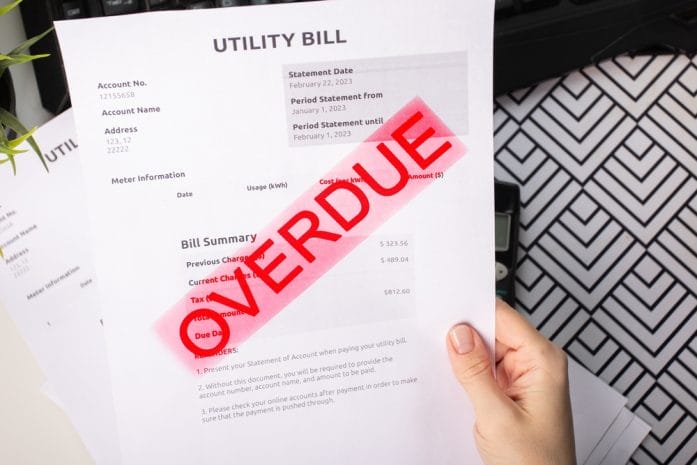
Utility costs can swing wildly depending on the climate of a tax-free state. Hot regions often demand heavy air conditioning use, while colder areas rack up heating bills that stretch through long winters. Either way, energy consumption tends to rise, and so do monthly bills.

Homes built in certain climates might lack the insulation or efficiency features that keep costs down. That means even moderate usage can lead to surprisingly high bills. New residents often underestimate how much climate impacts their daily expenses until the first few utility statements arrive. Energy efficiency becomes a valuable strategy. Upgrading insulation, using smart thermostats, and maintaining HVAC systems can help manage costs. Even small habits, like adjusting thermostat settings or sealing drafts, can add up over time. Staying proactive keeps those bills from spiraling.

I Moved to a Tax-Free State And Here Are 11 Costs No One Warned Me About

Image Source: Shutterstock.com

5. Higher Fees for Everyday Services

States without income tax often rely on fees to fill revenue gaps, and those fees show up in unexpected places. Vehicle registration, driver’s licenses, and local permits can cost more than anticipated. Even routine services like waste collection or public amenities might carry higher price tags.

These costs rarely grab attention during the moving process, but they quickly become part of everyday life. Paying more for basic services can feel frustrating, especially when it wasn’t factored into the initial decision. Over time, those fees create a steady drain on finances. Planning ahead helps soften the impact. Researching common fees in a new area provides a clearer picture of ongoing expenses. Setting aside a small buffer in the budget ensures these costs don’t catch anyone off guard. Preparation turns a surprise into a manageable detail.

6. Housing Demand That Drives Prices Up

Tax-free states often attract a steady stream of new residents, and that demand pushes housing prices higher. The appeal of lower taxes creates competition, which can drive up both home prices and rent. What looks like a good deal at first glance might actually reflect a heated market.

Limited inventory adds to the pressure. Buyers and renters often face bidding wars or quick decision timelines, which can lead to higher costs or compromises. That fast-paced environment can feel overwhelming, especially for those who expected a smoother transition. Taking time to explore different neighborhoods can reveal better options. Expanding the search radius or considering less competitive areas might lead to more affordable choices. Patience and flexibility can make a big difference in finding the right fit without overspending.

7. Transportation Costs That Sneak Up Fast

Getting around can cost more than expected in many tax-free states. Public transportation options might be limited, which means relying heavily on a personal vehicle. That brings fuel, maintenance, and insurance costs into sharper focus.

Longer commutes also play a role, especially in sprawling regions where distances between work, home, and amenities stretch out. More driving means more wear and tear on vehicles, along with higher fuel expenses. Those costs build steadily over time.

Planning routes and considering fuel-efficient vehicles can help manage expenses. Carpooling or combining errands reduces unnecessary trips. Small adjustments can keep transportation costs from becoming overwhelming.

8. Groceries That Cost More Than Expected

Food prices can vary significantly depending on the region, and tax-free states sometimes carry higher grocery costs. Factors like transportation, climate, and local supply chains influence pricing. That means everyday staples might cost more than anticipated.

Dining out can also feel pricier, especially when combined with higher sales tax. Regular meals at restaurants or takeout orders quickly add up. What once felt like a casual habit can turn into a noticeable expense. Cooking at home more often can help balance things out. Planning meals and shopping strategically reduces waste and saves money. Even small changes in grocery habits can lead to meaningful savings over time.

9. Tourism Taxes That Hit Locals Too

Popular tax-free states often double as major tourist destinations, and that brings its own set of costs. Hotels, entertainment, and dining frequently include tourism-related taxes or higher base prices. While these target visitors, residents often feel the impact as well.

Local businesses may price services higher due to demand from tourists. That means everyday experiences, from dining out to attending events, can cost more than expected. Living in a desirable destination comes with a premium. Seeking out local deals or off-peak options can help reduce costs. Exploring lesser-known spots often leads to more affordable and enjoyable experiences. A little creativity keeps entertainment budgets in check.

10. Healthcare Costs That Vary Widely

Healthcare expenses can differ significantly depending on the state and local infrastructure. Some tax-free states offer fewer public healthcare programs or higher private insurance costs. That creates variability that can surprise new residents.

Access to providers and facilities also plays a role. Limited options in certain areas can lead to higher costs or longer travel times for care. That adds both financial and logistical challenges.

Reviewing healthcare options before moving helps avoid surprises. Comparing plans and understanding local resources ensures better preparedness. Taking control of this aspect early makes a big difference.

The Real Cost of “Saving Money” Might Surprise You

The promise of tax-free living carries undeniable appeal, but it demands a closer look. Each of these hidden costs tells part of the story, and together they paint a more complete picture. Saving on income tax doesn’t guarantee overall savings, especially when other expenses rise to fill the gap. Smart planning turns that realization into an advantage instead of a setback.

What surprised you most about the idea of tax-free living, and what strategies would you use to stay ahead of these hidden costs? Drop your thoughts, ideas, or experiences in the comments and get the conversation going.

You May Also Like…

How Utilities Affect Colorado’s Low Property Tax Rate

Texas vs. Florida: Which No-Income-Tax State Actually Leaves You With More Money?

Texas Grocery Warning: New Anti-Fraud Rules Mean More ID Checks at Checkout Starting in April

The Texas Mortgage Shock: Why Your Monthly Payment Just Jumped $400 Without Warning

6 Advanced Techniques to Lower Your Capital Gains Taxes Legally

Brandon Marcus
Brandon Marcus

Brandon Marcus is a writer who has been sharing the written word since a very young age. His interests include sports, history, pop culture, and so much more. When he isn’t writing, he spends his time jogging, drinking coffee, or attempting to read a long book he may never complete.

Filed Under: Lifestyle Tagged With: budgeting, Cost of living, hidden expenses, Housing Costs, lifestyle costs, moving tips, Personal Finance, Planning, property taxes, relocation advice, tax-free states

Retirees Are Rethinking Second Homes — Why the “Snowbird Lifestyle” Is Getting Too Expensive

March 30, 2026 by Brandon Marcus Leave a Comment

Retirees Are Rethinking Second Homes — Why the “Snowbird Lifestyle” Is Getting Too Expensive

Image Source: Shutterstock.com

A beachfront condo in January once symbolized the ultimate retirement victory. Sun on the patio, coffee in hand, and not a snow shovel in sight felt like the reward for decades of hard work. That image still holds power, but the numbers behind it now raise eyebrows instead of smiles. Retirees who once jumped at the chance to own a second home in warmer climates now pause, run the math again, and sometimes walk away entirely. The “snowbird lifestyle” still sparkles on the surface, but beneath it sits a growing pile of expenses that refuse to stay quiet.

The shift does not come from a lack of desire, because the appeal of escaping winter remains strong and timeless. Instead, it comes from a new financial reality that feels heavier with every passing year. Property taxes climb, insurance premiums spike, and maintenance costs refuse to stay predictable. Add in rising travel expenses and fluctuating exchange rates, and the once-simple dream starts to look like a full-time financial commitment. Retirees now approach second homes with sharper questions, stricter budgets, and a willingness to rethink what “living the dream” really means.

When Paradise Comes With Property Taxes and Paperwork

Owning a second home used to feel like a straightforward upgrade, but today it behaves more like a second job with a hefty price tag. Property taxes in many popular warm-weather destinations have increased steadily, and some regions have seen sharp jumps due to booming real estate markets. Retirees who locked in homes years ago now face reassessments that push annual costs far beyond what they originally expected. Insurance adds another layer of stress, especially in areas prone to hurricanes, floods, or wildfires, where premiums have surged or coverage has become harder to secure. That combination alone can turn a relaxing getaway into a source of constant financial calculation.

Maintenance does not take a vacation either, and it demands attention whether the home sits occupied or empty. Roof repairs, plumbing issues, and general upkeep costs continue to rise, and hiring reliable help from afar adds another layer of complexity. Some retirees try to offset expenses by renting out their property, but that strategy brings its own set of responsibilities, from managing bookings to dealing with wear and tear. Regulations around short-term rentals have tightened in many areas, making it harder to rely on rental income as a safety net. The result leaves many retirees asking a simple but powerful question: does the convenience of ownership still outweigh the constant demands?

Travel Isn’t Cheap Anymore—And It Changes Everything

The snowbird lifestyle depends heavily on mobility, and that mobility has become noticeably more expensive. Airfare prices have climbed, fuel costs fluctuate unpredictably, and even road trips carry higher expenses than they once did. Retirees who once hopped between homes with ease now plan trips more carefully, sometimes reducing how often they travel between locations. That shift alone changes the rhythm of the lifestyle, turning what once felt flexible into something that requires more coordination and budgeting.

Longer stays might seem like a solution, but they introduce their own challenges, especially when family, healthcare, and social connections remain tied to a primary residence. Extended time away can complicate medical care, insurance coverage, and even access to trusted providers. Travel insurance and healthcare considerations add yet another line item to the budget, making each trip feel more like a calculated decision than a spontaneous escape. The freedom that defined the snowbird lifestyle starts to feel more structured, and that subtle shift plays a major role in why some retirees rethink the entire setup.

Renting, Downsizing, or Roaming—New Ways to Chase the Sun

Retirees have not abandoned the idea of warm winters, but they have started to approach it with more flexibility and creativity. Renting instead of owning has gained serious traction, offering the chance to enjoy different locations without the long-term financial commitment. Seasonal rentals allow retirees to test out new destinations, adapt to changing preferences, and avoid the headaches of maintenance and property management. That freedom appeals to those who value experiences over ownership, especially when costs continue to rise.

Downsizing also plays a key role in reshaping the snowbird strategy. Some retirees choose to sell larger primary homes and move into smaller, more manageable spaces, freeing up funds for travel or seasonal stays. Others take things a step further and embrace a more nomadic lifestyle, hopping between short-term rentals, extended stays, or even RV travel. These alternatives offer a sense of adventure while keeping financial obligations more predictable. The traditional second home no longer stands as the only path to a warm winter, and that shift opens the door to more personalized and adaptable lifestyles.

Retirees Are Rethinking Second Homes — Why the “Snowbird Lifestyle” Is Getting Too Expensive

Image Source: Shutterstock.com

The Emotional Side of Letting Go of a Long-Held Dream

Walking away from the idea of a second home does not feel purely financial, because it often carries emotional weight tied to years of anticipation and planning. Many retirees spent decades imagining a specific version of retirement, complete with a familiar spot in the sun. Letting go of that vision can feel like giving up a reward that once seemed guaranteed. That emotional layer makes the decision more complex than a simple cost-benefit analysis, especially when memories, aspirations, and identity all come into play.

At the same time, many retirees discover that letting go of the traditional model opens up new opportunities that feel just as fulfilling, if not more so. Without the burden of ownership, they gain the freedom to explore new places, try different lifestyles, and adapt to changing needs without feeling tied down. That flexibility often brings a renewed sense of excitement, turning retirement into a period of exploration rather than routine. The dream does not disappear; it simply evolves into something that fits better with today’s realities and priorities.

Rethinking Retirement Without Losing the Joy

The snowbird lifestyle has not vanished, but it has transformed into something more flexible, more intentional, and often more creative. Retirees now weigh costs with greater care, explore alternatives with more curiosity, and redefine what comfort and freedom look like in this stage of life. Owning a second home still works for some, especially those with the financial cushion to absorb rising expenses, but it no longer stands as the default path. Renting, downsizing, or embracing a more mobile lifestyle offers viable and appealing options that keep the spirit of the dream alive without the same level of financial strain.

Does owning a second home still feel like the right move, or does a more flexible approach sound like a better fit? Share thoughts, strategies, or experiences in the comments.

You May Also Like…

Retirement Accounts Are Triggering Unexpected Taxes — What Some Investors Overlook

7 Alternative Investments That Outperformed the S&P 500 in 2025

More Retirees Are “Aging in Place” — But Many Homes Aren’t Built for It

Why More Retirees Are Being Flagged for “Excess Assets” by Benefit Programs

7 Sun Belt Retirement Towns Seeing Significant Price Corrections

Brandon Marcus
Brandon Marcus

Brandon Marcus is a writer who has been sharing the written word since a very young age. His interests include sports, history, pop culture, and so much more. When he isn’t writing, he spends his time jogging, drinking coffee, or attempting to read a long book he may never complete.

Filed Under: Retirement Tagged With: Cost of living, downsizing, Housing Market, Inflation, Planning, real estate trends, retirees, retirement planning, second homes, snowbird lifestyle, travel lifestyle, vacation homes

Insurance Costs Are Quietly Reshaping Where Americans Can Live — And Some Are Being Priced Out

March 29, 2026 by Brandon Marcus Leave a Comment

Insurance Costs Are Quietly Reshaping Where Americans Can Live — And Some Are Being Priced Out

Image Source: Pexels.com

The price of living somewhere no longer stops at rent or a mortgage. Insurance has stepped into the spotlight, and it refuses to stay quiet. Premiums have surged across the country, and in some places, they have exploded so dramatically that entire communities now sit on the edge of affordability. Homeowners who once felt secure now scan renewal notices with a mix of disbelief and dread, wondering how a bill tied to “protection” turned into a dealbreaker. The map of where people can live comfortably has started to shift, and insurance companies now hold more influence over that map than many ever expected.

Coastal dream homes, wildfire-adjacent retreats, and even suburban neighborhoods that once felt like safe bets now carry price tags that extend far beyond the purchase price. Insurance costs don’t just reflect risk anymore; they actively shape decisions about where families settle, where retirees relocate, and where younger buyers even dare to look.

When “Affordable” Stops Meaning What It Used To

For decades, affordability centered on a simple equation: income, mortgage, and maybe property taxes. That formula now looks outdated. Insurance premiums have surged in many regions, especially in areas prone to hurricanes, wildfires, flooding, and severe storms. States like Florida and California have become headline examples, where some homeowners have seen premiums double or even triple in a short period. That kind of increase doesn’t just sting; it completely reshapes budgets and forces tough decisions about staying put or moving on.

Insurance companies have tightened their grip on risk, and they no longer hesitate to pull back from areas they consider too volatile. Some insurers have stopped writing new policies in high-risk regions altogether, leaving homeowners scrambling for limited and often expensive alternatives. This shrinking pool of options drives prices even higher, creating a cycle that feels impossible to escape. Homebuyers now factor insurance quotes into their decision-making process before they even make an offer, because ignoring it could mean walking into a financial trap.

That reality forces a mindset shift. Buyers who once chased ocean views or wooded privacy now look for “insurability” as a key feature. A home that looks perfect on paper can quickly lose its shine when the insurance estimate arrives. People have started asking different questions: How close is the nearest fire station? Has this area seen recent claims? What do insurers say about future risk? Those questions now shape the housing search just as much as square footage or school districts.

The Climate Factor Nobody Can Ignore Anymore

Climate risk has moved from an abstract concept to a daily reality, and insurance companies have responded with sharp adjustments. Wildfires in the West, hurricanes along the Gulf and East Coasts, and floods in unexpected regions have driven massive payouts for insurers. Those losses don’t disappear; companies pass them along through higher premiums or stricter coverage terms. The result lands squarely on homeowners’ shoulders, and it often arrives faster than expected.

Insurers rely on advanced data models that predict future risk, not just past events. That forward-looking approach means areas that haven’t yet faced a major disaster can still see rising premiums if models suggest trouble ahead. Homeowners sometimes feel blindsided when their rates jump without a recent claim, but insurers have already factored in shifting weather patterns and increasing disaster frequency. This disconnect between personal experience and projected risk creates frustration, especially when costs climb without a clear, visible cause.

Insurance Costs Are Quietly Reshaping Where Americans Can Live — And Some Are Being Priced Out

Image Source: Pexels.com

The Ripple Effect on Housing Markets

Rising insurance costs don’t stay confined to monthly bills; they ripple through entire housing markets. When insurance becomes too expensive, demand in certain areas begins to cool, and that shift can slow price growth or even push values downward. Sellers in high-risk regions now face an additional challenge, because buyers factor insurance costs into their overall budget and often walk away from deals that no longer make financial sense. What once looked like a hot market can lose momentum quickly when insurance enters the equation.

Lenders have also taken notice. Mortgage approvals often depend on proof of adequate insurance coverage, and when policies become difficult to obtain or prohibitively expensive, financing can fall through. That reality adds another layer of complexity for buyers, who must navigate not just interest rates and home prices but also insurance availability. A home that qualifies for a loan one year might become harder to finance the next, simply because insurance conditions changed.

This dynamic has started to influence migration patterns in subtle but significant ways. Some people leave high-cost, high-risk areas for regions with more stable insurance markets, even if it means sacrificing certain lifestyle perks. Others stay put but adjust expectations, opting for smaller homes or different neighborhoods to offset rising premiums. The housing market doesn’t just reflect personal preferences anymore; it reflects a growing awareness of long-term risk and financial sustainability.

Strategies for Staying Ahead of the Insurance Squeeze

Navigating this new landscape requires a proactive approach, because waiting for renewal notices can lead to unpleasant surprises. Homeowners benefit from shopping around for insurance regularly, even if they feel satisfied with their current provider. Different companies assess risk differently, and comparing quotes can reveal opportunities to save or find better coverage. Loyalty doesn’t always pay in this market, so staying informed matters more than ever.

Bundling policies, increasing deductibles, and asking about discounts for safety upgrades can also help manage costs. Insurers often reward homeowners who take steps to reduce risk, and those incentives can add up over time. Installing security systems, reinforcing roofs, or upgrading electrical systems can make a property more appealing from an insurance perspective. These improvements require upfront investment, but they can lead to long-term savings and greater peace of mind.

Location research has become a critical step for anyone considering a move. Checking local insurance trends, understanding regional risks, and reviewing state-backed insurance options can provide valuable insight before making a decision. Some states offer last-resort insurance programs for high-risk areas, but those policies often come with higher costs and limited coverage. Knowing these details ahead of time helps avoid surprises and allows for smarter planning. A little homework now can prevent major financial headaches later.

The New Geography of Affordability

A new map has started to emerge, and it doesn’t look like the one people grew up with. Insurance costs have quietly redrawn the boundaries of affordability, turning some once-desirable locations into financial challenges while elevating others as safer bets. This shift doesn’t mean people will abandon entire regions overnight, but it does mean decisions about where to live now carry more weight and complexity than ever before. Housing choices have become deeply intertwined with risk, resilience, and long-term cost planning.

What changes feel most realistic right now—adjusting expectations, relocating, or investing in upgrades to stay put? Drop your thoughts, strategies, or even frustrations in the comments and keep the conversation going.

You May Also Like…

7 Reasons Your Home Insurance Premium Just Went Up Again

8 Super Simple Ways to Reduce Your Car Insurance Premiums

Your House Is Holding You Back: Why So Many People Are Re‑Thinking Homeownership

Colorado Escrow Payments Continue Climbing — Homeowners Face Higher Monthly Costs

Avoid These Pitfalls: First-Time Homeownership Mistakes That Can Cost You

Brandon Marcus
Brandon Marcus

Brandon Marcus is a writer who has been sharing the written word since a very young age. His interests include sports, history, pop culture, and so much more. When he isn’t writing, he spends his time jogging, drinking coffee, or attempting to read a long book he may never complete.

Filed Under: Insurance Tagged With: climate risk, Cost of living, disaster zones, homeowners insurance, housing affordability, Housing Market, Inflation, insurance crisis, migration trends, Planning, property insurance, real estate trends

The “Affordable Home” Trap — Why Monthly Costs Are Much Higher Than Buyers Expected

March 28, 2026 by Brandon Marcus Leave a Comment

The “Affordable Home” Trap — Why Monthly Costs Are Much Higher Than Buyers Expected

Image Source: Unsplash.com

The price tag grabs attention first, and it does so loudly. A listing flashes across the screen with a number that feels manageable, even exciting, and suddenly the dream of owning a home seems completely within reach. That number plants a powerful idea: this works, this fits, this can happen. It creates momentum, and momentum leads to decisions. But that number tells only part of the story, and it often tells it in a way that feels a little too optimistic.

Monthly reality doesn’t care about optimism. It builds quietly behind the scenes, stacking cost on top of cost until the final total looks nothing like the original estimate. Mortgage payments grow, taxes shift, insurance climbs, and maintenance demands attention at the worst possible moment. What looked like a comfortable plan on paper can quickly feel tight, unpredictable, and stressful in real life. That gap between expectation and reality turns an “affordable” home into something far more expensive than anyone signed up for.

1. The Mortgage Payment Illusion That Starts It All

That appealing home price creates a powerful anchor, and everything else tends to orbit around it. Buyers often focus on the listing price and estimate a monthly mortgage payment using ideal conditions, such as a strong down payment and a favorable interest rate. Lenders may even provide a rough estimate that looks clean and manageable, which reinforces the belief that the numbers line up perfectly. But that early calculation rarely reflects the full picture, and it almost never captures the long-term reality of the loan.

Interest rates play a massive role in shaping monthly payments, and even a small difference can shift the entire financial landscape. A slightly higher rate can add hundreds to the monthly bill, turning a comfortable payment into something far more demanding. Many buyers also stretch their budget to qualify for a home they love, which leaves very little breathing room once real expenses kick in. That stretch might feel reasonable during the excitement of buying, but it often becomes stressful when bills start arriving consistently.

Loan structures can complicate things even further. Adjustable-rate mortgages may start with lower payments, but those payments can climb significantly over time. Fixed-rate mortgages offer stability, yet they still lock buyers into long-term commitments that require steady income and careful planning. The initial estimate rarely highlights how sensitive the payment remains to changes in taxes, insurance, or refinancing conditions. That “affordable” number begins to feel less solid the moment those variables shift.

2. Property Taxes That Refuse to Sit Still

Property taxes rarely stay predictable, and they don’t ask for permission before increasing. Local governments reassess property values regularly, and those reassessments can drive tax bills higher even if nothing changes about the home itself. A buyer may calculate monthly costs based on current tax rates, but those rates often rise over time. That increase doesn’t arrive as a surprise in theory, yet it often feels like one in practice because early estimates rarely emphasize how quickly things can change.

Escrow accounts can soften the blow temporarily, but they don’t eliminate the impact. When taxes increase, lenders adjust monthly payments to cover the difference, and that adjustment can happen with little warning. A homeowner who planned for a fixed payment suddenly faces a higher bill, and that shift can disrupt an otherwise stable budget. The increase may not seem dramatic at first, but repeated changes over several years can add up in a meaningful way.

Some areas experience sharper tax jumps than others, especially in regions where home values rise quickly. Buyers who focus only on current tax amounts may underestimate how aggressively those costs can climb. Researching historical tax trends in a specific area provides a clearer picture, yet many people skip that step in the rush to secure a home. That oversight can lead to a situation where the home still feels “affordable” on paper but becomes noticeably heavier on the wallet over time.

3. Insurance Costs That Keep Climbing

Home insurance rarely stays flat, and recent trends show consistent increases in many regions. Insurers adjust premiums based on risk factors such as weather patterns, construction costs, and claim history in the area. A buyer may receive an initial quote that fits comfortably within the budget, but that quote can change significantly within a year or two. Those changes often reflect broader industry shifts rather than anything specific to the home itself.

Coverage levels also influence the monthly cost more than many expect. A lower premium might look attractive at first, but it can leave gaps in protection that become painfully obvious during a claim. On the other hand, comprehensive coverage increases the monthly payment, which adds pressure to an already tight budget. Striking the right balance requires careful thought, yet many buyers rush through this decision in the excitement of closing a deal.

Bundling policies or shopping around for better rates can help control costs, but those strategies require ongoing attention. Insurance doesn’t operate as a one-time decision; it demands regular review and adjustment. Buyers who treat it as a static expense often find themselves paying more than necessary or carrying inadequate coverage. That combination of rising premiums and overlooked details contributes to the growing gap between expected and actual monthly costs.

4. Maintenance: The Expense That Never Takes a Break

A home demands constant care, and that care comes with a price tag that doesn’t appear in most initial calculations. Routine maintenance alone can stretch a budget, and unexpected repairs can push it even further. Roof issues, plumbing problems, and appliance failures don’t follow convenient schedules, and they rarely arrive when finances feel strong. Ignoring maintenance doesn’t solve the problem; it usually makes it more expensive down the line.

Experts often suggest setting aside a percentage of the home’s value each year for maintenance, yet many buyers underestimate this recommendation or skip it entirely. That decision can create a financial crunch when something inevitably breaks. A single major repair can cost thousands, and multiple issues can stack up quickly if the home requires more attention than expected. Those costs don’t just affect savings; they can disrupt monthly cash flow in a significant way.

Newer homes may seem like a way to avoid maintenance headaches, but they don’t eliminate them. Systems still require upkeep, and warranties often cover only limited scenarios. Older homes may offer charm and character, yet they frequently come with higher maintenance demands. Every property carries its own set of responsibilities, and those responsibilities translate directly into ongoing expenses that extend far beyond the mortgage payment.

The “Affordable Home” Trap — Why Monthly Costs Are Much Higher Than Buyers Expected

Image Source: Unsplash.com

5. Utilities and Everyday Costs That Add Up Fast

Monthly housing costs go far beyond the big-ticket items, and utilities play a major role in shaping the total. Heating, cooling, electricity, water, and waste services all contribute to the overall expense, and those costs can vary widely depending on the size and efficiency of the home. A larger property may feel like a great deal at the purchase stage, but it often requires more energy to operate, which increases monthly bills.

Seasonal changes can push utility costs even higher, especially in areas with extreme temperatures. Heating bills can spike during colder months, while cooling costs can climb during warmer periods. Those fluctuations make it difficult to maintain a consistent monthly budget, and they can catch homeowners off guard if they rely on average estimates. Energy efficiency improvements can help, but they often require upfront investment.

Lifestyle choices also influence utility expenses more than many expect. Frequent use of appliances, lighting preferences, and water consumption habits all play a role. Small changes can lead to noticeable savings over time, but they require awareness and consistency. Ignoring these factors can quietly inflate monthly costs, contributing to the overall feeling that the home costs more than expected.

The Reality Check That Every Buyer Needs

An “affordable” home price can open the door, but it doesn’t tell the whole story about what living there actually costs. Monthly expenses build from multiple sources, and each one carries its own potential for change. Buyers who take the time to calculate a full picture—including taxes, insurance, maintenance, and utilities—stand a much better chance of avoiding financial stress. That approach may feel less exciting in the moment, but it creates a far more sustainable path forward.

What strategies have worked when it comes to keeping home costs under control, or what surprised you most about the true monthly price of owning a home? Drop all of your thoughts, experiences, or tips in the comments.

You May Also Like…

Your House Is Holding You Back: Why So Many People Are Re‑Thinking Homeownership

The “Homeowner Lie”: Why Your House is Actually a Liability, Not an Investment in 2026

A Beginner’s Guide to Selling on the Real Estate Market

8 Homeowner Insurance Denials Based on Aerial Photos

10 Real Estate “Deals” That Can Turn Into Absolute Disasters

Brandon Marcus
Brandon Marcus

Brandon Marcus is a writer who has been sharing the written word since a very young age. His interests include sports, history, pop culture, and so much more. When he isn’t writing, he spends his time jogging, drinking coffee, or attempting to read a long book he may never complete.
Filed Under: Lifestyle Tagged With: budgeting, Cost of living, first-time buyers, hidden expenses, home buying, homeownership, Housing Market, interest rates, mortgage costs, Planning, property taxes, real estate tips

Social Security Checks Are Getting Smaller for Some Retirees — And It’s Not a Benefit Cut

March 26, 2026 by Brandon Marcus 1 Comment

Social Security Checks Are Getting Smaller for Some Retirees — And It’s Not a Benefit Cut

Image Source: Shutterstock.com

Imagine opening your mailbox, flipping open your latest Social Security statement, and discovering that your check looks a little leaner than last month. Panic sets in for many retirees, but before assuming the worst, it’s crucial to understand what’s really happening. Social Security checks can shrink for some retirees, even though no one in Washington pressed the “benefit cut” button. This phenomenon isn’t about punishment—it’s about math, taxes, and the sneaky ways living costs adjust under federal rules. For anyone counting on Social Security as a primary income source, this shift can feel unsettling, but knowing the why can ease a lot of worry.

At first glance, the idea of a smaller check seems like bad news. After all, Social Security is designed to provide steady, predictable income. But when retirees notice their deposits decreasing, it often has nothing to do with the Social Security Administration slashing benefits. The reality is more nuanced.

The Inflation Twist: COLA Isn’t Always Enough

Cost-of-living adjustments, or COLA, sound like a built-in financial cushion. Every year, Social Security recipients are supposed to get a bump that accounts for inflation. In theory, this is great news: your income should rise just enough to match higher prices at the grocery store or gas pump. Reality, however, has a few quirks. Inflation doesn’t hit every part of life equally. Retirees often spend a larger portion of their income on healthcare, which has historically risen faster than general inflation. So even if the COLA adds a few dollars to a check, it may not fully cover increased medical expenses or other cost surges.

The other wrinkle is the timing. Social Security benefits are adjusted annually, while prices climb continuously. During months when inflation spikes sharply, it can feel like your check is lagging behind real-world costs. Even when the system technically provides a raise, your spending needs may outpace it. This discrepancy isn’t a sign of a policy failure; it’s a reality of how benefits are calculated versus how prices actually move. Savvy retirees can mitigate the pinch by reviewing monthly expenses, prioritizing higher-cost essentials, and seeking supplemental income opportunities when necessary. Budgeting tools and automatic expense trackers can help spot where every dollar is going and where small adjustments could have a meaningful impact.

Medicare Premiums: The Silent Deduction

Few retirees anticipate just how much Medicare can quietly chip away at their Social Security checks. Part B and D premiums are deducted directly from payments, and these premiums can rise year to year depending on healthcare costs and legislative adjustments. While the premium increases are technically predictable, they can still feel like a shock when a recipient notices that their “new” check seems smaller than last year’s. What makes this deduction tricky is that it’s automatic and often overlooked when calculating expected income.

Income-based adjustments can complicate matters further. Higher earners may pay more for Medicare premiums through a mechanism called IRMAA (Income-Related Monthly Adjustment Amount). If someone’s income crosses certain thresholds, their premiums can jump significantly, reducing net benefits. Planning ahead is essential: retirees can review Medicare statements, understand the calculation behind their deductions, and consider tax strategies or supplemental insurance options that might lower total costs. Taking a proactive approach can help prevent surprises and make the monthly budget feel far more manageable.

Taxes: Uncle Sam’s Slice of Your Check

Social Security is not entirely tax-free, and this is where many retirees feel a bite that looks like a mysterious reduction in their benefits. Depending on income from other sources, up to 85% of Social Security benefits can become taxable at the federal level. That includes earnings from pensions, investments, or part-time work. The result? Even though the Social Security Administration hasn’t cut a single dollar, the IRS collects its share before the check hits the bank.

State taxes can also affect retirees, depending on where they live. Some states tax Social Security income fully, partially, or not at all, which adds an additional layer of complexity. The key takeaway is that understanding how taxes interact with Social Security is crucial to anticipating the actual take-home amount. Smart financial planning, including strategic withdrawals from other income sources or tax-advantaged accounts, can maximize the cash that actually lands in a retiree’s hands. This is another area where consulting a financial planner or using tax software to simulate outcomes can save headaches and preserve more of what you’ve earned.

Budgeting and Lifestyle Tweaks That Can Make a Big Difference

Smaller Social Security checks don’t have to translate into smaller lifestyles. Retirees can find creative ways to stretch income without sacrificing enjoyment. One method is reviewing discretionary spending with a fine-tooth comb: entertainment subscriptions, dining habits, and travel choices can all be optimized without feeling deprived. Even small changes, like shopping with a list or timing grocery runs to catch sales, can yield noticeable savings over time.

Another strategy involves exploring supplemental income options. Part-time work, freelancing, or even renting out extra space in a home can boost monthly cash flow. Pairing this with careful investment management and debt reduction strategies helps ensure that Social Security remains a stable foundation rather than the sole lifeline. Financial advisors often recommend a combination of careful planning and proactive lifestyle adjustments to preserve financial comfort while keeping retirement stress levels low. The goal is simple: make the most of every dollar while still enjoying the flexibility and freedom that retirement should offer.

Social Security Checks Are Getting Smaller for Some Retirees — And It’s Not a Benefit Cut

Image Source: Shutterstock.com

The Check May Shrink, But Planning Can Stretch It

Smaller Social Security checks aren’t inherently bad news. They often reflect taxes, Medicare premiums, and cost-of-living quirks rather than a government cut. Understanding these dynamics equips retirees to plan strategically, stretch income, and adjust spending without panic. Looking at the full picture—taxes, healthcare costs, inflation, and potential income streams—turns a moment of worry into a chance to make financial choices that work smarter. Retirement is about comfort, independence, and making sure every check supports the lifestyle you want. A well-informed approach ensures that even if a check looks smaller, the lifestyle it supports doesn’t have to shrink at all.

Have strategies that help stretch Social Security or creative ways to offset shrinking checks? Share your tips, stories, or insights in the comments below—let’s build a smarter, more vibrant retirement conversation together.

You May Also Like…

8 Mistakes That Can Trigger a Social Security Overpayment Notice

Waiting on Social Security? Why Thousands of Retirees Are Stuck in Payment Limbo Right Now

8 Hidden Fees That Can Eat Away at Your Retirement Savings

Is it Too Late at 45? How to Use the Mega Backdoor Roth to Dump Tens of Thousands into Retirement in One Year

Payment Delay Alert: Why Your January Social Security Deposit May Not Hit Your Account Today

Brandon Marcus
Brandon Marcus

Brandon Marcus is a writer who has been sharing the written word since a very young age. His interests include sports, history, pop culture, and so much more. When he isn’t writing, he spends his time jogging, drinking coffee, or attempting to read a long book he may never complete.

Filed Under: social security Tagged With: budgeting, COLA, Cost of living, federal benefits, finances, Inflation, Planning, Retirement, seniors, Social Security, taxes

7 Expenses That Are Rising Faster Than Most People Expected

March 26, 2026 by Brandon Marcus Leave a Comment

7 Expenses That Are Rising Faster Than Most People Expected

Image Source: Pexels.com

The price of everyday life didn’t just creep up—it jumped, sprinted, and in some cases, practically launched into orbit. Some expenses grabbed headlines, sure, but others quietly picked up speed until they started draining wallets faster than expected. This isn’t just about big purchases or luxury splurges either. These increases hit right in the middle of daily routines, where habits meet reality and budgets start to feel tight.

Staying ahead of rising costs takes more than shrugging and hoping things level out. It requires attention, a bit of strategy, and a willingness to rethink what used to feel normal. Some of these price jumps come from global shifts, others from industry changes, and a few from simple supply and demand doing what it does best.

1. Grocery Bills That Refuse to Chill Out

Grocery prices no longer feel like a weekly inconvenience—they now feel like a full-on budgeting event. Fresh produce, dairy, and meat continue to climb in price, and even basic pantry staples no longer offer the same comfort they once did. Supply chain disruptions, higher transportation costs, and climate-related issues have all pushed prices upward in ways that don’t reverse overnight. Walking through a grocery store now requires more decision-making than ever before, especially when familiar items suddenly cost significantly more.

Smart shoppers now treat grocery trips like strategy sessions rather than casual errands. Planning meals ahead of time, comparing unit prices, and leaning into store brands can make a noticeable difference over the course of a month. Bulk buying works well for non-perishable items, but only when done with intention instead of impulse. Seasonal produce often comes with better prices and better quality, making it an easy win. Keeping an eye on flyers and digital coupons adds another layer of savings without much effort.

2. Housing Costs That Keep Climbing Higher

Housing doesn’t just take a chunk out of income—it often takes the biggest slice. Rent continues to rise in many areas, and homeownership comes with its own set of escalating costs, including property taxes, maintenance, and mortgage rates. Even those who locked in lower mortgage rates years ago now face higher insurance premiums and repair costs. The idea of “stable housing costs” feels less realistic than it once did, especially in fast-growing regions.

Adapting to rising housing expenses requires a mix of creativity and long-term thinking. Some households explore downsizing or relocating to more affordable areas, while others focus on maximizing their current space rather than upgrading. Renting out unused space or taking on a roommate can offset costs in a meaningful way. Keeping up with maintenance prevents small issues from turning into expensive problems later. Housing may remain expensive, but smart decisions can soften the impact.

7 Expenses That Are Rising Faster Than Most People Expected

Image Source: Pexels.com

3. Insurance Premiums That Quietly Surge

Insurance rarely grabs attention until renewal time rolls around—and that’s when the surprise hits. Auto insurance, home insurance, and even renters insurance have all seen noticeable increases. Repair costs, natural disasters, and higher claim payouts have forced insurers to adjust pricing across the board. That means even those with clean records and no claims still feel the pinch when premiums go up.

Staying proactive makes a big difference here. Shopping around for quotes every year often uncovers better deals, especially since loyalty doesn’t always lead to lower rates. Bundling policies can unlock discounts, and raising deductibles can reduce monthly premiums when handled carefully. Keeping a strong credit score and maintaining a claims-free history also help keep costs manageable. Insurance may feel like a fixed expense, but it still offers room for strategy.

4. Utility Bills That Spike Without Warning

Utility bills used to follow predictable patterns, but recent shifts have made them far less reliable. Electricity, heating, and water costs have all increased due to higher energy prices and infrastructure demands. Seasonal changes now bring sharper spikes, and extreme weather events push usage—and costs—even higher. Opening a bill no longer feels routine when the number at the bottom fluctuates so dramatically.

Reducing utility costs starts with awareness and small changes that add up quickly. Energy-efficient appliances and LED lighting lower consumption without sacrificing comfort. Smart thermostats allow for better control, especially during peak seasons. Sealing drafts and improving insulation keeps heating and cooling costs from spiraling. Even simple habits like unplugging unused electronics or running full loads of laundry can make a noticeable difference over time.

5. Dining Out That Costs More Than Just Convenience

Eating out used to feel like a small treat, but it now carries a much bigger price tag. Restaurants face higher food costs, increased wages, and rising overhead, and those costs show up directly on menus. Portions sometimes shrink while prices increase, creating a double hit for anyone who enjoys dining out regularly. Even quick-service options no longer offer the same affordability they once did.

Cutting back doesn’t mean giving up the experience entirely. Choosing lunch over dinner often brings lower prices for the same quality. Sharing dishes or skipping extras like drinks and desserts keeps bills manageable without sacrificing enjoyment. Takeout can sometimes cost less than dining in, especially when service fees and tips factor in. Cooking at home more often and treating dining out as a planned event rather than a habit can restore balance.

6. Travel Expenses That Stretch Every Budget

Travel has bounced back in a big way, and prices have followed right behind. Flights, hotels, and rental cars have all become more expensive due to high demand and limited availability. Even smaller costs like baggage fees and resort charges add up quickly. The idea of a spontaneous getaway now requires more planning and flexibility than ever before.

Savvy travelers adapt by shifting how and when they book. Traveling during off-peak seasons often brings significant savings, along with fewer crowds. Booking flights midweek instead of weekends can reduce costs, and using fare comparison tools helps track deals. Loyalty programs and credit card rewards offer real value when used strategically. Planning ahead doesn’t just save money—it also opens up better options.

7. Healthcare Costs That Continue to Climb

Healthcare remains one of the most unpredictable and steadily rising expenses. Insurance premiums, prescription medications, and out-of-pocket costs all contribute to the upward trend. Even routine visits can feel expensive without proper coverage, and unexpected medical needs can disrupt even the most carefully planned budget. The complexity of healthcare pricing adds another layer of frustration.

Taking control of healthcare expenses requires a proactive approach. Preventative care often costs less than treatment later, making regular checkups a smart investment. Comparing prescription prices across pharmacies can uncover surprising differences. Health savings accounts provide a tax-advantaged way to prepare for future expenses. Asking questions about billing and exploring payment plans can also ease financial pressure when larger costs arise.

Staying Ahead of the Cost Curve

Rising expenses don’t follow a single pattern, and they rarely slow down all at once. Each category brings its own challenges, and together they create a financial landscape that demands attention and adaptability. Ignoring the changes only makes them harder to manage, while small, consistent adjustments can create a sense of control. Awareness turns frustration into action, and action builds resilience over time.

Which of these rising expenses has hit you the hardest, and what strategies have made the biggest difference in keeping things under control? Share thoughts, ideas, or even creative money-saving wins in the comments.

You May Also Like…

Alaska’s Eye-Popping Healthcare Costs — Planning for Higher Medical Expenses

2.4% Inflation Rate and Its Quiet Impact on Everyday Costs

7 Steps to Run a Financial Autopsy on Your 2025 Spending

9 Expenses That Used to Be Optional but Aren’t Anymore

Savings Fallout: 4 Hidden Expenses That Quietly Drain Retirement Budgets

Brandon Marcus
Brandon Marcus

Brandon Marcus is a writer who has been sharing the written word since a very young age. His interests include sports, history, pop culture, and so much more. When he isn’t writing, he spends his time jogging, drinking coffee, or attempting to read a long book he may never complete.

Filed Under: Smart Spending Tagged With: Budgeting Tips, Cost of living, groceries, healthcare expenses, Housing Costs, Inflation, insurance rates, Personal Finance, Planning, rising expenses, travel costs, utilities

‘I’d Rather Work Until 80’ — Why So Many Los Angeles Employers Say Their Senior Staff Can No Longer Afford to Retire

March 22, 2026 by Brandon Marcus Leave a Comment

‘I’d Rather Work Until 80’ — Why So Many Los Angeles Employers Say Their Senior Staff Can No Longer Afford to Retire

Image Source: Shutterstock.com

Are people in Los Angeles really looking at their 70s and 80s as the next phase of full‑time paychecks rather than rocking chairs? A growing body of research suggests that many older workers in the region are doing exactly that. Employers across Los Angeles increasingly say they see senior staff delaying retirement not because they want to keep working forever, but because they simply can’t afford to stop. National retirement studies and California‑specific research paint a clear picture: financial insecurity is reshaping expectations about the so‑called golden years, and employers are witnessing the shift firsthand.

For decades, retirement at 65 was treated as a milestone that followed a lifetime of work. Today, that milestone is slipping further away. Workers often delay retirement because their savings haven’t kept pace with the cost of living, pensions have largely disappeared, and Social Security benefits alone rarely cover basic expenses in high‑cost regions like Los Angeles.

The Aging Workforce Isn’t Just a Statistic — It’s a Reality

Los Angeles is aging, and the shift is impossible to ignore. California’s older adult population is growing rapidly, and projections show that the state will see one of the largest increases in older residents in the country over the next two decades. This demographic shift means older workers make up a larger portion of the labor force than ever before. Employers are adjusting to a reality where experienced employees bring valuable institutional knowledge, but many of those same employees are not financially prepared to step away from a paycheck.

Older workers who once planned to retire around traditional ages now find themselves recalculating. National surveys show that many workers over 50 feel underprepared for retirement, and only a small minority express confidence that they will have enough saved to maintain their desired lifestyle. Employers hear these concerns directly during performance reviews, benefits discussions, and workforce planning conversations. The result is a growing awareness that delayed retirement is not just a personal choice—it’s a structural trend driven by economic pressures.

This isn’t an abstract policy issue. It affects office dynamics, staffing decisions, and long‑term planning. Employers report that senior staff increasingly mention financial worries when discussing retirement timelines or requests for flexible work arrangements. Some companies appreciate the extended tenure of experienced workers, but many also recognize that the underlying reason for staying longer is financial strain, not preference.

‘I’d Rather Work Until 80’ — Why So Many Los Angeles Employers Say Their Senior Staff Can No Longer Afford to Retire

Image Source: Shutterstock.com

Money Matters: Why Retirement Savings Fall Short

The heart of the issue is simple: retirement savings often don’t stretch as far as people expect. Traditional pensions, once a cornerstone of retirement security, have largely been replaced by individual savings plans like 401(k)s and IRAs. These plans can be powerful tools, but they place far more responsibility on workers to contribute consistently, invest wisely, and manage withdrawals. Many fall short on one or more of these steps, and national data shows that a large share of workers approaching retirement have less saved than they need.

In Los Angeles, the math becomes even tougher. Housing costs are among the highest in the country, and even retirees with solid nest eggs often find that monthly expenses strain their budgets. Healthcare costs rise with age, and many older workers stay employed longer to maintain employer‑sponsored insurance or delay Medicare enrollment to avoid higher out‑of‑pocket costs. Inflation on everyday goods and services adds another layer of pressure. Surveys show that many older adults plan to delay claiming Social Security benefits to increase their monthly checks, but delaying benefits means working longer, reinforcing the trend of extended careers.

Given these realities, it’s no surprise that employers see more senior staff recalibrating their retirement timelines. The combination of high living costs, modest savings, and shifting financial norms has created a landscape where later retirement is becoming the default rather than the exception.

When Work Gets Longer, Expectations Must, Too

Retirement planning used to revolve around saving enough to leave the workforce around age 65. That model feels increasingly outdated. Workers across age groups now expect to work well past traditional retirement ages, whether out of financial necessity, desire for stability, or the need to maintain health insurance. Employers are responding by developing flexible policies that balance business needs with the reality that older workers may want or need to keep earning.

This shift doesn’t mean retirement is disappearing. It means the definition is changing. Many older adults now envision a blended phase of life that includes part‑time work, consulting, or phased retirement rather than a clean break. Financial advisors increasingly recommend strategies like delaying Social Security, maximizing catch‑up contributions, and considering relocation to lower‑cost areas. Employers can support this transition by offering financial wellness programs that help workers assess retirement readiness earlier in their careers.

The redefinition of retirement reflects deeper economic pressures and cultural shifts. It’s not just about money—it’s about how people see work, aging, and long‑term security in a world where traditional retirement models no longer fit.

Rethinking Retirement and Work Together

The landscape of work and retirement is changing, and it’s far more fluid than it used to be. Financial security no longer arrives automatically with age, and many workers now anticipate blending earnings with retirement for years rather than months. This evolving picture challenges old assumptions and opens the door to new approaches in financial planning, workplace benefits, and career design.

Do you think extended work is a smart strategy for financial security, or a sign that the system needs serious reform? Share your thoughts, stories, and strategies in the comments below.

You May Also Like…

Families Spending 20% of Income on Childcare — Budget Impacts

The Rent Is Too High: 3 California Cities Still Under $1,700

California Insurance Crisis: 13% of Home Sales Failed Due to No Coverage Available

California’s Insurance Cancellation Crisis: 3.18% of Homeowners Lost Coverage in 2024

California FAIR Plan Exposure Doubles to $650 Billion — 35.8% Rate Hike Requested

Brandon Marcus
Brandon Marcus

Brandon Marcus is a writer who has been sharing the written word since a very young age. His interests include sports, history, pop culture, and so much more. When he isn’t writing, he spends his time jogging, drinking coffee, or attempting to read a long book he may never complete.

Filed Under: Retirement Tagged With: aging workforce, Cost of living, employment trends, Los Angeles economy, Planning, retirement age, retirement insecurity, retirement savings, retirement survey, senior staff, Social Security concerns

2.4% Inflation Rate and Its Quiet Impact on Everyday Costs

March 21, 2026 by Brandon Marcus Leave a Comment

2.4% Inflation Rate and Its Quiet Impact on Everyday Costs

Image Source: Shutterstock.com

Inflation creeps into bills, groceries, and fuel costs quietly, like a guest who overstays their welcome but doesn’t make much noise. At 2.4%, the current rate seems tame on paper, almost reassuring. Yet that small percentage masks a slow, persistent pressure that nudges everyday expenses upward in ways people often overlook. Suddenly, a latte costs a few cents more, delivery fees inch higher, and that weekly grocery run starts to feel less like a routine and more like a subtle drain on the wallet.

The curious thing about inflation is how it reshapes choices without shouting. It influences where people shop, what they buy, and even how they save. A 2.4% shift might not spark panic, but over months, it can quietly shape household budgets. Understanding this invisible force isn’t just about tracking numbers—it’s about spotting the ripple effects in daily life and adjusting smartly. From groceries to utilities, every cent matters when inflation lingers in the background.

1. Grocery Bills That Slowly Stretch the Budget

Groceries are the frontline in the quiet war against inflation. Even a 2.4% increase transforms routine shopping trips into moments of subtle sticker shock. A gallon of milk, a loaf of bread, and a bag of apples may not break the bank individually, but collectively, small increases accumulate quickly. Families and individuals notice this more sharply in recurring purchases because these costs hit constantly and predictably, leaving little room to ignore changes.

Beyond prices on the shelves, inflation influences consumer behavior at grocery stores. People shift toward generic brands, alter meal plans, or cut back on occasional treats. Retailers respond in kind by adjusting promotions or offering new package sizes, which can feel like more choice but often hides incremental cost increases. Being aware of these shifts allows shoppers to plan smarter, comparing unit prices, stockpiling essentials when possible, and taking advantage of loyalty programs. Even minor tweaks in shopping habits can offset the gradual squeeze that inflation creates.

Groceries aren’t the only area affected. Small items, such as snacks, condiments, and staples, gradually rise in price. Over the span of a year, that 2.4% inflation rate can translate into hundreds of extra dollars spent across multiple households. Tracking these changes and anticipating the effect on monthly budgets allows families to maintain spending balance while still enjoying the foods and essentials they value most.

2. Gas and Energy Costs That Whisper Increase

Fuel and energy often behave like stealth inflation agents. While prices fluctuate daily, a 2.4% rise subtly increases monthly expenditures for commuting, deliveries, and home energy usage. This isn’t the kind of surge that causes immediate alarm, but its ongoing effect slowly reshapes financial priorities. People might notice slightly higher gas bills, small increases in electricity or heating costs, and an invisible pull on disposable income over time.

Transportation habits adjust subtly under this pressure. Some may choose carpooling or public transit more frequently, while others reconsider road trips or non-essential driving. Energy efficiency suddenly becomes more attractive: LED lighting, programmable thermostats, and energy-conscious appliances offer tangible ways to soften the gradual bite of inflation. These adaptations are often overlooked until cumulative costs create noticeable pressure on budgets, highlighting the importance of monitoring usage and staying proactive.

Small increases in monthly energy bills ripple across the household. Even at just a couple of percentage points, the effect grows over time, especially for larger families or homes with high energy consumption. Being proactive with budgeting and exploring energy-saving options can prevent the quiet but persistent impact of inflation from compounding into significant strain over the course of the year.

3. Services and Subscriptions: Tiny Changes, Big Perception

Inflation affects not only tangible goods but also recurring services and subscriptions. Streaming platforms, cloud storage, fitness memberships, and phone plans often increase prices annually, sometimes aligning subtly with inflation rates like the current 2.4%. These incremental rises rarely feel dramatic in isolation, but over multiple subscriptions, the effect becomes noticeable. The habit of automatic renewal can mask inflation’s impact, quietly increasing monthly expenses without triggering conscious decision-making.

Smart management of services helps combat these quiet increases. Periodic review of subscriptions, canceling unused features, or negotiating better rates can offset the slow creep of inflation. Bundling services, exploring alternative providers, or leveraging promotional offers can reclaim a surprising amount of money over time. Even small actions applied consistently create meaningful financial breathing room and preserve overall household budgets.

Perception also matters: slight increases feel larger when individuals compare them against stagnant income or fixed budgets. Awareness paired with strategic adjustments ensures that subtle price hikes don’t sneak past unnoticed. Tracking subscription costs closely, anticipating renewals, and taking preemptive steps to control expenses keeps inflation from quietly eroding financial comfort.

4. Eating Out and Daily Spending: Tiny Adjustments Add Up

Dining out, coffee runs, and other daily discretionary expenses respond to inflation in quiet, cumulative ways. A 2.4% increase on menu items, tips, or service fees may seem negligible, but over weeks and months, these small amounts accumulate. This inflation-driven nudge subtly changes behavior, pushing individuals to reconsider frequency, portion sizes, or the choice of venue. The impact on weekly spending can become significant before anyone fully realizes it.

People often underestimate the ripple effects of minor cost increases in discretionary spending. A few cents more per latte multiplied across multiple visits translates into tangible differences in monthly budgets. Strategic adjustments, such as brewing coffee at home, preparing meals in advance, or enjoying occasional treats rather than daily indulgences, provide practical solutions. Each choice adds up, offsetting inflation’s quiet influence while still maintaining lifestyle enjoyment.

Beyond individual expenses, inflation subtly alters community spending patterns. Restaurants, delivery services, and local vendors may respond with promotions or adjusted menu items, creating both opportunities and challenges for consumers. Awareness, combined with smart decision-making, allows households to navigate these minor cost shifts without letting them silently accumulate into larger financial pressure.

2.4% Inflation Rate and Its Quiet Impact on Everyday Costs

Image Source: Shutterstock.com

Inflation as a Gentle but Persistent Force

The 2.4% inflation rate illustrates how slow, persistent changes in the economy affect everyday life. It doesn’t hit suddenly or violently, but it reshapes daily choices, spending habits, and long-term planning. Grocery bills, fuel costs, subscriptions, and dining decisions all reflect this quiet influence, showing that even modest inflation impacts real households in noticeable ways.

Being proactive provides the best defense. Tracking expenses, adjusting spending habits, exploring alternatives, and negotiating rates wherever possible transforms a subtle economic pressure into a manageable component of household finance. Understanding inflation as a gentle but consistent force allows individuals to make informed choices and maintain financial balance even as prices creep upward steadily.

Which areas of spending feel the most affected by this quiet inflation, and what strategies seem most effective to counteract it? Share insights, tips, or experiences in the comments.

You May Also Like…

6 Alternative Assets to Hedge Against Inflation

The Hidden Cost of Keeping Money in Savings at 2.4% Inflation

9 Everyday Costs Rising Faster Than Seniors’ Income

7 Steps to Run a Financial Autopsy on Your 2025 Spending

Why Do People Feel Guilty Spending Money Even on Necessitiesd

Brandon Marcus
Brandon Marcus

Brandon Marcus is a writer who has been sharing the written word since a very young age. His interests include sports, history, pop culture, and so much more. When he isn’t writing, he spends his time jogging, drinking coffee, or attempting to read a long book he may never complete.

Filed Under: Lifestyle Tagged With: budget tips, consumer tips, Cost of living, economic trends, everyday costs, gas prices, grocery prices, household expenses, inflation 2026, money management, Personal Finance, Planning

Families Spending 20% of Income on Childcare — Budget Impacts

March 19, 2026 by Brandon Marcus Leave a Comment

Families Spending 20% of Income on Childcare — Budget Impacts

Image Source: Unsplash.com

The cost of raising children has always been significant, but the numbers today are jaw-dropping. Some families are spending nearly 20% of their income just on childcare, and that figure isn’t just a statistic—it’s a reality that shapes every financial choice. From groceries to gas, entertainment to emergencies, that single expense casts a long shadow over household budgets. Managing life under this kind of pressure requires more than a spreadsheet; it demands strategy, creativity, and a clear understanding of the financial landscape.

This pressure doesn’t just affect savings accounts—it shapes career decisions, living arrangements, and even personal well-being. Families have to weigh childcare costs against work opportunities, healthcare, and education, which can feel like walking a tightrope without a safety net. But while these costs are steep, there are practical strategies to manage them without sacrificing quality care or peace of mind.

When Childcare Becomes a Financial Tsunami

Spending nearly a quarter of income on childcare creates a ripple effect across the entire household. Housing, transportation, and food budgets often get squeezed, forcing families to make tough decisions about where to cut back. Unexpected expenses—like car repairs or medical bills—become even more stressful when a significant portion of income is already tied up. Planning ahead, tracking every cost, and prioritizing essential spending becomes critical. Families who don’t account for these impacts can find themselves dipping into savings or accruing debt just to keep daily life running smoothly.

The challenge multiplies for households with more than one child or parents working multiple jobs to cover costs. Even modest pay increases can disappear instantly into higher tuition or daycare fees. Understanding local childcare markets, including rates for different age groups and care formats, helps families make informed choices and avoid paying more than necessary. Negotiating with care providers, exploring flexible schedules, and researching community programs can ease the strain. Every bit of planning reduces the feeling that money is slipping through fingers as quickly as it comes in.

Creative Budgeting: Making Every Dollar Count

When 20% of income is devoted to childcare, ingenuity becomes a financial superpower. Families can explore options like staggered work schedules, sharing childcare responsibilities with trusted relatives, or even forming small cooperative arrangements with other parents. Each approach requires planning and communication but can dramatically reduce costs without compromising quality. Creating a monthly budget that accounts for all household expenses, including childcare, ensures there are no surprises and that savings opportunities aren’t missed.

Flexibility also plays a key role in financial health. Adjusting work hours, considering part-time options, or exploring remote work opportunities can reduce the need for expensive full-day care. Tracking expenses with apps or spreadsheets adds clarity, revealing patterns and areas where small changes yield significant savings. Planning ahead for vacations, sick days, and emergencies ensures families avoid last-minute, high-cost childcare solutions. Being proactive turns what could be a constant drain into a manageable and predictable element of household finances.

Exploring Subsidies, Tax Credits, and Employer Benefits

Government assistance programs and tax incentives exist to offset childcare costs, but families often underutilize them. Programs such as the Child and Dependent Care Tax Credit can provide meaningful relief when applied correctly. Additionally, some employers offer childcare stipends, flexible spending accounts, or on-site childcare that significantly reduce out-of-pocket expenses. Understanding eligibility requirements and deadlines is essential to avoid missing out on potential savings.

Exploring local non-profits, community centers, and cooperative childcare initiatives can also stretch dollars further. Families sometimes overlook programs that offer sliding-scale fees, scholarships, or part-time rates, which can substantially reduce monthly spending. Researching and applying for multiple avenues of assistance ensures families maximize resources and maintain high-quality care. A proactive approach to financial relief transforms the childcare burden from overwhelming to manageable.

Balancing Career Ambitions and Childcare Costs

The high cost of childcare forces many families to rethink career strategies, weighing income potential against care expenses. Some parents delay returning to work or reduce hours, while others pursue higher-paying positions to offset costs. Each decision carries ripple effects for future earning potential, retirement savings, and professional growth. Evaluating long-term impacts alongside immediate financial needs prevents choices that may backfire.

Open communication between partners about career goals and household priorities ensures decisions reflect shared values rather than reactive pressure. Considering flexible work arrangements, telecommuting, and staggered schedules can provide income while keeping childcare costs in check. Networking and professional mentorship also play roles in creating paths that balance earning potential with family obligations. Strategic career planning transforms what initially feels like a financial trap into an opportunity for thoughtful advancement.

Families Spending 20% of Income on Childcare — Budget Impacts

Image Source: Unsplash.com

Smart Childcare Choices Without Compromise

Finding quality care that doesn’t break the bank requires research and discernment. Comparing local providers, reading reviews, and visiting facilities ensures children receive safe, engaging environments. Families often find creative arrangements like part-time care combined with at-home supervision or shared nanny services reduce costs without sacrificing attention or enrichment. Planning schedules carefully can align childcare needs with work demands, keeping costs reasonable while maintaining quality care.

Some families discover flexible, mixed arrangements such as alternating care between relatives, friends, or neighbors. These solutions create community support while easing financial stress. Balancing cost, convenience, and quality requires experimentation and adjustment, but the payoff is significant: peace of mind knowing children are cared for while finances remain sustainable. Making intentional, informed choices turns childcare from a financial black hole into a manageable and even empowering aspect of family life.

Long-Term Financial Health Starts Today

The impact of spending 20% of income on childcare extends beyond immediate budgets. Savings goals, emergency funds, retirement contributions, and investment plans can all suffer if families focus solely on covering day-to-day costs. Prioritizing both short-term management and long-term planning ensures financial stability while providing quality care. Reviewing and adjusting budgets regularly, tracking expenses, and seeking professional advice helps families maintain equilibrium and plan for the future.

Understanding the broader financial picture also allows for strategic decisions around housing, transportation, and discretionary spending. Setting realistic expectations, embracing flexible solutions, and leveraging available resources creates a sustainable approach. Families gain confidence and control by recognizing that high childcare costs, while daunting, can be integrated into a larger financial plan. Smart, proactive planning today keeps households resilient tomorrow.

Turning Childcare Costs Into Opportunities

Managing high childcare expenses doesn’t have to feel like a constant uphill battle. By exploring subsidies, negotiating schedules, sharing responsibilities, and planning budgets strategically, families can reclaim financial control. Each thoughtful decision reduces stress and opens opportunities to focus on career growth, savings, and overall family well-being. A high childcare price tag becomes less of a burden when approached with creativity and intentionality.

Which strategies have proven most effective in balancing childcare costs and household budgets? Sharing experiences, tips, or unique approaches sparks conversation and allows families to learn from one another.

You May Also Like…

5 Tax-Advantaged Accounts Many Households Overlook

Should You Lend Money to Family? The Agreement That Protects Everyone

The $1,000 Crisis: Why Most Families Can’t Handle a Simple Emergency Anymore

Why Estate Plans Written Before 2020 Are Failing Families Today

Why Making Your Child an Authorized User Could Backfire and Cost You Thousands

Brandon Marcus
Brandon Marcus

Brandon Marcus is a writer who has been sharing the written word since a very young age. His interests include sports, history, pop culture, and so much more. When he isn’t writing, he spends his time jogging, drinking coffee, or attempting to read a long book he may never complete.

Filed Under: Finance Tagged With: Budgeting Tips, childcare costs, Cost of living, family budget, family life, household expenses, kids, money management, parenting, Personal Finance, Planning, working parents

How Utilities Affect Colorado’s Low Property Tax Rate

March 19, 2026 by Brandon Marcus Leave a Comment

How Utilities Affect Colorado's Low Property Tax Rate

Image Source: Shutterstock.com

Low property taxes sound like a dream, right? Colorado proudly sits near the bottom when it comes to property tax rates, and that fact grabs attention fast. It promises lighter annual bills, more breathing room, and a sense that homeownership might feel just a little more manageable compared to other states.

But nothing in the world of housing comes without a trade-off. Behind those lower tax bills sits a less obvious reality, and it shows up quietly in monthly utility statements. Electricity, water, natural gas, and service fees all play a bigger role than expected, and they help shape how Colorado balances its books without leaning heavily on property taxes.

The Low Tax Charm That Hooks Homebuyers Instantly

Colorado’s property tax rate consistently ranks among the lowest in the United States, and that reputation pulls in attention from buyers who want to stretch their dollar further. Lower rates mean smaller annual tax bills, which can make monthly housing costs feel far more manageable at first glance. This appeal becomes especially strong when compared to states where property taxes climb quickly alongside home values. It creates a sense of financial relief right at the starting line.

That initial excitement, however, often overshadows the broader financial picture. Property taxes fund local services like schools, infrastructure, and emergency response, and every state needs to generate that revenue somehow. Colorado simply leans less on property taxes and more on other sources. That shift doesn’t eliminate costs—it redistributes them. Anyone stepping into the market benefits from the lower tax rate, but that benefit comes paired with higher reliance on alternative funding streams, including utilities and service fees.

Utilities Step Into The Spotlight And Pick Up The Slack

When property taxes stay low, other systems step up to support the same public needs. Utilities in Colorado often carry a larger share of infrastructure costs, especially when it comes to water systems, energy delivery, and maintenance. Municipal utilities and service providers frequently build fees into monthly bills to cover long-term investments that property taxes might handle elsewhere.

Water, in particular, plays a major role in this equation. Colorado’s semi-arid climate demands careful water management, and that requires infrastructure, conservation programs, and ongoing upgrades. Those costs don’t disappear—they show up in tiered pricing systems and usage-based billing. Higher consumption leads directly to higher costs, and that structure encourages conservation while also generating necessary revenue.

Energy adds another layer to the story. Heating during cold winters and cooling during warm summers drives electricity and natural gas usage upward. Utility companies invest heavily in maintaining reliable service across varied terrain, from dense urban areas to remote mountain communities. Those investments translate into rates that can feel noticeably higher than expected, especially for newcomers who focused mainly on property tax savings.

The Real Cost Of Living Doesn’t Stay Hidden For Long

Low property taxes can create a strong first impression, but utility bills quickly round out the full cost of living picture. Monthly expenses for electricity, water, sewer, and trash collection often climb higher than anticipated, especially in areas with older infrastructure or growing populations. That shift doesn’t mean Colorado becomes unaffordable—it simply means the cost structure looks different.

Homeowners who prepare for this balance tend to feel more in control. Budgeting beyond the mortgage and tax payment becomes essential, and a detailed look at utility history before buying can prevent surprises later. Real estate listings rarely highlight utility averages, but asking for that information provides a clearer understanding of true monthly costs. A home with slightly higher property taxes but lower utility expenses can sometimes offer better overall value.

Seasonal changes also influence utility costs in a big way. Winter heating bills can spike quickly, especially in areas with colder temperatures or older insulation. Summer cooling costs add another layer, particularly in regions that experience heat waves. These fluctuations make it important to plan for both peak and off-peak months instead of relying on a flat monthly estimate.

How Utilities Affect Colorado's Low Property Tax Rate

Image Source: Shutterstock.com

Growth, Infrastructure, And The Pressure On Utilities

Colorado continues to grow, and that growth places pressure on infrastructure systems that utilities manage directly. Expanding communities require new pipelines, upgraded electrical grids, and improved water treatment facilities. Funding those projects often comes through utility rates and connection fees rather than property tax increases.

This approach allows local governments to maintain lower property tax rates while still supporting development. However, it also means new residents and existing homeowners contribute through their utility bills. Rapid growth can lead to rising costs as demand increases and systems expand to keep up. That dynamic creates a direct link between population growth and utility pricing.

Local policies also influence how utilities operate and charge for services. Conservation efforts, renewable energy initiatives, and environmental protections all shape pricing structures. These programs serve important long-term goals, but they can also increase short-term costs for households. Understanding these factors helps explain why utility bills sometimes rise even when property taxes remain stable.

Smart Moves To Keep Utility Costs Under Control

Managing utility expenses doesn’t require drastic changes, but it does reward consistent, thoughtful action. Energy-efficient upgrades like better insulation, modern windows, and high-efficiency appliances can significantly reduce monthly bills. Even small adjustments, such as sealing drafts or using programmable thermostats, add up over time.

Water usage offers another opportunity for savings. Xeriscaping, low-flow fixtures, and mindful irrigation practices can lower bills while aligning with local conservation efforts. Many municipalities offer rebates or incentives for these upgrades, which makes them even more appealing from a financial perspective. Taking advantage of those programs creates immediate and long-term benefits.

Shopping for energy providers or plans, where options exist, can also lead to savings. Some areas offer choices between providers or rate structures, and comparing those options can reveal better deals. Staying informed about rate changes and seasonal pricing helps avoid unnecessary costs. A proactive approach keeps utility expenses from quietly climbing higher each year.

The Balancing Act That Defines Colorado Living

Colorado’s approach to property taxes and utilities creates a unique financial landscape that rewards awareness and preparation. Lower property taxes offer clear advantages, especially for homeowners who prioritize predictable annual costs. At the same time, higher utility expenses ensure that essential services and infrastructure remain funded and functional.

This balance doesn’t favor one side over the other—it simply shifts how costs appear and how households manage them. Those who understand the relationship between taxes and utilities can make smarter decisions when buying a home, planning a budget, or evaluating long-term affordability. Knowledge turns what could feel like a hidden trade-off into a manageable and even strategic advantage.

How does that balance look in your own experience, and what strategies have made the biggest difference in keeping monthly costs under control? Give us your thoughts, tips, or insights in the comments and keep the conversation going.

You May Also Like…

Colorado Escrow Payments Continue Climbing — Homeowners Face Higher Monthly Costs

The $3,000 Property Tax Reality Facing the Average U.S. Household

Why Every Year You Save, Homes Get Further Out of Reach

Why Do Renters Pay More Than Homeowners for the Same Utilities

5 Signs You’re Ready to Buy a Home — And 3 Signs to Wait

Brandon Marcus
Brandon Marcus

Brandon Marcus is a writer who has been sharing the written word since a very young age. His interests include sports, history, pop culture, and so much more. When he isn’t writing, he spends his time jogging, drinking coffee, or attempting to read a long book he may never complete.

Filed Under: tax tips Tagged With: budgeting, Colorado real estate, Cost of living, energy bills, home expenses, homeownership, Housing Costs, Personal Finance, Planning, property tax, real estate tips, utility costs

  • « Previous Page
  • 1
  • 2
  • 3
  • 4
  • …
  • 9
  • Next Page »

FOLLOW US

Search this site:

Recent Posts

  • Can My Savings Account Affect My Financial Aid? by Tamila McDonald
  • 12 Ways Gen X’s Views Clash with Millennials… by Tamila McDonald
  • What Advantages and Disadvantages Are There To… by Jacob Sensiba
  • 10 Tactics for Building an Emergency Fund from Scratch by Vanessa Bermudez
  • Call 911: Go To the Emergency Room Immediately If… by Stephen Kanaval
  • 7 Weird Things You Can Sell Online by Tamila McDonald
  • 10 Scary Facts About DriveTime by Tamila McDonald

Copyright © 2026 · News Pro Theme on Genesis Framework