• Home
  • About Us
  • Getting Finances Done
    • Hiring Advisors
    • Debt Management
    • Spending Plan
  • Insurance
    • Life Insurance
    • Health Insurance
    • Disability Insurance
    • Homeowners/Renters Insurance
  • Contact Us
  • Our Editorial Commitment

The Free Financial Advisor

You are here: Home / Archives for Brandon Marcus

The Credit Score Range That Gets You 17%–21% APR on Credit Cards Right Now

February 7, 2026 by Brandon Marcus Leave a Comment

The Credit Score Range That Gets You 17%–21% APR on Credit Cards Right Now
Image source: shutterstock.com

If you’ve ever stared at your credit card statement and felt personally attacked, you’re not alone. APRs can feel mysterious, arbitrary, and downright rude, especially when you’re trying to be financially responsible and still getting smacked with high interest.

The truth is, there is a credit score range where lenders usually start offering more reasonable rates, including that much more comfortable 17%–21% APR window. And no, this isn’t reserved for the ultra-elite, diamond-tier, black-card crowd. It’s a zone that’s actually reachable for regular people who make smart, consistent money moves.

The Credit Score Sweet Spot That Unlocks Lower APRs

Most credit card offers with APRs in the 17%–21% range typically go to people with “good” to “very good” credit, which generally means a FICO score between about 670 and 739. Some people slightly below that range can qualify depending on income, debt levels, and the card issuer, and some people above it can still get higher APRs depending on the specific product—but this range is where things usually start improving in a noticeable way.

Credit scoring models/compiler definitions generally break down like this: fair credit starts around the low 600s, good credit begins around 670, very good credit starts in the low-to-mid 700s, and excellent credit sits above that. The moment you cross into “good” territory, lenders stop seeing you as a high-risk borrower and start seeing you as a calculated risk. That shift matters more than people realize, because APR pricing is all about perceived risk.

Why Lenders Tie APR Directly to Your Credit Score

Banks and card issuers aren’t emotional, sentimental, or generous. They’re math-driven machines obsessed with probability. Your credit score is basically a risk prediction tool that estimates how likely you are to pay your bills on time. When your score goes up, their perceived risk goes down, and when risk goes down, APR follows.

Higher-risk borrowers are charged higher interest because lenders expect more defaults, missed payments, and losses. Lower-risk borrowers get lower APRs because they’re statistically more predictable and less likely to cause financial damage. That’s not personal—it’s actuarial math and data modeling.

What most people miss is that APR pricing is also layered. Your score opens the door, but things like your income, debt-to-income ratio, and credit utilization influence where you land within the APR range.

What Keeps People Stuck Above 21% APR

This is where it gets frustrating. Plenty of people technically have “good” credit scores but still see APRs creeping above 21%, and it’s usually because of one of three things: high balances, inconsistent payment history, or too many recent credit applications.

High utilization is a silent killer. If you’re using most of your available credit, lenders see you as financially strained, even if your score looks okay. Late payments, even small ones, also create risk flags that can push APRs higher. And if you’ve applied for a bunch of credit in a short time, lenders interpret that as potential financial instability.

The system doesn’t just care that you can borrow—it cares about how you manage what you already have. Stability matters. Consistency matters. Predictability matters.

How to Move Into the 17%–21% APR Zone Faster

If you’re trying to qualify for better rates, the playbook is simple but not flashy. First, lower your credit utilization. Paying balances down below 30% of your available credit makes a massive difference. Second, automate payments so you never miss one, even accidentally. Payment history is the single biggest factor in most scoring models.

Third, stop opening new accounts unless you truly need them. Every new inquiry adds risk signals in the short term. And finally, give time time. Credit scoring is partly a patience game, and consistency compounds faster than chaos.

The Credit Score Range That Gets You 17%–21% APR on Credit Cards Right Now
Image source: shutterstock.com

Your True Financial Power Move

The credit score range that gets you 17%–21% APR isn’t magic—it’s strategy, consistency, and patience working together. It’s the result of habits that compound quietly over time: paying on time, keeping balances low, not panicking with applications, and treating credit like a tool instead of a crutch.

When you hit that range, lenders start competing for you instead of the other way around. And that’s when money stops feeling like something happening to you and starts feeling like something you control.

Have you found the key to a stronger credit score and better APR? Drop your thoughts, insight, and advice in the comments.

You May Also Like…

The Credit Score That Adds $2,000/Year to Florida Homeowner’s Insurance Premiums

Why Good Credit (670–739 Score) Gets You 21%–24% APR in 2026

Are Your Social Media Posts Creating a Credit Risk?

10 Reasons Your Credit Card Fraud Claim Was Denied—and What You Can Do About It

6 Credit Mistakes That Redditors Confess Cost Them Thousands

Brandon Marcus
Brandon Marcus

Brandon Marcus is a writer who has been sharing the written word since a very young age. His interests include sports, history, pop culture, and so much more. When he isn’t writing, he spends his time jogging, drinking coffee, or attempting to read a long book he may never complete.


Filed Under: credit score Tagged With: APR, borrowing smarter, credit building, credit cards, credit score, Debt Management, Financial Tips, good credit, interest rates, Personal Finance

Student Loans Forgiven Are Now Taxable In 2026 — Set Money Aside for Tax Bills

February 7, 2026 by Brandon Marcus Leave a Comment

Student Loans Forgiven Are Now Taxable In 2026 — Set Money Aside for Tax Bills
Image source: shutterstock.com

For years, student loan forgiveness felt like a financial fairy tale — the kind where your debt disappears and everyone rides into the sunset with zero consequences. But starting in 2026, that dream comes with a plot twist that could hit your wallet hard. If your student loans are forgiven in 2026 or later, that forgiven amount is once again considered taxable income under federal law, which means the IRS may want its cut.

That’s right: your “freedom from debt” moment could turn into a surprise tax bill if you’re not prepared. This isn’t a trap — it’s a known rule change, and with the right planning, you can outsmart it instead of getting blindsided.

Why Student Loan Forgiveness Is Taxable Again in 2026

For a brief, beautiful moment in financial history, forgiven student loans were federally tax-free. That came from pandemic-era legislation that temporarily made most federal student loan forgiveness non-taxable. But like many temporary policies, that protection has an expiration date — and in 2026, the tax-free treatment disappears unless new legislation changes it.

What that means in plain English is simple but serious: if you have loans forgiven in 2026, the IRS can treat that forgiven balance as ordinary income. That extra “income” can push you into a higher tax bracket, increase what you owe, and even affect credits and benefits tied to income limits. Forgiveness still helps your long-term finances, but the short-term tax hit can sting if you’re not ready for it.

Who This Impacts the Most

This change doesn’t hit everyone equally. Borrowers on income-driven repayment plans are especially affected. Public Service Loan Forgiveness (PSLF) is still federally tax-free under current rules, but many other forgiveness programs are not.

That means teachers, healthcare workers, nonprofit employees, and private-sector borrowers on income-driven plans could face very different tax outcomes depending on which forgiveness path they’re on. Not everyone will carry the same financial load.

Student Loans Forgiven Are Now Taxable In 2026 — Set Money Aside for Tax Bills
Image source: shutterstock.com

How a “Good Thing” Can Create a Bad Financial Surprise

Here’s the emotional shock that not enough people are talking about: you feel relieved, excited, and free when your loans are forgiven — and then the tax bill arrives. Unlike regular income, no one withholds taxes on forgiven debt. There’s no paycheck deduction, no automatic payment system, and no built-in safety net. The IRS simply expects you to pay what you owe.

This can be especially brutal for borrowers who are already living paycheck to paycheck. A tax bill of several thousand dollars isn’t just inconvenient — it can create real financial stress. The irony is painful: you finally escape student debt, only to be hit with a different kind of financial burden. That’s why planning ahead isn’t just smart — it’s necessary.

Smart Ways to Prepare So You’re Not Caught Off Guard

The most powerful move you can make right now is awareness. If you’re on track for forgiveness in 2026 or later, start treating that future tax bill as a known expense, not a surprise. Even small monthly savings can make a massive difference over time. A separate “tax buffer” savings account can turn a scary bill into a manageable payment.

It’s also worth talking to a tax advisor or financial planner who understands student loan forgiveness. They can help estimate your future tax exposure and show you how it might affect your bracket, deductions, and overall tax strategy.

Your Financial Freedom Moment Deserves a Plan, Not a Panic Attack

Student loan forgiveness should feel like a celebration, not a crisis. If 2026 is part of your forgiveness timeline, now is the moment to get proactive instead of reactive. Build a savings cushion, learn the rules, understand your specific forgiveness program, and stop assuming it will all magically work out.

The truth is simple: forgiven loans can change your life — but only if you’re ready for the tax side of the story. Preparation doesn’t ruin the win. It protects it.

Are you planning for student loan forgiveness in the next few years — and have you started saving for the tax side of it yet? Let’s hear all of your thoughts in the comments.

You May Also Like…

Student Loan Interest Resumed August 2025 — Costing SAVE Borrowers $300/Month

How Can Student Loans Quietly Shape Life Decisions for Decades

The Estate Planning Shortcut That Saves Time but Costs Families More in the Long Run

Student Loan Wage Garnishment Could Return After 5-Year Pause — 15% of Paychecks at Risk

8 Ways You Should Never Use Student Loan Money For

Brandon Marcus
Brandon Marcus

Brandon Marcus is a writer who has been sharing the written word since a very young age. His interests include sports, history, pop culture, and so much more. When he isn’t writing, he spends his time jogging, drinking coffee, or attempting to read a long book he may never complete.

Filed Under: Personal Finance Tagged With: 2026 taxes, budgeting, debt relief, federal student loans, Income tax, IRS, loan forgiveness, money tips, Personal Finance, Planning, student loans, taxes

Florida Homeowners Are Seeing Insurance Rates Decreasing In 2026

February 7, 2026 by Brandon Marcus Leave a Comment

Florida Homeowners Are Seeing Insurance Rates Decreasing In 2026
Image source: shutterstock.com

If you’re a Florida homeowner, you’ve probably spent the last few years opening your insurance renewal notices with the same energy you’d reserve for a horror movie. Premium hikes became so routine that many people stopped asking “if” rates would rise and started asking “by how much.”

But as 2026 begins, something genuinely surprising is happening: multiple insurers have filed for rate decreases with the Florida Office of Insurance Regulation (OIR). After years of market instability, litigation costs, and reinsurance spikes, the tide is finally shifting — and homeowners are more than ready for the relief. These filings aren’t rumors or wishful thinking; they’re part of a real, documented trend showing that Florida’s insurance market is stabilizing in ways many thought impossible just a few years ago.

Several Private Insurers Have Filed for Rate Decreases With the Florida OIR

Florida’s OIR has confirmed that multiple private insurers have submitted filings requesting rate decreases for 2026. These filings reflect improved financial performance, better loss ratios, and a more predictable claims environment.

While each company’s filing varies, the overall direction is unmistakable. Insurers are confident enough in the market to reduce rates rather than raise them, something that hasn’t been common in Florida for quite some time. For homeowners, this means 2026 is shaping up to be one of the most promising years in recent memory for potential savings.

Some Insurers Are Lowering Rates in Counties With Improved Loss Histories

Not all rate decreases apply statewide. Several insurers have filed for reductions in counties where claims have been lower or where storm activity has been less severe in recent years. This targeted approach allows insurers to pass savings on to homeowners in areas where risk has genuinely declined. It also reflects a more nuanced understanding of Florida’s diverse risk landscape, where one county may experience repeated storm losses while another remains relatively stable.

If you live in a region that hasn’t seen major storm damage recently, you may be among the homeowners who benefit the most from these filings.

Legislative Reforms Are Finally Producing Measurable Results

Florida’s insurance reforms are beginning to show tangible effects. Insurers have publicly stated that these reforms have reduced legal expenses and improved predictability in the claims process. Lower operating costs mean some companies can now justify rate decreases, something that would have been nearly impossible just a few years ago.

For homeowners, this is proof that policy changes can eventually translate into real‑world financial relief, even if the improvements take time to materialize.

Reinsurance Stabilization Is Helping Insurers Lower Premiums

Reinsurance — the insurance that insurance companies buy — has been one of the biggest drivers of Florida’s premium increases. When reinsurance prices spike, insurers have little choice but to pass those costs on to policyholders. But as the reinsurance market stabilizes and pricing becomes more predictable, insurers are gaining breathing room. Several companies have cited improved reinsurance conditions as a key reason they can file for rate decreases heading into 2026.

This is a promising sign for long‑term market health and a major factor behind the shift toward lower premiums.

Some Insurers Are Offering Decreases for Homes With Strong Mitigation Features

Homes with hurricane‑resistant features are becoming increasingly attractive to insurers. As a result, some companies have filed for rate decreases specifically for homeowners who meet certain mitigation standards. These reductions reward homeowners who invest in strengthening their properties and help reduce overall risk in the market.

If you’ve made improvements to your home, it’s worth checking whether you qualify for additional savings in 2026.

Florida Homeowners Are Seeing Insurance Rates Decreasing In 2026
Image source: shutterstock.com

Competitive Pressure Is Encouraging More Insurers to Adjust Rates

As more insurers file for decreases, others may follow suit to remain competitive. Florida’s insurance market has been gradually attracting new companies and encouraging existing ones to expand their offerings.

When one insurer lowers rates, others often respond to avoid losing customers — especially in regions where homeowners finally have multiple options again. This competitive environment is one of the reasons 2026 is shaping up to be a turning point for Florida homeowners.

Citizens’ Market Changes Are Influencing Private Insurer Pricing

Citizens Property Insurance, the state‑backed insurer, plays a major role in Florida’s insurance landscape. As Citizens adjusts its own rates and continues efforts to shift homeowners back into the private market, private insurers are responding with more competitive pricing.

While Citizens’ rates are regulated differently, its market influence is significant — and its actions often encourage private insurers to adjust their filings accordingly. For homeowners, this means more opportunities to compare quotes and potentially save money.

Florida Homeowners Finally Have a Reason to Feel Hopeful

After years of skyrocketing premiums and shrinking options, Florida’s homeowners insurance market is showing real signs of recovery. Rate decrease filings from multiple insurers — combined with legislative reforms, improved reinsurance conditions, and increased competition — are creating a more stable environment for 2026.

While not every homeowner will see a decrease, the overall trend is undeniably positive. This year, take the time to review your policy, compare quotes, and ask your insurer whether you qualify for any new reductions. Even a small decrease can make a meaningful difference.

Are you a Florida homeowner? Has your insurer mentioned any rate changes for 2026? Give us your stories in the comments section.

You May Also Like…

The Roof Age That Automatically Disqualifies Florida Homes From Coverage

Florida Homeowners See First Rate Decrease in 10 Years — Citizens Property Insurance Dropping Premiums 2.6%

6 States Where Homeownership Is Getting More Expensive in 2026 — Here’s Why

The Credit Score That Adds $2,000/Year to Florida Homeowner’s Insurance Premiums

The Sunshine State Squeeze: Why Florida Retirees are Seeing Smaller Social Security Checks This Week


Brandon Marcus
Brandon Marcus

Brandon Marcus is a writer who has been sharing the written word since a very young age. His interests include sports, history, pop culture, and so much more. When he isn’t writing, he spends his time jogging, drinking coffee, or attempting to read a long book he may never complete.

Filed Under: Insurance Tagged With: 2026 trends, Citizens Property Insurance, Consumer Protection, financial news, Florida homeowners, Florida insurance, homeowners insurance, insurance rates, insurance reforms, property insurance, State Farm

Americans Carry $1.23 Trillion in Credit Card Debt as 2026 Begins

February 7, 2026 by Brandon Marcus Leave a Comment

Americans Carry $1.23 Trillion in Credit Card Debt as 2026 Begins
Image source: shutterstock.com

Welcome to the new year—it already has a price tag.

Unfortunately, the start of the year comes with some bad news. As 2026 kicks off, Americans are carrying a staggering $1.23 trillion in credit card debt, according to widely reported Federal Reserve data. It’s a record that feels less like a milestone and more like a collective stress headache. Many households entered the new year juggling holiday spending, higher everyday costs, and interest rates that make even small balances feel like they’re growing on their own.

If you’ve been feeling the financial squeeze, you’re far from alone—and understanding what’s driving this surge can help you navigate the months ahead with a little more clarity and a lot less panic.

Why Credit Card Balances Have Climbed So High—And Why It Matters

Credit card debt didn’t balloon overnight. Rising prices over the past few years have pushed many families to rely on credit just to keep up with essentials like groceries, utilities, and transportation. Even as inflation has cooled from its peak, the cost of living remains noticeably higher than it was just a few years ago.

Combine that with interest rates that have hovered at elevated levels, and suddenly carrying a balance becomes far more expensive. Many Americans are finding that even when they make consistent payments, their balances barely budge because interest is eating up so much of their monthly contribution. This creates a cycle that’s difficult to break, especially for households already stretched thin.

High Interest Rates Are Turning Small Balances Into Long-Term Burdens

One of the biggest contributors to the debt surge is the cost of borrowing itself. Credit card interest rates have remained high, with many cards charging APRs above 20 percent. That means even a modest balance can snowball quickly if it isn’t paid off in full. For example, carrying a $1,000 balance at a 22 percent APR and making only minimum payments can stretch repayment into years.

Many consumers don’t realize how much interest they’re paying until they look closely at their statements. If you’re feeling stuck, consider strategies like transferring a balance to a lower‑interest card, paying more than the minimum whenever possible, or targeting the highest‑interest card first to reduce long‑term costs.

Everyday Expenses Are Quietly Fueling the Debt Surge

While holiday spending often gets blamed for rising credit card balances, the truth is that everyday expenses are the real culprit for many families. Groceries, rent, insurance premiums, and medical costs have all increased in recent years, and wages haven’t always kept pace. When budgets are tight, credit cards become a safety valve—something to lean on when the checking account runs dry before the next paycheck arrives.

The problem is that using credit for essentials makes it harder to pay down balances later, especially when those essentials never stop coming. One helpful approach is reviewing your monthly expenses and identifying areas where small adjustments could free up cash for debt repayment. Even minor changes can add up over time.

Americans Carry $1.23 Trillion in Credit Card Debt as 2026 Begins
Image source: shutterstock.com

Buy Now, Pay Later Isn’t Replacing Credit Cards—It’s Adding to the Pile

Buy Now, Pay Later (BNPL) services have exploded in popularity, offering shoppers the ability to split purchases into smaller payments. While these services can be useful when used responsibly, they can also create a false sense of affordability. Many consumers end up juggling multiple BNPL plans alongside their credit card bills, which can make budgeting more complicated.

Unlike credit cards, BNPL plans don’t always show up on statements in a way that’s easy to track, leading some people to underestimate how much they owe. If you use BNPL, consider keeping a simple list of active plans and their due dates. It’s a small step that can prevent accidental overspending.

Rising Debt Doesn’t Mean Americans Are Irresponsible—It Means They’re Stretched

It’s easy to assume that rising credit card debt is the result of overspending, but the reality is far more nuanced. Many households are using credit cards to bridge gaps created by higher costs, unexpected expenses, or irregular income. Others are dealing with medical bills, car repairs, or childcare costs that simply don’t fit into their monthly budgets.

The narrative that Americans are “bad with money” doesn’t reflect the lived experience of millions of people who are doing their best in a challenging economic environment. Recognizing this can help reduce the shame that often accompanies debt—and make it easier to take practical steps toward improvement.

What Americans Can Do to Protect Their Finances in 2026

While the national debt total may feel overwhelming, there are actionable steps individuals can take to regain control. Start by reviewing your interest rates and prioritizing the highest ones first. Even small extra payments can reduce long‑term costs significantly.

Consider calling your credit card issuer to request a lower APR—many people are surprised to learn that this sometimes works. Building a small emergency fund, even just a few hundred dollars, can help prevent future reliance on credit when unexpected expenses pop up. And if your debt feels unmanageable, nonprofit credit counseling agencies can help you explore options without judgment or pressure.

Debt Is High, But Knowledge Is Rising

The $1.23 trillion figure is undeniably daunting, but it’s also a reminder of how important financial awareness is in times like these. Understanding how interest works, recognizing spending patterns, and making small but consistent changes can help you stay grounded even when the economic landscape feels uncertain.

You don’t need to overhaul your entire financial life overnight—just taking one step at a time can make a meaningful difference. And as 2026 unfolds, staying informed and proactive will be one of the most powerful tools you have.

Have rising costs or interest rates changed the way you use your credit cards? Give us your financial tips in the comments section so you can help others.

You May Also Like…

The 48-Hour Debt Collection Rule: How New Laws Let Lenders Freeze Accounts Faster in 2026

Retail Store Credit Cards Now Charging 30% APR on Average

7 Ways Credit Card Debt Builds Faster Than Expected

6 Warning Signs That Your Credit Card Is A Problem

Holiday Debt: 9 Warning Signs Your Spending Is Already Off Track

Brandon Marcus
Brandon Marcus

Brandon Marcus is a writer who has been sharing the written word since a very young age. His interests include sports, history, pop culture, and so much more. When he isn’t writing, he spends his time jogging, drinking coffee, or attempting to read a long book he may never complete.

Filed Under: Debt Management Tagged With: 2026 finance trends, Budgeting Tips, consumer spending, Credit card debt, Debt, Debt Management, financial literacy, Inflation, interest rates, money advice, Personal Finance, U.S. economy

7 Money Decisions That Feel Responsible — Until You Do the Math

February 7, 2026 by Brandon Marcus Leave a Comment

These Are 7 Money Decisions That Feel Responsible — Until You Do the Math
Image source: shutterstock.com

There’s nothing quite like the smug satisfaction of making a “responsible” financial decision. You know the feeling—the little internal pat on the back, the mental gold star, the sense that Future You will be eternally grateful.

But some of the choices that feel the most responsible are actually the ones that quietly sabotage your budget. They sound smart, they look smart, and they’re often encouraged by well‑meaning friends or even financial influencers. Yet when you sit down and run the numbers, the math tells a very different story. If you’ve ever wondered why you’re doing “everything right” but still not getting ahead, these seven sneaky decisions might be the reason.

1. Choosing the Lowest Monthly Payment Instead of the Lowest Total Cost

It’s incredibly tempting to choose the smallest monthly payment when financing something big—whether it’s a car, furniture, or even a phone. Smaller payments feel manageable, predictable, and safe, especially when you’re juggling multiple expenses. But stretching a loan over a longer term almost always means paying significantly more in interest, even if the monthly hit feels gentle.

Many people don’t realize how much those extra months or years inflate the total cost until they finally add it up. A better approach is to compare the total repayment amount across different terms and choose the shortest one you can comfortably afford. Your future self will thank you for avoiding years of unnecessary interest.

2. Buying in Bulk Without Checking the Unit Price

Bulk shopping has a reputation for being the ultimate frugal move, and sometimes it truly is. But not every oversized package is a bargain, and many shoppers assume “bigger equals cheaper” without checking the unit price. Retailers know this and occasionally price bulk items higher because they look like a deal.

On top of that, buying more than you can realistically use often leads to waste—especially with perishable items. Before tossing a giant container into your cart, compare the cost per ounce or per item. If it’s not actually cheaper, or if you won’t use it before it expires, it’s not a deal at all.

These Are 7 Money Decisions That Feel Responsible — Until You Do the Math
Image source: shutterstock.com

3. Paying Extra for Extended Warranties You’ll Probably Never Use

Extended warranties feel like a safety net, especially when you’re buying electronics or appliances. The salesperson’s pitch can make it sound like disaster is practically guaranteed unless you add that extra protection. But many products already come with a manufacturer warranty, and some credit cards automatically extend coverage at no additional cost.

Many extended warranties have exclusions that limit what they actually cover. Teachers, tech experts, and consumer advocates often point out that most people never end up using them.

4. Keeping a Paid Subscription Because “It’s Only a Few Dollars”

A few dollars here, a few dollars there—it doesn’t seem like much. But subscription creep is real, and those small recurring charges add up faster than most people realize. Streaming services, apps, cloud storage, fitness platforms, and premium features can quietly drain your budget month after month. The responsible‑feeling part is that you’re not overspending in one big burst; the sneaky part is that you’re overspending in tiny increments that slip under the radar.

A smart habit is reviewing your subscriptions every few months and canceling anything you haven’t used recently. Think of it as giving your budget a deep breath of fresh air.

5. Overpaying Your Mortgage While Carrying High‑Interest Debt

Paying extra toward your mortgage sounds like the ultimate responsible move. After all, who doesn’t want to own their home sooner? But if you’re carrying high‑interest debt—especially credit card balances—putting extra money toward a low‑interest mortgage doesn’t make mathematical sense. High‑interest debt grows faster than you can chip away at it, even with aggressive payments.

Financial experts consistently recommend tackling high‑interest balances first because the savings are immediate and significant. Once those debts are gone, you can redirect that freed‑up money toward your mortgage with far more impact.

6. Buying a “Cheap” Car That Turns Into a Repair Money Pit

A low purchase price feels like a win, especially when you’re trying to stay within a tight budget. But a car that’s cheap upfront can become incredibly expensive if it needs constant repairs, replacement parts, or specialized service. Many drivers learn this the hard way when they realize they’ve spent more fixing the car than they saved by buying it.

A better strategy is researching reliability ratings, maintenance costs, and common issues before committing. Sometimes spending a little more upfront saves you thousands over the life of the vehicle.

7. Skipping Preventive Maintenance Because Everything Seems Fine

Whether it’s your car, your HVAC system, or even your own health, skipping preventive maintenance feels like a responsible way to save money in the moment. After all, why pay for something when nothing appears to be wrong? But small issues often grow into expensive problems when ignored, and routine maintenance is almost always cheaper than major repairs.

Many homeowners and drivers discover this only after a preventable breakdown forces them into an urgent—and costly—fix. Setting aside a small budget for regular checkups can save you from financial surprises later on.

Choosing Decisions That Help Future You Thrive

The truth is, most people make these choices with good intentions. They’re trying to be responsible, thoughtful, and financially smart. But when you look closely at the numbers, some of these “responsible” decisions quietly work against your long‑term goals. By paying attention to total costs, avoiding unnecessary add‑ons, and prioritizing high‑impact financial moves, you can stretch your money further without feeling deprived.

Now it’s your turn. Have you ever made a money decision that felt smart at the time but didn’t hold up under the math? If you have something to share, please do so in the comments below.

You May Also Like…

8 Personal Finance Beliefs That No Longer Apply

12 Generational Beliefs That Keep Gen X, Millennials, and Boomers Fighting

10 Toxic Beliefs About Money Passed Down From Your Parents

Why Do So Many People Say Money Stress Is Constant

Why Does Money Anxiety Increase With Age Instead of Decrease

Brandon Marcus
Brandon Marcus

Brandon Marcus is a writer who has been sharing the written word since a very young age. His interests include sports, history, pop culture, and so much more. When he isn’t writing, he spends his time jogging, drinking coffee, or attempting to read a long book he may never complete.

Filed Under: Finance Tagged With: 2026 finance trends, budgeting, consumer habits, Debt Management, financial literacy, money mistakes, money psychology, Personal Finance, Planning, saving tips, Smart Spending

The Income-Driven Repayment Plans That End July 1, 2028 Under New Law

February 6, 2026 by Brandon Marcus Leave a Comment

The Income-Driven Repayment Plan That Ends July 1, 2028 Under New Law
Image source: shutterstock.com

It’s a beautiful morning in July of 2028. You wake up, stretch, and—before your coffee steams—realize one of the biggest changes in federal student loan history just kicked in. If you’ve been coasting along in one of the popular income-driven repayment (IDR) plans, your comfy payment regime is officially retired.

This isn’t “just another deadline”; it’s a transformational shift in how millions of borrowers pay for their future. But don’t hit panic mode—understanding what’s ending, what’s staying, and what’s coming next could save you serious stress and dollars down the road.

What’s Happening on July 1, 2028?

Think of July 1, 2028 as the IDR Sunset Party. On that date, three of the major federal income-driven repayment plans—Saving for a Valuable Education (SAVE), Pay As You Earn (PAYE) and Income-Contingent Repayment (ICR)—are set to have officially disappeared for good under the new student loan rules. SAVE is fading fast, and the government has already blocked many of its core benefits, signaling to borrowers that their time is running out.

Anyone currently enrolled in these plans will need to make migration decisions beforehand, or they’ll be automatically moved into one of the remaining options.

Gone are the days of choosing between several income-based plans with different quirks and forgiveness timelines. If you’ve ever wondered “What’s the best move for my loan situation?”, this legislative shift makes that question more urgent—and more impactful.

The Road Ahead To 2028

To make this transition possible, the Department of Education is going to close enrollment in these programs earlier. A date hasn’t been announced, but late 2027 or early 2028 is likely. This means that borrowers cannot wait until the very last minute to figure out their new plans.

This entire process will be a phase-out. The DOE will stop accepting new ICR and PAYE enrollees earlier, while SAVE has essentially already been ground to a halt and stopped in its tracks. People were forced to stop enrolling in that plan in February of 2025.

Borrowers with only loans taken out before July 1, 2026, will keep access to three non-income-based plans: the standard, graduated, and extended repayment plans. 

However, borrowers with any loans taken out on or after July 1, 2026 will only have access to one non-income-based plan, the “new standard” plan. The new standard plan bases a borrower’s payment term on their principal loan balance. 

The end for these programs is coming, although borrowers have time to get their affairs in order. But anyone waiting cannot wait too long.

The Income-Driven Repayment Plan That Ends July 1, 2028 Under New Law
Image source: shutterstock.com

The Human Side of a Regulatory Shake-Up

This isn’t just bureaucratic alphabet soup. For millions of people juggling income, family budgets, and life goals, the shift affects monthly cash flow in a massive way. With some options gone, payment amounts—and your financial flexibility—could change dramatically unless you pick your path wisely.

The rule might be technical, but the impact is personal: low monthly payments can mean money for rent, groceries, or saving for retirement. Higher payments might feel like a punch to the wallet. That’s why this change isn’t “just another deadline.” It’s a crossroads for your financial future.

Not As Far Away As You Think

If July 1, 2028 sounds far away, think again. The law doesn’t wait until then to start shifting the gears.

The unfortunate part is that the government has been murky about the specifics of its plans. That means it’s vital that all enrollees holding student loans find out about the specifics of their plans, investigate options, and ensure they have a route forward. July of 2028 is sneaking up faster than people expect, and you have to take the initiative to stay financially sound.

If you sit back and do nothing, the Department of Education will make the decision for you. That might be okay, but would you rather decide or be shuffled into a default setup? Of course not.

New Horizons After the 2028 Shift

By July 1, 2028, the income-driven repayment world as we know it will have changed dramatically. Popular plans like SAVE, PAYE, and ICR will be gone, and borrowers will have a much leaner menu. Those who plan ahead can navigate this shift smartly and maybe even find a path that fits their life goals better than the old lineup ever did.

What do you think? Are you refreshing your repayment strategy or sticking with the familiar? Share your thoughts in the comments.

You May Also Like…

Student Loan Interest Resumed August 2025 — Costing SAVE Borrowers $300/Month

The SAVE Plan Settlement: Why Pending Applications Were Just Denied

7 Million Student Loan Borrowers Must Switch Plans as SAVE Program Ends

8 Ways You Should Never Use Student Loan Money For

6 Ways Home Equity Loans Become Debt Traps

Brandon Marcus
Brandon Marcus

Brandon Marcus is a writer who has been sharing the written word since a very young age. His interests include sports, history, pop culture, and so much more. When he isn’t writing, he spends his time jogging, drinking coffee, or attempting to read a long book he may never complete.

Filed Under: Insurance Tagged With: federal policy, forgiveness, IBR, income‑driven repayment, loan changes, Planning, RAP, repayment options, SAVE Plan, student debt, student loans

The $2,000 Average National Homeowner Premium — Highest Share of Mortgage Payment Ever

February 6, 2026 by Brandon Marcus Leave a Comment

The $2,000 Average National Homeowner Premium — Highest Share of Mortgage Payment Ever
Image source: shutterstock.com

Homeownership has always come with a few predictable expenses: the mortgage, the taxes, the insurance, and the occasional “why is the water heater making that noise?” moment.

But in 2026, one of those expenses is stealing the spotlight—and not in a good way. The average national homeowner insurance premium has climbed to around $2,000 a year, and it’s now taking up the largest share of the typical mortgage payment ever recorded. That means homeowners aren’t just paying more for their houses—they’re paying more to protect them, too. And while the number itself is attention‑grabbing, the story behind it is even more surprising.

Why Home Insurance Is Taking a Bigger Bite Out of Monthly Budgets

Home insurance premiums have been rising for years, but the pace has accelerated as insurers adjust to higher claim costs, more frequent severe weather, and increased rebuilding expenses. When the cost of repairing or replacing a home rises, insurance companies must raise premiums to keep up.

This isn’t about luxury homes or high‑risk properties—it’s happening across the board. As a result, the average homeowner is now paying more for insurance than ever before, and that cost is showing up directly in monthly mortgage payments. Because most homeowners pay insurance through escrow, the increase blends into the mortgage bill, making the jump feel even more dramatic.

The $2,000 Premium: What’s Behind the National Average

While the exact number varies depending on the source, national analyses consistently show homeowner premiums hovering around $2,000 to $2,500 annually for a standard policy. That figure reflects a combination of factors, including rising construction costs, inflation, and updated risk assessments.

Even homeowners who haven’t filed claims are seeing increases because insurers base premiums on the cost of future repairs—not past behavior. The $2,000 average isn’t a fluke; it’s the result of nationwide trends that have been building for years. And because premiums are rising faster than wages or home values, they’re taking up a larger share of household budgets than ever before.

How Rebuilding Costs Are Driving Premiums Higher

One of the biggest contributors to rising premiums is the cost of rebuilding. Construction materials, skilled labor, and supply‑chain challenges have all pushed replacement costs higher. Insurance companies calculate premiums based on what it would cost to rebuild a home today—not what the homeowner originally paid. When lumber, roofing materials, electrical components, and labor all cost more, premiums must rise to match those expenses.

This means even modest homes in stable areas are seeing higher premiums. It’s not about luxury upgrades or risky locations; it’s about the basic math of what it takes to repair or replace a home in the current market.

The $2,000 Average National Homeowner Premium — Highest Share of Mortgage Payment Ever
Image source: shutterstock.com

Why Location Still Matters—But Not Always the Way You Think

Location has always influenced insurance rates, but in recent years, the impact has become more pronounced. Areas experiencing more frequent storms, wildfires, or flooding often see higher premiums because insurers adjust rates based on risk. But even regions without dramatic weather events are feeling the effects of national trends. When insurers face higher claim costs in one part of the country, those expenses can influence premiums elsewhere.

This means homeowners in relatively calm areas may still see increases, even if their own risk hasn’t changed. The $2,000 national average reflects a blend of high‑risk and low‑risk regions, showing how widespread the trend has become.

Escrow Shock: The Moment Homeowners Realize Costs Have Jumped

For many homeowners, the biggest surprise comes when their lender recalculates escrow payments. Because insurance is often bundled with taxes and paid automatically, increases can go unnoticed until the annual escrow review. Suddenly, the monthly mortgage payment jumps—not because of the loan itself, but because insurance premiums have risen. This can feel especially frustrating for homeowners who haven’t changed coverage or filed claims.

The adjustment isn’t a penalty; it’s simply the lender ensuring there’s enough money in escrow to cover the new premium. Still, it’s a jarring moment that leaves many people wondering how insurance became such a significant part of their monthly housing cost.

What Homeowners Can Do to Keep Premiums Manageable

While homeowners can’t control national insurance trends, there are practical steps to help manage costs. Reviewing your policy annually is a smart starting point. Sometimes coverage levels creep higher than necessary, especially if your home’s replacement cost estimate has changed. Shopping around can also make a difference, as insurers vary in how they assess risk and price policies.

These strategies don’t eliminate rising costs, but they can help soften the impact and keep your mortgage payment more predictable.

Why Cutting Coverage Isn’t the Right Solution

When premiums rise, it’s tempting to reduce coverage to save money. But underinsuring your home can create bigger problems down the road. If a major repair or rebuild is needed, inadequate coverage can leave homeowners responsible for significant out‑of‑pocket expenses. Insurance is designed to protect your investment, and reducing coverage too aggressively can undermine that protection.

Instead of cutting essential coverage, homeowners can focus on adjusting deductibles, comparing policies, or exploring discounts. These approaches help manage costs without sacrificing the financial safety net that insurance provides.

A New Era of Homeownership—and What It Means for You

The rise of the $2,000 average premium marks a shift in the housing landscape. Homeownership now requires more awareness of how insurance costs evolve and how they affect long‑term budgeting. While rising premiums can feel discouraging, understanding the factors behind them helps homeowners make informed decisions.

What part of your homeowner insurance bill surprised you the most this year? Hop down into the comments and share your experiences with others.

You May Also Like…

The Drone Inspection Finding That’s Triggering Homeowner Policy Cancellations

California’s Insurance Cancellation Crisis: 3.18% of Homeowners Lost Coverage in 2024

The Credit Score That Adds $2,000/Year to Florida Homeowner’s Insurance Premiums

The Home Insurance Review Clause That’s Triggering Surprise Policy Cancellations in 2026

7 Fine-Print Exclusions in Your Homeowner’s Policy That Could Cost You Everything


Brandon Marcus
Brandon Marcus

Brandon Marcus is a writer who has been sharing the written word since a very young age. His interests include sports, history, pop culture, and so much more. When he isn’t writing, he spends his time jogging, drinking coffee, or attempting to read a long book he may never complete.

Filed Under: Insurance Tagged With: budgeting, Home insurance, homeowner tips, Housing Costs, Housing Market, insurance trends, mortgage payments, Planning, property insurance, Real estate, rising premiums

Why Paying Only the Minimum Creates $4,200 in Interest on a $5,000 Balance

February 6, 2026 by Brandon Marcus Leave a Comment

Why Paying Only the Minimum Creates $4,200 in Interest on a $5,000 Balance
Image source: shutterstock.com

There’s a moment many people experience: you open your credit card statement, see the minimum payment, and think it’s not so bad. It feels like a tiny financial victory—like the bank is giving you a break.

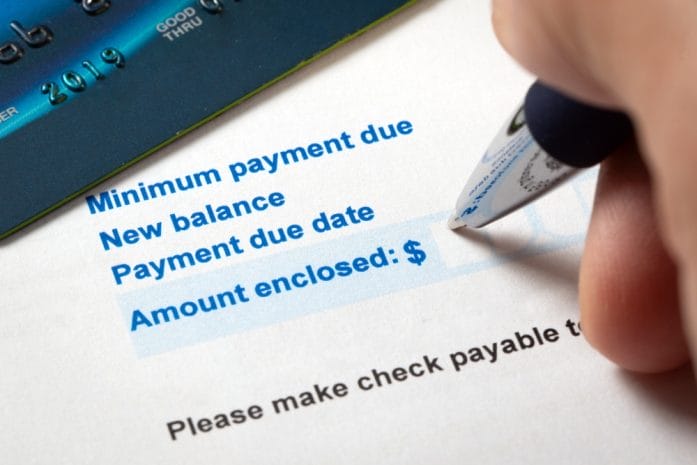
But behind that deceptively small number is a trap that quietly drains your wallet month after month. Paying only the minimum on a $5,000 balance can lead to over $4,200 in interest, turning a manageable debt into a long‑term financial burden.

Most people don’t realize how this happens until they’ve already paid far more than they borrowed. Let’s break down why minimum payments are so sneaky, how interest piles up, and what you can do to escape the cycle.

Minimum Payments Are Designed to Keep You in Debt Longer

Credit card minimum payments are usually calculated as a small percentage of your total balance—often around 1% to 3% plus interest. That means the payment barely dents the principal. When you pay only the minimum, most of your money goes toward interest, not the actual debt. This is why balances shrink painfully slowly.

Credit card companies aren’t being generous by offering low minimums; they’re ensuring the debt sticks around long enough to generate significant interest. This structure turns a $5,000 balance into a long‑term commitment, even if you never make another purchase. The math works quietly in the background, and unless you’re watching closely, it’s easy to underestimate how much interest is accumulating.

How Interest Snowballs Even When You’re Paying Every Month

Credit card interest is typically calculated using a daily rate based on the card’s annual percentage rate (APR). If your APR is, for example, 20%, that interest compounds every single day. When you only pay the minimum, the principal barely moves, so the next month’s interest is calculated on almost the same balance. This creates a snowball effect where interest keeps building on top of interest.

Even though you’re making payments, the balance doesn’t fall quickly enough to reduce the interest meaningfully. This is how a $5,000 balance can generate more than $4,200 in interest over time. It’s not because you’re doing anything wrong—it’s because the system is designed to stretch out repayment as long as possible.

Why a $5,000 Balance Can Take Years to Pay Off

If you stick to minimum payments, it can take many years to pay off a $5,000 balance. The exact timeline depends on your APR and the minimum payment formula, but it’s common for repayment to stretch well beyond a decade. During that time, interest keeps accumulating, and the total amount you pay ends up being far higher than the original balance.

This is why credit card statements now include a “minimum payment warning” showing how long repayment will take if you only pay the minimum. It’s meant to help consumers understand the long‑term cost of carrying a balance. The numbers can be shocking, but they’re accurate—and they highlight how expensive minimum payments can be.

Why Paying Only the Minimum Creates $4,200 in Interest on a $5,000 Balance
Image source: shutterstock.com

The $4,200 Interest Example: What’s Actually Happening

When a $5,000 balance generates more than $4,200 in interest, it’s because the minimum payment barely reduces the principal each month. For example, if your minimum payment is around $100, a large portion of that goes toward interest. Only a small amount—sometimes just a few dollars—reduces the actual balance.

As a result, the principal decreases slowly, and interest continues to accumulate on a high balance for a long time. Over the full repayment period, the total interest paid can exceed 80% of the original balance. This isn’t a rare scenario; it’s a common outcome for anyone who relies on minimum payments as their primary repayment strategy.

Why Minimum Payments Feel Manageable—But Cost More in the Long Run

Minimum payments are intentionally low to make debt feel manageable. They’re designed to fit easily into a monthly budget, which is why so many people rely on them. But the trade‑off is that low payments extend the life of the debt and increase the total interest paid. It’s a psychological trap: the payment feels small, so the debt feels small, even though the long‑term cost is huge.

This is why financial educators emphasize paying more than the minimum whenever possible. Even small increases—like an extra $20 or $30 a month—can significantly reduce interest and shorten repayment time.

Simple Strategies to Reduce Interest Without Overhauling Your Budget

You don’t need a massive financial overhaul to avoid paying thousands in interest. Small, consistent changes can make a big difference. One strategy is to round up your payment—if the minimum is $100, pay $150 or $200 instead. Another option is to set up automatic payments that exceed the minimum, ensuring you stay on track.

You can also target one card at a time using a focused repayment method, such as paying extra toward the highest‑interest balance. These strategies reduce the principal faster, which lowers the amount of interest charged each month. Over time, the savings add up significantly.

The Power of Paying a Little More Each Month

Paying more than the minimum doesn’t just reduce interest—it gives you control over your financial future. When you chip away at the principal, you shorten the repayment timeline and reduce the total cost of the debt. Even modest increases can save hundreds or thousands of dollars in interest.

It’s not about paying off the entire balance at once; it’s about making steady progress. The key is consistency. Once you get into the habit of paying more than the minimum, the balance starts to fall faster, and the interest becomes less overwhelming. It’s a small shift that leads to big results.

Breaking Free From the Minimum Payment Cycle

Minimum payments may seem convenient, but they come with a hidden price tag. By understanding how interest accumulates and why minimum payments keep you in debt longer, you can make smarter choices that save money over time.

What’s the biggest challenge you’ve faced when trying to pay down credit card debt? Share your experience and story in the comments.

You May Also Like…

Retail Store Credit Cards Now Charging 30% APR on Average

5 Invisible Service Charges Eating Into Your Bank Balance

The Hidden Costs of Balance Transfers You Should Know

Why “Work-Life Balance” Is a Lie for Most People

The Single Late Payment That Raises APR to 29.99% Permanently at Discover

Brandon Marcus
Brandon Marcus

Brandon Marcus is a writer who has been sharing the written word since a very young age. His interests include sports, history, pop culture, and so much more. When he isn’t writing, he spends his time jogging, drinking coffee, or attempting to read a long book he may never complete.

Filed Under: credit cards Tagged With: budgeting, consumer finance, credit card tips, credit cards, debt payoff, financial literacy, interest charges, minimum payments, money mistakes, Personal Finance, saving money

Citizens Property Insurance Sees Sharp Drop in Policies — What It Means for Homeowners in 2026

February 6, 2026 by Brandon Marcus Leave a Comment

Citizens Property Insurance Sees Sharp Drop in Policies — What It Means for Homeowners in 2026
Image source: shutterstock.com

If you’ve lived in Florida long enough, you know Citizens Property Insurance is like that friend you only call when things get really messy. It’s the state‑run insurer of last resort—the safety net for homeowners who can’t find coverage anywhere else. But in 2026, something unusual is happening: Citizens is shrinking. Fast.

The company’s policy count has dropped sharply as more homeowners are being shifted—or “taken out”—by private insurers returning to the market. For years, Citizens ballooned as private companies pulled back, but now the tide is turning. And whether you’re insured with Citizens or not, this shift affects the entire Florida insurance landscape.

Why Citizens Is Shrinking After Years of Rapid Growth

For most of the past decade, Citizens grew because private insurers struggled with rising claim costs, reinsurance challenges, and unpredictable weather patterns. When private companies pulled back, homeowners had nowhere else to go, so Citizens became the default option.

But in 2026, the trend is reversing. Several private insurers have re‑entered the market or expanded their offerings, and they’re taking policies out of Citizens through state‑approved programs. These “takeouts” aren’t random—they’re part of a long‑standing effort to keep Citizens from becoming too large, since a massive state‑run insurer creates financial risk for everyone. The result is a noticeable drop in Citizens’ policy count, signaling a shift toward a more balanced insurance market.

What’s Driving Private Insurers Back Into the Market

Private insurers don’t return to a market unless they see stability, opportunity, or both. In Florida, several factors are encouraging companies to expand again. Legislative changes in recent years have aimed to reduce litigation costs and curb fraudulent claims, two major issues that previously drove insurers away. Reinsurance markets have also shown signs of stabilization, giving companies more confidence in their ability to manage risk.

Additionally, some insurers are targeting specific regions or home types where they believe they can operate sustainably. This doesn’t mean the market is suddenly easy or inexpensive—it simply means conditions have improved enough for companies to cautiously re‑engage.

How Takeouts Work—and Why Homeowners Are Getting Letters

If you’re insured with Citizens, you may have received a letter from a private insurer offering to take over your policy. This is part of the state’s depopulation program, which encourages private companies to assume Citizens policies when they believe they can insure them sustainably.

Homeowners typically have the option to accept or decline, but declining may affect eligibility for Citizens renewal depending on the offer. These letters can feel confusing or even alarming, but they’re a normal part of Florida’s insurance system. The goal is to reduce Citizens’ size so it remains a true insurer of last resort—not the largest insurer in the state.

Citizens Property Insurance Sees Sharp Drop in Policies — What It Means for Homeowners in 2026
Image source: shutterstock.com

Why a Smaller Citizens Isn’t Automatically Good or Bad

A shrinking Citizens policy count can be interpreted in different ways. On one hand, it suggests the private market is strengthening, which can be a positive sign for long‑term stability. A healthier private market means more competition, more options, and potentially more innovation.

On the other hand, takeouts don’t always mean lower premiums. Some homeowners may find that private insurers offer higher rates or different coverage terms. Others may welcome the switch if it means more comprehensive options or better customer service. The impact varies widely depending on location, home age, construction type, and risk factors.

What Homeowners Should Watch Closely During This Transition

If you’re affected by a takeout, it’s important to read the offer carefully. Private insurers may have different deductibles, coverage limits, or exclusions compared to Citizens. Homeowners should compare the proposed policy with their current one to understand what’s changing.

It’s also wise to check the financial strength rating of the private insurer, since stability matters when choosing coverage. Even homeowners who aren’t being taken out should pay attention to market shifts, as changes in Citizens’ size can influence overall insurance trends, availability, and pricing across the state.

Why Citizens’ Shrinking Size Matters for the Entire State

Citizens plays a unique role in Florida’s insurance ecosystem. When it grows too large, the financial risk spreads to all policyholders statewide through potential assessments if the company faces major losses. A smaller Citizens reduces that risk, which is one reason state leaders encourage depopulation. However, Citizens also provides a safety net for homeowners who truly can’t find coverage elsewhere.

If the private market becomes too selective, some homeowners may struggle to secure affordable insurance. The challenge is finding a balance where Citizens remains available but not oversized—a balance Florida has been trying to achieve for years.

What This Means for the Future of Florida’s Insurance Market

The drop in Citizens’ policy count is a sign of shifting momentum, but it doesn’t mean Florida’s insurance challenges are solved. Premiums remain high in many areas, and weather‑related risks continue to influence the market. Still, the return of private insurers suggests cautious optimism.

If the trend continues, homeowners may see more options and a more stable insurance environment over time. The key will be whether insurers can maintain profitability while offering coverage that homeowners can reasonably afford. For now, the shrinking size of Citizens is a noteworthy milestone in a state where insurance has been a major concern for years.

A Changing Market, but Homeowners Still Hold the Power

Even as Citizens shrinks and private insurers expand, homeowners remain central to the equation. Staying informed, reviewing policies carefully, and understanding your options can make a meaningful difference in navigating Florida’s evolving insurance landscape. The market may shift, but your ability to make smart, proactive decisions remains constant. Whether you stay with Citizens or move to a private insurer, the most important thing is choosing coverage that fits your needs and protects your home.

What’s your experience with Citizens or private insurance takeouts this year? Share your story in the comments.

You May Also Like…

Florida Homeowners See First Rate Decrease in 10 Years — Citizens Property Insurance Dropping Premiums 2.6%

Senior Citizens Alert: 8 Pieces of Information You Should Never Give Out Over The Phone

The Roof Age That Automatically Disqualifies Florida Homes From Coverage

The Sunshine State Squeeze: Why Florida Retirees are Seeing Smaller Social Security Checks This Week

The Florida Premium Spike: Why Your “Affordable” Health Plan Just Quadrupled in Cost Overnight

Brandon Marcus
Brandon Marcus

Brandon Marcus is a writer who has been sharing the written word since a very young age. His interests include sports, history, pop culture, and so much more. When he isn’t writing, he spends his time jogging, drinking coffee, or attempting to read a long book he may never complete.

Filed Under: Insurance Tagged With: Citizens Property Insurance, depopulation program, Florida insurance, Home insurance, homeowners, insurance costs, insurance market, Planning, private insurers, property insurance, real estate trends

Insurance Now Accounts for 9% of Typical Monthly Mortgage Payment

February 6, 2026 by Brandon Marcus Leave a Comment

Insurance Now Accounts for 9% of Typical Monthly Mortgage Payment
Image source: shutterstock.com

Homeownership used to feel like a predictable equation: mortgage, taxes, insurance, repeat. But in 2026, that last piece of the puzzle—home insurance—has started acting like the unpredictable cousin who shows up unannounced and eats all your snacks. Homeowners across the country are discovering that insurance is taking up a bigger slice of their monthly mortgage payment than ever before, now averaging around 9% of the total bill.

That may not sound dramatic at first glance, but when you’re already juggling rising home prices, higher interest rates, and everyday expenses, that extra chunk hits hard. The surprising part? Many homeowners don’t even realize how much insurance is costing them until their escrow statement arrives like a plot twist they didn’t ask for.

Why Insurance Is Eating a Bigger Slice of Your Mortgage Than Ever Before

Insurance costs have been rising for years, but the pace has accelerated as companies adjust to higher rebuilding costs, more frequent claims, and increased risk in certain regions. When insurers face higher expenses, those costs eventually trickle down to homeowners. Because most people pay insurance through escrow, the increase gets folded into the monthly mortgage payment automatically. That’s how insurance quietly grows from a small line item to a noticeable percentage of your monthly bill.

Even homeowners who haven’t filed a claim are seeing higher premiums simply because the cost of materials, labor, and risk assessment has changed. The result is a mortgage payment that feels heavier, even if your loan terms haven’t changed at all.

How Rising Rebuilding Costs Are Driving Up Premiums

One of the biggest reasons insurance now accounts for a larger share of mortgage payments is the rising cost of rebuilding. Construction materials, skilled labor, and supply‑chain delays have all pushed replacement costs higher. Insurance companies base premiums on what it would cost to rebuild your home today—not what you originally paid for it. When those rebuilding estimates rise, premiums follow. This means even homeowners with modest properties are seeing increases because the cost of lumber, roofing, electrical work, and plumbing has climbed.

These changes aren’t tied to luxury upgrades or major renovations; they’re tied to the basic math of what it takes to repair or replace a home in the current market.

Why Location Matters More Than Ever

Insurance companies assess risk based on where you live, and in recent years, certain regions have seen higher claim activity. Whether it’s severe storms, flooding, wildfires, or other environmental factors, insurers adjust premiums to reflect the likelihood of future claims. Even if your home hasn’t been directly affected, living in a higher‑risk area can influence your rates. This doesn’t mean your home is unsafe—it simply means insurers are recalculating risk based on broader patterns.

As a result, homeowners in some regions are seeing insurance take up a larger portion of their mortgage payment than those in lower‑risk areas. It’s one of the reasons the 9% figure is an average—some homeowners pay more, some pay less, depending on where they live.

Escrow Surprises: The Moment Homeowners Realize Costs Have Jumped

For many homeowners, the biggest shock comes when their lender recalculates escrow payments. Because insurance is often bundled with taxes and paid automatically, increases can go unnoticed until the annual escrow review. Suddenly, the monthly mortgage payment jumps—not because of the loan itself, but because insurance premiums have risen. This can feel especially frustrating for homeowners who haven’t changed coverage or filed claims.

The adjustment isn’t a penalty; it’s simply the lender ensuring there’s enough money in escrow to cover the new premium. Still, it’s a jarring moment that leaves many people wondering how insurance became such a significant part of their monthly housing cost.

What Homeowners Can Do to Keep Costs Manageable

While homeowners can’t control market‑wide insurance trends, there are practical steps to help manage costs. Reviewing your policy annually is a smart starting point. Sometimes coverage levels creep higher than necessary, especially if your home’s value or replacement cost estimate has changed. Shopping around can also make a difference, as insurers vary in how they assess risk and price policies.

Bundling home and auto coverage may offer discounts, and improving home safety—like upgrading roofing materials or installing security systems—can sometimes reduce premiums. These strategies don’t eliminate rising costs, but they can help soften the impact and keep your mortgage payment more predictable.

Insurance Now Accounts for 9% of Typical Monthly Mortgage Payment
Image source: shutterstock.com

Why Cutting Coverage Isn’t the Answer

When insurance costs rise, it’s tempting to reduce coverage to save money. But underinsuring your home can create bigger problems down the road. If a major repair or rebuild is needed, inadequate coverage can leave homeowners responsible for significant out‑of‑pocket expenses. Insurance is designed to protect your investment, and reducing coverage too aggressively can undermine that protection.

Instead of cutting essential coverage, homeowners can focus on adjusting deductibles, comparing policies, or exploring discounts. These approaches help manage costs without sacrificing the financial safety net that insurance provides.

A New Reality for Homeowners—and How to Navigate It

Insurance taking up 9% of the typical monthly mortgage payment is a sign of how the housing landscape is shifting. Homeownership now requires more awareness of how insurance costs evolve and how they affect long‑term budgeting. While rising premiums can feel discouraging, understanding the factors behind them helps homeowners make informed decisions. With a little planning, regular policy reviews, and smart adjustments, it’s possible to stay ahead of changes and keep your mortgage manageable. The key is staying proactive rather than letting insurance increases catch you off guard.

What part of your mortgage payment surprised you the most this year? Share your experience in the comments.

You May Also Like…

The Texas Mortgage Shock: Why Your Monthly Payment Just Jumped $400 Without Warning

Why a Mortgage & Protection Network Matters in Today’s Advice Market

7 Hidden Signs You Should Refinance Your Mortgage Right Now

Should I Prioritize Paying Off My Mortgage or Investing Extra Cashflow?

13 Practical Lessons From People Who Paid Off Their Mortgages


Brandon Marcus
Brandon Marcus

Brandon Marcus is a writer who has been sharing the written word since a very young age. His interests include sports, history, pop culture, and so much more. When he isn’t writing, he spends his time jogging, drinking coffee, or attempting to read a long book he may never complete.

Filed Under: Insurance Tagged With: budgeting, Home insurance, homeowner tips, homeownership, Housing Market, mortgage payments, Planning, property insurance, real estate trends, rising costs

  • « Previous Page
  • 1
  • …
  • 123
  • 124
  • 125
  • 126
  • 127
  • …
  • 158
  • Next Page »

Follow Us

Search this site:

Recent Posts

  • Can My Savings Account Affect My Financial Aid? by Tamila McDonald
  • 12 Ways Gen X’s Views Clash with Millennials… by Tamila McDonald
  • What Advantages and Disadvantages Are There To… by Jacob Sensiba
  • Call 911: Go To the Emergency Room Immediately If… by Stephen Kanaval
  • 7 Weird Things You Can Sell Online by Tamila McDonald
  • 10 Scary Facts About DriveTime by Tamila McDonald
  • How to Avoid NJ Exit Tax by Jacob Sensiba

Copyright © 2026 · News Pro Theme on Genesis Framework