• Home
  • About Us
  • Getting Finances Done
    • Hiring Advisors
    • Debt Management
    • Spending Plan
  • Insurance
    • Life Insurance
    • Health Insurance
    • Disability Insurance
    • Homeowners/Renters Insurance
  • Contact Us
  • Our Editorial Commitment

The Free Financial Advisor

You are here: Home / Archives for federal student loans

Millions of SAVE Borrowers Are Getting 90-Day Notices: Here’s What Happens If You Ignore Yours

September 5, 2026 by Brandon Marcus Leave a Comment

Millions of SAVE Borrowers Are Getting 90-Day Notices: Here’s What Happens If You Ignore Yours
SAVE borrowers have 90 days to choose a new federal student loan repayment plan, but ignoring the notice can lead to an automatic switch into a standard repayment option – Shutterstock

Millions of borrowers who once relied on the SAVE Plan are now getting an unwelcome piece of mail: a 90-day notice telling them to choose a new federal student loan repayment plan. The SAVE Plan ended after a federal court order in March 2026, and the U.S. Department of Education has started moving affected borrowers toward other repayment options.

That notice might look like one more piece of bureaucratic mail begging for attention, but tossing it into the junk drawer could create an avoidable headache. The good news? Ignoring the notice does not automatically send a borrower into default, but it does mean the loan servicer can put the borrower into a repayment plan they did not personally select.

The 90-Day Clock Is Real, But It Is Not a Default Countdown

The Department of Education began notifying SAVE borrowers in 2026 that they need to leave the defunct plan and select another legal repayment option. Servicers then send borrowers a notice with a specific deadline, and MOHELA says affected borrowers receive 90 days from the date of that notice to choose a new plan.

A 90-day notice can sound scarier than it actually is. The clock tells borrowers how long they have to make a choice, not how long they have before the government declares the loan in default. Borrowers can also choose a new plan before the 90 days run out, so waiting until the final week adds unnecessary pressure. MOHELA specifically tells borrowers they do not need to wait for the notice before choosing a new plan.

Ignore the Notice and the Government Can Pick the Plan

Here comes the part that deserves attention: borrowers who do nothing can lose the chance to choose the repayment plan that best fits their situation. According to MOHELA, borrowers who remain in SAVE and miss the 90-day deadline will automatically move into either the Standard Repayment Plan or the new Tiered Standard Plan, depending on when their loans were disbursed.

That automatic switch does not necessarily mean disaster, but it can produce a payment that feels very different from what a borrower expected under SAVE. A fixed standard payment may make sense for someone with plenty of room in the monthly budget, while another borrower may need a plan that considers income and dependents. The Department launched the Repayment Assistance Plan, or RAP, on July 1, 2026, and RAP calculates payments using income and the number of dependents.

There Are Other Plans Worth Checking Before Doing Nothing

The end of SAVE does not mean borrowers have only one replacement option sitting on the table. Federal Student Aid says borrowers can choose among repayment plans that use income or plans that provide fixed payments over a set repayment period, depending on their loan circumstances.

RAP represents one major new option in 2026, while the Tiered Standard Plan offers fixed repayment terms of 10, 15, 20 or 25 years based on the borrower’s outstanding loan balance. A borrower who wants a lower monthly payment may find a longer repayment term useful, although a longer term can mean making payments for more years. Eligibility also matters, so choosing a plan requires more than simply picking the smallest number displayed on a screen. Federal Student Aid’s repayment tools can help borrowers compare available choices using their actual loan information.

A SAVE Notice Does Not Belong in the Junk Drawer

The right move after receiving the notice involves checking the deadline, logging into the official Federal Student Aid account and reviewing the available repayment options. Borrowers should avoid relying on a random link in an email or a phone number from an unfamiliar message, especially when student loan scams continue to target people who already feel confused about their debt. MOHELA directs borrowers to StudentAid.gov and its repayment calculator when they need to explore or select a new plan.

Borrowers who currently sit in SAVE-related forbearance also need to pay attention because selecting a new plan can end that forbearance once the servicer processes the request. That makes the timing worth considering, particularly for anyone whose budget cannot comfortably handle a new payment right away. Borrowers should check the actual terms of the new plan rather than assuming the payment will match their old SAVE amount. A few minutes spent comparing the choices can prevent an unpleasant surprise when the next billing statement arrives.

The Worst Move May Be Letting the Clock Choose for You

The SAVE Plan has left the building, and pretending otherwise will not bring it back. The important question now involves choosing the repayment arrangement that makes the most sense under the rules available in 2026.

Ignoring the 90-day notice will not instantly turn a borrower into a defaulter, but it can hand the decision to the loan servicer and trigger an automatic move into a standard repayment option. That may work perfectly well for some borrowers, but others could face a payment that fits their budget about as well as a square peg fits a round hole. Checking the deadline and comparing the available plans gives borrowers a chance to make the decision themselves instead. In this case, opening the letter really does beat letting it become permanent furniture on the kitchen counter.

What did you think when the 90-day SAVE notice arrived, and which repayment option are you considering?

You May Also Like…

The Silent Cost Of Co-Signing Loans For Families & What The Rules Don’t Tell You

7 Private Student Loan Complaint Records Families Should Keep Until the Balance Is Cleared

Your Employer May Match Student Loan Payments in 2026—But Only Up to the 401(k) Deferral Limit

Student Loans Forgiven Are Now Taxable In 2026 — Set Money Aside for Tax Bills

Will I Ever Be Able to Afford a House With My Current Student Loan Burden?

Brandon Marcus
Brandon Marcus

Brandon Marcus is a writer who has been sharing the written word since a very young age. His interests include sports, history, pop culture, and so much more. When he isn’t writing, he spends his time jogging, drinking coffee, or attempting to read a long book he may never complete.

Filed Under: Lifestyle Tagged With: federal student loans, Personal Finance, Repayment Assistance Plan, SAVE Plan, student debt, student loan repayment, student loans

Student Loans Forgiven Are Now Taxable In 2026 — Set Money Aside for Tax Bills

February 7, 2026 by Brandon Marcus Leave a Comment

Student Loans Forgiven Are Now Taxable In 2026 — Set Money Aside for Tax Bills
Image source: shutterstock.com

For years, student loan forgiveness felt like a financial fairy tale — the kind where your debt disappears and everyone rides into the sunset with zero consequences. But starting in 2026, that dream comes with a plot twist that could hit your wallet hard. If your student loans are forgiven in 2026 or later, that forgiven amount is once again considered taxable income under federal law, which means the IRS may want its cut.

That’s right: your “freedom from debt” moment could turn into a surprise tax bill if you’re not prepared. This isn’t a trap — it’s a known rule change, and with the right planning, you can outsmart it instead of getting blindsided.

Why Student Loan Forgiveness Is Taxable Again in 2026

For a brief, beautiful moment in financial history, forgiven student loans were federally tax-free. That came from pandemic-era legislation that temporarily made most federal student loan forgiveness non-taxable. But like many temporary policies, that protection has an expiration date — and in 2026, the tax-free treatment disappears unless new legislation changes it.

What that means in plain English is simple but serious: if you have loans forgiven in 2026, the IRS can treat that forgiven balance as ordinary income. That extra “income” can push you into a higher tax bracket, increase what you owe, and even affect credits and benefits tied to income limits. Forgiveness still helps your long-term finances, but the short-term tax hit can sting if you’re not ready for it.

Who This Impacts the Most

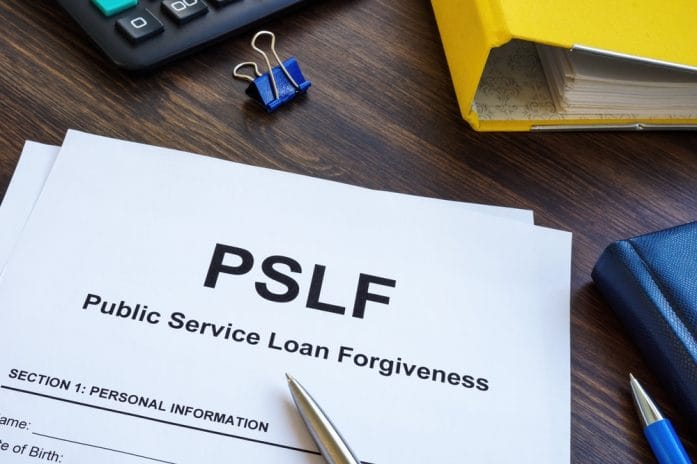
This change doesn’t hit everyone equally. Borrowers on income-driven repayment plans are especially affected. Public Service Loan Forgiveness (PSLF) is still federally tax-free under current rules, but many other forgiveness programs are not.

That means teachers, healthcare workers, nonprofit employees, and private-sector borrowers on income-driven plans could face very different tax outcomes depending on which forgiveness path they’re on. Not everyone will carry the same financial load.

Student Loans Forgiven Are Now Taxable In 2026 — Set Money Aside for Tax Bills
Image source: shutterstock.com

How a “Good Thing” Can Create a Bad Financial Surprise

Here’s the emotional shock that not enough people are talking about: you feel relieved, excited, and free when your loans are forgiven — and then the tax bill arrives. Unlike regular income, no one withholds taxes on forgiven debt. There’s no paycheck deduction, no automatic payment system, and no built-in safety net. The IRS simply expects you to pay what you owe.

This can be especially brutal for borrowers who are already living paycheck to paycheck. A tax bill of several thousand dollars isn’t just inconvenient — it can create real financial stress. The irony is painful: you finally escape student debt, only to be hit with a different kind of financial burden. That’s why planning ahead isn’t just smart — it’s necessary.

Smart Ways to Prepare So You’re Not Caught Off Guard

The most powerful move you can make right now is awareness. If you’re on track for forgiveness in 2026 or later, start treating that future tax bill as a known expense, not a surprise. Even small monthly savings can make a massive difference over time. A separate “tax buffer” savings account can turn a scary bill into a manageable payment.

It’s also worth talking to a tax advisor or financial planner who understands student loan forgiveness. They can help estimate your future tax exposure and show you how it might affect your bracket, deductions, and overall tax strategy.

Your Financial Freedom Moment Deserves a Plan, Not a Panic Attack

Student loan forgiveness should feel like a celebration, not a crisis. If 2026 is part of your forgiveness timeline, now is the moment to get proactive instead of reactive. Build a savings cushion, learn the rules, understand your specific forgiveness program, and stop assuming it will all magically work out.

The truth is simple: forgiven loans can change your life — but only if you’re ready for the tax side of the story. Preparation doesn’t ruin the win. It protects it.

Are you planning for student loan forgiveness in the next few years — and have you started saving for the tax side of it yet? Let’s hear all of your thoughts in the comments.

You May Also Like…

Student Loan Interest Resumed August 2025 — Costing SAVE Borrowers $300/Month

How Can Student Loans Quietly Shape Life Decisions for Decades

The Estate Planning Shortcut That Saves Time but Costs Families More in the Long Run

Student Loan Wage Garnishment Could Return After 5-Year Pause — 15% of Paychecks at Risk

8 Ways You Should Never Use Student Loan Money For

Brandon Marcus
Brandon Marcus

Brandon Marcus is a writer who has been sharing the written word since a very young age. His interests include sports, history, pop culture, and so much more. When he isn’t writing, he spends his time jogging, drinking coffee, or attempting to read a long book he may never complete.

Filed Under: Personal Finance Tagged With: 2026 taxes, budgeting, debt relief, federal student loans, Income tax, IRS, loan forgiveness, money tips, Personal Finance, Planning, student loans, taxes

Follow Us

Search this site:

Recent Posts

  • Can My Savings Account Affect My Financial Aid? by Tamila McDonald
  • 12 Ways Gen X’s Views Clash with Millennials… by Tamila McDonald
  • What Advantages and Disadvantages Are There To… by Jacob Sensiba
  • 10 Tactics for Building an Emergency Fund from Scratch by Vanessa Bermudez
  • Call 911: Go To the Emergency Room Immediately If… by Stephen Kanaval
  • 7 Weird Things You Can Sell Online by Tamila McDonald
  • 10 Scary Facts About DriveTime by Tamila McDonald

Copyright © 2026 · News Pro Theme on Genesis Framework