• Home
  • About Us
  • Toolkit
  • Getting Finances Done
    • Hiring Advisors
    • Debt Management
    • Spending Plan
  • Insurance
    • Life Insurance
    • Health Insurance
    • Disability Insurance
    • Homeowners/Renters Insurance
  • Contact Us
  • Privacy Policy
  • Risk Tolerance Quiz

The Free Financial Advisor

You are here: Home / Archives for SAVE Plan

Missed Notices, Lost Credits: How Student Loans Are Trapping Borrowers Again

February 20, 2026 by Brandon Marcus Leave a Comment

Missed Notices, Lost Credits: How Student Loans Are Trapping Borrowers Again

Image Source: Unsplash.com

Student loan bills returned with a thud, and for millions of borrowers, the landing hurt a lot more than expected. After years of payment pauses, shifting policies, and new repayment plans, many people thought they had finally found stable ground. Instead, confusion over notices, lost qualifying credits, and servicing errors has pushed borrowers back into uncertainty at the exact moment they thought relief had arrived.

The federal student loan system sits at the center of this storm. The U.S. Department of Education restarted payments after the pandemic-era pause ended. Since then, borrowers have faced new rules, new timelines, and in some cases, new loan servicers. Add in court challenges to parts of the SAVE repayment plan and ongoing processing backlogs, and you get a system that feels less like a safety net and more like a maze.

When the Bills Came Back, the Confusion Followed

When the payment pause ended in the fall of 2023, millions of federal borrowers entered repayment at once. The Department of Education offered a one-year “on-ramp” period. During that window, borrowers who missed payments did not face delinquency reporting to credit bureaus. That policy softened the blow, but it did not erase the bill. Interest resumed, and balances started to grow again.

At the same time, millions of borrowers applied for income-driven repayment plans, especially the SAVE plan, which the Biden administration launched to lower monthly payments for many borrowers. SAVE calculates payments based on discretionary income and shields more income from the formula than older plans.

But demand overwhelmed servicers. Borrowers reported long call wait times, delayed processing of applications, and billing statements that did not reflect updated income-driven payment amounts. Some people received bills far higher than they expected because their applications had not processed yet. Others missed notices sent to outdated email addresses or buried in online portals they had not checked in years. In a system where timing matters, a missed message can trigger real financial consequences.

The SAVE Plan Promise and the Legal Cloud Hanging Over It

The SAVE plan offered real benefits. It stopped unpaid interest from ballooning balances for borrowers who made their required monthly payments. It raised the income exemption and also promised faster forgiveness for borrowers with smaller original loan balances.

However, several states challenged parts of the SAVE plan in federal court. Courts issued rulings that blocked some elements of the plan, and now it is set to end entirely. Those rulings created uncertainty about how long certain provisions will last and whether borrowers can count on the full benefits of SAVE in the future.

That legal back-and-forth affects real planning decisions. When you base your monthly budget on a specific payment amount and then read headlines suggesting that courts might scale back parts of the plan, anxiety spikes. Borrowers need clarity, yet the policy landscape keeps shifting.

Lost Credits and the Fight for Forgiveness

Public Service Loan Forgiveness, known as PSLF, adds another layer to this story. PSLF forgives remaining federal loan balances after 120 qualifying monthly payments for borrowers who work full-time for qualifying nonprofit or government employers. During the pandemic pause, the government counted those paused months as qualifying payments if borrowers met employment requirements. That move helped thousands move closer to forgiveness.

But once payments resumed, some borrowers discovered that their payment counts did not reflect what they expected. Servicing transfers complicated matters. When accounts move from one servicer to another, data sometimes arrives incomplete or appears differently in the new system. Borrowers have had to submit employment certification forms again or request manual reviews of their payment histories.

Servicing Errors, Silence, and the High Cost of Missed Notices

Loan servicers act as the middle managers of the federal student loan system. They send bills, process payments, and handle applications. When servicers fall behind, borrowers pay the price. State attorneys general have documented complaints about incorrect billing amounts, delayed processing of income-driven repayment applications, and difficulty reaching customer service representatives.

Missed notices often sit at the center of the problem. Servicers communicate primarily through email and online portals. If you changed email addresses during the pandemic or ignored loan-related messages for years because payments sat on pause, you might not see critical updates. A missed notice about recertifying income can lead to a sudden jump in your monthly payment. A missed alert about an upcoming payment can trigger late fees or, once the on-ramp period ended, credit reporting consequences.

Missed Notices, Lost Credits: How Student Loans Are Trapping Borrowers Again

Image Source: Pexels.com

What You Can Do Right Now to Protect Yourself

Start by logging into your account at StudentAid.gov and confirming your contact information. Make sure your email address and mailing address reflect your current reality, not your college apartment from a decade ago. Then log into your loan servicer’s website and double-check that the information matches.

Next, review your repayment plan. If your income has changed, submit or update your income-driven repayment application right away. Keep copies of every confirmation page and email. Take screenshots if you need to. Documentation gives you leverage if disputes arise later.

Finally, do not ignore confusing notices. Call your servicer, even if you face a long wait. Ask specific questions about your payment amount, interest accrual, and forgiveness progress. Write down the date, time, and name of the representative. That small habit can save hours later.

The System Feels Complicated Because It Is, But You Still Hold Power

Student loans now shape the financial lives of more than 40 million Americans. Policymakers continue to debate forgiveness, repayment formulas, and the future of federal lending. Courts continue to weigh in. That uncertainty frustrates people who simply want a clear path forward.

The system may test your patience, but it does not get the final word on your financial future. Staying informed and organized does not eliminate every risk, yet it dramatically reduces the odds that missed notices or lost credits will derail your progress.

What steps have you taken to stay on top of your student loans, and have you run into any surprises along the way? If you have advice that could help others, please share it in the comments below.

You May Also Like…

The Student Loan Servicer Transfer That “Lost” Payments and Triggered Defaults

Student Loans Forgiven Are Now Taxable In 2026 — Set Money Aside for Tax Bills

Why Are So Many Seniors Being Sued Over Student Loans They Didn’t Take Out?

Why Do Families Rely on Payday Loans in Emergencies

6 Hidden Dangers of Taking Out Student Loans Too Young

Brandon Marcus
Brandon Marcus

Brandon Marcus is a writer who has been sharing the written word since a very young age. His interests include sports, history, pop culture, and so much more. When he isn’t writing, he spends his time jogging, drinking coffee, or attempting to read a long book he may never complete.

Filed Under: Lifestyle Tagged With: credit score, Education Department, federal student aid, financial advice, income‑driven repayment, loan forgiveness, loan servicing, missed notices, payment restart, PSLF, SAVE Plan, student loans

The Income-Driven Repayment Plans That End July 1, 2028 Under New Law

February 6, 2026 by Brandon Marcus Leave a Comment

The Income-Driven Repayment Plan That Ends July 1, 2028 Under New Law

Image source: shutterstock.com

It’s a beautiful morning in July of 2028. You wake up, stretch, and—before your coffee steams—realize one of the biggest changes in federal student loan history just kicked in. If you’ve been coasting along in one of the popular income-driven repayment (IDR) plans, your comfy payment regime is officially retired.

This isn’t “just another deadline”; it’s a transformational shift in how millions of borrowers pay for their future. But don’t hit panic mode—understanding what’s ending, what’s staying, and what’s coming next could save you serious stress and dollars down the road.

What’s Happening on July 1, 2028?

Think of July 1, 2028 as the IDR Sunset Party. On that date, three of the major federal income-driven repayment plans—Saving for a Valuable Education (SAVE), Pay As You Earn (PAYE) and Income-Contingent Repayment (ICR)—are set to have officially disappeared for good under the new student loan rules. SAVE is fading fast, and the government has already blocked many of its core benefits, signaling to borrowers that their time is running out.

Anyone currently enrolled in these plans will need to make migration decisions beforehand, or they’ll be automatically moved into one of the remaining options.

Gone are the days of choosing between several income-based plans with different quirks and forgiveness timelines. If you’ve ever wondered “What’s the best move for my loan situation?”, this legislative shift makes that question more urgent—and more impactful.

The Road Ahead To 2028

To make this transition possible, the Department of Education is going to close enrollment in these programs earlier. A date hasn’t been announced, but late 2027 or early 2028 is likely. This means that borrowers cannot wait until the very last minute to figure out their new plans.

This entire process will be a phase-out. The DOE will stop accepting new ICR and PAYE enrollees earlier, while SAVE has essentially already been ground to a halt and stopped in its tracks. People were forced to stop enrolling in that plan in February of 2025.

Borrowers with only loans taken out before July 1, 2026, will keep access to three non-income-based plans: the standard, graduated, and extended repayment plans. 

However, borrowers with any loans taken out on or after July 1, 2026 will only have access to one non-income-based plan, the “new standard” plan. The new standard plan bases a borrower’s payment term on their principal loan balance. 

The end for these programs is coming, although borrowers have time to get their affairs in order. But anyone waiting cannot wait too long.

The Income-Driven Repayment Plan That Ends July 1, 2028 Under New Law

Image source: shutterstock.com

The Human Side of a Regulatory Shake-Up

This isn’t just bureaucratic alphabet soup. For millions of people juggling income, family budgets, and life goals, the shift affects monthly cash flow in a massive way. With some options gone, payment amounts—and your financial flexibility—could change dramatically unless you pick your path wisely.

The rule might be technical, but the impact is personal: low monthly payments can mean money for rent, groceries, or saving for retirement. Higher payments might feel like a punch to the wallet. That’s why this change isn’t “just another deadline.” It’s a crossroads for your financial future.

Not As Far Away As You Think

If July 1, 2028 sounds far away, think again. The law doesn’t wait until then to start shifting the gears.

The unfortunate part is that the government has been murky about the specifics of its plans. That means it’s vital that all enrollees holding student loans find out about the specifics of their plans, investigate options, and ensure they have a route forward. July of 2028 is sneaking up faster than people expect, and you have to take the initiative to stay financially sound.

If you sit back and do nothing, the Department of Education will make the decision for you. That might be okay, but would you rather decide or be shuffled into a default setup? Of course not.

New Horizons After the 2028 Shift

By July 1, 2028, the income-driven repayment world as we know it will have changed dramatically. Popular plans like SAVE, PAYE, and ICR will be gone, and borrowers will have a much leaner menu. Those who plan ahead can navigate this shift smartly and maybe even find a path that fits their life goals better than the old lineup ever did.

What do you think? Are you refreshing your repayment strategy or sticking with the familiar? Share your thoughts in the comments.

You May Also Like…

Student Loan Interest Resumed August 2025 — Costing SAVE Borrowers $300/Month

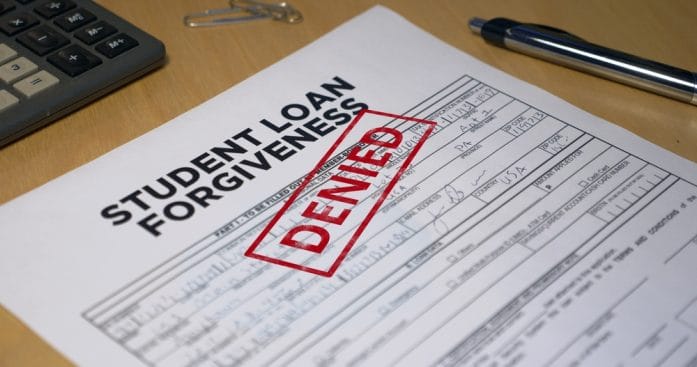
The SAVE Plan Settlement: Why Pending Applications Were Just Denied

7 Million Student Loan Borrowers Must Switch Plans as SAVE Program Ends

8 Ways You Should Never Use Student Loan Money For

6 Ways Home Equity Loans Become Debt Traps

Brandon Marcus
Brandon Marcus

Brandon Marcus is a writer who has been sharing the written word since a very young age. His interests include sports, history, pop culture, and so much more. When he isn’t writing, he spends his time jogging, drinking coffee, or attempting to read a long book he may never complete.

Filed Under: Insurance Tagged With: federal policy, forgiveness, IBR, income‑driven repayment, loan changes, Planning, RAP, repayment options, SAVE Plan, student debt, student loans

Student Loan Interest Resumed August 2025 — Costing SAVE Borrowers $300/Month

February 4, 2026 by Brandon Marcus Leave a Comment

Student Loan Interest Resumed August 2025 — Costing SAVE Borrowers $300/Month

Image source: shutterstock.com

Imagine waking up to find that the student debt monster you thought was sleeping has started to stretch, yawn, and gobble up your financial future one dollar at a time.

That’s exactly what happened in August 2025 when interest resumed on federal student loans under the Saving on a Valuable Education (SAVE) plan — a move that could tack on roughly $300 or more to the monthly cost for millions of borrowers who had grown used to a 0% interest break.

This isn’t just a financial blip; it’s a shift that demands attention, strategy, and action if you want to keep your debt from snowballing out of control.

What Exactly Changed on August 1, 2025?

For quite a while, borrowers enrolled in the SAVE plan — an income-driven repayment program designed to make monthly payments more affordable — enjoyed a rare thing in the world of student loans: no interest while on administrative forbearance.

But on August 1, 2025, that interest pause ended, and interest began accruing on loan balances once again. No, you didn’t imagine it: the monster did wake up, and it woke up hungry for your money.

Your balance is quietly growing every single day. Interest isn’t retroactive, thankfully. However, going forward, it sticks to your principal like gum on a shoe. That means more to pay down later.

Why This Matters: The $300 Monthly Impact

Let’s talk numbers. Analysts estimate that the typical borrower under SAVE could see about $300 more in monthly costs as interest accrues on their loans. That’s a big chunk of change you might not have planned for. Over a year, that’s roughly $3,500 in added interest charges before you even pay a penny of principal. Suddenly that “manageable” debt feels a lot heavier.

Interest is compounding — which, in debt terms, is about as friendly as a porcupine in your backpack. Every dollar in interest that isn’t paid gets added to your principal balance, and then interest starts charging interest on that too. That can put you on a treadmill where the total amount you owe keeps creeping up even if you’re doing everything else right.

What This Means for Your Loan Balance (Spoiler: It Grows)

If your loan was enjoying the bliss of 0% interest forbearance, here’s the harsh reality: that party is officially over.

Beginning August 1, interest accrues daily on your outstanding principal, and the clock won’t stop.  Right now, borrowers are functionally in forbearance, not active repayment, meaning the usual SAVE benefits aren’t in play. So the interest you accrue now becomes interest you owe. In other words, it’s time to start paying because your financial situation will only get worse.

Options to Escape the Interest Boom (Yes, You Still Have Them)

All is not lost. You have choices that can help you manage this shift instead of letting it bury you.

Switch to another income-driven repayment plan like IBR or the upcoming Repayment Assistance Plan (RAP) to restart qualifying payments and avoid growing debt without direction. These plans calculate payments based on income and family size, though they might result in higher monthly amounts than you’re used to under SAVE.

Or you can pay the accruing interest now to prevent your balance from ballooning. This can be emotionally tough but financially smart.

Each option comes with tradeoffs — but taking no action is probably the most expensive one. So don’t wait until your balance feels unrecognizable.

Student Loan Interest Resumed August 2025 — Costing SAVE Borrowers $300/Month

Image source: shutterstock.com

Interest Isn’t Waiting — And Neither Should You

Interest resuming on SAVE loans isn’t just a footnote in the news — it’s a financial shift that could add roughly $300 (or more!) to what you need to solve each month. Whether you decide to switch repayment plans, make interest payments now, or tackle principal the moment you can, having a plan beats watching your balance balloon.

Ready to talk strategy? What’s your biggest worry about the return of interest — the growing balance, future payment amounts, or something completely different? Share your thoughts in the comments.

You May Also Like…

7 Million Student Loan Borrowers Must Switch Plans as SAVE Program Ends

The SAVE Plan Settlement: Why Pending Applications Were Just Denied

Student Loan Default Crisis: Millions Of Borrowers Are Now Delinquent or in Default

9 Outrageous Truths About Student Loan Interest

Could Student Loan Forgiveness End Up Costing Borrowers More Later?

Brandon Marcus
Brandon Marcus

Brandon Marcus is a writer who has been sharing the written word since a very young age. His interests include sports, history, pop culture, and so much more. When he isn’t writing, he spends his time jogging, drinking coffee, or attempting to read a long book he may never complete.

Filed Under: Lifestyle Tagged With: Debt Management, Education, Education Department, federal aid, income‑driven repayment, interest accrual, Life, Lifestyle, loan forgiveness, loan repayment, monthly payments, Personal Finance, Planning, SAVE Plan, student loans

7 Million Student Loan Borrowers Must Switch Plans as SAVE Program Ends

February 3, 2026 by Brandon Marcus Leave a Comment

7 Million Student Loan Borrowers Must Switch Plans as SAVE Program Ends

Image source: shutterstock.com

So, you’ve been cruising through your student loan repayment journey on the SAVE plan — the cushy, income-driven setup that kept your payments low and forgiveness goals in sight. Then reality hits. That safety net is being pulled away, and up to 7 million borrowers are suddenly on the clock to change course before the financial ground shifts beneath their feet.

If that sounds like a plot twist you didn’t sign up for, you’re not alone. But don’t panic. This moment doesn’t have to mean chaos — it can mean clarity, strategy, and smarter choices if you understand what’s happening and act intentionally. Whether you’re fresh out of school, deep into repayment, or counting the months toward forgiveness, the end of the SAVE program is something you need to understand — and prepare for.

Why the SAVE Plan Is Ending — And What That Really Means

The SAVE (Saving on a Valuable Education) plan quickly became a favorite for borrowers. It lowered monthly payments based on income and created a smoother path toward loan forgiveness. For many people, it wasn’t just a repayment plan — it was financial breathing room. But legal challenges and court rulings have changed its future. A proposed settlement involving the U.S. Department of Education is set to formally end the program, block new enrollments, deny pending applications, and transition current borrowers into other repayment options.

For millions of people, this isn’t just a bureaucratic change — it’s a shift in financial reality. The plan you assumed you’d be on for years may no longer exist at all.

Where You Can Move Your Loans Next

Here’s the good news: the end of SAVE doesn’t mean you’re out of options. Federal borrowers still have access to other income-driven repayment plans. A new option called the Repayment Assistance Plan (RAP) is expected to launch in 2026 and will eventually replace several existing plans.

But this is where strategy matters. Not all repayment plans are created equal. Some plans keep payments low but extend repayment timelines. Others shorten timelines but raise monthly costs. And if you do nothing, there’s a real chance you could be moved into a standard repayment plan that doesn’t adjust for income.

The biggest mistake borrowers can make right now is assuming the system will automatically move them into the best option for their situation. It won’t. If you want affordability, forgiveness eligibility, and long-term flexibility, you’ll need to make that choice intentionally.

When You’ll Need to Act (And Why Waiting Could Cost You)

One of the most stressful parts of this transition is the uncertainty around timing. While the settlement still requires court approval, the Department of Education has already made it clear that SAVE is on its way out. Most borrowers will be notified with instructions in the coming months. Most projections point toward early to mid-2026 as the period when large-scale transitions will occur, especially as new repayment systems begin rolling out.

Waiting comes with risks. Interest has already resumed on many loans that were placed into administrative forbearance, meaning balances can grow even while borrowers aren’t making payments. At the same time, loan servicers are facing the reality of processing millions of plan changes. Experts have warned that if too many borrowers wait until the last minute, application backlogs could stretch for months — or even years.

This creates a dangerous combination of rising balances, delayed processing, and financial uncertainty. Acting earlier doesn’t just give you peace of mind — it gives you leverage, flexibility, and options when the system becomes overwhelmed.

What You Should Do Next

The smartest thing you can do right now is get informed and proactive. Log into your Federal Student Aid account and confirm your current loan status, repayment plan, and whether you’re in forbearance or active repayment. Use the federal loan simulator tools to compare how different repayment plans would affect your monthly payments, total interest, and forgiveness timelines.

If your priority is affordability and long-term forgiveness, switching to a qualifying income-driven repayment plan sooner rather than later may protect you from payment shocks and processing delays. Waiting until changes are forced on you increases the risk of mistakes, delays, and lost progress.

Most importantly, don’t treat this as a passive change. This is one of those moments where being proactive can literally save you thousands of dollars over the life of your loans.

7 Million Student Loan Borrowers Must Switch Plans as SAVE Program Ends

Image source: shutterstock.com

This Shift Is Inevitable — But Financial Chaos Isn’t

The end of the SAVE program isn’t just a policy update — it’s a turning point for millions of borrowers. But it doesn’t have to be a financial disaster. With the right information, the right timing, and the right strategy, this transition can become an opportunity to reset your repayment path in a way that actually works for your life, your income, and your future goals.

The system is changing whether we like it or not. But how it affects you is something you still have control over.

So what’s your plan? Wait it out and hope for the best, or take the reins and choose your next move on your terms? Share your thoughts, concerns, and strategies in the comments because your story might help someone else navigate this change too.

You May Also Like…

The SAVE Plan Settlement: Why Pending Applications Were Just Denied

The Estate Planning Shortcut That Saves Time but Costs Families More in the Long Run

Student Loan Wage Garnishment Could Return After 5-Year Pause — 15% of Paychecks at Risk

Will I Ever Be Able to Afford a House With My Current Student Loan Burden?

9 Outrageous Truths About Student Loan Interest

Brandon Marcus
Brandon Marcus

Brandon Marcus is a writer who has been sharing the written word since a very young age. His interests include sports, history, pop culture, and so much more. When he isn’t writing, he spends his time jogging, drinking coffee, or attempting to read a long book he may never complete.

Filed Under: Lifestyle Tagged With: borrower tips, federal loans, IBR, income‑driven repayment, Life, Lifestyle, loan forgiveness, RAP, repayment plans, SAVE Plan, SAVE program ending, student debt, student loans, U.S. Department of Education

The SAVE Plan Settlement: Why Pending Applications Were Just Denied

February 2, 2026 by Brandon Marcus Leave a Comment

The SAVE Plan Settlement: Why Pending Applications Were Just Denied

Image source: shutterstock.com

If you applied for the federal SAVE Plan and feel like you’ve been stuck in limbo, you’re not imagining it. Millions of borrowers are navigating a repayment system that’s been challenged in court and reinterpreted more times than anyone can count.

What was supposed to be the most affordable income‑driven repayment plan in history has instead turned into a maze of political fights, legal uncertainty, and inconsistent communication. And now, unfortunately, it’s coming to an end. This leaves borrowers with frustration—but a choice about moving forward.

For borrowers who were counting on SAVE to stabilize their budgets, the last year hasn’t felt like relief. It’s felt like whiplash.

What the SAVE Plan Was Designed to Do — And Why Borrowers Flocked to It

The SAVE Plan — Saving on a Valuable Education — was meant to replace REPAYE and become the new standard for income‑driven repayment. It promised lower monthly payments, interest protections that prevented balances from ballooning, and shorter forgiveness timelines for borrowers with smaller balances. The program was very popular, and millions enrolled quickly, hoping to finally get a repayment plan that matched their income instead of crushing it.

Then, due to lawsuits with multiple states, the Department of Education announced a proposed end to SAVE, pending court approval. Thankfully, borrowers already enrolled continue to receive the benefits that remain legally authorized, but those waiting for approval are out of luck.

Why Borrowers Are Seeing Mixed Messages

The SAVE Plan hasn’t been dismantled for those already approved, but it has been shut off to newcomers. For months, courts have questioned whether certain provisions exceed the Department of Education’s authority without congressional approval.

Due to a new settlement agreement, the Department of Education will not enroll any new borrowers in the SAVE plan and will deny any pending applicants. Those currently enrolled in the program will be moved to different repayment plans, although the timeline and mechanics of that are not yet finalized.

The Legal Fight That Put SAVE in Limbo

For many, this wasn’t a shock. The lawsuits challenging SAVE didn’t come out of nowhere. Several states argued that the Department of Education expanded repayment and forgiveness authority beyond what Congress explicitly allowed. Courts issued injunctions that paused certain features of SAVE while the cases moved forward. Then, in December of 2025, an official end to the program was announced.

Along the way, this legal uncertainty left borrowers caught between policy goals and legal boundaries. Everything was slowed and then halted. It wasn’t a paperwork issue. It was a structural one.

What Borrowers Should Expect in 2026

There are possibilities for those left behind by the end of SAVE. Borrowers can still choose from other repayment plans like IDR, which remain fully authorized under federal law. These plans calculate payments differently than SAVE, and they may result in higher monthly bills, but they offer stability.

The SAVE Plan Settlement: Why Pending Applications Were Just Denied

Image source: shutterstock.com

Borrowers who were counting on SAVE’s lowest‑payment features or fastest forgiveness timelines may need to adjust expectations, but they shouldn’t give up hope on a repayment plan that works for them.

What This Moment Really Means for Borrowers

The SAVE Plan is gone, but options remain. Sadly, borrowers are the ones feeling the strain. This change feels frustrating, but it doesn’t leave you powerless. Understanding what’s gone and what alternatives exist gives you the ability to make informed decisions instead of reacting to surprises.

The student‑loan system is changing again in 2026, but your strategy doesn’t have to fall apart with it. The more you understand your options, the more control you regain over your financial future.

Are you ready to choose the repayment plan that actually fits your life right now — or will you let the system choose for you? What will you do now that SAVE is gone? Share your stories and your challenges in the comments section below.

You May Also Like…

Student Loan Wage Garnishment Could Return After 5-Year Pause — 15% of Paychecks at Risk

Will I Ever Be Able to Afford a House With My Current Student Loan Burden?

8 Outrageous Truths About Student Loan Repayments

How Can Student Loans Quietly Shape Life Decisions for Decades

Why Are So Many Seniors Being Sued Over Student Loans They Didn’t Take Out?

Brandon Marcus
Brandon Marcus

Brandon Marcus is a writer who has been sharing the written word since a very young age. His interests include sports, history, pop culture, and so much more. When he isn’t writing, he spends his time jogging, drinking coffee, or attempting to read a long book he may never complete.

Filed Under: Lifestyle Tagged With: borrowers, College, college costs, college education, Education, federal loans, financial advice, IDR plans, income‑driven repayment, Life, Lifestyle, repayment tips, SAVE Plan, student loan denial, student loan settlement, student loans, students

FOLLOW US

Search this site:

Recent Posts

  • Can My Savings Account Affect My Financial Aid? by Tamila McDonald
  • 12 Ways Gen X’s Views Clash with Millennials… by Tamila McDonald
  • What Advantages and Disadvantages Are There To… by Jacob Sensiba
  • Call 911: Go To the Emergency Room Immediately If… by Stephen Kanaval
  • 10 Tactics for Building an Emergency Fund from Scratch by Vanessa Bermudez
  • 7 Weird Things You Can Sell Online by Tamila McDonald
  • 10 Scary Facts About DriveTime by Tamila McDonald

Copyright © 2026 · News Pro Theme on Genesis Framework