• Home
  • About Us
  • Toolkit
  • Getting Finances Done
    • Hiring Advisors
    • Debt Management
    • Spending Plan
  • Insurance
    • Life Insurance
    • Health Insurance
    • Disability Insurance
    • Homeowners/Renters Insurance
  • Contact Us
  • Privacy Policy
  • Risk Tolerance Quiz

The Free Financial Advisor

You are here: Home / Archives for Florida homeowners

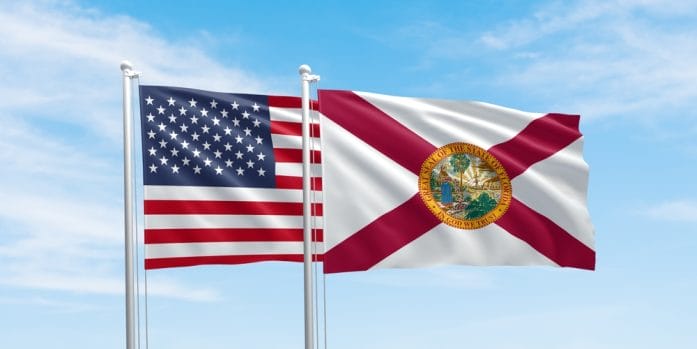
Florida Escrow Payments Continue Rising as Insurance Costs Climb

February 12, 2026 by Brandon Marcus Leave a Comment

Florida Escrow Payments Continue Rising as Insurance Costs Climb

Image source: shutterstock.com

Florida has always sold itself as a dream: sunshine, palm trees, warm nights, and a lifestyle that feels like a permanent vacation. But lately, a very different reality is showing up in homeowners’ bank accounts, and it’s called escrow shock. Across the state, monthly escrow payments are climbing faster than many people expected, driven largely by rising insurance premiums that are rewriting the math of homeownership.

This is a real financial shift that’s changing how Floridians budget, plan, and think about the true cost of living in paradise. If you own a home, want to own one, or simply care about where the Florida housing market is heading, this is a story you need to understand.

The Hidden Engine Behind Your Monthly Payment

Escrow is one of those quiet financial systems that most people don’t think about until it suddenly gets loud. Your mortgage payment isn’t just principal and interest — it also includes money set aside for property taxes and homeowners insurance, which your lender pays on your behalf. When insurance costs rise, escrow payments rise with them, often dramatically and all at once. That means homeowners don’t just see higher insurance bills; they see higher total monthly housing costs, which can feel like a surprise even when nothing else about the mortgage has changed.

In Florida, insurance increases have been especially intense because of storm risk, litigation costs, reinsurance pressures, and a shrinking pool of insurers willing to write policies in high-risk areas. When insurers raise premiums or leave the market, replacement policies are often more expensive, and those higher costs immediately flow into escrow. The result is that homeowners can be financially stable, current on their mortgage, and still feel squeezed because their escrow portion keeps climbing.

Insurance Costs Are Rewriting the Cost of Living

For years, Florida marketed itself as a relatively affordable place to live compared to many other high-growth states. That narrative is getting harder to maintain as insurance premiums rise faster than wages for many households. Homeowners insurance in Florida has become one of the most volatile cost categories tied to housing, and escrow payments reflect that volatility in real time.

What makes this especially challenging is that insurance increases don’t behave like predictable inflation. They come in sharp jumps, not gentle slopes, and that creates financial whiplash for homeowners who plan their budgets carefully. A household that felt comfortable last year can suddenly feel stretched this year without changing spending habits, lifestyle, or income.

What This Means for Buyers, Sellers, and Long-Term Owners

Rising escrow payments don’t just impact current homeowners — they ripple through the entire housing ecosystem. Buyers now have to qualify not only for purchase prices and interest rates, but also for insurance-driven escrow costs that can significantly change affordability calculations. A home that looks affordable on paper can become much more expensive once insurance and escrow are factored in.

Sellers are feeling this too, because higher monthly costs can shrink the buyer pool, especially for properties in high-risk zones. Homes aren’t just being evaluated based on location and features anymore. They’re now being evaluated based on insurance profiles and long-term carrying costs. That changes how properties are marketed, priced, and perceived.

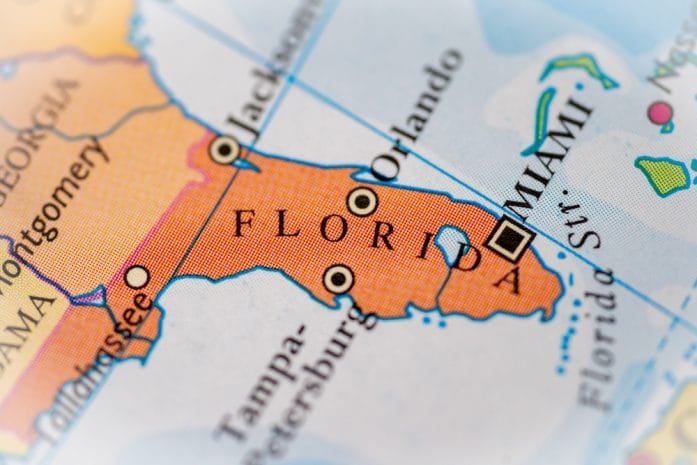
Florida Escrow Payments Continue Rising as Insurance Costs Climb

Image source: shutterstock.com

Smart Moves Homeowners Can Make Right Now

While homeowners can’t control the insurance market, they can make strategic choices that reduce financial shock. Reviewing insurance policies regularly, comparing carriers, and understanding coverage details can make a real difference over time. Home upgrades like roof reinforcement, impact-resistant windows, and mitigation features can sometimes improve insurability and long-term affordability, depending on the property and insurer.

Budgeting for escrow increases is also becoming part of responsible financial planning in Florida. Treating escrow like a flexible cost rather than a fixed one helps households prepare emotionally and financially for adjustments. Staying informed about state insurance reforms, market shifts, and policy changes also empowers homeowners to make proactive decisions instead of reactive ones.

When Escrow Becomes the Real Cost of Paradise

Escrow payments may sound like a boring financial detail, but in Florida, they’ve become one of the clearest signals of how the housing landscape is changing. They reshape affordability, redefine stability, and force homeowners to think differently about what it means to live in one of the most desirable states in the country.

Florida is still an incredible place to live, invest, and build a life, but the financial mechanics behind that lifestyle are evolving. Escrow payments rising alongside insurance costs are a reflection of a new housing reality.

What changes have you noticed in your escrow payments, and how are rising insurance costs affecting the way you think about homeownership? If you have any insight or ideas, make sure you share them in our comments section.

You May Also Like…

State Farm Files for 10% Rate Reduction in Florida After Years of Increases

Florida’s 3.35% Non-Renewal Rate: Why Hundreds of Thousands Lost Home Insurance Last Year

Florida Homeowners Are Seeing Insurance Rates Decreasing In 2026

California Insurance Crisis: 13% of Home Sales Failed Due to No Coverage Available

Common Misconceptions About Insurance Costs

Brandon Marcus
Brandon Marcus

Brandon Marcus is a writer who has been sharing the written word since a very young age. His interests include sports, history, pop culture, and so much more. When he isn’t writing, he spends his time jogging, drinking coffee, or attempting to read a long book he may never complete.

Filed Under: Insurance Tagged With: cost of homeownership, escrow payments, Florida homeowners, Florida housing market, Florida real estate, homeowners insurance, mortgage escrow, property insurance crisis, real estate trends, rising insurance costs

Heritage Insurance Approved: 9.6% Premium Drop for Seminole County Homeowners

February 8, 2026 by Brandon Marcus Leave a Comment

Heritage Insurance Approved: 9.6% Premium Drop for Seminole County Homeowners

Image source: shutterstock.com

If you’re a Florida homeowner, you know the drill: every year you brace yourself for another insurance renewal, another rate hike, another moment of staring at your bill and wondering if your house is secretly made of gold. So when a rate decrease shows up in the news, it feels almost mythical.

But this time, it’s real. Heritage Insurance has officially been approved for a 9.6% premium drop for homeowners in Seminole County, and in a state where insurance headlines usually read like disaster movie scripts, this is the kind of plot twist people actually want.

Why Heritage Insurance Is Lowering Rates When Everyone Else Seems to Be Raising Them

If you’ve been following Florida’s insurance landscape, you know it’s been a roller coaster. Insurers have pulled out of the state, premiums have skyrocketed, and homeowners have been left scrambling for coverage. So how does a nearly 10% decrease happen in the middle of all that chaos?

The answer lies in a mix of company performance, risk modeling, and regulatory review. Heritage Insurance filed for the decrease after updated data showed improved loss ratios in Seminole County. In simpler terms, the company paid out less in claims than expected in that region, and the numbers were strong enough for regulators to approve a rate cut. This isn’t a statewide trend—it’s specific to Seminole County, where the risk profile and claims history have shifted enough to justify a downward adjustment.

It’s important to note that this doesn’t mean storms stopped happening or that Florida suddenly became a low‑risk state. Instead, it reflects localized improvements and insurer‑specific data.

What a 9.6% Drop Actually Means for Homeowners’ Wallets

A percentage decrease sounds nice, but what does it look like in real dollars? For many homeowners, this could mean hundreds of dollars saved over the course of a year. In a state where insurance premiums have doubled—or even tripled—for some households, a reduction of any size can help stabilize budgets that have been stretched thin.

This decrease also comes at a time when many homeowners are juggling rising costs in other areas: property taxes, HOA fees, utilities, and everyday living expenses. A lower insurance bill doesn’t solve everything, but it does offer breathing room. And in a market where most news has been relentlessly negative for years, this shift can help restore a bit of confidence that not every trend is moving in the wrong direction.

Heritage Insurance Approved: 9.6% Premium Drop for Seminole County Homeowners

Image source: shutterstock.com

Why Seminole County Stands Out in a Challenging Insurance Environment

Florida’s insurance market is complicated, and risk varies dramatically from one county to another. Seminole County benefits from being inland, which reduces exposure to storm surge and coastal flooding—two of the biggest cost drivers for insurers. While the county still faces hurricane winds, severe storms, and occasional flooding, its overall risk profile is more manageable than many coastal regions.

Additionally, Seminole County has seen improvements in building standards, mitigation efforts, and claims trends. When homeowners invest in roof upgrades, impact windows, and other protective measures, insurers take notice. Over time, these improvements can shift the risk landscape enough to influence rates.

How Homeowners Can Maximize Savings Beyond the Rate Drop

A 9.6% decrease is a great start, but homeowners can stack additional savings by taking a few proactive steps. First, it’s worth reviewing your policy to make sure you’re getting every discount available. Many homeowners qualify for mitigation credits without realizing it, especially if they’ve made upgrades in the last few years. Wind‑mitigation inspections, for example, can unlock significant savings and are often inexpensive compared to the long‑term benefit.

It’s also smart to shop around periodically. Even if you’re happy with Heritage, comparing quotes keeps you informed and ensures you’re not missing out on better options. Insurance markets shift constantly, and a rate decrease in one company can sometimes trigger competitive adjustments in others.

A Moment of Relief in a Market That Needed One

In a state where insurance news has felt like a never‑ending storm, Seminole County’s 9.6% premium drop is a welcome ray of sunshine. It’s a reminder that the market isn’t doomed, that improvements are possible, and that homeowners aren’t powerless in the face of rising costs. While this decrease won’t fix the entire system, it offers real financial relief and a bit of hope that more positive shifts could follow.

What’s your reaction to the rate drop—relief, curiosity, or cautious optimism? Are you a Florida resident feeling the relief? Share your thoughts in the comments.

You May Also Like…

The Roof Age That Automatically Disqualifies Florida Homes From Coverage

Florida Homeowners See First Rate Decrease in 10 Years — Citizens Property Insurance Dropping Premiums 2.6%

The Credit Score That Adds $2,000/Year to Florida Homeowner’s Insurance Premiums

9 Georgia Counties Where Property Taxes Are Set to Rise the Fastest

6 States Where Homeownership Is Getting More Expensive in 2026 — Here’s Why

Brandon Marcus
Brandon Marcus

Brandon Marcus is a writer who has been sharing the written word since a very young age. His interests include sports, history, pop culture, and so much more. When he isn’t writing, he spends his time jogging, drinking coffee, or attempting to read a long book he may never complete.
Filed Under: Insurance Tagged With: 2026 trends, consumer news, Florida homeowners, Heritage Insurance, Home insurance, Housing Costs, insurance rates, Planning, property insurance, rate decrease, Seminole County

Florida Homeowners Are Seeing Insurance Rates Decreasing In 2026

February 7, 2026 by Brandon Marcus Leave a Comment

Florida Homeowners Are Seeing Insurance Rates Decreasing In 2026

Image source: shutterstock.com

If you’re a Florida homeowner, you’ve probably spent the last few years opening your insurance renewal notices with the same energy you’d reserve for a horror movie. Premium hikes became so routine that many people stopped asking “if” rates would rise and started asking “by how much.”

But as 2026 begins, something genuinely surprising is happening: multiple insurers have filed for rate decreases with the Florida Office of Insurance Regulation (OIR). After years of market instability, litigation costs, and reinsurance spikes, the tide is finally shifting — and homeowners are more than ready for the relief. These filings aren’t rumors or wishful thinking; they’re part of a real, documented trend showing that Florida’s insurance market is stabilizing in ways many thought impossible just a few years ago.

Several Private Insurers Have Filed for Rate Decreases With the Florida OIR

Florida’s OIR has confirmed that multiple private insurers have submitted filings requesting rate decreases for 2026. These filings reflect improved financial performance, better loss ratios, and a more predictable claims environment.

While each company’s filing varies, the overall direction is unmistakable. Insurers are confident enough in the market to reduce rates rather than raise them, something that hasn’t been common in Florida for quite some time. For homeowners, this means 2026 is shaping up to be one of the most promising years in recent memory for potential savings.

Some Insurers Are Lowering Rates in Counties With Improved Loss Histories

Not all rate decreases apply statewide. Several insurers have filed for reductions in counties where claims have been lower or where storm activity has been less severe in recent years. This targeted approach allows insurers to pass savings on to homeowners in areas where risk has genuinely declined. It also reflects a more nuanced understanding of Florida’s diverse risk landscape, where one county may experience repeated storm losses while another remains relatively stable.

If you live in a region that hasn’t seen major storm damage recently, you may be among the homeowners who benefit the most from these filings.

Legislative Reforms Are Finally Producing Measurable Results

Florida’s insurance reforms are beginning to show tangible effects. Insurers have publicly stated that these reforms have reduced legal expenses and improved predictability in the claims process. Lower operating costs mean some companies can now justify rate decreases, something that would have been nearly impossible just a few years ago.

For homeowners, this is proof that policy changes can eventually translate into real‑world financial relief, even if the improvements take time to materialize.

Reinsurance Stabilization Is Helping Insurers Lower Premiums

Reinsurance — the insurance that insurance companies buy — has been one of the biggest drivers of Florida’s premium increases. When reinsurance prices spike, insurers have little choice but to pass those costs on to policyholders. But as the reinsurance market stabilizes and pricing becomes more predictable, insurers are gaining breathing room. Several companies have cited improved reinsurance conditions as a key reason they can file for rate decreases heading into 2026.

This is a promising sign for long‑term market health and a major factor behind the shift toward lower premiums.

Some Insurers Are Offering Decreases for Homes With Strong Mitigation Features

Homes with hurricane‑resistant features are becoming increasingly attractive to insurers. As a result, some companies have filed for rate decreases specifically for homeowners who meet certain mitigation standards. These reductions reward homeowners who invest in strengthening their properties and help reduce overall risk in the market.

If you’ve made improvements to your home, it’s worth checking whether you qualify for additional savings in 2026.

Florida Homeowners Are Seeing Insurance Rates Decreasing In 2026

Image source: shutterstock.com

Competitive Pressure Is Encouraging More Insurers to Adjust Rates

As more insurers file for decreases, others may follow suit to remain competitive. Florida’s insurance market has been gradually attracting new companies and encouraging existing ones to expand their offerings.

When one insurer lowers rates, others often respond to avoid losing customers — especially in regions where homeowners finally have multiple options again. This competitive environment is one of the reasons 2026 is shaping up to be a turning point for Florida homeowners.

Citizens’ Market Changes Are Influencing Private Insurer Pricing

Citizens Property Insurance, the state‑backed insurer, plays a major role in Florida’s insurance landscape. As Citizens adjusts its own rates and continues efforts to shift homeowners back into the private market, private insurers are responding with more competitive pricing.

While Citizens’ rates are regulated differently, its market influence is significant — and its actions often encourage private insurers to adjust their filings accordingly. For homeowners, this means more opportunities to compare quotes and potentially save money.

Florida Homeowners Finally Have a Reason to Feel Hopeful

After years of skyrocketing premiums and shrinking options, Florida’s homeowners insurance market is showing real signs of recovery. Rate decrease filings from multiple insurers — combined with legislative reforms, improved reinsurance conditions, and increased competition — are creating a more stable environment for 2026.

While not every homeowner will see a decrease, the overall trend is undeniably positive. This year, take the time to review your policy, compare quotes, and ask your insurer whether you qualify for any new reductions. Even a small decrease can make a meaningful difference.

Are you a Florida homeowner? Has your insurer mentioned any rate changes for 2026? Give us your stories in the comments section.

You May Also Like…

The Roof Age That Automatically Disqualifies Florida Homes From Coverage

Florida Homeowners See First Rate Decrease in 10 Years — Citizens Property Insurance Dropping Premiums 2.6%

6 States Where Homeownership Is Getting More Expensive in 2026 — Here’s Why

The Credit Score That Adds $2,000/Year to Florida Homeowner’s Insurance Premiums

The Sunshine State Squeeze: Why Florida Retirees are Seeing Smaller Social Security Checks This Week


Brandon Marcus
Brandon Marcus

Brandon Marcus is a writer who has been sharing the written word since a very young age. His interests include sports, history, pop culture, and so much more. When he isn’t writing, he spends his time jogging, drinking coffee, or attempting to read a long book he may never complete.

Filed Under: Insurance Tagged With: 2026 trends, Citizens Property Insurance, Consumer Protection, financial news, Florida homeowners, Florida insurance, homeowners insurance, insurance rates, insurance reforms, property insurance, State Farm

The Credit Score That Adds $2,000/Year to Florida Homeowner’s Insurance Premiums

February 2, 2026 by Brandon Marcus Leave a Comment

The Credit Score That Adds $2,000/Year to Florida Homeowner's Insurance Premiums

Image source: shutterstock.com

Most Florida homeowners expect their insurance premiums to rise because of hurricanes, floods, roof age, or rising construction costs. What many don’t expect is that a three-digit number they barely think about can quietly push their premiums higher every single year.

Your credit score doesn’t just affect loans and credit cards—it plays a major role in how insurers calculate risk, pricing, and policy costs. In a state where home insurance is already one of the biggest household expenses, this hidden factor can feel like a financial ambush. For some Florida homeowners, the wrong credit tier doesn’t just mean slightly higher premiums—it can mean paying anywhere from $500 to $2,000+ more per year for the exact same coverage.

The Credit Score Threshold That Triggers Premium Shock

Insurance companies don’t just look at your credit score as “good” or “bad”—they group it into risk tiers that directly affect pricing. While exact cutoffs vary by insurer, scores below the mid-600s often fall into higher-risk categories that trigger major premium increases.

That means a homeowner with a 640 score could pay dramatically more than a neighbor with a 720 score, even if their homes are identical. Insurers use credit-based insurance scores, which are derived from credit reports but weighted differently than traditional lending scores. These models focus on patterns like payment history, debt levels, and account stability because insurers believe they correlate with claim risk. In Florida’s already expensive insurance market, dropping into a lower credit tier can easily translate into four-figure annual increases without any change in your home, your neighborhood, or your coverage.

Why Insurers Care About Credit At All

This part feels unfair to many homeowners, and honestly, the frustration makes sense. Insurance companies argue that credit behavior statistically correlates with claims frequency and claim severity, which is why most states allow the use of credit-based insurance scoring.

In simple terms, they treat credit patterns as a risk signal, not a moral judgment. Someone who struggles with late payments, high balances, or frequent account changes may be seen as higher risk from an underwriting perspective. Florida allows insurers to use these models, and they do so aggressively because of the state’s high storm risk and litigation costs.

The Credit Score That Adds $2,000/Year to Florida Homeowner's Insurance Premiums

Image source: shutterstock.com

How Florida’s Insurance Market Amplifies The Impact

Florida already sits in one of the most volatile homeowner insurance markets in the country, with rising premiums driven by hurricanes, reinsurance costs, fraud, and litigation. That means insurers are constantly tightening risk models to protect profitability. When credit scoring gets layered on top of storm risk, location risk, and property risk, the price spikes get much bigger, much faster. A credit score drop that might mean a small increase in another state can trigger a massive jump in Florida.

Homeowners often blame insurers, weather, or the market, without realizing their credit tier is quietly driving part of the increase. In high-risk markets, every underwriting factor carries more weight, and credit is one of the few factors that insurers can easily quantify and automate.

The Financial Domino Effect Most Homeowners Miss

Here’s where things get dangerous for household budgets: insurance premiums don’t exist in isolation. Higher premiums mean higher escrow payments, which increase monthly mortgage costs even if your interest rate never changes. That tighter budget can lead to higher credit utilization, missed payments, and more financial strain—ironically pushing credit scores even lower.

This creates a feedback loop where insurance costs and credit scores worsen together. Many homeowners never connect the dots between their credit report and their rising mortgage payment. Over a few years, this cycle can cost tens of thousands of dollars without a single hurricane ever hitting your house.

What Homeowners Can Actually Do About It

The good news is that credit-based insurance scoring responds to improvement, sometimes faster than people expect. Paying down revolving balances, fixing errors on your credit report, and stabilizing payment history can shift you into a better insurance tier. Even small score improvements can produce meaningful premium reductions when insurers rerate policies.

Shopping insurance matters too, because companies weigh credit differently in their underwriting models. One insurer might punish a low score heavily, while another puts more weight on property features and claim history. Annual policy comparisons and working with independent agents can uncover savings that captive insurers may not offer.

How To Protect Yourself From Credit-Based Insurance Traps

Start treating your credit score as an insurance tool, not just a lending metric. Pull your credit reports regularly and dispute errors, because inaccuracies directly cost you money beyond interest rates. Keep credit utilization low, even if you pay balances in full each month, because reporting timing still affects scores.

Build emergency savings to avoid late payments during financial stress, which protects both your credit and your insurance pricing. Ask insurers directly whether and how they use credit-based scoring in underwriting so you understand what factors matter most. Financial protection today isn’t just about storms and roofs—it’s about data, algorithms, and risk models quietly shaping your costs.

Why Your Credit Score Is Now A Homeownership Tool

In modern Florida homeownership, your credit score functions like invisible infrastructure. Homeowners who understand this gain leverage, while those who ignore it get blindsided. Managing credit is no longer just about borrowing power; it’s about cost control. When you treat your credit score as part of your homeownership strategy, you turn a hidden liability into a financial asset.

Your credit score might be influencing your insurance bill more than your roof, your zip code, or your square footage—so here’s the hard question: If improving your credit could save you $2,000 a year, what’s stopping you from making it a financial priority right now? Tell us your tips, ideas, and insights for improving your credit score in the comments section below.

You May Also Like…

The Quiet Credit Score Rule Change That’s Raising Borrowing Costs for Older Americans

Why Major Banks Are Quietly Lowering Credit Limits for Customers With Holiday Debt

7 Ways Credit Card Debt Builds Faster Than Expected

The 6 Most Common Mistakes Young People Make About Credit

6 Credit Mistakes That Redditors Confess Cost Them Thousands


Brandon Marcus
Brandon Marcus

Brandon Marcus is a writer who has been sharing the written word since a very young age. His interests include sports, history, pop culture, and so much more. When he isn’t writing, he spends his time jogging, drinking coffee, or attempting to read a long book he may never complete.

Filed Under: credit score Tagged With: credit repair, credit score impact, Florida homeowners, Florida real estate, home insurance costs, homeowner tips, insurance premiums, insurance savings, money management, Personal Finance, Planning

FOLLOW US

Search this site:

Recent Posts

  • Can My Savings Account Affect My Financial Aid? by Tamila McDonald
  • 12 Ways Gen X’s Views Clash with Millennials… by Tamila McDonald
  • What Advantages and Disadvantages Are There To… by Jacob Sensiba
  • 10 Tactics for Building an Emergency Fund from Scratch by Vanessa Bermudez
  • Call 911: Go To the Emergency Room Immediately If… by Stephen Kanaval
  • 7 Weird Things You Can Sell Online by Tamila McDonald
  • 10 Scary Facts About DriveTime by Tamila McDonald

Copyright © 2026 · News Pro Theme on Genesis Framework