• Home
  • About Us
  • Toolkit
  • Getting Finances Done
    • Hiring Advisors
    • Debt Management
    • Spending Plan
  • Insurance
    • Life Insurance
    • Health Insurance
    • Disability Insurance
    • Homeowners/Renters Insurance
  • Contact Us
  • Privacy Policy
  • Risk Tolerance Quiz

The Free Financial Advisor

You are here: Home / Archives for audit risk

Why Small Errors on Your Tax Return Can Cost You Big

April 14, 2026 by Brandon Marcus Leave a Comment

Why Small Errors on Your Tax Return Can Cost You Big

Image Source: Shutterstock.com

A single wrong number can spark a chain reaction that drains money, time, and patience faster than expected. Tax returns look simple on the surface, but they demand precision at every step, and even the smallest slip can ripple into something much bigger. A misplaced digit, a forgotten form, or a misunderstood deduction doesn’t just sit quietly on paper. It travels through systems, triggers flags, and invites scrutiny that nobody wants during tax season.

Mistakes don’t need to look dramatic to cause real damage, and that’s exactly what makes them dangerous. A return can appear perfectly fine while hiding a handful of minor errors that quietly stack consequences behind the scenes. Penalties, delayed refunds, and unexpected notices often trace back to details that seemed harmless at the time.

The Domino Effect of Tiny Tax Mistakes

A simple typo can start a chain reaction that grows far beyond the original mistake. Entering the wrong Social Security number, misspelling a name, or flipping digits in income figures can cause the system to reject a return outright or delay processing for weeks. That delay often leads to missed deadlines, and missed deadlines open the door to penalties and interest that accumulate quickly. What started as a minor slip suddenly turns into a financial headache that lingers far longer than expected. Tax agencies rely heavily on automated systems, and those systems don’t “guess” what was meant—they flag inconsistencies and move the return into a slower, more complicated review process.

Errors don’t just slow things down; they also attract attention. When a return contains inconsistencies, it increases the likelihood of a deeper review or even an audit. That doesn’t mean every mistake leads to serious trouble, but it definitely raises the odds of extra scrutiny. Once a return gets flagged, it often requires additional documentation, which takes time and effort to gather. That extra layer of review can delay refunds significantly, and in some cases, it can lead to adjustments that reduce the expected refund or increase the amount owed. Staying meticulous from the start avoids this entire cascade of issues and keeps the process smooth.

Deductions and Credits: Where Good Intentions Go Wrong

Tax deductions and credits offer powerful ways to reduce what someone owes, but they also create one of the most common zones for mistakes. Many people claim deductions without fully understanding eligibility requirements, which can lead to incorrect filings. For example, mixing up tax credits with deductions can result in overestimating savings, and that mismatch often triggers corrections later. Claiming expenses without proper documentation adds another layer of risk, because tax authorities expect proof when they see certain deductions. Without that proof, adjustments follow quickly.

Overlooking eligible deductions creates another kind of problem, because it leaves money on the table. Many people rush through their returns and miss valuable credits simply because they don’t take the time to review options carefully. Education credits, childcare credits, and even certain work-related expenses can significantly change the outcome of a return. Taking time to research or consult a professional can make a noticeable difference in both accuracy and savings. Smart filers double-check eligibility rules and keep organized records throughout the year, which makes filing season far less stressful and far more rewarding.

The High Cost of Filing Status Confusion

Filing status might seem straightforward, but it carries serious weight when it comes to tax calculations. Choosing the wrong status can shift tax brackets, change eligibility for credits, and alter the total amount owed or refunded. For example, selecting “single” instead of “head of household” can lead to paying more taxes than necessary. On the flip side, claiming a status that doesn’t apply can trigger penalties and require corrections later. This decision affects more than just a label on a form—it shapes the entire financial outcome of the return.

Dependents add another layer of complexity that often leads to mistakes. Claiming a dependent without meeting the full criteria can cause issues quickly, especially if another taxpayer claims the same person. That conflict often results in rejected filings or follow-up notices that demand clarification. Accuracy matters deeply here, because even honest mistakes can lead to delays and extra paperwork. Taking time to review dependency rules and filing status guidelines ensures the return reflects the correct situation and avoids unnecessary complications down the line.

Math Errors Still Matter in a Digital World

Tax software handles most calculations today, but math errors still show up more often than expected. Manual entries, incorrect data input, and misunderstandings of totals can all lead to incorrect results. Even with software, the system depends on accurate inputs, and a single wrong number can throw off an entire calculation. That error might seem small, but it can change the final tax liability significantly. Tax authorities often correct simple math mistakes automatically, but those corrections can delay refunds or adjust the amount owed.

Accuracy doesn’t stop at basic arithmetic; it extends to how numbers connect across the return. Totals from one section must match figures in another, and inconsistencies often trigger reviews. That’s why careful review matters so much before submitting a return. Taking a few extra minutes to double-check numbers can prevent weeks of frustration later. Many people rush through this step, but slowing down here offers one of the easiest ways to avoid unnecessary trouble.

Why Small Errors on Your Tax Return Can Cost You Big

Image Source: Shutterstock.com

Late Filing and Missed Deadlines Add Fuel to the Fire

Deadlines don’t offer much flexibility, and missing them often leads to immediate consequences. Filing late can trigger penalties that grow over time, especially when taxes remain unpaid. Even small amounts can accumulate interest quickly, turning a manageable bill into something far more intimidating. Extensions can help, but they don’t eliminate the need to estimate and pay taxes on time. Many people misunderstand this and end up facing penalties despite filing an extension correctly.

Planning ahead makes a huge difference when deadlines approach. Gathering documents early, organizing financial records, and setting reminders can prevent last-minute stress that leads to mistakes. Waiting until the final days increases the risk of errors, because rushed work rarely delivers accuracy. A calm, prepared approach not only improves accuracy but also reduces the chance of missing important details. Staying proactive keeps the process under control and avoids unnecessary costs.

Smart Moves That Keep Returns Clean and Stress-Free

Strong habits make all the difference when it comes to tax accuracy. Keeping organized records throughout the year simplifies the filing process and reduces the chance of missing important details. Saving receipts, tracking expenses, and maintaining clear documentation creates a solid foundation for a smooth return. Technology can help here, with apps and tools that track expenses automatically and store documents securely. Those small efforts throughout the year pay off in a big way when tax season arrives.

Reviewing a return carefully before submission stands out as one of the most effective ways to avoid errors. Taking a break and revisiting the return with fresh eyes often reveals mistakes that slipped through earlier. Seeking professional help also provides a valuable safety net, especially for more complex situations involving multiple income sources or deductions. A tax professional can catch issues that might otherwise go unnoticed and offer guidance that improves accuracy. Investing a little extra time and effort upfront prevents costly consequences later and keeps the entire process far more manageable.

Precision Pays Off Every Single Time

Small tax mistakes don’t stay small for long, and they rarely resolve themselves without consequences. Accuracy drives everything when it comes to tax returns, and every detail matters more than it might seem at first glance. Taking time to review, verify, and understand each part of the process turns a stressful obligation into something far more manageable. Careful preparation, strong organization, and a willingness to double-check work can prevent the majority of common errors. That effort not only protects money but also saves time, energy, and frustration down the road.

What strategies have worked well when it comes to avoiding tax mistakes, and what lessons have shaped a smarter approach over time? Let’s hear your thoughts, experiences, or tips in the comments and keep the conversation going.

You May Also Like…

5 Overlooked Tax Deductions That Could Save You Thousands

Texas Has No Income Tax — But Property Taxes Can Get Close To 2% in Some Areas

Retirement Accounts Are Triggering Unexpected Taxes — What Some Investors Overlook

5 Reasons To Talk To Your Kids About Taxes

9 Georgia Counties Where Property Taxes Are Set to Rise the Fastest

Brandon Marcus
Brandon Marcus

Brandon Marcus is a writer who has been sharing the written word since a very young age. His interests include sports, history, pop culture, and so much more. When he isn’t writing, he spends his time jogging, drinking coffee, or attempting to read a long book he may never complete.

Filed Under: tax tips Tagged With: audit risk, filing taxes, finance, IRS, money management, Personal Finance, tax credits, Tax Deductions, tax errors, tax filing tips, tax return mistakes, taxes

The IRS Is Sending More “Math Error” Notices — Why You Could Owe Without Realizing It

March 26, 2026 by Brandon Marcus Leave a Comment

The IRS Is Sending More “Math Error” Notices — Why You Could Owe Without Realizing It

Image Source: Shutterstock.com

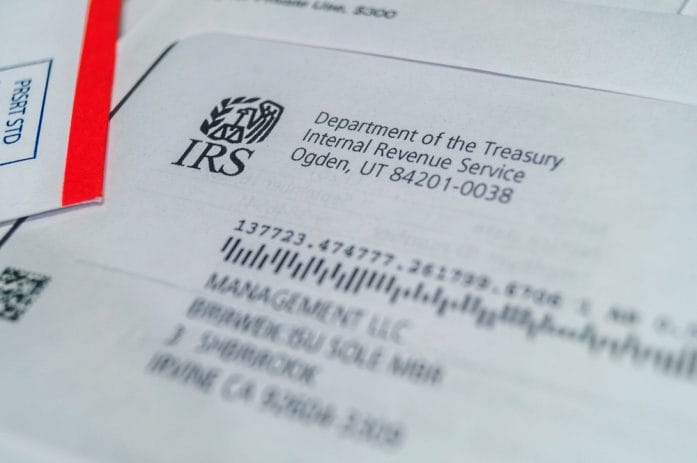
A letter from the IRS doesn’t need flashing red lights to feel urgent, and lately, more of those letters arrive stamped with a deceptively simple phrase: “math error.” That label sounds harmless, almost like a quick fix, but it often carries a financial sting that catches people off guard. The number of these notices has climbed in recent years, and they don’t just target complicated returns or high earners. They hit everyday tax filers who thought they checked every box correctly and walked away confident.

These notices don’t wait for a full audit, and that’s exactly what makes them so disruptive. The IRS uses automated systems to flag discrepancies, adjust returns, and send out corrections before anyone has time to react. One small mismatch can turn into a reduced refund or even a balance due, and the clock starts ticking the moment that notice lands.

When “Math Error” Doesn’t Mean What You Think It Means

The phrase “math error” sounds like someone added numbers wrong, but the IRS uses it far more broadly than that. The agency applies this label to a wide range of issues, including missing information, mismatched Social Security numbers, and incorrect claims for credits like the Earned Income Tax Credit or Child Tax Credit. That means a notice could arrive even when every calculation on the return adds up perfectly. The system flags inconsistencies between what someone reported and what the IRS has on file, often pulling data from employers, financial institutions, and prior filings.

This automated approach speeds things up, but it also removes the human layer that might otherwise catch context. For example, a slight typo in a dependent’s Social Security number can trigger a rejection of a credit, which then leads to a reduced refund or a sudden balance due. The IRS doesn’t ask for clarification before making the change, and it sends the notice after the adjustment already happens. That creates a jarring moment where expectations collide with reality, especially when someone counted on a refund for bills or savings.

The rules behind these notices come from the IRS’s authority to correct certain “obvious” errors without launching a full audit. That sounds efficient, but it leaves little room for nuance. Many people don’t realize that they have only a limited window, usually 60 days, to respond if they disagree with the change. Ignoring the notice can lock in the adjustment and open the door to penalties and interest. Taking it seriously right away gives the best chance to fix the issue before it snowballs.

Why These Notices Are Showing Up More Often

The rise in math error notices doesn’t come out of nowhere, and a few key factors drive the trend. The IRS has leaned more heavily on automation, especially as it processes large volumes of returns quickly. Technology allows the agency to cross-check data at scale, which increases the chances of catching discrepancies, even minor ones. At the same time, tax laws have shifted in recent years, especially around credits and stimulus-related provisions, and those changes have added layers of complexity to otherwise simple returns.

More complexity creates more room for error, and not all of those errors come from carelessness. Some stem from confusion about eligibility rules, especially for credits tied to income thresholds, filing status, or dependent qualifications. A slight misunderstanding can lead to a claim that doesn’t match IRS records, and the system flags it immediately. The IRS then adjusts the return without waiting for clarification, which leads to a notice that feels sudden and unexpected.

Another factor comes from timing. Employers and financial institutions submit forms like W-2s and 1099s directly to the IRS, and any mismatch between those records and what appears on a return triggers a red flag. Even something as simple as entering the wrong income figure by a small amount can set off the system. The combination of real-time data matching and automated corrections means fewer discrepancies slip through unnoticed, but it also means more notices land in mailboxes.

Smaller Refunds or Surprise Bills

A math error notice doesn’t just point out a problem; it changes the outcome of a tax return. The IRS can reduce a refund, delay it, or convert it into a balance due, depending on the situation. That shift can disrupt plans in a big way, especially when someone expects a certain amount and suddenly sees a different number. The notice explains the adjustment, but it doesn’t always feel clear at first glance, which adds to the confusion.

When the IRS reduces or eliminates a credit, the financial impact can feel immediate. Credits like the Earned Income Tax Credit or Child Tax Credit can significantly boost a refund, so losing them changes the bottom line quickly. If the adjustment creates a balance due, interest and penalties can start accruing if the amount isn’t paid on time. That turns a simple correction into a growing obligation that demands attention.

The emotional impact matters too, even if it doesn’t show up on a balance sheet. A notice from the IRS can create stress and uncertainty, especially when it arrives without warning. The key lies in shifting from reaction to action, because these notices often come with clear next steps. Reading the notice carefully, comparing it to the original return, and gathering any supporting documents can bring clarity and control back into the situation.

The IRS Is Sending More “Math Error” Notices — Why You Could Owe Without Realizing It

Image Source: Shutterstock.com

What To Do If That Letter Shows Up

Opening the notice and setting it aside might feel tempting, but that approach can make things worse. The IRS includes a specific explanation of what changed and why, and understanding that explanation should come first. Comparing the notice to the original return helps identify whether the IRS made a valid correction or missed something important. That step alone can reveal simple issues like a typo or a missing form.

If the correction looks accurate, paying the balance or accepting the reduced refund resolves the issue quickly. If something doesn’t add up, responding within the allowed timeframe becomes critical. The IRS usually provides instructions for disputing the change, and that process often involves sending documentation that supports the original filing. Acting within the deadline preserves the right to challenge the adjustment and prevents it from becoming final.

Getting help can make a big difference, especially when the notice involves credits or eligibility rules. A tax professional can review the situation, spot errors, and guide the response. Keeping organized records, including W-2s, 1099s, and receipts, strengthens any case and speeds up the resolution. Taking these steps turns a stressful moment into a manageable task, and it prevents the issue from escalating.

Don’t Let a “Math Error” Catch You Off Guard

A math error notice might sound minor, but it carries real financial weight and demands quick attention. The IRS uses that label to cover a wide range of issues, and the rise in these notices reflects a system that moves faster and checks more data than ever before. Taking the time to understand how these notices work can prevent confusion and protect against unexpected bills or reduced refunds. Staying organized, double-checking details, and responding quickly to any notice can turn a frustrating situation into a manageable one.

What steps feel most helpful when it comes to avoiding surprises at tax time, and what strategies have worked best for keeping everything accurate and stress-free? Share all of your thoughts, tips, or experiences in the comments and keep the conversation going.

You May Also Like…

Refunds Are Being Delayed Over New IRS Identity Flags — Why More Returns Are Getting Pulled

7 Common Deductions That Are Getting More Scrutiny From the IRS

IRS Changes for Seniors: What’s Actually New on the 1040‑SR for 2026

6 Advanced Techniques to Lower Your Capital Gains Taxes Legally

9 Financial Dangers of Ignoring Property Taxes

Brandon Marcus
Brandon Marcus

Brandon Marcus is a writer who has been sharing the written word since a very young age. His interests include sports, history, pop culture, and so much more. When he isn’t writing, he spends his time jogging, drinking coffee, or attempting to read a long book he may never complete.

Filed Under: tax tips Tagged With: audit risk, credits, IRS, IRS letters, math error notice, Personal Finance, tax debt, tax filing mistakes, tax refund, tax season, tax tips, taxes

7 Common Deductions That Are Getting More Scrutiny From the IRS

March 24, 2026 by Brandon Marcus Leave a Comment

8 Common Deductions That Are Getting More Scrutiny From the IRS

Image Source: Pexels.com

Ever get the feeling the IRS is watching every move you make? Turns out, they kind of are—especially when it comes to certain tax deductions. Those numbers that looked harmless on your form last year could now be under a microscope, and the stakes aren’t just a late-night panic—they’re real dollars from your refund. Some deductions have become high-interest targets, and the IRS isn’t subtle about checking whether claims are legit.

Knowing exactly which deductions draw attention can flip the whole tax season experience from nail-biting to money-saving. This isn’t about hiding anything—it’s about playing smart, keeping records in order, and making sure every claim you make is airtight. With the right approach, deductions can be a smooth, rewarding part of tax season rather than a source of stress.

1. Charitable Contributions: More Than Just a Receipt

Charitable giving remains one of the most popular deductions, but the IRS is changing and scrutinizing them more closely than ever. Contributions must be to qualified organizations, and the rules for cash donations, property donations, and non-cash gifts vary significantly. Every receipt counts, and when donations exceed certain amounts, extra forms become mandatory. The IRS isn’t just checking totals—they want to see consistency and credibility in documentation.

Donating items to thrift stores, for example, requires detailed records, including appraisals for high-value items. Mistakes in valuation or missing forms can trigger audits, especially for large donations. To stay safe, keep a thorough log of each gift, including the date, amount, and organization. Digital receipts are convenient, but backed-up paper copies still hold weight. With careful tracking, charitable contributions can continue to provide meaningful tax benefits without raising red flags.

2. Home Office Deductions: The Remote Work Twist

Remote work exploded in recent years, and with it came a surge in home office deduction claims. The IRS pays close attention to these because they can be easy to overstate. The space must be used exclusively and regularly for work, and that means no sneaky multi-use rooms. Square footage calculations and proper allocation between personal and professional use become crucial. Mistakes here can turn what seems like a modest deduction into a costly mistake.

Simplifying documentation helps prevent unnecessary scrutiny. Keep a clear map of the workspace, receipts for expenses, and consistent records showing the area’s exclusive use. Calculating utilities and home maintenance costs proportionally and accurately ensures deductions align with reality. Consulting IRS guidelines or a tax professional before claiming these deductions can save both stress and money. With rules clearly followed, home office deductions can remain a strong benefit without creating risk.

3. Medical Expenses: Deduct Carefully

Medical expense deductions are still allowed, but the IRS is careful to ensure the math adds up. Only expenses that exceed a specific percentage of adjusted gross income qualify, and not all costs count. Insurance premiums, prescriptions, dental care, and long-term care can be included—but cosmetic procedures or over-the-counter items generally do not qualify. Organizing receipts and ensuring every deduction is legitimate can prevent unwelcome IRS attention.

Keeping a running total throughout the year makes tax time less overwhelming. Categorize expenses by type and maintain copies of invoices and payment records. Medical mileage, if claimed, also needs careful documentation, including dates and distances traveled. Diligent tracking transforms a potentially confusing deduction into a clear, defensible claim. Staying organized ensures that medical expenses remain a helpful deduction without risk.

4. Business Meal Deductions: Timing and Documentation Matter

Business meal deductions still exist, but the IRS has narrowed the criteria for what counts. Meals must be directly related to conducting business, and entertainment expenses bundled with dining often get questioned. Proper receipts, noting attendees, dates, and purposes, are crucial. Simply claiming “lunch with client” is not enough; details matter.

Overstating costs or failing to document conversations can trigger audits, even if the meal itself was perfectly legitimate. Digital apps for tracking meals, receipts, and purposes can simplify compliance. Remember, alcohol is generally limited to a 50% deduction, and lavish meals may attract more attention. Accurate and detailed documentation ensures business meal deductions provide legitimate savings rather than headaches.

8 Common Deductions That Are Getting More Scrutiny From the IRS

Image Source: Pexels.com

5. Education Credits and Deductions: Scrutiny on Tuition

Education costs offer valuable credits and deductions, but the IRS monitors these claims carefully. Tuition, fees, and course materials can qualify, but the rules differ between credits like the American Opportunity and Lifetime Learning Credit. The IRS examines eligibility closely, especially for non-traditional courses or employer-reimbursed programs. Forms 1098-T and related documentation are critical for verification.

Keeping detailed records of enrollment, tuition payments, and course materials simplifies filing. Any scholarships or reimbursements must be properly accounted for. Mistakes or missing documentation can result in disallowed credits, additional taxes, or penalties. Staying organized and understanding the specific rules for each credit ensures education-related deductions remain beneficial and audit-proof.

6. State and Local Tax Deductions: Watch the Limits

The SALT (State and Local Tax) deduction has a capped maximum, and the IRS monitors claims exceeding that limit. Property taxes, state income taxes, and local taxes qualify, but combining them incorrectly can raise questions. Claiming amounts above the cap or including ineligible payments can trigger scrutiny.

Keeping a breakdown of each tax paid and separating deductible from non-deductible portions prevents errors. This includes careful recording of property tax payments and receipts for personal income tax payments. Using tax software or consulting a professional can ensure accurate claims. Properly documenting and calculating these deductions allows taxpayers to optimize their benefits without risking additional attention.

7. Casualty and Theft Losses: Rare but Checked

Casualty and theft losses are legitimate deductions but require detailed documentation. These claims must stem from federally declared disasters, and losses must be calculated accurately. The IRS examines valuations, insurance reimbursements, and timing closely. Sloppy records can lead to denied claims or even penalties.

Documenting losses with photos, appraisals, police reports, and insurance communications strengthens any claim. Deducting only the unreimbursed portion of losses ensures compliance. While these deductions are less common, careful record-keeping transforms them into real savings without inviting IRS attention. Accurate calculation and thorough documentation make these claims solid and defensible.

Pay Attention, Save Smartly

Deductions can save money and reduce tax liability, but only when handled correctly. Each of these areas demands attention to documentation, timing, and eligibility. The IRS doesn’t just look at totals—they dig into details, patterns, and supporting records. Taking a proactive approach turns deductions from potential liabilities into powerful tools for financial management.

Which of these deductions surprised you the most, and what steps do you take to ensure claims stay solid and compliant? Share your stories, strategies, or even questions in the comments below—every tip counts when keeping the IRS happy and wallets full.

You May Also Like…

The IRS Is Flagging More Returns This Year—And One Detail Keeps Triggering Reviews

The $50k Dating Trap: 3 “First Date” Red Flags That Scream Financial Disaster

Handling Your First Car Accident Like a Pro: Tips Every Adult Needs

Can You Trust AI With Your Taxes and Investments? 8 Risks No One Explains

5 Reasons To Talk To Your Kids About Taxes

Brandon Marcus
Brandon Marcus

Brandon Marcus is a writer who has been sharing the written word since a very young age. His interests include sports, history, pop culture, and so much more. When he isn’t writing, he spends his time jogging, drinking coffee, or attempting to read a long book he may never complete.

Filed Under: tax tips Tagged With: 2026 taxes, audit risk, business expenses, financial strategy, IRS deductions, IRS updates, Personal Finance, tax compliance, Tax Deductions, tax planning, tax season, tax tips, taxes

FOLLOW US

Search this site:

Recent Posts

  • Can My Savings Account Affect My Financial Aid? by Tamila McDonald
  • 12 Ways Gen X’s Views Clash with Millennials… by Tamila McDonald
  • What Advantages and Disadvantages Are There To… by Jacob Sensiba
  • 10 Tactics for Building an Emergency Fund from Scratch by Vanessa Bermudez
  • Call 911: Go To the Emergency Room Immediately If… by Stephen Kanaval
  • 7 Weird Things You Can Sell Online by Tamila McDonald
  • 10 Scary Facts About DriveTime by Tamila McDonald

Copyright © 2026 · News Pro Theme on Genesis Framework