
• Home
  • About Us
  • Toolkit
  • Getting Finances Done
    • Hiring Advisors
    • Debt Management
    • Spending Plan
  • Insurance
    • Life Insurance
    • Health Insurance
    • Disability Insurance
    • Homeowners/Renters Insurance
  • Contact Us
  • Privacy Policy
  • Risk Tolerance Quiz

The Free Financial Advisor

You are here: Home / Archives for government deadlines

The “Too Late” Rule: When Missed Government Doors Close Forever

April 9, 2026 by Brandon Marcus Leave a Comment

The "Too Late" Rule: When Missed Government Doors Close Forever

Image Source: Shutterstock.com

The clock does not slow down, offer second chances, or whisper reminders when a life-changing deadline inches closer. Government systems run on firm timelines, and once those timelines expire, they rarely bend, no matter how good the reason sounds. Some deadlines come with penalties, others come with fees, but a handful come with something much harsher: a permanent lockout.

That’s where the “Too Late” rule quietly changes lives. Missing certain government deadlines doesn’t just create inconvenience; it can erase opportunities entirely, closing doors that never reopen. These aren’t minor oversights either, but moments that can affect retirement income, legal rights, or access to benefits for years to come.

The Deadlines That Don’t Forgive

Not all government deadlines carry the same weight, and that distinction matters more than most people realize. Some agencies allow late filings with penalties, giving people a chance to recover if they act quickly. Others, however, draw a sharp line in the sand, and once that line gets crossed, options disappear completely. That’s where the danger lives, because these rules often hide in fine print instead of flashing warning signs.

Take retirement benefits as an example. Certain programs require applications within specific windows, and delaying beyond those windows can permanently reduce or even eliminate benefits. Social Security survivor benefits, for instance, often depend on filing within a defined timeframe, especially for specific categories of eligibility. Missing that window can mean forfeiting money that cannot be reclaimed later, no matter how strong the case might seem. The system doesn’t negotiate with hindsight.

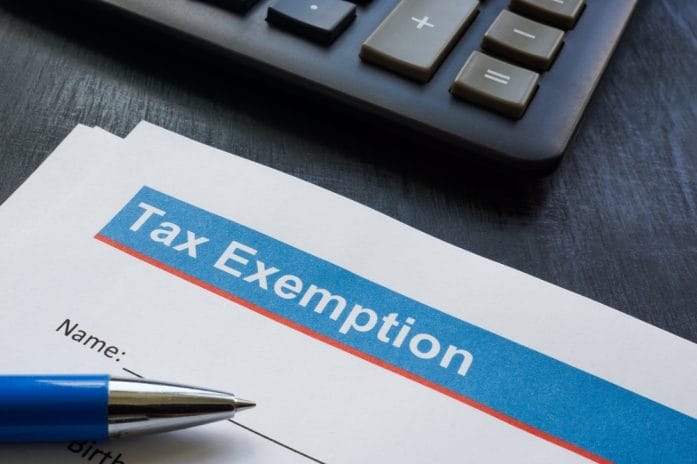
Tax-related deadlines create another high-stakes scenario. While many people know about penalties for late filing, fewer realize that some tax elections, credits, or refund claims come with strict expiration rules. The IRS generally allows a three-year window to claim a refund, and after that, the money stays with the government permanently. That reality turns procrastination into a costly mistake, especially for those who assume they can circle back later. In these situations, “later” simply doesn’t exist.

When Paperwork Becomes Power

Government paperwork might look boring, but it carries serious authority. Forms, filings, and applications serve as the gateway to benefits, protections, and rights that people often take for granted. Missing a deadline doesn’t just delay processing; it can strip away eligibility altogether, especially when statutes or regulations require strict compliance.

Immigration processes highlight this reality in a big way. Many visa renewals, status adjustments, or appeals operate under rigid timelines that leave no room for delay. Missing a filing date can lead to loss of legal status, forcing individuals to restart processes or even leave the country. These aren’t small setbacks, but life-altering consequences tied directly to paperwork timing. Staying organized and proactive becomes essential in navigating these systems successfully.

Student loan programs and forgiveness plans also rely heavily on deadlines that demand attention. Certain repayment plans or forgiveness opportunities require annual recertification or timely applications. Missing those dates can reset progress or disqualify participants from benefits they worked toward for years. That kind of setback hits hard, especially when it results from something as simple as overlooking a reminder email or forgetting a date. Organization doesn’t just help here; it protects long-term financial goals.

Appeals, Exceptions, and the Myth of Flexibility

People often assume that government systems allow room for explanation, especially in cases involving emergencies or honest mistakes. While some processes do include appeals or exception requests, those options don’t apply universally. In many cases, the right to appeal itself comes with its own deadline, creating a second layer of risk that catches people off guard.

Legal filings offer a clear example of this structure. Court deadlines, administrative appeals, and benefit disputes all operate under strict filing windows. Missing the deadline to file an appeal can end a case before it even begins, regardless of its merit. Judges and agencies follow procedural rules closely, and failing to meet those requirements can shut down opportunities for review. The system prioritizes consistency over flexibility, which leaves little room for late action.

Even when exceptions exist, they often require proof that meets a high standard. Simply forgetting or misunderstanding a deadline rarely qualifies as a valid reason for leniency. Agencies may require documentation of extraordinary circumstances, and even then, approval is far from guaranteed. That uncertainty makes relying on exceptions a risky strategy. Planning ahead and meeting deadlines remains the only dependable way to protect access to important programs and rights.
The "Too Late" Rule: When Missed Government Doors Close Forever

Image Source: Shutterstock.com

Smart Moves That Keep Doors Open

Avoiding the “Too Late” trap doesn’t require perfection, but it does require awareness and action. The first step involves identifying which deadlines carry permanent consequences and treating them as non-negotiable. That means going beyond surface-level knowledge and digging into the specific rules tied to benefits, taxes, or legal processes. Understanding those timelines turns confusion into clarity.

Setting up a system for tracking deadlines can make a huge difference. Digital calendars, reminder apps, and even simple written planners can help keep important dates visible and manageable. Adding multiple reminders, spaced out over time, reduces the chance of something slipping through the cracks. That kind of structure creates a safety net, especially for deadlines that only come around once a year or even once in a lifetime.

Seeking professional guidance also plays a key role in staying ahead. Financial advisors, tax professionals, and legal experts understand the nuances of government rules and can flag deadlines that might otherwise go unnoticed. They don’t just provide information; they offer context that helps people prioritize what matters most. Investing in that kind of support often prevents much larger losses down the road.

The Moment That Matters Most

Deadlines rarely announce their importance with flashing lights or urgent warnings, yet they hold the power to shape financial futures, legal outcomes, and access to essential benefits. The “Too Late” rule doesn’t exist to punish, but it operates with a level of finality that leaves no room for second chances. Recognizing that reality changes how people approach paperwork, timelines, and long-term planning.

What strategies work best for you when keeping track of important deadlines, and which systems actually stick over time? Share your thoughts, experiences, or even close calls in the comments.

You May Also Like…​

Missed Deadlines, Missed Dollars, Government Dates You Can’t Afford To Ignore

Unclaimed Benefits: Are You Missing Out On Government Money

6 Ways Criminals Are Using AI to Impersonate Banks and Government Agencies

6 Government Benefit Checks That Could Be Delayed Under New Fraud Reviews

How to Inherit an IRA Without Handing Half of It to the Government

Brandon Marcus
Brandon Marcus

Brandon Marcus is a writer who has been sharing the written word since a very young age. His interests include sports, history, pop culture, and so much more. When he isn’t writing, he spends his time jogging, drinking coffee, or attempting to read a long book he may never complete.

Filed Under: Lifestyle Tagged With: Applications, benefits, bureaucracy, compliance, filing rules, government deadlines, legal deadlines, missed deadlines, Planning, public policy, Retirement, Social Security, taxes

Missed Deadlines, Missed Dollars, Government Dates You Can’t Afford To Ignore

April 7, 2026 by Brandon Marcus Leave a Comment

Missed Deadlines, Missed Dollars, Government Dates You Can't Afford To Ignore

Image Source: Shutterstock.com

The calendar does not care how busy life gets. It keeps marching forward, quietly stacking up dates that carry real financial consequences. Miss one, and the penalty does not come with a polite reminder or a gentle second chance. It comes with late fees, lost benefits, or money that never shows up at all. That sounds dramatic, but it is also reality for millions every year. Knowing the right dates turns confusion into control, and that control often translates directly into dollars.

This is not about memorizing a boring list of deadlines that blur together. This is about spotting the handful of government dates that can make or break a budget. Some of them hit every year like clockwork, while others sneak in depending on life changes, income shifts, or policy updates.

Tax Day Isn’t Just a Date, It’s a Financial Line in the Sand

Tax season carries a reputation for stress, but it also offers a chance to reset finances if handled right. The federal tax filing deadline usually lands in mid-April, and missing it can trigger penalties and interest that start stacking up immediately. Filing late without an extension can lead to a failure-to-file penalty, which grows quickly and feels anything but minor. Even if paying the full amount feels impossible, filing on time still reduces the damage. That simple move keeps penalties lower and opens the door to payment plans that ease the burden over time. People who expect a refund face a different kind of risk, because waiting too long can delay money that could already sit in a bank account earning interest or covering expenses. That refund does not arrive automatically, and the government will not chase anyone down to hand it over.

Extensions offer breathing room, but they come with a catch that often surprises people. Filing later does not mean paying later, and any owed taxes still need to be estimated and paid by the original deadline. Missing that detail creates a situation where penalties apply even with an approved extension. Planning ahead helps avoid that trap, especially by gathering documents early and estimating any owed amount well before the deadline hits. Free filing tools and tax assistance programs can also help those who qualify, cutting down on both stress and cost. Keeping an eye on state tax deadlines matters too, because they do not always match federal timelines. A little organization turns tax season from a scramble into something manageable, and that shift can save a surprising amount of money.

Benefit Deadlines That Quietly Decide Your Income

Government benefits often follow strict timelines, and missing them can mean waiting months for another opportunity. Programs like Social Security, unemployment benefits, and certain tax credits require timely applications or renewals to keep payments flowing. A delay in filing paperwork can interrupt income streams that people rely on for daily expenses. That gap can stretch longer than expected, especially when processing times increase during busy periods. Staying proactive with renewal dates helps maintain steady support without unnecessary interruptions. Marking those dates clearly on a calendar keeps them from slipping through the cracks.

Changes in income, family size, or employment status can also trigger deadlines that demand quick action. Reporting those changes late can lead to overpayments, which the government may later demand back. That situation creates a stressful cycle where money received in good faith suddenly turns into a debt. On the flip side, failing to report changes might mean missing out on increased benefits that could make a real difference. Keeping records updated and responding quickly to notices helps avoid both extremes. A little attention here protects income and prevents unpleasant surprises later.

Quarterly Payments: The Schedule That Catches People Off Guard

Not everyone pays taxes once a year. Self-employed workers, freelancers, and some investors must handle estimated quarterly tax payments, and these dates arrive four times annually. Missing one does not just delay a payment; it can trigger penalties even if the full amount gets paid later. That structure often catches people off guard, especially those new to freelance or gig work. Each payment covers income earned during a specific period, and the deadlines typically fall in April, June, September, and January. Keeping track of those windows ensures taxes stay manageable instead of piling up into one overwhelming bill.

Setting aside a percentage of income throughout the year helps make those payments less painful. Many financial advisors suggest saving around 25 to 30 percent of earnings for taxes, though the exact number depends on individual circumstances. Using a separate savings account for taxes keeps that money from getting mixed into everyday spending. Automated reminders or calendar alerts can also make a big difference, especially when work schedules stay unpredictable. Paying a little at a time keeps cash flow steady and avoids the shock of a massive bill. That steady approach turns a stressful obligation into a routine task that fits neatly into the year.

Enrollment Windows That Open and Slam Shut

Certain government programs only accept applications during specific enrollment periods, and missing those windows can leave people stuck waiting. Health insurance marketplaces, Medicare enrollment, and other programs follow strict timelines that do not bend easily. Missing an open enrollment period can mean going without coverage or paying higher costs until the next window opens. Special enrollment periods exist for major life events like marriage, childbirth, or job loss, but they come with their own deadlines that require quick action. Knowing those timelines ahead of time makes it easier to act fast when life changes.

Preparation plays a huge role here, especially when gathering documents and comparing options before the window opens. Waiting until the last minute often leads to rushed decisions that may not fit long-term needs. Taking time to review coverage options, costs, and benefits ensures a better outcome. Many programs also offer assistance through navigators or online tools, making the process less confusing. Staying informed about upcoming enrollment periods keeps options open and prevents last-minute stress. That awareness can protect both health and finances in a meaningful way.

Missed Deadlines, Missed Dollars, Government Dates You Can't Afford To Ignore

Image Source: Shutterstock.com

The Dates That Decide Credits, Refunds, and Extra Cash

Tax credits and government payments often come with deadlines that determine eligibility. Credits like the Earned Income Tax Credit or Child Tax Credit require filing within specific timeframes, and missing those windows can mean leaving money unclaimed. Some credits also depend on filing accurate information, which makes early preparation even more important. Waiting too long increases the risk of errors, and correcting those errors later can delay payments significantly. That delay can feel especially frustrating when that money could help cover essential expenses.

Refund timelines also matter more than they seem at first glance. Filing early often leads to faster refunds, especially when choosing direct deposit. That speed can make a real difference when budgets feel tight or unexpected costs appear. On the other hand, filing late during peak periods can slow everything down due to processing backlogs. Keeping documents organized and filing promptly helps avoid those delays. Staying ahead of deadlines ensures that every available dollar actually makes it into the bank instead of getting lost in missed opportunities.

Don’t Let the Calendar Win

Deadlines will never slow down, but staying ahead of them changes everything. A simple system of reminders, organized documents, and a little forward planning can protect income, reduce stress, and keep finances on track. The difference between missing a deadline and meeting it often comes down to preparation, not luck. Those who stay aware of key dates tend to keep more of their money and avoid unnecessary penalties. That control feels empowering, especially in a world where financial surprises seem to pop up everywhere.

What strategies keep everything organized and on time? Drop thoughts, ideas, or even hard-learned lessons in the comments and keep the conversation going.

You May Also Like…

Unclaimed Benefits: Are You Missing Out On Government Money

Retirement Healthcare Costs Are Climbing Again — What the Average Couple Now Needs

Banks Are Moving Toward All-Digital Payments — What That Means for Your Money

Charity Strategy: 9 Giving Moves That Bring Tax Benefits Many People Ignore

April Food Alert: How to Use SNAP’s Medical Expense Deduction if Your Benefits Suddenly Dropped

Brandon Marcus
Brandon Marcus

Brandon Marcus is a writer who has been sharing the written word since a very young age. His interests include sports, history, pop culture, and so much more. When he isn’t writing, he spends his time jogging, drinking coffee, or attempting to read a long book he may never complete.

Filed Under: Finance Tagged With: benefits, budgeting, deadlines, filing taxes, government deadlines, IRS, money tips, Planning, Social Security, stimulus checks, tax season, taxes

FOLLOW US

Search this site:

Recent Posts

  • Can My Savings Account Affect My Financial Aid? by Tamila McDonald
  • 12 Ways Gen X’s Views Clash with Millennials… by Tamila McDonald
  • What Advantages and Disadvantages Are There To… by Jacob Sensiba
  • Call 911: Go To the Emergency Room Immediately If… by Stephen Kanaval
  • 10 Tactics for Building an Emergency Fund from Scratch by Vanessa Bermudez
  • 7 Weird Things You Can Sell Online by Tamila McDonald
  • 10 Scary Facts About DriveTime by Tamila McDonald

Copyright © 2026 · News Pro Theme on Genesis Framework