• Home
  • About Us
  • Getting Finances Done
    • Hiring Advisors
    • Debt Management
    • Spending Plan
  • Insurance
    • Life Insurance
    • Health Insurance
    • Disability Insurance
    • Homeowners/Renters Insurance
  • Contact Us
  • Our Editorial Commitment

The Free Financial Advisor

You are here: Home / Archives for late fees

The IRS Doesn’t Warn You Twice — Tax Deadlines That Could Cost You Thousands

April 11, 2026 by Brandon Marcus Leave a Comment

The IRS Doesn’t Warn You Twice — Tax Deadlines That Could Cost You Thousands
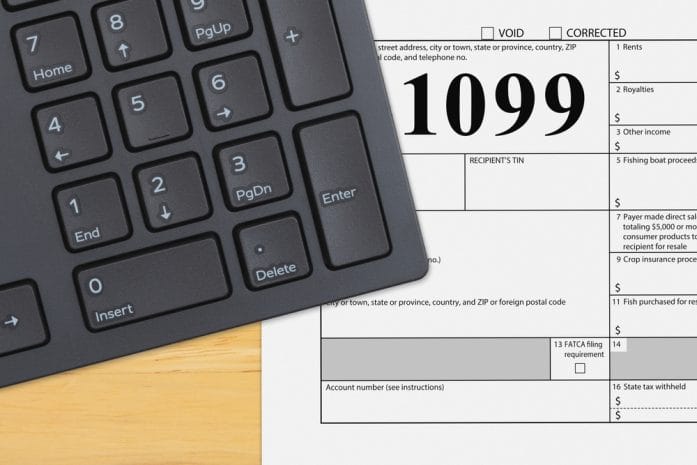
Image Source: Shutterstock.com

Miss a deadline with the IRS, and the clock doesn’t pause; it charges. Every day that slips by can quietly stack penalties, interest, and stress until a simple oversight turns into a serious financial hit. The system runs on strict timelines, and it doesn’t slow down to offer reminders or second chances once those dates pass. That reality hits hard, especially when the consequences snowball faster than expected. A missed form, a late payment, or even a misunderstanding of the rules can cost far more than the original tax bill.

Deadlines in the tax world don’t just sit on a calendar; they carry real weight and real consequences. Some trigger penalties immediately, while others start a chain reaction that leads to bigger problems down the line. The tricky part comes from how easy it feels to underestimate them, especially when life gets busy or confusing paperwork piles up. But the IRS doesn’t operate on guesswork or good intentions; it runs on precision and timing.

The April Deadline Isn’t Just a Date — It’s a Financial Line in the Sand

April doesn’t politely suggest action; it demands it. The standard federal tax filing deadline usually lands on April 15, unless it shifts slightly due to weekends or holidays. That date applies to filing a return and paying any taxes owed, and it carries immediate consequences when ignored. Missing it without taking action opens the door to penalties that grow quickly and aggressively. The IRS charges a failure-to-file penalty that can reach up to 5 percent of unpaid taxes per month, and that adds up fast.

Filing an extension sounds like a safety net, and it can help, but it doesn’t solve everything. An extension gives extra time to file paperwork, not extra time to pay what’s owed. Taxes still need payment by the April deadline, or penalties and interest start piling up right away. That distinction trips people up every year, leading to surprise balances that feel much larger than expected. Planning ahead for both filing and payment makes a huge difference, especially when income fluctuates or deductions remain unclear.

Staying ahead of this deadline means getting organized early and estimating payments if necessary. Waiting until the last minute invites errors, missed deductions, and rushed decisions. A simple calendar reminder doesn’t cut it, a clear plan does. Setting aside funds throughout the year and reviewing tax documents in advance creates breathing room. That approach turns a high-pressure deadline into a manageable task instead of a financial scramble.

Quarterly Taxes: The Deadline Most People Forget Until It Hurts

Not everyone gets the luxury of withholding taxes through a paycheck. Freelancers, independent contractors, and many small business owners face a different system that demands quarterly estimated tax payments. These deadlines typically fall in April, June, September, and January, and they require careful planning and accurate income tracking. Missing one doesn’t just create a small issue, it triggers penalties based on underpayment.

The IRS expects taxpayers in this category to pay as income arrives, not in one lump sum at the end of the year. That structure keeps revenue flowing consistently, but it also demands discipline and awareness. Skipping a quarterly payment or underestimating income can lead to penalties that feel frustrating and avoidable. The system doesn’t wait for a year-end reconciliation to fix mistakes, it addresses them as they happen.

Building a habit around these deadlines changes everything. Setting aside a percentage of income from every payment helps avoid last-minute panic. Many financial experts suggest opening a separate savings account just for taxes, creating a clear boundary between spendable income and obligations. That simple step turns quarterly payments into a routine instead of a scramble. Staying consistent here protects against surprises and keeps finances steady.

The IRS Doesn’t Warn You Twice — Tax Deadlines That Could Cost You Thousands
Image Source: Shutterstock.com

Late Payments Don’t Just Sit Quietly — They Grow

Unpaid taxes don’t stay still, they grow with interest and penalties that continue until the balance gets cleared. The failure-to-pay penalty usually adds up to 0.5 percent of unpaid taxes per month, and interest compounds on top of that. That combination can turn a manageable amount into a much larger burden over time. Ignoring the issue only makes it worse, and the IRS keeps track of every passing day.

The key point here involves action, not avoidance. Even if paying the full amount feels impossible, making partial payments reduces the overall penalty and interest. The IRS also offers payment plans that allow taxpayers to spread out what they owe over time. Setting up one of these plans shows intent to resolve the debt and can prevent more aggressive collection actions. That option often gets overlooked, even though it provides a practical path forward.

Taking control early keeps the situation from escalating. Waiting too long can lead to liens, levies, or other collection measures that create even more stress. Addressing the issue head-on, even with small steps, makes a big difference. The system rewards effort and consistency, not silence. Staying proactive protects both finances and peace of mind.

Filing Late Can Cost More Than Paying Late — And That Surprises People

The IRS treats late filing more harshly than late payment, and that catches many people off guard. The failure-to-file penalty climbs faster than the failure-to-pay penalty, reaching up to 5 percent per month compared to 0.5 percent. That difference means filing a return on time, even without full payment, often saves money. It sounds counterintuitive, but it works in favor of those who act quickly.

Filing on time also keeps records accurate and up to date. That accuracy matters for future financial decisions, loan applications, and even simple budgeting. Letting paperwork slide creates confusion and increases the risk of errors. Staying organized and submitting returns promptly avoids those complications and keeps everything running smoothly.

A smart strategy focuses on separating the act of filing from the act of paying. Filing on time locks in compliance and minimizes penalties, while payment plans or partial payments handle the financial side. That approach creates flexibility without ignoring responsibilities. Understanding this distinction gives taxpayers a powerful tool to manage deadlines effectively.

Extensions, Refunds, and the Details That Trip People Up

Extensions create breathing room, but they don’t erase obligations. Filing for an extension before the April deadline gives extra months to submit a return, usually until October. That extra time helps gather documents, double-check numbers, and avoid rushed mistakes. But taxes owed still require payment by April, and missing that part leads to penalties.

Refunds bring a different dynamic that feels less urgent but still matters. Taxpayers generally have three years to claim a refund, after which the money goes to the U.S. Treasury. That deadline might seem generous, but it still requires attention and follow-through. Letting it slip means losing money that rightfully belongs to the taxpayer.

Understanding these timelines adds clarity and confidence. Extensions help with paperwork, not payments, and refunds come with their own expiration date. Keeping track of both ensures that no money gets left behind or unnecessarily paid in penalties. A simple checklist of key dates can prevent costly mistakes and keep everything on track.

Beat the Calendar Before It Beats You

Deadlines don’t need to feel like traps waiting to spring; they can become tools for staying organized and in control. Taking a proactive approach changes the entire experience, turning stress into strategy and confusion into clarity. Setting reminders, tracking income, and planning payments ahead of time builds a system that works instead of one that reacts. That shift makes tax season feel less like a race and more like a routine.

What strategy keeps everything on track for you, and what changes could make tax season feel a lot less stressful next time? Share your thoughts, tips, or hard-earned lessons in the comments.

You May Also Like…

Penalty Traps: Everyday Actions That Trigger IRS Fines

Property Taxes Are Catching Homeowners Off Guard — Especially After Buying or Renovating

Property Taxes Are Catching Homeowners Off Guard — Especially After Buying or Renovating

IRS Refund Delays Surge: Incorrect Bank Info Is Triggering Weeks-Long Payment Holds

The IRS Is Sending More “Math Error” Notices — Why You Could Owe Without Realizing It

Brandon Marcus
Brandon Marcus

Brandon Marcus is a writer who has been sharing the written word since a very young age. His interests include sports, history, pop culture, and so much more. When he isn’t writing, he spends his time jogging, drinking coffee, or attempting to read a long book he may never complete.

Filed Under: tax tips Tagged With: filing taxes, Income tax, IRS deadlines, IRS rules, late fees, money management, Personal Finance, Planning, tax penalties, tax season, tax tips, taxes

Why You Should Never, Ever Skip Paying Your Bills

December 25, 2025 by Brandon Marcus Leave a Comment

Why You Should Never, Ever Skip Paying Your Bills
Image Source: Shutterstock.com

Bills are like the villains in every thrilling story—they lurk in your mailbox, hide in your inbox, and sneak up on you when you least expect it. But unlike fictional villains, ignoring them doesn’t make you a hero; it sets off a chain reaction of chaos that can haunt your financial life for years.

Skipping a payment might feel like a tiny victory, a way to buy yourself some breathing room, but that brief relief comes at a steep price. From skyrocketing late fees to irreparable credit damage, unpaid bills are a ticking time bomb. And once they explode, it’s not just your wallet that suffers—your stress levels, sleep schedule, and personal freedom could all take a hit too.

Late Fees Are Not Your Friend

Skipping a bill doesn’t make it disappear—it just makes it angrier. Late fees are designed to punish procrastinators, and they grow faster than you might expect. A $50 overdue charge can balloon into hundreds if left unchecked, adding unnecessary financial weight. Many utility companies, credit card issuers, and service providers impose compounding penalties that make the original amount feel like a drop in the bucket. The sooner you pay, the sooner you stop the fees from multiplying and taking over your life.

Your Credit Score Hangs In The Balance

Your credit score is more than just a number; it’s the key to better loans, lower interest rates, and even some job opportunities. Missing payments can slash your score in ways that take months, even years, to repair. A single late payment might seem minor, but repeated delinquencies scream “financial risk” to lenders. Poor credit doesn’t just affect borrowing—it can impact insurance premiums, rental applications, and your financial reputation. Protecting your credit score by paying on time is like installing a personal financial force field against future hardships.

Debt Can Spiral Out Of Control

Ignoring bills is like poking a hornet’s nest with a stick—the mess just multiplies. When unpaid balances accumulate, interest and penalties combine to create a snowball effect of debt. That snowball starts small but quickly grows until it’s nearly impossible to control. Credit cards, medical bills, and loans all have different interest rates, but they share one universal truth: the longer you wait, the more you owe. Staying ahead of payments keeps you in control and prevents debt from taking over your financial life.

Stress And Anxiety Will Multiply

Skipping bills doesn’t just harm your bank account—it also wrecks your peace of mind. Every unanswered invoice adds a mental weight, gnawing at your focus and making daily life feel heavier. Stress from financial uncertainty can trigger sleepless nights, irritability, and even health issues. The longer you put off payment, the more it dominates your thoughts, leaving little room for joy or creativity. Paying bills promptly is not just a financial move; it’s a mental health strategy that keeps your head clear and your heart lighter.

Why You Should Never, Ever Skip Paying Your Bills
Image Source: Shutterstock.com

Service Interruptions Are A Nightmare

Failing to pay bills can lead to a sudden, shocking loss of essential services. Electricity, water, internet, or phone access can be shut off with minimal warning, creating immediate disruption. Imagine coming home after a long day only to find the lights out or the water off—it’s stressful, inconvenient, and completely avoidable. Service providers often charge reconnection fees, doubling the cost of your oversight. Staying current with bills ensures your lifestyle continues uninterrupted and keeps surprise chaos at bay.

Legal Consequences Can Be Real

Unpaid bills don’t just vanish; they can escalate into legal headaches you never anticipated. Some creditors have the power to file lawsuits, garnish wages, or place liens on property for delinquent payments. Legal battles are time-consuming, expensive, and emotionally draining, often far outweighing the relief of skipping a payment. Even minor bills can snowball if left unattended, creating scenarios that require lawyers and court appearances. Staying responsible with payments keeps your life legally smooth and avoids unnecessary courtroom drama.

Protect Your Relationships And Reputation

Financial responsibility isn’t just about numbers—it’s about trust. Consistently failing to pay bills can damage your reputation with lenders, landlords, and even family members who might co-sign or rely on you. Friends and business partners notice patterns of unreliability, which can affect opportunities both personal and professional. Conversely, timely payments demonstrate integrity and reliability, reinforcing your credibility in multiple spheres. Paying bills promptly is a way of maintaining trust and ensuring others see you as dependable.

Future Opportunities Depend On It

Skipping bills might feel like a short-term fix, but it can rob you of long-term possibilities. Poor payment history can prevent you from qualifying for mortgages, car loans, or even premium credit cards. It can limit your options when you want to move, expand a business, or invest in new opportunities. Every on-time payment builds a track record of financial responsibility that opens doors rather than closing them. Treating bills as priority investments in your future creates freedom and flexibility for years to come.

Habits Shape Your Financial Life

Consistency matters more than occasional heroics. The habit of paying bills on time creates a rhythm that improves overall financial health. You learn to budget, prioritize, and manage resources more efficiently, avoiding panic or last-minute scrambles. Skipping bills disrupts that rhythm, introducing chaos into a system that thrives on consistency. By establishing strong habits, you set yourself up for sustainable success, reducing stress and creating opportunities for growth.

Avoiding Regret Is Priceless

At the end of the day, the biggest cost of skipped payments is regret. Watching debt pile up, stress mount, or services get cut is far worse than the temporary relief of avoidance. Regret lingers longer than any bill ever could, coloring future decisions and confidence. Paying bills promptly eliminates the “what ifs” and frees you to focus on positive financial moves. The peace of mind that comes from responsibility is priceless—and far more satisfying than any fleeting advantage from delay.

Your Financial Health Is Worth Every Cent

Skipping bills might feel like a clever shortcut, but the consequences are severe, far-reaching, and often irreversible. Paying on time protects your credit, prevents debt spirals, safeguards essential services, and keeps stress levels manageable. It builds trust, strengthens habits, and preserves opportunities for the future. Your financial life deserves attention, care, and consistent action—ignoring bills undermines all three.

Tell us your thoughts or experiences with bill management in the comments section below; we’d love to hear how you’ve navigated these challenges successfully.

You May Also Like…

Here’s When It’s Okay To Let Kids Move Back Home To Pay Off Bills

7 Silent Money Traps in Monthly Bills

8 Shocking Costs of Ignoring Small Medical Bills

6 Charges You’re Paying for… But Getting Nothing in Return

7 Silent Money Traps in Monthly Bills


Brandon Marcus
Brandon Marcus

Brandon Marcus is a writer who has been sharing the written word since a very young age. His interests include sports, history, pop culture, and so much more. When he isn’t writing, he spends his time jogging, drinking coffee, or attempting to read a long book he may never complete.
Filed Under: Lifestyle Tagged With: anxiety, bills, credit repair, credit report, credit score, Debt, foreclosure, household bills, household responsibilities, late fees, money issues, paying bills, paying off debt, Paying Rent, skipping bills, stress, utility bills

What Happens When Small Debts Spiral Out of Control

September 28, 2025 by Catherine Reed Leave a Comment

What Happens When Small Debts Spiral Out of Control
Image source: 123rf.com

It’s easy to brush off small debts as harmless. A $50 credit card balance, a forgotten medical bill, or a store card payment might not feel like a big deal. The problem is that these small debts often snowball into major financial problems if left unaddressed. Late fees, interest charges, and collection activity can quickly turn manageable balances into overwhelming burdens. Here’s what really happens when small debts spiral out of control and why it’s so important to take them seriously.

1. Interest Charges Grow Faster Than Expected

One of the first things that happens when small debts spiral out of control is the buildup of interest. What starts as a tiny balance grows quickly as interest compounds month after month. Credit cards, in particular, often carry rates above 20 percent, making it nearly impossible to catch up with minimum payments. Even a small purchase can double in cost if left unpaid long enough. This snowball effect turns something minor into a major stressor.

2. Late Fees Add to the Problem

Another hidden danger of small debts is the addition of late fees. Missing even a single payment can trigger penalties that increase the debt’s cost. For example, a $25 late fee on a $50 balance immediately increases the total amount owed by half. Repeated late payments keep stacking fees on top of the balance, creating a vicious cycle. Suddenly, the original debt looks insignificant compared to the added charges.

3. Credit Scores Start to Drop

When small debts spiral out of control, your credit score is one of the first casualties. Even a minor account reported as late can drag down your score for years. This can impact your ability to secure approval for larger loans, such as mortgages or auto financing. A lower score also means higher interest rates on future borrowing. Ignoring small debts can have long-term consequences that extend far beyond the original balance.

4. Collection Agencies Step In

If small debts remain unpaid for a long enough period, creditors often turn them over to collection agencies. This step exacerbates the situation, making it more stressful and damaging. Collection agencies are persistent, frequently contacting you and sometimes employing aggressive tactics. Once in collections, debts can also appear as separate negative marks on your credit report. What once seemed like a minor nuisance now becomes a constant source of financial anxiety.

5. Legal Action Becomes a Risk

In some cases, creditors or collection agencies may pursue legal action for unpaid small debts. Court judgments can lead to wage garnishment or bank account levies, further complicating your financial situation. While this may seem extreme for a small balance, it occurs more frequently than people expect. Once a judgment is issued, the debt becomes even harder to escape. Taking early action can prevent it from ever reaching this stage.

6. Stress and Anxiety Increase

Beyond the financial consequences, small debts that spiral out of control create significant emotional strain. Constant reminders, collection calls, and fear of legal action can weigh heavily on your mental health. Stress about money often spills into other areas of life, including relationships and work performance. The psychological toll is one of the most overlooked costs of ignoring small debts. Addressing them quickly helps restore peace of mind.

7. Opportunities Get Limited

When small debts spiral out of control, they don’t just affect your current finances—they limit future opportunities too. Poor credit may prevent you from renting certain apartments, landing specific jobs, or securing affordable insurance rates. What began as a $100 bill can ultimately block you from major life milestones. The opportunity cost of ignoring small debts is far greater than the debt itself. Thinking long-term highlights why these balances deserve attention.

Taking Small Debts Seriously Protects Your Future

Small debts may not seem urgent, but letting them spiral out of control can lead to financial and emotional challenges that persist for years. Interest, late fees, and credit damage all exacerbate the problem, while stress and lost opportunities exacerbate it further. Treating every debt seriously, regardless of its size, is crucial to maintaining financial stability. By tackling them early, you protect not only your wallet but also your future freedom.

Have you ever seen small debts spiral out of control in your own life? Share your experiences and lessons learned in the comments below!

What to Read Next…

  • 7 Strange Truths About Middle-Class Spending Habits
  • 6 Silent Money Leaks in the Average Household
  • 9 Financial Mistakes People Make in Their 30s That Haunt Them in Their 60s
  • Why Do People Get Trapped by “Buy Now Pay Later” Schemes
  • 5 Unsettling Truths About Payday Loan Companies
Catherine Reed
Catherine Reed

Catherine is a tech-savvy writer who has focused on the personal finance space for more than eight years. She has a Bachelor’s in Information Technology and enjoys showcasing how tech can simplify everyday personal finance tasks like budgeting, spending tracking, and planning for the future. Additionally, she’s explored the ins and outs of the world of side hustles and loves to share what she’s learned along the way. When she’s not working, you can find her relaxing at home in the Pacific Northwest with her two cats or enjoying a cup of coffee at her neighborhood cafe.

Filed Under: Debt Management Tagged With: credit score, debt collections, Debt Management, financial stress, late fees, Personal Finance, small debts

10 Financial Risks That Come From Ignoring Small Debts

September 2, 2025 by Travis Campbell Leave a Comment

money broken
Image source: pexels.com

It’s easy to brush off a small credit card balance or a forgotten utility bill. After all, a few dollars here or there can seem harmless compared to bigger financial obligations. But ignoring small debts can quietly sabotage your financial health over time. The risks don’t just stop at annoying late fees; they can ripple into bigger issues that affect your credit, stress levels, and even your ability to borrow money in the future.

Many people believe that small debts aren’t worth worrying about. The reality is that these little amounts can snowball into larger problems if left unchecked. Understanding the financial risks associated with ignoring small debts is crucial for anyone hoping to achieve financial stability. Let’s look at ten specific dangers that can arise from letting those small balances linger.

1. Credit Score Damage

One of the most immediate risks of ignoring small debts is damage to your credit score. Even a minor unpaid bill can be reported to the credit bureaus if it’s left unpaid for too long. Payment history is a major factor in your credit score calculation, so missing even a single small payment can have a negative impact. Over time, this can make it harder and more expensive to borrow money when you really need it.

2. Accumulation of Interest and Fees

Small debts are often subject to interest charges and late fees. If you ignore them, these additional costs can quickly add up—sometimes even doubling or tripling the original debt. What starts as a $20 balance could balloon to $60 or more in a matter of months. This accumulation not only wastes money but also makes it harder to pay off the debt later.

3. Increased Stress and Anxiety

Financial stress isn’t just reserved for large debts. Knowing you have unpaid bills, no matter how small, can create background anxiety. Over time, this low-level stress can affect your sleep, concentration, and overall well-being. Ignoring small debts might seem like a way to avoid stress, but it often has the opposite effect.

4. Collection Agency Contact

Unpaid small debts can eventually be sent to collections. Once that happens, you may start receiving calls or letters from debt collectors, which can be both stressful and embarrassing. Having a debt in collections is also a big red flag on your credit report and can be much harder to resolve than dealing with the original creditor.

5. Limited Access to Credit

When small debts go unpaid and show up on your credit report, lenders may see you as a higher risk. This can limit your access to new credit cards, loans, or even rental agreements. If you do get approved, you’ll likely face higher interest rates and less favorable terms. Ignoring small debts can close doors to financial opportunities you may need in the future.

6. Difficulty Building an Emergency Fund

Paying off small debts may seem insignificant, but every dollar you pay in interest or fees is a dollar you can’t save. Over time, these unnecessary expenses can eat into your ability to build an emergency fund. Without savings to fall back on, you’re more vulnerable to unexpected expenses and financial setbacks.

7. Negative Impact on Relationships

Money issues are a common source of tension in relationships. If a partner or family member discovers you’ve been ignoring small debts, it can lead to arguments and mistrust. This is especially true if you share finances or are working together toward a financial goal. Being proactive about small debts helps build trust and reduces the risk of conflict.

8. Missed Opportunities for Financial Growth

Every month you pay interest or late fees on small debts is a month you’re not using that money for something better. Whether it’s investing, saving for retirement, or taking a class to advance your career, these missed opportunities can add up. Managing small debts efficiently frees up resources for your long-term financial growth.

9. Legal Consequences

In some cases, ignoring small debts can lead to legal action. Creditors may take you to court to recover what you owe, even if the amount is small. This could result in wage garnishment or a court judgment, which can be both costly and damaging to your financial reputation. It’s always better to address small debts before they escalate to this level.

10. Difficulty Achieving Financial Goals

The cumulative effect of ignoring small debts can make it much harder to achieve important financial goals. Whether you’re hoping to buy a home, start a business, or simply achieve peace of mind, lingering debts can slow your progress. Staying on top of small debts is a simple yet powerful way to keep your financial plans on track.

Take Control of Your Small Debts for a Healthier Financial Future

Ignoring small debts can create a cascade of problems that undermine your financial stability. By addressing these balances promptly, you protect your credit score, reduce stress, and open up opportunities for financial growth. The risks of ignoring small debts are real, but they’re also avoidable with a bit of attention and planning.

If you’re struggling with small debts, consider using a budgeting tool or reaching out to a financial advisor for help. Stay proactive, and your future self will thank you.

Have you ever dealt with the consequences of ignoring small debts? Share your experience or tips in the comments below!

What to Read Next…

  • 5 Things That Instantly Decrease Your Credit Score By 50 Points
  • Are These 7 Little Expenses Quietly Costing You Thousands A Year?
  • 5 Emergency Repairs That Could Force You Into Debt Overnight
  • The Benefits Of Taking Personal Loans And Their Impact On Credit Scores
  • 10 Ways You’re Wasting Money Just Trying To Keep Up Appearances
Travis Campbell
Travis Campbell

Travis Campbell is a digital marketer/developer with over 10 years of experience and a writer for over 6 years. He holds a degree in E-commerce and likes to share life advice he’s learned over the years. Travis loves spending time on the golf course or at the gym when he’s not working.

Filed Under: Debt Management Tagged With: collections, credit score, Debt Management, Financial Health, late fees, Personal Finance, small debts

Follow Us

Search this site:

Recent Posts

  • Can My Savings Account Affect My Financial Aid? by Tamila McDonald
  • 12 Ways Gen X’s Views Clash with Millennials… by Tamila McDonald
  • What Advantages and Disadvantages Are There To… by Jacob Sensiba
  • 10 Tactics for Building an Emergency Fund from Scratch by Vanessa Bermudez
  • Call 911: Go To the Emergency Room Immediately If… by Stephen Kanaval
  • 7 Weird Things You Can Sell Online by Tamila McDonald
  • 10 Scary Facts About DriveTime by Tamila McDonald

Copyright © 2026 · News Pro Theme on Genesis Framework