• Home
  • About Us
  • Toolkit
  • Getting Finances Done
    • Hiring Advisors
    • Debt Management
    • Spending Plan
  • Insurance
    • Life Insurance
    • Health Insurance
    • Disability Insurance
    • Homeowners/Renters Insurance
  • Contact Us
  • Risk Tolerance Quiz
  • Our Editorial Commitment

The Free Financial Advisor

You are here: Home / Archives for IRS payments

IRS Won’t Automatically Reissue Paper Checks for Rejected Direct Deposits—You Must Update Bank Info

May 25, 2026 by Brandon Marcus 1 Comment

IRS Won’t Automatically Reissue Paper Checks for Rejected Direct Deposits—You Must Update Bank Info
The IRS is now longer automatically reissuing paper checks for taxpayers – Shutterstock

Tax season brings relief for millions of Americans, but a simple banking error can turn that excitement into frustration fast. When a direct deposit fails, many taxpayers assume a paper check will automatically arrive as a backup. That assumption can lead to long delays, missed money, and a confusing waiting game with the IRS. The agency does not automatically switch failed direct deposits into mailed checks in many cases. Instead, taxpayers must take action quickly to correct their banking details and keep refunds moving.

This policy shift creates a critical moment for anyone expecting a refund. A rejected deposit does not guarantee a smooth fallback option, even if the IRS initially approved the refund. Banking errors, closed accounts, or incorrect routing numbers often trigger the rejection. Once that happens, the refund can bounce back into IRS systems and sit idle until the taxpayer steps in. Knowing what happens next can save weeks—or even months—of unnecessary stress.

Why a Rejected Direct Deposit Doesn’t Automatically Become a Paper Check

The IRS processes millions of refunds through electronic systems designed for speed and efficiency. When a bank rejects a deposit, the system does not always trigger an automatic conversion into a mailed check. Instead, the refund often returns to the IRS as an undeliverable transaction. That returned money enters a holding process that requires additional verification before any reissue occurs. This step protects against fraud and prevents funds from going to the wrong destination.

Banks reject deposits for several reasons, and each one disrupts the normal refund flow. Closed accounts, incorrect routing numbers, or mismatched account names often cause the failure. The IRS does not immediately interpret these issues as permission to switch payment methods. Instead, the system flags the refund for review, which slows down the entire process. This design helps prevent financial errors but also creates delays for taxpayers who expect automatic fixes.

What Taxpayers Must Do After a Failed Deposit

Taxpayers must act quickly when a deposit fails because the IRS will not always step in automatically. The first step involves checking IRS refund tracking tools to confirm the status of the payment. After confirmation, taxpayers must contact the IRS directly or use official channels to update banking information. The agency may request identity verification before allowing any changes to refund delivery. This process ensures that only the rightful taxpayer receives the corrected payment.

Updating bank details becomes essential because the IRS often cannot reroute funds without new instructions. Some taxpayers may need to switch from direct deposit to a mailed check if account issues continue. Others may fix the original account and wait for reprocessing. Either way, delays increase when taxpayers wait too long to respond. Quick action often determines whether a refund arrives in days or stretches into weeks.

IRS Won’t Automatically Reissue Paper Checks for Rejected Direct Deposits—You Must Update Bank Info
It’s always smart to update your banking information if you want your money from the IRS – Shutterstock

Common Mistakes That Trigger Refund Delays

Small banking errors create some of the biggest refund headaches during tax season. A single wrong digit in an account number can send a refund into rejection status. Some taxpayers also forget to update bank details after switching accounts, which leads to automatic failure. Even joint account mismatches can confuse banking systems and trigger returns. These errors may seem minor, but they can freeze refunds at critical stages.

Taxpayers often assume the IRS will correct these issues automatically, but that assumption causes delays. The agency relies on the information provided during filing, so it cannot guess updated banking details. Fraud prevention rules also limit how quickly the IRS can redirect funds. As a result, taxpayers face extra verification steps that extend processing time. Careful review of banking information before filing helps avoid these setbacks entirely.

How to Avoid Refund Chaos Next Tax Season

Preparation plays a major role in preventing direct deposit issues from the start. Taxpayers should double-check routing and account numbers before submitting any return. Financial institutions often provide updated details through mobile apps or online banking dashboards, making verification simple. Filing software also allows users to review banking information before final submission. Taking a few extra minutes at this stage reduces the risk of refund disruption later.

Consistency across tax records also matters more than many people realize. The IRS compares banking details with previous filings and identity records. Any mismatch can trigger delays or rejection flags. Taxpayers who recently changed banks should update records everywhere before filing season begins. A proactive approach keeps refunds flowing smoothly and avoids unnecessary back-and-forth with the IRS.

The Key Takeaway for Taxpayers Facing Refund Delays

A failed direct deposit does not guarantee a quick paper check replacement from the IRS. Taxpayers must step in, correct banking details, and actively manage the refund process to avoid long delays. The IRS prioritizes security and accuracy, which means extra verification steps often slow down automatic corrections. Staying alert during tax season helps prevent refunds from getting stuck in processing limbo.

What steps would help you avoid refund delays the most in future tax seasons? We want your advice, guidance, and experiences shared in the comments below.

You May Also Like…

Could a Summer Special Session Still Kill Property Taxes? DeSantis Hints at a Showdown

Tennessee Residents Still Pay Federal Taxes on Investment Income Despite State Changes

IRS Will Freeze Your Refund Without Correct Bank Info—And Won’t Send a Paper Check Until You Fix It

The IRS Is Cracking Down on Side Hustle Income Again in 2026

The IRS’s “Math Error” Notice Could Cost You More Than You Think

Brandon Marcus
Brandon Marcus

Brandon Marcus is a writer who has been sharing the written word since a very young age. His interests include sports, history, pop culture, and so much more. When he isn’t writing, he spends his time jogging, drinking coffee, or attempting to read a long book he may never complete.

Filed Under: tax tips Tagged With: banking, direct deposit, IRS, IRS payments, Personal Finance, refund issues, tax delays, tax refund

Tax Payments Reversed: Why Some Filers Are Getting “Failed Transaction” Notices

April 2, 2026 by Brandon Marcus Leave a Comment

Tax Payments Reversed: Why Some Filers Are Getting “Failed Transaction” Notices
Image Source: Shutterstock.com

Tax season delivers enough drama on its own, but nothing raises eyebrows faster than a payment that vanishes after it supposedly went through. One moment shows a successful tax payment, the next flashes a “failed transaction” notice like a digital plot twist nobody asked for. That kind of whiplash grabs attention instantly, especially when money and deadlines collide in the same breath. Confusion spreads quickly because everything looked fine at first, and then suddenly, it didn’t. That disconnect sparks questions, concern, and a whole lot of second-guessing about what just happened behind the scenes.

A reversed tax payment feels personal, even though the cause often sits buried in systems, timing, or small technical details. People want answers fast, and they want solutions even faster, because penalties and deadlines don’t wait for anyone to figure things out. This situation demands clarity, not panic, and a little inside knowledge goes a long way toward restoring control. Several common triggers explain why these failed transaction notices show up, and each one carries its own fix.

When “Processed” Doesn’t Mean Finished Business

A payment confirmation creates a sense of relief, but that initial “processed” status does not always signal a fully completed transaction. Banks and payment systems run checks after that first green light, and those checks can still reject the transaction hours or even days later. That delay causes confusion because the timeline feels backward, especially when money already appeared to leave the account. Payment processors rely on verification steps that include account validation, fraud detection, and fund availability, and any one of those steps can trigger a reversal. A simple mismatch between the account name and tax filing details can stop everything in its tracks. Even something as small as a typo in routing numbers or account digits can unravel the entire process.

Timing also plays a sneaky but critical role in these reversals, especially when payments happen close to weekends or holidays. Banks process transactions in batches, not always in real time, so a payment submitted on Friday night might not fully clear until Monday or later. During that gap, accounts must still hold enough funds to cover the transaction, or the system will bounce it back. Overdraft protections do not always apply to tax payments, which surprises many people who assume coverage exists across all transactions. That mismatch between expectation and reality leads to sudden reversals that feel unfair but follow strict processing rules. Watching account balances closely during that window becomes essential for avoiding a frustrating surprise.

The Usual Suspects: Why Payments Get Rejected

Failed tax payments rarely come out of nowhere, even if they feel that way in the moment. Insufficient funds top the list as the most common culprit, especially when multiple bills hit around the same time. Automatic payments, subscriptions, or even a delayed deposit can quietly reduce the available balance right before the tax payment clears. Banks don’t negotiate in those moments—they simply reject the transaction. Another frequent issue involves incorrect banking details, where one wrong digit sends the payment into a void that cannot process properly. That kind of error forces a reversal almost immediately once the system flags the inconsistency.

Security measures also play a big role, especially as financial institutions tighten fraud detection systems. A large or unusual payment can trigger a temporary block, even if it comes directly from the account holder. Banks would rather pause a legitimate transaction than allow a suspicious one to slip through, which creates inconvenience but protects accounts overall. Expired debit cards or closed accounts can also cause instant rejections, especially if the payment method changed recently. Even outdated saved information in tax software can lead to these issues, particularly for those who reuse details from previous years. Every one of these factors contributes to the same frustrating result: a payment that looked successful but didn’t actually stick.

The Clock Is Ticking: Why Fast Action Matters

A reversed payment does not pause tax deadlines, and that reality adds urgency to the situation. Tax agencies still expect payment by the due date, regardless of what went wrong behind the scenes. Penalties and interest can start accumulating quickly, sometimes within days, which makes immediate action essential. Ignoring a failed transaction notice only increases the risk of extra costs that could have been avoided with a quick response. That sense of urgency pushes many people into reactive decisions, but a clear plan works much better than panic.

The first move involves confirming the exact reason for the failure, which usually appears in bank notifications or payment system alerts. That detail determines the next step, whether it involves correcting account information, transferring funds, or contacting the bank directly. After identifying the issue, submitting a new payment as soon as possible helps limit any potential penalties. Many tax systems allow for immediate resubmission, which provides a quick path to resolution. Keeping proof of the new payment also matters, especially if any disputes arise later. Acting quickly not only solves the problem but also restores a sense of control over the situation.

Tax Payments Reversed: Why Some Filers Are Getting “Failed Transaction” Notices
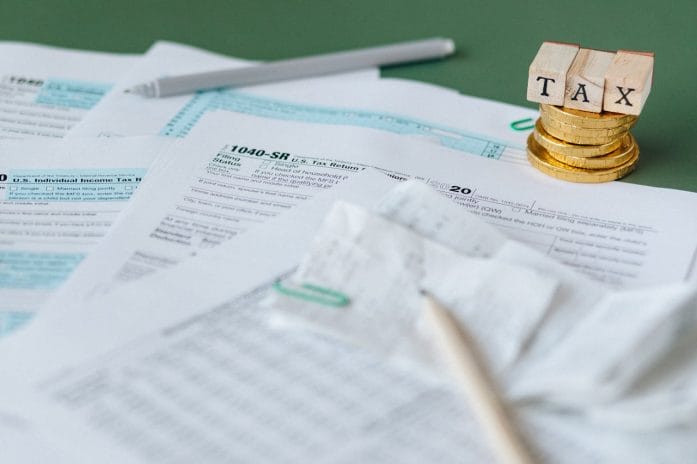
Image Source: Pexels.com

Smart Moves to Avoid a Repeat Performance

Preventing a second failed payment starts with tightening up a few simple habits that make a big difference. Double-checking banking details before submitting any payment eliminates one of the most common causes of rejection. That extra minute of review can save days of stress later. Scheduling payments a few days before the deadline also provides a buffer, giving time to fix any issues without racing against the clock. That strategy works especially well during busy tax periods when systems handle higher volumes of transactions.

Keeping enough funds in the account might sound obvious, but timing matters just as much as the amount. Payments should go out when the account balance feels stable, not when it sits on the edge of covering multiple expenses. Setting alerts for low balances or large withdrawals can help track changes that might interfere with a scheduled tax payment. Updating saved payment methods in tax software also prevents outdated information from causing problems. These small adjustments create a smoother process and reduce the chance of another unpleasant surprise.

Turning a Glitch Into a Game Plan

A failed tax payment feels like a setback, but it also offers a chance to build a smarter, more reliable approach moving forward. Understanding how these reversals happen turns confusion into clarity and frustration into action. Every step taken to verify details, monitor accounts, and plan payment timing strengthens financial confidence. Instead of reacting to problems, a proactive approach keeps everything running smoothly from the start. That shift in mindset transforms tax season from a stress-filled scramble into a manageable task with fewer surprises.

What strategies have worked when dealing with payment issues, or what steps feel like the best safety net moving forward? Share thoughts, experiences, or even lessons learned in the comments—those insights might help someone else dodge the same headache.

You May Also Like…

Property Taxes Are Catching Homeowners Off Guard — Especially After Buying or Renovating

IRS Warning: That Venmo Payment for Your Garage Sale Just Triggered a Surprise Tax Bill

Utility Companies Are Ending Paper Billing — How It Will Change Your Monthly Payments

Income Threshold: 4 Hidden Taxes That Hit Once You Cross Certain Limits

The IRS Is Sending More “Math Error” Notices — Why You Could Owe Without Realizing It

Brandon Marcus
Brandon Marcus

Brandon Marcus is a writer who has been sharing the written word since a very young age. His interests include sports, history, pop culture, and so much more. When he isn’t writing, he spends his time jogging, drinking coffee, or attempting to read a long book he may never complete.

Filed Under: tax tips Tagged With: banking errors, e-file, failed transaction, IRS alerts, IRS payments, money management, payment reversal, Personal Finance, tax refund issues, tax season, tax tips, taxes

FOLLOW US

Search this site:

Recent Posts

  • Can My Savings Account Affect My Financial Aid? by Tamila McDonald
  • 12 Ways Gen X’s Views Clash with Millennials… by Tamila McDonald
  • What Advantages and Disadvantages Are There To… by Jacob Sensiba
  • 10 Tactics for Building an Emergency Fund from Scratch by Vanessa Bermudez
  • Call 911: Go To the Emergency Room Immediately If… by Stephen Kanaval
  • 7 Weird Things You Can Sell Online by Tamila McDonald
  • 10 Scary Facts About DriveTime by Tamila McDonald

Copyright © 2026 · News Pro Theme on Genesis Framework