
• Home
  • About Us
  • Toolkit
  • Getting Finances Done
    • Hiring Advisors
    • Debt Management
    • Spending Plan
  • Insurance
    • Life Insurance
    • Health Insurance
    • Disability Insurance
    • Homeowners/Renters Insurance
  • Contact Us
  • Privacy Policy
  • Risk Tolerance Quiz

The Free Financial Advisor

You are here: Home / Archives for investments

Behavior Backfire: 5 Overconfidence Traps That Hurt Even Smart Investors

December 31, 2025 by Brandon Marcus Leave a Comment

Behavior Backfire: 5 Overconfidence Traps That Hurt Even Smart Investors

Image Source: Shutterstock.com

The stock market loves confidence, but it adores overconfidence, because it feeds on it. Every bull run, every hot stock tip, and every viral investing success story whispers the same seductive message: You’ve got this. And sometimes, you do. But the danger isn’t ignorance—it’s misplaced certainty. The smartest investors often don’t lose money because they’re uninformed; they lose it because they’re too sure they’re right.

Overconfidence sneaks in quietly, wears the costume of intelligence, and then lights your portfolio on fire while smiling politely. Let’s talk about five behavioral traps that catch even brilliant investors off guard—and why awareness might be your most powerful asset.

1. Overestimating Skill And Underestimating Luck

Success feels personal, especially when money is involved. When a stock soars after you buy it, your brain rushes to claim credit, even if luck did most of the work. Over time, this builds a dangerous illusion that your skill level is higher than it actually is. Studies consistently show that most investors believe they are above average, which is mathematically impossible. This mindset encourages riskier bets, bigger positions, and fewer safeguards, all while convincing you that caution is for people who “don’t get it.”

2. The Illusion Of Control In Uncontrollable Markets

Markets are chaotic systems influenced by politics, psychology, innovation, fear, and events no one can predict. Yet many investors behave as if enough research can tame uncertainty completely. Overconfidence convinces people they can time entries, predict reversals, or outthink millions of other participants.

This illusion often leads to excessive trading, micromanaging portfolios, and constant second-guessing. Ironically, the more someone believes they’re in control, the more likely they are to make emotionally reactive decisions when control slips away.

3. Confirmation Bias Wearing A Confidence Mask

Once investors form a strong belief, they subconsciously seek information that supports it and ignore everything else. This isn’t stubbornness—it’s comfort-seeking disguised as intelligence. Overconfidence amplifies this bias by convincing people their judgment is already sound, so dissenting views must be flawed. The result is a feedback loop where bad ideas feel increasingly correct over time. By the time reality pushes back, portfolios are often overexposed and underprepared.

4. Trading Too Much Because It Feels Productive

Activity feels like progress, especially in fast-moving markets. Overconfident investors often trade frequently because it feels like they’re “doing something smart.” In reality, excessive trading increases fees, taxes, and mistakes while rarely improving returns.

Research has repeatedly shown that investors who trade the most often earn the least over time. The confidence to act becomes a liability when patience would have been the better strategy.

Behavior Backfire: 5 Overconfidence Traps That Hurt Even Smart Investors

Image Source: Shutterstock.com

5. Ignoring Risk Because Past Wins Feel Permanent

Nothing inflates confidence like a winning streak. After a few successful decisions, investors start believing the future will behave like the recent past. Risk feels smaller, downturns feel unlikely, and diversification feels unnecessary. This is when portfolios quietly become fragile, balanced on assumptions instead of resilience. When conditions finally change—as they always do—the fall feels sudden, even though the warning signs were everywhere.

Confidence Is Powerful, Humility Is Profitable

Overconfidence isn’t a character flaw; it’s a human feature that once helped us survive uncertainty. In investing, though, unchecked confidence can quietly sabotage even the sharpest minds. The goal isn’t to eliminate confidence but to balance it with humility, curiosity, and an openness to being wrong. The best investors aren’t the loudest or boldest—they’re the most adaptable.

If you’ve ever caught yourself falling into one of these traps, you’re in very good company, and your experience could help others think more clearly. Drop your thoughts, lessons, or personal investing stories in the comments below and let the conversation grow.

You May Also Like…

Why a Mortgage & Protection Network Matters in Today’s Advice Market

Market Recalibration: 5 Ways to Rethink Risk During High Volatility

Portfolio Structure: 6 Smart Adjustments If the Market Refuses to Cooperate

4 Powerful Affirmations to Build Financial Confidence Daily

How Can Overconfidence in the Market Cost Millions


Brandon Marcus
Brandon Marcus

Brandon Marcus is a writer who has been sharing the written word since a very young age. His interests include sports, history, pop culture, and so much more. When he isn’t writing, he spends his time jogging, drinking coffee, or attempting to read a long book he may never complete.


Filed Under: Investing Tagged With: bull markets, confidence in investing, confirmation bias, financial advisor risks, invest, investing, Investment, investments, overconfidence, risk, stock market, trading, trading habits

Market Edge: 6 Indicators Seasoned Investors Watch That Others Ignore

December 31, 2025 by Brandon Marcus Leave a Comment

Market Edge: 6 Indicators Seasoned Investors Watch That Others Ignore

Image Source: Shutterstock.com

The market hardly ever announces its next move with a trumpet blast. Instead, it prefers whispers, side glances, and quiet shifts in body language. While headlines scream about daily price swings, seasoned investors are calmly scanning the background, watching subtler signals that often matter far more.

These indicators don’t trend on social media, and they don’t make for flashy TV segments, but they quietly shape big outcomes. Think of them as the market’s body language rather than its voice. If you want an edge that feels earned instead of lucky, this is where the real story begins.

1. Market Breadth Beyond The Headlines

Market breadth looks at how many stocks are actually participating in a move, not just how high the index number climbs. When a handful of mega-cap names push indexes upward while most stocks lag, experienced investors grow cautious. Indicators like the advance-decline line reveal whether gains are broad or fragile. Healthy markets tend to lift many boats, not just a few luxury yachts. When breadth weakens, it often hints that momentum is running on fumes.

2. Credit Spreads Whisper Before They Scream

Credit spreads measure the difference between safe government bonds and riskier corporate debt, and they often shift before stocks do. When spreads widen, lenders are quietly demanding more compensation for risk. That subtle change can signal rising fear long before panic hits equity markets. Tight spreads, on the other hand, suggest confidence and easy financial conditions. Savvy investors treat credit markets like a smoke detector rather than waiting for visible flames.

3. Earnings Revisions Momentum

Stock prices may grab attention, but earnings expectations drive long-term direction. When analysts begin revising earnings estimates upward across many companies, it often signals improving business conditions. The opposite can be true when revisions trend lower even as stock prices stay high. This disconnect frequently precedes volatility or pullbacks. Seasoned investors track revisions because fundamentals tend to catch up eventually.

4. Insider Activity With Context

Insider buying and selling can be noisy, but patterns matter more than individual trades. Executives sell for many reasons, yet they usually buy for only one: confidence. Clusters of insider buying across a sector often suggest undervaluation or improving prospects. Conversely, widespread selling during euphoric markets can be a yellow flag, not a red one. Context turns raw data into insight, which is why professionals watch behavior, not headlines.

5. Liquidity Tides And The Dollar

Liquidity is the market’s oxygen, and when it tightens, everything feels heavier. Central bank balance sheets, money supply trends, and short-term funding stress quietly shape risk appetite. A strengthening dollar can also drain liquidity from global markets, especially emerging economies. When liquidity recedes, even good news struggles to gain traction. Smart investors monitor these tides long before waves crash ashore.

Market Edge: 6 Indicators Seasoned Investors Watch That Others Ignore

Image Source: Shutterstock.com

6. Volatility Term Structure Tells A Story

Volatility isn’t just about spikes; it’s about shape and expectation. The relationship between short-term and long-term volatility often reveals whether fear is temporary or structural. When near-term volatility trades higher than longer-term expectations, stress is usually acute but fleeting. A flatter or inverted structure can hint at deeper uncertainty. Professionals read this curve like a mood ring for the market’s nervous system.

The Quiet Signals That Shape Big Outcomes

The market rewards attention, not noise, and the most powerful signals often arrive quietly. By watching breadth, credit, revisions, insiders, liquidity, and volatility structure, investors gain a clearer view of what’s really happening beneath the surface. These indicators won’t predict every move, but they dramatically improve context and timing.

If you’ve noticed other subtle signals that influence your decisions, or have a story about one of these indicators proving its worth, drop your thoughts in the comments. Great investing conversations often start where the headlines stop.

You May Also Like…

What Are The Worst Choices You Can Make As A New Investor?

Advanced Insights for Seasoned Online Casino Players

Risk Observation: 5 Quiet Signals Indicating Trouble Ahead for Mid-Life Investors

Why Investing Apps Will Remain Popular in 2026

8 Bold Strategies for Investing During Periods of High Inflation


Brandon Marcus
Brandon Marcus

Brandon Marcus is a writer who has been sharing the written word since a very young age. His interests include sports, history, pop culture, and so much more. When he isn’t writing, he spends his time jogging, drinking coffee, or attempting to read a long book he may never complete.

Filed Under: Investing Tagged With: beginning investing, credit, earnings, invest, investing, Investment, investments, liquidity, market edge, market indicators, seasoned investors, stock market, volatility

What Outdated Financial Advice Are Boomers Still Giving?

December 31, 2025 by Brandon Marcus Leave a Comment

What Outdated Financial Advice Are Boomers Still Giving?

Image Source: Shutterstock.com

If you’ve ever received financial advice from a boomer relative, friend, or coworker, you may have noticed something curious: their guidance sometimes feels like it came straight from a rotary phone era. From “save everything in cash” to “don’t worry about the stock market, just buy a house,” some advice is outdated, nostalgic, and occasionally counterproductive. The world of money has evolved faster than anyone could have predicted, and strategies that worked in the 70s, 80s, or 90s don’t always translate well today.

While the intent is usually golden, the results can be baffling if you follow old rules blindly. Let’s dig deep into the financial advice boomers still give and why it might be time to rethink it.

Always Save Every Penny You Can

Boomers love the mantra of extreme frugality: cut every corner, clip every coupon, and never splurge. While saving is important, hoarding cash in a low-interest savings account today can actually hurt your long-term financial growth. Inflation often outpaces traditional savings, meaning the money you squirrel away loses value over time.

Modern strategies emphasize balancing savings with smart investments that grow your wealth. So, yes, save—but save wisely, and let your money work for you.

Buy A House As Soon As Possible

The age-old advice: rent is dead money, and you must own property immediately. While homeownership can be a smart move, the market today is wildly different from the one boomers entered. Skyrocketing prices, high interest rates, and urban living costs mean rushing into a mortgage isn’t always the best strategy. Many young adults are finding renting strategically can free up cash for investments that outperform property in the short term. Owning a home is great, but timing and financial flexibility matter more than ever.

Avoid Debt At All Costs

“Debt is evil” is a line drilled into generations past, leading to a sometimes unhealthy fear of borrowing. Today, the right kind of debt—like low-interest student loans or strategic credit card use—can actually help build credit and increase financial opportunities. High-interest debt is still a trap, but avoiding all borrowing may slow your path to wealth creation. Understanding the difference between good debt and bad debt is crucial in modern finance. Smart borrowing can be a tool, not a burden.

Stick To One Job For Life

Boomers often preach loyalty to one company as a path to stability, but the modern workforce rarely follows that model. Job-hopping can now be a strategic career move, leading to higher salaries, diverse skill sets, and broader opportunities. Sticking to one company for decades isn’t necessary to secure a solid retirement anymore. Flexibility, skill development, and networking are more valuable than ever in a shifting economy. Adaptability often trumps loyalty in today’s job market.

Always Invest In Blue-Chip Stocks

Blue-chip stocks were the crown jewels of past generations, seen as the ultimate safe bet. While still relevant, modern investing offers a much wider range of options, including index funds, ETFs, and even alternative assets like cryptocurrency or sustainable investments. Relying solely on blue chips may limit growth potential and diversification. A balanced, modern portfolio blends stability with growth and emerging opportunities. Investing today is less about picking one “safe” stock and more about building a strategy that balances risk and reward.

What Outdated Financial Advice Are Boomers Still Giving?

Image Source: Shutterstock.com

Don’t Rely On Technology For Money Management

Many boomers advise keeping everything in check manually: checkbooks, spreadsheets, or even envelopes of cash. Modern technology, however, can enhance financial health through budgeting apps, automated investing, and AI-driven tools. Ignoring technology can lead to missed opportunities, slower financial growth, and stress from manual tracking. Learning to leverage digital tools is a form of financial empowerment, not laziness. Embracing tech ensures your money is working as hard as you are.

Avoid Risk No Matter What

“Play it safe” is classic advice, especially when it comes to investing. But avoiding risk entirely can mean missing out on higher returns that help beat inflation and grow wealth. Modern financial strategies often encourage calculated risk-taking based on research, trends, and personal tolerance. Risk isn’t inherently bad; mismanaged risk is. Learning to assess and embrace manageable risks is a hallmark of contemporary financial success.

Time To Update The Financial Playbook

While boomers’ advice comes from experience and wisdom, the financial landscape has shifted dramatically. Some old-school tips still hold value, but many need modernization to keep pace with today’s economy. Questioning and updating these inherited rules can unlock new paths to wealth and security.

Which pieces of advice have you questioned, adapted, or completely ignored in your own life? Drop your thoughts or personal experiences in the comments section—we’d love to hear them.

You May Also Like…

Behaviour Check: 8 Money Habits That Sabotage Boomers’ Financial Futures

8 Financial “Rules” Boomers Swear By That Are Actually Useless Now

8 Essential Items Boomers Should Invest In If They’ll Be Living Alone

7 Tech Products Gen Z Can’t Live Without — That Are Actually Downgrades

12 Generational Beliefs That Keep Gen X, Millennials, and Boomers Fighting


Brandon Marcus
Brandon Marcus

Brandon Marcus is a writer who has been sharing the written word since a very young age. His interests include sports, history, pop culture, and so much more. When he isn’t writing, he spends his time jogging, drinking coffee, or attempting to read a long book he may never complete.

Filed Under: Finance Tagged With: advice tips, baby boomer, Boomers, Boomers vs. Gen Z, buying a house, Debt, debt payoff, eliminating debt, finance, finances, financial advice, general finance, investing, Investment, investments, money management, outdate financial advice, Real estate, Saving, saving advice, stock market, stocks

Regulation Corner: 6 Hurdles Advisors Expect Clients to Face Next Year

December 30, 2025 by Brandon Marcus Leave a Comment

Regulation Corner: 6 Hurdles Advisors Expect Clients to Face Next Year

Image Source: Shutterstock.com

The world of finance is about to throw a few curveballs, and clients may find themselves ducking and dodging more than ever. Regulatory shifts, market unpredictability, and technological advances are colliding in ways that will change the way advisors guide their clients. From tax tweaks to compliance headaches, next year promises to be a whirlwind of challenges. Advisors are already bracing for the surprises, and clients could feel the ripple effects in their portfolios, planning strategies, and everyday decisions.

Fasten your seatbelts—this is going to be a ride through the top six hurdles you might encounter in the months ahead.

1. Navigating Tax Code Overhauls

Taxes are always a hot topic, but next year, the heat could be turned up. Advisors anticipate clients grappling with changes to deductions, credits, and capital gains rules that may alter year-end planning. High earners might face unexpected liabilities, while middle-income households could see small but impactful adjustments to their withholdings. The complexity of retirement account rules, including contribution limits and required distributions, will require careful attention. Understanding these nuances early can save headaches—and possibly money—down the line.

2. Adjusting To Interest Rate Volatility

Interest rates have been anything but predictable, and the trend is expected to continue. Clients holding variable-rate debt, mortgages, or loans could feel the pinch if rates spike unexpectedly. Fixed-income investors may need to rethink bond allocations to protect yields and manage risk. Advisors are already preparing strategies to balance income needs with exposure to rising rates. Being proactive rather than reactive could make the difference between a minor annoyance and a major financial setback.

3. Meeting Evolving Compliance Requirements

Regulators are tightening the screws on everything from investment advice to reporting standards. Clients may find themselves submitting more documentation or navigating new disclosure rules. Advisors anticipate an increase in audits, paperwork, and compliance consultations. Understanding the requirements ahead of time can prevent last-minute scrambling. Staying ahead of compliance hurdles will be essential for anyone seeking smooth financial operations next year.

4. Coping With Market Uncertainty

The market has never been a straight line, but upcoming economic indicators suggest turbulence. Clients may struggle to maintain confidence as volatility tests their portfolios. Advisors expect more questions about diversification, risk tolerance, and asset allocation. Being flexible and prepared with multiple strategies can help clients weather sudden swings. Market uncertainty isn’t new, but anticipating it can turn panic into opportunity.

Regulation Corner: 6 Hurdles Advisors Expect Clients to Face Next Year

Image Source: Shutterstock.com

5. Adapting To Tech-Driven Investment Trends

Technology continues to reshape investing at lightning speed. Robo-advisors, AI-driven analytics, and blockchain-based assets are changing the playing field for traditional clients. Advisors foresee clients needing to understand digital tools and new asset classes to make informed decisions. Ignoring these trends could mean missing out on opportunities—or worse, falling victim to scams. Staying informed and leveraging tech wisely will be a critical skill for the financially savvy.

6. Planning For Retirement Under Shifting Rules

Retirement planning is no longer a one-size-fits-all approach. Advisors expect clients to face new rules regarding social security, pension structures, and withdrawal strategies. Longevity, inflation, and healthcare costs are adding layers of complexity to long-term planning. Clients who delay updates to their retirement plans could find themselves unprepared for lifestyle changes. Advisors recommend proactive reviews and scenario planning to navigate these evolving retirement landscapes.

What’s Your Take On Next Year’s Challenges?

Next year promises to challenge clients in ways both expected and surprising. Advisors are already fine-tuning strategies to help navigate tax changes, rate swings, compliance rules, market volatility, technology adoption, and retirement planning. These hurdles may seem daunting, but preparation is the ultimate advantage.

Have you faced any similar challenges in your financial journey, or are you anticipating new ones ahead? Leave your thoughts or experiences in the comments section below—we want to hear how you’re tackling these hurdles.

You May Also Like…

Regulation Checklist: 9 Conversations Advisors Are Having With Clients Right Now

Asset Pivot: 6 Real-World Allocation Moves Advisors Are Using This Month

9 Outdated Pieces of Financial Advice That Are Now Dangerous

Regulation Sneak: 5 Lesser-Known Rules Quietly Shaping Advisor Strategy

Could Your Real-Estate Holdings Lose Value Faster Than Your Advisor Expects?


Brandon Marcus
Brandon Marcus

Brandon Marcus is a writer who has been sharing the written word since a very young age. His interests include sports, history, pop culture, and so much more. When he isn’t writing, he spends his time jogging, drinking coffee, or attempting to read a long book he may never complete.

Filed Under: Financial Advisor Tagged With: finance, finances, financial advisor, general finance, interest rate, investing, investments, regulations, Retirement, retirement plan, retirement planning, rules and regulation, stock market, tax code, tech, tech investment, volatility

Market Recalibration: 5 Ways to Rethink Risk During High Volatility

December 29, 2025 by Brandon Marcus Leave a Comment

Market Recalibration: 5 Ways to Rethink Risk During High Volatility

Image Source: Shutterstock.com

Markets don’t whisper when they change moods—they shout, shake the floor, and dare everyone watching to blink first. One minute confidence feels effortless, the next it feels like gravity doubled overnight, pulling portfolios and nerves in every direction. Volatility has a way of turning casual investors into late-night chart watchers and long-term planners into short-term worriers. But inside that chaos lives clarity, if you know how to look for it. This is the moment when risk stops being a four-letter word and starts becoming a tool.

High volatility isn’t just a test of courage; it’s an invitation to rethink how risk actually works when the rules feel like they’re being rewritten in real time.

1. Redefine Risk As Information, Not Just Danger

Risk is often treated like a storm to hide from, but during volatile periods it acts more like a weather report filled with clues. Price swings reveal what the market fears, what it values, and where uncertainty is clustering. Instead of seeing volatility as damage, view it as data flowing at a faster speed. This shift reframes anxiety into analysis and replaces panic with curiosity. When you treat risk as information, you stop reacting emotionally and start responding strategically.

2. Shorten Your Time Horizon Without Shrinking Your Vision

High volatility punishes rigid thinking, especially when expectations are locked too far into the future. Breaking long-term goals into flexible checkpoints allows you to adapt without abandoning your broader strategy. This approach reduces emotional whiplash while still honoring long-range objectives. It also encourages smarter decision-making based on current conditions rather than outdated assumptions. Flexibility becomes a strength rather than a sign of uncertainty.

3. Diversification Is Behavior, Not Just Allocation

Diversification isn’t only about spreading assets across sectors or asset classes; it’s also about diversifying how you react. During turbulent markets, emotional concentration can be as risky as financial concentration. Investors often overexpose themselves to fear by consuming the same headlines and reinforcing the same narratives. A behavioral mix—balancing optimism, skepticism, patience, and discipline—can be just as protective as a well-balanced portfolio. When volatility spikes, emotional diversification becomes an underrated asset.

Market Recalibration: 5 Ways to Rethink Risk During High Volatility

Image Source: Shutterstock.com

4. Liquidity Is Optionality Wearing A Disguise

Cash and liquid assets often look boring until everything else stops behaving normally. In volatile markets, liquidity becomes freedom—the freedom to act, pivot, or wait without pressure. It gives investors the power to respond rather than react, which is a massive advantage when prices swing violently. Liquidity also buys psychological calm, reducing the need to make rushed decisions under stress. In chaotic environments, optionality can outperform boldness.

5. Relearn What “Safe” Actually Means

What feels safe in calm markets can become fragile during turbulence, while assets once seen as risky may prove surprisingly resilient. Safety is contextual, not permanent, and volatility exposes that truth quickly. Rethinking safety means questioning assumptions and recognizing that stability often comes from adaptability, not predictability. It also means understanding correlations change when fear enters the system. The safest position is often the one that can evolve without breaking.

The Opportunity Inside The Uncertainty

High volatility is uncomfortable, loud, and emotionally demanding, but it’s also one of the most honest market environments you’ll ever experience. It strips away illusions, tests convictions, and rewards those willing to think differently about risk. When you recalibrate instead of retreat, uncertainty transforms from a threat into a teacher. Every swing, surge, and setback carries a lesson for those paying attention.

If you’ve navigated turbulent markets before or are learning to do so now, we’d love to hear your perspective and experiences in the comments below.

You May Also Like…

What Young People Need To Know About Investing Volatility

6 Effective Steps to Stop Worrying About Market Volatility

5 Reasons People Pause Financial Plans During Tariff-Driven Volatility

Risk Rewind: 5 Lessons From Past Crashes That Still Matter Today

Legacy Risk: 6 Estate Myths That Put Families in Financial Danger


Brandon Marcus
Brandon Marcus

Brandon Marcus is a writer who has been sharing the written word since a very young age. His interests include sports, history, pop culture, and so much more. When he isn’t writing, he spends his time jogging, drinking coffee, or attempting to read a long book he may never complete.

Filed Under: Investing Tagged With: banking risks, diversification, diversify, invest, investing, investing risk, Investment, investments, liquidity, liquidity management, market recalibration, market volatility, risk, volatility

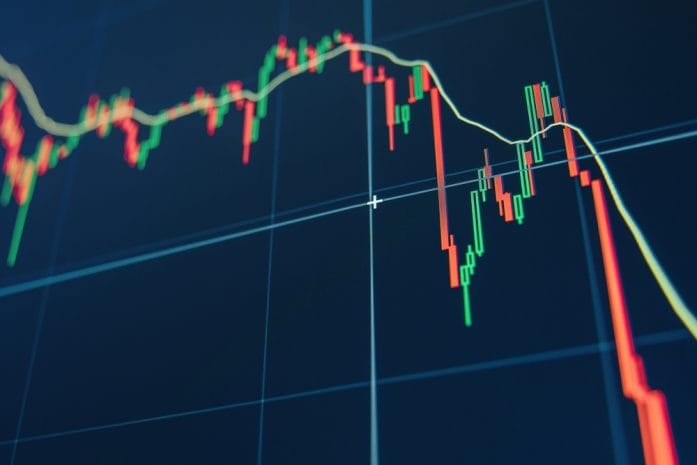
Could Your Financial Plan Withstand A Surprise Recession Beginning In December?

December 29, 2025 by Brandon Marcus Leave a Comment

Could Your Financial Plan Withstand A Surprise Recession Beginning In December?

Image Source: Shutterstock.com

The calendar flips to December, holiday lights glow, inboxes fill with end-of-year recaps—and suddenly the economic mood shifts. Markets wobble, headlines sharpen, and that quiet question creeps in: Are we actually ready for this? Recessions rarely send formal invitations, and when they arrive, they don’t care how confident last quarter felt.

The real thrill—and danger—is discovering whether your financial plan is built like a brick house or a house of cards when the wind picks up. This is where smart preparation meets financial reality.

The Warning Signs Most People Miss Until It’s Too Late

Economic downturns don’t usually explode out of nowhere; they whisper before they roar. Subtle signals like slowing job growth, tightening credit, and declining consumer confidence often appear months in advance. Many people ignore these cues because markets can still look “fine” on the surface. A solid financial plan accounts for these warning signs rather than reacting after the damage is done. Recognizing early indicators gives you time to adjust instead of panic.

Why December Recessions Hit Harder Than Expected

A recession beginning in December carries a unique psychological punch. Spending is already elevated from the holidays, credit card balances are peaking, and optimism tends to override caution. When income uncertainty suddenly enters the picture, the emotional whiplash can be intense. This timing often leaves households with less cash flexibility and more financial commitments. A resilient plan anticipates seasonal pressure instead of being blindsided by it.

Emergency Funds Are Not Optional Anymore

An emergency fund is not a “nice-to-have”; it’s the foundation of financial survival. Ideally, it should cover three to six months of essential expenses, parked somewhere safe and accessible. During a recession, layoffs and reduced hours can happen fast, and cash flow disruptions snowball quickly. Without a cushion, people are forced to rely on debt or liquidate investments at the worst possible time. A well-built emergency fund buys you calm when the world feels chaotic.

Your Investment Mix Matters More Than Your Timing

Trying to time the market during a recession is like trying to catch a falling knife while blindfolded. What actually protects you is diversification across asset classes, risk levels, and time horizons. A portfolio built solely for growth can suffer deep emotional and financial stress during downturns. On the flip side, an overly conservative strategy may fail to recover when markets rebound. Balance—not prediction—is what allows portfolios to bend without breaking.

Debt Becomes Louder When the Economy Gets Quiet

Debt behaves very differently when income feels uncertain. High-interest balances suddenly feel heavier, and minimum payments become more stressful. A recession exposes which debts are manageable and which ones quietly drain financial oxygen. Strategic debt reduction before a downturn can dramatically improve resilience. The goal isn’t perfection—it’s flexibility and control.

Could Your Financial Plan Withstand A Surprise Recession Beginning In December?

Image Source: Shutterstock.com

Job Security Is Not A Guarantee, Even In “Stable” Fields

No industry is completely recession-proof, even those that feel essential. Layoffs often start at the edges and move inward, catching confident professionals off guard. Having multiple income streams or marketable skills can make a major difference. Networking, skill development, and side income aren’t just ambition plays—they’re insurance policies. Financial plans that assume uninterrupted employment are often the most fragile.

Emotional Decision-Making Can Be The Biggest Risk

Fear causes people to abandon good plans at the worst possible moments. Selling investments at the bottom, freezing savings, or making reactionary career moves can do long-term damage. Emotional discipline is just as important as numerical strategy during downturns. A strong plan includes rules for decision-making when stress levels spike. When emotions rise, structure keeps you grounded.

Liquidity Is Power When Opportunities Appear

Recessions don’t just destroy value—they also create it. Those with liquidity can invest, acquire, or reposition while others are forced to retreat. Having accessible cash or low-risk assets gives you optionality when markets reset. This is how some people emerge from recessions stronger than before. Flexibility turns uncertainty into opportunity.

Professional Guidance Becomes More Valuable Under Pressure

Financial advice matters most when things get uncomfortable. A trusted advisor can help filter noise, stress-test your plan, and prevent costly emotional decisions. They also bring perspective that’s hard to maintain when headlines feel relentless. Even a single strategic adjustment can meaningfully change outcomes. The right guidance helps turn chaos into clarity.

A Recession Tests More Than Money

Financial stress often spills into relationships, health, and overall well-being. Money anxiety can quietly shape decisions in ways people don’t immediately recognize. Planning ahead reduces not just financial strain, but emotional fatigue. A resilient plan supports your lifestyle, your goals, and your peace of mind. True preparedness isn’t about fear—it’s about confidence.

Is Your Plan Ready For The Test?

A recession starting in December wouldn’t just test markets—it would test habits, assumptions, and preparedness. The good news is that readiness isn’t about predicting the future; it’s about building flexibility into your present. Whether the economy stumbles or surprises us, a thoughtful plan gives you options instead of panic. Take a moment to reflect on your own strategy and where it could be stronger.

Feel free to leave your thoughts, insights, or personal experiences in the comments below because your perspective might help someone else prepare.

You May Also Like…

Funding Gap: 8 Ways Rising College Costs Are Changing Mid-Life Financial Planning

Tax Horizon: 4 Year-End Moves That Could Shape Your Finances for a Decade

8 Tips for Talking With Your Partner About Health, Finances & Legacy

Tax Blindspot: 4 Deductions Many Americans Miss During December

Holiday Budget: 6 Moves That Protect Your Financial New Year


Brandon Marcus
Brandon Marcus

Brandon Marcus is a writer who has been sharing the written word since a very young age. His interests include sports, history, pop culture, and so much more. When he isn’t writing, he spends his time jogging, drinking coffee, or attempting to read a long book he may never complete.
Filed Under: Lifestyle Tagged With: Best Independent Contractor Jobs for 2023, Debt, debt payoff, December, eliminating debt, emergency fund, emergency funds, Financial plan, invest, investing, Investment, investments, job security, Life, Lifestyle, Planning, recession, Saving, savings, savings account, Smart Spending, spending

Portfolio Structure: 6 Smart Adjustments If the Market Refuses to Cooperate

December 29, 2025 by Brandon Marcus Leave a Comment

Portfolio Structure: 6 Smart Adjustments If the Market Refuses to Cooperate

Image Source: Shutterstock.com

Markets love to test patience, confidence, and occasionally sanity. One week everything’s green and glowing, the next week your portfolio looks like it caught the flu. When the market refuses to cooperate, panic is tempting—but strategy is powerful.

This is where smart structure steps in, not as a dramatic overhaul, but as a series of calm, intentional adjustments. Think of this as tuning a high-performance engine rather than slamming the brakes. With the right tweaks, your portfolio can stay resilient even when the headlines are not.

1. Rebalance With Purpose, Not Panic

Rebalancing isn’t about reacting to fear; it’s about restoring alignment with your long-term goals. Over time, winning assets quietly take over your portfolio, increasing risk without asking permission. A disciplined rebalance trims what’s grown too large and reinforces areas that have fallen behind. This keeps your risk profile intentional instead of accidental. Done regularly, it turns volatility into a maintenance tool rather than a threat.

2. Diversify Beyond The Obvious

True diversification isn’t just owning more stocks; it’s owning assets that behave differently under stress. Stocks, bonds, real assets, and alternatives often react to economic shocks in unique ways. When one stumbles, another may stabilize the ride. Diversification doesn’t eliminate losses, but it can dramatically reduce emotional whiplash. The goal is smoother performance, not chasing the hottest trend of the month.

3. Adjust Risk Exposure Without Abandoning Growth

Reducing risk doesn’t require retreating to the sidelines. Small shifts toward quality, stability, or lower volatility investments can keep growth alive while dialing down stress. Think of it as adjusting the sails rather than abandoning the voyage. This approach keeps you invested while acknowledging that market seasons change. Smart risk adjustment allows participation without overexposure.

4. Revisit Time Horizons And Liquidity Needs

Market frustration often comes from mismatched timelines. Money needed soon should not be riding out long-term market turbulence. Separating short-term funds from long-term investments brings clarity and confidence. Liquidity provides flexibility, especially when opportunities or emergencies appear. When time horizons align with asset choices, emotional decision-making tends to fade.

5. Embrace Defensive Strategies Without Fear

Defensive does not mean pessimistic; it means prepared. Sectors like healthcare, consumer staples, or utilities often behave more steadily during downturns. Adding defensive exposure can soften volatility while keeping capital productive. This approach acknowledges uncertainty without surrendering to it. A balanced defense allows you to stay in the game without bracing for impact every day.

Portfolio Structure: 6 Smart Adjustments If the Market Refuses to Cooperate

Image Source: Shutterstock.com

6. Reevaluate Strategy Instead Of Reacting To Noise

Markets generate noise nonstop, and most of it is designed to provoke emotion. Smart investors pause to evaluate whether new information truly changes the long-term outlook. Strategic reviews, not emotional reactions, lead to better decisions. Sometimes the smartest move is simply refining what already works. Consistency, not constant change, often delivers the strongest results.

Building Confidence When Markets Get Messy

When the market refuses to cooperate, structure becomes your greatest ally. Thoughtful adjustments can restore confidence without abandoning long-term goals or chasing short-term relief. Every investor experiences moments of doubt, but those moments often become turning points for smarter strategies. The key is staying engaged, informed, and intentional rather than reactive.

If you’ve navigated market turbulence before or are facing it now, we’d love to hear your experiences and insights in the comments below.

You May Also Like…

Tax Trigger: 8 Portfolio Adjustments to Make Before 2026 Reforms Hit

Is Your Portfolio Too Dependent On Outdated Economic Assumptions?

Could Your Current Portfolio Survive A Sudden December Correction?

10 Shocking Facts About Index Funds Versus Actively Managed Portfolios

What Young People Need To Know About Investing Volatility


Brandon Marcus
Brandon Marcus

Brandon Marcus is a writer who has been sharing the written word since a very young age. His interests include sports, history, pop culture, and so much more. When he isn’t writing, he spends his time jogging, drinking coffee, or attempting to read a long book he may never complete.

Filed Under: Investing Tagged With: diversify, invest, investing, investment portfolio, investments, portfolio, portfolio adjustments, portfolio diversification, portfolio management, portfolio rebalancing, rebalancing, rebalancing portfolio, smart invsetments

What Young People Need To Know About Investing Volatility

December 28, 2025 by Brandon Marcus Leave a Comment

What Young People Need To Know About Investing Volatility

Image Source: Shutterstock.com

The stock market often roars, stumbles, sprints, and sometimes faceplants in public. One day your portfolio looks like a genius move, the next it feels like a personal attack. That emotional rollercoaster is called volatility, and it’s the price of admission for long-term growth.

For young investors, volatility isn’t a monster to fear—it’s a tool to understand, respect, and eventually use to your advantage. If you can learn to stay calm while the market throws tantrums, you’re already ahead of most people twice your age.

What Volatility Actually Means In Real Life

Volatility is simply how much and how fast prices move up and down over time. It doesn’t automatically mean danger, even though headlines love to make it sound like chaos. Markets fluctuate because of earnings reports, interest rates, global events, and human emotions like fear and greed. For young investors, volatility is often more noise than signal, especially over short timeframes. Understanding this difference is the first step toward not panicking when your screen turns red.

Why Volatility Hits Young Investors Differently

Young people often have something powerful on their side: time. When you’re decades away from retirement, short-term market drops matter far less than long-term growth. Volatility can actually work in your favor because it creates opportunities to buy assets at lower prices. The danger isn’t volatility itself, but reacting emotionally to it. Panic selling early in your investing journey can erase the biggest advantage you’ll ever have—compound growth.

The Emotional Traps That Wreck Good Plans

Markets test your patience more than your intelligence. Fear tells you to sell when prices fall, while excitement tempts you to chase hype when prices soar. Social media and news cycles amplify every market move until it feels urgent and personal. Successful investors learn to separate feelings from strategy, which is harder than it sounds but easier with practice. Recognizing emotional traps is often more valuable than knowing financial formulas.

What Young People Need To Know About Investing Volatility

Image Source: Shutterstock.com

How Long-Term Thinking Changes Everything

Time smooths out volatility like waves flattening over distance. Historically, markets have trended upward despite wars, recessions, and global crises. When you think in decades instead of days, short-term drops become background noise rather than disasters. Long-term investing rewards consistency, patience, and discipline far more than perfect timing. The earlier you adopt this mindset, the more powerful it becomes.

Risk Isn’t The Enemy—Ignorance Is

Risk gets a bad reputation, but it’s inseparable from reward. The real danger is not understanding what you’re invested in or why you own it. Knowing your risk tolerance helps you build a portfolio you can stick with during turbulence. Education reduces fear, because uncertainty shrinks when you understand how markets work. Smart risk-taking, not risk avoidance, is how wealth grows.

Volatility As A Teacher, Not A Threat

Every market swing teaches a lesson about behavior, patience, and discipline. Downturns reveal whether your strategy is solid or just optimism in disguise. Young investors who experience volatility early often develop stronger financial instincts later. These moments build resilience that spreadsheets never can. The goal isn’t to avoid volatility, but to learn from it without overreacting.

Building Habits That Outlast Market Cycles

Consistent investing beats perfect timing almost every time. Automating contributions helps remove emotion from the process. Diversification spreads risk so no single event can wipe you out. Reviewing your plan periodically keeps you aligned without obsessing daily. Good habits turn market chaos into background noise instead of a source of stress.

The Role Of Patience In Beating The Market

Patience is the quiet superpower most investors underestimate. Markets reward those who wait far more often than those who rush. Compounding works slowly at first, then suddenly feels unstoppable. Many people quit right before the most powerful growth phase begins. Staying invested through boring or scary periods is often the difference between average and exceptional results.

Why Volatility Can Actually Be Your Ally

Volatility creates opportunity by offering assets at varying prices over time. It allows disciplined investors to buy more when prices fall and benefit when they recover. Without volatility, growth would be slower and opportunities rarer. Understanding this flips fear into curiosity. When you stop dreading market swings, you start seeing possibility instead.

Riding The Waves Without Losing Your Balance

Volatility is not a flaw in the system—it’s a feature of how investing works. For young people, learning to coexist with uncertainty can shape smarter decisions for decades to come. The market will always move, but your mindset determines whether that movement helps or hurts you. Building patience, knowledge, and emotional control now pays dividends far beyond money.

Give us all of your thoughts, lessons, or personal investing stories in the comments below and join the conversation.

You May Also Like…

What Young People Can Teach Their Grandparents About Money

Why Young People Don’ Think About Estate Planning

These 5 Stocks Only Perform Well When The Entire Stock Market Does

How To Start Your 2026 Investing Journey With A Bang

Confront Your Fears of Investing With Our Step-by-Step Training Guide.


Brandon Marcus
Brandon Marcus

Brandon Marcus is a writer who has been sharing the written word since a very young age. His interests include sports, history, pop culture, and so much more. When he isn’t writing, he spends his time jogging, drinking coffee, or attempting to read a long book he may never complete.
Filed Under: Investing Tagged With: active investing, beginning investing, invest, investing, investments, market, market volatility, smart investing, stock market, volatility, young people, young people investing

Risk Rewind: 5 Lessons From Past Crashes That Still Matter Today

December 28, 2025 by Brandon Marcus Leave a Comment

Risk Rewind: 5 Lessons From Past Crashes That Still Matter Today

Image Source: Shutterstock.com

Markets love to pretend they’re rational, but history keeps proving otherwise. Every boom arrives with bravado, every bust with disbelief, and somehow investors always swear this time is different. Yet from tulip mania to dot-com dreams to the housing bubble meltdown, the same emotional patterns keep replaying like a financial remix nobody asked for.

The charts change, the technology evolves, and the buzzwords get shinier—but human behavior? Not so much. This rewind through history isn’t about fear; it’s about learning how to stay smart when everyone else is losing their heads.

1. Overconfidence Is The Gateway To Disaster

Every major crash starts with a collective belief that the rules no longer apply. In the late 1920s, investors believed stocks could only go up, right until they didn’t. Overconfidence blinds people to warning signs, convincing them that they’re smarter, faster, or more informed than the market itself. This mindset turns healthy optimism into reckless leverage, margin debt, and all-in bets. History reminds us that humility is not weakness—it’s a survival skill.

2. Speculation Thrives When Memory Fades

When enough time passes after a crash, fear fades and fantasy returns. The dot-com bubble showed how quickly fundamentals can be tossed aside when hype takes over. Companies with no profits, no products, and sometimes no clear purpose were valued like empires simply because they had “.com” in their name. Forgetting past pain allows speculation to grow unchecked, and the market rarely forgives that amnesia.

3. Leverage Turns Small Mistakes Into Catastrophes

Borrowing to invest has always been tempting, especially when prices are rising and lenders are eager. During the 2008 financial crisis, excessive leverage turned a housing slowdown into a global meltdown. Leverage magnifies gains, but it also multiplies losses at terrifying speed. When markets turn, leverage removes choice, forcing sales at the worst possible moment. History teaches that debt doesn’t just increase risk—it accelerates consequences.

4. Herd Mentality Is Stronger Than Logic

Humans are wired to follow the crowd, especially when money is involved. When everyone else seems to be getting rich, standing still feels like falling behind. This herd behavior fueled everything from tulip bulbs costing more than houses to meme stocks soaring without fundamentals. The crowd can be loud, persuasive, and wrong all at once. Learning to think independently is one of the rarest and most valuable investor skills.

5. Fear And Greed Never Go Out Of Style

Markets swing between euphoria and panic, and neither state lasts forever. Greed convinces people to chase returns long after risks have grown obvious, while fear pushes them to sell precisely when opportunity appears. Every crash in history reflects this emotional whiplash. Understanding that emotions drive markets more than logic helps investors stay grounded when chaos hits. The lesson isn’t to eliminate emotion—it’s to recognize when it’s in control.

Risk Rewind: 5 Lessons From Past Crashes That Still Matter Today

Image Source: Shutterstock.com

6. Innovation Doesn’t Cancel Valuation

New technology often creates real progress, but progress doesn’t justify any price. From railroads to radio to the internet, every innovation boom came with inflated expectations. Investors often confuse revolutionary ideas with guaranteed profits, forgetting that execution, competition, and timing still matter. History shows that great technologies can still produce terrible investments if bought at the wrong price. Innovation is exciting, but valuation is reality.

7. Liquidity Disappears Faster Than You Expect

In good times, assets feel liquid and buyers seem endless. During crises, liquidity vanishes almost overnight. Sellers scramble while buyers step back, creating violent price drops. This pattern appeared in 1987, 2008, and even in brief modern flash crashes. Liquidity is abundant until the moment it’s desperately needed—and by then, it’s usually gone.

8. Risk Hides Best During Calm Periods

The most dangerous risks often look harmless at first. Extended stability encourages risk-taking because nothing appears to go wrong. Low volatility can lull investors into believing the system is safer than it really is. History shows that calm periods often plant the seeds for future chaos. Stability should prompt caution, not complacency.

9. Diversification Is Boring But Brilliant

Diversification rarely feels exciting, especially when one sector is dominating headlines. Yet every major crash has punished those who put all their hopes into a single idea. Spreading risk doesn’t eliminate losses, but it prevents devastation. Boring strategies tend to survive long enough to matter. History rewards those who stay balanced when others chase extremes.

10. Recovery Always Comes—But Not Evenly

Every crash eventually gives way to recovery, but not everyone benefits equally. Some assets rebound quickly, others take decades, and some never return at all. Timing, patience, and flexibility play huge roles in who survives and who thrives. History shows that resilience matters more than prediction. The goal isn’t to avoid downturns—it’s to endure them intelligently.

History Doesn’t Repeat, But It Rhymes

Market crashes may wear different costumes, but their underlying stories remain remarkably consistent. Overconfidence, speculation, leverage, and emotion continue to shape every boom and bust. By studying the past, investors gain perspective, patience, and a healthier respect for risk.

The real edge isn’t predicting the next crash—it’s being prepared when it arrives. Drop your thoughts, experiences, or lessons learned below and keep the conversation going.

You May Also Like…

Why Young People Should Invest In The Stock Market

These 5 Stocks Only Perform Well When The Entire Stock Market Does

4 Bold Predictions Regarding the Future of the Stock Market

5 Clues That It’s Time To Pull Your Investment

5 Investment Mistakes Young People Make


Brandon Marcus
Brandon Marcus

Brandon Marcus is a writer who has been sharing the written word since a very young age. His interests include sports, history, pop culture, and so much more. When he isn’t writing, he spends his time jogging, drinking coffee, or attempting to read a long book he may never complete.

Filed Under: Investing Tagged With: herd mentality, invest, investing, investments, market volatility, overconfidence, Smart Investments, speculation, stock market, stock market crash, volatility

Asset Exposure: 6 Categories of Investments That Might Be Over-Represented

December 28, 2025 by Brandon Marcus Leave a Comment

Asset Exposure: 6 Categories of Investments That Might Be Over-Represented

Image Source: Shutterstock.com

Money has a funny way of sneaking into familiar corners. One day you’re making a few “smart” financial choices, and the next thing you know, half your portfolio is marching in the same direction like a herd that never learned how to turn left. Asset exposure isn’t just about what you own — it’s about how much of your financial future is riding on a single theme, trend, or assumption.

The real danger often isn’t risk itself, but invisible concentration that feels diversified until it suddenly isn’t. Buckle up, because we’re diving into six common investment categories that tend to quietly grow too large for comfort.

1. Domestic Equities

Home-country stocks often feel safe, familiar, and easy to understand, which is exactly why investors overload on them. Many portfolios lean heavily toward domestic companies simply because they’re the ones people read about, recognize, and emotionally trust. While local markets can be strong, overexposure means your financial fate becomes tightly linked to one economy, one political system, and one regulatory environment. When that system sneezes, your entire portfolio may catch a cold. Global diversification isn’t about chasing exotic returns — it’s about building shock absorbers.

2. Technology Stocks

Technology investments have a magnetic pull, fueled by innovation, headlines, and jaw-dropping growth stories. Over time, investors often accumulate more tech exposure than they realize through individual stocks, ETFs, retirement funds, and index allocations.

The danger lies in correlation: when tech sneezes, tech all sneezes together. Regulatory pressure, rising interest rates, or shifts in consumer behavior can hit the entire sector at once. Loving innovation is great, but letting it dominate your portfolio can quietly raise your risk level.

Asset Exposure: 6 Categories of Investments That Might Be Over-Represented

Image Source: Shutterstock.com

3. Real Estate And Property-Linked Assets

Real estate feels tangible, dependable, and historically reliable, which is why it often becomes a comfort investment. Between primary residences, rental properties, REITs, and property-focused funds, exposure can stack up fast. The issue is that real estate tends to move in cycles influenced by interest rates, credit availability, and regional economics. When liquidity dries up, real estate doesn’t pivot quickly. An overconcentration can lock capital into assets that are slow to adjust when conditions change.

4. Employer-Related Investments

Holding company stock or retirement plans tied to your employer can quietly double your risk without you realizing it. If your income and investments depend on the same organization, your financial stability becomes dangerously concentrated. Layoffs, scandals, or industry downturns can suddenly affect both your paycheck and your portfolio at the same time. Many people underestimate this exposure because it feels loyal or convenient. True diversification means your employer should not also be your primary investment engine.

5. High-Yield Or Income-Focused Assets

Dividend stocks, high-yield bonds, and income-focused funds can look irresistible, especially when they promise steady cash flow. The problem is that yield often comes with hidden risk, such as leverage, credit exposure, or sensitivity to interest rate changes. When markets tighten, these assets can lose value faster than expected while income streams shrink.

Chasing yield without understanding the underlying structure can turn stability into stress. Income is valuable, but concentration in it can quietly magnify volatility.

6. Trend-Driven Or Thematic Investments

From clean energy to artificial intelligence to crypto-adjacent assets, thematic investing captures excitement and imagination. The danger lies in how quickly enthusiasm can outpace fundamentals. When narratives cool or technology evolves faster than expected, these investments can deflate rapidly. Many investors accumulate multiple funds or stocks tied to the same theme, unknowingly multiplying exposure. Trends can be powerful, but they work best as seasoning — not the main course.

Balance Is The Quiet Superpower

Overexposure rarely announces itself with flashing warning signs. It builds slowly, wrapped in comfort, familiarity, and optimism, until one unexpected shift reveals just how narrow the foundation really was. The goal isn’t to eliminate risk, but to distribute it wisely across ideas, industries, and geographies. Thoughtful diversification gives your portfolio flexibility, resilience, and room to breathe.

If you’ve noticed patterns in your own investments or learned lessons the hard way, feel free to drop your thoughts or experiences in the comments section below, because your perspective might help someone else avoid a costly blind spot.

You May Also Like…

13 Eye-Opening Truths About Real Estate Crowdfunding Ventures

How To Start Your 2026 Investing Journey With A Bang

Risk Exposure: 9 Stress Tests Every Soon-to-Retire Investor Should Run

9 Critical Differences Between Value and Growth Investing Approaches

Why Do Some Investors Obsess Over Real Estate Alone


Brandon Marcus
Brandon Marcus

Brandon Marcus is a writer who has been sharing the written word since a very young age. His interests include sports, history, pop culture, and so much more. When he isn’t writing, he spends his time jogging, drinking coffee, or attempting to read a long book he may never complete.

Filed Under: Investing Tagged With: domestic equities, invest, investing, Investment, investments, Real estate, real estate investing, technology stocks

  • « Previous Page
  • 1
  • 2
  • 3
  • 4
  • …
  • 6
  • Next Page »

FOLLOW US

Search this site:

Recent Posts

  • Can My Savings Account Affect My Financial Aid? by Tamila McDonald
  • 12 Ways Gen X’s Views Clash with Millennials… by Tamila McDonald
  • What Advantages and Disadvantages Are There To… by Jacob Sensiba
  • 10 Tactics for Building an Emergency Fund from Scratch by Vanessa Bermudez
  • Call 911: Go To the Emergency Room Immediately If… by Stephen Kanaval
  • 7 Weird Things You Can Sell Online by Tamila McDonald
  • 10 Scary Facts About DriveTime by Tamila McDonald

Copyright © 2026 · News Pro Theme on Genesis Framework