• Home
  • About Us
  • Toolkit
  • Getting Finances Done
    • Hiring Advisors
    • Debt Management
    • Spending Plan
  • Insurance
    • Life Insurance
    • Health Insurance
    • Disability Insurance
    • Homeowners/Renters Insurance
  • Contact Us
  • Privacy Policy
  • Risk Tolerance Quiz

The Free Financial Advisor

You are here: Home / Archives for banking risks

Banks Are Closing Accounts During ‘De-Risking’ Reviews—Often Without Warning

April 19, 2026 by Brandon Marcus 1 Comment

Banks Are Closing Accounts During ‘De-Risking’ Reviews—Often Without Warning

Image Source: Shutterstock.com

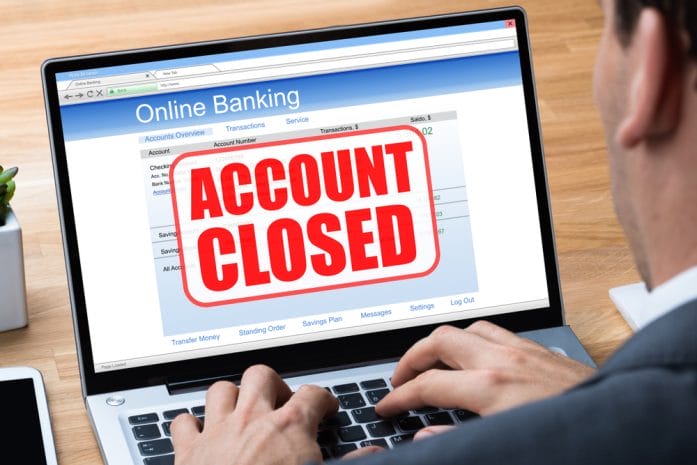
You wake up, check your bank app, and your account is frozen—or worse, gone. No warning, no explanation, just a vague notice about a “review.” This is the reality for a growing number of people caught in what banks call “de-risking.”

While the term might sound technical and harmless, the consequences can be frustrating, disruptive, and sometimes financially devastating. If you’ve never heard of it before, now is the time to understand why bank account closures are happening—and how to protect yourself.

What ‘De-Risking’ Really Means for Your Money

Banks use “de-risking” as a strategy to reduce exposure to potential legal, regulatory, or financial trouble, but it often translates into sudden bank account closures for everyday customers. Financial institutions are under intense pressure to comply with anti-money laundering laws and fraud prevention regulations, which means they monitor accounts more aggressively than ever.

If your activity triggers internal alerts—even accidentally—you could be flagged as “high risk” without any wrongdoing. This can include things like frequent international transfers, large cash deposits, or even inconsistent income patterns. Unfortunately, once flagged, many banks choose to close accounts rather than investigate further, leaving customers scrambling.

Why Bank Account Closures Are Happening More Often

The rise in bank account closures is closely tied to stricter global financial regulations and the increasing use of automated monitoring systems. Algorithms now scan millions of transactions daily, looking for patterns that might indicate fraud, money laundering, or other suspicious behavior.

While this technology is efficient, it’s not perfect, and false positives are more common than many people realize. For example, freelancers, gig workers, and small business owners often have irregular cash flow that can look suspicious to automated systems.

Common Triggers

Understanding what triggers these reviews can help you avoid unexpected bank account closures, even if the rules aren’t always transparent. Large or frequent cash deposits are one of the biggest red flags, especially if they don’t match your typical account behavior. Sending or receiving money internationally—particularly to countries flagged as high-risk—can also draw scrutiny. Even something as simple as logging into your account from different locations or devices too often can raise concerns.

Your Account Has Closed Suddenly?

When bank account closures happen, the impact can be immediate and stressful, especially if you rely on that account for daily expenses. In many cases, your funds are frozen temporarily while the bank completes its review, which can take days or even weeks.

During that time, you might miss bill payments, face overdraft fees elsewhere, or struggle to access your own money. Some customers report receiving only a brief notice with little explanation, making it difficult to resolve the issue quickly. Even after the account is closed, getting clear answers—or reopening an account—can be frustratingly difficult.

Banks Are Closing Accounts During ‘De-Risking’ Reviews—Often Without Warning

Image Source: Shutterstock.com

How to Protect Yourself From Unexpected Account Closures

While you can’t eliminate the risk entirely, there are smart steps you can take to reduce the chances of bank account closures disrupting your life. Start by maintaining consistent transaction patterns whenever possible, and avoid sudden large deposits or transfers that don’t align with your usual activity.

It’s wise to have a backup bank account at a different institution so you’re not completely locked out of your finances if one account is closed. Finally, stay proactive by reviewing your bank’s policies and communicating with them if you anticipate unusual activity.

Convenience vs. Control

The rise in bank account closures highlights a growing tension between financial security and customer convenience in today’s banking system. This shift means consumers need to be more aware and proactive about how they manage their money and interact with banks. As technology continues to evolve, understanding these systems isn’t just helpful—it’s essential for protecting your financial stability.

Have you or someone you know ever experienced a sudden bank account closure without warning? Share your story in the comments below.

You May Also Like…

How a Greener Home Can Boost Your Bank Account

7 Honest Ways to Stop Comparing Your Bank Account to Others

Biometric Banking and the Rise of Fraud Concerns in 2026

5 Outrageous Fees Hidden in Everyday Banking Services

Could Social Media Habits Be Hurting Bank Accounts

Brandon Marcus
Brandon Marcus

Brandon Marcus is a writer who has been sharing the written word since a very young age. His interests include sports, history, pop culture, and so much more. When he isn’t writing, he spends his time jogging, drinking coffee, or attempting to read a long book he may never complete.

Filed Under: Banking Tagged With: bank account closures, banking risks, banking tips, de-risking, Financial Security, money management, Personal Finance

Market Recalibration: 5 Ways to Rethink Risk During High Volatility

December 29, 2025 by Brandon Marcus Leave a Comment

Market Recalibration: 5 Ways to Rethink Risk During High Volatility

Image Source: Shutterstock.com

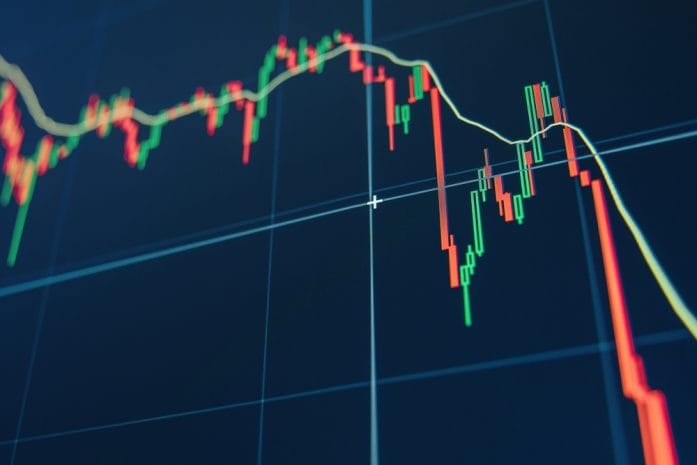
Markets don’t whisper when they change moods—they shout, shake the floor, and dare everyone watching to blink first. One minute confidence feels effortless, the next it feels like gravity doubled overnight, pulling portfolios and nerves in every direction. Volatility has a way of turning casual investors into late-night chart watchers and long-term planners into short-term worriers. But inside that chaos lives clarity, if you know how to look for it. This is the moment when risk stops being a four-letter word and starts becoming a tool.

High volatility isn’t just a test of courage; it’s an invitation to rethink how risk actually works when the rules feel like they’re being rewritten in real time.

1. Redefine Risk As Information, Not Just Danger

Risk is often treated like a storm to hide from, but during volatile periods it acts more like a weather report filled with clues. Price swings reveal what the market fears, what it values, and where uncertainty is clustering. Instead of seeing volatility as damage, view it as data flowing at a faster speed. This shift reframes anxiety into analysis and replaces panic with curiosity. When you treat risk as information, you stop reacting emotionally and start responding strategically.

2. Shorten Your Time Horizon Without Shrinking Your Vision

High volatility punishes rigid thinking, especially when expectations are locked too far into the future. Breaking long-term goals into flexible checkpoints allows you to adapt without abandoning your broader strategy. This approach reduces emotional whiplash while still honoring long-range objectives. It also encourages smarter decision-making based on current conditions rather than outdated assumptions. Flexibility becomes a strength rather than a sign of uncertainty.

3. Diversification Is Behavior, Not Just Allocation

Diversification isn’t only about spreading assets across sectors or asset classes; it’s also about diversifying how you react. During turbulent markets, emotional concentration can be as risky as financial concentration. Investors often overexpose themselves to fear by consuming the same headlines and reinforcing the same narratives. A behavioral mix—balancing optimism, skepticism, patience, and discipline—can be just as protective as a well-balanced portfolio. When volatility spikes, emotional diversification becomes an underrated asset.

Market Recalibration: 5 Ways to Rethink Risk During High Volatility

Image Source: Shutterstock.com

4. Liquidity Is Optionality Wearing A Disguise

Cash and liquid assets often look boring until everything else stops behaving normally. In volatile markets, liquidity becomes freedom—the freedom to act, pivot, or wait without pressure. It gives investors the power to respond rather than react, which is a massive advantage when prices swing violently. Liquidity also buys psychological calm, reducing the need to make rushed decisions under stress. In chaotic environments, optionality can outperform boldness.

5. Relearn What “Safe” Actually Means

What feels safe in calm markets can become fragile during turbulence, while assets once seen as risky may prove surprisingly resilient. Safety is contextual, not permanent, and volatility exposes that truth quickly. Rethinking safety means questioning assumptions and recognizing that stability often comes from adaptability, not predictability. It also means understanding correlations change when fear enters the system. The safest position is often the one that can evolve without breaking.

The Opportunity Inside The Uncertainty

High volatility is uncomfortable, loud, and emotionally demanding, but it’s also one of the most honest market environments you’ll ever experience. It strips away illusions, tests convictions, and rewards those willing to think differently about risk. When you recalibrate instead of retreat, uncertainty transforms from a threat into a teacher. Every swing, surge, and setback carries a lesson for those paying attention.

If you’ve navigated turbulent markets before or are learning to do so now, we’d love to hear your perspective and experiences in the comments below.

You May Also Like…

What Young People Need To Know About Investing Volatility

6 Effective Steps to Stop Worrying About Market Volatility

5 Reasons People Pause Financial Plans During Tariff-Driven Volatility

Risk Rewind: 5 Lessons From Past Crashes That Still Matter Today

Legacy Risk: 6 Estate Myths That Put Families in Financial Danger


Brandon Marcus
Brandon Marcus

Brandon Marcus is a writer who has been sharing the written word since a very young age. His interests include sports, history, pop culture, and so much more. When he isn’t writing, he spends his time jogging, drinking coffee, or attempting to read a long book he may never complete.

Filed Under: Investing Tagged With: banking risks, diversification, diversify, invest, investing, investing risk, Investment, investments, liquidity, liquidity management, market recalibration, market volatility, risk, volatility

8 Things You Should Never, Ever Put in a Bank Safe Deposit Box

December 3, 2025 by Brandon Marcus Leave a Comment

Things You Should Never, Ever Put In A Bank Safe Deposit Box

Image Source: Shutterstock.com

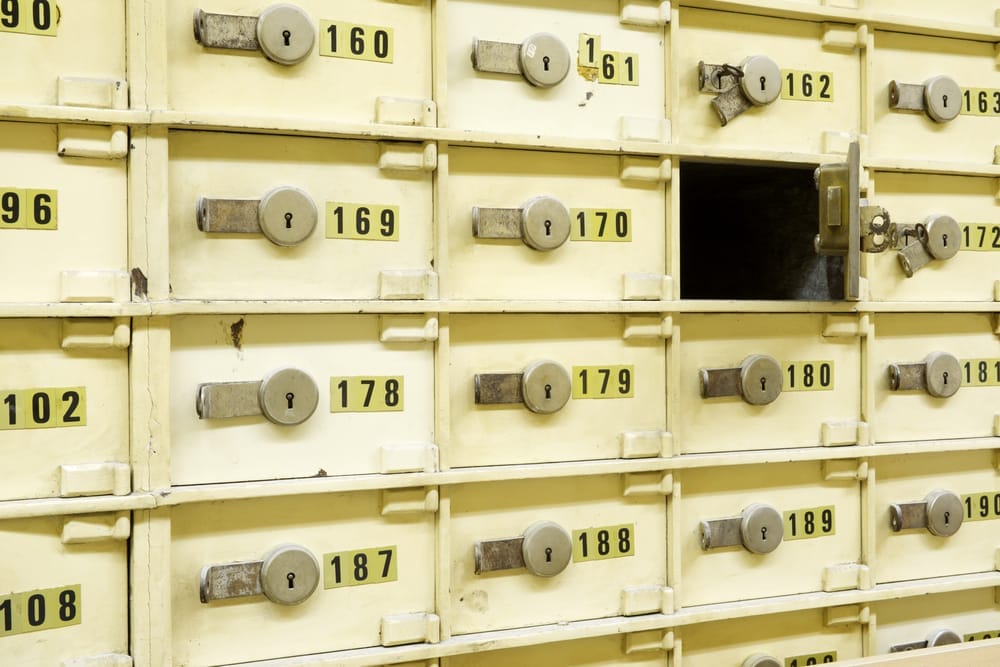
There is something mysteriously thrilling about sliding open a safe deposit box—like you’re about to stash away royal jewels or the secret formula to your grandmother’s unstoppable banana bread. But despite the Hollywood-level glamour, safe deposit boxes come with rules and risks that most people never think about. Banks provide a sturdy steel vault and a little private room to sort through your treasures, but that doesn’t mean everything belongs inside one of those metal drawers.

In fact, some items are absolutely terrible candidates for safe deposit storage, no matter how “important” they may seem. Before you lock something away for safekeeping, it’s worth knowing what could lead to chaos later.

1. Original Copies Of Estate Planning Documents

Many people assume that a safe deposit box is the perfect place for their will or power of attorney, but this creates a major headache when someone actually needs those documents. Banks often restrict access if the owner has died or is incapacitated, and that means your loved ones will have to navigate a maze of legal hurdles just to get inside the box. This can delay urgent tasks and, in some cases, cause serious financial or medical complications. Estate documents should be accessible instantly, not locked behind layers of bureaucracy. Keeping them at home in a fireproof safe or with your attorney is a far smarter plan.

2. Items You Might Need During An Emergency

Safe deposit boxes are not designed for quick access, and you can’t just waltz into the bank at midnight or during a long holiday weekend. Storing passports, medical directives, or emergency cash inside the vault means you might be stuck without them at the worst possible time. Imagine needing to catch an urgent international flight or provide life-saving medical documents, only to discover the bank is closed for three days. When timing matters, a safe deposit box becomes a frustrating obstacle instead of a solution. Anything required in a crisis should stay close, not locked in a banker’s basement.

3. Firearms Or Anything That Could Trigger Legal Trouble

Banks do not want weapons in their vaults, and neither should you. Safe deposit boxes are not designed to store firearms safely, legally, or securely from misuse. If a weapon is found during a box drill, or if law enforcement ever needs access, the situation becomes complicated in ways you definitely don’t want to experience. Many states also have laws restricting firearm placement in third-party storage outside your control. When it comes to weapons, proper home storage or a licensed facility is always the better choice.

4. Cash You Expect To Use Or Access Quickly

Contrary to what movies suggest, hiding stacks of cash in a safe deposit box is wildly impractical. Banks don’t insure cash held in boxes, and if the vault is damaged, flooded, or broken into, you could lose every dollar with no protection. Plus, if you need that money quickly, you’re stuck waiting for business hours—and that’s not ideal in emergencies or during unexpected opportunities. Cash should either be in a bank account or somewhere secure and accessible at home. Keeping it buried behind steel doors just slows you down and increases risk.

5. Anything Illegal, Questionable, Or Hard To Explain

Safe deposit boxes aren’t magical, no-questions-asked hiding spots, even though they’re often portrayed that way. Banks have policies that allow them to intervene if they suspect illegal activity, and law enforcement can gain access with the right warrants. If you wouldn’t feel comfortable explaining an item to a bank manager or police officer, it probably shouldn’t be in a vault to begin with. Storing questionable items can escalate a routine situation into a legal nightmare. A box meant for valuables should never become a hiding place for trouble.

Things You Should Never, Ever Put In A Bank Safe Deposit Box

Image Source: Shutterstock.com

6. Uninsured Or Irreplaceable Heirlooms

While safe deposit boxes are secure, they are not invincible, and many people are shocked to learn that banks do not automatically insure the contents. Floods, fires, theft, or mishandling can—and sometimes do—damage what’s inside. If you’re putting an irreplaceable piece of family history in the box, understand that getting compensation for damage is extremely difficult. Some items are simply too precious to risk locking away with no guarantee of protection. A home safe with proper insurance often provides a better blend of access and security.

7. Spare Keys, Car Titles, And Essential Daily Items

It might sound logical to keep a spare house key or your car title someplace extra secure, but doing so can trap you in maddening situations. If you lose your primary keys and the spares are locked in the bank, you’re stuck waiting until business hours—not ideal if you’re stranded outside at night. Similarly, losing your original car title means you can’t prove ownership without a lengthy retrieval process. Everyday essentials should be kept accessible and easy to retrieve when life inevitably throws something unexpected at you. Convenience matters just as much as security.

8. Digital Devices Or Hard Drives With Critical Information

Putting a laptop, phone, or external hard drive in a safe deposit box might seem like a clever way to protect sensitive data, but it introduces serious problems. Electronics can degrade in storage, especially in environments not optimized for temperature or humidity control. More importantly, if you forget a password, need urgent work files, or require access to two-factor authentication apps, you’ll be locked out until the bank opens. In a world where digital access is everything, storing crucial tech behind bank hours is a recipe for frustration. Keep digital backups secure but reachable, not locked behind a schedule.

Be Smart About What You Lock Away

Safe deposit boxes can be incredibly useful, but only if you understand what belongs inside—and what definitely doesn’t. Some items become less safe when stored behind restricted access, and others lose protection entirely when placed in an uninsured vault. Knowing what to avoid can save you stress, money, and time when life throws you a curveball. So be thoughtful about what you store, and make sure it supports your real-life needs rather than complicating them.

Have you ever made a safe deposit box mistake? Give us your stories, surprises, or lessons learned in the comments.

You May Also Like…

How “The Bank of Mom and Dad” Is Secretly Draining Your Retirement Fund

5 Outrageous Fees Hidden in Everyday Banking Services

7 Deposit Slip Inconsistencies That Cause Tax Trouble

5 Things You Should Do If You Get A Random Zelle Deposit

6 Data-Scraping Features in Online Banking

Brandon Marcus
Brandon Marcus

Brandon Marcus is a writer who has been sharing the written word since a very young age. His interests include sports, history, pop culture, and so much more. When he isn’t writing, he spends his time jogging, drinking coffee, or attempting to read a long book he may never complete.
Filed Under: Banking Tagged With: bank, bank safe deposit box, banking, banking deposit box, banking features, banking risks, banking safety, business safety, cash, emergency, Estate planning, firearms, heirlooms, safe deposit box, security deposits

6 Financial Dangers of Keeping Too Much Cash in Checking

September 28, 2025 by Travis Campbell Leave a Comment

check cashing

Image source: pexels.com

Many people see a large bank balance as a sign of financial stability. It’s reassuring to know you have money set aside for bills and emergencies. But keeping too much cash in checking can quietly undermine your financial health. You may not realize it, but this habit can result in lost growth, missed opportunities, and even increased risk. Understanding the financial risks of keeping too much cash in a checking account is the first step to making smarter financial choices.

Let’s look at why this matters. Checking accounts are designed for easy access, not for building wealth. With inflation and low interest rates, your extra cash could actually lose value over time. Plus, banks have their own limits and risks. If you want to make your money work harder, it’s important to learn about the pitfalls of parking too much in checking.

1. Missed Investment Opportunities

The most significant financial danger of keeping too much cash in checking is missing out on investment growth. Money that sits idle in your checking account isn’t working for you. While it’s important to have enough for bills and emergencies, anything above that could be earning a return elsewhere. Stocks, bonds, or even high-yield savings accounts offer better potential for growth.

Over time, the difference adds up. If you leave $10,000 in checking instead of investing it, you could miss out on thousands in compound interest. The opportunity cost grows every year you delay. By moving excess funds into investment accounts, you give your money a chance to grow and help secure your financial future.

2. Low or No Interest Earnings

Most checking accounts pay little to no interest. Even the best ones offer rates that barely keep up with inflation. This means your money’s real value goes down over time, even if the number stays the same. The financial dangers of keeping too much cash in checking are clear here: you’re losing purchasing power every month.

Compare that to a high-yield savings account, which pays noticeably more. Moving extra cash into higher-yield options is a simple way to earn more without much effort. Don’t let your hard-earned money stagnate in a low-interest checking account.

3. Increased Risk of Overspending

Large balances in your checking account can make it tempting to spend more. When you see extra cash, it’s easy to justify splurges or unnecessary purchases. This is one of the sneakiest financial dangers of keeping too much cash in checking—your spending habits can slowly creep up without you noticing.

Setting a reasonable limit for your checking balance helps you stay disciplined. Move extra funds out automatically, and you’ll be less likely to fall into the trap of lifestyle inflation. Good habits start with knowing exactly how much you need for regular expenses and keeping only that amount handy.

4. Greater Exposure to Fraud or Theft

Checking accounts are more vulnerable to fraud than you might think. Debit cards, checks, and online transactions all create opportunities for theft. If someone gains access to your account, a large balance means more money at risk. The financial dangers of keeping too much cash in checking extend to your personal security.

While banks do offer fraud protection, recovering lost funds can be stressful and time-consuming. By keeping only what you need in your checking account, you limit potential losses and give yourself more peace of mind.

5. Exceeding FDIC Insurance Limits

The Federal Deposit Insurance Corporation (FDIC) insures checking accounts up to $250,000 per depositor, per bank. If your balance goes above this limit, any extra cash isn’t protected if the bank fails. For most people, this isn’t a daily worry, but it’s still one of the financial dangers of keeping too much cash in checking—especially after a major windfall or business sale.

If you routinely keep high balances, consider spreading your funds across multiple banks or account types. This simple step ensures all your money stays fully insured and protected.

6. Neglecting Your Financial Goals

When you let money pile up in a checking account, you may lose sight of your bigger financial goals. Whether it’s saving for a home, investing for retirement, or building an emergency fund, your cash should have a job. The financial dangers of keeping too much cash in checking include missing the chance to align your money with your priorities.

By moving excess funds into dedicated accounts or investments, you create a plan for every dollar. This keeps you motivated and helps you reach your goals faster. Don’t let inertia hold you back from making progress.

How to Make Your Checking Account Work for You

Being aware of the financial dangers of keeping too much cash in checking is a smart first step. The key is to balance convenience with growth. Keep enough in checking to cover your monthly bills and a small buffer for unexpected expenses. Move the rest into savings, investments, or other targeted accounts.

Automating transfers can help you stay on track with this plan. If you’re unsure how much to save, start by tracking your expenses for a few months. Then, set up regular moves to higher-yield accounts.

How do you decide how much cash to keep in your checking account? Share your strategies and questions in the comments below!

What to Read Next…

  • 5 Invisible Service Charges Eating Into Your Bank Balance
  • Could a Bank Freeze Your Account Without Telling You?
  • 6 Times Banks Quietly Close Your Account Without Warning
  • What Are Banks Really Doing With Your Personal Spending Data?
  • 7 Bank Terms That Let Institutions Freeze Funds Without Warning
Travis Campbell
Travis Campbell

Travis Campbell is a digital marketer/developer with over 10 years of experience and a writer for over 6 years. He holds a degree in E-commerce and likes to share life advice he’s learned over the years. Travis loves spending time on the golf course or at the gym when he’s not working.

Filed Under: Finance Tagged With: banking risks, cash management, checking accounts, investing, money habits, Personal Finance

5 Financial Dangers That Hide in Credit Union Accounts

September 6, 2025 by Catherine Reed Leave a Comment

5 Financial Dangers That Hide in Credit Union Accounts

Image source: 123rf.com

Credit unions are often praised for being member-focused, offering lower fees, and providing more personalized service than big banks. While they do have many benefits, it’s important to remember that no financial institution is without risk. There are financial dangers that hide in credit union accounts, and ignoring them can put your money and financial goals in jeopardy. Many of these risks aren’t immediately obvious, but they can quietly cost members over time. By understanding these potential pitfalls, you can protect yourself and make smarter decisions about where and how you manage your money.

1. Limited Access to Funds

One of the first financial dangers that hides in credit union accounts is the issue of accessibility. Unlike major banks, many credit unions have fewer branches and limited ATM networks. This can mean higher fees when withdrawing from out-of-network machines or difficulties accessing your money while traveling. For members who move frequently or need nationwide availability, these limitations can create serious inconveniences. Before committing to a credit union, it’s worth checking their ATM partnerships and mobile banking features to avoid unexpected barriers.

2. Fewer Financial Products and Services

Large banks often provide a wide variety of financial products, from investment accounts to specialized loans. Credit unions, however, may have fewer options, which is another of the financial dangers that hide in credit union accounts. Limited services can leave members without access to certain tools, forcing them to look elsewhere for solutions. This could lead to juggling multiple accounts across different institutions, complicating your financial life. Carefully review what services are available to ensure the credit union meets both your short-term and long-term needs.

3. Technology Gaps in Online Banking

While many credit unions have made strides in recent years, some still lag behind when it comes to digital tools. This creates another of the financial dangers that hide in credit union accounts, especially for tech-savvy consumers. Limited mobile apps, slower online bill pay, and fewer digital features can make managing money less efficient. Over time, these small inconveniences can add up, leaving members frustrated and at risk of missed payments or errors. Evaluating a credit union’s digital offerings before signing up is key to avoiding these problems.

4. Membership Restrictions and Qualification Rules

Unlike traditional banks, credit unions often have eligibility requirements tied to geography, employment, or affiliations. These membership rules can create hidden financial dangers that hide in credit union accounts if your situation changes. For example, moving out of state or changing jobs could limit your ability to remain an active member or open new products. While most credit unions are flexible about retaining existing members, restrictions may still affect long-term planning. It’s important to understand these rules so you’re not caught off guard later.

5. Lower Deposit Insurance Coverage in Some Cases

Most credit unions are insured by the National Credit Union Administration (NCUA), which provides similar protections to the FDIC at banks. However, not all credit unions are federally insured, creating one of the more serious financial dangers that hide in credit union accounts. Some are privately insured, which may not offer the same level of protection if the institution fails. For members who keep large balances, this risk could be devastating. Always confirm that your credit union is federally insured before depositing significant amounts of money.

Awareness Is the Best Safeguard

While credit unions can be excellent financial partners, members must be aware of the potential risks. The financial dangers that hide in credit union accounts often stem from accessibility, limited services, or insurance concerns that don’t always appear upfront. With careful research and by asking the right questions, you can take advantage of the benefits while avoiding the pitfalls. Being proactive not only protects your money but also ensures your financial tools align with your goals. With knowledge and preparation, you can enjoy the perks of credit union membership without falling into costly traps.

Have you ever discovered hidden downsides in your credit union account? Share your experiences and tips in the comments below!

What to Read Next…

Some U.S. Banks Are Now Charging a “Cash Handling” Fee—Even at ATMs

Could Having Too Many Bank Accounts Complicate Wealth Instead of Protect It

10 Surprise Transfers in Your Account You Didn’t Authorize

What Advantages and Disadvantages Are There To Saving Money In The Bank

7 ATM Withdrawal Behaviors That Raise Government Surveillance Flags

Catherine Reed
Catherine Reed

Catherine is a tech-savvy writer who has focused on the personal finance space for more than eight years. She has a Bachelor’s in Information Technology and enjoys showcasing how tech can simplify everyday personal finance tasks like budgeting, spending tracking, and planning for the future. Additionally, she’s explored the ins and outs of the world of side hustles and loves to share what she’s learned along the way. When she’s not working, you can find her relaxing at home in the Pacific Northwest with her two cats or enjoying a cup of coffee at her neighborhood cafe.

Filed Under: Banking Tagged With: banking risks, credit unions, financial dangers, Hidden Fees, money management, Personal Finance, Planning

What Are the Hidden Dangers of Digital-Only Banking?

July 18, 2025 by Travis Campbell Leave a Comment

online bank

Image Source: pexels.com

Digital-only banking is everywhere. You see ads for online banks promising no fees, high interest, and easy apps. It sounds great. But is it really that simple? Many people are switching to digital-only banks for the convenience, but there are risks you might not see right away. If you’re thinking about going all-in on digital banking, you need to know what could go wrong. Here’s what you should watch out for.

1. Limited Customer Support

When you have a problem with your money, you want help fast. Digital-only banks often rely on chatbots or email support. You might not get a real person on the phone. If your account is locked or you spot fraud, waiting for an email reply can be stressful. Some banks have live chat, but it’s not always 24/7. And if you need to explain a complex issue, typing it out can be frustrating. Traditional banks typically have branches where you can speak with a representative in person. With digital-only banks, you lose that option. If you value personal service, this is a big drawback.

2. No Physical Branches

Digital-only banks don’t have branches. That means you can’t walk in and deposit cash, ask questions, or get a cashier’s check. If you need to deposit cash, you might have to use a third-party service, which can cost extra. Some people like having a local branch for peace of mind. If your phone breaks or you lose internet access, you can’t just drive to the bank. You’re stuck until you get back online. This can be a real problem in emergencies.

3. Technology Glitches and Outages

Apps and websites go down. It happens. But when your bank is 100% digital, a tech glitch can lock you out of your money. Even a short outage can cause big problems if you need to pay a bill or buy groceries. In 2023, several major digital banks had outages that left customers unable to access their accounts for hours. If you rely on digital-only banking, you need a backup plan for when the tech fails.

4. Security Risks

Online banks use strong security, but hackers are always looking for ways in. Phishing scams, malware, and data breaches are real threats. If someone gets your login info, they can drain your account before you notice. Digital-only banks may not offer the same fraud protection as traditional banks. You need to use strong passwords, enable two-factor authentication, and watch your accounts closely. Even then, there’s always a risk. The Federal Trade Commission warns that online scams are getting more sophisticated every year.

5. Limited Product Offerings

Many digital-only banks focus on checking and savings accounts. They might not offer loans, credit cards, or investment options. If you want a full range of financial products, you may need to use more than one bank. This can make managing your money more complicated. Some digital banks are adding new products, but they still lag behind traditional banks in many areas. If you want everything in one place, digital-only banking might not be enough.

6. Cash Handling Challenges

If you get paid in cash or need to deposit cash often, digital-only banks can be a hassle. Most don’t have ATMs that accept cash deposits. You might have to use a partner retailer, which can charge fees. Withdrawing large amounts of cash can also be tricky. Some digital banks limit how much you can take out at once. If you need cash for emergencies or big purchases, this can be a problem.

7. Harder to Build Relationships

Traditional banks sometimes offer perks to loyal customers. You might get better loan rates or help with financial planning. With digital-only banks, you’re just an account number. There’s no personal relationship. If you need a loan or special service, you might not get the same flexibility. Some people like having a banker who knows them and can help with unique situations. Digital-only banks can’t offer that.

8. Regulatory and Insurance Uncertainty

Not all digital-only banks are created equal. Some are not actually banks but fintech companies that partner with banks. This can make it hard to know who is holding your money and what protections you have. Always check if your digital bank is FDIC-insured. If it’s not, your money could be at risk if the company fails. Regulations for digital banks are still catching up, so there’s more uncertainty compared to traditional banks.

9. Privacy Concerns

Digital banks collect a lot of data about you. They track your spending, location, and habits. Some use this data for targeted ads or to sell products. If you care about privacy, this can be a concern. Read the privacy policy before signing up. Make sure you’re comfortable with how your data will be used and shared.

10. Harder for Some People to Access

Not everyone is comfortable with technology. Older adults, people with disabilities, or those without reliable internet can struggle with digital-only banking. If you lose your phone or can’t remember your password, getting back into your account can be tough. Digital banks are working to improve accessibility, but there’s still a gap.

Think Before You Go All-In on Digital-Only Banking

Digital-only banking offers speed and convenience, but it’s not perfect. The hidden dangers can catch you off guard if you’re not prepared. Before you close your old bank account, weigh the pros and cons. Keep a backup plan in case something goes wrong. And remember, your money is too important to risk on convenience alone.

Have you tried digital-only banking? What challenges or surprises did you face? Share your story in the comments.

Read More

Privacy Settings You Should Never Ignore on Banking Apps

Automating Compliance: The Role of AML Software in Modern Banking

Travis Campbell
Travis Campbell

Travis Campbell is a digital marketer/developer with over 10 years of experience and a writer for over 6 years. He holds a degree in E-commerce and likes to share life advice he’s learned over the years. Travis loves spending time on the golf course or at the gym when he’s not working.

Filed Under: Banking Tagged With: banking risks, customer service, digital banking, fintech, money management, online banks, Personal Finance, security

FOLLOW US

Search this site:

Recent Posts

  • Can My Savings Account Affect My Financial Aid? by Tamila McDonald
  • 12 Ways Gen X’s Views Clash with Millennials… by Tamila McDonald
  • What Advantages and Disadvantages Are There To… by Jacob Sensiba
  • 10 Tactics for Building an Emergency Fund from Scratch by Vanessa Bermudez
  • Call 911: Go To the Emergency Room Immediately If… by Stephen Kanaval
  • 7 Weird Things You Can Sell Online by Tamila McDonald
  • 10 Scary Facts About DriveTime by Tamila McDonald

Copyright © 2026 · News Pro Theme on Genesis Framework