
• Home
  • About Us
  • Toolkit
  • Getting Finances Done
    • Hiring Advisors
    • Debt Management
    • Spending Plan
  • Insurance
    • Life Insurance
    • Health Insurance
    • Disability Insurance
    • Homeowners/Renters Insurance
  • Contact Us
  • Privacy Policy
  • Risk Tolerance Quiz

The Free Financial Advisor

You are here: Home / Archives for trading habits

Behavior Backfire: 5 Overconfidence Traps That Hurt Even Smart Investors

December 31, 2025 by Brandon Marcus Leave a Comment

Behavior Backfire: 5 Overconfidence Traps That Hurt Even Smart Investors

Image Source: Shutterstock.com

The stock market loves confidence, but it adores overconfidence, because it feeds on it. Every bull run, every hot stock tip, and every viral investing success story whispers the same seductive message: You’ve got this. And sometimes, you do. But the danger isn’t ignorance—it’s misplaced certainty. The smartest investors often don’t lose money because they’re uninformed; they lose it because they’re too sure they’re right.

Overconfidence sneaks in quietly, wears the costume of intelligence, and then lights your portfolio on fire while smiling politely. Let’s talk about five behavioral traps that catch even brilliant investors off guard—and why awareness might be your most powerful asset.

1. Overestimating Skill And Underestimating Luck

Success feels personal, especially when money is involved. When a stock soars after you buy it, your brain rushes to claim credit, even if luck did most of the work. Over time, this builds a dangerous illusion that your skill level is higher than it actually is. Studies consistently show that most investors believe they are above average, which is mathematically impossible. This mindset encourages riskier bets, bigger positions, and fewer safeguards, all while convincing you that caution is for people who “don’t get it.”

2. The Illusion Of Control In Uncontrollable Markets

Markets are chaotic systems influenced by politics, psychology, innovation, fear, and events no one can predict. Yet many investors behave as if enough research can tame uncertainty completely. Overconfidence convinces people they can time entries, predict reversals, or outthink millions of other participants.

This illusion often leads to excessive trading, micromanaging portfolios, and constant second-guessing. Ironically, the more someone believes they’re in control, the more likely they are to make emotionally reactive decisions when control slips away.

3. Confirmation Bias Wearing A Confidence Mask

Once investors form a strong belief, they subconsciously seek information that supports it and ignore everything else. This isn’t stubbornness—it’s comfort-seeking disguised as intelligence. Overconfidence amplifies this bias by convincing people their judgment is already sound, so dissenting views must be flawed. The result is a feedback loop where bad ideas feel increasingly correct over time. By the time reality pushes back, portfolios are often overexposed and underprepared.

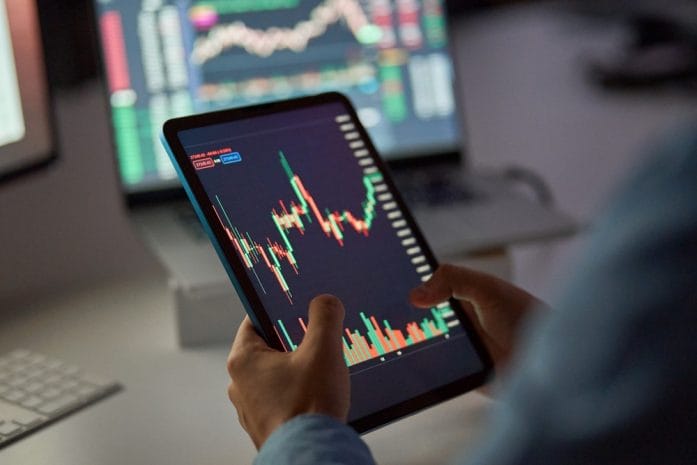
4. Trading Too Much Because It Feels Productive

Activity feels like progress, especially in fast-moving markets. Overconfident investors often trade frequently because it feels like they’re “doing something smart.” In reality, excessive trading increases fees, taxes, and mistakes while rarely improving returns.

Research has repeatedly shown that investors who trade the most often earn the least over time. The confidence to act becomes a liability when patience would have been the better strategy.
Behavior Backfire: 5 Overconfidence Traps That Hurt Even Smart Investors

Image Source: Shutterstock.com

5. Ignoring Risk Because Past Wins Feel Permanent

Nothing inflates confidence like a winning streak. After a few successful decisions, investors start believing the future will behave like the recent past. Risk feels smaller, downturns feel unlikely, and diversification feels unnecessary. This is when portfolios quietly become fragile, balanced on assumptions instead of resilience. When conditions finally change—as they always do—the fall feels sudden, even though the warning signs were everywhere.

Confidence Is Powerful, Humility Is Profitable

Overconfidence isn’t a character flaw; it’s a human feature that once helped us survive uncertainty. In investing, though, unchecked confidence can quietly sabotage even the sharpest minds. The goal isn’t to eliminate confidence but to balance it with humility, curiosity, and an openness to being wrong. The best investors aren’t the loudest or boldest—they’re the most adaptable.

If you’ve ever caught yourself falling into one of these traps, you’re in very good company, and your experience could help others think more clearly. Drop your thoughts, lessons, or personal investing stories in the comments below and let the conversation grow.

You May Also Like…

Why a Mortgage & Protection Network Matters in Today’s Advice Market

Market Recalibration: 5 Ways to Rethink Risk During High Volatility

Portfolio Structure: 6 Smart Adjustments If the Market Refuses to Cooperate

4 Powerful Affirmations to Build Financial Confidence Daily

How Can Overconfidence in the Market Cost Millions


Brandon Marcus
Brandon Marcus

Brandon Marcus is a writer who has been sharing the written word since a very young age. His interests include sports, history, pop culture, and so much more. When he isn’t writing, he spends his time jogging, drinking coffee, or attempting to read a long book he may never complete.

Filed Under: Investing Tagged With: bull markets, confidence in investing, confirmation bias, financial advisor risks, invest, investing, Investment, investments, overconfidence, risk, stock market, trading, trading habits

8 Reasons Day Trading Is the Financial Addiction No One Talks About

October 19, 2025 by Catherine Reed Leave a Comment

8 Reasons Day Trading Is the Financial Addiction No One Talks About

Image source: shutterstock.com

Day trading can seem thrilling—fast decisions, quick profits, and the potential to outsmart the market from your laptop. But beneath that adrenaline rush, a darker pattern often develops: the rise of a financial addiction that mirrors gambling more than investing. Many traders convince themselves they’re just being ambitious, but over time, their obsession with wins and losses starts to consume everything else. Understanding why day trading becomes such a powerful financial addiction is key to recognizing the warning signs before it takes control of your life.

1. The Instant Gratification Feeds the Brain Like a Slot Machine

Day trading delivers quick rewards and instant feedback, which can trigger the same dopamine response as gambling. Every trade feels like a spin of the wheel—sometimes you win big, sometimes you lose, but the rush keeps you coming back. That unpredictable reward cycle is what makes financial addiction so powerful. The brain begins to crave the excitement rather than the profit itself. Over time, traders find themselves chasing the high of “just one more trade,” even when it hurts their portfolio.

2. The Illusion of Control Masks the Chaos

One reason day trading becomes a financial addiction is that it tricks people into believing they can control the outcome. Traders often spend hours researching charts and patterns, thinking that preparation gives them mastery over market movements. While knowledge helps, no one can fully predict short-term price swings. This illusion of control feeds overconfidence and encourages risky behavior. When results inevitably go sideways, many double down instead of stepping back—just like any other addictive cycle.

3. Small Wins Reinforce Risky Behavior

A few early wins can be dangerous for new traders. Those small successes create a false sense of skill and make it easy to overlook luck’s role in the market. The emotional reward from those early victories reinforces risk-taking and makes quitting harder. This reinforcement loop is what cements financial addiction: the brain learns to associate risk with reward, even when the odds are against you. Many traders end up chasing the feeling of their first win long after the profits are gone.

4. The Constant Stimulation Feels Impossible to Leave Behind

Unlike long-term investing, day trading keeps participants glued to screens for hours, immersed in constant action. The rapid movement of charts, flashing numbers, and quick decisions floods the brain with stimulation. Over time, this becomes a craving in itself—the mind feels restless or empty without the constant activity. This is how financial addiction quietly builds: not just through money lost, but through the dependency on nonstop excitement. Many traders find it difficult to step away because stillness feels uncomfortable.

5. Emotional Highs and Lows Mirror Substance Abuse Patterns

Financial addiction through day trading follows the same psychological rollercoaster as drug or alcohol dependence. The euphoric high of a successful trade is followed by deep frustration or guilt after a loss. That emotional whiplash keeps traders locked in a destructive cycle, constantly seeking the next win to erase the pain of the last failure. The repeated exposure to these intense emotions can desensitize people to normal life satisfaction. Eventually, even relationships or personal achievements can start to feel dull compared to trading’s highs.

6. The Community Reinforces Dangerous Habits

Online trading forums and social media groups can create echo chambers that normalize excessive risk-taking. Within these spaces, traders often brag about big wins and downplay their losses. This creates social pressure to take bolder risks, reinforcing the behaviors that fuel financial addiction. Instead of fostering discipline, these communities often glamorize high-stakes trading as a lifestyle. People caught in this cycle may feel validated even as their finances spiral out of control.

7. Losses Become Rationalized as “Learning Opportunities”

A subtle hallmark of financial addiction is the way people justify their losses. Instead of recognizing them as warning signs, addicted traders frame losses as “part of the process.” While learning from mistakes is healthy, ignoring consistent red flags is not. This rationalization allows the cycle of overtrading and overconfidence to continue unchecked. Admitting that day trading has become unhealthy can be difficult when ego and pride are at stake.

8. The Financial and Emotional Toll Adds Up Quietly

At first, the consequences of day trading might seem manageable—a few missed meals, a weekend lost to charts, a small dip in savings. But as financial addiction deepens, the costs multiply. Emotional burnout, financial stress, and even damaged relationships often follow. The trader’s world narrows until every thought revolves around market movement. By the time most people realize the damage, they’ve sacrificed far more than money—they’ve lost balance, peace, and perspective.

Regaining Control Before the Market Controls You

Day trading doesn’t have to become destructive, but recognizing when it’s crossed the line is essential. Setting strict boundaries, diversifying into long-term investments, and taking regular breaks can help prevent financial addiction from taking hold. It’s also important to separate your identity from your trading performance—your worth isn’t tied to daily profits or losses. Seeking accountability from a financial advisor or therapist can restore balance and clarity. True financial success isn’t about the thrill of the moment—it’s about stability, patience, and emotional control that lasts a lifetime.

Have you or someone you know experienced the pull of financial addiction through day trading? What helped you regain control? Share your insights in the comments below!

What to Read Next…

  • 13 Startling Facts About The True Cost of Delaying Investment
  • Should I Prioritize Paying Off My Mortgage or Investing Extra Cashflow?
  • 9 Key Strategies for Navigating Complex Foreign Investment Laws
  • Why Are My Investment Returns Always Lower Than The News Reports Claim?
  • Is My Fear of Market Crashes Preventing Me From Investing At All?
Catherine Reed
Catherine Reed

Catherine is a tech-savvy writer who has focused on the personal finance space for more than eight years. She has a Bachelor’s in Information Technology and enjoys showcasing how tech can simplify everyday personal finance tasks like budgeting, spending tracking, and planning for the future. Additionally, she’s explored the ins and outs of the world of side hustles and loves to share what she’s learned along the way. When she’s not working, you can find her relaxing at home in the Pacific Northwest with her two cats or enjoying a cup of coffee at her neighborhood cafe.

Filed Under: Investing Tagged With: Day Trading, emotional investing, financial addiction, investing psychology, money management, Personal Finance, trading habits

FOLLOW US

Search this site:

Recent Posts

  • Can My Savings Account Affect My Financial Aid? by Tamila McDonald
  • 12 Ways Gen X’s Views Clash with Millennials… by Tamila McDonald
  • What Advantages and Disadvantages Are There To… by Jacob Sensiba
  • Call 911: Go To the Emergency Room Immediately If… by Stephen Kanaval
  • 10 Tactics for Building an Emergency Fund from Scratch by Vanessa Bermudez
  • 7 Weird Things You Can Sell Online by Tamila McDonald
  • 10 Scary Facts About DriveTime by Tamila McDonald

Copyright © 2026 · News Pro Theme on Genesis Framework