• Home
  • About Us
  • Toolkit
  • Getting Finances Done
    • Hiring Advisors
    • Debt Management
    • Spending Plan
  • Insurance
    • Life Insurance
    • Health Insurance
    • Disability Insurance
    • Homeowners/Renters Insurance
  • Contact Us
  • Privacy Policy
  • Risk Tolerance Quiz

The Free Financial Advisor

You are here: Home / Archives for liquidity management

Market Recalibration: 5 Ways to Rethink Risk During High Volatility

December 29, 2025 by Brandon Marcus Leave a Comment

Market Recalibration: 5 Ways to Rethink Risk During High Volatility

Image Source: Shutterstock.com

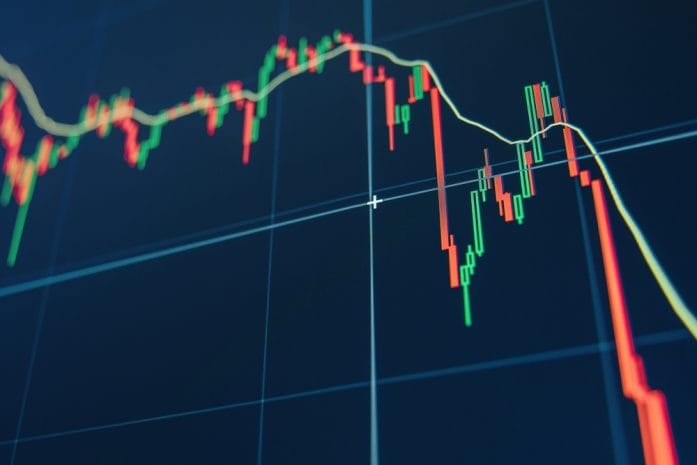
Markets don’t whisper when they change moods—they shout, shake the floor, and dare everyone watching to blink first. One minute confidence feels effortless, the next it feels like gravity doubled overnight, pulling portfolios and nerves in every direction. Volatility has a way of turning casual investors into late-night chart watchers and long-term planners into short-term worriers. But inside that chaos lives clarity, if you know how to look for it. This is the moment when risk stops being a four-letter word and starts becoming a tool.

High volatility isn’t just a test of courage; it’s an invitation to rethink how risk actually works when the rules feel like they’re being rewritten in real time.

1. Redefine Risk As Information, Not Just Danger

Risk is often treated like a storm to hide from, but during volatile periods it acts more like a weather report filled with clues. Price swings reveal what the market fears, what it values, and where uncertainty is clustering. Instead of seeing volatility as damage, view it as data flowing at a faster speed. This shift reframes anxiety into analysis and replaces panic with curiosity. When you treat risk as information, you stop reacting emotionally and start responding strategically.

2. Shorten Your Time Horizon Without Shrinking Your Vision

High volatility punishes rigid thinking, especially when expectations are locked too far into the future. Breaking long-term goals into flexible checkpoints allows you to adapt without abandoning your broader strategy. This approach reduces emotional whiplash while still honoring long-range objectives. It also encourages smarter decision-making based on current conditions rather than outdated assumptions. Flexibility becomes a strength rather than a sign of uncertainty.

3. Diversification Is Behavior, Not Just Allocation

Diversification isn’t only about spreading assets across sectors or asset classes; it’s also about diversifying how you react. During turbulent markets, emotional concentration can be as risky as financial concentration. Investors often overexpose themselves to fear by consuming the same headlines and reinforcing the same narratives. A behavioral mix—balancing optimism, skepticism, patience, and discipline—can be just as protective as a well-balanced portfolio. When volatility spikes, emotional diversification becomes an underrated asset.

Market Recalibration: 5 Ways to Rethink Risk During High Volatility

Image Source: Shutterstock.com

4. Liquidity Is Optionality Wearing A Disguise

Cash and liquid assets often look boring until everything else stops behaving normally. In volatile markets, liquidity becomes freedom—the freedom to act, pivot, or wait without pressure. It gives investors the power to respond rather than react, which is a massive advantage when prices swing violently. Liquidity also buys psychological calm, reducing the need to make rushed decisions under stress. In chaotic environments, optionality can outperform boldness.

5. Relearn What “Safe” Actually Means

What feels safe in calm markets can become fragile during turbulence, while assets once seen as risky may prove surprisingly resilient. Safety is contextual, not permanent, and volatility exposes that truth quickly. Rethinking safety means questioning assumptions and recognizing that stability often comes from adaptability, not predictability. It also means understanding correlations change when fear enters the system. The safest position is often the one that can evolve without breaking.

The Opportunity Inside The Uncertainty

High volatility is uncomfortable, loud, and emotionally demanding, but it’s also one of the most honest market environments you’ll ever experience. It strips away illusions, tests convictions, and rewards those willing to think differently about risk. When you recalibrate instead of retreat, uncertainty transforms from a threat into a teacher. Every swing, surge, and setback carries a lesson for those paying attention.

If you’ve navigated turbulent markets before or are learning to do so now, we’d love to hear your perspective and experiences in the comments below.

You May Also Like…

What Young People Need To Know About Investing Volatility

6 Effective Steps to Stop Worrying About Market Volatility

5 Reasons People Pause Financial Plans During Tariff-Driven Volatility

Risk Rewind: 5 Lessons From Past Crashes That Still Matter Today

Legacy Risk: 6 Estate Myths That Put Families in Financial Danger


Brandon Marcus
Brandon Marcus

Brandon Marcus is a writer who has been sharing the written word since a very young age. His interests include sports, history, pop culture, and so much more. When he isn’t writing, he spends his time jogging, drinking coffee, or attempting to read a long book he may never complete.

Filed Under: Investing Tagged With: banking risks, diversification, diversify, invest, investing, investing risk, Investment, investments, liquidity, liquidity management, market recalibration, market volatility, risk, volatility

Why Do Some Millionaires Borrow Money They Don’t Need

August 29, 2025 by Catherine Reed Leave a Comment

Why Do Some Millionaires Borrow Money They Don’t Need

Image source: 123rf.com

At first glance, the idea seems strange—why would someone with millions of dollars in the bank take on debt they could easily pay off? For most people, borrowing money is a sign of necessity, but for the wealthy, it’s often a strategic choice. From taxes to investments to maintaining liquidity, the reasons stretch beyond everyday logic. Understanding why do some millionaires borrow money reveals not only how the wealthy manage finances but also how ordinary people can learn smarter strategies from their playbook.

1. Leveraging Low Interest Rates to Grow Wealth

One of the top reasons why do some millionaires borrow money is the opportunity to take advantage of low interest rates. If a wealthy individual can borrow at 4 percent and invest in an asset that earns 11 percent, they’ve nearly tripled their money through leverage. Even though they don’t need the loan, it becomes a tool to grow wealth faster. This method allows them to keep their existing cash invested while using borrowed funds for new ventures. For millionaires, it’s less about necessity and more about maximizing financial efficiency.

2. Preserving Liquidity for Flexibility

Wealthy individuals often prefer to keep large sums of money easily accessible rather than tying it up in long-term investments or purchases. Borrowing allows them to maintain liquidity while still funding major expenses like real estate or business acquisitions. This way, their cash remains available for emergencies or new opportunities without disruption. Liquidity is one of the most valuable assets millionaires protect, even more so than luxury goods or possessions. Preserving flexibility is another reason why do some millionaires borrow money they could otherwise pay outright.

3. Taking Advantage of Tax Benefits

Another factor in why do some millionaires borrow money is the tax system itself. In many cases, interest on loans—such as mortgages or business-related borrowing—can be deducted from taxable income. Rather than selling off investments and triggering capital gains taxes, millionaires may borrow against their assets to cover expenses. This approach reduces their tax burden while keeping their investment portfolios intact. It’s a tax-savvy move that helps them hold on to more wealth long term.

4. Borrowing Against Appreciating Assets

Some millionaires prefer borrowing against appreciating assets like real estate, stocks, or even businesses. By using these assets as collateral, they can access significant funds without actually selling anything. This strategy allows them to benefit from both the loaned cash and the continued appreciation of the asset itself. Wealthy individuals often use margin loans or home equity borrowing in this way. It highlights why do some millionaires borrow money even when their net worth already looks untouchable.

5. Managing Risk and Diversifying Portfolios

Contrary to popular belief, millionaires don’t always take unnecessary risks. Borrowing can actually be a tool for risk management. By using debt strategically, they can spread money across multiple ventures instead of tying it all into one investment. This diversification reduces exposure and increases the chances of steady returns. Risk management plays a big part in why some millionaires borrow money despite having the means to pay cash.

6. Funding Lifestyle Without Liquidating Assets

Even everyday expenses can play a role in why some millionaires borrow money. Instead of selling investments or property to fund a purchase, they might take out a loan backed by their wealth. This method allows them to enjoy their lifestyle without jeopardizing long-term growth. For example, a millionaire might finance a vacation home with a loan, allowing their portfolio to keep earning returns. Borrowing in this way becomes more about strategy than survival.

Borrowing as a Tool, not a Burden

For millionaires, debt isn’t about desperation—it’s about opportunity. By leveraging loans, they protect liquidity, minimize taxes, grow wealth, and reduce risks. The key difference is how they use borrowing strategically instead of emotionally or out of necessity. While not every tactic applies to everyday households, the principle of making debt work for you rather than against you is universal. Understanding why some millionaires borrow money shows that sometimes the smartest financial move is not the most obvious one.

Do you think borrowing money as a millionaire is smart strategy or unnecessary risk? Share your thoughts in the comments below.

What to Read Next…

10 Outrageous Purchases That Quietly Bankrupted Millionaires

Millionaire Secrets: 7 Weird Money Habits That Actually Work

Why Are So Many Boomers Dying Millionaires and Leaving No Will?

10 Estate-Planning Myths Boomers Still Believe—Updated for 2025 Law Changes

Why People Are Replacing Their Trusts in 2025 — And What’s Changed

Catherine Reed
Catherine Reed

Catherine is a tech-savvy writer who has focused on the personal finance space for more than eight years. She has a Bachelor’s in Information Technology and enjoys showcasing how tech can simplify everyday personal finance tasks like budgeting, spending tracking, and planning for the future. Additionally, she’s explored the ins and outs of the world of side hustles and loves to share what she’s learned along the way. When she’s not working, you can find her relaxing at home in the Pacific Northwest with her two cats or enjoying a cup of coffee at her neighborhood cafe.

Filed Under: Wealth Building Tagged With: Debt Management, liquidity management, millionaire strategies, Planning, tax planning, Wealth Building, why do some millionaires borrow money

FOLLOW US

Search this site:

Recent Posts

  • Can My Savings Account Affect My Financial Aid? by Tamila McDonald
  • 12 Ways Gen X’s Views Clash with Millennials… by Tamila McDonald
  • What Advantages and Disadvantages Are There To… by Jacob Sensiba
  • Call 911: Go To the Emergency Room Immediately If… by Stephen Kanaval
  • 10 Tactics for Building an Emergency Fund from Scratch by Vanessa Bermudez
  • 7 Weird Things You Can Sell Online by Tamila McDonald
  • 10 Scary Facts About DriveTime by Tamila McDonald

Copyright © 2026 · News Pro Theme on Genesis Framework