• Home
  • About Us
  • Toolkit
  • Getting Finances Done
    • Hiring Advisors
    • Debt Management
    • Spending Plan
  • Insurance
    • Life Insurance
    • Health Insurance
    • Disability Insurance
    • Homeowners/Renters Insurance
  • Contact Us
  • Privacy Policy
  • Risk Tolerance Quiz

The Free Financial Advisor

You are here: Home / Archives for home protection

The Drone Inspection Finding That’s Triggering Homeowner Policy Cancellations

February 4, 2026 by Brandon Marcus Leave a Comment

The Drone Inspection Finding That's Triggering Homeowner Policy Cancellations

Image source: shutterstock.com

It used to take a ladder, a clipboard, and a very brave insurance inspector to assess your roof. Now? It takes a drone, a high-resolution camera, and about ten minutes of flight time. And that quiet little technological upgrade is creating very loud consequences for homeowners everywhere.

Insurance companies are increasingly using drone inspections to evaluate properties, and one specific finding is quietly triggering policy cancellations, non-renewals, and coverage denials—often without homeowners ever seeing it coming.

The Roof Issue Drones Are Exposing That Homeowners Rarely See

The most common red flag drones are identifying isn’t dramatic storm damage or missing chunks of roof. It’s something far sneakier: deteriorating shingles, soft spots, granular loss, and structural roof wear that’s invisible from the yard but crystal clear from above.

Insurance companies don’t see this as cosmetic. They see it as a future claims risk. A roof that looks “fine” from the street can look like a liability from 60 feet in the air. Even minor deterioration signals increased chances of water intrusion, mold, structural damage, and storm vulnerability. From an underwriting perspective, that’s not a “maybe problem,” that’s a “future payout” problem.

Why Insurance Companies Are Leaning Hard Into Drone Inspections

This shift isn’t random. Drone inspections are cheaper, faster, safer, and more consistent than human inspections. No climbing, no liability risk, no scheduling delays, and no subjective judgment calls. Insurers get standardized imagery, AI-assisted analysis, and digital records that integrate directly into risk models.

From a business standpoint, it’s a no-brainer. Drones can inspect thousands of properties quickly, especially after storms, natural disasters, or policy renewals. Instead of inspecting only high-risk properties, companies can now inspect almost everything. That means more data, more scrutiny, and more reasons to reclassify risk.

Drones Triggering Non-Renewals

This common trigger isn’t catastrophic damage, it’s roof aging and material degradation. That includes worn shingles, brittle materials, exposed underlayment, patchwork repairs, curling edges, granule loss, and uneven wear patterns. These signs suggest a roof that’s nearing the end of its functional lifespan, even if it isn’t leaking yet.

Drones also identify moisture retention zones, algae and moss growth patterns, and structural sagging that indicate water infiltration risks. These aren’t dramatic visuals, but they’re statistically powerful predictors of claims. In insurance language, this falls under “deferred maintenance risk.”

The Drone Inspection Finding That's Triggering Homeowner Policy Cancellations

Image source: shutterstock.com

Why Homeowners Feel Blindsided by the Process

Homeowners think insurance reacts to damage. Insurers now react to probability. That’s a fundamental mindset shift. People expect inspections after claims, not before renewals. They expect notice, not silent evaluations.

Because drone inspections don’t require homeowner presence, people often don’t know they happened. No knock at the door or appointment request. No explanation. Just a data update in an insurance system that changes your risk profile overnight.

What Homeowners Can Do to Protect Themselves

Don’t wait for your insurer to find the problem. Proactive roof inspections matter more than ever. A professional inspection every few years isn’t just maintenance—it’s insurance protection. Documentation matters. If your roof is in good condition, proof helps.

Maintenance is now a financial strategy, not just a homeownership habit. Small repairs prevent big red flags. Cleaning debris, addressing algae growth, replacing damaged shingles, and fixing flashing issues can materially change how your roof appears in aerial imaging.

Also, understand your policy language. Many policies allow cancellation or non-renewal based on “property condition risk.” That language gives insurers broad discretion. Knowing that helps you act before you’re forced to react.

The Wake-Up Call Hidden in the Sky

Drones are revealing problems that were always there, just out of sight and out of mind. The real danger isn’t inspection technology; it’s the assumption that “no visible damage” equals “no risk.” That belief doesn’t hold up in a world of aerial imaging, predictive analytics, and algorithm-driven underwriting.

For homeowners, this is a mindset shift moment. Insurance isn’t just protection anymore—it’s a data relationship. The better your property looks to technology, the safer you are financially.

The sky isn’t falling—but the sky is watching.

Should insurance companies be allowed to cancel policies based on drone inspections that homeowners never knew happened? Give us your thoughts in the comments.

You May Also Like…

Why Major Insurers Are Quietly Canceling 2026 Policies Using Satellite Photos

Why Are So Many DIY Projects Actually Illegal in Your County?

California’s Insurance Cancellation Crisis: 3.18% of Homeowners Lost Coverage in 2024

7 Ways Your Neighbor Could Be Spying on You Without Breaking the Law

The Credit Score That Adds $2,000/Year to Florida Homeowner’s Insurance Premiums

Brandon Marcus
Brandon Marcus

Brandon Marcus is a writer who has been sharing the written word since a very young age. His interests include sports, history, pop culture, and so much more. When he isn’t writing, he spends his time jogging, drinking coffee, or attempting to read a long book he may never complete.

Filed Under: Insurance Tagged With: drone inspections, Home insurance, home protection, homeowner insurance, homeowners, homeownership, insurance cancellations, insurance underwriting, property insurance, risk assessment, roof damage, roof maintenance, smart home tech

7 Homeowner Insurance Exclusions That Void Entire Policies

August 9, 2025 by Travis Campbell Leave a Comment

insurance

Image source: unsplash.com

Homeowner insurance is supposed to be your safety net. You pay your premiums, you expect protection. But what if you file a claim and find out your policy is useless? It happens more often than you think. Many people don’t realize that certain exclusions can void their entire homeowner insurance policy. These exclusions aren’t always hidden, but they’re easy to overlook. If you don’t know what’s not covered, you could end up paying out of pocket for major losses. Understanding these exclusions is the first step to making sure your home and finances are truly protected.

1. Neglect and Lack of Maintenance

Insurance is not a substitute for regular upkeep. If you ignore repairs or let your home fall into disrepair, your insurer can deny your claim. For example, if a leaky roof causes water damage and you never fixed it, your policy might not help you. Insurers expect you to take care of your property. If you don’t, they can say you contributed to the damage. This exclusion can void your entire policy if the neglect is severe. Always keep up with maintenance. Save receipts and document repairs. If you ever need to file a claim, you’ll have proof that you did your part.

2. Intentional Damage

If you or someone in your household intentionally damages your home, your insurance won’t cover it. This includes things like setting a fire on purpose or breaking windows during a fight. Insurance is designed to protect against accidents, not deliberate acts. If the insurer finds out the damage was intentional, they can void your entire policy. This exclusion is strict. Even if only one person in your home causes the damage, the whole policy can be canceled. Be aware of this risk, especially if you have roommates or tenants.

3. Fraud or Misrepresentation

Lying on your insurance application or during a claim can cost you everything. If you exaggerate the value of your belongings, hide information about past claims, or give false details about the damage, your insurer can void your policy. This isn’t just about denying a single claim. Fraud or misrepresentation can make your entire policy worthless, even for unrelated losses. Insurers take this seriously. They often investigate claims and check your application for accuracy. Always be honest. If you’re not sure about something, ask your agent before you submit your application or claim.

4. Certain Natural Disasters

Many homeowner insurance policies exclude specific natural disasters. Floods and earthquakes are the most common natural disasters. If a flood or earthquake damages your home and you don’t have separate coverage, your main policy won’t help. In some cases, living in a high-risk area without the right coverage can void your entire policy. For example, if you’re required to have flood insurance and you don’t, your insurer might cancel your homeowner policy altogether. Check your policy for these exclusions. If you live in a risky area, consider extra coverage.

5. Business Activities in the Home

Running a business from your home can create problems with your insurance. Most standard homeowner policies exclude coverage for business-related losses. If you operate a daycare, run a repair shop, or store inventory at home, your insurer might void your policy if you don’t disclose it. Even a small side hustle can be an issue. If a client gets hurt on your property or your business equipment is stolen, your claim could be denied. Worse, your entire policy could be canceled for non-disclosure. If you work from home, talk to your insurer about business coverage. Don’t assume your homeowner policy will protect you.

6. Vacant or Unoccupied Homes

Leaving your home empty for an extended period can void your insurance. Most policies define “vacant” as 30 to 60 days without anyone living there. If you go on a long trip, move out before selling, or leave for seasonal work, your home might be considered vacant. During this time, risks like vandalism, theft, and water damage go up. Insurers often exclude coverage for vacant homes or require special endorsements. If you don’t tell your insurer your home is empty, they can void your policy. Always notify your insurer if your home will be vacant. You may need to buy extra coverage.

7. Illegal Activities

If your home is used for illegal activities, your insurance is at risk. This includes things like growing illegal drugs, running an unlicensed business, or using your property for criminal purposes. If the insurer finds out, they can void your entire policy. Even if you didn’t know about the illegal activity, you could still lose coverage. For example, if a tenant or guest uses your home for something illegal, you’re still responsible. Insurers have zero tolerance for this exclusion. If you rent out your property, screen tenants carefully. If you suspect illegal activity, address it right away.

Protecting Your Policy: What You Can Do

Homeowner insurance exclusions can leave you exposed when you need help most. The best way to protect yourself is to read your policy carefully. Ask questions if you don’t understand something. Keep your home in good shape, be honest with your insurer, and update your policy when your situation changes. If you run a business from home, travel for long periods, or live in a disaster-prone area, get the right coverage. Don’t wait until you have a claim to find out you’re not protected. Knowing these exclusions can help you avoid costly surprises and keep your homeowner insurance policy intact.

Have you ever run into a homeowner insurance exclusion? Share your story or tips in the comments below.

Read More

Why Some Life Insurance Policies Stop Paying Just When You Need Them Most

6 Benefits That Were Pulled From Your Insurance Without Disclosure

Travis Campbell
Travis Campbell

Travis Campbell is a digital marketer/developer with over 10 years of experience and a writer for over 6 years. He holds a degree in E-commerce and likes to share life advice he’s learned over the years. Travis loves spending time on the golf course or at the gym when he’s not working.

Filed Under: Insurance Tagged With: home maintenance, home protection, homeowner insurance, insurance exclusions, insurance tips, Personal Finance, policy void

7 Places Criminals Watch Before Picking a Home to Rob

July 29, 2025 by Travis Campbell Leave a Comment

break in

Image Source: unsplash.com

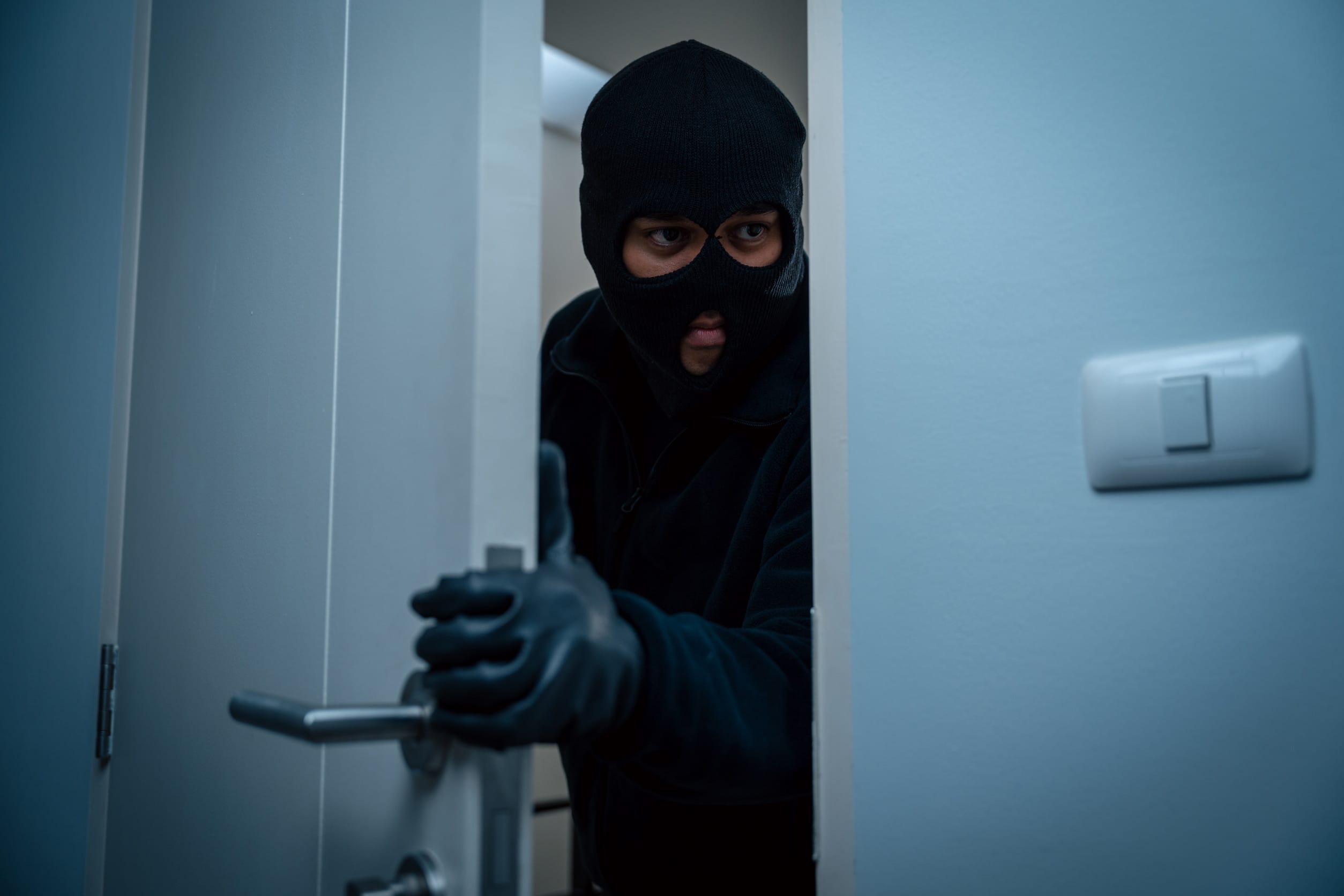
Home security is something most people don’t think about until it’s too late. However, the truth is that criminals are constantly seeking easy targets. They don’t just pick a house at random. They watch, they wait, and they look for signs that make a home stand out as an easy mark. Understanding what draws their attention can help you protect your home and your family. If you know what criminals look for, you can take steps to make your house less appealing to them. Here are seven places criminals watch before picking a home to rob, and what you can do about it.

1. The Front Door

The front door is the first thing most people see, and criminals are no different. They watch to see if you leave your door unlocked or if you have a habit of leaving packages out for hours. A door with a flimsy lock or a broken frame is an open invitation. Criminals also look for spare keys hidden under mats or in fake rocks. If you have a lot of mail or packages piling up, it tells them you might be away. Make sure your front door is sturdy, always locked, and never leave spare keys in obvious places. Install a peephole or a smart doorbell camera for extra security. The front door is often the first place a criminal will try, so don’t make it easy for them.

2. Windows Facing the Street

Windows that face the street give criminals a clear view inside your home. They can see if you have expensive electronics, jewelry, or other valuables. Open curtains or blinds make it even easier for them to spot what’s worth stealing. At night, lights inside your home can turn your windows into a display case. Criminals may also look for windows that are left open or unlocked, especially on the ground floor. To protect yourself, keep valuables out of sight and close your blinds or curtains at night. Consider using frosted glass or window film for extra privacy. Secure all windows with locks, even those on upper floors.

3. The Garage

Garages are a favorite target for criminals. They often contain tools, bikes, and sometimes even unlocked doors leading into the house. Criminals watch to see if you leave your garage door open or if you forget to close it at night. They also look for older garage doors that are easy to force open. Some even use universal remotes to try and open garage doors in the neighborhood. Always close your garage door, even if you’re just running inside for a minute. Upgrade to a modern garage door opener with rolling codes, which are much harder to hack. Lock the door between your garage and your house for an extra layer of security.

4. Side Gates and Fences

Side gates and fences are supposed to keep people out, but they can also give criminals a place to hide. Criminals watch to see if your gate is left unlocked or if your fence is easy to climb. Overgrown bushes or trees near the fence can give them cover while they work. If your gate is old or broken, it’s an easy way in. Make sure your gates are always locked and in good repair. Trim back any plants that could give someone a place to hide. Consider adding motion-activated lights near side entrances to make it harder for criminals to go unnoticed.

5. The Backyard

The backyard is often out of sight from the street, which makes it a perfect spot for criminals to sneak in. They watch for signs that you don’t spend much time back there, like overgrown grass or unused furniture. If you leave ladders or tools out, you’re giving them the means to break in. Criminals also look for sliding glass doors, which are often less secure than front doors. Keep your backyard tidy and put away anything that could be used to break into your home. Install locks on all doors and windows leading to the backyard. Motion lights and security cameras can also help deter unwanted visitors.

6. Trash and Recycling Bins

It might sound strange, but your trash can tell criminals a lot about you. They watch for boxes from new electronics, like TVs or computers, which signal that you have something valuable inside. Even old mail or documents can give away personal information. Criminals sometimes go through trash to find out when you’re away or to steal your identity. Shred any documents with personal information before throwing them out. Break down boxes and put them inside recycling bins, not out on the curb. Be mindful of what you throw away and when.

7. Your Daily Routine

Criminals are patient. They watch to see when you leave for work, when you come home, and when the house is empty. If you have a predictable schedule, it’s easy for them to pick the best time to break in. They may also look for signs that you’re on vacation, like lights that never turn on or mail piling up. Vary your routine when you can. Use timers for lights and ask a neighbor to collect your mail if you’re away. Don’t post your travel plans on social media. The less predictable you are, the harder it is for criminals to target your home.

Make Your Home a Hard Target

Criminals look for easy opportunities. They watch for weak spots and predictable routines. By understanding the places they watch, you can take simple steps to make your home less appealing. Secure your doors and windows, keep your property tidy, and don’t advertise your valuables. Small changes can make a big difference.

What steps have you taken to make your home less of a target? Share your thoughts in the comments.

Read More

8 Things You’re Doing That Make Criminals Think You’re an Easy Target

How Criminals Pick Their Targets—8 Everyday Mistakes That Make You Vulnerable

Travis Campbell
Travis Campbell

Travis Campbell is a digital marketer/developer with over 10 years of experience and a writer for over 6 years. He holds a degree in E-commerce and likes to share life advice he’s learned over the years. Travis loves spending time on the golf course or at the gym when he’s not working.

Filed Under: Crime & Safety Tagged With: burglary prevention, Crime, home protection, home security, neighborhood safety, safety tips

8 Common Home Security Features That Aren’t As Safe As You Think

July 28, 2025 by Travis Campbell Leave a Comment

home security

Image Source: pexels.com

Home security is a big deal for most people. You want to feel safe in your own space. You buy the latest gadgets, install cameras, and set up alarms. But what if some of these common home security features aren’t as safe as you think? It’s easy to trust the tools you use every day, but sometimes they have hidden flaws. Knowing where your security might fall short can help you make better choices and keep your home—and your family—safer.

1. Keypad Door Locks

Keypad door locks seem convenient. You don’t need to carry keys, and you can share codes with family or friends. But these locks have weaknesses. Many people use simple codes, such as “1234” or their birthdays. Thieves know this. Some keypads also show wear on the most frequently used numbers, making it easier to guess the code. And if the lock connects to Wi-Fi, hackers can sometimes gain remote access. If you use a keypad lock, pick a strong code and change it often. Clean the keypad to avoid leaving clues. And if it’s a smart lock, keep the software updated.

2. Fake Security Cameras

Fake cameras are cheap and easy to install. They might scare off some people, but experienced burglars can spot them. Most fake cameras don’t have wires or real lenses. Some even have blinking lights, which real cameras rarely use. If someone is serious about breaking in, a fake camera won’t stop them. Real security cameras are better. They record evidence and can alert you to trouble. If you want real protection, invest in a working camera system.

3. Glass Door and Window Sensors

Sensors on glass doors and windows are common. They beep if someone opens a door or window. But they don’t always catch a break-in. If a thief breaks the glass and climbs through without opening the window, the sensor might not trigger. Some sensors only work if the frame moves. For better security, use glass-break detectors. These listen for the sound of breaking glass and can catch more types of break-ins.

4. Motion-Activated Lights

Motion-activated lights are everywhere. They light up your yard when someone walks by. But they aren’t foolproof. Animals, wind, or even passing cars can set them off. Over time, people start to ignore them. Burglars know this. They might test the lights to see if anyone responds. If no one comes out, they know it’s safe to keep going. Motion lights work best with other security features, like cameras or alarms. Don’t rely on them alone.

5. Sliding Glass Door Locks

Sliding glass doors are a weak spot in many homes. The standard locks are easy to break or force open. Some burglars lift the door off its track. Others use a simple tool to pop the lock. Adding a bar or rod in the track helps, but it’s not perfect. For better security, use a pin lock or a security bar designed for sliding doors. You can also add shatter-resistant film to the glass.

6. Alarm System Yard Signs

Many people put alarm company signs in their yard. The idea is to scare off burglars. But signs alone don’t stop anyone. Some people even buy fake signs online. Experienced thieves know which signs are real and which aren’t. They might even see a sign as a clue that you have an older system that’s easy to bypass. If you use a sign, make sure you have a real, working alarm system behind it. And keep your system updated.

7. Smart Doorbells

Smart doorbells let you see who’s at your door from your phone. They record video and can even talk to visitors. But they have risks. If the Wi-Fi isn’t secure, hackers can access the camera or your home network. Some smart doorbells have been found to share data with third-party companies, raising concerns about privacy. If you use a smart doorbell, set a strong password and enable two-factor authentication. Update the software regularly. And check the privacy settings to control what data gets shared.

8. Window Bars

Window bars look tough. They keep people from climbing in. But they can also trap you inside during a fire or emergency. Some bars are easy to remove from the outside if they aren’t installed well. Others rust or break over time. If you use window bars, make sure they have a quick-release feature from the inside. Test them often to make sure they work. And don’t block every window—leave at least one exit in case you need to get out fast.

Rethinking Home Security: What Really Keeps You Safe

Home security features are only as strong as their weakest link. It’s easy to trust a lock, a camera, or a sign, but real safety comes from knowing the limits of your tools. Don’t assume that a popular gadget will protect you. Look for the gaps in your system. Combine different types of security and keep everything updated. Most of all, stay alert. The best defense is knowing what works—and what doesn’t. Your home is worth the extra effort.

Have you ever been surprised by a security feature that didn’t work as expected? Share your story or tips in the comments.

Read More

What Happens to Your Social Security If the Government Shuts Down Again?

Home Security Mistakes That Attract Break-Ins

Travis Campbell
Travis Campbell

Travis Campbell is a digital marketer/developer with over 10 years of experience and a writer for over 6 years. He holds a degree in E-commerce and likes to share life advice he’s learned over the years. Travis loves spending time on the golf course or at the gym when he’s not working.

Filed Under: safety Tagged With: burglary prevention, home protection, home security, safety, security tips, smart home

Home Security Mistakes That Attract Break-Ins

July 8, 2025 by Travis Campbell Leave a Comment

home security

Image Source: pexels.com

Keeping your home safe is about more than just locking the doors at night. Many homeowners unknowingly make home security mistakes that can turn their property into an easy target for break-ins. With burglary rates still a concern in many neighborhoods, understanding these common errors is crucial for protecting your family and valuables. Even small oversights can have significant consequences, and burglars often seek the path of least resistance. By learning what not to do, you can make your home less appealing to would-be intruders and gain peace of mind. Let’s break down the most common home security mistakes and how you can avoid them.

1. Hiding Spare Keys in Obvious Places

Leaving a spare key under the doormat or inside a fake rock might seem convenient, but it’s one of the most common home security mistakes. Burglars know all the usual hiding spots—flower pots, mailboxes, and even above the door frame. Instead of making it easy for someone to find your spare, consider giving it to a trusted neighbor or investing in a secure lockbox. This simple change can prevent a break-in and keep your home safer.

2. Neglecting to Lock Doors and Windows

It’s easy to forget to lock a back door or a ground-floor window, especially if you’re just stepping out for a few minutes. However, unlocked entry points are a leading cause of break-ins. Many burglars enter homes through doors or windows that were left open or unlocked. Make it a habit to check all doors and windows before leaving or going to bed. Consider installing smart locks or window sensors for added peace of mind.

3. Letting Your Home Look Unoccupied

A home that appears empty is an open invitation for burglars. Leaving lights off for days, letting mail pile up, or neglecting to maintain your yard can signal that no one is home. Use timers for lights, ask a neighbor to collect your mail, and keep your lawn trimmed—even when you’re away. These small steps can make your home look lived-in and deter potential intruders. The FBI’s Uniform Crime Reporting program highlights that most burglaries occur when homes are unoccupied, so don’t make it obvious.

4. Posting Travel Plans on Social Media

Sharing vacation photos or announcing your travel plans online might seem harmless, but it’s one of the riskiest home security mistakes. Public posts can alert would-be burglars that your home is empty. Even if your accounts are private, information can spread quickly. Wait until you return to share your adventures and remind family members to do the same. Protecting your privacy online is just as important as locking your doors.

5. Ignoring Outdoor Lighting

A dark exterior gives burglars the cover they need to approach your home unnoticed. Failing to install or maintain outdoor lighting is a mistake that can make your property more vulnerable. Motion-activated lights or smart lighting systems can illuminate entry points and deter intruders. Focus on lighting up pathways, driveways, and all entrances. Well-lit homes are far less attractive to criminals.

6. Skipping Security System Upgrades

Relying on outdated security systems or not having one at all is a major home security mistake. Modern systems offer features like remote monitoring, instant alerts, and integration with smart devices. If your system is more than a few years old, consider upgrading to take advantage of the latest technology. Even visible security cameras can be a strong deterrent. The National Council for Home Safety and Security reports that homes without security systems are up to 300% more likely to be broken into.

7. Leaving Valuables in Plain Sight

Burglars often “window shop” before choosing a target. Leaving expensive electronics, jewelry, or other valuables visible from the street can make your home more tempting. Keep curtains or blinds closed, especially in rooms where you store valuables. If you need to leave items outside, ensure they’re not visible from the outside. A little discretion goes a long way in preventing break-ins.

8. Forgetting About the Garage

The garage is often overlooked when it comes to home security mistakes. Many people leave garage doors unlocked or fail to secure the door leading from the garage into the house. Burglars know this and may use the garage as an easy entry point. Always lock your garage doors and consider adding a security sensor. Don’t leave tools or ladders out, as these can help intruders gain access to your home.

Make Your Home a Hard Target

Avoiding these common home security mistakes doesn’t require expensive gadgets or complicated systems. It’s about being aware, staying consistent, and making small changes that add up to big protection. By locking up, keeping your home looking lived-in, and staying mindful of what you share online, you can make your home a much less attractive target for break-ins. Remember, most burglars are looking for easy opportunities—don’t give them one.

What home security mistakes have you noticed in your neighborhood, or what tips do you swear by? Share your thoughts in the comments!

Read More

Federal Reserve Report: Hang On For Rough Ride…

Ripped From the Headlines: Bad Holiday Economic Mood

Travis Campbell
Travis Campbell

Travis Campbell is a digital marketer/developer with over 10 years of experience and a writer for over 6 years. He holds a degree in E-commerce and likes to share life advice he’s learned over the years. Travis loves spending time on the golf course or at the gym when he’s not working.

Filed Under: Crime & Safety Tagged With: break-ins, burglary prevention, home protection, home security, Personal Finance, safety tips, security mistakes

Old Fashion Door Locks Don’t Work Anymore: Try These Five Burglar Resistant Alternatives

April 12, 2025 by Travis Campbell Leave a Comment

digital door lock

Image Source: unsplash.com

Traditional door locks have served us well for decades, but in today’s world, they’re increasingly vulnerable to break-ins. Modern burglars have become more sophisticated, using techniques like lock bumping, picking, and even key duplication to bypass conventional locks. If you’re serious about protecting your home, it’s time to upgrade to more secure alternatives. Here are five burglar-resistant options that provide superior protection for your home.

1. Biometric Fingerprint Smart Locks: Security at Your Fingertips

Biometric fingerprint locks represent a significant leap forward in home security technology. Unlike traditional locks that rely on keys that can be lost or duplicated, these systems use your unique fingerprint as the key.

Modern fingerprint locks feature advanced sensors that create detailed digital maps of authorized fingerprints, making them nearly impossible to fool. Many models include anti-tamper alarms that activate if someone attempts to force the lock. With no keyholes to pick and the ability to store multiple fingerprints, these locks offer convenience without compromising security.

The technology has improved dramatically in recent years, with sensors that can read fingerprints even when they’re slightly dirty or wet. Most systems also include backup methods like PIN codes or physical keys for emergencies, ensuring you’re never locked out of your home.

2. Palm Vein Recognition Locks: The Next Generation of Biometrics

Palm vein recognition locks take biometric security to the next level. They use infrared light to map the unique vein patterns beneath your skin. This technology, featured in locks like the eufy FamiLock S3 Max, offers several advantages over traditional fingerprint scanning.

Palm vein patterns are internal to your body, making them virtually impossible to replicate or forge. Unlike fingerprints, which can potentially be lifted from surfaces, vein patterns remain hidden and secure. The technology works reliably regardless of skin surface conditions like cuts, dirt, or oils.

These systems typically feature fast recognition speeds of less than a second and can be integrated with smartphone apps for remote management. While relatively new to the residential market, palm vein technology has been used in high-security commercial applications for years, proving its effectiveness against unauthorized access attempts.

3. Smart Locks with Ultra-Wideband Technology: Hands-Free Security

Ultra-wideband (UWB) smart locks represent the cutting edge of convenient security. These innovative locks, like the Schlage Sense Pro Smart Deadbolt showcased at CES 2025, can detect when an authorized smartphone or smartwatch is approaching your door with centimeter-level accuracy.

The lock automatically unlocks as you approach and relocks after you enter, eliminating the need to fumble with keys or even touch the lock. UWB technology is more precise than Bluetooth or Wi-Fi, preventing accidental unlocking from inside your home or from someone passing by outside.

These systems typically include multiple authentication methods, including PIN codes and NFC cards as backups. Many also feature tamper alerts that notify you immediately if someone attempts to force entry, giving you time to contact authorities before a break-in occurs.

4. Multi-Function Video Smart Locks: Security You Can See

Video smart locks combine several security technologies into one powerful package. Models like the TCL Smart Lock D1 Ultra integrate a smart lock, security camera, video doorbell, and display screen into a single unit.

These comprehensive systems allow you to see who’s at your door before unlocking it, record footage of visitors or potential intruders, and even communicate with delivery personnel without opening the door. The built-in cameras typically feature high-resolution video (often 2K) with wide-angle lenses and night vision capabilities.

Most video smart locks offer multiple unlocking methods, including fingerprint scanning, PIN codes, smartphone apps, and physical keys. The integration with home security systems provides an additional layer of protection, as attempted break-ins trigger both local alarms and notifications to your smartphone.

5. High-Security Mechanical Deadbolts: Traditional Security Reimagined

Modern high-security deadbolts offer significantly more protection than standard locks for those who prefer mechanical solutions. These advanced mechanical locks, like those from Kwikset’s Juno series, feature drill-resistant cylinders, reinforced strike plates, and pick-resistant designs.

The best models use patented key systems that prevent unauthorized duplication, a common security vulnerability with traditional locks. Many incorporate hardened steel components that resist sawing, drilling, and prying attempts.

Installation is crucial for these locks—using 3-inch screws to secure the strike plate to the door frame dramatically increases kick-in resistance. Some models also feature anti-bump technology that prevents a common technique burglars use to defeat standard pin tumbler locks.

Securing Your Home Beyond the Lock

While upgrading your door locks is essential, remember that comprehensive home security requires a layered approach. Consider reinforcing door frames, installing security cameras, and using smart lighting systems that simulate occupancy when you’re away.

The best security solution combines physical barriers with modern technology to create a system that deters burglars before they attempt entry. By replacing your outdated locks with one of these burglar-resistant alternatives, you’re taking a significant step toward creating a safer home for you and your family.

Have you upgraded your home’s door locks recently? What security features do you consider most important for protecting your property? Share your thoughts in the comments below!

Read More

Security Features in Printing Platforms: Keeping Your Data Safe

Why Criminals Are Placing USB Drives in Public Spaces and the Risks You Face

Travis Campbell
Travis Campbell

Travis Campbell is a digital marketer/developer with over 10 years of experience and a writer for over 6 years. He holds a degree in E-commerce and likes to share life advice he’s learned over the years. Travis loves spending time on the golf course or at the gym when he’s not working.

Filed Under: safety Tagged With: biometric locks, burglar-resistant locks, door security, home protection, home security, palm vein recognition, smart locks

5 Ways To Ensure Your Safety If You Live In A Street Level Apartment

April 10, 2025 by Travis Campbell Leave a Comment

broken glass

Image Source: pexels

Living in a street-level apartment offers convenience but comes with unique security challenges. With direct access from the street and increased visibility from passersby, proactive safety measures are essential. This article explores five practical strategies to enhance your security and peace of mind while enjoying the benefits of ground-floor living.

1. Fortify Your Entry Points

Your doors and windows are the first line of defense against potential intruders. Installing high-quality deadbolts on all exterior doors significantly reduces the risk of forced entry and provides an additional layer of security beyond standard locks. Window security films can prevent the glass from shattering completely when broken, deterring burglars who prefer quick and quiet access. Motion-sensor lighting around entry points eliminates dark corners where intruders might hide and automatically illuminates anyone approaching your apartment. Security bars or pins for windows allow ventilation while preventing them from being fully opened, striking a balance between comfort and safety. Smart locks with remote monitoring capabilities enable you to control access and receive alerts when your door is opened, even when you’re away from home.

2. Enhance Your Privacy Measures

Privacy is crucial for street-level apartments where pedestrians can easily peek inside. Installing window treatments like frosted film provides 24/7 privacy without sacrificing natural light and creates a barrier between your private space and public view. Strategic furniture placement away from windows reduces visibility from the outside and makes valuable items less noticeable to potential thieves casing the area. One-way window film allows you to see out while preventing others from seeing in, maintaining your connection to the outside world without compromising privacy. Indoor plants placed near windows create natural privacy screens that enhance your decor while obscuring direct sightlines into your living space. Keeping blinds or curtains closed during evening hours when interior lights make visibility highest prevents creating an inadvertent “display window” effect for passersby.

3. Invest in Smart Security Technology

Modern technology offers powerful tools for apartment security that weren’t available just a few years ago. Wireless security cameras with motion detection can be installed without permanent modifications to your rental property and provide real-time monitoring through smartphone apps. Door/window sensors alert you immediately when entry points are breached, giving you crucial time to respond to potential threats before they escalate. Smart doorbells with video capabilities let you see and speak with visitors without opening your door, adding a screening layer before granting access. Indoor motion sensors can detect movement when you’re away and integrate with other smart devices to trigger lights or alarms if unexpected activity occurs. Voice assistants can be programmed to simulate occupancy by playing sounds or controlling lights when you’re away, creating the impression that someone is home even during vacations or work hours.

4. Build Community Connections

Your neighbors can be your most valuable security asset in apartment living environments. Introducing yourself to neighbors creates a network of people who recognize who belongs in your building and who doesn’t, establishing an informal community watch. Joining neighborhood social media groups informs you about local security concerns and allows you to share information about suspicious activities in real time. Participating in community events helps strengthen relationships with neighbors who might notice unusual activity near your apartment when you’re not home. Alerting trusted neighbors when you’ll be away for extended periods ensures extra eyes watch your space during vulnerable times. Regular communication with your property manager about security concerns demonstrates that tenants are vigilant and encourages management to maintain and improve building security measures.

5. Develop Personal Safety Habits

Daily routines and awareness significantly impact your security regardless of technological measures. Conducting regular security checks before leaving and upon returning home creates habits that help you notice if something has been disturbed or tampered with. Avoiding displaying valuable items near windows reduces the temptation for opportunistic thieves who might be passing by your apartment. Being mindful of what you post on social media about your location or schedule prevents broadcasting when your apartment might be empty to potential wrongdoers. Varying your routine occasionally makes your comings and goings less predictable to anyone monitoring the building. Having an emergency plan with escape routes and contact procedures ensures you’re prepared to act quickly if you encounter a security threat in your home.

Balancing Security With Comfortable Living

Creating a safe street-level apartment doesn’t mean turning your home into a fortress. The key is implementing layered security measures that complement each other while maintaining the comfort and accessibility that drew you to ground-floor living. Security and comfort aren’t mutually exclusive when approached thoughtfully. Small, consistent habits often provide more protection than expensive systems that aren’t regularly used. Remember that visible security measures protect you and deter potential intruders who typically seek easier targets. Finding your personal balance between openness and protection allows you to enjoy your space without constant worry. With these strategies in place, your street-level apartment can be both a convenient home and a secure haven.

What security measures have you implemented in your ground-floor apartment that make you feel safer? Share your experiences in the comments below!

Read More

What Do I Do If I Get an Eviction Notice? 12 Tips to Keep You Off the Streets

5 Surprising Things Not Covered by Homeowners Insurance

Travis Campbell
Travis Campbell

Travis Campbell is a digital marketer/developer with over 10 years of experience and a writer for over 6 years. He holds a degree in E-commerce and likes to share life advice he’s learned over the years. Travis loves spending time on the golf course or at the gym when he’s not working.

Filed Under: Crime & Safety Tagged With: apartment safety, apartment security tips, ground floor security, home protection, urban living safety

How Criminals Use Simple Chalk Marks to Target Homes for Burglary

March 15, 2025 by Latrice Perez Leave a Comment

Chalk Name

Image Source: 123rf.com

Most people wouldn’t think twice about seeing a small chalk mark on a sidewalk, fence, or even their mailbox. It’s easy to assume it was left by kids playing outside or just random street markings. However, in many cases, these seemingly innocent chalk symbols are actually coded messages used by criminals to mark homes as potential burglary targets.

Burglars, scammers, and organized crime groups have long used secret symbols to communicate information about houses they intend to target. These markings can reveal whether a home is occupied, if the owners are elderly, if a house has valuables inside, or even if a property is an easy break-in. While not widely discussed, this method is an increasingly common tool for burglars—and homeowners need to know what to look for.

Why Do Criminals Use Chalk Marks?

Chalk is the perfect tool for criminals looking to mark homes because it’s temporary, subtle, and easily dismissed by unsuspecting homeowners. Unlike spray paint or permanent markers, chalk washes away with rain, making it harder for law enforcement to track patterns or gather evidence.

These marks can be left by burglars themselves or by scouts—individuals who assess neighborhoods and report back to criminal groups. Some burglars work in teams, and these markings help identify which houses are worth targeting and which ones should be avoided.

The Meaning Behind Common Chalk Marks

While the specific symbols used by criminals can vary, some common chalk markings have been found in burglary patterns worldwide. Here are some of the meanings behind these seemingly random markings:

  • An “X” or a Cross – Indicates a good target for burglary.
  • A Circle with an “X” Inside – Home has already been broken into or is planned for burglary soon.
  • A Triangle – Usually means a single woman lives in the house, often considered an easy target.
  • A Diamond Shape – Suggests a wealthy home with high-value items inside.
  • A Letter “M” or “W” – Could signify a morning or weekend burglary opportunity, meaning the home is empty during those times.
  • A Horizontal Line – Suggests that the home has nothing worth stealing or is too risky to break into.
  • A Square or Box – Often marks a house with a security system or a dog, warning burglars to avoid it.

Some criminals also use arrows to point toward escape routes or safe exits after a break-in. Other groups may use numbers to indicate how many people live in the house or the best time to strike.

Where Do Criminals Leave These Markings?

Burglar

Image Source: 123rf.com

Burglars carefully choose where to place these chalk symbols so they are visible to their accomplices but not easily noticed by homeowners. Some of the most common places where you might find these markings include:

  • Sidewalks in front of your home – A quick way to communicate to others in a criminal network.
  • Mailboxes or fences – Subtle placement that isn’t always checked by homeowners.
  • Driveways or near the curb – Used to indicate which homes are worth breaking into.
  • Utility poles or street signs nearby – Markings left further from the home but still close enough to be useful to criminals.

How to Protect Your Home from Chalk Mark Targeting

If you notice strange chalk markings around your home or in your neighborhood, take action immediately. Criminals rely on secrecy, and once their system is exposed, they often move on to easier targets. Here’s what you should do:

  • Erase the Markings Immediately – The sooner you remove the chalk, the harder it is for burglars to follow through with their plans. Use water, a scrub brush, or a pressure washer if needed.
  • Document the Symbols – Take photos of any suspicious markings before removing them. If multiple homes in your area have similar symbols, report them to the police.
  • Inform Your Neighbors – Criminals often target entire neighborhoods. Letting your neighbors know about the markings can help everyone stay alert and take precautions.
  • Check Security Footage – If you have security cameras, review any recent activity near the markings. This could provide valuable evidence for law enforcement.
  • Strengthen Your Home Security – Even if your home hasn’t been marked, burglars are always looking for easy opportunities. Installing motion sensor lights, security cameras, and visible alarm systems can make your home less attractive to criminals.

Other Signs That Your Home May Be Targeted

Chalk markings aren’t the only way burglars signal potential targets. If you notice any of the following, it could indicate that criminals are watching your home:

  • Unfamiliar people loitering around your neighborhood
  • Strangers knocking on doors, pretending to sell something or ask for directions
  • Missing or moved trash cans and mailboxes, which could be signs of scouting
  • Flyers or business cards wedged in your door that aren’t from legitimate companies

Criminals often conduct test runs before attempting a break-in. They may leave something small, like a flyer in your door, to see how long it takes for someone to remove it. If it sits untouched for days, they may assume the home is vacant or unattended, making it a prime target.

What to Do If You Suspect Your Home Has Been Marked

If you believe criminals have marked your home for burglary, don’t ignore it. Act quickly to remove the marking, document the incident, and report any suspicious activity to local law enforcement. You can also:

  • Ask neighbors if they’ve seen any unusual behavior or markings near their homes.
  • Consider increasing outdoor lighting or installing security cameras.
  • Be extra cautious with home security—lock doors and windows, even when you’re home.
  • If possible, park a car in the driveway to give the impression that someone is always there.

Awareness Can Stop Criminals in Their Tracks

Criminals thrive on secrecy and easy opportunities. By being aware of how they use chalk markings and other subtle tricks to target homes, you can prevent yourself and your neighbors from becoming victims. If something feels off, trust your instincts—and always take action to protect your home.

Have you ever noticed strange markings or suspicious activity in your neighborhood? What did you do? Share your experience in the comments below.

Read More:

10 Places that Burglars Are Hoping You’ll Hide Your Cash and Jewelry-So Don’t!

Why Some Criminals Leave a Water Bottle on Your Car Tire—And What It Means

Latrice Perez

Latrice is a dedicated professional with a rich background in social work, complemented by an Associate Degree in the field. Her journey has been uniquely shaped by the rewarding experience of being a stay-at-home mom to her two children, aged 13 and 5. This role has not only been a testament to her commitment to family but has also provided her with invaluable life lessons and insights.

As a mother, Latrice has embraced the opportunity to educate her children on essential life skills, with a special focus on financial literacy, the nuances of life, and the importance of inner peace.

Filed Under: safety Tagged With: burglary prevention, burglary tactics, chalk markings, crime awareness, crime prevention, home defense, home protection, home security, neighborhood safety, personal safety

FOLLOW US

Search this site:

Recent Posts

  • Can My Savings Account Affect My Financial Aid? by Tamila McDonald
  • 12 Ways Gen X’s Views Clash with Millennials… by Tamila McDonald
  • What Advantages and Disadvantages Are There To… by Jacob Sensiba
  • Call 911: Go To the Emergency Room Immediately If… by Stephen Kanaval
  • 10 Tactics for Building an Emergency Fund from Scratch by Vanessa Bermudez
  • 7 Weird Things You Can Sell Online by Tamila McDonald
  • 10 Scary Facts About DriveTime by Tamila McDonald

Copyright © 2026 · News Pro Theme on Genesis Framework