• Home
  • About Us
  • Toolkit
  • Getting Finances Done
    • Hiring Advisors
    • Debt Management
    • Spending Plan
  • Insurance
    • Life Insurance
    • Health Insurance
    • Disability Insurance
    • Homeowners/Renters Insurance
  • Contact Us
  • Privacy Policy
  • Risk Tolerance Quiz

The Free Financial Advisor

You are here: Home / Archives for safety tips

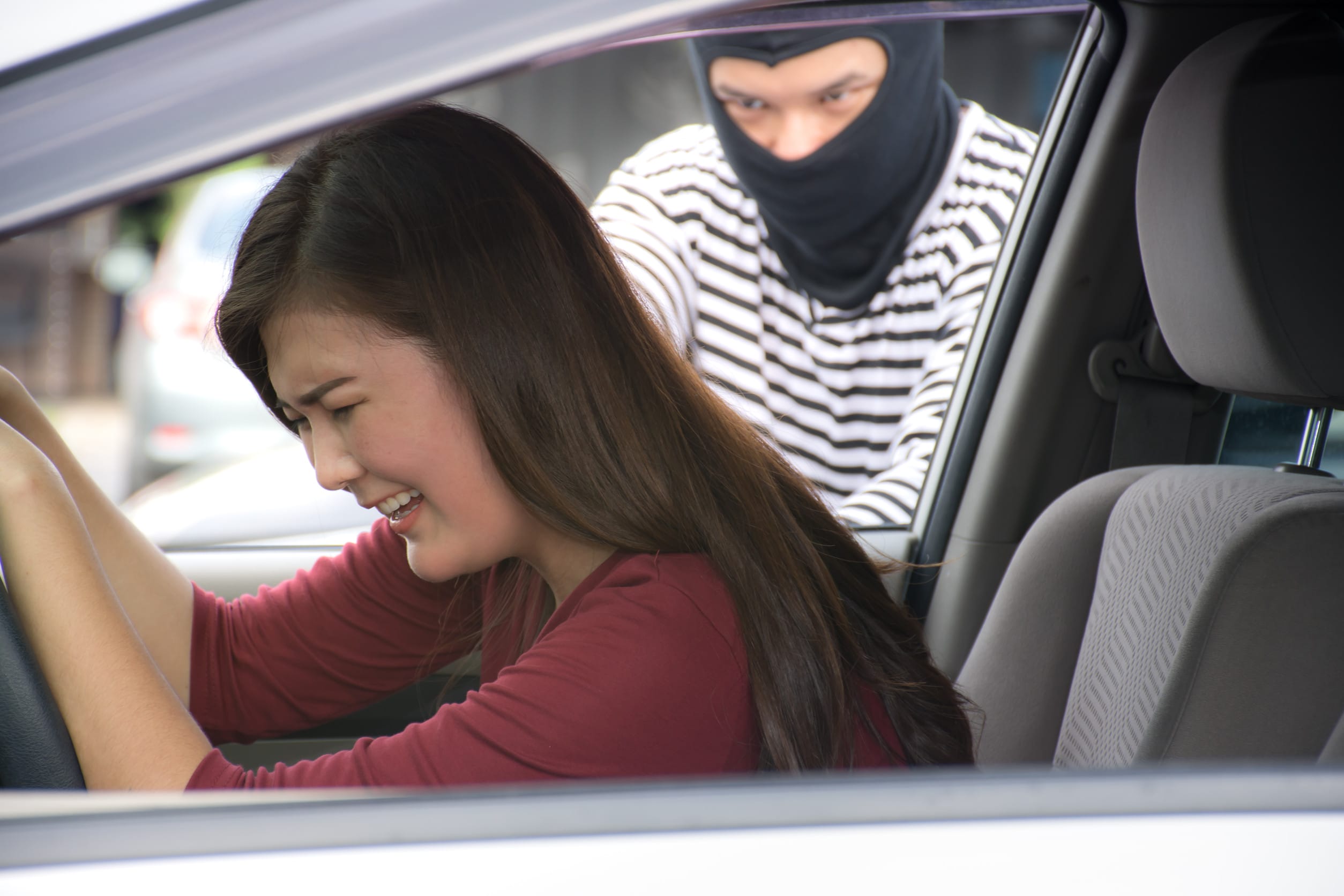
Think Items Are Going Missing? 6 Signs You May Be Living With a Thief

April 2, 2026 by Brandon Marcus Leave a Comment

Think Items Are Going Missing? 6 Signs You May Be Living With a Thief

Image Source: Pexels.com

There comes a moment when coincidence stops feeling like coincidence. One missing item turns into two, then three, and suddenly the pattern starts staring back like a blinking warning light that refuses to be ignored. That uneasy feeling creeps in quietly at first, but it builds fast once small losses start stacking up into something bigger. People often shrug it off in the early stages, telling themselves it must be forgetfulness, bad luck, or simple misplacement. But when things keep disappearing without explanation, that instinct to question what’s really happening deserves attention instead of dismissal.

Living under the same roof should feel safe, predictable, and steady, not like a low-grade mystery that never quite resolves. Yet when belongings vanish in ways that don’t make sense, the situation shifts from frustrating to deeply unsettling. Trust becomes shaky, and even ordinary routines start to feel off-balance. Recognizing the signs early can prevent things from spiraling into bigger problems, especially when theft tends to escalate over time rather than stop on its own.

1. The “Now You See It, Now You Don’t” Pattern That Keeps Repeating

A one-time disappearance can feel like a fluke, but repeated losses tell a completely different story. When items vanish in a consistent way—especially things you use often—that pattern signals something more deliberate than forgetfulness. Small, everyday objects like cash, chargers, or clothing pieces often go first because they attract less attention and create plausible deniability. Over time, those missing items begin to form a trail that feels too structured to ignore.

Pay attention to frequency rather than size, because thieves often start small to avoid suspicion. Someone testing boundaries may remove low-value items first, then gradually move toward things that matter more. This gradual escalation doesn’t happen randomly; it reflects a calculated approach that relies on hesitation and doubt from others in the home. When multiple items disappear over weeks or months, especially from the same spaces, that pattern rarely comes from coincidence.

Another key detail involves timing, because missing items often line up with specific absences or routines. If belongings disappear when certain people stay home alone or have access to your space, that detail adds another layer of concern. The pattern doesn’t need to feel dramatic to matter—it just needs to repeat consistently. Tracking those instances mentally or even jotting them down can bring clarity faster than relying on memory alone.

2. Your Space Starts Feeling… Disturbed

There’s a difference between a messy room and one that feels subtly off. When drawers sit slightly ajar, belongings shift out of place, or personal items appear handled differently, that feeling of disturbance becomes hard to ignore. It doesn’t always scream “something’s wrong,” but it whispers it just loudly enough to create discomfort. That subtle disruption often points to someone going through your belongings without permission.

People who take items rarely leave things exactly as they found them, even when they try. Small details—like folded clothes that now sit differently or bags that look rummaged through—can signal unauthorized access. These clues matter because they show intent rather than accident, especially when they happen repeatedly. Even shared spaces can reveal patterns when certain areas look consistently disturbed after someone else uses them.

Trust that instinct when something feels off, because that gut reaction often picks up on details before logic catches up. Ignoring that feeling can delay action and allow the behavior to continue. Instead of brushing it aside, take note of when and where those disruptions occur. Over time, those observations can paint a clearer picture of what’s really happening.

3. Money and Valuables Begin to Shrink in Sneaky Ways

Cash doesn’t leave a trail, which makes it one of the first targets in many theft situations. When small amounts go missing from wallets, purses, or loose storage spots, it can feel easy to second-guess the loss. Maybe it got spent and forgotten, or maybe it never existed in the first place—at least that’s what the situation tries to suggest. But consistent shortages, even small ones, often indicate intentional removal rather than simple oversight.

Valuables don’t always disappear all at once either. Jewelry, electronics, or collectible items might go missing one at a time, spaced out to avoid detection. This slow approach allows someone to take more over time without raising immediate alarm. That strategy relies on hesitation and uncertainty, which gives the person responsible more opportunity to continue.

Keeping track of valuables becomes essential in these situations, not out of paranoia but out of practicality. Simple habits like photographing items or noting where they stay can help establish clarity if something disappears. These steps don’t accuse anyone directly, but they create a record that removes doubt. When losses stop feeling random and start following a pattern, documentation can make all the difference.

Think Items Are Going Missing? 6 Signs You May Be Living With a Thief

Image Source: Pexels.com

4. Defensive Behavior That Feels a Little Too Strong

When suspicion enters a shared space, behavior often shifts—and not always in subtle ways. Someone who reacts with immediate defensiveness, anger, or exaggerated denial when the topic of missing items comes up may raise concern. Strong reactions don’t prove guilt on their own, but they can signal discomfort with the subject. That discomfort sometimes comes from knowing more than they admit.

Watch for overreactions that don’t match the situation, especially when no direct accusation has been made. A casual mention of missing items shouldn’t trigger hostility or intense emotional responses. When it does, that mismatch can feel like a red flag worth paying attention to. It suggests that the conversation touches a nerve in a way that feels disproportionate.

Changes in routine can also reveal something deeper. Someone may start avoiding shared spaces, limiting interactions, or becoming unusually private. These shifts don’t confirm wrongdoing, but they add context when combined with other signs. Looking at behavior as part of a larger pattern helps separate coincidence from something more intentional.

5. Excuses That Keep Changing Shape

Everyone misplaces things occasionally, but explanations shouldn’t constantly evolve or contradict themselves. When someone offers different reasons each time an item goes missing, that inconsistency can point toward dishonesty. A believable explanation usually stays stable, even when questioned. Shifting stories, on the other hand, often signal an attempt to cover something up.

Pay attention to details within those explanations. Do timelines change? Do locations suddenly shift? Do reasons feel overly complicated for a simple situation? These inconsistencies don’t always stand out immediately, but over time they create a pattern that becomes harder to ignore. The more the explanation changes, the less reliable it becomes.

Consistency matters in everyday life, and that includes accountability. When explanations feel like they adjust to fit the moment, that flexibility can raise serious questions. Instead of accepting each new version at face value, compare them against previous ones. That comparison can reveal gaps that weren’t obvious at first glance.

6. You Start Locking Things… and It Actually Helps

One of the clearest indicators comes from a simple test: securing your belongings. When items suddenly stop disappearing after you lock them away, that change speaks volumes. It suggests that access—not coincidence—played a major role in the problem. This shift often provides the strongest confirmation that something deliberate has been happening.

Locking things up doesn’t solve the root issue, but it does create a boundary that limits opportunity. People who take advantage of easy access often stop when that access disappears. That reaction doesn’t require confrontation to understand what’s going on. The absence of new losses can act as its own form of evidence.

Taking practical steps like using lockboxes, securing rooms, or limiting access can protect belongings while you figure out next steps. These actions focus on safety rather than accusation, which helps keep the situation grounded. If theft continues even after those measures, that escalation signals an even more serious issue that may require outside help.

The Moment Everything Starts Adding Up

Once the signs begin lining up, the situation stops feeling like a guessing game and starts looking like a pattern with clear direction. Missing items, disturbed spaces, inconsistent explanations, and behavioral changes rarely occur in isolation when something isn’t right. Each piece alone might feel small, but together they create a picture that becomes difficult to ignore. Acting early can prevent further loss and reduce the emotional toll that comes with ongoing suspicion.

Have you ever noticed patterns like this in your own space, or found a surprising way to confirm what was really going on? Share your thoughts, strategies, or experiences in the comments—someone else might need that exact insight.

You May Also Like…

Why Does Financial Confidence Feel Fragile?

7 Financial Choices That Seem Safe Until They Aren’t

7 Signs Your Identity Has Been Stolen and What to Do Immediately

5 Warning Signs Someone Is Using Your Social Security Number

5 Simple Methods to Protect Your Identity From Cyber Theft

Brandon Marcus
Brandon Marcus

Brandon Marcus is a writer who has been sharing the written word since a very young age. His interests include sports, history, pop culture, and so much more. When he isn’t writing, he spends his time jogging, drinking coffee, or attempting to read a long book he may never complete.

Filed Under: Lifestyle Tagged With: home safety, household conflict, missing items, personal security, roommate issues, safety tips, stolen belongings, suspicious behavior, theft prevention, theft warning signs, trust issues

7 Places Criminals Watch Before Picking a Home to Rob

July 29, 2025 by Travis Campbell Leave a Comment

break in

Image Source: unsplash.com

Home security is something most people don’t think about until it’s too late. However, the truth is that criminals are constantly seeking easy targets. They don’t just pick a house at random. They watch, they wait, and they look for signs that make a home stand out as an easy mark. Understanding what draws their attention can help you protect your home and your family. If you know what criminals look for, you can take steps to make your house less appealing to them. Here are seven places criminals watch before picking a home to rob, and what you can do about it.

1. The Front Door

The front door is the first thing most people see, and criminals are no different. They watch to see if you leave your door unlocked or if you have a habit of leaving packages out for hours. A door with a flimsy lock or a broken frame is an open invitation. Criminals also look for spare keys hidden under mats or in fake rocks. If you have a lot of mail or packages piling up, it tells them you might be away. Make sure your front door is sturdy, always locked, and never leave spare keys in obvious places. Install a peephole or a smart doorbell camera for extra security. The front door is often the first place a criminal will try, so don’t make it easy for them.

2. Windows Facing the Street

Windows that face the street give criminals a clear view inside your home. They can see if you have expensive electronics, jewelry, or other valuables. Open curtains or blinds make it even easier for them to spot what’s worth stealing. At night, lights inside your home can turn your windows into a display case. Criminals may also look for windows that are left open or unlocked, especially on the ground floor. To protect yourself, keep valuables out of sight and close your blinds or curtains at night. Consider using frosted glass or window film for extra privacy. Secure all windows with locks, even those on upper floors.

3. The Garage

Garages are a favorite target for criminals. They often contain tools, bikes, and sometimes even unlocked doors leading into the house. Criminals watch to see if you leave your garage door open or if you forget to close it at night. They also look for older garage doors that are easy to force open. Some even use universal remotes to try and open garage doors in the neighborhood. Always close your garage door, even if you’re just running inside for a minute. Upgrade to a modern garage door opener with rolling codes, which are much harder to hack. Lock the door between your garage and your house for an extra layer of security.

4. Side Gates and Fences

Side gates and fences are supposed to keep people out, but they can also give criminals a place to hide. Criminals watch to see if your gate is left unlocked or if your fence is easy to climb. Overgrown bushes or trees near the fence can give them cover while they work. If your gate is old or broken, it’s an easy way in. Make sure your gates are always locked and in good repair. Trim back any plants that could give someone a place to hide. Consider adding motion-activated lights near side entrances to make it harder for criminals to go unnoticed.

5. The Backyard

The backyard is often out of sight from the street, which makes it a perfect spot for criminals to sneak in. They watch for signs that you don’t spend much time back there, like overgrown grass or unused furniture. If you leave ladders or tools out, you’re giving them the means to break in. Criminals also look for sliding glass doors, which are often less secure than front doors. Keep your backyard tidy and put away anything that could be used to break into your home. Install locks on all doors and windows leading to the backyard. Motion lights and security cameras can also help deter unwanted visitors.

6. Trash and Recycling Bins

It might sound strange, but your trash can tell criminals a lot about you. They watch for boxes from new electronics, like TVs or computers, which signal that you have something valuable inside. Even old mail or documents can give away personal information. Criminals sometimes go through trash to find out when you’re away or to steal your identity. Shred any documents with personal information before throwing them out. Break down boxes and put them inside recycling bins, not out on the curb. Be mindful of what you throw away and when.

7. Your Daily Routine

Criminals are patient. They watch to see when you leave for work, when you come home, and when the house is empty. If you have a predictable schedule, it’s easy for them to pick the best time to break in. They may also look for signs that you’re on vacation, like lights that never turn on or mail piling up. Vary your routine when you can. Use timers for lights and ask a neighbor to collect your mail if you’re away. Don’t post your travel plans on social media. The less predictable you are, the harder it is for criminals to target your home.

Make Your Home a Hard Target

Criminals look for easy opportunities. They watch for weak spots and predictable routines. By understanding the places they watch, you can take simple steps to make your home less appealing. Secure your doors and windows, keep your property tidy, and don’t advertise your valuables. Small changes can make a big difference.

What steps have you taken to make your home less of a target? Share your thoughts in the comments.

Read More

8 Things You’re Doing That Make Criminals Think You’re an Easy Target

How Criminals Pick Their Targets—8 Everyday Mistakes That Make You Vulnerable

Travis Campbell
Travis Campbell

Travis Campbell is a digital marketer/developer with over 10 years of experience and a writer for over 6 years. He holds a degree in E-commerce and likes to share life advice he’s learned over the years. Travis loves spending time on the golf course or at the gym when he’s not working.

Filed Under: Crime & Safety Tagged With: burglary prevention, Crime, home protection, home security, neighborhood safety, safety tips

Home Security Mistakes That Attract Break-Ins

July 8, 2025 by Travis Campbell Leave a Comment

home security

Image Source: pexels.com

Keeping your home safe is about more than just locking the doors at night. Many homeowners unknowingly make home security mistakes that can turn their property into an easy target for break-ins. With burglary rates still a concern in many neighborhoods, understanding these common errors is crucial for protecting your family and valuables. Even small oversights can have significant consequences, and burglars often seek the path of least resistance. By learning what not to do, you can make your home less appealing to would-be intruders and gain peace of mind. Let’s break down the most common home security mistakes and how you can avoid them.

1. Hiding Spare Keys in Obvious Places

Leaving a spare key under the doormat or inside a fake rock might seem convenient, but it’s one of the most common home security mistakes. Burglars know all the usual hiding spots—flower pots, mailboxes, and even above the door frame. Instead of making it easy for someone to find your spare, consider giving it to a trusted neighbor or investing in a secure lockbox. This simple change can prevent a break-in and keep your home safer.

2. Neglecting to Lock Doors and Windows

It’s easy to forget to lock a back door or a ground-floor window, especially if you’re just stepping out for a few minutes. However, unlocked entry points are a leading cause of break-ins. Many burglars enter homes through doors or windows that were left open or unlocked. Make it a habit to check all doors and windows before leaving or going to bed. Consider installing smart locks or window sensors for added peace of mind.

3. Letting Your Home Look Unoccupied

A home that appears empty is an open invitation for burglars. Leaving lights off for days, letting mail pile up, or neglecting to maintain your yard can signal that no one is home. Use timers for lights, ask a neighbor to collect your mail, and keep your lawn trimmed—even when you’re away. These small steps can make your home look lived-in and deter potential intruders. The FBI’s Uniform Crime Reporting program highlights that most burglaries occur when homes are unoccupied, so don’t make it obvious.

4. Posting Travel Plans on Social Media

Sharing vacation photos or announcing your travel plans online might seem harmless, but it’s one of the riskiest home security mistakes. Public posts can alert would-be burglars that your home is empty. Even if your accounts are private, information can spread quickly. Wait until you return to share your adventures and remind family members to do the same. Protecting your privacy online is just as important as locking your doors.

5. Ignoring Outdoor Lighting

A dark exterior gives burglars the cover they need to approach your home unnoticed. Failing to install or maintain outdoor lighting is a mistake that can make your property more vulnerable. Motion-activated lights or smart lighting systems can illuminate entry points and deter intruders. Focus on lighting up pathways, driveways, and all entrances. Well-lit homes are far less attractive to criminals.

6. Skipping Security System Upgrades

Relying on outdated security systems or not having one at all is a major home security mistake. Modern systems offer features like remote monitoring, instant alerts, and integration with smart devices. If your system is more than a few years old, consider upgrading to take advantage of the latest technology. Even visible security cameras can be a strong deterrent. The National Council for Home Safety and Security reports that homes without security systems are up to 300% more likely to be broken into.

7. Leaving Valuables in Plain Sight

Burglars often “window shop” before choosing a target. Leaving expensive electronics, jewelry, or other valuables visible from the street can make your home more tempting. Keep curtains or blinds closed, especially in rooms where you store valuables. If you need to leave items outside, ensure they’re not visible from the outside. A little discretion goes a long way in preventing break-ins.

8. Forgetting About the Garage

The garage is often overlooked when it comes to home security mistakes. Many people leave garage doors unlocked or fail to secure the door leading from the garage into the house. Burglars know this and may use the garage as an easy entry point. Always lock your garage doors and consider adding a security sensor. Don’t leave tools or ladders out, as these can help intruders gain access to your home.

Make Your Home a Hard Target

Avoiding these common home security mistakes doesn’t require expensive gadgets or complicated systems. It’s about being aware, staying consistent, and making small changes that add up to big protection. By locking up, keeping your home looking lived-in, and staying mindful of what you share online, you can make your home a much less attractive target for break-ins. Remember, most burglars are looking for easy opportunities—don’t give them one.

What home security mistakes have you noticed in your neighborhood, or what tips do you swear by? Share your thoughts in the comments!

Read More

Federal Reserve Report: Hang On For Rough Ride…

Ripped From the Headlines: Bad Holiday Economic Mood

Travis Campbell
Travis Campbell

Travis Campbell is a digital marketer/developer with over 10 years of experience and a writer for over 6 years. He holds a degree in E-commerce and likes to share life advice he’s learned over the years. Travis loves spending time on the golf course or at the gym when he’s not working.

Filed Under: Crime & Safety Tagged With: break-ins, burglary prevention, home protection, home security, Personal Finance, safety tips, security mistakes

Stop Doing These 8 Things When Selling on Facebook Market Place-They Are Dangerous

June 11, 2025 by Travis Campbell Leave a Comment

facebook

Image Source: pexels.com

Selling on Facebook Marketplace can be a fantastic way to declutter your home and make some extra cash. But as the platform grows, so do the risks. Many sellers jump in without realizing the potential dangers lurking behind seemingly simple transactions. From scams to personal safety threats, the wrong move can cost you money, time, or even your well-being. If you want to protect yourself and your wallet, it’s time to rethink your approach. Here are eight things you should stop doing immediately when selling on Facebook Marketplace—they’re not just mistakes, they’re dangerous.

1. Meeting Buyers at Your Home

Inviting strangers to your home might seem convenient, but it’s a major safety risk. You never truly know who’s on the other side of the screen. Criminals have been known to use online marketplaces to scout for easy targets. Instead, always arrange to meet in a public, well-lit place—many police stations even offer safe exchange zones specifically for this purpose. Your safety is worth the extra effort.

2. Accepting Overpayments or Unusual Payment Methods

If a buyer offers to pay more than your asking price or insists on using a payment method you’ve never heard of, it’s a red flag. Scammers often send fake checks or use fraudulent payment apps, hoping you’ll send them the “difference” before you realize the payment is bogus. Stick to cash or trusted payment platforms like PayPal or Venmo, and never accept overpayments. If something feels off, trust your instincts and walk away.

3. Sharing Personal Information

It’s easy to let your guard down during friendly chats, but never share personal details like your address, phone number, or banking information. Scammers can use this data for identity theft or other malicious purposes. Communicate only through Facebook Messenger and keep conversations focused on the transaction. Protecting your privacy is essential when selling on Facebook Marketplace.

4. Ignoring Red Flags in Buyer Behavior

If a buyer is overly eager, pushes for a quick sale, or avoids answering your questions, take notice. These behaviors often signal a scam. Genuine buyers will ask reasonable questions and respect your process. Don’t let the excitement of a potential sale cloud your judgment. If a buyer’s behavior seems suspicious, losing a sale is better than becoming a victim.

5. Failing to Document the Transaction

Not keeping records of your conversations, payment agreements, and item condition can backfire. If a dispute arises, you’ll need proof of what was agreed upon. Take screenshots of messages, save payment confirmations, and photograph the item before handing it over. This documentation can protect you if a buyer tries to claim the item was damaged or never received.

6. Skipping Research on Item Value

Selling an item without knowing its true value can lead to being lowballed or scammed. Some buyers prey on uninformed sellers, offering far less than an item is worth. Take a few minutes to research similar listings and recent sales. This knowledge empowers you to set a fair price and recognize when someone is trying to take advantage of you.

7. Letting Buyers Test Items Unsupervised

Allowing a buyer to “test” an item, especially electronics or vehicles, without supervision is risky. There have been cases where buyers simply walk off with the item, never to be seen again. Always stay present during any demonstration or test. If the item is too large to move, consider recording a video of it working before the meetup to show the buyer.

8. Rushing the Sale

Desperation to sell quickly can cloud your judgment and make you vulnerable to scams or unsafe situations. Take your time to vet buyers, confirm payment, and arrange a safe meeting spot. Remember, it’s better to wait for a trustworthy buyer than to rush into a deal you’ll regret. Patience is your best defense when selling on Facebook Marketplace.

Protect Yourself and Your Profits

Selling on Facebook Marketplace doesn’t have to be risky, but it requires vigilance. Avoiding these eight dangerous mistakes can keep your transactions safe, smooth, and profitable. Remember, your safety and financial security are always more important than making a quick sale. Stay alert, trust your instincts, and use the platform’s tools to your advantage. The right precautions can make all the difference.

What’s the most surprising or frustrating experience you’ve had selling on Facebook Marketplace? Share your story in the comments!

Read More

6 Things to Look Out for When Applying for a Personal Loan

5 Common Mistakes for New Stock Traders and How to Avoid Them

Travis Campbell
Travis Campbell

Travis Campbell is a digital marketer/developer with over 10 years of experience and a writer for over 6 years. He holds a degree in E-commerce and likes to share life advice he’s learned over the years. Travis loves spending time on the golf course or at the gym when he’s not working.

Filed Under: Online Safety Tagged With: Facebook Marketplace, marketplace safety, Online Selling, Personal Finance, safety tips, scams, selling online

5 Phrases That Could Save You If You’re About to Get Carjacked

March 7, 2025 by Latrice Perez Leave a Comment

Carjacking

Image Source: 123rf.com

Carjackings are becoming increasingly common in both urban and suburban areas, and criminals are growing bolder in their tactics. A carjacking can happen at stoplights, parking lots, gas stations, or even in your own driveway. Many victims freeze up or panic, unsure of what to do or say in such a terrifying situation. However, the right words at the right moment can sometimes de-escalate the threat and even save your life. Knowing these five key phrases and how to use them could mean the difference between a close call and a dangerous encounter.

Take the Car, It’s Not Worth My Life

Your first instinct in a carjacking situation might be to resist or argue, but this is one of the most dangerous things you can do. Most carjackers are armed, and they are ready to use force if necessary. The best way to protect yourself is to show that you are not going to fight back. Saying that the car is not worth your life signals that you are not a threat and that you are willing to comply. This can lower the criminal’s stress level, making it less likely that they will harm you. Your car can be replaced, but your life cannot.

My Kids Are in the Car, Let Me Get Them Out

If your children are in the car during a carjacking, you must prioritize their safety above everything else. Many criminals want the car, not a kidnapping charge, so stating that your kids are in the car and you need to get them out can make them hesitate. Most carjackers do not want to escalate the crime or deal with the added legal risk of abducting a child. This phrase can buy you time to safely remove your children before handing over the vehicle. However, it is crucial to remain calm and not make sudden movements that might agitate the attacker.

I Have a Medical Condition, Please Let Me Go

Medical Condition

Image Source: 123rf.com

Carjackers are criminals, but they are still human. If you find yourself in a dangerous situation where they are demanding more than just your car, such as forcing you to drive with them, this phrase might work in your favor. Saying that you have a medical condition and need to be let go could create hesitation in the attacker’s mind. Many criminals don’t want the additional complications of dealing with someone who might need medical attention. They may decide that letting you go is easier than taking the risk of something going wrong.

There’s a Tracker in the Car, You’ll Get Caught

Many modern vehicles come equipped with GPS tracking, and even criminals know this. If the carjacker seems hesitant or is demanding that you tell them about any security features, this phrase can make them reconsider stealing your vehicle. Saying that there is a tracker in the car and they will get caught plants doubt in their mind about whether taking the car is worth the risk. Some criminals may abandon their plan if they believe the car is too traceable. However, this should only be used if you feel the carjacker is debating their next move, as some may become aggressive if they feel trapped.

I’m Getting Out, The Keys Are in the Seat

How you exit the situation matters. Making sudden movements or reaching for something inside the car can put you at risk. Instead, use a calm, controlled voice and say that you are getting out and leaving the keys in the seat. This reassures the attacker that they will get what they want without needing to resort to violence. By placing the keys in an obvious spot and slowly exiting, you avoid triggering panic or suspicion. The goal is to get away safely, not to provoke a desperate reaction.

How to React in a Carjacking Situation

Even with the right words, your body language and actions are just as important. If you find yourself in a carjacking scenario, stay calm and avoid sudden movements. Quick movements can be misinterpreted as aggression or resistance. Keep your hands visible to show that you are not reaching for a weapon or trying to fight back. Comply with demands and hand over your car, wallet, or phone if asked, since your life is more valuable. Take mental notes of the carjacker’s appearance, including clothing, height, build, and any distinguishing features. Once you are safe, call the police immediately to report the crime.

What Not to Say During a Carjacking

While the right words can save your life, the wrong words can escalate the situation. Avoid saying anything confrontational or threatening. Telling the carjacker that they are not taking your car can provoke aggression. Claiming that you have a gun can put you in immediate danger unless you are trained and prepared to use it. Threatening to call the cops can make them panic and act violently. Identifying them or saying that you know who they are might make them more dangerous, as they may feel they need to silence you.

Surviving a Carjacking is the Priority

At the end of the day, no material possession is worth your life. Knowing what to say and how to react in a carjacking situation can increase your chances of walking away unharmed. These five key phrases, take the car, it’s not worth my life, my kids are in the car, let me get them out, I have a medical condition, please let me go, there’s a tracker in the car, you’ll get caught, and I’m getting out, the keys are in the seat, are designed to de-escalate the situation and keep you safe.

Stay aware of your surroundings, trust your instincts, and remember that the most important thing is to escape safely. If you’ve ever had a close call or used a smart tactic to avoid danger, share your experience in the comments. Your insight could help someone else stay safe.

Have you ever been carjacked? Did you get away safely? Let us know more about it in the comments below.

Read More:

How Much Should You Spend on Home Security?

From Promise to Peril: 10 AI Advancements That Could Go Horribly Wrong

Latrice Perez

Latrice is a dedicated professional with a rich background in social work, complemented by an Associate Degree in the field. Her journey has been uniquely shaped by the rewarding experience of being a stay-at-home mom to her two children, aged 13 and 5. This role has not only been a testament to her commitment to family but has also provided her with invaluable life lessons and insights.

As a mother, Latrice has embraced the opportunity to educate her children on essential life skills, with a special focus on financial literacy, the nuances of life, and the importance of inner peace.

Filed Under: safety Tagged With: car theft, carjacking survival, crime prevention, de-escalation tactics, emergency preparedness, personal safety, protecting yourself, safety tips, self-defense, street smarts

FOLLOW US

Search this site:

Recent Posts

  • Can My Savings Account Affect My Financial Aid? by Tamila McDonald
  • 12 Ways Gen X’s Views Clash with Millennials… by Tamila McDonald
  • What Advantages and Disadvantages Are There To… by Jacob Sensiba
  • 10 Tactics for Building an Emergency Fund from Scratch by Vanessa Bermudez
  • Call 911: Go To the Emergency Room Immediately If… by Stephen Kanaval
  • 7 Weird Things You Can Sell Online by Tamila McDonald
  • 10 Scary Facts About DriveTime by Tamila McDonald

Copyright © 2026 · News Pro Theme on Genesis Framework