• Home
  • About Us
  • Toolkit
  • Getting Finances Done
    • Hiring Advisors
    • Debt Management
    • Spending Plan
  • Insurance
    • Life Insurance
    • Health Insurance
    • Disability Insurance
    • Homeowners/Renters Insurance
  • Contact Us
  • Privacy Policy
  • Risk Tolerance Quiz

The Free Financial Advisor

You are here: Home / Archives for home security

Old Fashion Door Locks Don’t Work Anymore: Try These Five Burglar Resistant Alternatives

April 12, 2025 by Travis Campbell Leave a Comment

digital door lock

Image Source: unsplash.com

Traditional door locks have served us well for decades, but in today’s world, they’re increasingly vulnerable to break-ins. Modern burglars have become more sophisticated, using techniques like lock bumping, picking, and even key duplication to bypass conventional locks. If you’re serious about protecting your home, it’s time to upgrade to more secure alternatives. Here are five burglar-resistant options that provide superior protection for your home.

1. Biometric Fingerprint Smart Locks: Security at Your Fingertips

Biometric fingerprint locks represent a significant leap forward in home security technology. Unlike traditional locks that rely on keys that can be lost or duplicated, these systems use your unique fingerprint as the key.

Modern fingerprint locks feature advanced sensors that create detailed digital maps of authorized fingerprints, making them nearly impossible to fool. Many models include anti-tamper alarms that activate if someone attempts to force the lock. With no keyholes to pick and the ability to store multiple fingerprints, these locks offer convenience without compromising security.

The technology has improved dramatically in recent years, with sensors that can read fingerprints even when they’re slightly dirty or wet. Most systems also include backup methods like PIN codes or physical keys for emergencies, ensuring you’re never locked out of your home.

2. Palm Vein Recognition Locks: The Next Generation of Biometrics

Palm vein recognition locks take biometric security to the next level. They use infrared light to map the unique vein patterns beneath your skin. This technology, featured in locks like the eufy FamiLock S3 Max, offers several advantages over traditional fingerprint scanning.

Palm vein patterns are internal to your body, making them virtually impossible to replicate or forge. Unlike fingerprints, which can potentially be lifted from surfaces, vein patterns remain hidden and secure. The technology works reliably regardless of skin surface conditions like cuts, dirt, or oils.

These systems typically feature fast recognition speeds of less than a second and can be integrated with smartphone apps for remote management. While relatively new to the residential market, palm vein technology has been used in high-security commercial applications for years, proving its effectiveness against unauthorized access attempts.

3. Smart Locks with Ultra-Wideband Technology: Hands-Free Security

Ultra-wideband (UWB) smart locks represent the cutting edge of convenient security. These innovative locks, like the Schlage Sense Pro Smart Deadbolt showcased at CES 2025, can detect when an authorized smartphone or smartwatch is approaching your door with centimeter-level accuracy.

The lock automatically unlocks as you approach and relocks after you enter, eliminating the need to fumble with keys or even touch the lock. UWB technology is more precise than Bluetooth or Wi-Fi, preventing accidental unlocking from inside your home or from someone passing by outside.

These systems typically include multiple authentication methods, including PIN codes and NFC cards as backups. Many also feature tamper alerts that notify you immediately if someone attempts to force entry, giving you time to contact authorities before a break-in occurs.

4. Multi-Function Video Smart Locks: Security You Can See

Video smart locks combine several security technologies into one powerful package. Models like the TCL Smart Lock D1 Ultra integrate a smart lock, security camera, video doorbell, and display screen into a single unit.

These comprehensive systems allow you to see who’s at your door before unlocking it, record footage of visitors or potential intruders, and even communicate with delivery personnel without opening the door. The built-in cameras typically feature high-resolution video (often 2K) with wide-angle lenses and night vision capabilities.

Most video smart locks offer multiple unlocking methods, including fingerprint scanning, PIN codes, smartphone apps, and physical keys. The integration with home security systems provides an additional layer of protection, as attempted break-ins trigger both local alarms and notifications to your smartphone.

5. High-Security Mechanical Deadbolts: Traditional Security Reimagined

Modern high-security deadbolts offer significantly more protection than standard locks for those who prefer mechanical solutions. These advanced mechanical locks, like those from Kwikset’s Juno series, feature drill-resistant cylinders, reinforced strike plates, and pick-resistant designs.

The best models use patented key systems that prevent unauthorized duplication, a common security vulnerability with traditional locks. Many incorporate hardened steel components that resist sawing, drilling, and prying attempts.

Installation is crucial for these locks—using 3-inch screws to secure the strike plate to the door frame dramatically increases kick-in resistance. Some models also feature anti-bump technology that prevents a common technique burglars use to defeat standard pin tumbler locks.

Securing Your Home Beyond the Lock

While upgrading your door locks is essential, remember that comprehensive home security requires a layered approach. Consider reinforcing door frames, installing security cameras, and using smart lighting systems that simulate occupancy when you’re away.

The best security solution combines physical barriers with modern technology to create a system that deters burglars before they attempt entry. By replacing your outdated locks with one of these burglar-resistant alternatives, you’re taking a significant step toward creating a safer home for you and your family.

Have you upgraded your home’s door locks recently? What security features do you consider most important for protecting your property? Share your thoughts in the comments below!

Read More

Security Features in Printing Platforms: Keeping Your Data Safe

Why Criminals Are Placing USB Drives in Public Spaces and the Risks You Face

Travis Campbell
Travis Campbell

Travis Campbell is a digital marketer/developer with over 10 years of experience and a writer for over 6 years. He holds a degree in E-commerce and likes to share life advice he’s learned over the years. Travis loves spending time on the golf course or at the gym when he’s not working.

Filed Under: safety Tagged With: biometric locks, burglar-resistant locks, door security, home protection, home security, palm vein recognition, smart locks

10 Places Burglars Always Look When You Live In An Expensive Neighborhood

April 11, 2025 by Travis Campbell Leave a Comment

burglar breaking in

Image Source: pexels

Living in an upscale neighborhood might give you a sense of security, but it can actually make your home a prime target for sophisticated burglars. These criminals specifically scout affluent areas, knowing the potential for valuable items is higher. Understanding their tactics and favorite hiding spots can help you outsmart them before they strike. This guide reveals the top places burglars search when targeting homes in expensive neighborhoods, allowing you to take preventive measures to protect your valuables.

1. Master Bedroom Closets and Dressers

Master bedroom closets are typically the first place experienced burglars head when entering an upscale home. Most homeowners instinctively store jewelry, cash, and other valuables in dresser drawers or closet shelves, making these locations predictably lucrative for thieves. Professional burglars know to check behind clothing, in shoe boxes, and even inside pockets of rarely worn garments where valuables might be concealed. Women’s jewelry boxes are particularly targeted, with thieves often emptying entire containers rather than selecting individual pieces to maximize their haul. Smart homeowners are now investing in decoy jewelry boxes while keeping genuine valuables in unexpected locations throughout the home.

2. Home Office Drawers and Filing Cabinets

Home offices contain a wealth of both valuable items and sensitive information that makes them a burglar’s second stop. Desk drawers frequently hold emergency cash, expensive electronics, and sometimes even firearms that homeowners keep for protection. Filing cabinets may contain financial documents perfect for identity theft, including bank statements, investment information, and personal identification. Burglars know that many people store passwords, account information, and even safe combinations in seemingly secure office spaces. Professional thieves can quickly assess which documents might be valuable for resale on dark web marketplaces where personal information commands high prices.

3. Bathroom Medicine Cabinets and Vanities

Surprisingly, bathrooms rank high on a burglar’s checklist when targeting affluent homes. Prescription medications, particularly opioid painkillers and other controlled substances, can be extremely valuable on the black market and are often stored in predictable medicine cabinets. High-end cosmetics and skincare products found in luxury bathrooms can be easily resold, with some premium brands fetching hundreds of dollars per item. Wealthy homeowners often keep secondary jewelry stashes in bathroom vanities for convenience when preparing for social events. Some burglars specifically target bathrooms, knowing that expensive watches are often removed before showering and left on countertops or in drawers. Bathroom safes disguised as everyday items have become increasingly popular as homeowners become aware of this vulnerability.

4. Kitchen Hiding Spots

Kitchens in upscale homes often contain unexpected valuables that experienced burglars know to check. Freezers and refrigerators serve as improvised safes for many homeowners who believe these appliances are overlooked during break-ins. Burglars routinely check inside coffee canisters, fake food containers, and other kitchen storage items where cash or jewelry might be hidden. High-end kitchen equipment itself can be valuable, with professional-grade appliances and specialty cooking tools being portable targets for theft. According to a study by the National Council for Home Safety and Security, kitchen pantries are increasingly used as hiding spots for valuables, making them a standard checkpoint for experienced thieves.

5. Behind and Under Furniture

Seasoned burglars know that many homeowners believe the space behind or beneath furniture provides clever hiding places. Valuable items taped to the underside of drawers or behind picture frames are common hiding spots that thieves immediately check. Burglars will quickly look under mattresses, inside pillowcases, and between sofa cushions, where cash and small valuables are frequently concealed. Professional thieves often bring tools specifically designed to check these hidden areas efficiently, allowing them to search an entire room in minutes. According to security experts, burglars can identify which furniture pieces are most likely to conceal valuables based on their positioning and accessibility in the room.

6. Basement and Attic Storage

Remote storage areas like basements and attics often contain valuable collections and forgotten treasures in affluent homes. Vintage items, collectibles, and family heirlooms stored in these spaces can be worth significant amounts to knowledgeable thieves targeting upscale neighborhoods. Burglars specifically look for labeled boxes that might indicate valuable contents, such as “Electronics,” “Jewelry,” or “Important Documents.” Many homeowners mistakenly believe these areas are too inconvenient for burglars to search, making them paradoxically more vulnerable. Seasonal decoration storage often contains valuable items mixed with holiday ornaments, making these containers prime targets. Professional thieves allocate time to check these areas when targeting larger homes, where the potential payoff justifies the extended search.

7. Children’s Rooms and Playrooms

Children’s spaces are increasingly becoming hiding spots for valuables, but experienced burglars are well aware of this trend. Parents often conceal expensive items in children’s rooms, believing thieves will respect these spaces or overlook them during hurried break-ins. Toy boxes, stuffed animals with hidden compartments, and children’s bookshelves are all checked by thorough burglars. Gaming systems, high-end electronics, and collectible toys themselves can be valuable targets in affluent households. Burglars know that teenagers in wealthy families often have expensive items like designer clothing, smartphones, and even cash stashed in their rooms.

8. Garage and Workshop Areas

Garages in upscale neighborhoods often contain valuable equipment that burglars can quickly convert to cash. Power tools, specialized lawn equipment, and high-end sporting goods are easily resold and difficult to trace once stolen. Many homeowners store backup keys, garage door openers, and even safe combinations in predictable garage locations that experienced thieves immediately check. Luxury vehicles themselves may contain valuable items or serve as secondary targets if keys are located during the home search. Workshop areas often contain valuable raw materials like copper, specialized equipment, or collectible items that homeowners store away from the main living space.

9. Bookshelves and Hollow Books

Literary hiding spots remain popular despite being well-known to professional burglars targeting affluent neighborhoods. Hollow books, though considered clever by homeowners, are immediately identified by experienced thieves who know exactly how to spot them among genuine volumes. Burglars systematically check behind books on shelves where homeowners often tape envelopes containing cash or important documents. Valuable first editions and collectible books themselves can be targets for knowledgeable thieves specializing in literary theft. Decorative bookends, especially those appearing unusually heavy or ornate, are checked for hidden compartments or valuable materials.

10. Smart Home Devices and Electronics

Modern homes in expensive neighborhoods contain numerous electronic devices that store both physical valuables and digital assets. Burglars target smart home hubs, computers, and external hard drives that might contain cryptocurrency wallet information or financial records. Password managers and digital banking information stored on home computers can be more valuable than physical items in the long term. Professional thieves know to check behind televisions and entertainment centers, where homeowners often install small safes or hiding spots. According to cybersecurity experts, the theft of digital assets from home electronics has increased by 300% in affluent neighborhoods over the past five years.

Protecting Your Valuables: Beyond the Obvious

The most effective security strategy combines unpredictability with modern technology to create multiple layers of protection. Consider investing in a professionally installed security system with 24/7 monitoring rather than relying solely on hiding places experienced burglars already know about. Create a home inventory with photographs and serial numbers of valuable items, and ensure your insurance coverage adequately protects your most precious possessions. Consider using decoy valuables in predictable hiding spots while securing genuine items in unexpected locations or professionally installed safes. Remember that your best defense is making your home a difficult, time-consuming target that encourages burglars to move on to easier opportunities.

Have you discovered any creative hiding places that might outsmart even the most experienced burglars? Share your ideas in the comments below – just be careful not to reveal your actual security measures!

Read More

Your Home Isn’t as Safe as You Think: 5 Security Flaws Burglars Love

How Criminals Use Simple Chalk Marks to Target Homes for Burglary

Travis Campbell
Travis Campbell

Travis Campbell is a digital marketer/developer with over 10 years of experience and a writer for over 6 years. He holds a degree in E-commerce and likes to share life advice he’s learned over the years. Travis loves spending time on the golf course or at the gym when he’s not working.

Filed Under: Crime & Safety Tagged With: burglar tactics, burglary prevention, hiding valuables, home security, upscale neighborhood safety, valuable protection

8 Reasons To Never Hide Money Around Your Home

April 11, 2025 by Travis Campbell Leave a Comment

money on the table

Image Source: unsplash.com

Many people consider stashing cash around their homes as a safety net against financial emergencies or banking system failures. While the idea might seem prudent at first glance, hiding money at home carries significant risks that often outweigh the perceived benefits. Before you start tucking bills under your mattress or inside that hollowed-out book, consider these compelling reasons why financial experts advise against this practice.

1. Vulnerability to Theft Makes Your Hard-Earned Money an Easy Target

Home burglaries remain surprisingly common across America, with over 1 million occurring annually. Professional thieves know all the common hiding spots you might think are clever—from freezers to toilet tanks to fake food containers. Even if you believe your hiding place is unique, experienced burglars are trained to search thoroughly, often finding cash stashes within minutes of entering a home. The emotional trauma of a break-in is devastating enough without adding financial loss to the equation. Most importantly, unlike bank deposits, cash stolen from your home typically has no recovery mechanism or insurance protection.

2. Natural Disasters Can Destroy Cash Without Warning

Fire, floods, tornadoes, and hurricanes don’t discriminate when destroying property—including your hidden money. According to FEMA, natural disasters affect millions of American homes each year, causing billions in property damage. Paper money burns easily in house fires, with temperatures reaching over 1,100 degrees Fahrenheit within minutes. Water damage from floods or burst pipes can render cash unrecognizable or completely destroyed. Even if partially damaged, the process for redeeming mutilated currency through the Bureau of Engraving and Printing is lengthy and doesn’t guarantee full reimbursement. The psychological impact of losing both your home and financial safety net simultaneously can be devastating to recovery efforts.

3. Inflation Steadily Erodes Your Money’s Purchasing Power

When cash sits idle at home, inflation silently diminishes its value year after year. The historical average inflation rate of approximately 3% means money hidden for ten years loses nearly a third of its purchasing power. Unlike bank accounts or investments that can generate interest or returns to offset inflation, cash hidden at home only depreciates. According to economic research, even modest inflation rates compound dramatically over time, turning today’s emergency fund into tomorrow’s insufficient savings. Financial advisors consistently recommend keeping money in vehicles that, at minimum, match inflation rates to preserve wealth. Hidden cash represents a guaranteed negative return on your hard-earned money.

4. You Miss Valuable Interest and Investment Opportunities

Every dollar hidden at home is a dollar not working for your financial future. Even modest interest-bearing accounts can generate compound returns over time, while investment vehicles offer the potential for significant growth. According to financial experts, just $1,000 invested with a 7% average annual return grows to over $7,600 in 30 years without adding another penny. The opportunity cost of keeping substantial cash at home extends beyond immediate interest, impacting long-term financial security and retirement planning. Financial literacy research shows that understanding compound interest is one of the most important factors in building wealth over time. Hidden cash represents not just current lost interest but potentially thousands in foregone future earnings.

cash and coins

Image Source: unsplash.com

5. Home Insurance Policies Rarely Cover Large Cash Amounts

Most homeowners are shocked to discover their insurance policies typically limit cash coverage to between $200-$2,000, regardless of how much was actually lost. Standard homeowners insurance policies contain specific sub-limits for currency that fall far below what many people hide at home. Documentation requirements for cash claims are particularly stringent, often requiring proof of withdrawal and existence that most people simply don’t maintain. Insurance adjusters are trained to be skeptical of large undocumented cash claims following home disasters. Without photographic evidence and detailed records, recovering even the limited amount covered becomes extremely difficult after a loss.

6. Family Members May Not Know About Hidden Money

The tragic reality is that money hidden too well might never be found if something happens to you. Countless stories exist of family members discovering cash in walls, furniture, or books years after a loved one’s passing—sometimes accidentally during renovations or when selling property. Without proper documentation or communication, your emergency fund could become permanently lost rather than benefiting your heirs. Estate planning experts consistently warn against undocumented cash holdings as they complicate probate and may violate tax reporting requirements. The emotional impact of discovering a loved one kept secrets, even well-intentioned ones, can create family tension during already difficult times.

7. Hidden Cash Creates Unnecessary Stress and Anxiety

Managing secret cash stashes creates an ongoing psychological burden—constantly wondering if your money remains safe, remembering multiple hiding locations, and worrying about discovery. Research in behavioral economics shows that financial anxiety negatively impacts overall well-being and decision-making abilities. The cognitive load of maintaining and monitoring hidden money creates stress that formal banking eliminates through security systems and deposit insurance. People with hidden cash report checking their hiding spots frequently, sometimes developing obsessive behaviors around their secret funds. The peace of mind that comes with proper financial planning often outweighs any perceived benefits of having immediate cash access.

8. Legal Currency Reporting Requirements May Be Overlooked

Large cash transactions and holdings can trigger legal reporting requirements that many people aren’t aware of when hiding money. The IRS requires reporting of cash transactions over $10,000, and structuring smaller transactions to avoid this limit is illegal. According to IRS guidelines, unexplained large cash deposits can trigger audits or investigations when eventually deposited into financial institutions. Law enforcement increasingly views large undocumented cash holdings with suspicion during investigations, potentially creating legal complications even for legitimate money. Financial transparency laws continue to tighten globally, making cash-based financial strategies increasingly problematic from a compliance perspective. The legal consequences of improper cash handling can far outweigh any temporary convenience of home storage.

Secure Alternatives That Protect Your Financial Future

Instead of risking your financial security with cash hidden around your home, consider FDIC-insured bank accounts, credit unions, or even secure safe deposit boxes for important documents and small valuables. Modern banking offers numerous options for emergency fund access while protecting against theft, disaster, and inflation. Digital banking now provides instant access to funds through multiple channels while maintaining security protections that no home hiding spot can match. Financial advisors recommend diversifying emergency funds across multiple secure vehicles rather than consolidating in cash. Remember that financial security comes not from physical proximity to your money but from wise management and protection strategies.

Have you ever hidden money at home and experienced any of these risks firsthand? Share your experiences in the comments below!

Read More

10 Places That Burglars Are Hoping You’ll Hide Your Cash and Jewelry (So Don’t)

Your Home Isn’t as Safe as You Think: 5 Security Flaws Burglars Love

Travis Campbell
Travis Campbell

Travis Campbell is a digital marketer/developer with over 10 years of experience and a writer for over 6 years. He holds a degree in E-commerce and likes to share life advice he’s learned over the years. Travis loves spending time on the golf course or at the gym when he’s not working.
Filed Under: money management Tagged With: cash storage, emergency funds, Financial Security, home security, money management, Personal Finance, Planning

False Sense of Security: Why Relying Solely on a Fence Could Leave You Vulnerable

March 24, 2025 by Latrice Perez Leave a Comment

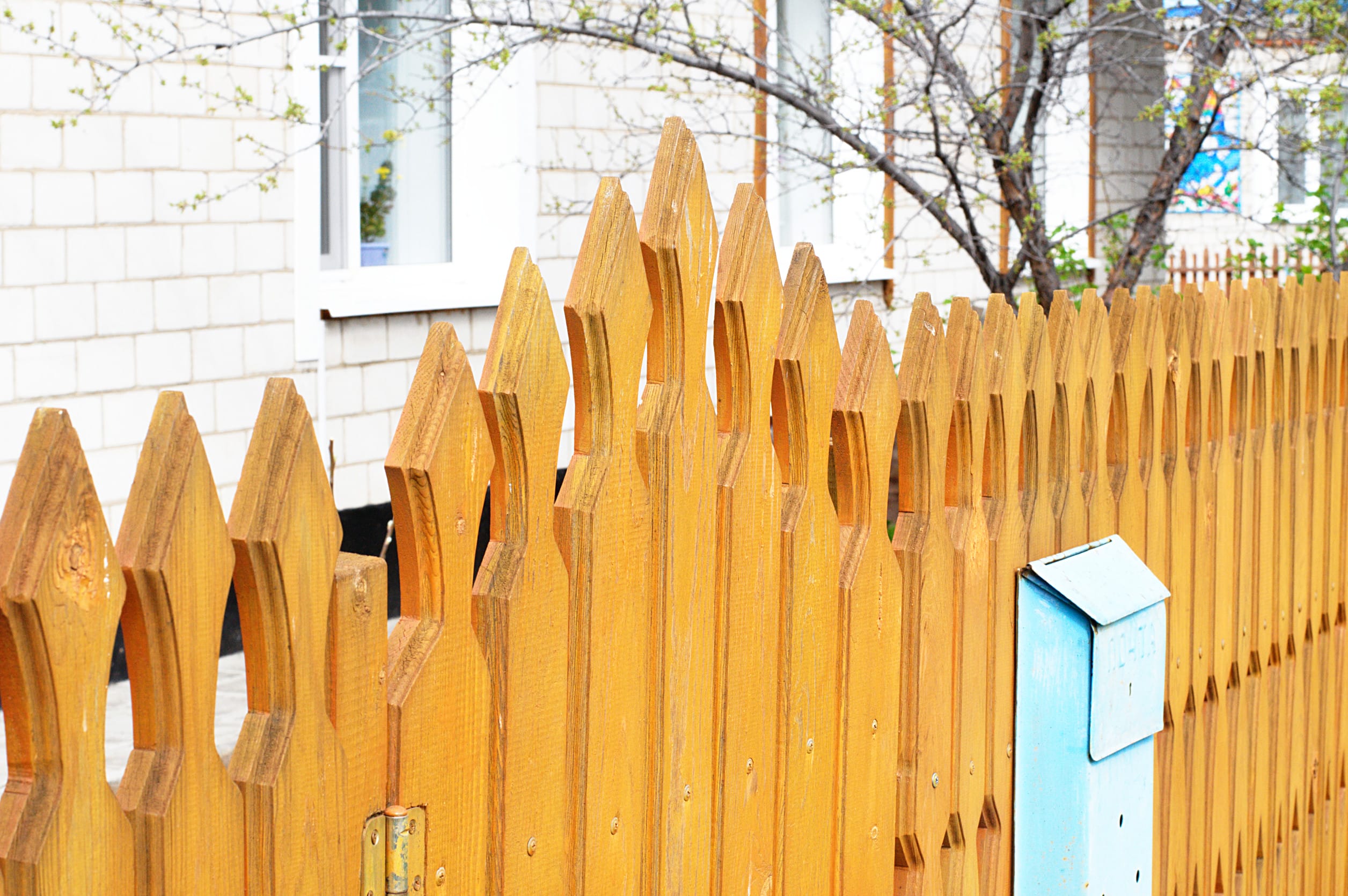
Fence Around a House

Image Source: 123rf.com

Relying solely on a fence for home security can provide a deceptive sense of safety, potentially leaving homeowners vulnerable to various threats. While fences serve as physical barriers, their effectiveness is limited without the integration of additional security measures. Understanding these limitations is crucial for developing a comprehensive security strategy.​

Limitations of Fences as Sole Security Measures

Fences, depending on their design and materials, can be susceptible to breaches. For instance, chain-link fences, while economical, are easy to climb and vandalize, offering limited protection against determined intruders. Wooden fences, although aesthetically pleasing, require regular maintenance to prevent deterioration, which can compromise their integrity over time. Moreover, standard fences can obstruct visibility, making it challenging to monitor activities occurring beyond the perimeter, thereby delaying response times during security breaches. These factors highlight that fences alone may not provide a comprehensive security solutions.

The Importance of Layered Security

A robust security posture extends beyond the installation of a fence, embracing a layered approach that incorporates multiple protective elements. This strategy involves combining physical barriers with technological advancements and environmental design to deter, detect, and delay potential intrusions. By integrating various security measures, homeowners can significantly enhance the protection of their properties. For instance, incorporating surveillance systems, access controls, and environmental design principles can collectively create a more formidable security environment. ​

Enhancing Security Beyond the Fence

Home Security

Image Source: 123rf.com

Surveillance Systems

Deploying security cameras adds an extra layer of protection by monitoring activities around the property. Modern systems can alert homeowners to movements in real-time, allowing for prompt responses to suspicious activities. Visible cameras serve as deterrents to potential intruders, while hidden ones can capture evidence without alerting trespassers. However, it’s essential to ensure that these cameras are integrated with compatible lighting systems to capture clear images, especially during nighttime. ​

Access Control

Automated gates and access control systems regulate who enters the property, ensuring that only authorized individuals gain access. These systems can be integrated with intercoms and keypads for enhanced security. They also offer convenience by reducing the need for manual operation, thereby minimizing human error. Electric gates are challenging for criminals to force open, enhancing the overall security of the premises. ​

Perimeter Intrusion Detection Systems (PIDS)

Advanced technologies, such as radar-based perimeter security systems, detect movements along the fence line, alerting homeowners to potential intrusion attempts. These systems offer enhanced detection capabilities and improved situational awareness, extending security reach beyond property lines. By harnessing the power of radio waves, radar systems provide a powerful tool in enhancing security measures, making them invaluable assets in protecting residential homes.

Environmental Design

Implementing Crime Prevention Through Environmental Design (CPTED) principles, such as maintaining clear visibility around the property and eliminating hiding spots, can deter criminal activity. Proper lighting and landscaping play pivotal roles in this strategy. For example, designing streets to increase pedestrian and bicycle traffic, placing windows overlooking sidewalks and parking lots, and using transparent weather vestibules at building entrances can enhance natural surveillance. Additionally, using the shortest, least sight-limiting fence appropriate for the situation can further deter potential offenders.

Motion-Sensor Lighting

Installing motion-activated lights around entry points and pathways can deter intruders by exposing their presence, thereby reducing the likelihood of unauthorized access. These lights are designed to illuminate suddenly upon detecting movement, startling intruders who prefer to operate under the cover of darkness. Compared to leaving outdoor lights on continuously, motion-activated lights are more energy-efficient and cost-effective, activating only when they detect movement. This sudden exposure can make intruders feel vulnerable, deterring them from pursuing their plans. ​

Natural Barriers

Planting thorny shrubs or dense vegetation near vulnerable areas, such as windows, can serve as natural deterrents against intruders, adding an extra layer of security. These natural barriers make it more challenging for potential intruders to access entry points, thereby enhancing the overall security of the property. Additionally, well-maintained landscaping can improve visibility, reducing hiding spots for intruders and increasing the perceived risk of detection. ​

Fences Alone Can Lead to Vulnerabilities

While fences contribute to the overall security of a property, relying on them exclusively can lead to vulnerabilities. A comprehensive security plan that integrates physical barriers with technological solutions and strategic environmental design is essential for effective protection. By adopting a multifaceted approach, homeowners can mitigate risks and enhance the safety of their residences. Investing in layered security measures not only protects property but also provides peace of mind.​

Read More:
They Quit Without a Safety Net—Here’s Are 12 Things Millennials Wish They Knew First
Road Trip Safety: No One Should Travel Without These 12 Essentials In Their Car
Latrice Perez

Latrice is a dedicated professional with a rich background in social work, complemented by an Associate Degree in the field. Her journey has been uniquely shaped by the rewarding experience of being a stay-at-home mom to her two children, aged 13 and 5. This role has not only been a testament to her commitment to family but has also provided her with invaluable life lessons and insights.

As a mother, Latrice has embraced the opportunity to educate her children on essential life skills, with a special focus on financial literacy, the nuances of life, and the importance of inner peace.

Filed Under: safety Tagged With: fence limitations, home security, layered security, perimeter intrusion detection​, surveillance systems

8 Signs Your Neighbor Is Watching You (And What to Do About It)

March 19, 2025 by Latrice Perez Leave a Comment

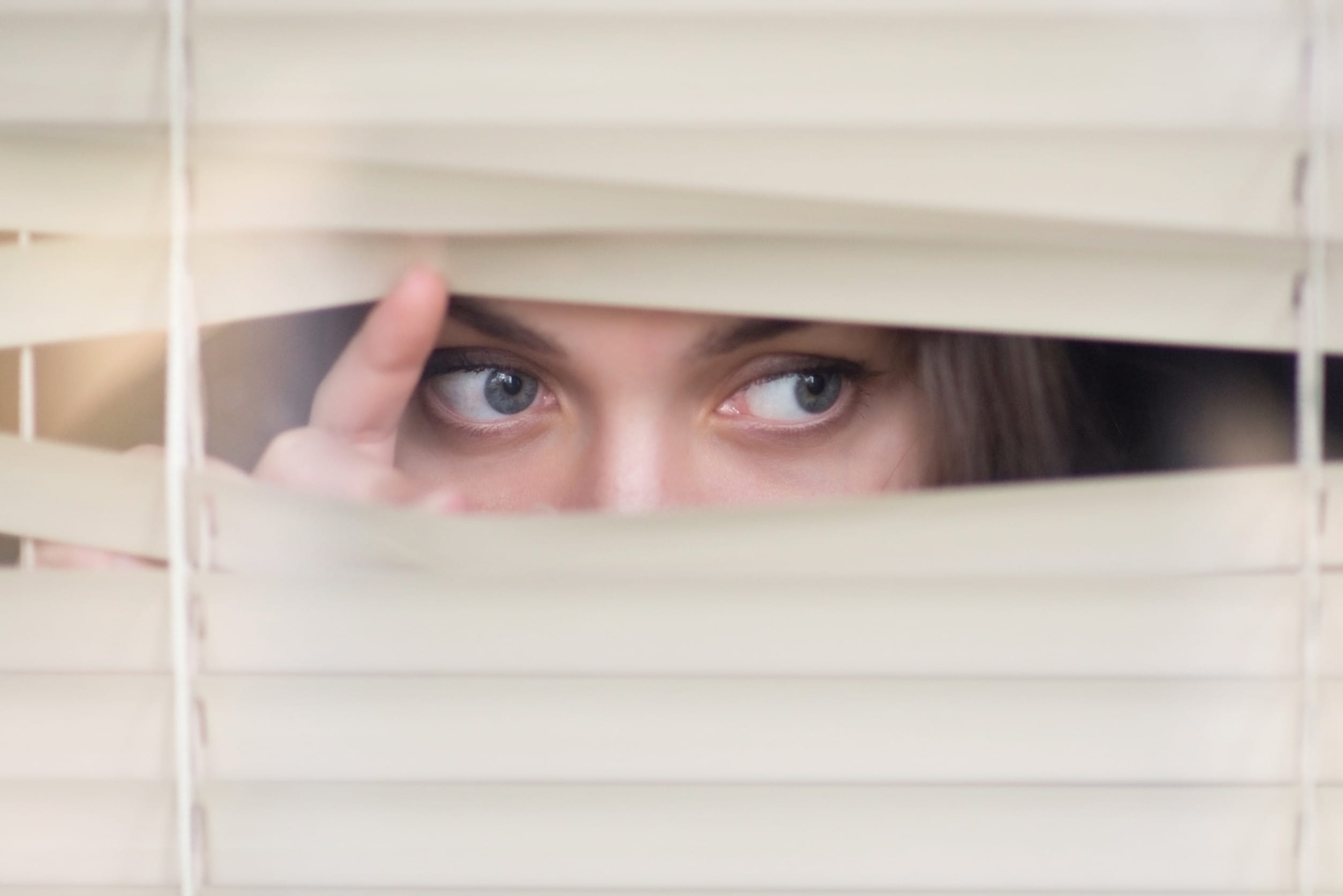
Peeking out the window

Image Source: 123rf.com

Feeling uneasy in your own home due to a neighbor’s intrusive behavior can be distressing. Recognizing the signs of unwarranted surveillance is the first step toward reclaiming your privacy and peace of mind. Here are eight indicators that a neighbor might be watching you, along with actionable steps to address the situation.​

1. They Seem to Know Your Schedule

If your neighbor frequently appears outside when you leave or return home, or comments on your daily activities, it may indicate they’re closely monitoring your movements. While casual observations are normal, consistent awareness of your routine is a red flag.

What to Do: Vary your schedule when possible to make your routines less predictable. Consider adjusting your departure and arrival times or using different routes to and from your home.​

2. Unusual Placement of Surveillance Equipment

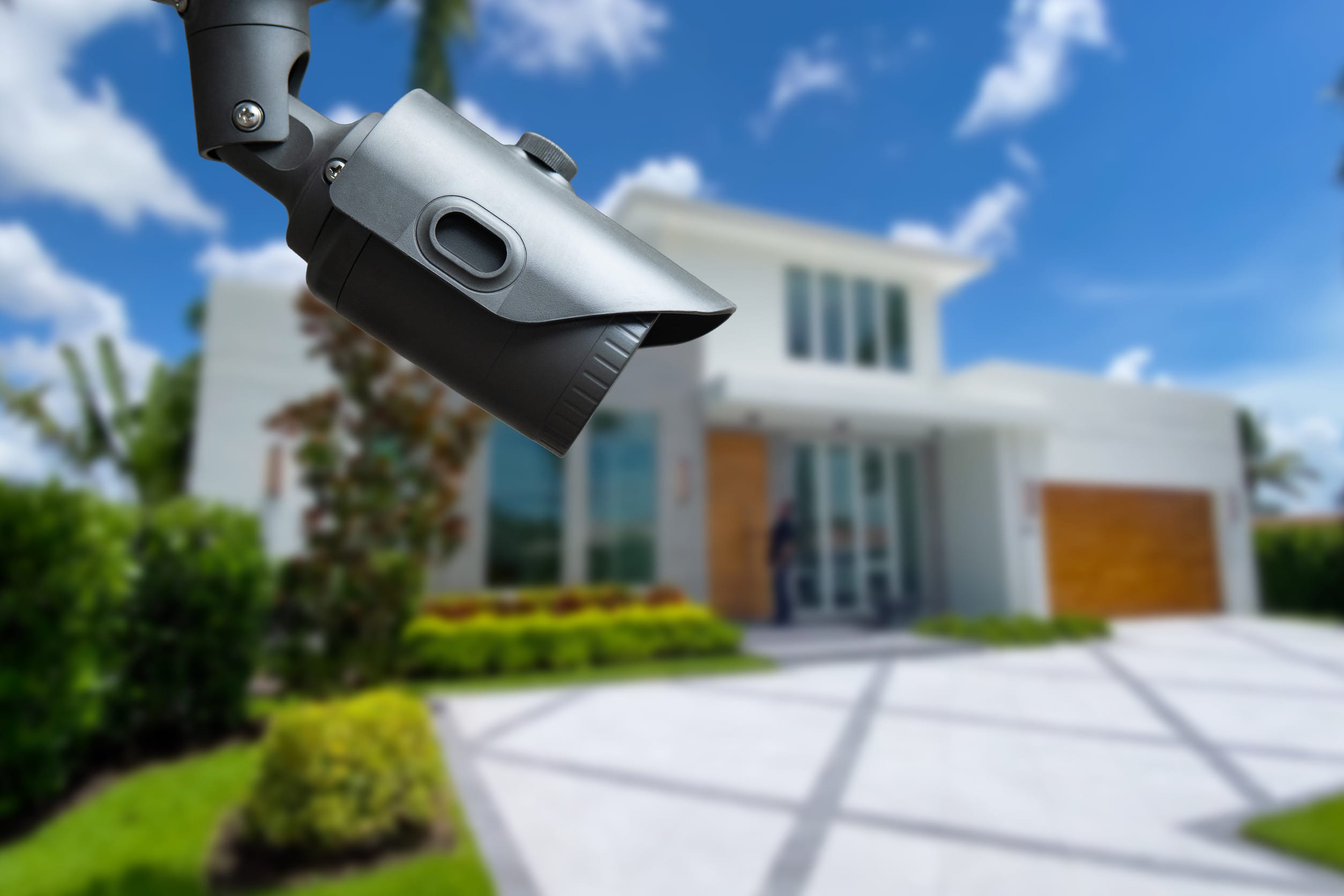
Security cameras are common in many neighborhoods, but when a neighbor’s cameras seem to be pointing directly at your home, it can feel invasive. Some people install cameras or listening devices under the guise of protecting their property, but if they are positioned in a way that monitors your front door, windows, or backyard, it may indicate an intent to spy. In some cases, small hidden devices like microphones or motion-activated cameras can be discreetly placed near shared spaces.

What to Do: Document the equipment by taking photos and note their positions. Consult local laws regarding surveillance to determine if these installations violate your privacy rights. If they do, report your concerns to local authorities.​

3. Tampered Mail or Deliveries

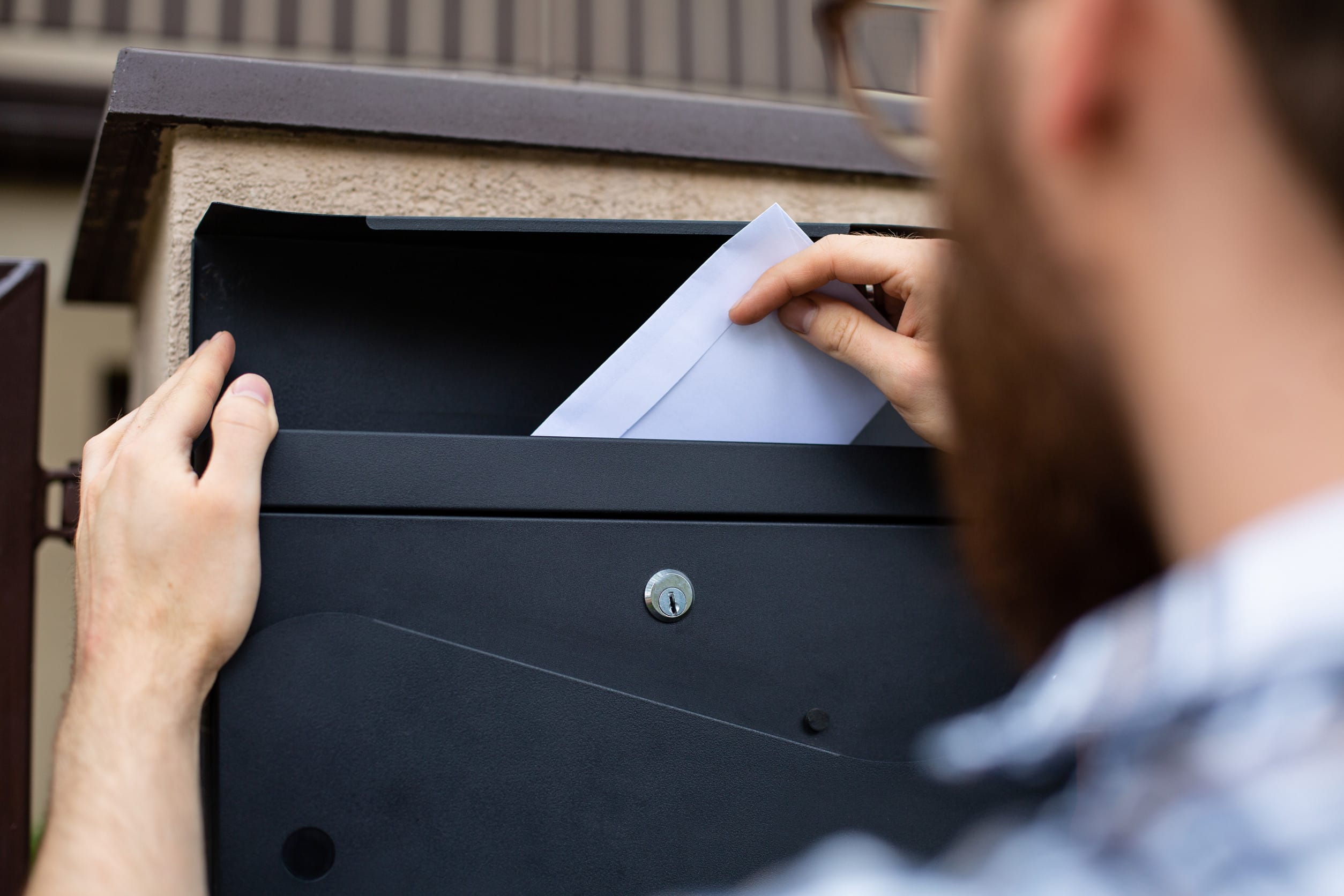
Tampering With Mail

Image Source: 123rf.com

Noticing that your mail has been opened, resealed, or consistently misplaced could mean someone is trying to access your personal information. If packages go missing from your doorstep or you frequently receive mail that appears damaged, it could indicate tampering. Some neighbors may take an unhealthy interest in your deliveries, trying to see what you order or intercepting important documents.

What to Do: Use a locked mailbox to secure your correspondence. If tampering persists, inform your local postal service and consider involving law enforcement.​

4. Overly Inquisitive Behavior

Neighbors who ask detailed questions about your work schedule, social life, or travel plans might be gathering information to monitor your comings and goings.

What to Do: Provide vague or non-specific answers to such inquiries. Maintain boundaries by not oversharing personal information.​

5. Social Media Interactions from Unknown Accounts

If you notice unfamiliar profiles engaging with your social media posts, it could be a neighbor attempting to gather information about you online.

What to Do: Adjust your privacy settings to limit visibility to trusted friends and family. Be cautious about accepting friend requests from unknown individuals.

6. Finding Hidden Recording Devices

Discovering hidden cameras or microphones on your property is a blatant invasion of privacy and a serious legal concern. Some neighbors might install small, hard-to-detect devices near shared spaces, such as facing your backyard or through a peephole in a fence. If you unexpectedly find a device, it’s important not to tamper with it until you document its presence properly.

What to Do: Photograph the devices without disturbing them and contact local law enforcement to report the intrusion. A professional security expert can also conduct a thorough sweep of your property.​

7. Unexplained Familiarity with Your Personal Life

If your neighbor mentions private details about your life that you never shared with them, it may indicate they are listening in on your conversations or watching you more closely than expected. They might reference what time you left for work, who visited your house, or even specific things you said behind closed doors. This type of behavior suggests an invasion of privacy that goes beyond simple curiosity and right into spying. ​

What to Do: Limit discussions of sensitive topics near shared walls or open windows. Use noise machines to mask conversations and enhance your privacy.​

8. Frequent “Coincidental” Encounters

Running into a neighbor occasionally is normal, but if they seem to appear everywhere you go—at the grocery store, your gym, or even while running errands in areas far from home—it may not be a coincidence. If these encounters happen frequently, they may be intentionally following your movements to gather information about your daily routine. While some neighbors may do this out of misplaced friendliness, others could have more intrusive motives.

What to Do: Keep a record of these encounters, noting dates, times, and locations. If the behavior continues, discuss your concerns with them directly or seek advice from local authorities.​

Steps to Protect Your Privacy

  • Install Security Measures: Set up your own surveillance cameras to monitor any suspicious activity around your property.​

  • Consult Legal Counsel: If the intrusive behavior persists, seek legal advice to understand your rights and possible actions.​

  • Engage Law Enforcement: For severe cases, such as stalking or harassment, involve the police to ensure your safety and document the behavior officially.​

Neighbor Spying Can Be Unsettling

Feeling watched by a neighbor can be unsettling, but recognizing the signs early can help you take action to protect your privacy. While some curiosity from neighbors is normal, excessive interest in your routine, mail, or personal conversations can cross the line into invasion of privacy or even harassment.

By setting boundaries, securing your home, and documenting any suspicious behavior, you can regain control of your personal space. If the problem escalates, involving law enforcement or seeking legal advice may be necessary.

Have you ever had the feeling that your neighbor was keeping tabs on you? What steps did you take to ensure your safety? Let us know below in the comments.

Read More:

How Criminals Use Simple Chalk Marks to Target Homes for Burglary

10 Scary Reasons You Should Never Ignore a Strange Car Parked Near Your House

Latrice Perez

Latrice is a dedicated professional with a rich background in social work, complemented by an Associate Degree in the field. Her journey has been uniquely shaped by the rewarding experience of being a stay-at-home mom to her two children, aged 13 and 5. This role has not only been a testament to her commitment to family but has also provided her with invaluable life lessons and insights.

As a mother, Latrice has embraced the opportunity to educate her children on essential life skills, with a special focus on financial literacy, the nuances of life, and the importance of inner peace.

Filed Under: safety Tagged With: dealing with nosy neighbors, home security, home surveillance, neighbor spying, neighborhood issues, personal boundaries, personal safety, privacy invasion, protecting your privacy, suspicious neighbors

How Criminals Use Simple Chalk Marks to Target Homes for Burglary

March 15, 2025 by Latrice Perez Leave a Comment

Chalk Name

Image Source: 123rf.com

Most people wouldn’t think twice about seeing a small chalk mark on a sidewalk, fence, or even their mailbox. It’s easy to assume it was left by kids playing outside or just random street markings. However, in many cases, these seemingly innocent chalk symbols are actually coded messages used by criminals to mark homes as potential burglary targets.

Burglars, scammers, and organized crime groups have long used secret symbols to communicate information about houses they intend to target. These markings can reveal whether a home is occupied, if the owners are elderly, if a house has valuables inside, or even if a property is an easy break-in. While not widely discussed, this method is an increasingly common tool for burglars—and homeowners need to know what to look for.

Why Do Criminals Use Chalk Marks?

Chalk is the perfect tool for criminals looking to mark homes because it’s temporary, subtle, and easily dismissed by unsuspecting homeowners. Unlike spray paint or permanent markers, chalk washes away with rain, making it harder for law enforcement to track patterns or gather evidence.

These marks can be left by burglars themselves or by scouts—individuals who assess neighborhoods and report back to criminal groups. Some burglars work in teams, and these markings help identify which houses are worth targeting and which ones should be avoided.

The Meaning Behind Common Chalk Marks

While the specific symbols used by criminals can vary, some common chalk markings have been found in burglary patterns worldwide. Here are some of the meanings behind these seemingly random markings:

  • An “X” or a Cross – Indicates a good target for burglary.
  • A Circle with an “X” Inside – Home has already been broken into or is planned for burglary soon.
  • A Triangle – Usually means a single woman lives in the house, often considered an easy target.
  • A Diamond Shape – Suggests a wealthy home with high-value items inside.
  • A Letter “M” or “W” – Could signify a morning or weekend burglary opportunity, meaning the home is empty during those times.
  • A Horizontal Line – Suggests that the home has nothing worth stealing or is too risky to break into.
  • A Square or Box – Often marks a house with a security system or a dog, warning burglars to avoid it.

Some criminals also use arrows to point toward escape routes or safe exits after a break-in. Other groups may use numbers to indicate how many people live in the house or the best time to strike.

Where Do Criminals Leave These Markings?

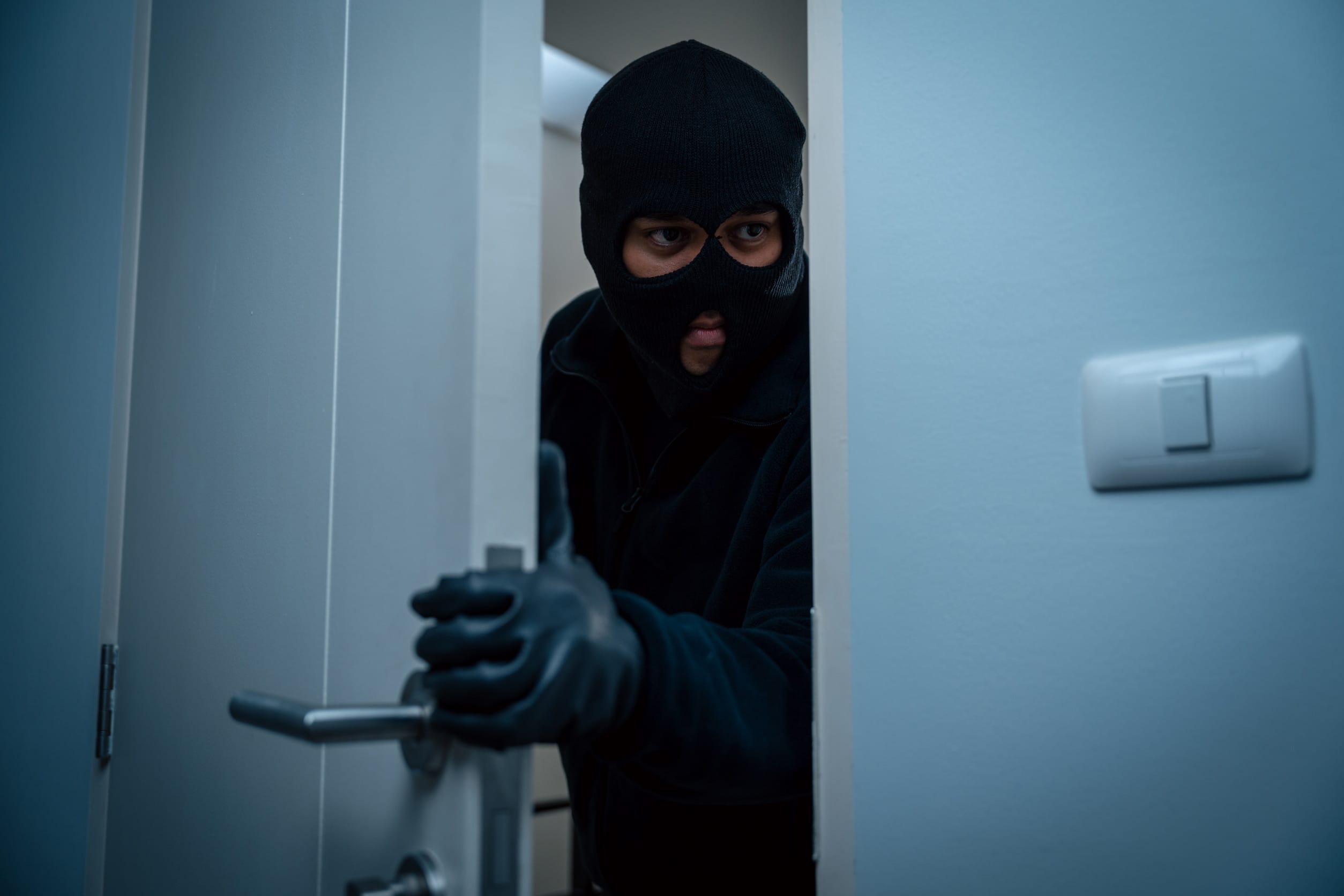
Burglar

Image Source: 123rf.com

Burglars carefully choose where to place these chalk symbols so they are visible to their accomplices but not easily noticed by homeowners. Some of the most common places where you might find these markings include:

  • Sidewalks in front of your home – A quick way to communicate to others in a criminal network.
  • Mailboxes or fences – Subtle placement that isn’t always checked by homeowners.
  • Driveways or near the curb – Used to indicate which homes are worth breaking into.
  • Utility poles or street signs nearby – Markings left further from the home but still close enough to be useful to criminals.

How to Protect Your Home from Chalk Mark Targeting

If you notice strange chalk markings around your home or in your neighborhood, take action immediately. Criminals rely on secrecy, and once their system is exposed, they often move on to easier targets. Here’s what you should do:

  • Erase the Markings Immediately – The sooner you remove the chalk, the harder it is for burglars to follow through with their plans. Use water, a scrub brush, or a pressure washer if needed.
  • Document the Symbols – Take photos of any suspicious markings before removing them. If multiple homes in your area have similar symbols, report them to the police.
  • Inform Your Neighbors – Criminals often target entire neighborhoods. Letting your neighbors know about the markings can help everyone stay alert and take precautions.
  • Check Security Footage – If you have security cameras, review any recent activity near the markings. This could provide valuable evidence for law enforcement.
  • Strengthen Your Home Security – Even if your home hasn’t been marked, burglars are always looking for easy opportunities. Installing motion sensor lights, security cameras, and visible alarm systems can make your home less attractive to criminals.

Other Signs That Your Home May Be Targeted

Chalk markings aren’t the only way burglars signal potential targets. If you notice any of the following, it could indicate that criminals are watching your home:

  • Unfamiliar people loitering around your neighborhood
  • Strangers knocking on doors, pretending to sell something or ask for directions
  • Missing or moved trash cans and mailboxes, which could be signs of scouting
  • Flyers or business cards wedged in your door that aren’t from legitimate companies

Criminals often conduct test runs before attempting a break-in. They may leave something small, like a flyer in your door, to see how long it takes for someone to remove it. If it sits untouched for days, they may assume the home is vacant or unattended, making it a prime target.

What to Do If You Suspect Your Home Has Been Marked

If you believe criminals have marked your home for burglary, don’t ignore it. Act quickly to remove the marking, document the incident, and report any suspicious activity to local law enforcement. You can also:

  • Ask neighbors if they’ve seen any unusual behavior or markings near their homes.
  • Consider increasing outdoor lighting or installing security cameras.
  • Be extra cautious with home security—lock doors and windows, even when you’re home.
  • If possible, park a car in the driveway to give the impression that someone is always there.

Awareness Can Stop Criminals in Their Tracks

Criminals thrive on secrecy and easy opportunities. By being aware of how they use chalk markings and other subtle tricks to target homes, you can prevent yourself and your neighbors from becoming victims. If something feels off, trust your instincts—and always take action to protect your home.

Have you ever noticed strange markings or suspicious activity in your neighborhood? What did you do? Share your experience in the comments below.

Read More:

10 Places that Burglars Are Hoping You’ll Hide Your Cash and Jewelry-So Don’t!

Why Some Criminals Leave a Water Bottle on Your Car Tire—And What It Means

Latrice Perez

Latrice is a dedicated professional with a rich background in social work, complemented by an Associate Degree in the field. Her journey has been uniquely shaped by the rewarding experience of being a stay-at-home mom to her two children, aged 13 and 5. This role has not only been a testament to her commitment to family but has also provided her with invaluable life lessons and insights.

As a mother, Latrice has embraced the opportunity to educate her children on essential life skills, with a special focus on financial literacy, the nuances of life, and the importance of inner peace.

Filed Under: safety Tagged With: burglary prevention, burglary tactics, chalk markings, crime awareness, crime prevention, home defense, home protection, home security, neighborhood safety, personal safety

Your Home Isn’t as Safe as You Think—5 Security Flaws Burglars Love

February 26, 2025 by Latrice Perez Leave a Comment

Burglars

Image Source: 123rf.com

Many homeowners assume their homes are secure, but professional burglars know how to exploit weaknesses that most people overlook. A locked door and security cameras might not be enough if your home has vulnerabilities that criminals can easily take advantage of. Understanding these security flaws can help you protect your home and prevent break-ins. Here are five security weaknesses that burglars love and how to fix them.

Unsecured Entry Points Make Break-Ins Easy

Most people think burglars break in through a shattered window or by picking a lock, but many simply walk through an unlocked door or crawl through an unsecured window. Sliding doors are a major weak point because they can often be lifted off their tracks. Weak door frames and low-quality locks can also make forced entry easier. To secure your entry points, upgrade to high-quality deadbolts, install window locks, and reinforce sliding doors with security bars or pin locks. Motion-sensor lights near all entry points can also help deter burglars.

Poor Outdoor Lighting Gives Criminals Cover

Burglars look for homes with dark, unlit areas where they can hide while attempting a break-in. If your driveway, backyard, or entryways are poorly lit, your home becomes an easier target. Security experts recommend installing motion-activated lights around your property, especially near entrances and windows. Bright lighting removes the cover burglars need to work unnoticed and often makes them move on to an easier target.

Visible Valuables Invite Theft

Jewelry

Image Source: 123rf.com

If your expensive electronics, jewelry, or car keys are visible from outside, your home is more likely to be targeted. Burglars often scout neighborhoods for houses that display valuable items in plain sight. Keeping curtains closed and using frosted or tinted windows can help prevent prying eyes from assessing your belongings. Storing valuables in a safe and keeping car keys out of sight reduces the risk of a break-in.

Weak Garage Security Provides Easy Access

Garages are a favorite entry point for burglars because many homeowners forget to secure them. A garage door that can be easily forced open or an interior door leading from the garage to the house that is left unlocked makes breaking in simple. Criminals can also use universal garage door openers or manipulate older garage doors with coat hangers. Upgrading to a modern, rolling-code garage door opener, adding a deadbolt to the interior door, and installing a garage door sensor can improve security.

Lack of a Security System Leaves Your Home Vulnerable

Homes without a visible security system are prime targets for burglars. Even a simple security sign or fake camera can deter some criminals, but a professionally monitored alarm system offers the best protection. Smart security systems allow homeowners to monitor their homes remotely and receive alerts for suspicious activity. If an alarm is triggered, it can notify law enforcement immediately, increasing the chances of catching a burglar in the act.

Making Your Home Less Appealing to Burglars

The key to home security is making your home less attractive to criminals. Securing entry points, improving outdoor lighting, hiding valuables, reinforcing your garage, and installing a security system all reduce the risk of a break-in. Most burglars look for easy targets, so taking these precautions makes your home far less likely to be chosen.

Does your home have any of these security flaws? What have you done to remedy these issues? Let us know in the comments below.

Read More:

10 Places that Burglars Are Hoping You’ll Hide Your Cash and Jewelry-So Don’t!

How Much Should You Spend on Home Security?

Latrice Perez

Latrice is a dedicated professional with a rich background in social work, complemented by an Associate Degree in the field. Her journey has been uniquely shaped by the rewarding experience of being a stay-at-home mom to her two children, aged 13 and 5. This role has not only been a testament to her commitment to family but has also provided her with invaluable life lessons and insights.

As a mother, Latrice has embraced the opportunity to educate her children on essential life skills, with a special focus on financial literacy, the nuances of life, and the importance of inner peace.

Filed Under: Personal Finance Tagged With: break-in prevention, burglary prevention, home safety, home security, protecting your home, security tips, smart home security

10 Places that Burglars Are Hoping You’ll Hide Your Cash and Jewelry-So Don’t!

February 7, 2025 by Latrice Perez Leave a Comment

Burglary happening

Image Source: 123rf.com

Did you know that in the U.S., there is a burglary every 15 seconds? Due to the high number of burglaries, we all want to keep our valuables safe, but sometimes in our quest for security, we inadvertently make it easier for burglars. Certain hiding spots are so common that experienced thieves know exactly where to look. By making a few small changes to where and how we hide our valuables, we can significantly reduce the chances of theft. Let’s explore these vulnerable areas and discuss safer alternatives to protect your cash and jewelry.

1. Inside Your Jewelry Box

It might seem like a safe bet to keep your jewelry in a jewelry box, but this is one of the first places burglars will look. A jewelry box is easy to spot and doesn’t provide any real security against theft. Instead, consider using a hidden safe or a lockbox. If you must store jewelry in a box, opt for one with a secure lock, and hide it in a place that isn’t as obvious. The key is to ensure it’s out of sight and difficult for an intruder to access quickly.

2. Dresser Drawers

Top dresser drawers are another common hiding place for jewelry, cash, and other valuables. However, these drawers are usually among the first places burglars search. They know that people often hide things in drawers because they are easy to access and simple to conceal. To avoid this, consider using a lockable drawer or a hidden compartment within the dresser. This extra layer of protection ensures your valuables won’t be discovered quickly during a break-in.

3. Freezer or Refrigerator

A surprising number of people hide cash or jewelry in their freezer or refrigerator, thinking that the cold will deter thieves. While this may seem clever, experienced burglars are aware of this tactic and will check freezers and fridges as a matter of routine. Instead of using food storage areas, opt for a diversion safe that looks like a common household item, such as a can or box. These safes blend in with your pantry items but provide a much more secure option.

4. Under a Floorboard

The idea of hiding valuables under a floorboard may seem foolproof, but it’s actually one of the first places burglars check, especially in older homes. It’s an obvious hiding place for those who know what to look for. If you do choose to hide valuables under a floorboard, make sure the hiding spot is discrete, or better yet, use a well-secured and hidden safe built into the floor. However, a safer choice would be a locked and secured area that’s much harder to find or break into.

5. Kitchen Pantry

Kitchen Pantry

Image Source: 123rf.com

While it might seem like a good idea to hide things like cash or jewelry in a kitchen pantry, especially in food packaging, this is a hiding spot that burglars are very familiar with. Whether it’s inside a cereal box or behind canned goods, these spots are often targeted. A safer alternative would be using a concealed compartment or a diversion safe designed to look like a kitchen appliance. These can be tucked away in plain sight and will make it more difficult for anyone to locate your valuables.

6. Closet Pockets

Many people mistakenly believe that hiding valuables in coat pockets or jacket pockets in their closet is a foolproof plan. However, burglars often know to check pockets, especially in closets or wardrobes where clothing is stored. A safer option would be to install a lockable box or hidden drawer in your closet, which can provide more security. By placing your valuables inside a lockable compartment, you are significantly reducing the risk of them being found.

7. Under the Sofa Cushions

Placing cash or jewelry under sofa cushions is a popular yet risky move. While it may seem like an obscure hiding place, burglars frequently check this spot, as it’s a common hiding place in many homes. Instead of hiding items where anyone might sit, consider using a hidden compartment or a diversion safe tucked into your furniture. These options blend in with your home’s decor while offering a much higher level of security.

8. In a Portable Safe

Portable safes are convenient, but they are also a favorite target for burglars. If a burglar manages to find and carry off a portable safe, they have everything they need in one go. To reduce this risk, invest in a safe that is securely bolted to the floor or wall. This makes it far more difficult for burglars to simply take it away, ensuring your valuables stay put.

9. Shoe Box

Many people hide cash or small valuables in a shoe box, thinking it’s a hidden but accessible location. Unfortunately, burglars know to check places like closets and drawers for such items. To enhance security, consider using a lockable drawer or a hidden compartment in your furniture. These types of storage solutions not only protect your valuables but also keep them hidden from prying eyes.

10. In a Stack of Magazines

Hiding cash or jewelry in a stack of magazines is another common but risky hiding place. It may seem like an effective way to keep things out of sight, but burglars are likely to check through stacks of papers and magazines. Instead, try using a diversion safe that looks like a common household object but is equipped with a secure compartment inside. This makes it much harder for intruders to find your hidden items.

Avoid Common Hiding Spots

Protecting your cash and jewelry requires thoughtful planning. By avoiding common hiding spots and opting for secure, less obvious locations, you can significantly reduce the risk of theft. Remember, the goal is to make it as difficult as possible for burglars to find your valuables. Investing in a high-quality safe, using hidden compartments, and being mindful of where you store your items can make all the difference.

Have you ever hidden your valuables in any of these places? Which hiding spots would you add to this list? Let us know in the comments.

Read More:

12 Red Flags That Indicate a Bad Neighborhood

11 Things You’re Doing Online That Hackers Love

Latrice Perez

Latrice is a dedicated professional with a rich background in social work, complemented by an Associate Degree in the field. Her journey has been uniquely shaped by the rewarding experience of being a stay-at-home mom to her two children, aged 13 and 5. This role has not only been a testament to her commitment to family but has also provided her with invaluable life lessons and insights.

As a mother, Latrice has embraced the opportunity to educate her children on essential life skills, with a special focus on financial literacy, the nuances of life, and the importance of inner peace.

Filed Under: Personal Finance Tagged With: burglary prevention, burglary tactics, hiding valuables, home safety tips, home security, jewelry protection, personal security, protecting cash, safe storage, secure storage solutions

  • « Previous Page
  • 1
  • 2
  • 3

FOLLOW US

Search this site:

Recent Posts

  • Can My Savings Account Affect My Financial Aid? by Tamila McDonald
  • 12 Ways Gen X’s Views Clash with Millennials… by Tamila McDonald
  • What Advantages and Disadvantages Are There To… by Jacob Sensiba
  • 10 Tactics for Building an Emergency Fund from Scratch by Vanessa Bermudez
  • Call 911: Go To the Emergency Room Immediately If… by Stephen Kanaval
  • 7 Weird Things You Can Sell Online by Tamila McDonald
  • 10 Scary Facts About DriveTime by Tamila McDonald

Copyright © 2026 · News Pro Theme on Genesis Framework