• Home
  • About Us
  • Toolkit
  • Getting Finances Done
    • Hiring Advisors
    • Debt Management
    • Spending Plan
  • Insurance
    • Life Insurance
    • Health Insurance
    • Disability Insurance
    • Homeowners/Renters Insurance
  • Contact Us
  • Privacy Policy
  • Risk Tolerance Quiz

The Free Financial Advisor

You are here: Home / Archives for burglary prevention

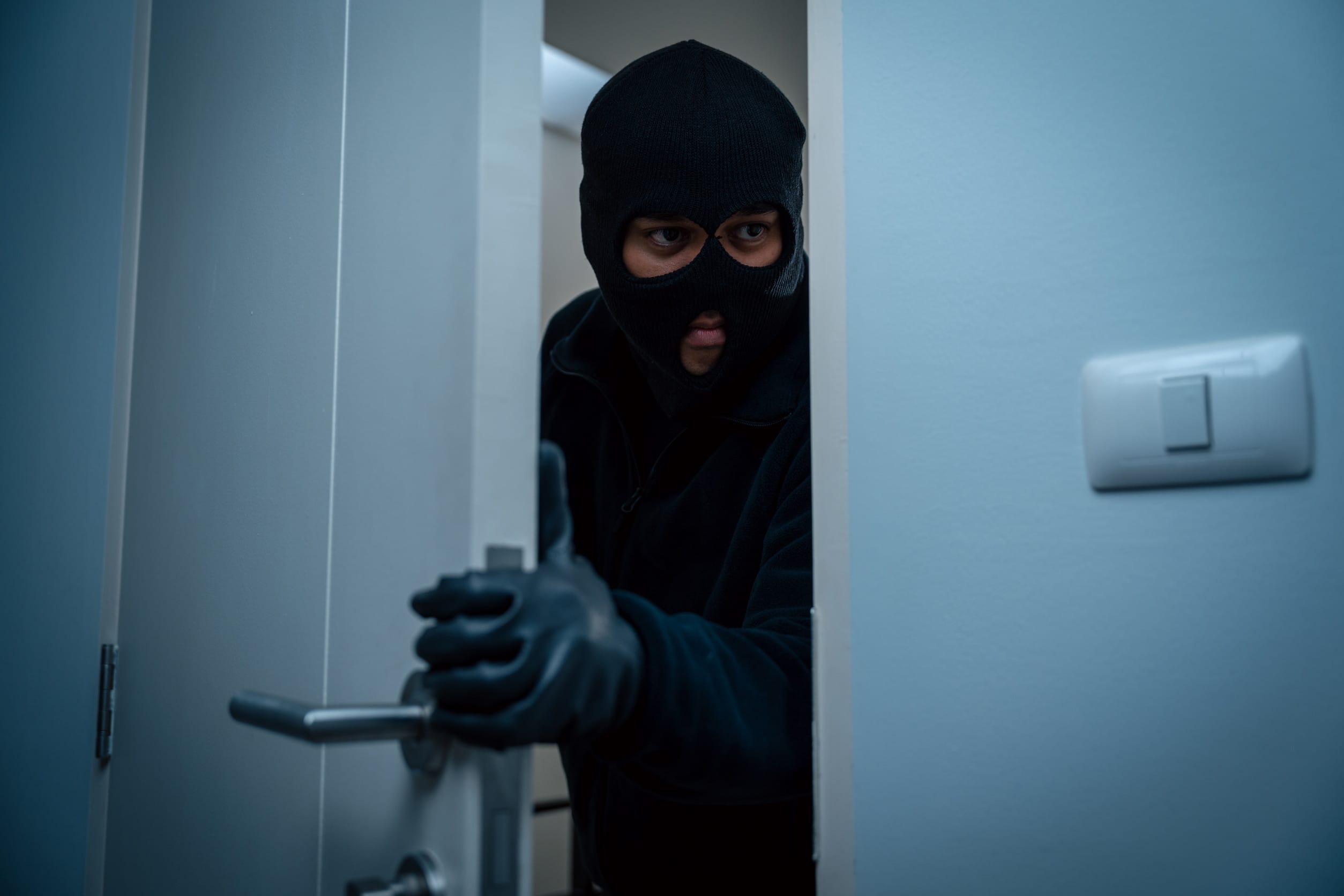
7 Places Criminals Watch Before Picking a Home to Rob

July 29, 2025 by Travis Campbell Leave a Comment

break in

Image Source: unsplash.com

Home security is something most people don’t think about until it’s too late. However, the truth is that criminals are constantly seeking easy targets. They don’t just pick a house at random. They watch, they wait, and they look for signs that make a home stand out as an easy mark. Understanding what draws their attention can help you protect your home and your family. If you know what criminals look for, you can take steps to make your house less appealing to them. Here are seven places criminals watch before picking a home to rob, and what you can do about it.

1. The Front Door

The front door is the first thing most people see, and criminals are no different. They watch to see if you leave your door unlocked or if you have a habit of leaving packages out for hours. A door with a flimsy lock or a broken frame is an open invitation. Criminals also look for spare keys hidden under mats or in fake rocks. If you have a lot of mail or packages piling up, it tells them you might be away. Make sure your front door is sturdy, always locked, and never leave spare keys in obvious places. Install a peephole or a smart doorbell camera for extra security. The front door is often the first place a criminal will try, so don’t make it easy for them.

2. Windows Facing the Street

Windows that face the street give criminals a clear view inside your home. They can see if you have expensive electronics, jewelry, or other valuables. Open curtains or blinds make it even easier for them to spot what’s worth stealing. At night, lights inside your home can turn your windows into a display case. Criminals may also look for windows that are left open or unlocked, especially on the ground floor. To protect yourself, keep valuables out of sight and close your blinds or curtains at night. Consider using frosted glass or window film for extra privacy. Secure all windows with locks, even those on upper floors.

3. The Garage

Garages are a favorite target for criminals. They often contain tools, bikes, and sometimes even unlocked doors leading into the house. Criminals watch to see if you leave your garage door open or if you forget to close it at night. They also look for older garage doors that are easy to force open. Some even use universal remotes to try and open garage doors in the neighborhood. Always close your garage door, even if you’re just running inside for a minute. Upgrade to a modern garage door opener with rolling codes, which are much harder to hack. Lock the door between your garage and your house for an extra layer of security.

4. Side Gates and Fences

Side gates and fences are supposed to keep people out, but they can also give criminals a place to hide. Criminals watch to see if your gate is left unlocked or if your fence is easy to climb. Overgrown bushes or trees near the fence can give them cover while they work. If your gate is old or broken, it’s an easy way in. Make sure your gates are always locked and in good repair. Trim back any plants that could give someone a place to hide. Consider adding motion-activated lights near side entrances to make it harder for criminals to go unnoticed.

5. The Backyard

The backyard is often out of sight from the street, which makes it a perfect spot for criminals to sneak in. They watch for signs that you don’t spend much time back there, like overgrown grass or unused furniture. If you leave ladders or tools out, you’re giving them the means to break in. Criminals also look for sliding glass doors, which are often less secure than front doors. Keep your backyard tidy and put away anything that could be used to break into your home. Install locks on all doors and windows leading to the backyard. Motion lights and security cameras can also help deter unwanted visitors.

6. Trash and Recycling Bins

It might sound strange, but your trash can tell criminals a lot about you. They watch for boxes from new electronics, like TVs or computers, which signal that you have something valuable inside. Even old mail or documents can give away personal information. Criminals sometimes go through trash to find out when you’re away or to steal your identity. Shred any documents with personal information before throwing them out. Break down boxes and put them inside recycling bins, not out on the curb. Be mindful of what you throw away and when.

7. Your Daily Routine

Criminals are patient. They watch to see when you leave for work, when you come home, and when the house is empty. If you have a predictable schedule, it’s easy for them to pick the best time to break in. They may also look for signs that you’re on vacation, like lights that never turn on or mail piling up. Vary your routine when you can. Use timers for lights and ask a neighbor to collect your mail if you’re away. Don’t post your travel plans on social media. The less predictable you are, the harder it is for criminals to target your home.

Make Your Home a Hard Target

Criminals look for easy opportunities. They watch for weak spots and predictable routines. By understanding the places they watch, you can take simple steps to make your home less appealing. Secure your doors and windows, keep your property tidy, and don’t advertise your valuables. Small changes can make a big difference.

What steps have you taken to make your home less of a target? Share your thoughts in the comments.

Read More

8 Things You’re Doing That Make Criminals Think You’re an Easy Target

How Criminals Pick Their Targets—8 Everyday Mistakes That Make You Vulnerable

Travis Campbell
Travis Campbell

Travis Campbell is a digital marketer/developer with over 10 years of experience and a writer for over 6 years. He holds a degree in E-commerce and likes to share life advice he’s learned over the years. Travis loves spending time on the golf course or at the gym when he’s not working.

Filed Under: Crime & Safety Tagged With: burglary prevention, Crime, home protection, home security, neighborhood safety, safety tips

8 Common Home Security Features That Aren’t As Safe As You Think

July 28, 2025 by Travis Campbell Leave a Comment

home security

Image Source: pexels.com

Home security is a big deal for most people. You want to feel safe in your own space. You buy the latest gadgets, install cameras, and set up alarms. But what if some of these common home security features aren’t as safe as you think? It’s easy to trust the tools you use every day, but sometimes they have hidden flaws. Knowing where your security might fall short can help you make better choices and keep your home—and your family—safer.

1. Keypad Door Locks

Keypad door locks seem convenient. You don’t need to carry keys, and you can share codes with family or friends. But these locks have weaknesses. Many people use simple codes, such as “1234” or their birthdays. Thieves know this. Some keypads also show wear on the most frequently used numbers, making it easier to guess the code. And if the lock connects to Wi-Fi, hackers can sometimes gain remote access. If you use a keypad lock, pick a strong code and change it often. Clean the keypad to avoid leaving clues. And if it’s a smart lock, keep the software updated.

2. Fake Security Cameras

Fake cameras are cheap and easy to install. They might scare off some people, but experienced burglars can spot them. Most fake cameras don’t have wires or real lenses. Some even have blinking lights, which real cameras rarely use. If someone is serious about breaking in, a fake camera won’t stop them. Real security cameras are better. They record evidence and can alert you to trouble. If you want real protection, invest in a working camera system.

3. Glass Door and Window Sensors

Sensors on glass doors and windows are common. They beep if someone opens a door or window. But they don’t always catch a break-in. If a thief breaks the glass and climbs through without opening the window, the sensor might not trigger. Some sensors only work if the frame moves. For better security, use glass-break detectors. These listen for the sound of breaking glass and can catch more types of break-ins.

4. Motion-Activated Lights

Motion-activated lights are everywhere. They light up your yard when someone walks by. But they aren’t foolproof. Animals, wind, or even passing cars can set them off. Over time, people start to ignore them. Burglars know this. They might test the lights to see if anyone responds. If no one comes out, they know it’s safe to keep going. Motion lights work best with other security features, like cameras or alarms. Don’t rely on them alone.

5. Sliding Glass Door Locks

Sliding glass doors are a weak spot in many homes. The standard locks are easy to break or force open. Some burglars lift the door off its track. Others use a simple tool to pop the lock. Adding a bar or rod in the track helps, but it’s not perfect. For better security, use a pin lock or a security bar designed for sliding doors. You can also add shatter-resistant film to the glass.

6. Alarm System Yard Signs

Many people put alarm company signs in their yard. The idea is to scare off burglars. But signs alone don’t stop anyone. Some people even buy fake signs online. Experienced thieves know which signs are real and which aren’t. They might even see a sign as a clue that you have an older system that’s easy to bypass. If you use a sign, make sure you have a real, working alarm system behind it. And keep your system updated.

7. Smart Doorbells

Smart doorbells let you see who’s at your door from your phone. They record video and can even talk to visitors. But they have risks. If the Wi-Fi isn’t secure, hackers can access the camera or your home network. Some smart doorbells have been found to share data with third-party companies, raising concerns about privacy. If you use a smart doorbell, set a strong password and enable two-factor authentication. Update the software regularly. And check the privacy settings to control what data gets shared.

8. Window Bars

Window bars look tough. They keep people from climbing in. But they can also trap you inside during a fire or emergency. Some bars are easy to remove from the outside if they aren’t installed well. Others rust or break over time. If you use window bars, make sure they have a quick-release feature from the inside. Test them often to make sure they work. And don’t block every window—leave at least one exit in case you need to get out fast.

Rethinking Home Security: What Really Keeps You Safe

Home security features are only as strong as their weakest link. It’s easy to trust a lock, a camera, or a sign, but real safety comes from knowing the limits of your tools. Don’t assume that a popular gadget will protect you. Look for the gaps in your system. Combine different types of security and keep everything updated. Most of all, stay alert. The best defense is knowing what works—and what doesn’t. Your home is worth the extra effort.

Have you ever been surprised by a security feature that didn’t work as expected? Share your story or tips in the comments.

Read More

What Happens to Your Social Security If the Government Shuts Down Again?

Home Security Mistakes That Attract Break-Ins

Travis Campbell
Travis Campbell

Travis Campbell is a digital marketer/developer with over 10 years of experience and a writer for over 6 years. He holds a degree in E-commerce and likes to share life advice he’s learned over the years. Travis loves spending time on the golf course or at the gym when he’s not working.

Filed Under: safety Tagged With: burglary prevention, home protection, home security, safety, security tips, smart home

Home Security Mistakes That Attract Break-Ins

July 8, 2025 by Travis Campbell Leave a Comment

home security

Image Source: pexels.com

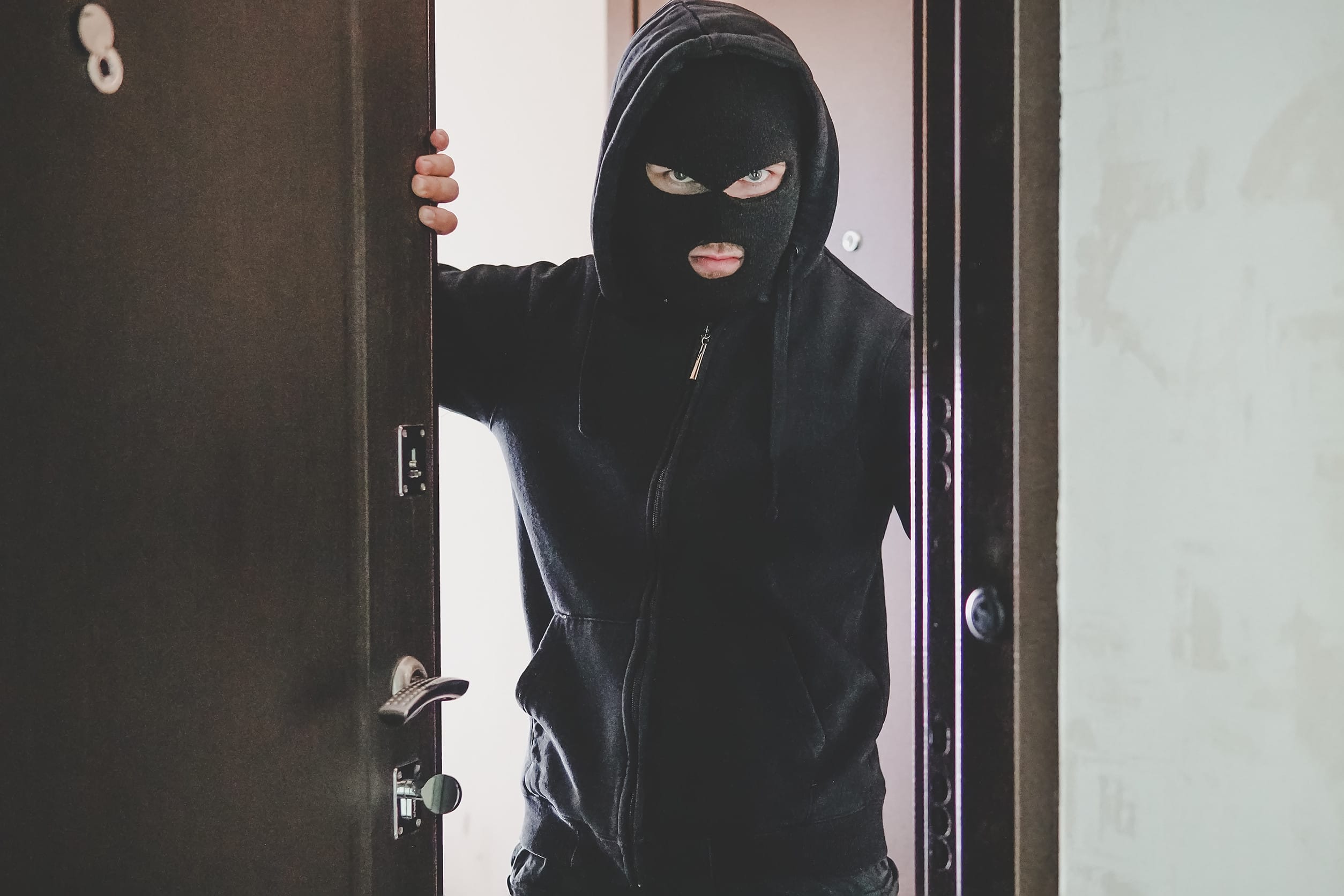
Keeping your home safe is about more than just locking the doors at night. Many homeowners unknowingly make home security mistakes that can turn their property into an easy target for break-ins. With burglary rates still a concern in many neighborhoods, understanding these common errors is crucial for protecting your family and valuables. Even small oversights can have significant consequences, and burglars often seek the path of least resistance. By learning what not to do, you can make your home less appealing to would-be intruders and gain peace of mind. Let’s break down the most common home security mistakes and how you can avoid them.

1. Hiding Spare Keys in Obvious Places

Leaving a spare key under the doormat or inside a fake rock might seem convenient, but it’s one of the most common home security mistakes. Burglars know all the usual hiding spots—flower pots, mailboxes, and even above the door frame. Instead of making it easy for someone to find your spare, consider giving it to a trusted neighbor or investing in a secure lockbox. This simple change can prevent a break-in and keep your home safer.

2. Neglecting to Lock Doors and Windows

It’s easy to forget to lock a back door or a ground-floor window, especially if you’re just stepping out for a few minutes. However, unlocked entry points are a leading cause of break-ins. Many burglars enter homes through doors or windows that were left open or unlocked. Make it a habit to check all doors and windows before leaving or going to bed. Consider installing smart locks or window sensors for added peace of mind.

3. Letting Your Home Look Unoccupied

A home that appears empty is an open invitation for burglars. Leaving lights off for days, letting mail pile up, or neglecting to maintain your yard can signal that no one is home. Use timers for lights, ask a neighbor to collect your mail, and keep your lawn trimmed—even when you’re away. These small steps can make your home look lived-in and deter potential intruders. The FBI’s Uniform Crime Reporting program highlights that most burglaries occur when homes are unoccupied, so don’t make it obvious.

4. Posting Travel Plans on Social Media

Sharing vacation photos or announcing your travel plans online might seem harmless, but it’s one of the riskiest home security mistakes. Public posts can alert would-be burglars that your home is empty. Even if your accounts are private, information can spread quickly. Wait until you return to share your adventures and remind family members to do the same. Protecting your privacy online is just as important as locking your doors.

5. Ignoring Outdoor Lighting

A dark exterior gives burglars the cover they need to approach your home unnoticed. Failing to install or maintain outdoor lighting is a mistake that can make your property more vulnerable. Motion-activated lights or smart lighting systems can illuminate entry points and deter intruders. Focus on lighting up pathways, driveways, and all entrances. Well-lit homes are far less attractive to criminals.

6. Skipping Security System Upgrades

Relying on outdated security systems or not having one at all is a major home security mistake. Modern systems offer features like remote monitoring, instant alerts, and integration with smart devices. If your system is more than a few years old, consider upgrading to take advantage of the latest technology. Even visible security cameras can be a strong deterrent. The National Council for Home Safety and Security reports that homes without security systems are up to 300% more likely to be broken into.

7. Leaving Valuables in Plain Sight

Burglars often “window shop” before choosing a target. Leaving expensive electronics, jewelry, or other valuables visible from the street can make your home more tempting. Keep curtains or blinds closed, especially in rooms where you store valuables. If you need to leave items outside, ensure they’re not visible from the outside. A little discretion goes a long way in preventing break-ins.

8. Forgetting About the Garage

The garage is often overlooked when it comes to home security mistakes. Many people leave garage doors unlocked or fail to secure the door leading from the garage into the house. Burglars know this and may use the garage as an easy entry point. Always lock your garage doors and consider adding a security sensor. Don’t leave tools or ladders out, as these can help intruders gain access to your home.

Make Your Home a Hard Target

Avoiding these common home security mistakes doesn’t require expensive gadgets or complicated systems. It’s about being aware, staying consistent, and making small changes that add up to big protection. By locking up, keeping your home looking lived-in, and staying mindful of what you share online, you can make your home a much less attractive target for break-ins. Remember, most burglars are looking for easy opportunities—don’t give them one.

What home security mistakes have you noticed in your neighborhood, or what tips do you swear by? Share your thoughts in the comments!

Read More

Federal Reserve Report: Hang On For Rough Ride…

Ripped From the Headlines: Bad Holiday Economic Mood

Travis Campbell
Travis Campbell

Travis Campbell is a digital marketer/developer with over 10 years of experience and a writer for over 6 years. He holds a degree in E-commerce and likes to share life advice he’s learned over the years. Travis loves spending time on the golf course or at the gym when he’s not working.

Filed Under: Crime & Safety Tagged With: break-ins, burglary prevention, home protection, home security, Personal Finance, safety tips, security mistakes

10 Places Burglars Always Look When You Live In An Expensive Neighborhood

April 11, 2025 by Travis Campbell Leave a Comment

burglar breaking in

Image Source: pexels

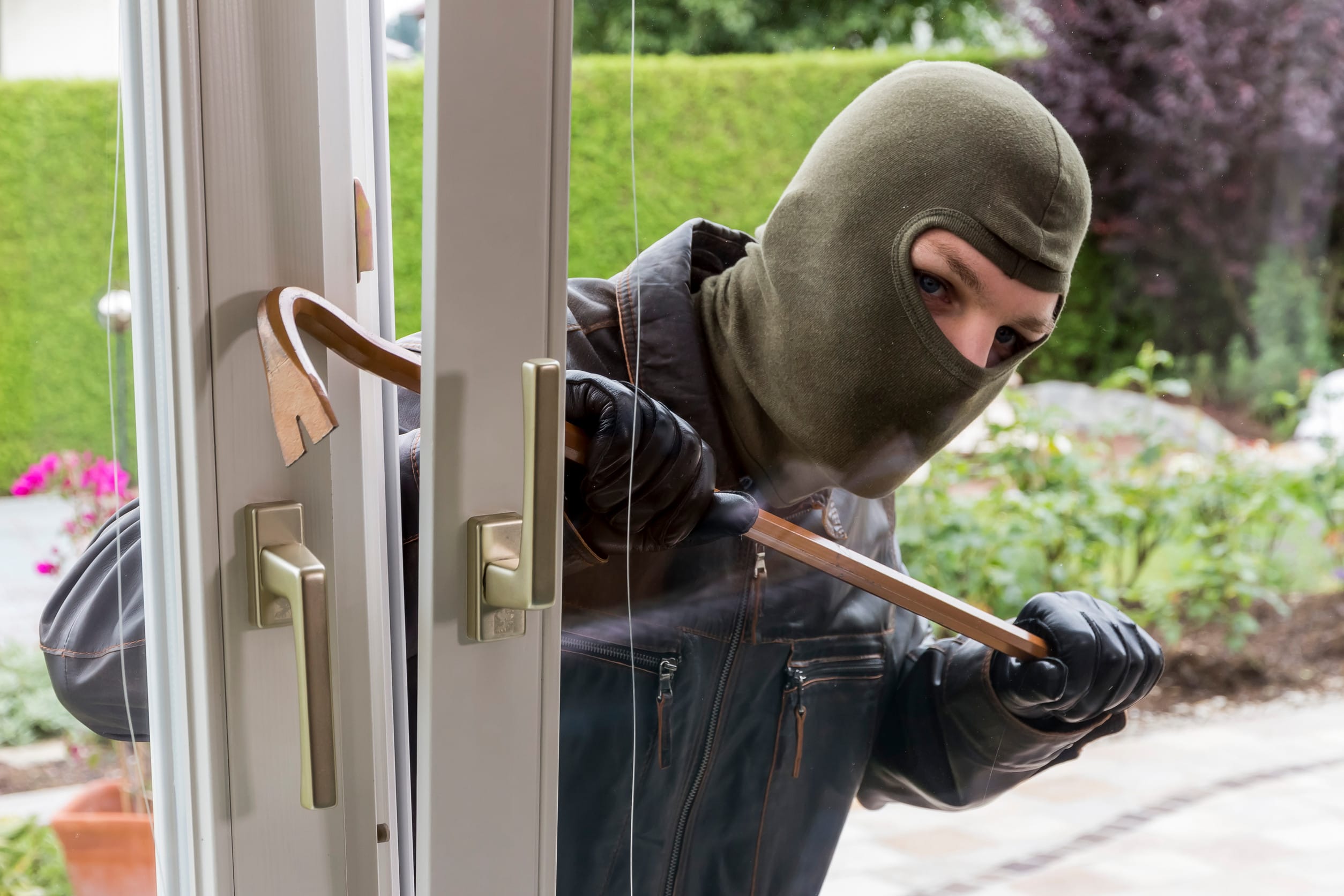
Living in an upscale neighborhood might give you a sense of security, but it can actually make your home a prime target for sophisticated burglars. These criminals specifically scout affluent areas, knowing the potential for valuable items is higher. Understanding their tactics and favorite hiding spots can help you outsmart them before they strike. This guide reveals the top places burglars search when targeting homes in expensive neighborhoods, allowing you to take preventive measures to protect your valuables.

1. Master Bedroom Closets and Dressers

Master bedroom closets are typically the first place experienced burglars head when entering an upscale home. Most homeowners instinctively store jewelry, cash, and other valuables in dresser drawers or closet shelves, making these locations predictably lucrative for thieves. Professional burglars know to check behind clothing, in shoe boxes, and even inside pockets of rarely worn garments where valuables might be concealed. Women’s jewelry boxes are particularly targeted, with thieves often emptying entire containers rather than selecting individual pieces to maximize their haul. Smart homeowners are now investing in decoy jewelry boxes while keeping genuine valuables in unexpected locations throughout the home.

2. Home Office Drawers and Filing Cabinets

Home offices contain a wealth of both valuable items and sensitive information that makes them a burglar’s second stop. Desk drawers frequently hold emergency cash, expensive electronics, and sometimes even firearms that homeowners keep for protection. Filing cabinets may contain financial documents perfect for identity theft, including bank statements, investment information, and personal identification. Burglars know that many people store passwords, account information, and even safe combinations in seemingly secure office spaces. Professional thieves can quickly assess which documents might be valuable for resale on dark web marketplaces where personal information commands high prices.

3. Bathroom Medicine Cabinets and Vanities

Surprisingly, bathrooms rank high on a burglar’s checklist when targeting affluent homes. Prescription medications, particularly opioid painkillers and other controlled substances, can be extremely valuable on the black market and are often stored in predictable medicine cabinets. High-end cosmetics and skincare products found in luxury bathrooms can be easily resold, with some premium brands fetching hundreds of dollars per item. Wealthy homeowners often keep secondary jewelry stashes in bathroom vanities for convenience when preparing for social events. Some burglars specifically target bathrooms, knowing that expensive watches are often removed before showering and left on countertops or in drawers. Bathroom safes disguised as everyday items have become increasingly popular as homeowners become aware of this vulnerability.

4. Kitchen Hiding Spots

Kitchens in upscale homes often contain unexpected valuables that experienced burglars know to check. Freezers and refrigerators serve as improvised safes for many homeowners who believe these appliances are overlooked during break-ins. Burglars routinely check inside coffee canisters, fake food containers, and other kitchen storage items where cash or jewelry might be hidden. High-end kitchen equipment itself can be valuable, with professional-grade appliances and specialty cooking tools being portable targets for theft. According to a study by the National Council for Home Safety and Security, kitchen pantries are increasingly used as hiding spots for valuables, making them a standard checkpoint for experienced thieves.

5. Behind and Under Furniture

Seasoned burglars know that many homeowners believe the space behind or beneath furniture provides clever hiding places. Valuable items taped to the underside of drawers or behind picture frames are common hiding spots that thieves immediately check. Burglars will quickly look under mattresses, inside pillowcases, and between sofa cushions, where cash and small valuables are frequently concealed. Professional thieves often bring tools specifically designed to check these hidden areas efficiently, allowing them to search an entire room in minutes. According to security experts, burglars can identify which furniture pieces are most likely to conceal valuables based on their positioning and accessibility in the room.

6. Basement and Attic Storage

Remote storage areas like basements and attics often contain valuable collections and forgotten treasures in affluent homes. Vintage items, collectibles, and family heirlooms stored in these spaces can be worth significant amounts to knowledgeable thieves targeting upscale neighborhoods. Burglars specifically look for labeled boxes that might indicate valuable contents, such as “Electronics,” “Jewelry,” or “Important Documents.” Many homeowners mistakenly believe these areas are too inconvenient for burglars to search, making them paradoxically more vulnerable. Seasonal decoration storage often contains valuable items mixed with holiday ornaments, making these containers prime targets. Professional thieves allocate time to check these areas when targeting larger homes, where the potential payoff justifies the extended search.

7. Children’s Rooms and Playrooms

Children’s spaces are increasingly becoming hiding spots for valuables, but experienced burglars are well aware of this trend. Parents often conceal expensive items in children’s rooms, believing thieves will respect these spaces or overlook them during hurried break-ins. Toy boxes, stuffed animals with hidden compartments, and children’s bookshelves are all checked by thorough burglars. Gaming systems, high-end electronics, and collectible toys themselves can be valuable targets in affluent households. Burglars know that teenagers in wealthy families often have expensive items like designer clothing, smartphones, and even cash stashed in their rooms.

8. Garage and Workshop Areas

Garages in upscale neighborhoods often contain valuable equipment that burglars can quickly convert to cash. Power tools, specialized lawn equipment, and high-end sporting goods are easily resold and difficult to trace once stolen. Many homeowners store backup keys, garage door openers, and even safe combinations in predictable garage locations that experienced thieves immediately check. Luxury vehicles themselves may contain valuable items or serve as secondary targets if keys are located during the home search. Workshop areas often contain valuable raw materials like copper, specialized equipment, or collectible items that homeowners store away from the main living space.

9. Bookshelves and Hollow Books

Literary hiding spots remain popular despite being well-known to professional burglars targeting affluent neighborhoods. Hollow books, though considered clever by homeowners, are immediately identified by experienced thieves who know exactly how to spot them among genuine volumes. Burglars systematically check behind books on shelves where homeowners often tape envelopes containing cash or important documents. Valuable first editions and collectible books themselves can be targets for knowledgeable thieves specializing in literary theft. Decorative bookends, especially those appearing unusually heavy or ornate, are checked for hidden compartments or valuable materials.

10. Smart Home Devices and Electronics

Modern homes in expensive neighborhoods contain numerous electronic devices that store both physical valuables and digital assets. Burglars target smart home hubs, computers, and external hard drives that might contain cryptocurrency wallet information or financial records. Password managers and digital banking information stored on home computers can be more valuable than physical items in the long term. Professional thieves know to check behind televisions and entertainment centers, where homeowners often install small safes or hiding spots. According to cybersecurity experts, the theft of digital assets from home electronics has increased by 300% in affluent neighborhoods over the past five years.

Protecting Your Valuables: Beyond the Obvious

The most effective security strategy combines unpredictability with modern technology to create multiple layers of protection. Consider investing in a professionally installed security system with 24/7 monitoring rather than relying solely on hiding places experienced burglars already know about. Create a home inventory with photographs and serial numbers of valuable items, and ensure your insurance coverage adequately protects your most precious possessions. Consider using decoy valuables in predictable hiding spots while securing genuine items in unexpected locations or professionally installed safes. Remember that your best defense is making your home a difficult, time-consuming target that encourages burglars to move on to easier opportunities.

Have you discovered any creative hiding places that might outsmart even the most experienced burglars? Share your ideas in the comments below – just be careful not to reveal your actual security measures!

Read More

Your Home Isn’t as Safe as You Think: 5 Security Flaws Burglars Love

How Criminals Use Simple Chalk Marks to Target Homes for Burglary

Travis Campbell
Travis Campbell

Travis Campbell is a digital marketer/developer with over 10 years of experience and a writer for over 6 years. He holds a degree in E-commerce and likes to share life advice he’s learned over the years. Travis loves spending time on the golf course or at the gym when he’s not working.
Filed Under: Crime & Safety Tagged With: burglar tactics, burglary prevention, hiding valuables, home security, upscale neighborhood safety, valuable protection

How Criminals Pick Their Targets—8 Everyday Mistakes That Make You Vulnerable

March 20, 2025 by Latrice Perez Leave a Comment

Choosing a Target

Image Source: 123rf.com

Most people think criminals only go after careless victims, but the truth is, even the most cautious individuals can unknowingly make themselves vulnerable. Criminals don’t pick their targets at random—they look for signs of opportunity, weakness, or distraction. Small, everyday habits could be putting you on their radar without you even realizing it. Whether it’s a burglar eyeing your home, a scammer tracking your digital footprint, or a pickpocket spotting an easy grab, your daily routine might be working against you. Here are eight common mistakes that could make you a target—and how to protect yourself.

1. Oversharing on Social Media

It’s tempting to post about vacations, big purchases, or even your daily routine, but criminals are watching. Announcing that you’re out of town signals that your home is empty and ripe for a break-in. Sharing personal details, like where you work or frequent hangouts, can also make it easier for stalkers or scammers to track you. Even posting about valuable items—like a new car or expensive jewelry—can put you on a criminal’s list. If you must share, wait until you’re back home and keep location tags and personal details to a minimum.

2. Leaving Your Car Unlocked—Even for a Minute

You might think it’s harmless to leave your car running while you run into a store or quickly step away, but criminals see this as an open invitation. Even in seemingly safe neighborhoods, car thieves look for easy opportunities. Unlocked doors, visible valuables, or even an open window can turn your car into a prime target. Some thieves even watch gas stations or driveways for distracted owners. Always lock your car, even if you’re only stepping away for a second—it only takes a moment for a criminal to make their move.

3. Walking While Distracted

Scrolling on your phone or wearing noise-canceling headphones while walking can make you an easy mark for pickpockets or attackers. Criminals prefer distracted victims because they’re less likely to notice suspicious activity or react quickly. Whether you’re in a parking lot, on public transportation, or walking alone at night, staying aware of your surroundings is crucial. Hold your head up, keep your phone in your pocket, and always be aware of who is around you. A little attentiveness can make all the difference in avoiding trouble.

4. Ignoring Strange Behavior in Public

Most people brush off odd behavior, assuming they’re being paranoid, but criminals often test potential victims before striking. A pickpocket might bump into you to see how you react, while a scam artist may linger near an ATM, looking for distracted individuals. If someone is watching you too closely, following you, or behaving suspiciously, trust your instincts. Move to a safer location, alert security if necessary, and never hesitate to call for help. Awareness is one of your best defenses.

5. Using Weak or Reused Passwords

In today’s digital world, cybercriminals are constantly looking for ways to break into your accounts. Using the same weak password across multiple platforms makes it easy for hackers to gain access to your personal and financial information. Once they crack one account, they can often use that information to access others, leading to identity theft or financial loss. Always use strong, unique passwords and enable two-factor authentication whenever possible. A password manager can help keep your credentials secure without the hassle of remembering them all.

6. Keeping Your Home in “Vacation Mode”

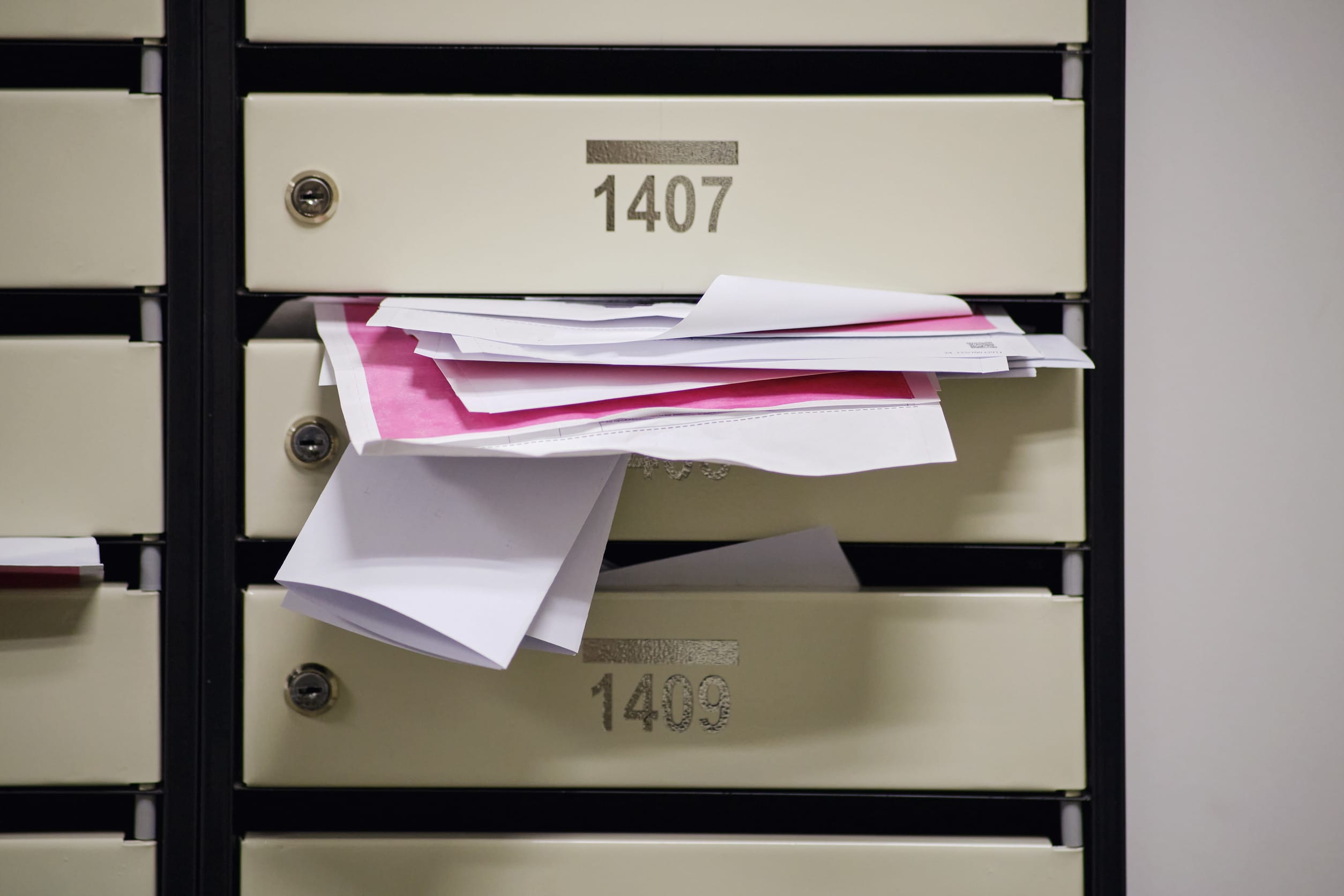
An overflowing mailbox in the lobby of an apartment building. Mailboxes full of letters with apartment numbers

Image Source: 123rf.com

An overflowing mailbox, dark windows, and no car in the driveway are dead giveaways that no one is home. Burglars look for these signs to identify houses that are easy to break into. If you’re going on vacation, ask a neighbor to collect your mail, use timers for lights, and consider leaving a car in the driveway. Installing a security system or video doorbell can also deter criminals by showing them they’re being watched. Making your home look lived-in—even when you’re away—can keep it off a burglar’s list.

7. Getting Too Comfortable with Strangers

Not every friendly stranger has bad intentions, but criminals often use charm and deception to lower their victims’ guard. Scammers, thieves, and even predators rely on people’s natural trust to gain access to information, homes, or valuables. They may pose as salespeople, lost tourists, or even law enforcement to manipulate you. Be polite but cautious, and never share personal details or allow someone into your home unless you’re absolutely sure of their intentions. Trust your instincts—if something feels off, it probably is.

8. Relying on Routine Too Much

Having a predictable routine can make you an easy target, especially for criminals who watch and wait. If you always leave for work at the same time, park in the same spot, or take the same jogging route, someone with bad intentions can easily anticipate your movements. Changing up your routine, using different entrances, and varying your schedule can make it harder for criminals to track you. Staying unpredictable keeps you one step ahead of anyone looking for an opportunity.

They Look for Easy Targets

Criminals look for easy targets, and often, small habits can make all the difference in whether you’re chosen or ignored. By staying aware of your surroundings, securing your digital and physical spaces, and trusting your instincts, you can reduce the chances of becoming a victim. Crime can happen anywhere, but being proactive and making smart choices can keep you and your loved ones safe.

Have you ever made one of these mistakes without realizing it? What other everyday habits could put someone at risk? Share your thoughts in the comments!

Read More:

Think You’re Helping? The Risky Truth About Giving Money to the Homeless at Stoplights

Why Some Criminals Leave a Water Bottle on Your Car Tire—And What It Means

Latrice Perez

Latrice is a dedicated professional with a rich background in social work, complemented by an Associate Degree in the field. Her journey has been uniquely shaped by the rewarding experience of being a stay-at-home mom to her two children, aged 13 and 5. This role has not only been a testament to her commitment to family but has also provided her with invaluable life lessons and insights.

As a mother, Latrice has embraced the opportunity to educate her children on essential life skills, with a special focus on financial literacy, the nuances of life, and the importance of inner peace.

Filed Under: safety Tagged With: burglary prevention, crime prevention, cybercrime, identity theft, personal safety, security tips, self-defense, situational awareness

How Criminals Use Simple Chalk Marks to Target Homes for Burglary

March 15, 2025 by Latrice Perez Leave a Comment

Chalk Name

Image Source: 123rf.com

Most people wouldn’t think twice about seeing a small chalk mark on a sidewalk, fence, or even their mailbox. It’s easy to assume it was left by kids playing outside or just random street markings. However, in many cases, these seemingly innocent chalk symbols are actually coded messages used by criminals to mark homes as potential burglary targets.

Burglars, scammers, and organized crime groups have long used secret symbols to communicate information about houses they intend to target. These markings can reveal whether a home is occupied, if the owners are elderly, if a house has valuables inside, or even if a property is an easy break-in. While not widely discussed, this method is an increasingly common tool for burglars—and homeowners need to know what to look for.

Why Do Criminals Use Chalk Marks?

Chalk is the perfect tool for criminals looking to mark homes because it’s temporary, subtle, and easily dismissed by unsuspecting homeowners. Unlike spray paint or permanent markers, chalk washes away with rain, making it harder for law enforcement to track patterns or gather evidence.

These marks can be left by burglars themselves or by scouts—individuals who assess neighborhoods and report back to criminal groups. Some burglars work in teams, and these markings help identify which houses are worth targeting and which ones should be avoided.

The Meaning Behind Common Chalk Marks

While the specific symbols used by criminals can vary, some common chalk markings have been found in burglary patterns worldwide. Here are some of the meanings behind these seemingly random markings:

  • An “X” or a Cross – Indicates a good target for burglary.
  • A Circle with an “X” Inside – Home has already been broken into or is planned for burglary soon.
  • A Triangle – Usually means a single woman lives in the house, often considered an easy target.
  • A Diamond Shape – Suggests a wealthy home with high-value items inside.
  • A Letter “M” or “W” – Could signify a morning or weekend burglary opportunity, meaning the home is empty during those times.
  • A Horizontal Line – Suggests that the home has nothing worth stealing or is too risky to break into.
  • A Square or Box – Often marks a house with a security system or a dog, warning burglars to avoid it.

Some criminals also use arrows to point toward escape routes or safe exits after a break-in. Other groups may use numbers to indicate how many people live in the house or the best time to strike.

Where Do Criminals Leave These Markings?

Burglar

Image Source: 123rf.com

Burglars carefully choose where to place these chalk symbols so they are visible to their accomplices but not easily noticed by homeowners. Some of the most common places where you might find these markings include:

  • Sidewalks in front of your home – A quick way to communicate to others in a criminal network.
  • Mailboxes or fences – Subtle placement that isn’t always checked by homeowners.
  • Driveways or near the curb – Used to indicate which homes are worth breaking into.
  • Utility poles or street signs nearby – Markings left further from the home but still close enough to be useful to criminals.

How to Protect Your Home from Chalk Mark Targeting

If you notice strange chalk markings around your home or in your neighborhood, take action immediately. Criminals rely on secrecy, and once their system is exposed, they often move on to easier targets. Here’s what you should do:

  • Erase the Markings Immediately – The sooner you remove the chalk, the harder it is for burglars to follow through with their plans. Use water, a scrub brush, or a pressure washer if needed.
  • Document the Symbols – Take photos of any suspicious markings before removing them. If multiple homes in your area have similar symbols, report them to the police.
  • Inform Your Neighbors – Criminals often target entire neighborhoods. Letting your neighbors know about the markings can help everyone stay alert and take precautions.
  • Check Security Footage – If you have security cameras, review any recent activity near the markings. This could provide valuable evidence for law enforcement.
  • Strengthen Your Home Security – Even if your home hasn’t been marked, burglars are always looking for easy opportunities. Installing motion sensor lights, security cameras, and visible alarm systems can make your home less attractive to criminals.

Other Signs That Your Home May Be Targeted

Chalk markings aren’t the only way burglars signal potential targets. If you notice any of the following, it could indicate that criminals are watching your home:

  • Unfamiliar people loitering around your neighborhood
  • Strangers knocking on doors, pretending to sell something or ask for directions
  • Missing or moved trash cans and mailboxes, which could be signs of scouting
  • Flyers or business cards wedged in your door that aren’t from legitimate companies

Criminals often conduct test runs before attempting a break-in. They may leave something small, like a flyer in your door, to see how long it takes for someone to remove it. If it sits untouched for days, they may assume the home is vacant or unattended, making it a prime target.

What to Do If You Suspect Your Home Has Been Marked

If you believe criminals have marked your home for burglary, don’t ignore it. Act quickly to remove the marking, document the incident, and report any suspicious activity to local law enforcement. You can also:

  • Ask neighbors if they’ve seen any unusual behavior or markings near their homes.
  • Consider increasing outdoor lighting or installing security cameras.
  • Be extra cautious with home security—lock doors and windows, even when you’re home.
  • If possible, park a car in the driveway to give the impression that someone is always there.

Awareness Can Stop Criminals in Their Tracks

Criminals thrive on secrecy and easy opportunities. By being aware of how they use chalk markings and other subtle tricks to target homes, you can prevent yourself and your neighbors from becoming victims. If something feels off, trust your instincts—and always take action to protect your home.

Have you ever noticed strange markings or suspicious activity in your neighborhood? What did you do? Share your experience in the comments below.

Read More:

10 Places that Burglars Are Hoping You’ll Hide Your Cash and Jewelry-So Don’t!

Why Some Criminals Leave a Water Bottle on Your Car Tire—And What It Means

Latrice Perez

Latrice is a dedicated professional with a rich background in social work, complemented by an Associate Degree in the field. Her journey has been uniquely shaped by the rewarding experience of being a stay-at-home mom to her two children, aged 13 and 5. This role has not only been a testament to her commitment to family but has also provided her with invaluable life lessons and insights.

As a mother, Latrice has embraced the opportunity to educate her children on essential life skills, with a special focus on financial literacy, the nuances of life, and the importance of inner peace.

Filed Under: safety Tagged With: burglary prevention, burglary tactics, chalk markings, crime awareness, crime prevention, home defense, home protection, home security, neighborhood safety, personal safety

Your Home Isn’t as Safe as You Think—5 Security Flaws Burglars Love

February 26, 2025 by Latrice Perez Leave a Comment

Burglars

Image Source: 123rf.com

Many homeowners assume their homes are secure, but professional burglars know how to exploit weaknesses that most people overlook. A locked door and security cameras might not be enough if your home has vulnerabilities that criminals can easily take advantage of. Understanding these security flaws can help you protect your home and prevent break-ins. Here are five security weaknesses that burglars love and how to fix them.

Unsecured Entry Points Make Break-Ins Easy

Most people think burglars break in through a shattered window or by picking a lock, but many simply walk through an unlocked door or crawl through an unsecured window. Sliding doors are a major weak point because they can often be lifted off their tracks. Weak door frames and low-quality locks can also make forced entry easier. To secure your entry points, upgrade to high-quality deadbolts, install window locks, and reinforce sliding doors with security bars or pin locks. Motion-sensor lights near all entry points can also help deter burglars.

Poor Outdoor Lighting Gives Criminals Cover

Burglars look for homes with dark, unlit areas where they can hide while attempting a break-in. If your driveway, backyard, or entryways are poorly lit, your home becomes an easier target. Security experts recommend installing motion-activated lights around your property, especially near entrances and windows. Bright lighting removes the cover burglars need to work unnoticed and often makes them move on to an easier target.

Visible Valuables Invite Theft

Jewelry

Image Source: 123rf.com

If your expensive electronics, jewelry, or car keys are visible from outside, your home is more likely to be targeted. Burglars often scout neighborhoods for houses that display valuable items in plain sight. Keeping curtains closed and using frosted or tinted windows can help prevent prying eyes from assessing your belongings. Storing valuables in a safe and keeping car keys out of sight reduces the risk of a break-in.

Weak Garage Security Provides Easy Access

Garages are a favorite entry point for burglars because many homeowners forget to secure them. A garage door that can be easily forced open or an interior door leading from the garage to the house that is left unlocked makes breaking in simple. Criminals can also use universal garage door openers or manipulate older garage doors with coat hangers. Upgrading to a modern, rolling-code garage door opener, adding a deadbolt to the interior door, and installing a garage door sensor can improve security.

Lack of a Security System Leaves Your Home Vulnerable

Homes without a visible security system are prime targets for burglars. Even a simple security sign or fake camera can deter some criminals, but a professionally monitored alarm system offers the best protection. Smart security systems allow homeowners to monitor their homes remotely and receive alerts for suspicious activity. If an alarm is triggered, it can notify law enforcement immediately, increasing the chances of catching a burglar in the act.

Making Your Home Less Appealing to Burglars

The key to home security is making your home less attractive to criminals. Securing entry points, improving outdoor lighting, hiding valuables, reinforcing your garage, and installing a security system all reduce the risk of a break-in. Most burglars look for easy targets, so taking these precautions makes your home far less likely to be chosen.

Does your home have any of these security flaws? What have you done to remedy these issues? Let us know in the comments below.

Read More:

10 Places that Burglars Are Hoping You’ll Hide Your Cash and Jewelry-So Don’t!

How Much Should You Spend on Home Security?

Latrice Perez

Latrice is a dedicated professional with a rich background in social work, complemented by an Associate Degree in the field. Her journey has been uniquely shaped by the rewarding experience of being a stay-at-home mom to her two children, aged 13 and 5. This role has not only been a testament to her commitment to family but has also provided her with invaluable life lessons and insights.

As a mother, Latrice has embraced the opportunity to educate her children on essential life skills, with a special focus on financial literacy, the nuances of life, and the importance of inner peace.

Filed Under: Personal Finance Tagged With: break-in prevention, burglary prevention, home safety, home security, protecting your home, security tips, smart home security

10 Places that Burglars Are Hoping You’ll Hide Your Cash and Jewelry-So Don’t!

February 7, 2025 by Latrice Perez Leave a Comment

Burglary happening

Image Source: 123rf.com

Did you know that in the U.S., there is a burglary every 15 seconds? Due to the high number of burglaries, we all want to keep our valuables safe, but sometimes in our quest for security, we inadvertently make it easier for burglars. Certain hiding spots are so common that experienced thieves know exactly where to look. By making a few small changes to where and how we hide our valuables, we can significantly reduce the chances of theft. Let’s explore these vulnerable areas and discuss safer alternatives to protect your cash and jewelry.

1. Inside Your Jewelry Box

It might seem like a safe bet to keep your jewelry in a jewelry box, but this is one of the first places burglars will look. A jewelry box is easy to spot and doesn’t provide any real security against theft. Instead, consider using a hidden safe or a lockbox. If you must store jewelry in a box, opt for one with a secure lock, and hide it in a place that isn’t as obvious. The key is to ensure it’s out of sight and difficult for an intruder to access quickly.

2. Dresser Drawers

Top dresser drawers are another common hiding place for jewelry, cash, and other valuables. However, these drawers are usually among the first places burglars search. They know that people often hide things in drawers because they are easy to access and simple to conceal. To avoid this, consider using a lockable drawer or a hidden compartment within the dresser. This extra layer of protection ensures your valuables won’t be discovered quickly during a break-in.

3. Freezer or Refrigerator

A surprising number of people hide cash or jewelry in their freezer or refrigerator, thinking that the cold will deter thieves. While this may seem clever, experienced burglars are aware of this tactic and will check freezers and fridges as a matter of routine. Instead of using food storage areas, opt for a diversion safe that looks like a common household item, such as a can or box. These safes blend in with your pantry items but provide a much more secure option.

4. Under a Floorboard

The idea of hiding valuables under a floorboard may seem foolproof, but it’s actually one of the first places burglars check, especially in older homes. It’s an obvious hiding place for those who know what to look for. If you do choose to hide valuables under a floorboard, make sure the hiding spot is discrete, or better yet, use a well-secured and hidden safe built into the floor. However, a safer choice would be a locked and secured area that’s much harder to find or break into.

5. Kitchen Pantry

Kitchen Pantry

Image Source: 123rf.com

While it might seem like a good idea to hide things like cash or jewelry in a kitchen pantry, especially in food packaging, this is a hiding spot that burglars are very familiar with. Whether it’s inside a cereal box or behind canned goods, these spots are often targeted. A safer alternative would be using a concealed compartment or a diversion safe designed to look like a kitchen appliance. These can be tucked away in plain sight and will make it more difficult for anyone to locate your valuables.

6. Closet Pockets

Many people mistakenly believe that hiding valuables in coat pockets or jacket pockets in their closet is a foolproof plan. However, burglars often know to check pockets, especially in closets or wardrobes where clothing is stored. A safer option would be to install a lockable box or hidden drawer in your closet, which can provide more security. By placing your valuables inside a lockable compartment, you are significantly reducing the risk of them being found.

7. Under the Sofa Cushions

Placing cash or jewelry under sofa cushions is a popular yet risky move. While it may seem like an obscure hiding place, burglars frequently check this spot, as it’s a common hiding place in many homes. Instead of hiding items where anyone might sit, consider using a hidden compartment or a diversion safe tucked into your furniture. These options blend in with your home’s decor while offering a much higher level of security.

8. In a Portable Safe

Portable safes are convenient, but they are also a favorite target for burglars. If a burglar manages to find and carry off a portable safe, they have everything they need in one go. To reduce this risk, invest in a safe that is securely bolted to the floor or wall. This makes it far more difficult for burglars to simply take it away, ensuring your valuables stay put.

9. Shoe Box

Many people hide cash or small valuables in a shoe box, thinking it’s a hidden but accessible location. Unfortunately, burglars know to check places like closets and drawers for such items. To enhance security, consider using a lockable drawer or a hidden compartment in your furniture. These types of storage solutions not only protect your valuables but also keep them hidden from prying eyes.

10. In a Stack of Magazines

Hiding cash or jewelry in a stack of magazines is another common but risky hiding place. It may seem like an effective way to keep things out of sight, but burglars are likely to check through stacks of papers and magazines. Instead, try using a diversion safe that looks like a common household object but is equipped with a secure compartment inside. This makes it much harder for intruders to find your hidden items.

Avoid Common Hiding Spots

Protecting your cash and jewelry requires thoughtful planning. By avoiding common hiding spots and opting for secure, less obvious locations, you can significantly reduce the risk of theft. Remember, the goal is to make it as difficult as possible for burglars to find your valuables. Investing in a high-quality safe, using hidden compartments, and being mindful of where you store your items can make all the difference.

Have you ever hidden your valuables in any of these places? Which hiding spots would you add to this list? Let us know in the comments.

Read More:

12 Red Flags That Indicate a Bad Neighborhood

11 Things You’re Doing Online That Hackers Love

Latrice Perez

Latrice is a dedicated professional with a rich background in social work, complemented by an Associate Degree in the field. Her journey has been uniquely shaped by the rewarding experience of being a stay-at-home mom to her two children, aged 13 and 5. This role has not only been a testament to her commitment to family but has also provided her with invaluable life lessons and insights.

As a mother, Latrice has embraced the opportunity to educate her children on essential life skills, with a special focus on financial literacy, the nuances of life, and the importance of inner peace.

Filed Under: Personal Finance Tagged With: burglary prevention, burglary tactics, hiding valuables, home safety tips, home security, jewelry protection, personal security, protecting cash, safe storage, secure storage solutions

FOLLOW US

Search this site:

Recent Posts

  • Can My Savings Account Affect My Financial Aid? by Tamila McDonald
  • 12 Ways Gen X’s Views Clash with Millennials… by Tamila McDonald
  • What Advantages and Disadvantages Are There To… by Jacob Sensiba
  • 10 Tactics for Building an Emergency Fund from Scratch by Vanessa Bermudez
  • Call 911: Go To the Emergency Room Immediately If… by Stephen Kanaval
  • 7 Weird Things You Can Sell Online by Tamila McDonald
  • 10 Scary Facts About DriveTime by Tamila McDonald

Copyright © 2026 · News Pro Theme on Genesis Framework