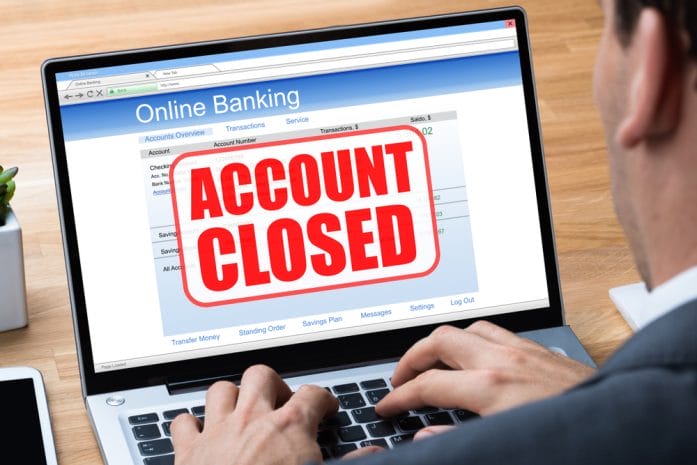
You wake up, check your bank app, and your account is frozen—or worse, gone. No warning, no explanation, just a vague notice about a “review.” This is the reality for a growing number of people caught in what banks call “de-risking.”
While the term might sound technical and harmless, the consequences can be frustrating, disruptive, and sometimes financially devastating. If you’ve never heard of it before, now is the time to understand why bank account closures are happening—and how to protect yourself.
What ‘De-Risking’ Really Means for Your Money
Banks use “de-risking” as a strategy to reduce exposure to potential legal, regulatory, or financial trouble, but it often translates into sudden bank account closures for everyday customers. Financial institutions are under intense pressure to comply with anti-money laundering laws and fraud prevention regulations, which means they monitor accounts more aggressively than ever.
If your activity triggers internal alerts—even accidentally—you could be flagged as “high risk” without any wrongdoing. This can include things like frequent international transfers, large cash deposits, or even inconsistent income patterns. Unfortunately, once flagged, many banks choose to close accounts rather than investigate further, leaving customers scrambling.
Why Bank Account Closures Are Happening More Often
The rise in bank account closures is closely tied to stricter global financial regulations and the increasing use of automated monitoring systems. Algorithms now scan millions of transactions daily, looking for patterns that might indicate fraud, money laundering, or other suspicious behavior.
While this technology is efficient, it’s not perfect, and false positives are more common than many people realize. For example, freelancers, gig workers, and small business owners often have irregular cash flow that can look suspicious to automated systems.
Common Triggers
Understanding what triggers these reviews can help you avoid unexpected bank account closures, even if the rules aren’t always transparent. Large or frequent cash deposits are one of the biggest red flags, especially if they don’t match your typical account behavior. Sending or receiving money internationally—particularly to countries flagged as high-risk—can also draw scrutiny. Even something as simple as logging into your account from different locations or devices too often can raise concerns.
Your Account Has Closed Suddenly?
When bank account closures happen, the impact can be immediate and stressful, especially if you rely on that account for daily expenses. In many cases, your funds are frozen temporarily while the bank completes its review, which can take days or even weeks.
During that time, you might miss bill payments, face overdraft fees elsewhere, or struggle to access your own money. Some customers report receiving only a brief notice with little explanation, making it difficult to resolve the issue quickly. Even after the account is closed, getting clear answers—or reopening an account—can be frustratingly difficult.
How to Protect Yourself From Unexpected Account Closures
While you can’t eliminate the risk entirely, there are smart steps you can take to reduce the chances of bank account closures disrupting your life. Start by maintaining consistent transaction patterns whenever possible, and avoid sudden large deposits or transfers that don’t align with your usual activity.
It’s wise to have a backup bank account at a different institution so you’re not completely locked out of your finances if one account is closed. Finally, stay proactive by reviewing your bank’s policies and communicating with them if you anticipate unusual activity.
Convenience vs. Control
The rise in bank account closures highlights a growing tension between financial security and customer convenience in today’s banking system. This shift means consumers need to be more aware and proactive about how they manage their money and interact with banks. As technology continues to evolve, understanding these systems isn’t just helpful—it’s essential for protecting your financial stability.
Have you or someone you know ever experienced a sudden bank account closure without warning? Share your story in the comments below.
You May Also Like…
How a Greener Home Can Boost Your Bank Account
7 Honest Ways to Stop Comparing Your Bank Account to Others
Biometric Banking and the Rise of Fraud Concerns in 2026
5 Outrageous Fees Hidden in Everyday Banking Services
Could Social Media Habits Be Hurting Bank Accounts

Brandon Marcus is a writer who has been sharing the written word since a very young age. His interests include sports, history, pop culture, and so much more. When he isn’t writing, he spends his time jogging, drinking coffee, or attempting to read a long book he may never complete.
.png)
It’s happened to me last week from wellfargo im so mad and they not giving me a answer im getting a lawer